标签: Saint Vincent and the Grenadines

圣文森特和格林纳丁斯

  • SVG to adopt regional position on deportees from US

    SVG to adopt regional position on deportees from US

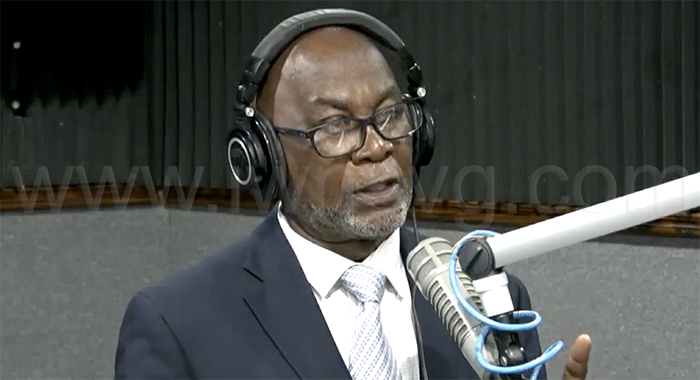
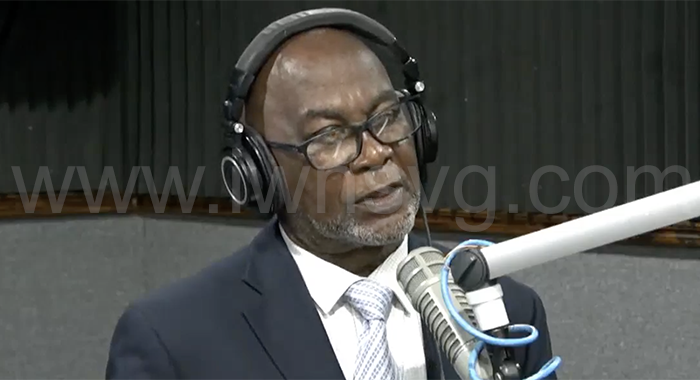
    The government of St. Vincent and the Grenadines has declared it will align with the collective position of the Organisation of Eastern Caribbean States (OECS) regarding a United States proposal for bloc members to accept third-country refugees and deportees. Deputy Prime Minister and Minister of National Security St. Clair Leacock announced the coordinated approach during a national radio interview, emphasizing regional solidarity over unilateral action.

    Leacock revealed that OECS prime ministers are convening to develop a unified response after receiving technical advice, with plans to formally engage the U.S. State Department for clarification and establish proper protocols. He framed the issue within broader global migration challenges, noting that even major powers like European nations approach such matters collectively rather than individually.

    The deputy prime minister cautioned against impulsive sovereign decisions, highlighting how regional agreements and protocols create interconnected obligations. While acknowledging potential security concerns regarding accepting displaced persons, Leacock also suggested possible benefits if newcomers possess valuable skills and resources that could help address underpopulation issues in Caribbean nations.

    Leacock confirmed no final decision has been reached, stating outcomes could range from acceptance to rejection of the U.S. request. He connected the refugee matter to broader regional security discussions, noting upcoming meetings with regional security officials regarding Venezuela’s impact on Caribbean stability as he prepares to assume chairmanship of the Council of Ministers for National Security in March.

  • Tell US no to refugees, deportees — Gonsalves

    Tell US no to refugees, deportees — Gonsalves

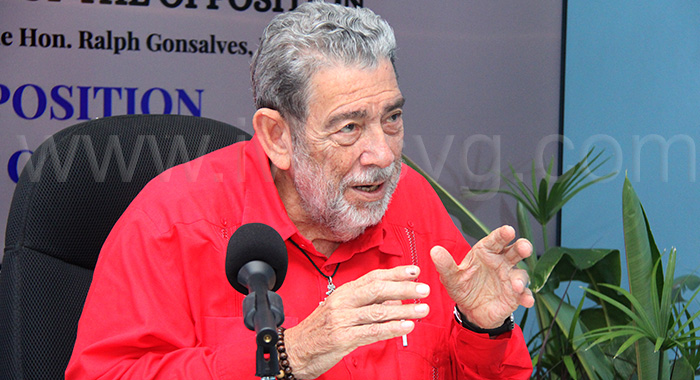
    A prominent Caribbean political figure is advocating for a unified regional rejection of a United States proposal concerning the transfer of migrants. Ralph Gonsalves, the former long-serving Prime Minister of St. Vincent and the Grenadines and current opposition leader, has publicly called on CARICOM member states to firmly refuse a U.S. request to accept refugees and deportees from third countries.

    Gonsalves revealed that the U.S. State Department had approached his administration with this proposal shortly before the recent general elections. Speaking on his party’s radio station, Star Radio, he detailed his firm rejection of the idea, arguing it serves neither American nor Caribbean interests. His central contention is that accepting a minimal number of individuals—estimated at just 10-20 persons annually per Organisation of Eastern Caribbean States (OECS) member—would be symbolically insignificant for U.S. policy objectives while creating substantial security risks for the region.

    The seasoned politician, who held office for nearly a quarter-century, expressed deep concern that such a program would inevitably lead to connections between some deportees and existing regional criminal networks. He characterized the potential incoming individuals as likely to include problematic elements, warning Caribbean nations against creating what he termed ‘another Haiti situation’ in terms of security challenges.

    Gonsalves framed the U.S. proposal within broader geopolitical strategies, including the America-first policy and historical doctrines of hemispheric dominance. He cautioned that without a concerted CARICOM-wide position, larger powers would systematically pressure individual smaller nations into compliance.

    Rather than outright confrontation or complete submission, Gonsalves proposed a middle path of strategic negotiation. He suggested CARICOM could leverage this situation to advance other regional requests, such as visa-free travel arrangements for Caribbean citizens to the U.S., the revitalization of the PetroCaribe energy initiative with Venezuela, and joint resource exploitation projects. This approach, he argued, would demonstrate the bloc’s willingness to cooperate on mutually beneficial issues while standing firm on matters of existential importance like border security and migration policy.

    The opposition leader concluded by urging the current government of St. Vincent and the Grenadines to adopt a clear position of refusal and to champion this stance within regional forums, emphasizing that collective action is the only way to prevent larger nations from dividing and overwhelming smaller states.

  • Tourist dies after suspected fall on ferry

    Tourist dies after suspected fall on ferry

    Authorities in St. Vincent and the Grenadines have initiated a formal investigation into the tragic death of a senior American tourist aboard an inter-island ferry. The incident occurred Sunday during transit between the capital city of Kingstown and the Grenadines archipelago.

    The deceased has been identified as 73-year-old David John Hyde. Medical personnel pronounced him dead at the scene, with preliminary evidence suggesting injuries potentially consistent with a significant fall. A district medical officer attended to the case immediately following the incident.

    In an official communiqué, the Royal St. Vincent and the Grenadines Police Force indicated that while initial findings point to accidental trauma, the precise cause of death remains undetermined. A comprehensive post-mortem examination has been scheduled to establish conclusive medical and factual evidence surrounding the fatality.

    Law enforcement officials are actively appealing to the public for assistance, urging any individuals with potentially relevant information to come forward. Witnesses or persons with knowledge of the event are encouraged to contact emergency services at 911 or 999, the dedicated tip line at 784-456-1810, or their nearest police station. Authorities have guaranteed complete confidentiality for all information provided to aid the ongoing investigation.

  • Most public servants trying to frustrate gov’t will fall in line – Leacock

    Most public servants trying to frustrate gov’t will fall in line – Leacock

    St. Clair Leacock, Deputy Prime Minister and Minister of the Public Service of St. Vincent and the Grenadines, has voiced measured optimism regarding the cooperation of public servants following the recent political transition. In a Monday interview on Boom FM, Leacock acknowledged that some officials remain loyal to the former Unity Labour Party (ULP) administration but predicted they would ultimately align with the new government.

    The Central Kingstown representative, whose New Democratic Party (NDP) ended the ULP’s 25-year governance in November’s general election, addressed concerns about bureaucratic resistance. He characterized the situation as a natural consequence of prolonged single-party rule, noting that institutional culture cannot transform overnight.

    Leacock revealed he would personally accompany several public workers dismissed under the previous administration’s COVID-19 vaccine mandate who were experiencing difficulties reinstating their positions. This intervention demonstrates the government’s commitment to implementing its policy of reinstating affected employees.

    The Deputy Prime Minister articulated a pragmatic perspective on political allegiance within the civil service, recognizing public servants’ right to personal political beliefs while distinguishing between legitimate dissent and active obstruction. He expressed confidence that most officials would rationally recognize the new political reality and cooperate accordingly.

    With a January 31 deadline established for the reinstatement process, Leacock warned that persistent non-compliance would trigger administrative consequences. He commended certain sectors, particularly the police force, for their efficient implementation of the reinstatement policy while noting varying levels of cooperation across government entities.

    The government has developed a detailed implementation process through the Attorney General’s office, emphasizing the complex financial and administrative considerations involved in reintegrating dismissed workers into the public service payroll.

  • Acting corporals to be paid from February

    Acting corporals to be paid from February

    In a significant policy shift addressing long-standing labor concerns within the Vincentian police force, National Security Minister St. Clair Leacock announced Monday that officers performing corporal duties without corresponding compensation will finally receive proper payment starting February 1.

    The minister, drawing upon his extensive background in military command and human resource management, characterized the practice of extended unpaid acting appointments as systemic exploitation. “This constitutes nothing less than the exploitation of people’s labour and service,” Leacock stated emphatically during his address.

    Leacock revealed that there are currently 112 corporals in the police force, many of whom have been performing elevated responsibilities for periods ranging from three to eight years without appropriate remuneration. The minister condemned this tradition as fundamentally unjust, particularly within an organization that should exemplify proper employment practices.

    The newly installed New Democratic Party administration, which assumed office on November 27, has moved swiftly to address this issue. Leacock announced the government’s decisive resolution: “We have made the decision that everyone must be paid their corporal’s pay, come the first of February.”

    Establishing new procedural guidelines, the minister asserted that any reasonable probationary period for such appointments should not exceed six months. Beyond this timeframe, organizations must either formally confirm the appointment with proper compensation or return the officer to their previous position. This policy aims to prevent the exploitation of dedicated personnel who have accepted additional responsibilities in good faith.

  • Lawyers concerned about delay in hearing sex cases involving children

    Lawyers concerned about delay in hearing sex cases involving children

    Senior legal professionals in Saint Vincent and the Grenadines are raising urgent concerns about systemic delays plaguing the judicial processing of child sexual offense cases, warning that prolonged timelines are causing secondary trauma to young victims.

    Bar Association President Shirlan “Zita” Barnwell highlighted the alarming pattern during a special High Court session, noting that cases involving children under 13 face particularly egregious delays. While acknowledging the anecdotal nature of the evidence, Barnwell cited concrete examples where victims aged 8 at the time of violation reached 11 years or older before their cases reached trial.

    The procedural bottleneck creates devastating consequences for victims who must relive their trauma years after the incidents. Barnwell emphasized that teenagers often face additional psychological barriers including shame and reluctance to testify, potentially compromising justice. She called for systemic reforms to ensure cases are resolved within two years to minimize retraumatization.

    Attorney Grant Connell reinforced these concerns with disturbing accounts of child sexual abuse, including a pregnant 11-year-old victim rendered nearly catatonic by her experience. Connell advocated for strengthened legislation and enhanced police powers to address what he described as rampant abuse against minors.

    Acting Director of Public Prosecutions Duane Daniel acknowledged the regional nature of the problem, citing limited court capacity with only one criminal High Court currently operational. However, he noted that some delays stem from necessary psychological assessments to determine victims’ readiness for testimony, emphasizing the balance between expediency and preventing retraumatization.

    The legal experts collectively emphasized that addressing the crisis requires coordinated improvements across investigative, prosecutorial, and judicial processes, with particular attention to vulnerable child victims.

  • ‘Jail is hell,’ says soca artiste who did time for robbery

    ‘Jail is hell,’ says soca artiste who did time for robbery

    Bradley “Party Dawg” Huggins, a soca musician whose rising career was abruptly interrupted by incarceration, has delivered a powerful cautionary message about prison life following his recent release. The artist, who served over six years for a 2015 armed robbery conviction, characterized correctional facilities as places of unending torment where basic comforts and genuine human connections are scarce.

    Huggins described the brutal reality of incarceration in St. Vincent and the Grenadines, revealing that prisoners endure overcrowded cells housing up to nine inmates in confined spaces. The daily routine involves minimal nutrition—primarily consisting of what he termed “the national dish in jail”: rice and stewed chicken—and limited recreational time. He detailed how inmates typically receive bread with tea for breakfast, the ubiquitous rice dishes for lunch, and light evening meals accompanied by herbal tea.

    The artist revealed that survival in prison requires adopting protective personas, noting that “everybody wearing some kind of mask” and genuine relationships are rare. He explained that marijuana serves as a coping mechanism for many inmates, while interactions are often transactional rather than authentic. Huggins admitted to learning how to “become a snake” to navigate this dangerous environment where insincerity prevails.

    Despite these challenges, Huggins found opportunities for personal growth through reading and reflection. He emphasized his determination to avoid reoffending, citing parental responsibilities toward his 11-year-old daughter as primary motivation. The artist maintained communication with his daughter throughout his sentence using contraband cell phones, demonstrating his commitment to remaining present in her life.

    Huggins acknowledged his personal responsibility in the robbery incident while noting that peer influence and alcohol contributed to his poor decision-making. He expressed no bitterness toward his accomplices, revealing that both have reformed their lives since release—one operating a taxi business and the other abandoning previous negative behaviors.

    The musician confirmed plans to revitalize his music career, with new recordings expected for the 2026 Vincymas celebrations. During his incarceration, prison authorities had permitted him recording studio access, indicating institutional recognition of his artistic potential. Huggins concluded that while prison constituted a “very rough experience,” it provided invaluable lessons about personal accountability and life priorities.

  • Nursing education is failing us all

    Nursing education is failing us all

    A group of nursing students has come forward with devastating allegations against their educational institution, describing a six-year ordeal characterized by systemic exploitation, psychological abuse, and institutional failure. What began as hopeful pursuit of medical careers has transformed into what they describe as an oppressive system designed to break rather than educate future healthcare professionals.

    The students detail a pattern of being used to address hospital staffing shortages without adequate training or support, then being blamed when they struggled under the overwhelming pressure. They report facing intimidation, humiliation, and unexplained failures despite their dedication to the profession. The most alarming revelation is a claimed 100% failure rate that should have prompted institutional accountability but instead resulted in retaliation against those seeking answers.

    Communication breakdowns form a central part of their grievances, with exam results allegedly delayed for months without justification. The students characterize this silence as a deliberate control mechanism rather than an administrative necessity. Many report severe mental health consequences, including sleep disturbances, financial strain, and difficulty providing for their families while carrying the psychological weight of their educational experience.

    In a warning to prospective students, they describe the environment as ‘cult-like’ where submission is valued over competence and fear dominates over learning. Despite these challenges, the students emphasize their continued commitment to nursing as their ultimate calling, while calling for fundamental reform in how educational institutions treat those entering care professions.

  • Shaw is first Vincy in prestigious communication fellowship in US

    Shaw is first Vincy in prestigious communication fellowship in US

    In a historic achievement for Caribbean media, Ari Shaw has become the first journalist from St. Vincent and the Grenadines to secure placement in the International Center for Journalists’ Professional Fellows Program in the United States. This competitive selection process drew media professionals from 25 nations across Latin America, the Caribbean, and the United States.

    Shaw brings a decade of extensive media experience to the program, having served as a radio announcer and host at WE FM, reporter at Searchlight newspaper, news editor at IKTV & BOOM FM, and host of the “Off The Record” podcast. Currently, he serves as communications officer for the Government of St. Vincent and the Grenadines’ Volcanic Eruption Emergency Project and Beryl Emergency Resilient Recovery Project.

    The fellowship, which commenced this Wednesday and continues through February 19, offers participants immersive professional development opportunities. Fellows will collaborate directly with U.S. media organizations, develop entrepreneurial initiatives, and enhance their technical capabilities in investigative journalism, fact-checking, and podcast production. The program additionally focuses on building sustainable business models for media enterprises.

    According to the U.S. Embassy in Barbados, the initiative facilitates professional exchanges that strengthen mutual understanding and cooperation between the United States and partner regions. Shaw’s participation is anticipated to significantly advance his expertise while contributing to the enhancement of innovative broadcasting and media practices within St. Vincent and the Grenadines.

    Expressing his enthusiasm, Shaw noted: “I’m both honored and grateful to be the first Vincentian accepted into this program. I perceive this as a valuable opportunity to refine my skills while engaging with international journalism professionals. I eagerly anticipate meaningful contributions to SVG’s media landscape and the broader region.” Shaw received his media training in Taiwan, adding international perspective to his professional background.

  • SVG Archery Association holds 2025 awards ceremony

    SVG Archery Association holds 2025 awards ceremony

    KINGSTOWN, St. Vincent and the Grenadines – The Archery Association of SVG, Inc. formally concluded its 2025 competitive season on January 10th with the annual National Archery Awards ceremony. The event, which doubled as the organization’s year-end social gathering, was held in Kingstown to celebrate the remarkable progress and accomplishments of local archers.

    Executive members and participants convened to distribute six prestigious national awards, recognizing exceptional performance throughout the past competitive season. The ceremony was graced by Ian Allen, a distinguished representative from the National Sports Council, who witnessed the official closing of the 2025 archery season.

    Vanburn Harry, Vice President of the federation, presided over the awards presentation. The honorees included:

    – Rayon Clarke, who achieved the highest distinction as Top Ranked Archer Overall and also received the Male Archer of the Year award alongside the Spirit of Archery Award for his exemplary sportsmanship.
    – Arush Ballapalli, recognized as the Most Promising Young Archer for demonstrating exceptional potential.
    – Dimetre Hadley, awarded as the Most Improved Archer for showing significant technical advancement.
    – Divya Jiandani, honored as Female Archer of the Year for her outstanding performance.

    In an official statement, the association emphasized that “The continued success of the sport of Archery in St. Vincent & the Grenadines is a testament to the committed efforts of the archers, members, executive board and supporters.”

    The association extended an open invitation to prospective enthusiasts, encouraging individuals interested in exploring archery to reach out via their social media channels or email at [email protected]. Training and practice facilities are available at the national archery range located at the West St. George Secondary School in Belair.