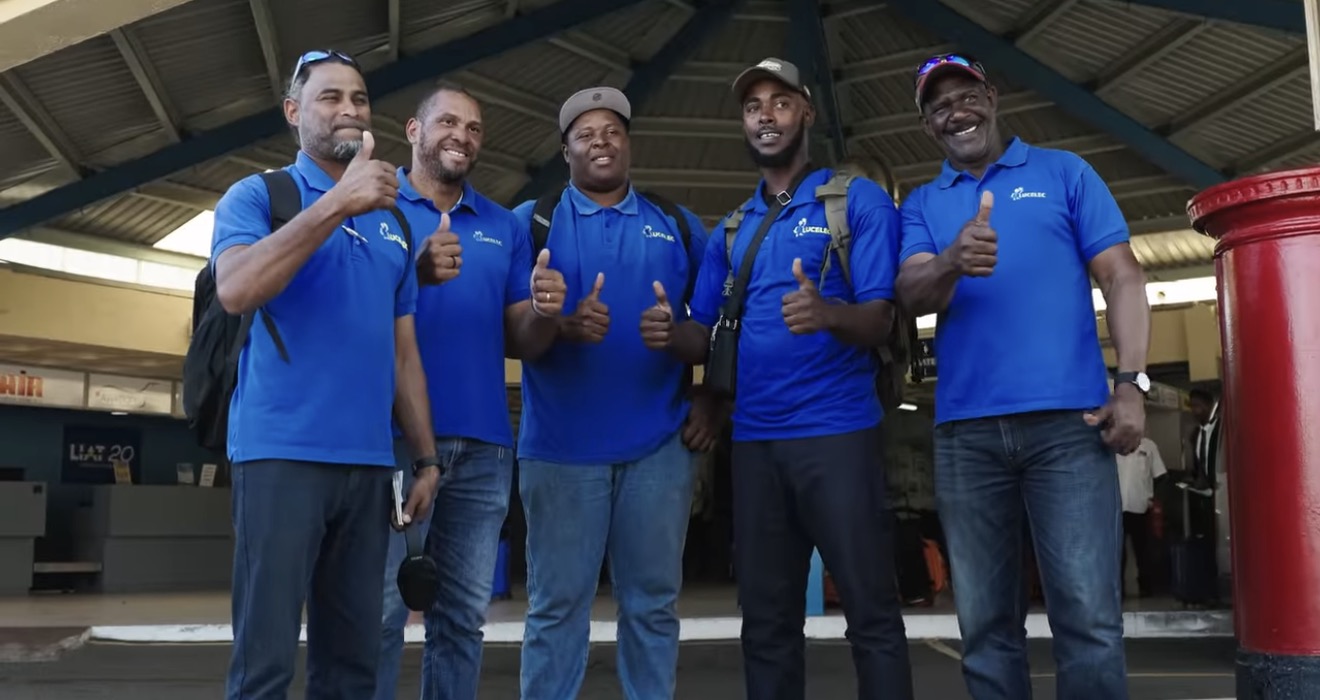
A second contingent of linemen from St. Lucia Electricity Services Limited (LUCELEC) has concluded their four-week deployment in Jamaica, where they played a crucial role in restoring electrical infrastructure devastated by Hurricane Melissa in 2025. The specialized team responded to an official request from Jamaica Public Service (JPS) through the CARILEC Disaster Assistance Programme, a regional initiative that coordinates skilled personnel and resources during natural disasters.
This deployment featured primarily newly certified linemen under the leadership of LUCEC Equipment Maintenance Supervisor Michael Ambrose. The mission provided exceptional hands-on training opportunities that are typically unavailable in their home country. Ambrose explained the strategic selection rationale: “These linemen received their certifications two years ago… Unlike Jamaica, we don’t have daily pole climbing operations in St. Lucia. This exposure was vital for them to fully comprehend the comprehensive demands of lineman work.”
Throughout the challenging assignment, Ambrose commended the team’s exceptional unity and professional conduct. Jamaican counterparts provided overwhelmingly positive feedback regarding the St. Lucian team’s work ethic and dedication. Despite the physically demanding conditions, the team maintained remarkable resilience and daily readiness. Ambrose particularly noted the excellent hospitality extended by the JPS team throughout their collaboration.
For lineman Johan Stephen, this deployment marked his inaugural international hurricane recovery experience outside Saint Lucia, representing a significant professional development opportunity. Meanwhile, John Daniel, who participated in the initial LUCELEC deployment immediately following the hurricane, recalled the intense conditions during the early restoration phase, describing extensive network reconstruction challenges.
LUCELEC’s continued engagement in regional disaster response initiatives demonstrates the organization’s commitment to enhancing technical capabilities and strengthening Caribbean cooperation mechanisms during crises.