
The World Health Organization (WHO) has issued a stark warning about the ongoing prevalence of violence against women and girls in the Americas, including the Caribbean. Ahead of the International Day for the Elimination of Violence against Women and Girls on November 25, new estimates reveal that one in three women aged 15 and older in the region has endured physical or sexual violence in their lifetime. Intimate partner violence remains the most common form, affecting one in four women aged 15-49, while one in eight has suffered sexual violence from non-partners. Young women aged 15-19 face significant risks, with 21% experiencing partner violence before turning 20. Older women are also vulnerable, as 23% of those aged 65 and above report such abuse. Dr. Jarbas Barbosa, Director of the Pan American Health Organization (PAHO), emphasized that violence is preventable and stressed the importance of high-quality data to address the issue effectively. Despite increased awareness and interventions, progress in reducing violence has been slow, and countries in the Americas are unlikely to meet Sustainable Development Goal 5.2, which aims to eliminate all forms of violence against women. Britta Baer, PAHO’s advisor on violence prevention, highlighted the underreporting of sexual violence due to stigma and shame, urging strengthened access to post-rape care. The WHO’s comprehensive study, analyzing data from 2000 to 2023 across 168 countries, underscores the urgent need for informed policy decisions. Violence against women has severe consequences, including physical injuries, mental health issues, and perpetuated cycles of abuse. PAHO is supporting countries through evidence-based strategies like the RESPECT framework, which focuses on empowering women, reducing poverty, and transforming gender norms. The health sector plays a critical role in early identification, clinical care, and connecting survivors to broader services. PAHO is also facilitating regional dialogue and capacity-building to scale up effective interventions. As part of the 16 Days of Activism 2025, PAHO will host a hybrid event on November 24 with UN Women and the World Bank to present new estimates and discuss proven interventions. Dr. Barbosa reiterated that violence against women remains a regional priority, calling for sustained investments and collective action to eliminate this pervasive issue.
标签: Jamaica
牙买加
-

HEARTBREAK
The National Stadium in Jamaica was engulfed in despair and disappointment on Tuesday night as the Reggae Boyz failed to secure automatic qualification for the 2026 FIFA World Cup. A goalless draw against Curaçao sealed their fate, sending them into the inter-confederation playoffs while their opponents celebrated a historic first-time qualification. Despite the support of 35,000 fervent fans, Jamaica couldn’t capitalize on their opportunities, hitting the woodwork three times and having a late penalty overturned. The night was further marred by Jon Russell’s red card and the resignation of Head Coach Steve McClaren, who stepped down after the match. Jamaica, once considered favorites in their group, now face an uncertain path to the World Cup, with potential playoff opponents including Iraq, DR Congo, Bolivia, or New Macedonia. Curaçao, on the other hand, reveled in their triumph, with Captain Leandro Bacuna and his team defying the odds to secure their place on the global stage.
-
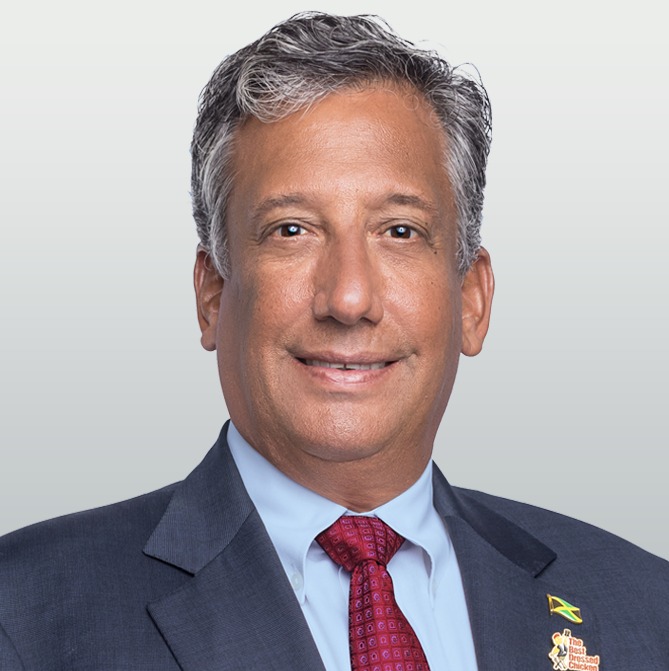
Levy vows to pursue JBG’s fraud losses, takes ‘no option off the table’
Jamaica Broilers Group (JBG) is leaving no stone unturned in its quest to recover billions of dollars lost in a multi-year fraud at its US meat division. President and CEO Chris Levy has emphasized that all options, including potential legal action, are on the table to hold those responsible accountable. The company, now stabilized by a new management team and a pending $24-billion refinancing deal, is focused on repairing its balance sheet and seeking redress for the scandal, which forced $46 billion in adjustments. Levy acknowledged the complexity of the situation, stating, ‘No option is off the table,’ while highlighting tax opportunities as a concrete avenue for financial recovery. The company has quantified potential tax benefits and is working to restate its tax positions, though this will involve intricate negotiations with tax authorities. The fraud, described as a ‘coordinated and deliberate’ effort by former US operations leadership to hide costs and inflate profits, was uncovered by a whistleblower. Senior Vice President Ian Parsard revealed that the company is eyeing close to $30 billion in potential tax credits, with even a third of that amount significantly boosting shareholder equity. This recovery effort is crucial to rebuilding JBG’s shattered equity base, recently bolstered by a $40-billion revaluation of its Jamaican assets. Levy assured stakeholders that the internal investigation is complete, but the external mission to seek justice and financial recompense remains a top priority, signaling a potentially protracted next chapter in the JBG fraud saga.
-

JBG chief questions how auditors missed massive fraud as multiple checks failed to detect $46b irregularities
Executives at Jamaica Broilers Group (JBG) have expressed deep concerns over the failure of multiple audit teams to detect a significant, multi-year fraud within the company’s US operations. CEO Chris Levy highlighted the oversight failure as a critical issue requiring further investigation. The fraud, which involved concealing costs in biological assets and inventory accounts while understating vendor financing, led to a staggering $46 billion in financial adjustments. Despite three layers of auditors—including those from the US banking syndicate and JBG’s own auditors—issuing clean opinions on financial statements, the irregularities were ultimately uncovered by an internal whistleblower. Ian Parsard, Senior Vice President of Finance and Corporate Planning, expressed astonishment at the systemic failure, noting the coordinated efforts by leadership to evade detection. The company has since implemented sweeping reforms, including replacing its US accounting team, changing auditors, and introducing new controls with IBM’s assistance. The new auditors bring specific poultry industry expertise, enabling them to identify irregularities previously overlooked. This case raises broader questions about the effectiveness of audits in complex, multi-jurisdictional organizations and underscores the potential for determined management to bypass even robust financial oversight systems. For JBG, the fallout has been severe, necessitating a complete financial restructuring and eroding shareholder trust.
-

Why Customs has become Jamaica’s scapegoat
The Jamaica Customs Agency has long been the target of public criticism over missing items, delayed baggage, and alleged inefficiencies. However, a closer examination reveals a more complex narrative. As a former employee of the agency, I have witnessed its ongoing transformation, including modernization of systems, stricter procedures, and efforts to eliminate loopholes that once facilitated illicit activities. While past shortcomings existed, the notion that Customs is solely responsible for missing goods from barrels is largely misplaced.
-
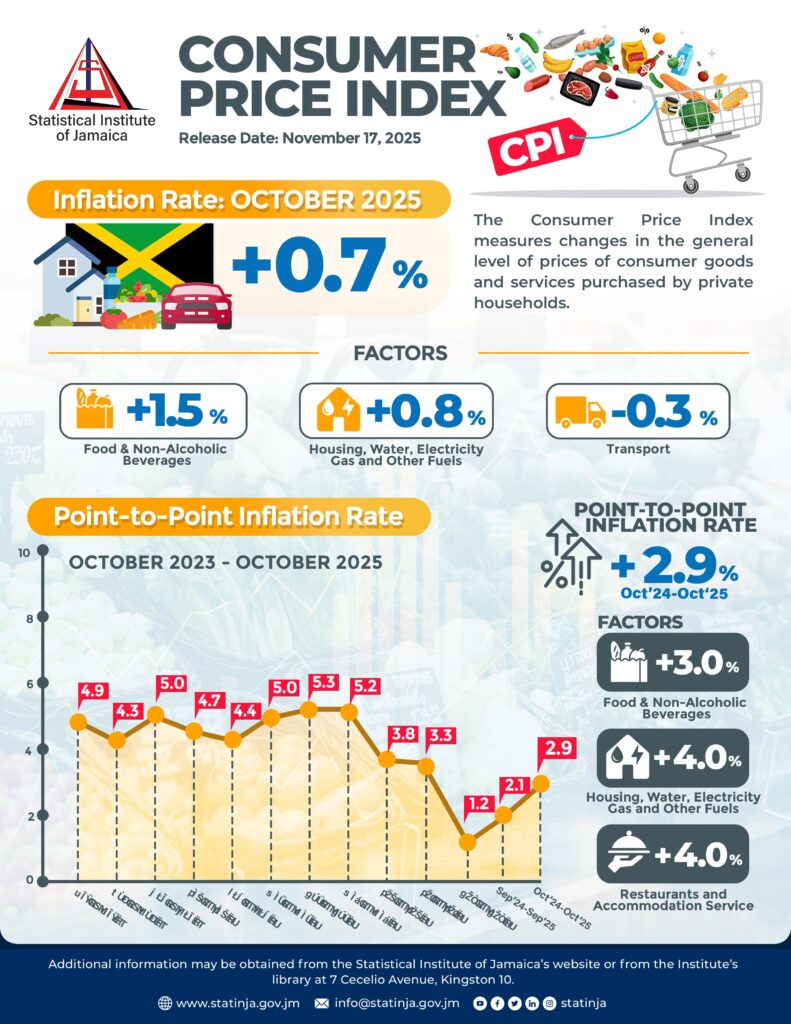
Jamaica’s inflation ticks up in October, driven by food prices
KINGSTON, Jamaica — Jamaica experienced a 0.7% rise in consumer prices in October 2025, primarily driven by increased costs in food and electricity, according to the latest report from the Statistical Institute of Jamaica (STATIN). This uptick pushed the annual inflation rate to 2.9% for the 12 months ending in October. The ‘Food and Non-Alcoholic Beverages’ category saw the most significant surge, climbing 1.5% month-on-month, with vegetables, tubers, and pulses recording a sharp 5.5% increase. Staples like carrots, cabbage, and sweet potatoes became notably more expensive. Additionally, the ‘Housing, Water, Electricity, Gas, and Other Fuels’ category rose by 0.8%, largely due to higher electricity rates. However, some relief came from the ‘Transport’ division, which saw a 0.3% decline due to lower petrol prices. Over the past year, inflation was primarily fueled by three sectors: ‘Food and Non-Alcoholic Beverages’ (3.0%), ‘Housing, Water, Electricity, Gas, and Other Fuels’ (4.0%), and ‘Restaurant and Accommodation Services’ (4.0%). STATIN clarified that the data was collected before Hurricane Melissa, meaning the figures do not account for any potential price impacts from the storm. As Jamaica’s national statistics office, STATIN remains the authoritative source for the country’s economic data.
-
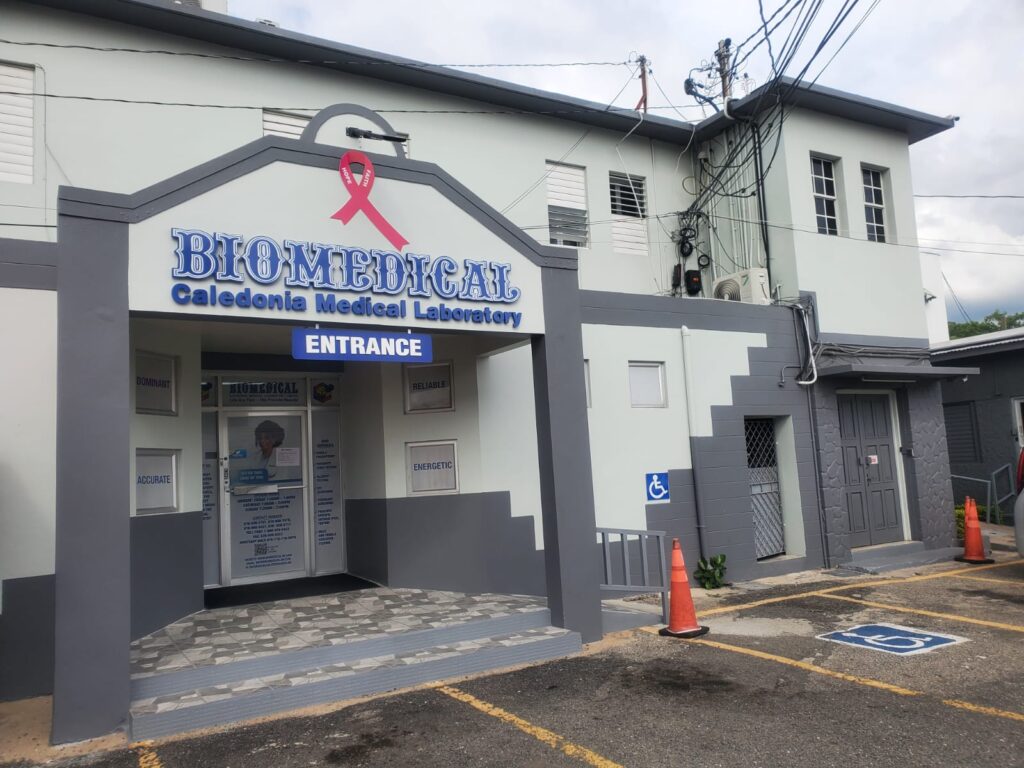
Biomedical now accepts NHF cards for key cancer and diabetes tests at all locations
KINGSTON, Jamaica — In a significant stride toward enhancing public health, Biomedical Caledonia Medical Laboratory Limited has broadened the accessibility of National Health Fund (NHF) card services across all its islandwide locations. This expansion enables patients to avail themselves of subsidized pap smears, prostate-specific antigen (PSA) tests, and HbA1c diabetes monitoring, crucial for early detection and management of chronic conditions. The initiative includes the recently inaugurated Holborn Road facility in Kingston, ensuring comprehensive coverage across the island. CEO Helen Christian emphasized the importance of this development, stating, ‘Affordable diagnostic testing can significantly impact early detection versus late-stage diagnosis. Early detection saves lives, and we are dedicated to making these essential services accessible to every community we serve.’ The expansion was made possible through collaboration with the NHF and Advanced Integrated Systems (AIS), which facilitated streamlined processing, provider number assignments, and staff training for efficient NHF claims handling. The NHF Card Programme plays a pivotal role in supporting Jamaicans with chronic illnesses by subsidizing medications, supplies, and diagnostic tests. Regular pap smears are vital for cervical cancer prevention, PSA tests aid in early prostate cancer detection, and HbA1c testing is essential for diabetes management—a prevalent chronic condition in Jamaica. With over 50 collection centers and ISO 15189 accreditation, Biomedical is well-equipped to improve healthcare access across diverse communities. Christian highlighted that this partnership with the NHF marks a significant step toward equitable access to diagnostic services, ensuring that ‘geography and finances never stand between Jamaicans and the healthcare they need.’
-

Thank you for the fight, Reggae Boyz
Jamaica’s quest for a spot in the 2026 FIFA World Cup ended in a bittersweet moment of pride and heartbreak as the Reggae Boyz fell short in their final qualifying match against Curaçao. Despite a valiant effort, the team now faces an inter-confederation play-off, a challenging path to secure their place in the tournament hosted by the United States, Canada, and Mexico. This outcome, while disappointing, underscores the resilience and potential of Jamaican football. The campaign, marked by moments of brilliance and nerve-wracking lapses, saw the team fight bravely but ultimately leave their journey more arduous than necessary by dropping crucial points earlier in the group stage. The pressure of a do-or-die finale proved insurmountable, yet the Reggae Boyz displayed unwavering heart and determination until the final whistle. Beyond the result, football in Jamaica remains a cultural cornerstone, uniting the nation amidst economic and social challenges. The campaign, though unsuccessful, reignited hope and collective belief. However, this near-miss highlights the urgent need for structural reforms in Jamaica’s football ecosystem. Investments in grassroots development, modern facilities, coaching standards, and long-term planning are essential to nurture talent and achieve consistent excellence. The Reggae Boyz’s journey should serve as a catalyst for change, inspiring a renewed commitment to building a sustainable footballing future for Jamaica. As the nation congratulates Curaçao, it also extends gratitude to the Reggae Boyz for their fight and unity, reminding Jamaica of its strength even in adversity. The next World Cup cycle begins now, with a clearer vision and a resolve to create the footballing legacy Jamaica deserves.
-
Levy warns of Q3 perfect storm: US meat price collapse and Hurricane Melissa bite into JBG’s recovery
Jamaica Broilers Group (JBG) President and CEO Chris Levy has issued a stark warning about the company’s upcoming third quarter, citing a dual crisis of collapsing US meat prices and the disruptive effects of Hurricane Melissa on its core Jamaican market. Despite a recent operational turnaround that slashed US production costs by a third, Levy emphasized that external shocks now pose the greatest threat to recovery. This warning contrasts sharply with JBG’s strong Q1 performance, which saw a $1.6 billion profit, attributed to the initial success of its operational overhaul. However, Levy cautioned that this momentum is unlikely to continue, predicting a “bumpier” path to full-year recovery. The company’s Q2 results, expected by mid-December 2024, will include a significant $40 billion asset revaluation aimed at rebuilding shareholder equity. Meanwhile, Q3, covering the period ending January 31, 2025, is expected to be particularly challenging, with US meat prices plummeting and Jamaican revenues projected to dip by 5-6% due to the hurricane’s impact. While JBG’s main revenue driver, Best Dressed Chicken, is expected to remain resilient, its Hi-Pro division, which supplies baby chicks and feed, is likely to face significant challenges. Despite operational improvements in the US meat business, falling prices may negate these gains. Levy confirmed that strategic reviews are underway, including potential difficult decisions for the US meat business, with a possible exit still on the table. The company’s ability to navigate these turbulent economic and environmental conditions will be critical to its full recovery.
-
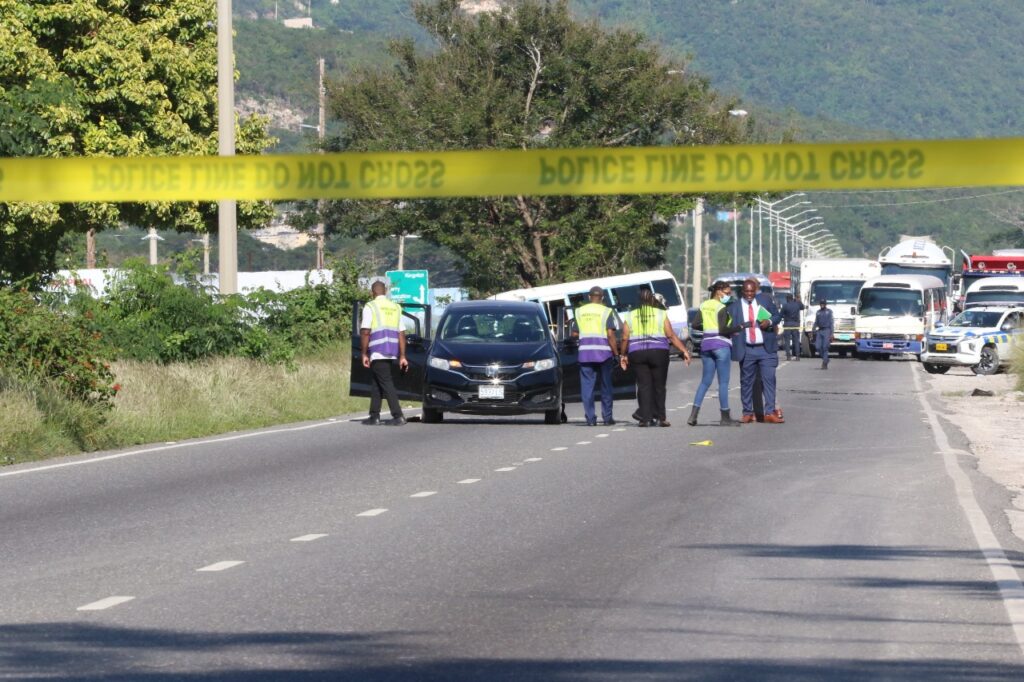
Police seize firearm, ammunition after shooting incident on Mandela Highway
KINGSTON, Jamaica—A violent confrontation on the Nelson Mandela Highway in St Catherine on Wednesday culminated in the deaths of three men and the seizure of two firearms by law enforcement. The incident unfolded around 11:45 am when officers from the Counter Terrorism and Organised Crime Investigation Branch (C-TOC) identified a black Honda Fit suspected of involvement in multiple robberies. Upon signaling the vehicle to stop, the occupants allegedly refused to comply, prompting the police to intercept the car. A shootout ensued, during which the suspects opened fire on the officers. When the gunfire ceased, three men were found with fatal gunshot wounds and were rushed to Spanish Town Hospital, where they were pronounced dead. Authorities recovered a Taurus G2C 9mm pistol with a magazine containing five cartridges, as well as a Beretta 9mm pistol equipped with a magazine holding two cartridges. The incident underscores the ongoing challenges faced by Jamaican law enforcement in combating organized crime and gun violence.