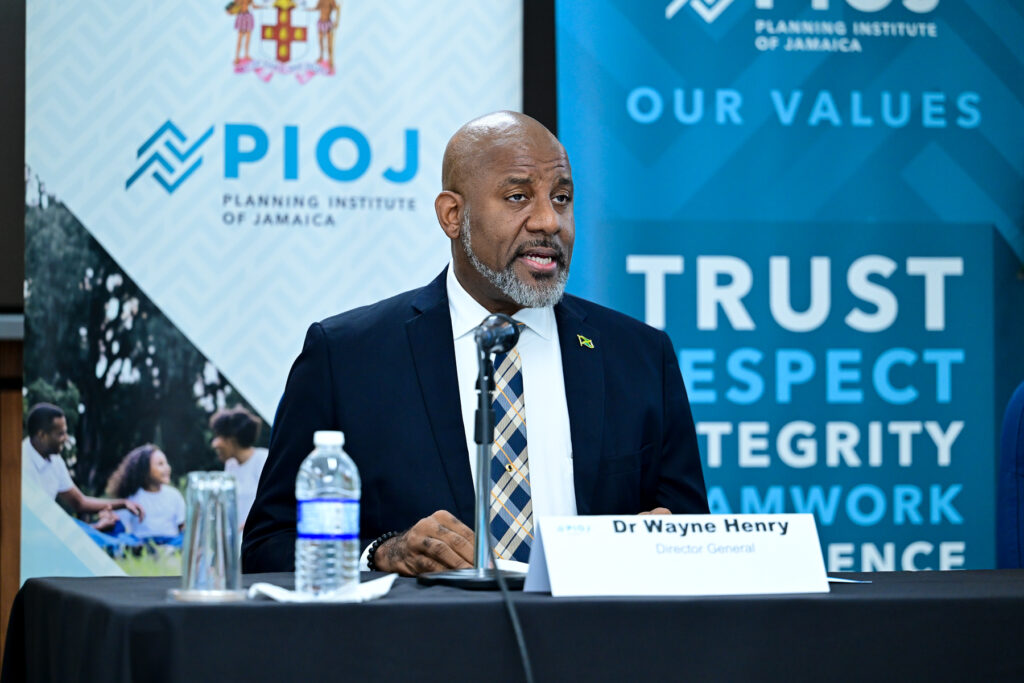
KINGSTON, Jamaica — The aftermath of Hurricane Melissa, which struck the island on October 28, has left Jamaica grappling with unprecedented economic challenges. Preliminary estimates from the Planning Institute of Jamaica (PIOJ) indicate a potential 13 per cent decline in the country’s gross domestic product (GDP) for the final quarter of this year. This marks one of the most severe economic contractions since the COVID-19 pandemic in 2020.
标签: Jamaica
牙买加
-
Gov’t to lend JPS US$150m for restoration work; rejects request for extension to licence
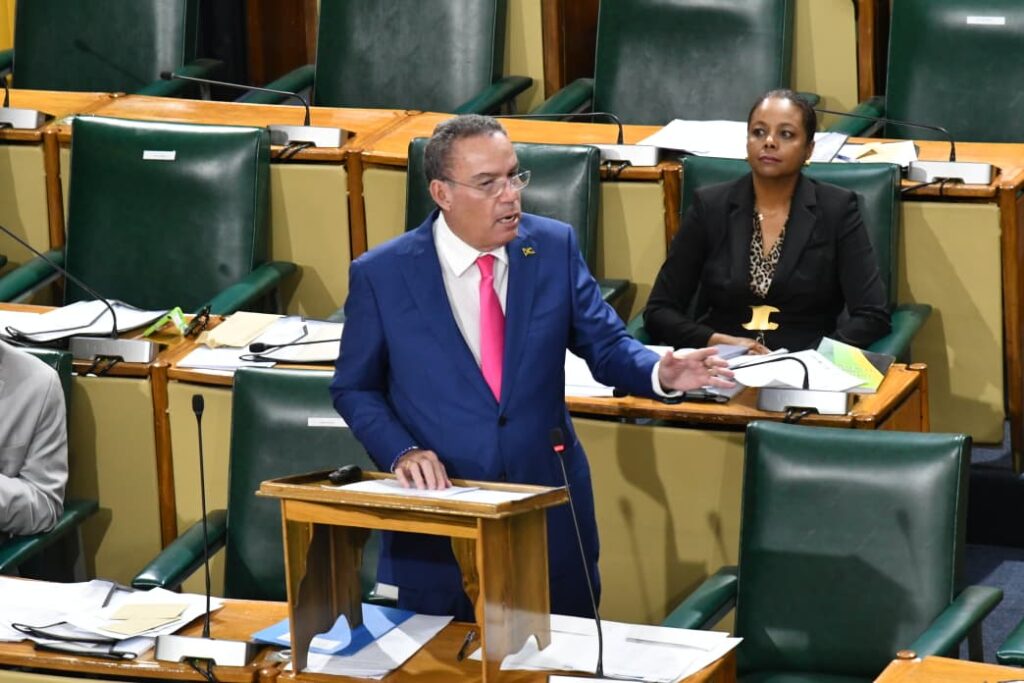
The Jamaican Government has pledged a $150 million loan to the Jamaica Public Service Company (JPS) to aid in the reconstruction of its power grid, severely damaged by Hurricane Melissa. However, the Andrew Holness Administration has declined JPS’s request to extend its current licence, set to expire in 2027, which the company sought to secure additional funding for the restoration efforts. Energy Minister Daryl Vaz announced the decision during a House of Representatives session, emphasizing the need to address two critical issues separately: the immediate funding for grid restoration and the ongoing negotiations for a new electricity licence. The Government has approved a conditional bridging loan to JPS, ensuring the company can proceed with restoration without extending its licence. This move will enable 300 overseas line workers and specialized equipment to arrive in Jamaica by December, aiming for full customer restoration by early 2026. Vaz highlighted that the Government has safeguarded its interests, with provisions ensuring repayment of the loan if a new licence is not agreed upon. The Government has also finalized a consultancy contract to support negotiations with JPS, ensuring a structured and protected approach to the process.
-
The rise of volunteerism post-Melissa
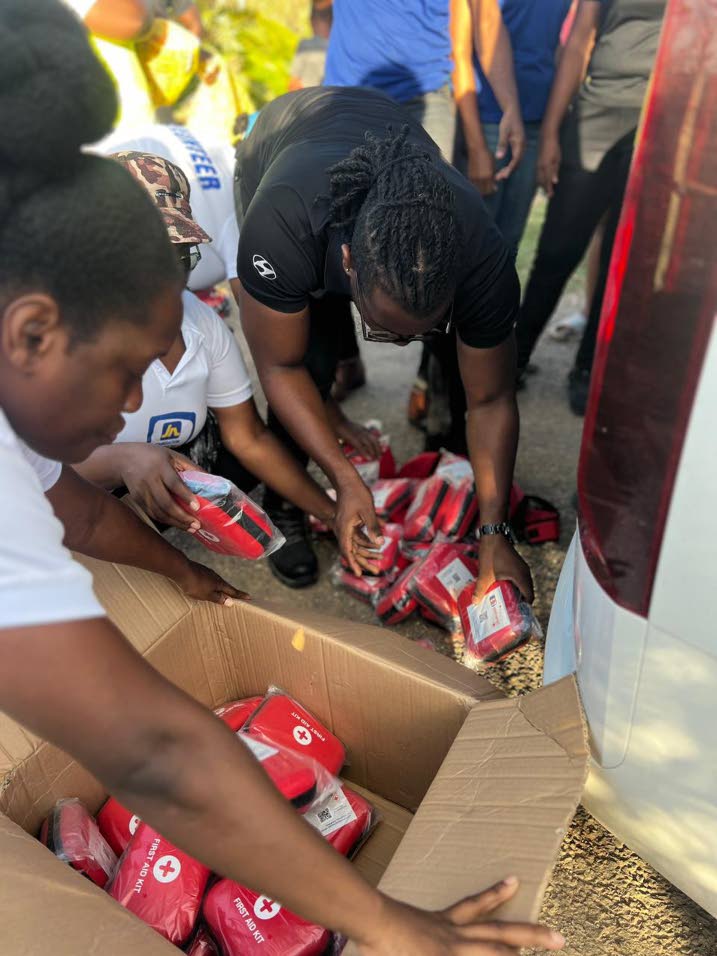
In the wake of Hurricane Melissa’s devastation in Jamaica, a remarkable wave of volunteerism has emerged, transforming a crisis into an opportunity for societal rebuilding and innovation. The hurricane has left tens of thousands of Jamaicans internally displaced, creating an urgent need for relief and recovery efforts. However, amidst the destruction, the response from both local and international communities has been nothing short of inspiring.
-

Miss Universe Africa & Oceania resigns citing commitment to personal values
Olivia Manuela Yacé, the Ivorian representative at the Miss Universe 2025 pageant held in Bangkok, has officially resigned from her title as Miss Universe Africa and Oceania. In a heartfelt statement, Yacé reflected on her journey in the pageant world, acknowledging the personal growth and resilience it fostered. However, she emphasized that stepping away is essential to align her future endeavors with her core values of respect, dignity, excellence, and equal opportunity.
Yacé expressed her commitment to championing these principles and serving as a role model for younger generations, particularly girls. She encouraged them to embrace their identities and challenge societal limitations. Additionally, she called on Black, African, Caribbean, American, and Afro-descendant communities to continue entering spaces where their presence might be unexpected, asserting that their voices and contributions are vital.
In her statement, Yacé congratulated the newly crowned Miss Universe and extended her best wishes to Miss Universe Jamaica, Dr. Gabrielle Henry, while expressing hope for Jamaica’s recovery from recent adversities. She also expressed gratitude to her supporters and shared how her experiences in the pageant world profoundly shaped her.
Although Yacé is stepping down from her regional title and ending her affiliation with the Miss Universe Committee, she affirmed that her mission to inspire and uplift others remains unwavering. Concluding her statement with a powerful declaration, she said, ‘It’s time for Africa.’
-

Estevao dazzles for rampant Chelsea as 10-man Barcelona fold
In a thrilling Champions League clash at Stamford Bridge on Tuesday, Chelsea delivered a commanding 3-0 victory against a 10-man Barcelona, with teenage sensation Estevao stealing the spotlight. The match, billed as a showdown between two 18-year-old prodigies—Estevao and Barcelona’s Lamine Yamal—lived up to its hype, as Chelsea’s dominance was evident from the outset.
Estevao’s moment of brilliance came in the 55th minute when he embarked on a mesmerizing solo run, evading two defenders before unleashing a powerful strike into the top corner of Joan Garcia’s net. This marked his 10th goal of the season for both club and country, solidifying his rising star status. Reflecting on his achievement, Estevao described it as the pinnacle of his career, expressing gratitude for the support of his family and fans.
Chelsea’s relentless pressure paid off early when a defensive error by Barcelona’s Jules Kounde resulted in an own goal in the 27th minute. The situation worsened for Barcelona just before halftime as captain Ronald Araujo was sent off after receiving a second yellow card. Substitute Liam Delap sealed the victory in the 73rd minute with a clinical finish, leaving Barcelona with no chance of a comeback.
The match showcased Chelsea’s superiority, with Enzo Fernandez and Pedro Neto coming close to adding to the scoreline. Barcelona, despite their storied history in the competition, appeared lackluster and struggled to create meaningful opportunities. Chelsea’s fans reveled in the triumph, taunting Yamal and celebrating their team’s resurgence in the Champions League after a two-year absence.
With three wins in their first five Champions League matches, Chelsea are well-positioned to secure a top-eight finish, which would guarantee automatic qualification for the last 16. The club’s momentum extends to the Premier League, where they sit second ahead of a crucial showdown with league leaders Arsenal this Sunday.
-

Towards a food-secure Jamaica
Food security remains a cornerstone of Jamaica’s sustainable development, playing a pivotal role in shaping the nation’s future. As the 21st century unfolds with its unique challenges, the need for innovative agricultural practices and robust research has never been more critical. These advancements are essential not only to meet the food demands of a growing population but also to ensure efficient storage and distribution systems, particularly in the face of economic volatility and environmental uncertainties.
-
Sanmerna Foundation, AFJ deliver major relief to marooned Hanover communities
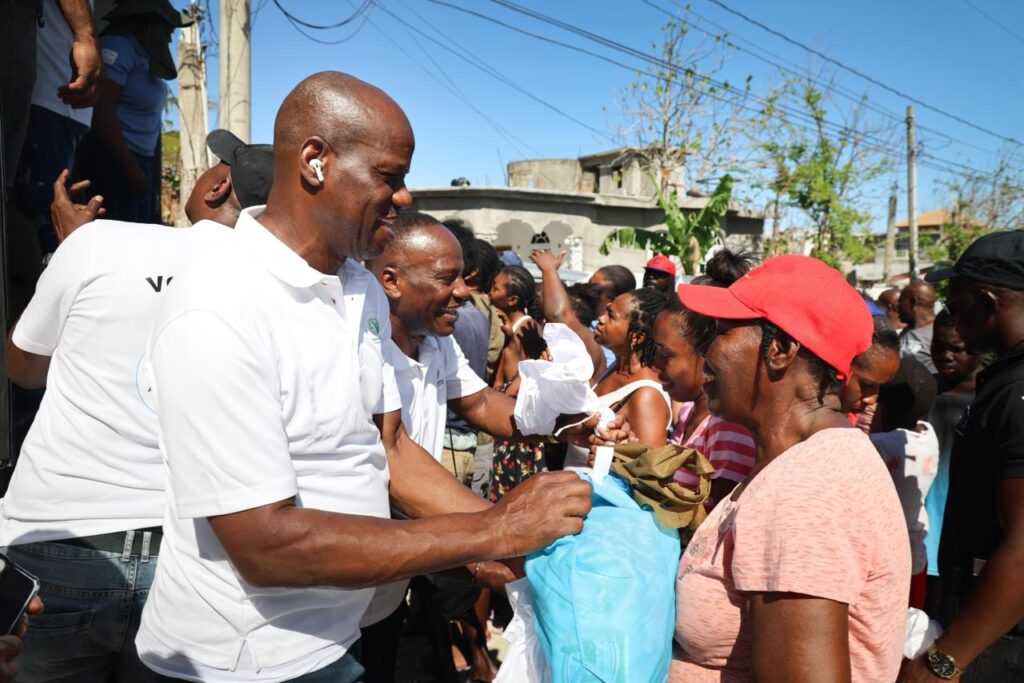
In a significant humanitarian effort, the Sanmerna Foundation, in collaboration with the American Friends of Jamaica (AFJ), executed a large-scale relief mission in Hanover, Jamaica, this week. The initiative saw the distribution of over 2,800 care packages to residents in Lookout, Haughton Meadows, and Orange Bay—communities severely impacted by Hurricane Melissa. Among these, Lookout, a remote hillside area rendered inaccessible due to collapsed roads and dangerous terrain, posed the greatest logistical challenge. Despite these obstacles, the mission successfully prioritized elderly individuals and persons with disabilities, who have been particularly vulnerable since the storm. The operation was further supported by key partners, including Food for the Poor, JetBlue, Dennis Shipping, and the Jamaica Constabulary Force (JCF), whose collective efforts ensured that essential supplies reached families stranded for days. With this phase of relief completed, the Sanmerna Foundation has announced plans to extend its operations to other isolated communities, including Point in St James, Tangle River, Kensington, Springfield, and Summer Hill. The foundation also intends to release visual documentation of its ongoing recovery efforts through photos and videos.
-
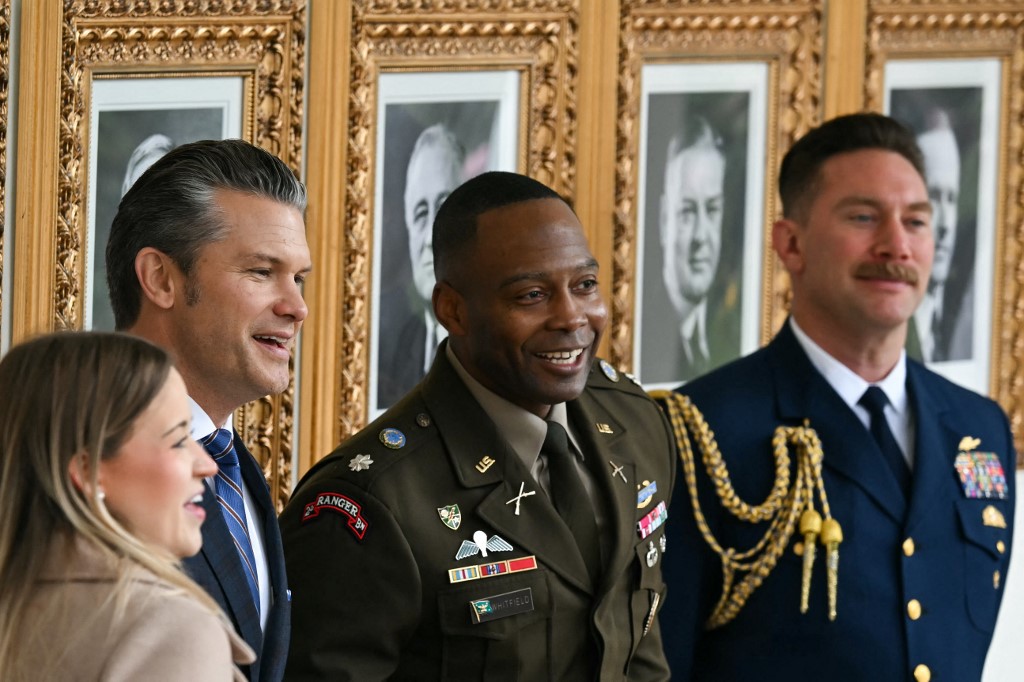
Pentagon boss to visit Dominican Republic amid US-Venezuela row
SANTO DOMINGO, Dominican Republic — U.S. Defense Secretary Pete Hegseth is set to visit the Dominican Republic on Wednesday, marking a significant diplomatic move in the Caribbean region. The visit underscores the United States’ commitment to bolstering defense ties with its Caribbean ally, particularly in the context of escalating tensions with Venezuela. The Pentagon confirmed the trip, which coincides with heightened pressure from the Trump administration on Venezuelan President Nicolas Maduro, whom Washington accuses of leading a drug cartel.
Hegseth’s itinerary includes meetings with Dominican President Luis Abinader, the country’s defense minister, and other key cabinet members. The discussions are expected to focus on strengthening bilateral defense cooperation, reaffirming U.S. support for regional security, and addressing the growing threat of drug trafficking in the Americas. This visit follows the recent designation of Venezuela’s alleged Cartel de los Soles (Cartel of the Suns) as a foreign terrorist organization by the U.S. government, a move that grants legal authority for further actions against Venezuelan authorities.
In response to the designation, the Venezuelan government organized an anti-U.S. protest in Caracas, with participants accusing Washington of fabricating scenarios to justify intervention. Meanwhile, the U.S. has intensified military pressure on Venezuela, deploying its largest aircraft carrier and a fleet of warships to the region. The Dominican Republic has been a key partner in U.S.-led anti-drug operations, with recent joint efforts resulting in the seizure of 500 kilograms of cocaine. President Abinader emphasized the importance of continued collaboration, citing the rising production of cocaine in South America as a critical challenge.
-
A nuclear bomb was dropped in our country
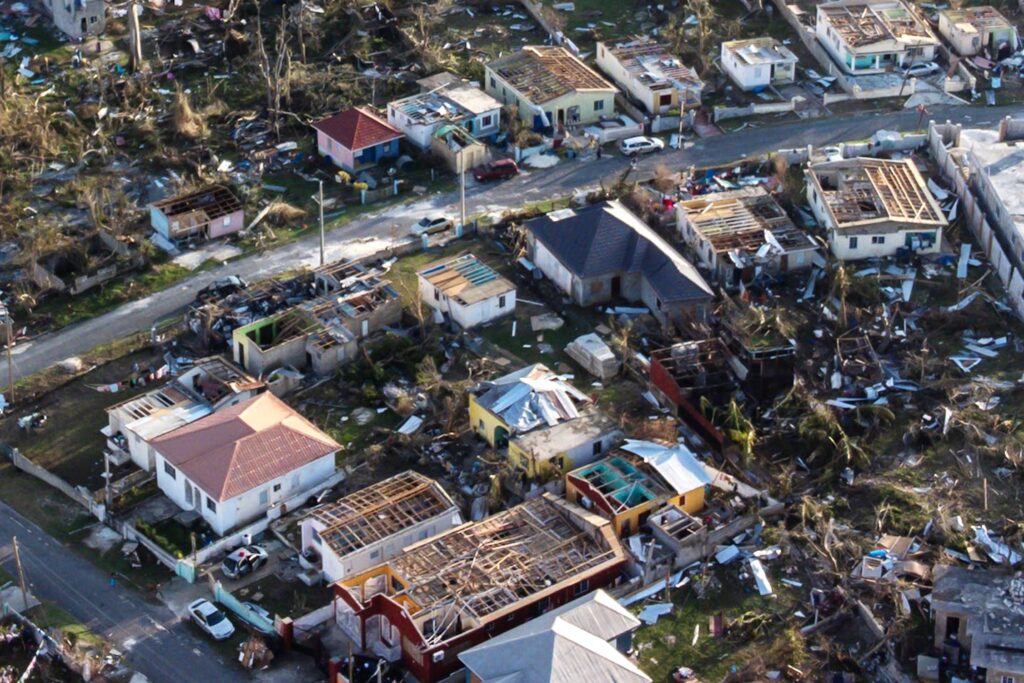
A Jamaican professional, who has worked with the United Nations and witnessed global disasters firsthand, recently returned to his homeland following the catastrophic passage of Hurricane Melissa. Traveling through Westmoreland, Ferris, Withorn, and Montego Bay, he encountered a landscape ravaged by the storm. The journey, which typically takes less time, was prolonged to three hours due to severely damaged roads, downed cable wires, and flooded pathways. The devastation was overwhelming, with trees stripped of leaves, homes and businesses missing roofs, and entire communities submerged in water. The scene was reminiscent of a nuclear blast, leaving the observer in disbelief. The emotional toll was profound as he revisited his hometown, witnessing the ruins of his primary school and the remnants of his grandmother’s house, where his cousin had narrowly escaped the storm. Despite the heartbreak, moments of hope emerged as he distributed food and water to survivors, receiving gratitude and hugs from those he helped. The experience underscored the resilience of the Jamaican people and the importance of community support in the face of disaster.
-
Cuts to HIV funding ‘most significant setback in decades’— UN
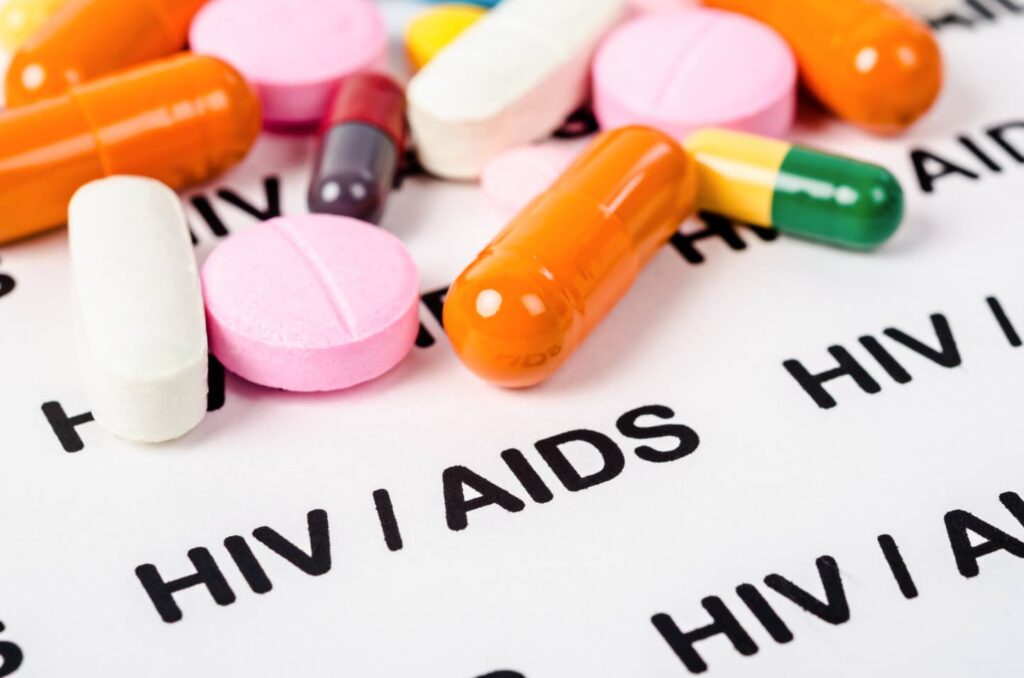
GENEVA, Switzerland (AFP)—The global fight against HIV has been plunged into chaos following significant international funding cuts, the United Nations warned on Tuesday. The UNAIDS agency revealed that abrupt reductions in financial support, particularly from the United States, have destabilized the infrastructure for HIV treatment and prevention in numerous countries. This disruption has led to clinic closures, job losses for healthcare workers, and widespread interruptions in essential services such as testing, treatment, and prevention. UNAIDS Executive Director Winnie Byanyima described the situation as the ‘most significant setback in decades.’ She highlighted the ‘abrupt pause’ in funding by the U.S., historically the largest contributor to global HIV efforts, following President Donald Trump’s return to the White House earlier this year. Other major donors have also slashed their foreign aid budgets, exacerbating the crisis. The UNAIDS report disclosed that in 2024, approximately 1.3 million people contracted HIV, a 40% decrease from 2010 but still three times higher than the target needed to end AIDS as a public health threat by 2030. Last year, 630,000 people died from AIDS-related illnesses, marking a 54% decline since 2010. However, Byanyima cautioned that the funding shortfall has exposed the fragility of past progress. Even before the crisis, the global AIDS response was underfunded, with $18.7 billion available in 2024—17% below the required amount. Last year, 9.2 million of the 40 million people living with HIV worldwide were not receiving treatment. In 13 countries, the number of people starting treatment has declined compared to the previous year. Byanyima expressed particular concern about the collapse of HIV prevention services, warning that failure to address this could lead to 3.3 million additional new infections by 2030. The funding crisis coincides with a deteriorating global human rights environment, with marginalized populations facing severe consequences. Criminalization of same-sex relations, transgender expression, and sex work in more countries could reduce HIV testing rates. Byanyima emphasized the urgency of the situation, stating, ‘This is the moment to choose. We can allow these shocks to undo decades of hard-won gains, or we can unite behind the shared vision of ending AIDS. Millions of lives depend on the choices we make now.’