标签: Jamaica

牙买加

  • Old Boy partners with Rotary Club to assist Munro College

    Old Boy partners with Rotary Club to assist Munro College

    KINGSTON, Jamaica — Historic Munro College, an all-boys institution nestled in the Santa Cruz Mountains of St Elizabeth, has demonstrated remarkable resilience throughout its 170-year history. However, the consecutive devastation wrought by two catastrophic hurricanes within two years presented unprecedented challenges to the educational institution.

    Following substantial damage from Hurricane Beryl in July 2024, the school faced further destruction when Category 5 Hurricane Melissa struck on October 28, 2025. The compound suffered extensive structural damage, with twisted roofing, shattered windows, and compromised buildings standing as stark reminders of nature’s destructive power.

    Amid the devastation, a beacon of hope emerged through a collaborative effort between the Rotary Club of St Andrew North and KR Method, a U.S.-based health and fitness company. The partnership resulted in a substantial $1-million donation aimed at supporting the school’s recovery efforts.

    The contribution holds particular significance as KR Method was founded by Korey Rowe, a Munro College alumnus now residing in New York. The formal presentation ceremony in December 2025 occurred against the sobering backdrop of the damaged campus, symbolizing both destruction and hope.

    Principal Dr. Mark Smith described the situation as ‘hauntingly familiar,’ noting the psychological impact of facing consecutive rebuilding phases. ‘Closing off the year, we did not anticipate that we would be in a rebuilding mode. It really feels like déjà vu,’ he stated, recalling that Hurricane Beryl had significantly damaged 33 of the school’s 35 buildings.

    Despite the overwhelming scale of destruction, Dr. Smith reported notable progress in resilience building. ‘When Melissa hit, only nine of the 35 buildings were significantly damaged,’ he noted, attributing this improvement to strategic investments by the National Education Trust, the Ministry of Education, and the Munro College Old Boys Association.

    The donated funds will be directed primarily toward restoring the school library, which requires comprehensive repairs including roofing, book replacements, computer systems, furniture, and windows. The total rehabilitation project is estimated at approximately $8 million.

    Pierpont Wilson, President of the Rotary Club of St Andrew North, emphasized the critical importance of educational continuity. ‘When an educational institution is significantly affected, it creates a learning deficit. Rotary wants to help Jamaica build back stronger,’ he stated, highlighting the organization’s commitment to partnership and collaboration.

    For alumnus Korey Rowe, the initiative represented a deeply personal commitment. ‘I’m from St Elizabeth, and I’m also a Munro old boy. My heart was moved by the tragedy… Helping was the perfect intersection of cause and place and wanting to give back,’ he expressed.

    The donation symbolizes both immediate relief and long-term commitment to educational resilience in Jamaica’s hurricane-vulnerable regions.
  • Chuck pauses Jury Act amendment after Golding flags key issues

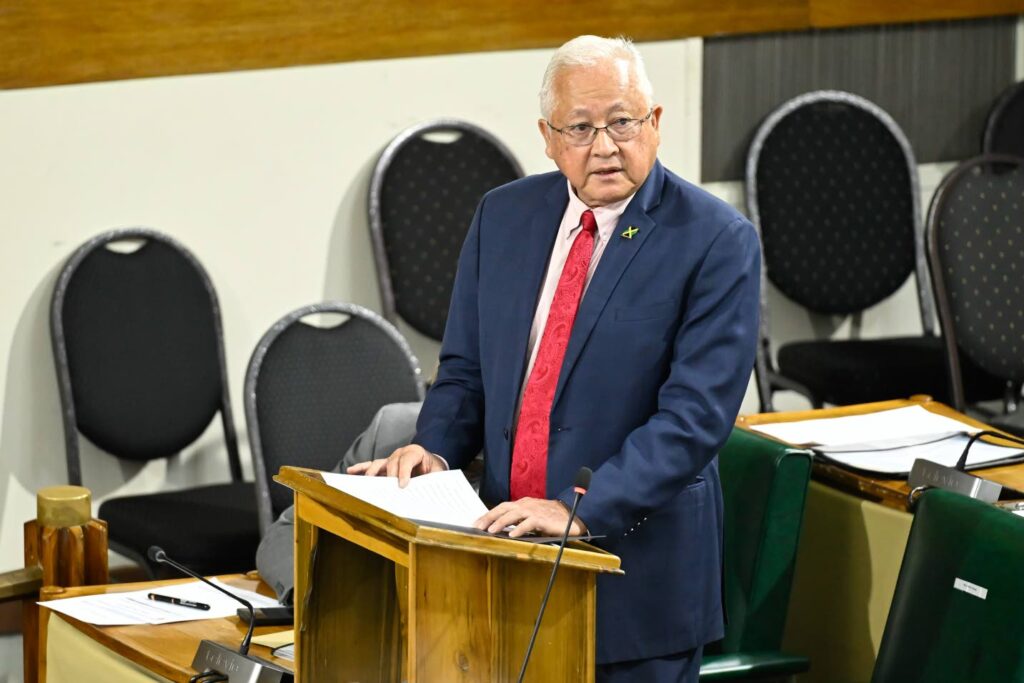
    Chuck pauses Jury Act amendment after Golding flags key issues

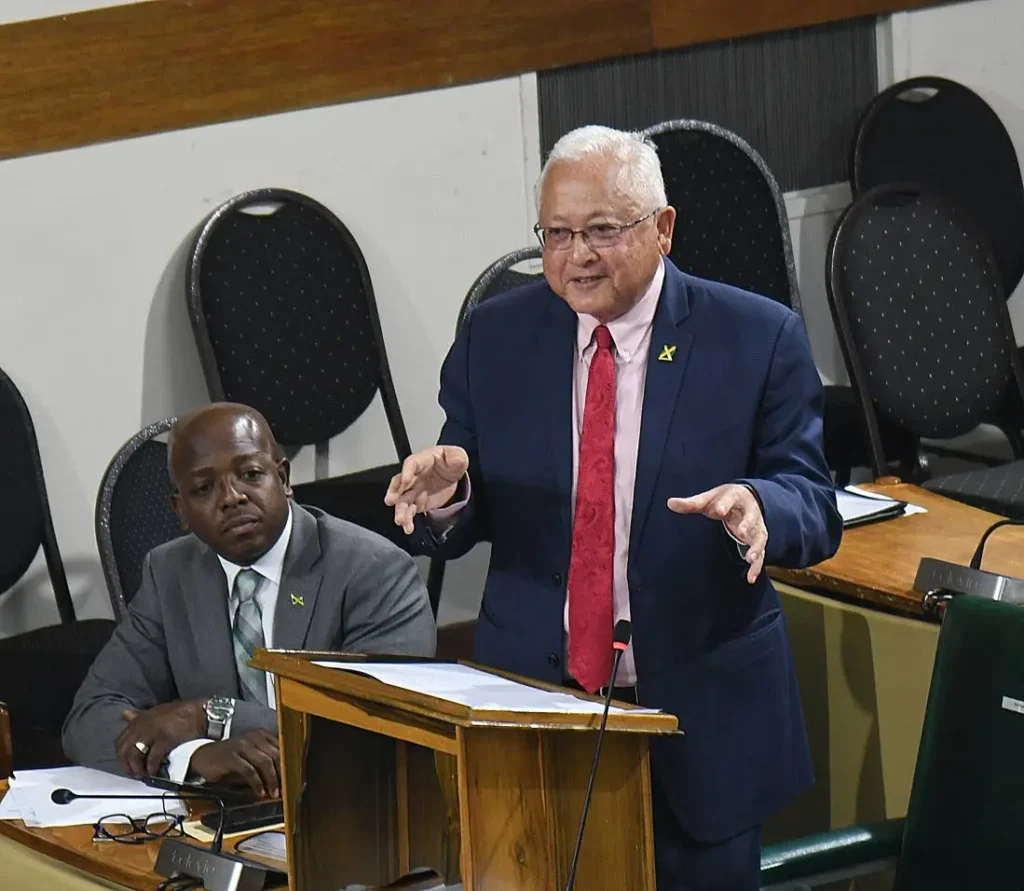
    The Jamaican government has abruptly suspended legislative proceedings on the contentious Jury (Amendment) Bill 2026 following substantive objections raised by Opposition Leader Mark Golding in the House of Representatives. Justice Minister Delroy Chuck announced the unexpected pause after acknowledging the validity of multiple constitutional and procedural concerns regarding the proposed amendments.

    The legislative delay marks a significant development in Jamaica’s judicial reform process. Minister Chuck, who initially tabled the bill on January 13 with intentions to fast-track its approval, conceded that the opposition’s critique necessitated comprehensive reconsideration of several provisions.

    Opposition Leader Golding, drawing upon his experience as former justice minister, identified multiple problematic areas within the proposed legislation. Chief among these was a clause mandating judges to consider specific factors—including disclosure status, witness availability, and party readiness—when confirming trial dates. Golding contended this provision fundamentally misaligned with the Jury Act’s purpose, noting its complete absence of jury-specific references.

    ‘This constitutes an inappropriate insertion into jury legislation,’ Golding asserted. ‘Trial readiness hearings belong within the Criminal Justice Administration Act or Civil Procedure Rules, not within legislation specifically governing jury trials.’

    The opposition leader raised particular alarm regarding payment protocol amendments for civil jury trials. The proposed clause would require the party requesting jury trial to bear financial responsibility for juror compensation. Golding warned this could create perceived conflicts of interest, noting jurors might feel indebted to the financing party—potentially compromising judicial impartiality through what he characterized as a ‘whoever pays the piper calls the tune’ scenario.

    Further objections targeted provisions addressing jury tampering. Golding highlighted an imbalance in the proposed measure that would grant prosecution—but not defense—the right to apply for trial without jury. This departure from existing law, which requires mutual consent for judge-only trials in non-capital cases, raised fundamental fairness concerns.

    Additionally, Golding challenged an overly broad clause permitting judges to terminate trials and order retrials based solely on judicial determination of ‘interest of justice.’ He argued this required clearer parameters to prevent arbitrary application across Jamaica’s judicial system.

    Minister Chuck’s decision to postpone further debate reflects the government’s recognition that the bill requires substantial refinement to address these constitutional, procedural, and ethical concerns before progressing through legislative channels.

  • UWI confers honorary doctorate posthumously upon late Don Wehby

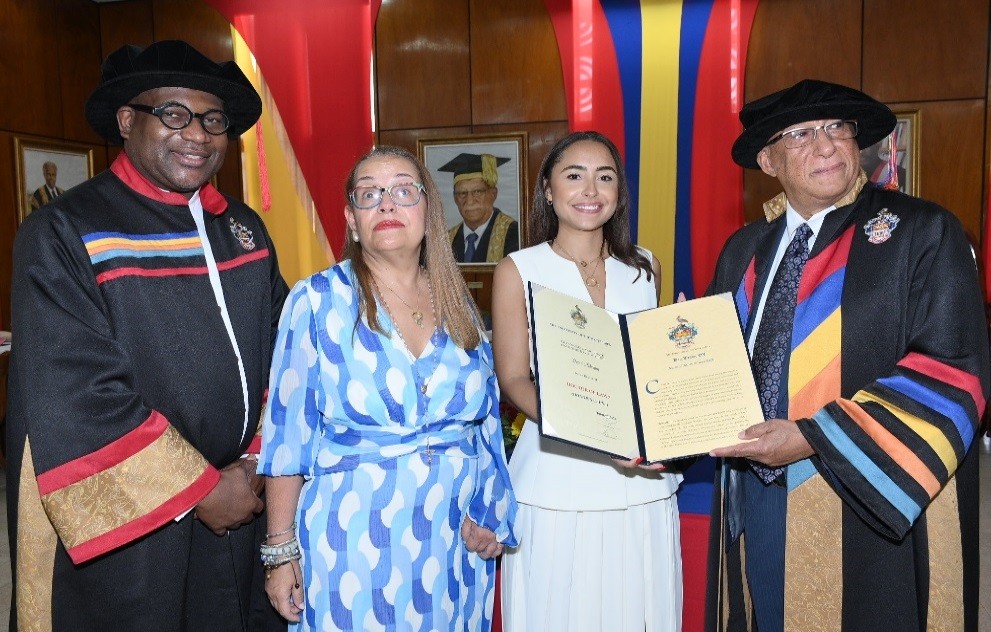
    UWI confers honorary doctorate posthumously upon late Don Wehby

    KINGSTON, Jamaica — In a poignant ceremony last Saturday, the University of the West Indies (UWI) bestowed its highest honor upon the late Honourable Don Wehby, awarding him a posthumous Doctor of Laws (honoris causa) degree. The recognition occurred during graduation proceedings for the Mona School of Business and Management and the Faculty of Sport, celebrating Wehby’s extraordinary legacy in business, sports development, and national leadership.

    The university’s public orator, Dr. Peter Glegg, delivered an emotional tribute characterizing Wehby as both a ‘proud son of the soil’ and a ‘true legend’ who masterfully balanced corporate excellence with profound civic commitment. Glegg highlighted Wehby’s unwavering belief in education as a transformative force for Jamaican youth, evidenced by his establishment of numerous scholarships for secondary and university students.

    Wehby’s transformative tenure as group chief executive officer of GraceKennedy Limited received particular recognition, with the company’s Financial Services Division achieving remarkable growth—escalating profits from $280 million to $1.4 billion within just five years under his strategic guidance.

    Beyond his professional achievements, the ceremony revealed the personal dimensions of Wehby’s character: a dedicated family man with cherished connections to Silver Sands beach and a lifelong enthusiasm for Disney World. His daughter, Stephanie Wehby, accepted the honor on behalf of the family.

    The University stated that this honorary doctorate represents its utmost respect for an individual who consistently ‘walked the walk’ while maintaining integrity as the cornerstone of his actions. Wehby passed away in July 2025 at age 62, leaving behind a substantial legacy in Caribbean business and philanthropy.

  • ‘Safe Passage’ leads 62nd Port Antonio Marlin Tourney, 4 marlin released

    ‘Safe Passage’ leads 62nd Port Antonio Marlin Tourney, 4 marlin released

    PORT ANTONIO, Jamaica — The historic 62nd edition of the Port Antonio International Blue Marlin Tournament launched on Thursday, marking a vibrant start to this prestigious angling competition. Based at the Ole Marina, the event witnessed the successful release of four blue marlin on its inaugural day, signaling a promising beginning for the rescheduled tournament.

    A fleet of eight vessels set out into the waters, with the team aboard ‘Safe Passage’ establishing an early dominance. Anglers Dominic Gordon, Christopher Berry, and Samuel Millington collectively contributed to three of the day’s releases, securing their boat’s position at the top of the initial leaderboard.

    The fourth marlin of the day was credited to female angler Andrea Cowan, who achieved the catch from the vessel ‘Integrity’, highlighting a diverse and skilled field of participants.

    The competition, originally slated for October 2025, was proactively rescheduled to its current date of January 22. The tournament is set to continue with fishing operations commencing at 7:00 am on Friday and concluding at 5:00 pm, as teams vie for the championship title in one of the Caribbean’s most renowned sporting events.

  • Trump launches ‘Board of Peace’ at Davos

    Trump launches ‘Board of Peace’ at Davos

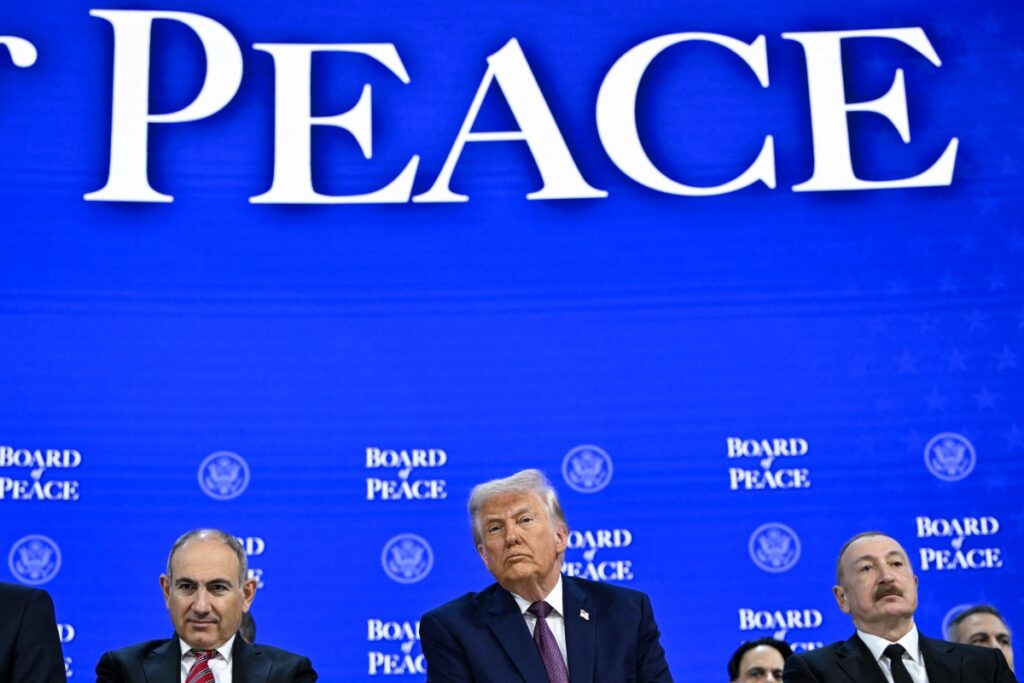
    DAVOS, Switzerland — U.S. President Donald Trump formally inaugurated the “Board of Peace” during a high-profile signing ceremony at the World Economic Forum on Thursday. The newly established international body, which requires a $1 billion fee for permanent membership, has already drawn significant criticism over its funding model and controversial list of participant nations.

    Leaders and senior officials from 19 countries joined Trump on stage for the charter signing, including staunch allies such as Argentina’s Javier Milei and Hungary’s Viktor Orban. Trump, who serves as the board’s chairman, remarked that the assembled leaders were “in most cases very popular leaders, some cases not so popular,” acknowledging the divisive nature of some invitations.

    Originally conceived to oversee post-war peace efforts in Gaza following the Hamas-Israel conflict, the board’s charter now envisions a broader mandate in international conflict resolution. This expansion has raised concerns among diplomatic circles that Trump intends to position the organization as a potential rival to the United Nations, though Trump emphasized the board would operate “in conjunction” with the UN.

    The membership criteria have proven particularly contentious. Russian President Vladimir Putin, who launched the invasion of Ukraine four years ago, has received an invitation to join. Trump confirmed Putin’s agreement to participate, while the Kremlin stated the invitation remains under consideration. The $1 billion membership requirement has prompted accusations that the board could become a “pay-to-play” version of the UN Security Council.

    Notable absences marked the ceremony, with key U.S. allies including the United Kingdom and France declining to attend. British officials confirmed their non-participation earlier Thursday, reflecting widespread skepticism among traditional Western partners.

    The signing nations predominantly represented governments with close ties to Trump or those seeking to demonstrate allegiance to the U.S. administration. Participants included officials from Bahrain, Morocco, Armenia, Azerbaijan, Bulgaria, Indonesia, Jordan, Kazakhstan, Kosovo, Pakistan, Paraguay, Qatar, Saudi Arabia, Turkey, the United Arab Emirates, Uzbekistan, and Mongolia.

    Israeli Prime Minister Benjamin Netanyahu, who faces an International Criminal Court arrest warrant related to the Gaza conflict, affirmed his intention to join despite not attending the ceremony. U.S. Secretary of State Marco Rubio stated the board’s initial focus would be “first and foremost on making sure that this peace deal in Gaza becomes enduring.” Trump delivered a stern warning that Hamas must disarm under the next phase of the Gaza ceasefire accord or face elimination.

    The board’s launch coincides with Trump’s expressed frustration over not receiving the Nobel Peace Prize, despite his claims of having ended eight conflicts during his presidency.

    In related diplomatic developments, Trump is scheduled to meet with Ukrainian President Volodymyr Zelensky in Davos following the ceremony to discuss ceasefire negotiations in Ukraine. Trump’s special envoy Steve Witkoff revealed that talks with Moscow have made “a lot of progress” and have been narrowed to “one issue,” though he declined to specify the nature of this remaining obstacle. Witkoff and Jared Kushner are expected to travel to Moscow for further discussions before proceeding to Abu Dhabi for military-to-military talks.

    Zelensky has expressed concerns that Trump’s highly publicized effort to acquire Greenland—which has dominated Davos discussions and strained transatlantic relations—might divert attention from Russia’s ongoing invasion of Ukraine. In a significant development, Trump announced Wednesday evening that he had reached a “framework of a future deal” with NATO chief Mark Rutte, resulting in the waiver of tariffs scheduled to hit European allies on February 1. Although details remain scarce, sources indicate the agreement will involve renegotiation of a 1951 Greenland defense pact.

  • West Indies under-19 through to Super Six

    West Indies under-19 through to Super Six

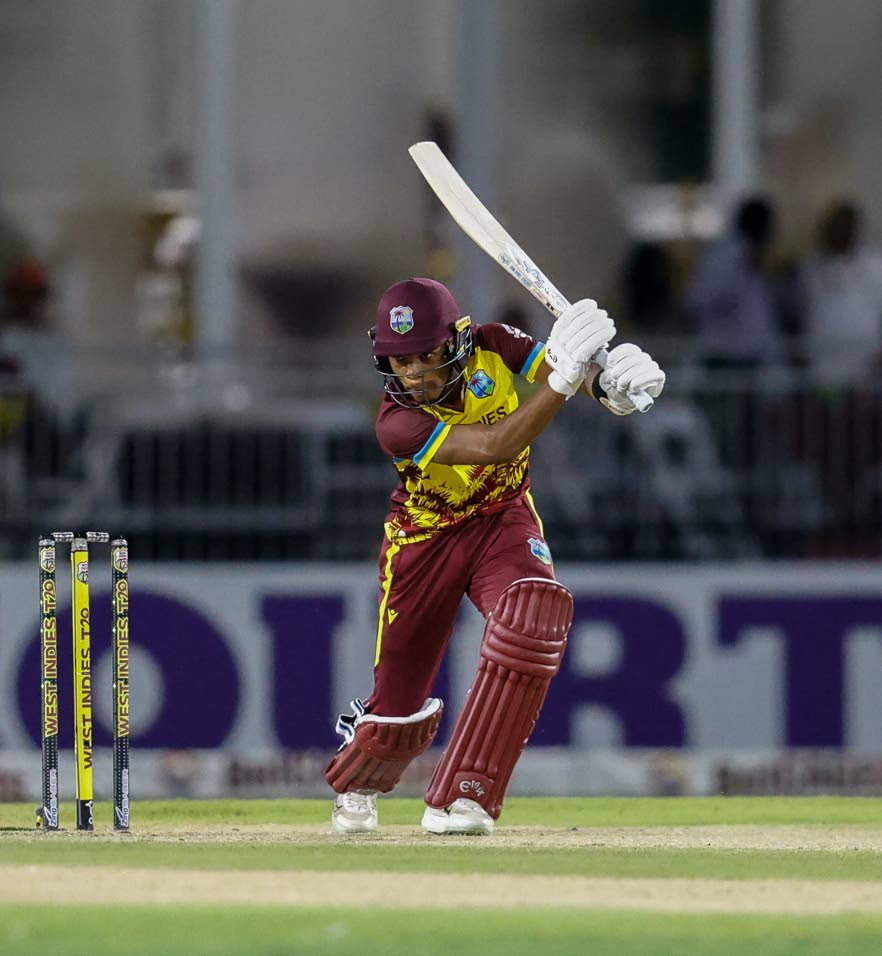
    In a commanding display of cricket, the West Indies Under-19 team secured their place in the Super Six phase of the ICC Cricket World Cup with a decisive 55-run victory against South Africa. The match, held at the High Performance Oval in Windhoek, Namibia, showcased exceptional individual performances that propelled the Caribbean side forward.

    Choosing to bat first after winning the toss, the West Indies posted a competitive total of 234 runs in 47.5 overs. The innings was masterfully anchored by Zachary Carter, who delivered a spectacular Man-of-the-Match performance. Carter’s magnificent 114 runs came off just 109 deliveries, featuring a powerful display of 8 sixes and 8 fours, maintaining an impressive strike rate of 109 percent.

    Carter received valuable support from Jonathan Van Lange (29 runs) and Joshua Dorne (20 runs), though the middle order experienced a brief collapse with three quick wickets falling at 115 runs. South Africa’s JJ Bason emerged as the most successful bowler with remarkable figures of 5-23, while Jason Rowles contributed with 2-44.

    The second half of the match witnessed an equally dominant performance from the West Indies bowling attack. Speedster Shaquan Belle delivered a devastating spell, claiming 6-40 and dismantling the South African batting lineup. He received support from Jakeen Pollard (1-19) and Isra-El Morton (1-27) as the team bowled out their opponents for 179 runs.

    The victory places West Indies second in Group D with four points from three matches, trailing behind undefeated Afghanistan who lead with six points. South Africa remains third with two points, while Tanzania concludes the group stage without points. The West Indies will next face Ireland on Sunday, January 25th, in their second Super Six stage encounter.

  • World Cup winner Hernandez faces human trafficking probe

    World Cup winner Hernandez faces human trafficking probe

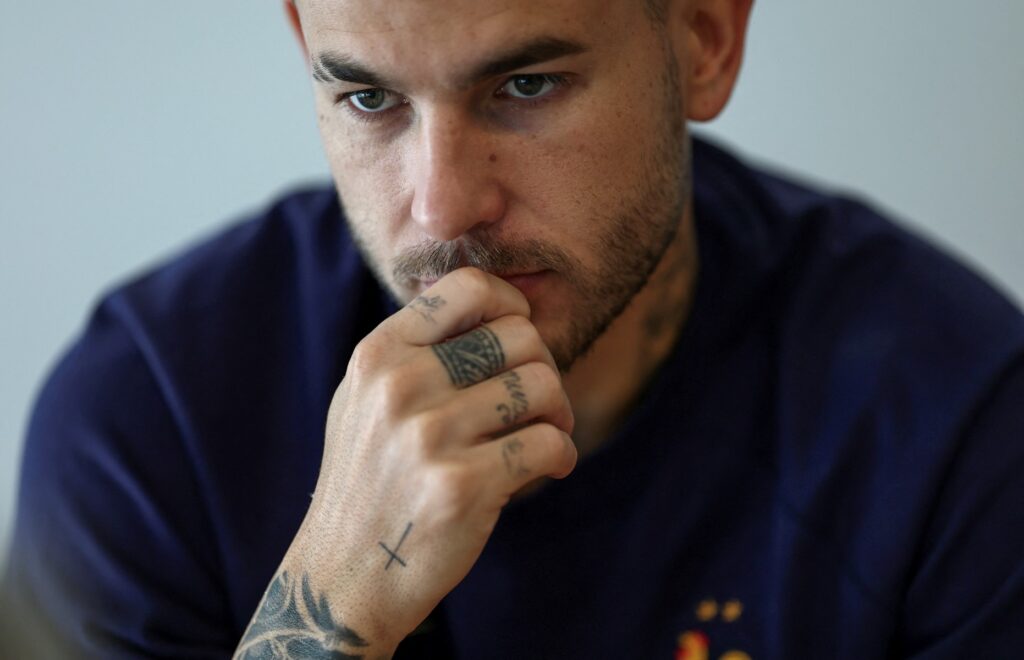
    French judicial authorities have launched a formal investigation into World Cup-winning footballer Lucas Hernandez following serious allegations of human trafficking and illegal employment practices involving domestic staff from Colombia. The Paris Saint-Germain defender and his wife are at the center of a case that alleges exploitation of workers within their household.

    According to Versailles prosecutors, the investigation stems from claims made by members of a Colombian family employed by the Hernandez household. The employees assert they were subjected to excessively long working hours without proper rest periods or vacation time, all while lacking the legally required documentation for their employment in France.

    Legal representative Lola Dubois, representing the Colombian family, characterized the situation as a case of “modern slavery,” emphasizing the economic vulnerability of her clients. Dubois revealed that formal work contracts were only established approximately one year after the family commenced their employment, raising significant legal concerns regarding backdated documentation.

    The 29-year-old athlete and his spouse, Victoria Triay, have responded to the allegations with claims of being manipulated and betrayed by the very family they employed. In an official statement, the couple expressed shock and disappointment, stating: “These people shared our life with us with respect and dignity. We feel our trust has been profoundly violated in this matter, which is now being handled through the appropriate legal channels.”

    Hernandez, who played a crucial role in France’s 2018 World Cup victory, now faces potential legal consequences as the investigation progresses. The case highlights ongoing concerns about the treatment of domestic workers in high-profile households and the responsibilities of employers regarding legal employment practices.

  • How to keep your New Year’s resolutions, with Shani Fitness

    How to keep your New Year’s resolutions, with Shani Fitness

    As the New Year unfolds, many individuals experience a familiar cycle of burnout and disappointment when their ambitious resolutions remain unfulfilled. Shani McGraham Shirley, a prominent influencer, motivational speaker, and CEO of Yahsuh Fitbox, proposes a radical solution: discard the traditional concept of New Year’s resolutions entirely. McGraham argues that these grand annual commitments often set people up for failure, creating a psychological barrier that undermines long-term success.

    McGraham’s approach doesn’t reject goal-setting altogether but rather advocates for a fundamental shift in methodology. Instead of waiting for January 1st to establish monumental objectives, she recommends implementing smaller, manageable goals throughout the year. This strategy leverages the psychological power of incremental achievements, where consistent small victories generate momentum and sustain motivation more effectively than infrequent major accomplishments.

    The fitness expert emphasizes the critical role of positive self-talk and what she terms ‘the power of suggestion.’ Drawing an analogy to pregnancy awareness—where women suddenly notice expecting mothers and baby-related items everywhere after contemplating pregnancy—McGraham demonstrates how our minds selectively focus on what we verbally reinforce. By consistently articulating positive aspirations, we program our subconscious to recognize opportunities and resources that were previously overlooked.

    Addressing procrastination, McGraham dismisses the notion of perfect timing, insisting that ‘the perfect time is now.’ She specifically advises against waiting for symbolic starting points like Monday mornings or new equipment, even suggesting beginning on a Wednesday to break psychological barriers associated with traditional starting points.

    McGraham outlines three fundamental pillars for achievement: the art of showing up, consistency, and moderation. She stresses that personal accountability—showing up for oneself rather than others—forms the foundation of sustainable progress. Using fitness as an example, she contrasts sporadic intense workouts with regular moderate sessions, demonstrating how consistency outperforms occasional bursts of effort.

    The motivational speaker cautions against ‘craven’ behavior—using Jamaican colloquialism for greed—in both dietary habits and goal-setting. Instead of overwhelming oneself with excessive targets, she advocates for measured, consistent steps that accommodate human limitations while maintaining progress.

    Perhaps most innovatively, McGraham reframes failure as a valuable teachable moment rather than a setback. Drawing parallels to burpee exercises where dropping down and rising up builds strength, she encourages embracing failure as an essential component of growth and self-discovery. This perspective transforms the fear of failure into a motivational tool, ultimately creating more resilient and adaptable goal-pursuers.

  • Will the increase in the daily stipend make Jamaicans professional jurors?

    Will the increase in the daily stipend make Jamaicans professional jurors?

    KINGSTON, Jamaica — Jamaica’s House of Representatives engaged in substantive debate on Tuesday regarding the Jury (Amendment) Act 2026, which proposes a significant increase in juror compensation from $2,000 to $6,000 daily. The legislative amendments, spearheaded by Justice Minister Delroy Chuck, have sparked discussions about the nature of jury service and its financial implications within the justice system.

    The proposed legislation extends beyond empaneled jurors, offering $2,000 per day to individuals summoned for duty but not ultimately selected. This comprehensive approach to compensation marks the first stipend increase in over a decade, previously adjusted from $400 to $2,000 daily during Opposition Leader Mark Golding’s tenure as justice minister.

    MP Marlene Malahoo Forte, representing St James West Central and a former attorney general, emphasized cross-party support for the increase while cautioning against misinterpretation of jury service fundamentals. “We should make it abundantly clear that we’re not paying citizens to serve as jurors,” she stated, explaining that the adjustment primarily addresses inflationary pressures and expense reimbursement rather than creating professional opportunities.

    However, Opposition Leader Golding presented a contrasting interpretation, noting the compensation structure encompasses both time commitment and travel expenses. He highlighted that weekly earnings of $30,000 for five-day service would substantially exceed Jamaica’s minimum wage of $16,000 weekly, creating what he termed “a compendious payment” that inherently compensates for service time.

    The debate revealed nuanced perspectives on civic responsibility versus financial practicality, with lawmakers acknowledging the necessity of adequate compensation while maintaining the fundamental voluntary nature of jury duty within Jamaica’s judicial framework.

  • Government focused on economic independence for Jamaica — Holness

    Government focused on economic independence for Jamaica — Holness

    KINGSTON, Jamaica — Prime Minister Andrew Holness has positioned economic self-sufficiency as the cornerstone of national sovereignty, declaring that political independence remains incomplete without financial autonomy. The Jamaican leader articulated this governing philosophy during his keynote address at the 21st Regional Investments and Capital Markets Conference, held at the Jamaica Pegasus Hotel on January 20, 2026.

    Holness drew a clear distinction between political and economic independence, emphasizing that the latter provides the substantive foundation for the former. “A generation persists in prioritizing political independence,” Holness observed. “My administration’s struggle is for Jamaica’s economic independence—the tangible capacity to underpin political sovereignty with financial strength.”

    The Prime Minister criticized historical ideological approaches that led Jamaica through “wilderness of economic despair,” pledging his government would not repeat these patterns. He outlined how responsible fiscal management has enhanced Jamaica’s international credibility, particularly evident in the rapid recovery efforts following Hurricane Melissa.

    This credibility, Holness revealed, enabled Jamaica to secure US$6.7 billion in financing with favorable terms. “We’ve demonstrated ourselves as a responsible nation with robust institutions,” he stated. “The crucial achievement isn’t merely obtaining loans and grants, but accessing low-cost financing with minimal conditionalities.”

    Holness expanded the conventional definition of private sector participation, highlighting that economic independence encompasses both corporate entities and informal micro-enterprises. “Our private sector includes not only National Commercial Bank,” he noted, “but also the woman frying fish in Border. Indeed, she represents the essence of our private sector.”

    The Prime Minister committed to policies enabling such entrepreneurs to sell their products to both local and international tourists, thereby funding their children’s education and preserving human dignity. He expressly urged this unscripted message to “percolate and filter throughout the audience,” emphasizing his administration’s dedication to grassroots economic empowerment.

    Holness concluded by noting that even small nations possess significant influence when understanding “new statecraft”—the strategic exercise of economic and diplomatic power on the global stage.