标签: Jamaica

牙买加

  • Banks urged to re-evaluate agricultural financing

    Banks urged to re-evaluate agricultural financing

    KINGSTON, Jamaica — The Jamaican government is spearheading a transformative initiative to redirect financial resources toward the agricultural sector. Floyd Green, Minister of Agriculture, Fisheries and Mining, has issued a compelling appeal to lending institutions, urging them to fundamentally reconsider their lending strategies by prioritizing agricultural investments over consumer financing.

    Minister Green criticized the prevailing banking preference for consumer loans—such as automobile financing—emphasizing that this approach must evolve to support national food security and economic resilience. He announced concrete measures to facilitate this shift, including directives to the Agro-Investment Corporation (AIC) to collaborate with banks in building analytical capabilities for evaluating agricultural enterprises.

    Historically, Jamaican banks employed trained agricultural specialists to assess farming proposals, but this expertise has diminished over time. To address this gap, the AIC will now provide free services to farmers—including business plan development and financial record-keeping support—while also working with financial institutions to enhance their ability to analyze agricultural loan applications.

    In parallel, the Development Bank of Jamaica (DBJ) has revised its lending criteria to simplify farmers’ access to capital. Minister Green revealed ongoing discussions with the DBJ to initiate direct lending programs tailored to agricultural entrepreneurs. He additionally called upon People’s Cooperative (PC) banks to reengage significantly with the farming community by offering expansion capital.

    Further broadening the effort, the Ministry has requested technical assistance from the Food and Agriculture Organization (FAO) to evaluate Jamaica’s agricultural financing ecosystem and develop innovative financial instruments aimed at increasing funding accessibility for farmers.

    These initiatives complement the recently launched Matching Grant Scheme (MGS) under the Southern Plains Agricultural Development Project (SPAD), supported by the United Kingdom Caribbean Infrastructure Development Fund (UKCIF) and administered by the Caribbean Development Bank (CDB). The program targets enhanced economic stability for small and medium-scale farmers in St. Catherine and Clarendon through resource provision and infrastructure development managed by the AIC, including irrigation, drainage, and road improvements in key agricultural zones.

  • Floyd Green goes shopping at ‘Curry’

    Floyd Green goes shopping at ‘Curry’

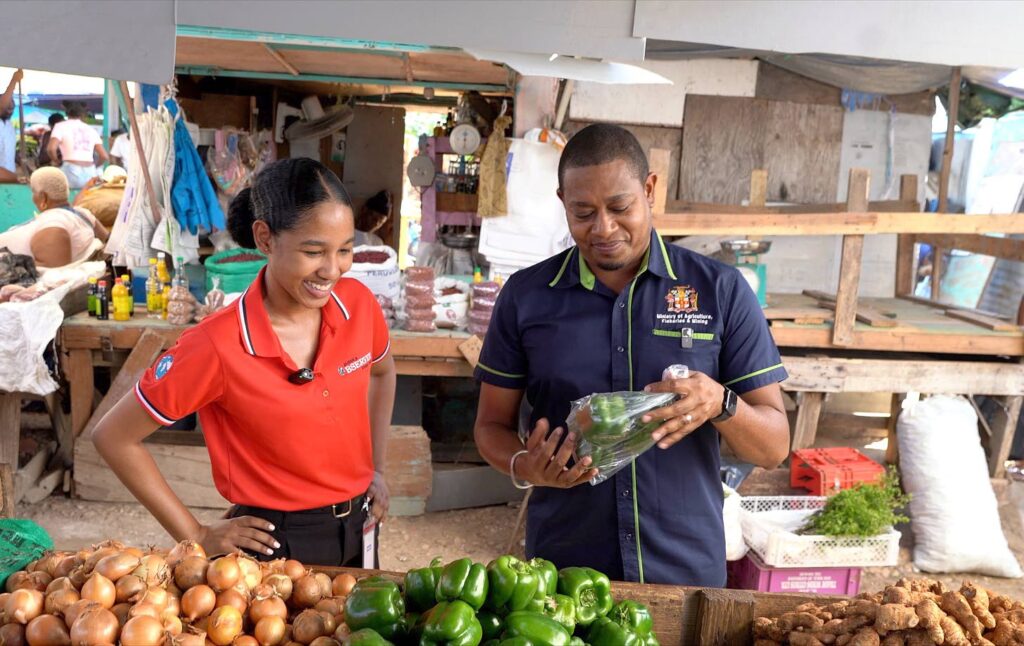
    Jamaica’s agricultural industry is demonstrating a remarkable resurgence as produce prices experience a significant downward trend across local markets. This encouraging development was highlighted during Agriculture Minister Floyd Green’s feature appearance on the Jamaica Observer’s popular Market Bag video series, filmed at Kingston’s historic Coronation Market.

    Minister Green joined host Carlysia Ramdeen to document the market’s vibrant activity and discuss strategic government initiatives that facilitated the sector’s robust recovery from Hurricane Melissa’s devastating impact last October. The weekly program, which tracks agricultural commodity prices nationwide, revealed substantial price reductions including tomatoes at approximately $50 per pound, carrots at $100, and cabbage priced around $150.

    During the market tour, Minister Green specifically commended Jamaican farmers for their extraordinary resilience and dedication amid challenging circumstances. “What we are witnessing represents the tangible outcome of combined efforts—strategic seed distribution, enhanced water management systems, operational improvements, and most importantly, the determination of exceptional farmers committed to restoring Jamaica’s food security,” Green emphasized.

    The agriculture minister detailed how coordinated intervention programs involving seed distribution, irrigation support, and technical assistance enabled farmers to rapidly rebuild production capacity following natural disasters. This comprehensive approach has not only stabilized supply chains but also created favorable conditions for price normalization that benefits consumers nationwide.

    The latest Market Bag episode documenting this agricultural recovery premieres Friday at 6:30 PM on YouTube and social media platforms, providing consumers with transparent market information and celebrating the restoration of Jamaica’s local food production capabilities.

  • Bermuda recalls infant and baby milk formula products

    Bermuda recalls infant and baby milk formula products

    HAMILTON, Bermuda – In a critical public health alert, Bermuda’s Ministry of Health has initiated an immediate product recall for multiple batches of infant and follow-on milk formulas. The urgent action targets specific products from the Cow & Gate and Aptamil brands, manufactured by the international food conglomerate Danone, over potential contamination with cereulide, a harmful toxin known to induce severe gastrointestinal distress.

    The Ministry confirmed that environmental health officers have already commenced the removal of the identified 15 products from retail shelves across the island. Officials emphasized that the recalled items, which were available in local stores, pose a significant health risk to infants, potentially causing symptoms including acute nausea, vomiting, and abdominal cramping.

    Authorities are strongly urging all parents and caregivers to immediately cease using the affected formulas and to return them to their point of purchase for a full refund, irrespective of whether a receipt can be provided. For detailed information on the specific batch numbers involved in this recall, consumers are directed to the official resource website, www.cgbabyclub.co.uk.

    The Ministry has committed to ongoing surveillance of the situation and will disseminate further updates to the public as necessary, ensuring transparent communication throughout the remediation process.

  • 2026 Audi SQ5: The very definition of Q-ship

    2026 Audi SQ5: The very definition of Q-ship

    Audi’s 2026 SQ5 Sportback stands as a definitive testament to the brand’s commitment to evolutionary excellence, fully actualizing the potential of its groundbreaking Premium Platform Combustion (PPC) architecture. This model masterfully navigates the delicate balance between honoring its traditional design ethos and embracing a forward-looking technological identity.

    Exterior design philosophy prioritizes sophisticated differentiation over overt aggression. Updates are intentionally nuanced, featuring distinctive alloy wheels, select aerodynamic body enhancements, and carbon fiber side mirrors. These elements provide clear visual demarcation from the standard Q5 lineup while maintaining an aura of executive refinement suitable for any corporate environment.

    The interior experience undergoes a radical transformation through the PPC framework, achieving unprecedented levels of space and luxury. The cabin immerses occupants in a world of premium materials, including extensive leather upholstery with contrast stitching, Alcantara accents, and carbon fiber trim. Technological dominance is established through the triple-screen Audi MMI panoramic display, featuring a 14.5-inch central touchscreen and 10.9-inch front passenger display with crystal-clear graphics and intuitive voice control. The Bang & Olufsen audio system, advanced ambient lighting with functional feedback, and smart tri-zone climate control represent just a portion of the extensive feature set.

    Performance credentials remain extraordinary despite its practical SUV form factor. The turbocharged 3.0-liter V6 engine generates 367 horsepower and 406 lb-ft of torque, propelling the SQ5 Sportback from 0-62 mph in a breathtaking 4.5 seconds with launch control engaged. The Quattro all-wheel-drive system, coupled with precisely tuned suspension and chassis components, delivers exceptional stability and confidence across diverse driving conditions—from urban traffic to high-speed autobahn running and light off-road adventures. The seven-speed S tronic transmission operates with seamless precision, while advanced driver assistance systems enable near-autonomous operation in congested scenarios.

    The 2026 SQ5 Sportback ultimately delivers a complete premium package that successfully merges practical SUV functionality with sports car performance and cutting-edge technology, establishing a new benchmark in the luxury performance SUV segment.

  • Trump vows 10% global tariff after stinging court rebuke

    Trump vows 10% global tariff after stinging court rebuke

    In a significant legal and political development, the U.S. Supreme Court delivered a major blow to former President Donald Trump’s trade agenda on Friday. The conservative-majority court, which includes two justices appointed by Trump himself, ruled 6-3 that the 1977 International Emergency Economic Powers Act (IEEPA) does not grant presidential authority to impose tariffs.

    The ruling specifically targeted Trump’s signature economic policy approach, which had relied on the IEEPA to justify various tariff measures implemented throughout his presidency. In an immediate and fiery response, Trump denounced the decision during an impromptu press conference, expressing shame at certain court members whom he accused without evidence of being influenced by foreign interests.

    Undeterred by the judicial setback, Trump announced his intention to implement a comprehensive 10% tariff on all imports using what he described as a separate executive authority. This uniform tariff proposal marks a departure from his previous strategy of implementing targeted, fluctuating rates designed to pressure specific trading partners. The former president contended that the court’s decision ultimately strengthened his position, claiming it left him ‘more powerful’ in his ability to impose even higher tariffs for national protection purposes.

    The legal rebuke and Trump’s subsequent reaction highlight ongoing tensions between executive power and judicial oversight in trade policy matters, setting the stage for potential future constitutional clashes regardless of November’s election outcome.

  • Friend to the ‘Coore’

    Friend to the ‘Coore’

    The University Chapel on the Mona campus of The University of the West Indies became a sanctuary of gratitude and musical reverence on Thursday as Jamaica’s cultural community gathered to honor Stephen ‘Cat’ Coore. Rather than a somber farewell, the service transformed into a vibrant celebration of the legendary cellist and guitarist whose artistry propelled Jamaican music onto the global stage.

    Government officials, music industry pioneers, and cultural custodians joined family members in painting a portrait of Coore as both a national treasure and a humble ambassador whose influence transcended generations. The atmosphere balanced poignant reflection with joyful remembrance, where tears were gracefully interwoven with laughter and stories of his enduring impact.

    As a founding member and longtime musical director of the iconic band Third World, Coore’s genius lay in his ability to bridge musical genres, transforming reggae into a universal language that resonated across continents for over five decades. His legacy was celebrated not merely for technical mastery but for the profound substance and consciousness he embedded within every composition.

    Personal tributes illuminated the man behind the music. Pianist Rita ‘Werki’ Widener delivered a powerful wordless homage, blending Third World’s ‘Try Jah Love’ with Jamaica’s national anthem—a fitting testament to Coore’s deep patriotism. His children—Shiah, Kanna, Stephen, and Ashley—shared intimate memories of a father who encouraged global curiosity, listened without judgment, and nurtured their love for music and travel.

    Colin Leslie, a friend of sixty years, recalled Coore’s signature phrase—’You know I love you, right?’—as emblematic of his approach to life and relationships. The sentiment was echoed by music royalty in attendance, including Damian and Stephen Marley, Protoje, Sean Paul, and Maxi Priest, who described Coore as both mentor and ‘bona fide friend’ who guided countless careers.

    Reverend Captain Astor Carlyle framed Coore’s journey as one of stewardship rather than stardom, introducing the concept of ‘Selah’ moments—musical pauses that invite deep reflection. He noted how Coore’s compositions consistently created space for consciousness elevation and behavioral transformation.

    The service attracted cross-sector leadership including Opposition Leader Mark Golding, Finance Minister Fayval Williams, and Science Minister Daryl Vaz, demonstrating Coore’s significance beyond the cultural sphere. His passing on January 18 at age 69 leaves a profound void, but his legacy continues through his four children, grandchildren, and the timeless music that remains a source of unity, consciousness, and joy for generations to come.

  • US trade partners cautiously welcome tariff ruling

    US trade partners cautiously welcome tariff ruling

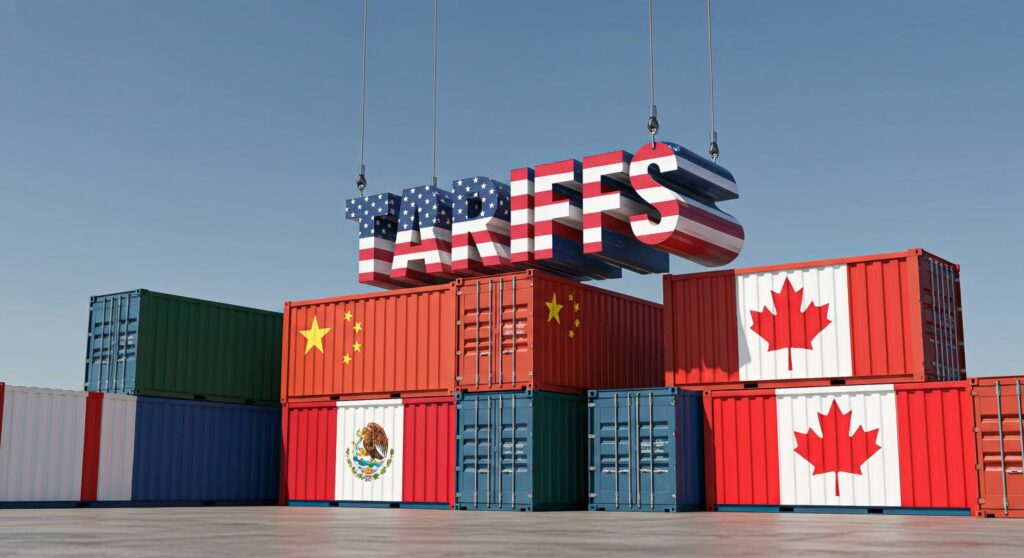
    WASHINGTON (AFP) — International trading partners offered measured responses Friday to a landmark US Supreme Court decision that invalidated President Donald Trump’s sweeping global tariff authority, while simultaneously bracing for his immediate pledge to impose alternative import taxes.

    The conservative-majority court determined Trump overstepped presidential authority by invoking the International Emergency Economic Powers Act (IEEPA) to justify broad tariffs. However, the ruling preserves sector-specific duties affecting steel, aluminum, and various other goods that remain central to ongoing trade disputes.

    Within hours of the decision, Trump announced intentions to implement a comprehensive 10% tariff on all US imports under separate executive authority, ensuring continued uncertainty for America’s trading partners.

    Canada’s International Trade Minister Dominic LeBlanc characterized the court’s decision as validation that the original tariffs were “unjustified,” though noted that the most economically damaging sector-specific measures remain intact. The Canadian Chamber of Commerce warned against interpreting the ruling as a fundamental policy shift, predicting “new, blunter mechanisms” might emerge from the White House.

    European Union trade spokesman Olof Gill indicated the 27-nation bloc was conducting thorough analysis of the legal development while emphasizing the critical need for “stability and predictability” in transatlantic commerce. France’s Economy Minister Roland Lescure observed that the ruling demonstrated tariff policies were “at the very least, open to debate,” while German officials reported being in “close contact” with American counterparts regarding implementation changes.

    Britain expressed confidence that its “privileged trading position” with the United States would continue despite the legal upheaval, referencing recent bilateral agreements that reduced steel and aluminum tariffs significantly.

    Mexico, which directs approximately 80% of its exports to the US market, adopted a cautious stance regarding Trump’s newly announced 10% blanket tariff. Economic Minister Marcelo Ebrard stated officials would carefully evaluate potential impacts before determining appropriate response measures.

    The developments underscore how Trump’s aggressive use of executive power has fundamentally transformed America’s trade relationships, leaving international partners navigating an increasingly unpredictable economic landscape.

  • Criminals losing territorial control, says Holness

    Criminals losing territorial control, says Holness

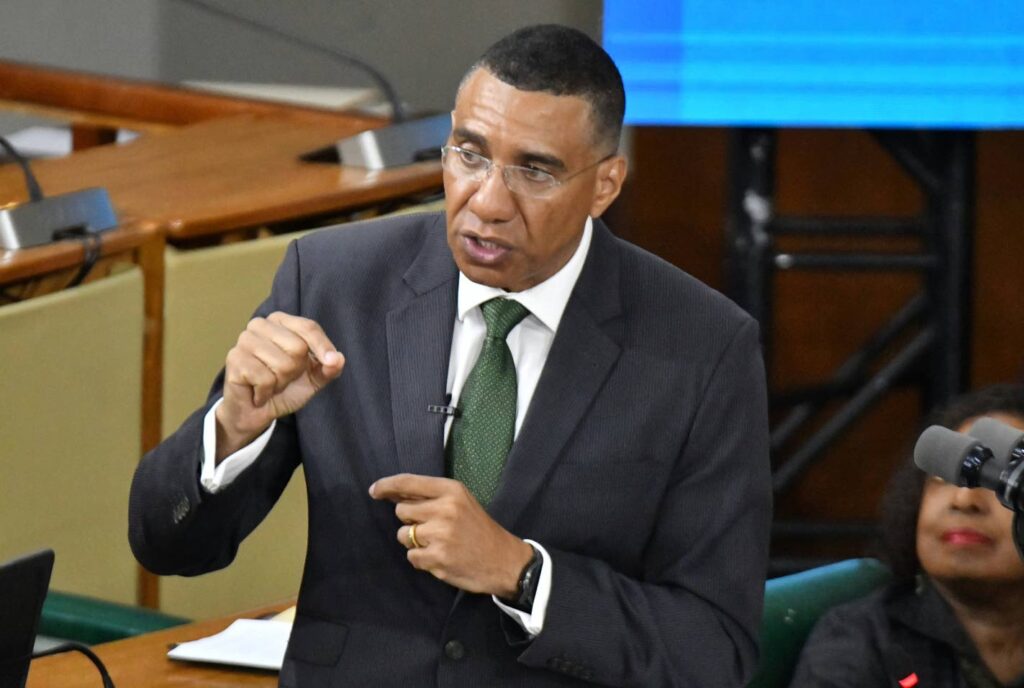
    Prime Minister Andrew Holness has articulated a comprehensive national security doctrine positioning Jamaica’s declining homicide statistics as evidence of systematic success against organized criminal networks. Addressing the 4th Annual Security Seminar in New Kingston, Holness detailed how strategic interventions have disrupted gang leadership architectures, constrained illicit financing channels, and diminished criminal territorial dominance.

    The Prime Minister framed national security resilience as the central organizing principle of Jamaica’s strategy, emphasizing that temporary gains require permanent consolidation. “Communities formerly governed through fear must become structurally and permanently inhospitable to criminal return,” Holness asserted, outlining prerequisites including secure public spaces, reliable infrastructure, ordered development, lawful economic opportunities, and consistent state presence.

    Holness presented Hurricane Melissa’s Category 5 impact in October as a paradigm-shifting national security event that claimed 45 lives and affected 760,000 citizens. While praising the Jamaica Defence Force’s response demonstrating enhanced joint planning and civil-military coordination, he revealed critical vulnerabilities: stretched logistical chains, strained maintenance capacity, and border security assets diverted to humanitarian relief.

    The crisis illuminated Jamaica’s persistent capability gaps despite tripled security budgets. “There are threats we could face for which we don’t have assets to respond,” Holness acknowledged, declaring climate shocks permanent features of Jamaica’s security landscape rather than episodic emergencies.

    Holness articulated disasters as strategic shocks that redirect resources, stress institutions, disrupt logistics, and create opportunities for illicit trafficking and irregular migration. Following Melissa’s destruction of police stations and government buildings, he noted with pride the uninterrupted policing services through human resource resilience.

    The Prime Minister integrated border security into this framework, highlighting Jamaica’s position in one of the hemisphere’s most trafficked maritime corridors. He detailed adaptive trafficking methodologies utilizing containerized cargo, clandestine airstrips, UAVs, and semi-submersibles, with narcotic routes increasingly converging with irregular migration networks.

    Citing 2025 interdictions of 33,000 kg of marijuana and 1,360 kg of cocaine, plus 990 pounds of cocaine valued at $3.7 billion intercepted by Coast Guard units, Holness connected border security directly to national stability. The documentation of 124 irregular migrant entries primarily from Haiti and Cuba demonstrated additional humanitarian, legal, and resource challenges for the island nation.

    Holness concluded that national security institutions must develop capacities to “anticipate, absorb, adapt, and recover from shocks” across criminal, environmental, and geopolitical domains, with disaster risk management fully integrated into security planning, budgeting, and capability development.

  • Tastee Cheese brings ‘Taste Eh Beat of Jamaica’ pop-up in Santa Cruz

    Tastee Cheese brings ‘Taste Eh Beat of Jamaica’ pop-up in Santa Cruz

    In a strategic move blending corporate social responsibility with brand engagement, Jamaican food manufacturer Tastee Cheese is deploying its ‘Taste Eh Beat of Jamaica’ pop-up experience to Santa Cruz, St. Elizabeth this Saturday from 10:00 AM to 4:00 PM. The event arrives as a deliberate effort to uplift communities recently devastated by Hurricane Melissa, combining entertainment with substantive relief efforts.

    Brand Manager Dionne Henry expressed both solemnity and optimism about the initiative. ‘While mindful of the recent hardships faced by these communities, we’re genuinely excited to reconnect with the people of St. Elizabeth,’ Henry stated. ‘This event represents more than entertainment—it’s about restoring normalcy, sharing survival narratives, and creating space for human connection beyond the chaos.’

    The pop-up will transform into a multifaceted community hub featuring continuous giveaways, a dedicated children’s area, live DJ performances, and a special appearance by an unannounced musical artist. Critically, the company has integrated direct hurricane relief into its commercial activity: a portion of proceeds from every Tastee Cheese product sold will be channeled into the Hurricane Melissa recovery fund.

    Henry attributed the brand’s sixty-year market presence to deliberate quality maintenance and cultural embeddedness. ‘Tastee Cheese has earned its standing through consistent quality, unique flavor profiles, and authentic Jamaican character,’ she explained. ‘Our longevity derives from being woven into the very fabric of Jamaican daily life and meaningful moments.’

    Marketing Manager Barrington Groves framed the event as both humanitarian response and seasonal strategy. ‘Recognizing St. Elizabeth among the hardest-hit parishes, we deemed it essential to bring joy as we enter the Easter period,’ Groves noted. ‘This presents the ideal opportunity to reciprocate the steadfast support of our consumers.’

    Anticipating strong turnout, Groves encouraged community participation: ‘Join us for music, special offers, and firsthand experience with our new easy-open packaging—featuring the same classic Tastee Cheese in enhanced convenience. Together we’ll celebrate resilience through dance, music, and shared smiles.’

  • COOLING INFLATION INTENSIFIES RATE DEBATE AHEAD OF BOJ DECISION

    COOLING INFLATION INTENSIFIES RATE DEBATE AHEAD OF BOJ DECISION

    Jamaican monetary authorities face a pivotal policy decision as inflation unexpectedly plunges below the central bank’s target range, creating a new economic landscape just days before the Bank of Jamaica’s rate announcement.

    Recent data reveals annual inflation dropped to 3.9% in January, dipping under the Bank of Jamaica’s four to six percent target band. This development marks a dramatic reversal from previous projections that anticipated inflation would exceed the upper threshold through early 2026, primarily due to hurricane-related supply chain disruptions.

    The surprising downturn has prompted influential financial leaders to advocate for policy reconsideration. Keith Duncan, CEO of JMMB Group, characterized the situation as “a real opportunity” for policymakers to reassess their stance. “Inflation has not breached the upper target; in fact, it has fallen below the lower bound,” Duncan noted in an interview with the Jamaica Observer. “The greater risk at this stage may be sustained inflation below the target range rather than an overshoot.”

    This inflationary shift contrasts sharply with the Monetary Policy Committee’s November warning that prices would “rise sharply” following Hurricane Melissa. By December, the committee had projected above-target inflation persisting through 2026, with risks “skewed to the upside.”

    January’s consumer prices actually declined 0.8% month-over-month, largely driven by a substantial 2.6% decrease in Food and Non-Alcoholic Beverages. Improved agricultural output precipitated a notable 9.9% price reduction for vegetables, tubers, and related produce, partially reversing the late-2025 surge.

    The unexpected development forces policymakers to balance competing risks: potential resurgent inflation versus prolonged below-target price growth amid weakening domestic demand. This dilemma is particularly acute given the central bank’s repeated warnings about potential second-round effects where initial supply shocks could trigger broader price and wage increases.

    Duncan contends these secondary risks have failed to materialize. “I have not seen where those second-order effects are playing out,” he told BusinessWeek, noting that domestic demand is already softening. “Growth in private sector credit has been falling year over year due to prior monetary policy actions.”

    The MPC has maintained the policy rate at 5.75% since September, citing concerns about secondary price effects and expansionary fiscal spending connected to reconstruction initiatives. As recently as December, the committee anticipated core inflation—excluding volatile food and fuel prices—would accelerate in the near term, reflecting rebuilding demand and elevated inflation expectations.

    Despite the overall decline, housing and utility costs continued their upward trajectory in January, signaling persistent underlying pressures even as headline inflation falls below target. Most economists anticipate the central bank will maintain its current policy rate, consistent with its historically cautious approach and ongoing concerns about fiscal expansion.

    Monday’s impending decision will reveal whether officials view this inflationary retreat as temporary or the beginning of a new policy cycle phase that might warrant accommodative measures.