标签: Jamaica

牙买加

  • ICE COOLING

    ICE COOLING

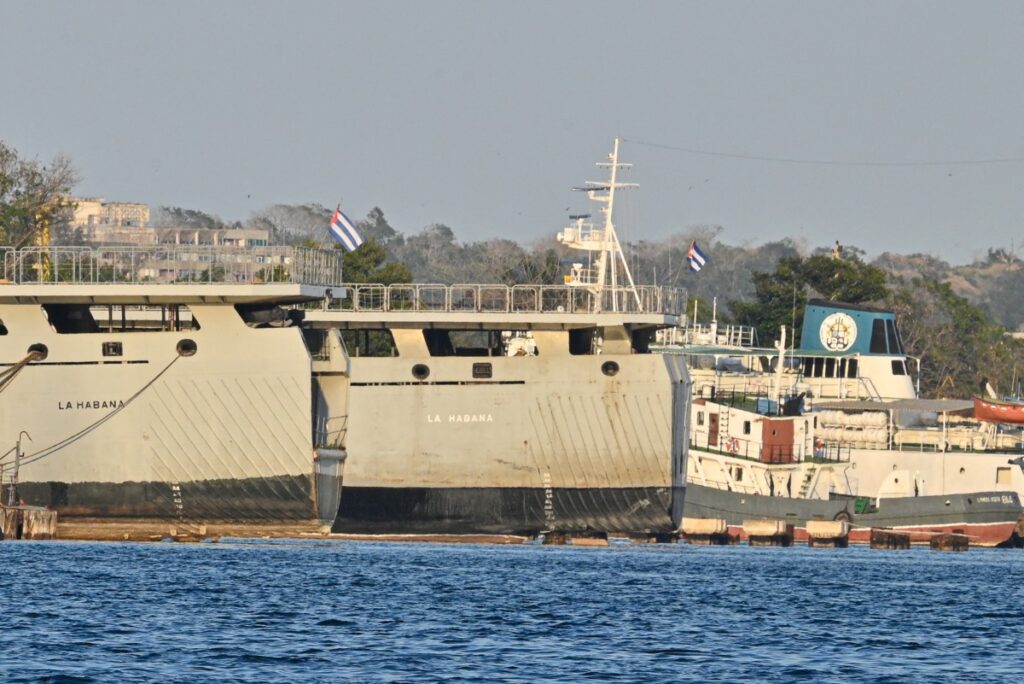
    BASSETERRE, St Kitts and Nevis – In a significant diplomatic shift, the United States has relaxed its stringent oil embargo against Cuba during high-level talks with Caribbean leaders. The policy adjustment came as US Secretary of State met with regional counterparts at the 50th Regular Meeting of the Conference of Heads of Government in Saint Kitts and Nevis on Wednesday.

    The Trump administration had imposed a virtual oil siege on Cuba in January following the US-led ouster of Venezuelan leader Nicolas Maduro, a key Cuban ally. This sanctions regime had severed Cuba’s access to Venezuelan petroleum, which previously accounted for approximately half of the island nation’s fuel requirements.

    The month-long blockade pushed Cuba’s already fragile economy toward the brink of collapse, prompting serious concerns among Caribbean Community (CARICOM) members about regional stability and humanitarian consequences.

    Facing mounting diplomatic pressure, Washington announced it would permit shipments of Venezuelan oil for limited “commercial and humanitarian use” under specific conditions. The US Treasury Department clarified that such oil exports must be channeled through private business entities rather than Cuban government or military-controlled organizations, which dominate the country’s economic infrastructure.

    The policy modification represents a nuanced approach to Caribbean relations while maintaining pressure on the Cuban government apparatus. The development underscores the complex interplay between US foreign policy objectives and regional diplomatic dynamics in the Western Hemisphere.

  • Jamaica basketball manager urges fan support on historic night

    Jamaica basketball manager urges fan support on historic night

    Jamaica’s national senior men’s basketball team stands at a pivotal moment in its sporting history as it prepares for a crucial qualifying match against The Bahamas on Thursday evening at the National Arena. The encounter represents a significant milestone in Jamaica’s quest to secure a place in the 2027 FIBA Basketball World Cup, marking the first occasion the senior squad will compete before a home audience.

    Team manager Dominic Delgado has issued an impassioned appeal for national support, emphasizing the transformative potential of home-court advantage. “We need the energy in the arena,” Delgado stated. “It’s not a big arena so come out and support the team. We don’t just have a team, we have a very good world-class team.”

    The Jamaican squad enters the match with considerable momentum following two historic victories in Puerto Rico late last year. These successes have elevated expectations that the team can overcome The Bahamas, though Delgado acknowledges that Canada—ranked among the world’s top five basketball nations—poses a substantially greater challenge in subsequent matches.

    This qualifying phase represents uncharted territory for Jamaican basketball, with Delgado noting, “We have never been this far. Having the magnitude of these games here in Jamaica is historic.” The potential qualification for the World Cup would mark a first in the nation’s sporting history.

    Despite the on-court achievements, the program faces significant financial constraints. Delgado revealed the team operates without direct funding, stating, “We don’t get a single penny and that’s not a complaint.” He emphasized the broader vision of using the senior team’s success to develop basketball at all levels nationwide, including women’s teams, youth programs, and local high school competitions.

    Critical support has emerged from the Bob and Rita Marley Foundation, with Cedella Marley playing a pivotal role in initiating sponsorship last year. Additional backing has been secured from National Bakery and Rainforest, though the program continues to seek further financial partnerships to sustain its campaign through 2026.

    The evening’s event will feature entertainment from dancehall artist Aidonia during halftime, with tip-off scheduled for 6:00 PM local time.

  • Bad road fuss heats up in Manchester

    Bad road fuss heats up in Manchester

    MANCHESTER, Jamaica — A political dispute has emerged regarding road infrastructure management in Manchester’s Knockpatrick division, pitting local Councillor Karl Smith against Member of Parliament Rhoda Crawford. The conflict arose following Crawford’s public criticism of the Manchester Municipal Corporation and councillors for their perceived inadequate response to repairing parochial roads.

    The controversy intensified when placard-carrying residents from Brokenhurst staged protests against the deteriorating condition of their main road and the Patrick Town community roadway. Crawford, representing the governing Jamaica Labour Party, subsequently questioned Smith’s awareness of division boundaries, asserting that most of Brokenhurst falls within Manchester Southern rather than his Knockpatrick jurisdiction.

    In a detailed Thursday statement, Councillor Smith (People’s National Party) offered a substantive rebuttal while advocating for non-partisan cooperation. He acknowledged the legitimate concerns about road conditions but emphasized that these infrastructure challenges resulted from long-standing systemic issues rather than recent neglect.

    “The deterioration of these roads has been the result of longstanding issues, including years of underfunding, weather impact, and increased usage,” Smith stated, adding that suggesting otherwise would misrepresent the situation to constituents.

    The councillor defended his territorial knowledge, affirming his comprehensive understanding of Knockpatrick’s boundaries. He highlighted his administration’s accomplishments despite resource constraints, having successfully overseen repairs and rehabilitation works on more than twenty roads across the division through strategic prioritization and collaborative advocacy.

    Smith called for a bipartisan approach to infrastructure development, emphasizing that road rehabilitation transcends political affiliations and directly impacts families, farmers, students, and local businesses. He expressed commitment to engaging Local Government Minister Desmond McKenzie and relevant stakeholders to secure additional funding.

    Expressing disappointment at the political tone of the discourse, Smith concluded: “Our constituents deserve representation that rises above political point-scoring and focuses instead on practical solutions and measurable progress.”

  • Bills rising, but taps still dry

    Bills rising, but taps still dry

    Jamaican legislators confronted the National Water Commission (NWC) during a parliamentary session this Wednesday, demanding transparent explanations for persistent billing issues affecting communities still grappling with water shortages months after Hurricane Melissa’s devastation.

    The Public Administration and Appropriations Committee (PAAC) meeting revealed widespread frustration as Members of Parliament detailed constituents receiving escalating bills despite prolonged service interruptions. The hurricane, which made landfall on October 28, 2025, caused significant infrastructure damage that continues to impact water delivery systems across the island.

    Clarendon Northern MP Wavell Hinds reported being inundated with complaints from residents facing regular bills without reliable water access. ‘Customers are receiving consistent bills while being unable to consistently access services,’ Hinds emphasized, noting the particular hardship of paying for sewage services without functioning water supply.

    NWC representatives outlined a dual approach to addressing billing discrepancies. Corporate Public Relations Manager Delano Williams explained that meter readings would reconcile estimated charges applied during periods when field teams couldn’t access properties. The commission has also committed to examining accounts where properties sustained damage causing water wastage, promising discretionary adjustments.

    The complexity of the billing adjustment process emerged as a central concern. Williams acknowledged that while systematic, the review requires manual verification that may delay visible corrections on subsequent bills. This explanation did little to satisfy parliamentarians, with St James Central MP Heroy Clarke revealing his own difficulties understanding charges.

    ‘Sometimes it is mind-boggling,’ Clarke admitted. ‘We just pay the bill to avoid disruption.’ He described the particular confusion of receiving increasing bills during November, December, and January despite water shortages, noting that promised rebates remained invisible to consumers.

    The NWC clarified that active accounts continue generating bills based on estimated consumption averages when meters become inaccessible or damaged. This ‘flat rate’ billing uses historical consumption data from previous cycles, which may explain continued charges during service interruptions.

    Acting Vice-President of Operations Herman Fagan conceded the need for improved communication, acknowledging public frustration and pledging to enhance how the agency explains bills that arrive before adjustments are processed. ‘We’re not hiding from this,’ Fagan stated, committing to review communication strategies with regional billing teams.

  • US congressman says Jamaica to face ‘consequences’ after PM’s Cuba statement

    US congressman says Jamaica to face ‘consequences’ after PM’s Cuba statement

    KINGSTON, Jamaica — A significant diplomatic confrontation has emerged between United States Congressman Carlos Giménez and Jamaican Prime Minister Andrew Holness, playing out publicly on social media platform X. The dispute centers on Jamaica’s expression of solidarity with Cuba amidst its ongoing economic and energy crisis.

    Congressman Giménez, representing Florida and born in Cuba, issued a severe condemnation of PM Holness’s stance. In his post, Giménez accused Holness’s ruling Jamaica Labour Party (JLP) of providing cover for what he termed a ‘moribund dictatorship’ in Cuba. He further alleged historical interference by the Castro regime in Jamaican politics, specifically claiming it worked to undermine the JLP and exacerbate partisan tensions. The congressman concluded his statement with a stark warning: ‘Jamaica will face the consequences!’

    This rebuke was a direct response to Prime Minister Holness’s address earlier that day at the 50th Regular Meeting of the Conference of Caricom Heads of Government. In a shared video clip, Holness urged the Caribbean Community to address the situation in Cuba with clarity and directness. He highlighted the severe economic hardships, energy shortages, and growing humanitarian challenges facing the Cuban people.

    Holness articulated a regional security perspective, warning that a prolonged crisis in Cuba would inevitably affect the wider Caribbean. He specifically cited potential impacts on migration patterns, regional security, and economic stability, concluding that Jamaica would consequently stand in solidarity with Cuba.

    The context for this exchange includes the recent announcement by the United States to ease its ban on Venezuelan oil exports to Cuba. This ban was initially implemented following the country’s invasion of Venezuela and the capture of then-President Nicolas Maduro in January. The decision to roll back restrictions came after weeks of significant instability on the communist-run island, which had descended into a severe economic crisis. This deterioration prompted numerous Caribbean leaders to voice concerns about potential spillover effects throughout the region.

    In a contrasting follow-up post, Congressman Giménez praised Trinidad and Tobago Prime Minister Kamla Persad-Bissessar, holding her up as a model for regional leadership. He commended her for governing with ‘moral clarity,’ strengthening her nation’s alliance with the U.S., and championing democracy, suggesting other nations could benefit from following her example.

  • Williams to open Budget Debate March 10

    Williams to open Budget Debate March 10

    KINGSTON, Jamaica – Finance and Public Service Minister Fayval Williams is poised to present one of the most critical budgetary plans in Jamaica’s recent history when she opens the 2026-2027 Budget Debate at Gordon House on Tuesday, March 10. The government faces the formidable challenge of addressing a significant financial gap in its $1.4 trillion budget following the devastating impact of Hurricane Melissa.

    The catastrophic Category 5 hurricane, which struck on October 28 and equaled the strongest ever recorded, caused an estimated US$8.8 billion in physical damage and erased 40% of Jamaica’s gross domestic product. In response to this unprecedented economic crisis, Williams announced a series of new tax measures on February 12 designed to generate approximately $29.5 billion for the 2026/27 Fiscal Year.

    A substantial portion of this revenue – $10.1 billion – will be raised through a novel tax on sweetened non-alcoholic beverages, marking the first implementation of new taxes in a decade. Minister Williams notably stated that ‘it took a Category 5 hurricane for that to happen,’ underscoring the extraordinary circumstances compelling these fiscal measures.

    The budget proceedings will continue with Opposition Spokesman on Finance Julian Robinson delivering his response on March 12. Robinson has previously criticized the tax strategy, warning that such impositions could stifle economic growth. Opposition Leader Mark Golding will contribute to the debate on March 17, followed by Prime Minister Dr. Andrew Holness on March 19. Minister Williams will conclude the debate on March 24, setting the stage for Jamaica’s economic recovery path.

  • Regional leaders encouraged by engagement with Rubio

    Regional leaders encouraged by engagement with Rubio

    BASSETERRE, St Kitts and Nevis – Caribbean Community (CARICOM) leaders expressed significant optimism following an address by United States Secretary of State Marco Rubio at their 50th regular summit on Wednesday. The brief ten-minute engagement was widely interpreted as a promising signal for revitalized US-Caribbean relations.

    Regional heads of government highlighted the conciliatory and cooperative tone of the Secretary’s remarks. Antigua and Barbuda Prime Minister Gaston Browne conveyed initial apprehensions were alleviated by the Secretary’s ‘very positive message.’ Browne emphasized the US recognition of shared geographical and cultural ties, stating, ‘I sense that the statement he made, though brief, would have signalled a level of commitment to enhance the relationship between the United States and CARICOM.’

    Echoing this sentiment, Dominica’s Prime Minister Roosevelt Skerrit described the encounter as ‘encouraging’ and stressed the importance of sustained dialogue on pressing regional issues. He interpreted Rubio’s physical presence as a ‘clear intention on the part of the United States to engage, to listen, and to hear our views and concerns.’

    Haitian Prime Minister Alix Didier Fils Aime also reported positive deliberations, noting the US commitment to reinforcing long-standing partnerships. He concluded that the strengthened relationship would seek ‘the mutual benefit of CARICOM nations and the United States.’ The collective response from Caribbean leadership suggests a pivotal step towards deeper diplomatic collaboration with the Biden administration.

  • Liat Air to launch Antigua and Montego Bay routes from Guadeloupe

    Liat Air to launch Antigua and Montego Bay routes from Guadeloupe

    KINGSTON, Jamaica — Caribbean aviation connectivity receives a significant boost as LIAT Air announces strategic expansion with two new non-stop routes originating from Pointe-à-Pitre in Guadeloupe. The regional carrier unveiled plans to establish enhanced air links to Antigua and Montego Bay, marking a pivotal development in intra-Caribbean transportation infrastructure.

    The airline’s expansion strategy commences May 1 with twice-weekly ATR 42 service to Antigua operating Fridays and Sundays, featuring 48-seat aircraft configurations. This initial phase will evolve into year-round operations by July 2026 with the introduction of additional rotations utilizing 50-seat Embraer ERJ 145 aircraft.

    Concurrently, LIAT will inaugurate its Montego Bay corridor during July’s first week, deploying Embraer ERJ 145 aircraft for bi-weekly Tuesday and Saturday flights. This permanent service coincides with Jamaica’s premier Reggae Sumfest cultural festival, strategically timed to capitalize on increased regional travel demand.

    Alain Bievre, Chairman of Guadeloupe Maryse Condé International Airport’s Board, characterized these developments as transformative for the territory’s aviation landscape. “The restoration of Antigua services and establishment of new Jamaican connectivity represent monumental progress for Guadeloupe’s aviation infrastructure,” Bievre stated. “These routes actualize our board’s diversification strategy, complementing existing services to Southern Caribbean destinations and Canadian markets while positioning our airport as catalyst for economic and tourism development.”

    LIAT Air CEO Hafsah Abdulsalam emphasized the expansion’s significance for regional integration, noting: “Reconnecting Antigua reestablishes crucial inter-island linkages that strengthen familial bonds, stimulate economic exchange, and enhance cultural connectivity. Simultaneously, our Montego Bay service creates seamless access to one of the Caribbean’s most vibrant tourism economies, benefiting both Caribbean and European travel corridors.”

    Tourism authorities welcomed the developments, with Guadeloupe Islands Tourism Board General Director Rodrigue Solitude noting: “These aviation enhancements transcend mere transportation improvements, fostering cultural exchange and historical connectivity while potentially catalyzing expanded regional network development.”

  • Samsung pushes deeper into AI with Galaxy S26 launch

    Samsung pushes deeper into AI with Galaxy S26 launch

    Samsung Electronics has fundamentally redefined its smartphone strategy with the launch of the Galaxy S26 series, marking a significant departure from traditional hardware-focused upgrades. The new flagship lineup—comprising the S26, S26+, and S26 Ultra—represents a transformative approach to mobile technology by establishing artificial intelligence as the central platform rather than merely an added feature.

    The core innovation lies in what Samsung terms ‘proactive’ AI capabilities, featuring sophisticated software agents engineered to predict user needs, automate complex workflows, and significantly reduce manual intervention across applications. This strategic shift reflects a broader industry transition toward deeply embedded artificial intelligence, moving beyond the camera and display enhancements that previously dominated smartphone evolution.

    At the hardware level, the Galaxy S26 Ultra is powered by a customized Snapdragon 8 Elite Gen 5 processor, specifically optimized for advanced neural processing performance. This enables sustained background AI operations without compromising battery life or device responsiveness. Samsung has implemented a completely redesigned thermal management system to maintain peak performance during computationally intensive AI tasks, including on-device image generation, real-time multilingual translation, and sophisticated video processing.

    The integration framework supports multiple AI agents working in concert, combining Samsung’s proprietary Bixby system with third-party platforms including Gemini and Perplexity. This multi-agent architecture allows the device to execute complex, multi-step operations—from service bookings to media organization—with minimal user initiation.

    Privacy protection emerges as another critical differentiator. The S26 Ultra introduces the industry’s first hardware-based ‘Privacy Display’ technology, which controls light dispersion at the physical level to prevent side-angle viewing. Samsung has additionally implemented post-quantum cryptography enhancements across core system processes, providing advanced security against emerging computational threats.

  • Holness urges Caricom to adopt strategic, people-centred vision for regional integration

    Holness urges Caricom to adopt strategic, people-centred vision for regional integration

    KINGSTON, Jamaica—Prime Minister Andrew Holness has presented a transformative vision for the Caribbean Community (Caricom), advocating for a more pragmatic and strategically focused approach to regional integration. Addressing the 50th regular conference of Caricom heads of government in St Kitts and Nevis, Holness emphasized the need to move beyond theoretical unity and embrace actionable strategies.

    Holness articulated that while Caricom member states maintain diverse perspectives, they share fundamental alignments in areas critical to their populations. “We are not monolithic. We are not always going to be one group. But we are aligned in critical areas that matter most for our people: security, resilience in all forms, economic opportunity, and global relevance,” he stated during the opening session.

    The Jamaican leader highlighted the region’s unique advantages, including its geographical positioning, youthful demographics, renewable energy capabilities, creative sectors, and democratic foundations. These attributes position the Caribbean within the strategic landscape of an rapidly evolving global environment, he noted.

    Holness proposed a three-pillar framework for Caricom’s renewed vision:

    1. **Competitiveness Agenda**: Focusing on logistics enhancement, connectivity improvements, digital and artificial intelligence transformation, and clean energy adoption. This approach would enable economies to scale within the single market while respecting individual national development strategies.

    2. **Institutional Readiness**: Developing regional bodies capable of delivering clear priorities with professional execution and continuity. These institutions must streamline bureaucracy, increase operational speed, and inspire confidence among international partners.

    3. **Nuanced Diplomacy**: Recognizing member states’ diversity not as fragmentation but as a spectrum of strategic options that collectively strengthen the region’s negotiating power and global leverage.

    Holness concluded with a powerful call to action: “If our economies are to scale, we must scale our ambitions. If our voice is to carry weight, we must speak with coherence, recognizing that unity does not require uniformity.” He reaffirmed Jamaica’s commitment to this strategic vision, noting that national development is inextricably linked to regional success.