标签: Jamaica

牙买加

  • Grassroots producer Phil Pratt dies at 82

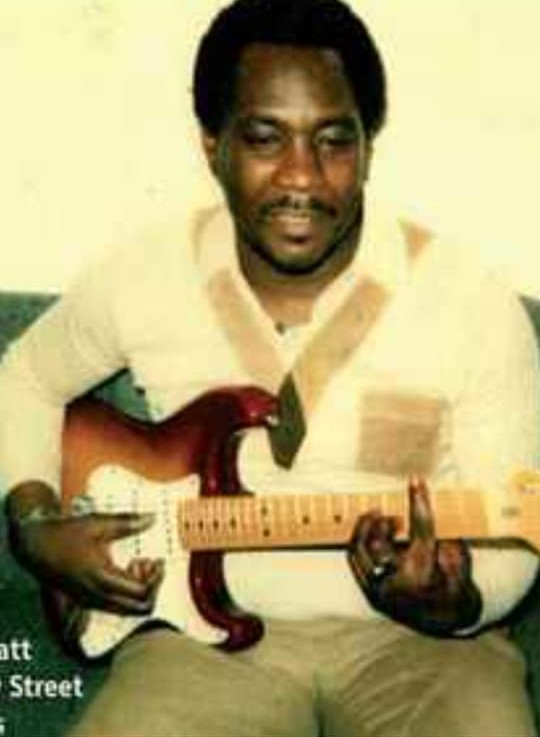
    Grassroots producer Phil Pratt dies at 82

    The music world mourns the passing of George ‘Phil Pratt’ Phillips, an influential reggae producer whose work defined an era of sound system culture. Pratt died in London on February 25 at age 82, as confirmed by his son Garfield ‘Sampalue’ Phillips.

    Born in West Kingston, Jamaica, Pratt’s musical journey began under the mentorship of legendary producers Clement ‘Sir Coxsone’ Dodd and Ken Lack. Though his initial career as a singer in the mid-1960s proved brief, Pratt discovered his true calling in production. His breakthrough came with Pat Kelly’s emotive ‘How Long,’ establishing his reputation for crafting hits that resonated deeply with Jamaican audiences.

    The 1970s marked Pratt’s most prolific period, producing a string of successful releases for the Sunshot label. His distinctive production style elevated tracks including Pat Kelly’s ‘Talk About Love,’ John Holt’s ‘Strange Things’ and ‘My Heart is Gone,’ and Ken Boothe’s enduring ‘Artibella’—later sampled by Snoop Dogg for his 2013 track ‘La La La.’

    Operating from his Orange Street record shop in West Kingston’s musical epicenter, Pratt belonged to a pioneering generation of independent producers whose work achieved widespread popularity through sound system plays rather than mainstream radio. Contemporary deejay Dennis Alcapone, who recorded several tracks for Pratt including ‘This A Butter,’ remembered him as ‘a very quiet person’ who ‘when him hit, him hit big.’

    After relocating to the United Kingdom over four decades ago, Pratt established a new life in northwest London’s Harlesden district, operating a restaurant within the area’s vibrant West Indian community. His musical legacy continues through his son Sampalue, who has produced works for reggae icons including Dennis Brown, Lady Saw, and Frankie Paul while maintaining his own singing career with two album releases.

    Phil Pratt is survived by multiple children and grandchildren, leaving behind a catalog that continues to influence generations of musicians and producers.

  • 79-y-o pedestrian dies in Manchester crash

    79-y-o pedestrian dies in Manchester crash

    MANCHESTER, Jamaica — A fatal traffic incident claimed the life of a senior citizen on Friday evening along the Prospect main road in Manchester. The victim, identified as 79-year-old Trevor Williams, a local resident of Prospect, succumbed to injuries sustained after being struck by a public passenger vehicle.

    According to official police reports, the tragedy occurred at approximately 7:30 PM when Williams was walking along the roadway. A white Toyota Hiace Commuter minibus, traveling northbound, collided with the pedestrian. The vehicle, operating as licensed public transport, was under the operation of a 49-year-old driver at the time of the accident.

    Emergency services transported the critically injured man to a nearby medical facility, where medical personnel pronounced him dead upon arrival. The Manchester police have launched a full investigation into the circumstances surrounding the collision, though no immediate arrests have been reported. The incident has raised renewed concerns about pedestrian safety and traffic enforcement on Jamaica’s roadways, particularly involving public transportation vehicles and vulnerable road users during evening hours.

  • CCJ rejects claim by Trinidadian against the State

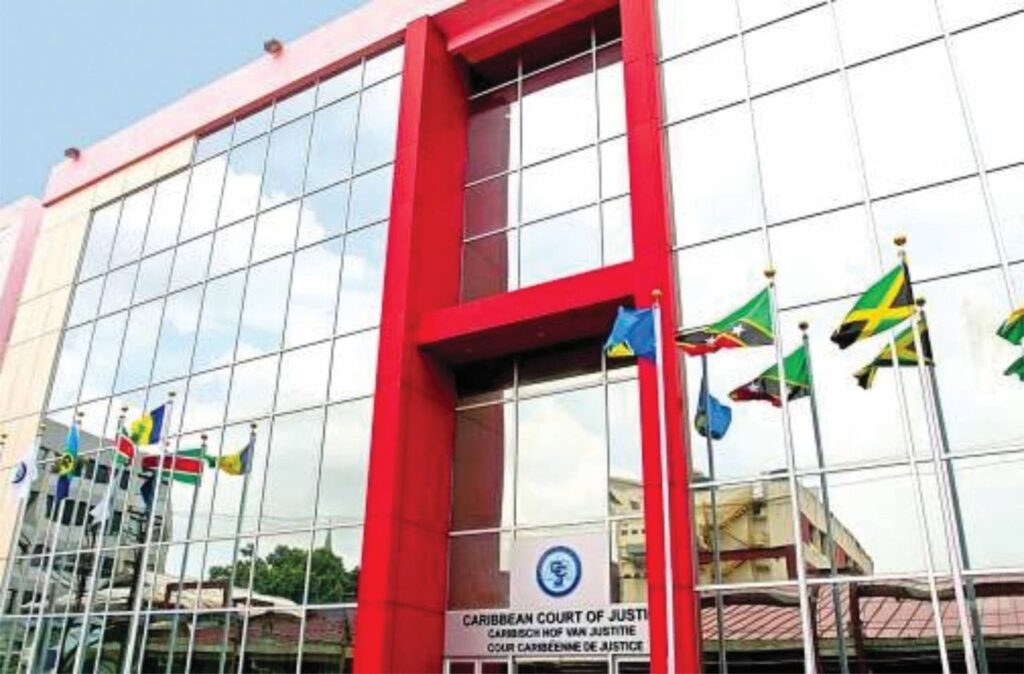
    CCJ rejects claim by Trinidadian against the State

    In a definitive ruling with significant implications for regional financial regulation, the Caribbean Court of Justice (CCJ) has formally dismissed an application from Trinidadian citizen Mike Daniel Bhagwansingh seeking to challenge his nation’s banking licensing requirements. The court’s detailed written judgment, released Thursday, follows its initial oral decision rendered on October 7, 2025, after conducting contested proceedings via video-conference.

    Bhagwansingh’s legal action contested the mandate under Trinidad and Tobago’s Financial Institutions Act (FIA), which requires individuals to secure a license from the Central Bank prior to conducting any banking business. He contended that this regulatory framework constituted a discriminatory practice, fundamentally violating his right to offer financial services as purportedly guaranteed under the Revised Treaty of Chaguaramas (RTC)—the foundational agreement governing the Caribbean Community (CARICOM) Single Market and Economy.

    The CCJ’s adjudication panel anchored its decision on a core principle of regional law: the RTC permits member states themselves, and only in narrowly defined circumstances their private nationals, to initiate claims against another member state. The court determined that Bhagwansingh’s application critically lacked the necessary ‘cross-border element,’ a fundamental threshold for such a challenge. His proposed claim concerned a purely domestic regulatory matter within Trinidad and Tobago, with no demonstrable impact on or connection to trade between CARICOM member states.

    Furthermore, the judgment provided crucial clarification on the scope of the RTC, explicitly stating that the treaty does not confer upon individual citizens of a member state an automatic right to provide financial or other services within their own country’s borders. The Court reaffirmed that such internal economic activities remain squarely under the jurisdiction and governance of national laws and domestic regulatory bodies.

    Consequently, the CCJ not only dismissed the application for special leave to commence proceedings but also awarded legal costs to the State of Trinidad and Tobago, reinforcing the strength of its dismissal and setting a notable precedent for future interpretations of the RTC concerning national sovereignty over domestic financial regulation.

  • Winston Jones High marks Jamaica Day with youth talent showcase and police partnership

    Winston Jones High marks Jamaica Day with youth talent showcase and police partnership

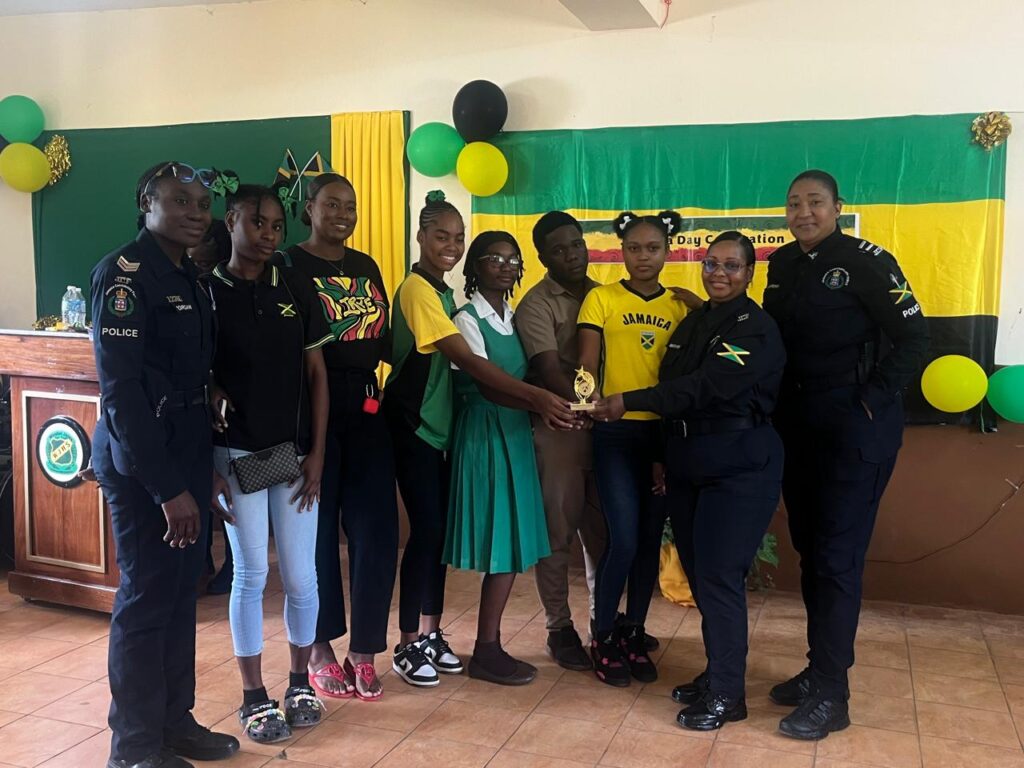
    KINGSTON, Jamaica — Winston Jones High School transformed into a vibrant hub of cultural celebration during its annual Jamaica Day observance last Friday. The event, orchestrated under the thematic banner “Celebrating Jamaica: Championing Kindness, Courage and Community,” seamlessly merged educational enrichment with artistic expression, drawing participation from students, faculty, and key community figures including representatives from the Jamaica Constabulary Force.

    The school campus radiated with the national colors—black, green, and gold—as attendees adorned traditional Jamaican attire. The day’s agenda was meticulously designed to immerse students in the nation’s heritage, aligning with both Jamaica Day and Reggae Month. A centerpiece of the festivities was a music and performing arts competition, where roughly 20 students showcased talents in reggae, gospel, dance, and poetry. The event was adjudicated by Inspector S Steers, Zone 3 Commander of the Manchester Division, alongside Sergeants Leisha Rose and Sunlin Morgan, and Constable Sanasha Brown-Wilson.

    Rhythmic drumbeats filled the fifth form block, underscoring performances that transcended entertainment to serve as reflections of cultural identity and historical awareness. Twelve students received trophies for their exemplary contributions, with judges urging them to pursue broader platforms such as the Jamaica Cultural Development Commission (JCDС) competitions.

    Inspector Steers applauded the participants’ creativity and self-assurance, remarking, “The talent displayed here today is remarkable. Winston Jones High has some truly gifted students.” She highlighted the role of such events in building trust between youth and law enforcement, noting that engagement strengthens community partnerships and bridges societal gaps.

    Beyond the stage, students engaged in a “Know Your Heritage” quiz, testing historical knowledge across all grade levels. Teachers joined performances, reinforcing a culture of inclusivity and collective pride. Special recognition was accorded to culture agent Diana Plummer and her team for their meticulous coordination and dedication.

    Acting Principal Shane Henry encapsulated the day’s ethos, stating, “Jamaica Day is more than a celebration of colors and culture. It is an opportunity for our students to understand who they are and the responsibility they carry to contribute positively to Jamaica’s future.” The event concluded as a testament to the power of cultural education in shaping engaged, civic-minded scholars and citizens.

  • Mental health alarm at State-run facilities

    Mental health alarm at State-run facilities

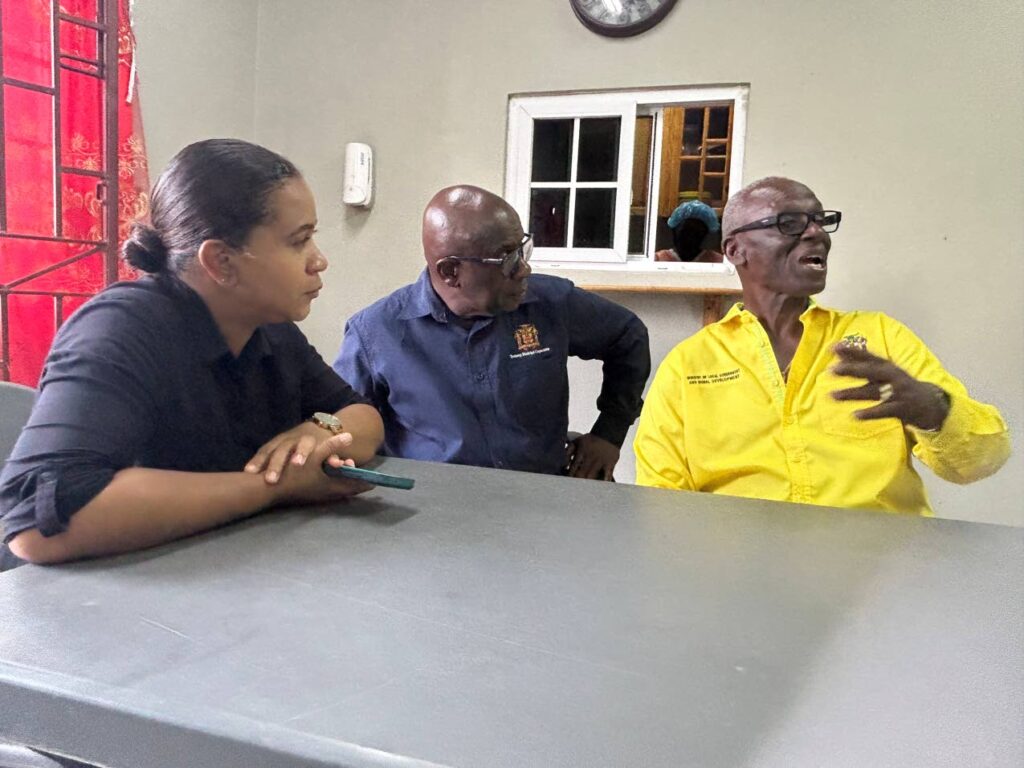
    Jamaican authorities are confronting a severe mental health emergency within the nation’s government-operated infirmaries and drop-in centers, with Local Government Minister Desmond McKenzie issuing an urgent call for intervention to safeguard both residents and caregivers.

    During an inspection of the Trelawny Drop-in Centre in Falmouth, Minister McKenzie revealed that facilities nationwide are experiencing escalating challenges with mentally distressed individuals. While acknowledging the center’s ongoing provision of essential services—including approximately 20 daily meals—the minister emphasized that the rising incidence of psychological disorders among users has reached alarming proportions.

    “This constitutes a grave concern that transcends regional boundaries,” McKenzie stated, referencing a recent violent incident in Santa Cruz, St. Elizabeth, where a staff member sustained breast injuries requiring medical attention after being assaulted by a mentally unstable resident.

    The minister detailed the complex balance facilities must maintain, noting existing psychiatric nursing support across infirmaries and golden age homes while highlighting legislative limitations that prevent segregation of mentally affected individuals from general populations.

    “While we must approach affected individuals with compassion, safety remains non-negotiable,” McKenzie asserted, outlining strict conduct protocols applicable to both staff and residents. He confirmed collaborative efforts with the Ministry of Health and upcoming high-level discussions with Health Minister Dr. Christopher Tufton to develop comprehensive strategies.

    The Trelawny facility exemplifies the supportive environments being maintained—providing three daily meals, counseling services, and municipal activities—even as the system struggles with what the minister described as a problem “getting out of control.” McKenzie concluded with a firm commitment to implementing preventive measures while maintaining disciplinary standards, noting that repeated behavioral violations could result in removals despite the compassionate nature of these institutions.

  • EU urges ‘maximum restraint’ as US-Iran conflict broadens

    EU urges ‘maximum restraint’ as US-Iran conflict broadens

    BRUSSELS — The European Union has issued a forceful appeal for de-escalation and initiated the withdrawal of non-essential personnel following a dangerous escalation of hostilities between Israel and Iran. The urgent call for ‘maximum restraint’ came after a series of reciprocal airstrikes between the nations raised alarm across international capitals.

    European Commission President Ursula von der Leyen characterized the rapidly evolving situation as ‘greatly concerning,’ emphasizing the critical importance of maintaining nuclear safety and upholding the global non-proliferation framework. In a joint statement with European Council President Antonio Costa, von der Leyen stressed that ‘all parties must exercise maximum restraint, protect civilians, and fully respect international law.’

    The crisis intensified when Israel and the United States launched targeted strikes against Iranian positions on Saturday, with reports indicating that Supreme Leader Ayatollah Ali Khamenei was among the intended targets. Iran responded with missile barrages directed toward Gulf states hosting US military installations and toward Israeli territory.

    The reverberations of the conflict were felt across the region, with explosions reported in the capital cities of Saudi Arabia, Bahrain, Qatar, and the United Arab Emirates. Residents in Jerusalem also reported hearing blasts overhead as the conflict expanded geographically.

    EU foreign policy chief Kaja Kallas confirmed the bloc’s consular network is actively facilitating the departure of EU citizens from the region while non-essential personnel are being withdrawn. Kallas noted she has maintained communication with Israeli Foreign Minister Gideon Saar and other regional counterparts to coordinate response efforts.

    ‘The latest developments across the Middle East are perilous,’ Kallas stated via social media. ‘Iran’s regime has killed thousands. Its ballistic missile and nuclear programmes, along with support for terror groups, pose a serious threat to global security.’

    The EU’s Aspides naval mission in the Red Sea remains on high alert, prepared to assist in keeping critical maritime corridors open amid the growing instability. EU member state representatives are scheduled to convene for emergency talks in Brussels on Sunday, with Cyprus—holding the rotating EU presidency—confirming the urgent meeting. An additional commission discussion is planned for Monday to address the continuing crisis.

  • ‘We have lost the fighting spirit’

    ‘We have lost the fighting spirit’

    A senior Dominican official has issued a sobering assessment of Caribbean society’s diminishing resolve, cautioning that the region risks developmental stagnation unless civil society reclaims its historical role as an engine of progress. Cozier Frederick, Minister of Environment, Rural Modernisation, and Kalinago Upliftment, delivered his stark evaluation during the closing ceremonies of the Caribbean Civil Society Organisations Conference and World NGO Day observance in Kingston.

    Addressing regional civil society leaders and development partners, Frederick articulated concerns over what he perceives as a critical weakening of civic determination amid escalating social, economic, and environmental challenges. He contrasted contemporary attitudes with the resilience of previous generations who confronted oppression and adversity with unwavering resolve.

    “Speaking as a government minister in 2026, I observe that we have lost the fighting spirit inherited from our ancestors—both indigenous peoples and those who arrived in chains,” Frederick stated. “We are their descendants, yet we increasingly succumb to complaint, anxiety, and helplessness.”

    The conference, organized by the Caribbean Development Bank under the theme ‘The Shift: Igniting Civil Society’s Next Chapter’, assembled over 120 participants to deliberate on the future of civil society in sustainable development. Frederick emphasized that historical progress in the region owes much to civic engagement, but warned that current tensions between governmental bodies and civil society organizations are impairing collective efficacy.

    The minister challenged the perception of civil society as separate from government, noting that such artificial divisions create counterproductive imbalances. “Civil society is not the ‘other’—it is an integral component of our social fabric,” he asserted. “Both governmental and civil society actors must acknowledge their shared developmental responsibilities and pursue strengthened collaboration.”

    Frederick rooted his analysis in Caribbean history, recalling how indigenous communities functioned as interconnected societies across the archipelago long before colonialization. This spirit of unity and shared purpose, he argued, later enabled enslaved Africans and their descendants to resist injustice and lay the foundations for modern Caribbean societies despite limited formal power or institutional support.

    While acknowledging the frustration and fatigue contemporary civil society actors often experience, Frederick urged them to recommit to shaping the region’s future rather than retreating from challenges. He pledged to advocate within his own government for breaking down barriers between public institutions and civil society, emphasizing that effective governance requires recognizing the complementary roles of both sectors.

  • Soul to Soul set for March 6 at Perry’s

    Soul to Soul set for March 6 at Perry’s

    The acclaimed Soul to Soul music event, celebrated as the premier soul music gathering, is set to make its triumphant return to Spanish Town on March 6th. This annual spectacle will transform Perry’s Club on Jobs Lane in St. Catherine into an epicenter of musical excellence and vibrant energy.

    Originally conceived in 2007 as a personal birthday celebration by founder Kevin Cole, the event has evolved remarkably over seventeen years. From its humble beginnings, Soul to Soul has established itself as an indispensable fixture within Jamaica’s entertainment landscape, earning recognition for its exceptional curation of soul music experiences.

    The event’s history reflects a journey of growth and adaptation. Following a temporary suspension, organizers successfully resurrected the gathering in 2015 within Spanish Town before expanding its reach to Kingston audiences in 2020. This strategic expansion demonstrated the event’s growing appeal and organizational capability.

    Event promoter Basco expressed enthusiasm about the 2024 edition, stating: ‘Our decision to return to Spanish Town has yielded extraordinary results. The event continues to evolve positively, exceeding our expectations with each iteration.’

    Attendees can anticipate an electrifying musical showcase featuring renowned performers including DJ Steelie Basement, Little Richie, Master Rodge, and the dynamic hosting talents of DJ Madness. The organizers promise an immersive audio experience that celebrates the rich heritage and contemporary expressions of soul music.

    The event promises to deliver an unforgettable fusion of premium musical selections, high-energy atmosphere, and exceptional vibes, maintaining its reputation as Jamaica’s definitive soul music celebration.

  • ‘Building bridges, not lighting fires’

    ‘Building bridges, not lighting fires’

    CARICOM Chairman Dr. Terrence Drew has responded to sharp critiques from Trinidad and Tobago Prime Minister Kamla Persad-Bissessar by reaffirming his commitment to diplomatic bridge-building rather than confrontation. The remarks came during Friday’s press conference concluding the 50th Regular Meeting of CARICOM Heads of Government in St. Kitts and Nevis.

    Addressing questions about apparent divisions within the regional bloc, Drew characterized differing opinions among member states as natural occurrences within any sovereign integration movement. ‘My objective, and our objective, is to build bridges and not light fires,’ stated Drew, emphasizing that disagreements present opportunities to strengthen the organization rather than weaken it.

    The chairman’s comments followed Persad-Bissessar’s vigorous criticism of CARICOM during Tuesday’s opening session, where she also condemned regional leaders for expressing solidarity with Cuba amid ongoing U.S. sanctions. This position has drawn external criticism, notably from U.S. Congressman Carlos Giménez targeting Jamaican Prime Minister Andrew Holness’s support for Cuba.

    Regarding controversial U.S. anti-narcotics operations involving alleged bombings of drug traffickers in Caribbean waters, Drew clarified CARICOM’s principled stance: ‘Caricom stands on principle to make sure that anything that is done has to follow particular international law.’ He confirmed ongoing investigations to ensure the regional body’s response would be comprehensive.

    Drew forcefully rejected suggestions of fragmentation within CARICOM, particularly concerning individual members’ bilateral relationships with the United States. Noting that both Guyana and Trinidad received invitations to meet with President Donald Trump, he explained that CARICOM doesn’t enforce homogeneous foreign policies, with each sovereign state determining its own diplomatic agenda.

    The chairman concluded that diverse international relationships among member states ‘can actually enrich CARICOM, but it does not fracture CARICOM,’ maintaining that current differences represent normal diplomatic processes rather than organizational fragmentation.

  • $153m capacity building project to tackle poverty in vulnerable communities

    $153m capacity building project to tackle poverty in vulnerable communities

    KINGSTON, Jamaica — The Jamaican government has formally committed J$153 million to a comprehensive poverty alleviation initiative targeting low-income communities during the 2026/27 fiscal period. This strategic investment, designated for the ‘Capacity Building for Education and Livelihoods Development Project,’ represents a collaborative effort between the Government of Jamaica and the Caribbean Development Bank (CDB).

    The Jamaica Social Investment Fund (JSIF) has been appointed as the implementing agency for this multifaceted program, which focuses on both infrastructure development and human capital enhancement. Official documentation outlining the budgetary allocation was presented to the House of Representatives by Finance Minister Fayval Williams through the 2026/27 Estimates of Expenditure.

    Key operational objectives for the upcoming fiscal year include the continued construction of a specialized education facility at Frankfield Primary School and initiating rehabilitation work on the special education block at Lowe River Primary School. The project will also finalize safe passage infrastructure improvements at Old Harbour and Grange Hill Primary School while conducting comprehensive program audits and beneficiary satisfaction assessments.

    The project has already demonstrated significant progress according to December 2025 reports. Notable achievements include the establishment of national Special Education Standards, agricultural technique training for 20 young farmers through a capacity-building program, and specialized education training for 27 teachers.

    Infrastructure milestones show the Frankfield Primary special education block at 40% completion, with safe passage works at Old Harbour Primary reaching 85% completion and Grange Hill Primary at 40% completion. The initiative has further supplied 161 literacy and numeracy equipment units to the Early Simulation Programme while nearing completion (90%) of rehabilitation works on Top Quarter Road.