标签: Jamaica

牙买加

  • Technical training meeting global standards, says educator

    Technical training meeting global standards, says educator

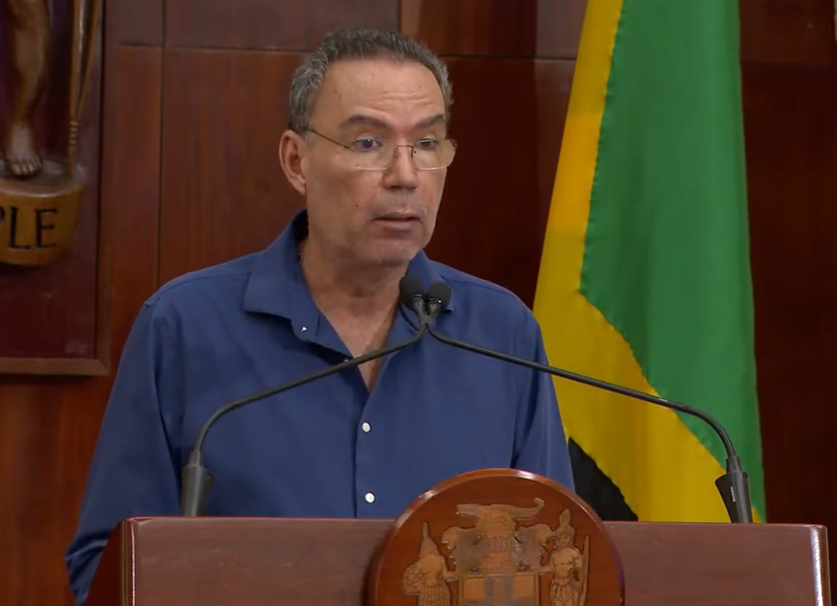
    MONTEGO BAY, St James — A prominent Jamaican educational leader has issued a compelling call to dismantle persistent stereotypes surrounding technical and vocational education, tracing their origins to the island’s post-emancipation era. Dr Darien Henry, Principal of Montego Bay Community College, delivered this transformative message during the Institute of Vocational Education and Skills Training (INVEST) graduation ceremony held recently at Mount Salem Seventh-day Adventist Church.

    Dr Henry presented compelling evidence that technical and vocational education and training (TVET) has evolved into a demanding, industry-relevant, and globally competitive educational pathway. He highlighted the Caribbean Examinations Council’s modernization of technical programmes and HEART/NSTA Trust’s successful development of world-class chefs and highly skilled ICT professionals as testament to this transformation.

    The educator identified the historical roots of what he termed a “psychological barrier” within Jamaica’s education system, explaining that following emancipation, debates within the colonial assembly revealed divergent views on education’s purpose. Some viewed education as means of intellectual advancement while others believed it should primarily prepare former slaves for continued labor within the plantation economy.

    “This early utilitarian framing subtly positioned skills-based education as training for labour, while academic education became associated with leadership and governance,” Henry explained. “Though Jamaica has since modernised its technical and vocational pathways, remnants of that colonial hierarchy persist.”

    Dr Henry proposed strategic solutions including harmonizing STEM disciplines with technical education, arguing that “the artificial separation between technical and academic disciplines no longer reflects the realities of modern industry.” He recommended that every secondary student pursue at least one technical subject alongside core academics, emphasizing six essential literacies: reading, writing, oral communication, numeracy, digital literacy, and scientific literacy.

    Addressing Jamaica’s labor market challenges, Henry warned of a “structural mismatch” where employers report difficulty finding skilled workers while young people struggle to find stable employment. He revealed concerning statistics: only 15% of Jamaica’s workforce holds tertiary-level qualifications, and of approximately 28,000 students sitting CSEC examinations in 2025, only about 6,200 achieved five or more subjects with under half passing mathematics.

    “If productivity is to increase, competence must increase,” Henry asserted, stressing the critical need for investment in high schools, community colleges, polytechnics, and teacher preparation institutions as automation and artificial intelligence reshape global workforce demands.

    The ceremony celebrated graduates of the TUI Academy, a partnership between TUI Care Foundation and INVEST that has empowered over 120 western Jamaican youth with industry-aligned skills in tourism and hospitality. Henry urged graduates to view their certifications as foundations for continuous growth: “Technical excellence, pursued with seriousness and integrity, is intellectual excellence. A prepared workforce remains the foundation of a productive nation.”

  • JN Bank appoints interim managing director

    JN Bank appoints interim managing director

    KINGSTON, Jamaica—JN Bank Limited announced a significant leadership transition as Managing Director Leesa Kow concludes her 22-year tenure with the institution on March 31. Keith Levy, the current chairman, will assume the role of interim managing director while the mutual-owned society conducts a search for a permanent successor.

    Kow’s departure marks the end of a distinguished career that began in 2003 and culminated in her appointment to lead JN Bank in July 2022. Her exit coincides with the bank’s remarkable financial performance, having reported $1.2 billion in pre-tax profits for the nine-month period ending December 2025—more than double the $581.93 million recorded for the full fiscal year ending March 2025.

    In an official statement, Kow reflected on her journey: “Working at JN has been the privilege of my professional life. I came here in 2003 and was given opportunities I could not have imagined by people who believed in me before I had earned it. I am proud of what we built together.”

    Levy brings substantial banking expertise to his interim role, with over 25 years of international banking experience including positions at Bank of America and Credit Suisse. He has served as a director of JN Financial Group since July 2022 and as chairman of JN Bank since December 2024. JN Group CEO Earl Jarrett expressed confidence in Levy’s capabilities, noting his “sound perspective on key financial initiatives” and deep understanding of the bank’s mission.

    This leadership change occurs amid broader restructuring within JN Group, which has included divesting interests in JN General Insurance and JN Fund Managers while reducing exposure to its UK banking operations. The group is implementing a turnaround strategy focused on capital strength, sustainable profitability, and disciplined cost management, with projections indicating an 80% reduction in consolidated net losses for the March 2026 fiscal year.

    Kow’s departure represents the latest in a series of C-suite changes across Jamaica’s commercial banking sector, following recent leadership transitions at National Commercial Bank Jamaica Limited and CIBC Caribbean Bank (Jamaica) Limited.

  • HOOPS BOOST!

    HOOPS BOOST!

    Jamaica has triumphantly concluded its inaugural hosting of major international basketball fixtures, marking a watershed moment in the nation’s sporting history. The National Indoor Sports Centre witnessed capacity crowds exceeding 6,000 spectators for both of the national team’s Group Stage matches in the FIBA Basketball World Cup 2027 Americas Qualifiers. The historic games against The Bahamas and Canada represented the first time in nearly five decades of regional competition that the island has staged such high-level international basketball.

    The success of the event was underscored by the presence of national sporting icons, including eight-time Olympic champion Usain Bolt and former world record holder Asafa Powell. The sprint legend expressed his profound support for the team’s growing visibility, stating, ‘I’m Jamaican through and through so I’ll always support. It’s a big deal for the country to be in this space for the first time. This gives younger kids who love basketball a chance to get involved more.’

    Jamaica Basketball Association (JABA) President Paulton Gordon hailed the events as foundational for the sport’s future. Overcoming previous financial hurdles that forced the forfeiture of a November home game against Puerto Rico, JABA successfully secured the $44 million required to host these qualifiers. Gordon emphasized the transformative power of showcasing elite basketball, noting the attendance of student athletes from across the island, including Montego Bay. ‘Jamaicans like a good show and basketball, with the environment and the arena effect they certainly will support basketball at the highest level,’ Gordon told the Jamaica Observer. ‘We want to continue to do that so that they see what it’s about and they aspire to be at this level or even beyond.’

    The national team now looks ahead to away fixtures against The Bahamas and Canada in July. With a potential place in the final round of qualifying on the horizon, Jamaican fans could be treated to more home games as the squad battles for one of six available spots in the 2027 FIBA World Cup in Qatar.

  • LAC advances in eradicating hunger for the fourth consecutive year

    LAC advances in eradicating hunger for the fourth consecutive year

    A landmark collaborative report reveals that Latin America and the Caribbean (LAC) has achieved a notable reduction in undernourishment for the fourth consecutive year. According to the 2025 Regional Overview of Food Security and Nutrition, the prevalence of hunger has declined to 5.1% of the regional population in 2024, marking a substantial improvement from the 6.1% peak recorded in 2020. This progress translates to 6.2 million fewer individuals experiencing food deprivation across the region.

    The comprehensive assessment, jointly produced by five United Nations agencies including FAO, IFAD, PAHO/WHO, WFP, and UNICEF, highlights particularly impressive advancements in South America. This subregion has achieved an average hunger prevalence of just 3.8%, reflecting a reduction of nearly one percentage point between 2022 and 2024. Several nations including Brazil, Costa Rica, Guyana, and Uruguay have emerged as regional leaders with hunger rates falling below 2.5%, while Chile and Mexico approach this benchmark.

    Despite these encouraging developments, the report underscores persistent disparities. The Caribbean subregion continues to face severe challenges, with hunger affecting 17.5% of its population, largely driven by Haiti’s alarming 54.2% undernourishment rate. Moderate or severe food insecurity impacted 25.2% of LAC’s population in 2024, showing improvement from the 2020 peak of 33.7% yet remaining concerning. A significant gender gap persists, with food insecurity rates 5.3 percentage points higher among women compared to men.

    The analysis further reveals a complex nutritional landscape where progress coexists with serious public health challenges. While stunting among children under five has decreased to 12.4%, adult obesity rates have doubled since 2000, now affecting nearly 30% of the population. The region faces the highest global cost for a healthy diet at $5.16 per day, though affordability has improved slightly with 15.4 million more people able to access nutritious food compared to 2021.

    UN officials emphasize that despite measurable progress, profound inequalities continue to affect vulnerable populations. Rocío Medina Bolívar of IFAD noted that ‘women and rural communities experience higher levels of food insecurity,’ urging targeted investments in rural development. PAHO Director Dr. Jarbas Barbosa highlighted the need to transform food environments dominated by ultra-processed products, while UNICEF’s Roberto Benes called for strengthened multisectoral systems to address the region’s complex nutrition challenges.

  • Legends honoured at Reggae Gold Awards

    Legends honoured at Reggae Gold Awards

    The National Arena radiated with palpable excitement on Friday evening as the Reggae Gold Awards transformed into a profound celebration honoring the lifelong dedication of Jamaica’s musical pioneers. This prestigious event elevated beyond a conventional ceremony, serving as a vibrant tribute to the architects of the island’s most enduring cultural soundtrack.

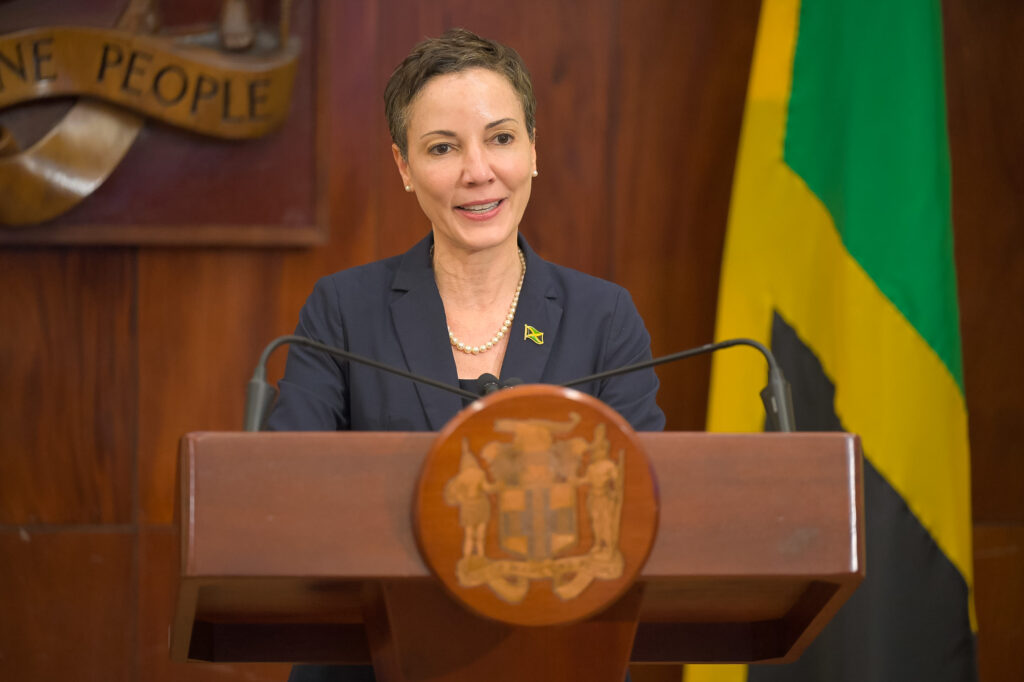
    Under a spectacular display of stage lighting, the nation’s most influential musical figures received long-overdue recognition for their extraordinary contributions. The evening’s pinnacle moment featured legendary vocalist Ken Boothe’s induction into the Jamaica Music Museum Hall of Fame. Culture and Entertainment Minister Olivia ‘Babsy’ Grange presented the official citation to Boothe, whose remarkable career spanning six decades continues to define the essence of reggae music.

    The distinguished honorees roster included Elaine Wint, Winston Barnes, Desmond ‘Desi Roots’ Young, Hugh ‘Redman’ James, Mikie Bennett, Lone Ranger, Frankie Campbell, and Collin ‘Bulby’ York – each acknowledged for their indelible impact on the industry. The awards also celebrated both performance excellence and academic contribution through recognitions given to reggae stalwart Tony Rebel and noted scholar Herbie Miller.

    In post-award conversations with the Jamaica Observer, Tony Rebel expressed overwhelming gratitude toward the ministry for acknowledging his decades of service to both industry and nation. Desmond ‘Desi Roots’ Young echoed these sentiments, appreciating the honor of receiving recognition during his lifetime.

    The celebration extended beyond awards into an immersive auditory experience. Headliner Luciano delivered a powerful performance backed by the Reggae Symphony Orchestra and Megahband under Peter Ashbourne’s masterful direction. The setlist featured timeless classics including ‘Lord Give Me Strength,’ ‘It’s Me Again Jah,’ ‘Messenger,’ ‘Sweep Over My Soul,’ and the electrifying ‘Movement of Jah People.’

    A particularly emotional collaboration unfolded when Garnet Silk Jr. joined Luciano on stage, paying homage to his father’s legacy through a soul-stirring duet performance of ‘Place in Your Heart.’ Additional musical tributes came from Etana, Richie Stephens, Romain Virgo, Marcia Griffiths, L.U.S.T, and Chris Malachi, each adding their unique interpretation to Jamaica’s celebrated musical heritage.

    Adding international flavor to the evening, China’s KAWA Reggae Band delivered a performance that highlighted reggae’s global reach. The event culminated a month-long celebration of the genre that propelled Jamaican culture to worldwide prominence, finally honoring both the visible stars and behind-the-scenes architects who mined the very gold of reggae music.

  • Dominica to finalise US agreement on third country migrants this week

    Dominica to finalise US agreement on third country migrants this week

    ROSEAU, Dominica – Prime Minister Roosevelt Skerrit announced on Monday that the Dominican government is finalizing a bilateral agreement with the United States to accept a limited number of third-country refugees. This arrangement would apply specifically to cases where the U.S. is unable to repatriate individuals to their countries of origin.

    The proposed draft, expected to be signed this week, outlines a structured resettlement quota. Under the terms, Dominica would receive no more than seven migrants every four months, amounting to a maximum of 28 individuals annually. This figure stands in stark contrast to local speculation about large-scale arrivals, which the Prime Minister explicitly dismissed.

    Skerrit emphasized the nation’s underlying need for skilled labor and population growth to bolster socio-economic development. He stated, ‘The truth is Dominica needs thousands of people more, if you were to ask me. We need some more people in there.’ He framed the agreement as a pragmatic solution to both a regional humanitarian challenge and a domestic labor shortage.

    Operational management of the program will be handled by the International Organization for Migration (IOM) on behalf of the Dominican government. Final logistical details, including housing arrangements—whether in individual rentals or a centralized facility—and financial provisions to ensure the government incurs no extra costs, are still being ironed out. Skerrit noted that the refugees may not remain in Dominica permanently and could eventually return to their home countries.

    The Prime Minister positioned this cooperation as a strategic move to deepen the ‘longstanding relationship’ with the United States, signaling Dominica’s role as a ‘willing and reliable partner’ in the region. He concluded by urging a forward-looking perspective, warning against xenophobia and highlighting the potential benefits of integrating skilled individuals into Dominican society.

  • It’s Women’s Month!

    It’s Women’s Month!

    As March dawns each year, global attention turns to commemorating the extraordinary accomplishments, steadfast resilience, and profound societal impact of women worldwide. While International Women’s Day on March 8 serves as the centerpiece of these observances, the entire month represents a broader call to action—a sustained period for reflection, celebration, and renewed dedication to creating meaningful change in the lives of women and girls across all spheres of society.

    From corporate leadership to academic institutions, agricultural fields to scientific laboratories, and domestic settings to government chambers, women of diverse backgrounds continuously shape communities through both visible and unseen contributions. Meaningful observance of Women’s Month demands deliberate intention and concrete action rather than mere symbolic gestures.

    The path to substantive celebration begins with genuine understanding. Developing awareness of women’s multifaceted experiences and the systemic challenges they confront transforms appreciation from superficial acknowledgment to substantive support. This foundational knowledge informs subsequent actions that truly honor women’s contributions.

    While renowned figures provide inspiration, Women’s Month equally emphasizes recognizing everyday heroes—mothers, educators, entrepreneurs, caregivers, and community leaders who form the backbone of societies. Practical recognition methods include personal appreciation notes, award nominations, and social media spotlights that amplify their stories.

    Economic and social support mechanisms represent crucial components of meaningful observance. This encompasses volunteering time and resources to educational initiatives, service organizations, and health programs specifically designed to empower women and girls. Such practical engagement creates tangible impact beyond rhetorical support.

    The commemorative period also serves as an opportunity for creating inclusive spaces where women can share experiences openly through forums and dialogue sessions. These platforms foster mutual understanding and emphasize that genuine recognition requires collaborative partnership between all members of society.

    Most significantly, effective observance requires commitment extending beyond March’s conclusion. Gender equity represents an ongoing imperative rather than a seasonal cause. Women’s Month should function as a catalyst for sustained advocacy, mentorship, and support throughout the entire year.

    When societies consistently uplift women’s initiatives and maintain support beyond designated periods, everyone benefits. Women’s advancement creates ripple effects that strengthen entire communities, making sustained commitment not just a moral imperative but a practical necessity for comprehensive social progress.

  • 8 compete for Miss SoSci (UWI) 2026 title

    8 compete for Miss SoSci (UWI) 2026 title

    The University of the West Indies, Mona campus, is poised to host an elevated iteration of its annual Miss SoSci pageant this Sunday, March 8th. Eight distinguished finalists from the Faculty of Social Sciences will contend for the coveted title in a strategic relocation to the faculty’s more capacious lecture theatre, a move designed to amplify the event’s production standards and audience experience.

    Jermaine Francis, the UWI Guild representative, articulated the deliberate reasoning behind the venue shift. “Our objective was to secure a professional space that authentically mirrors the growing prestige of Miss SoSci,” Francis stated. He emphasized that the new setting would provide a stage commensurate with the excellence the faculty promotes, thereby enhancing the overall spectacle for attendees and participants alike.

    The triumphant candidate will be awarded a substantial cash prize of $100,000, supplemented by an array of sponsors’ gifts. Francis clarified that these rewards are structured not merely as accolades but as investments in the winner’s personal development and her subsequent ambassadorial responsibilities within the academic community.

    Patrons anticipating the coronation can expect a meticulously orchestrated event featuring diverse segments. These will include talent exhibitions, evening wear presentations, and a probing question-and-answer round engineered to assess the contestants’ critical thinking, advocacy skills, and leadership potential.

    The pageant has garnered significant endorsement from Corporate Jamaica this year. Francis highlighted intentional partnerships with organizations that share a vision for nurturing youth leadership and professionalism. This corporate engagement has been instrumental in boosting production quality and reflects a broader recognition of the value in empowering student development.

    Richard Barclay, the pageant’s director, detailed the selection methodology for the finalists. An interview process comprising a series of evaluative questions culminated in the selection of eight candidates from various departments across the faculty. Barclay noted the search focused on identifying well-rounded individuals capable of representing the faculty with distinction.

    The competitors themselves bring diverse motivations and backgrounds. Rheanna Williams, an International Relations and Management undergraduate, perceives the competition as a catalyst for personal growth and an expansion of her horizons. Similarly, Tourism Management student Melissa Downer described her entry as impulsive yet ultimately rewarding, despite a hectic schedule.

    For Summer Pottinger, a second-year Marketing student, the pageant presented a long-awaited opportunity to represent her faculty. Latania Townsend, a third-year Human Resources student and established campus leader, entered to merge her interest in modeling with her commitment to leadership, acquiring invaluable skills such as professional poise. Kelisha Francis, a Political Science scholar, echoed the sentiment, affirming the experience’s immense value. The complete roster of finalists also includes Lisa-Gay Mills, Jannel Watson, and Leanne Williams.

  • UN chief calls for Israel to re-open Gaza crossings

    UN chief calls for Israel to re-open Gaza crossings

    UNITED NATIONS—UN Secretary-General Antonio Guterres issued an urgent appeal on Monday demanding Israel immediately reopen critical border crossings into Gaza that were sealed following military operations against Iran conducted jointly with the United States.

    The closure, implemented Saturday as a security precaution, includes the strategically vital Rafah crossing—Gazans’ sole access point to the external world that bypasses Israeli territory. This passage had only resumed operations for civilian movement on February 2, ending a nearly two-year suspension after Israeli forces assumed control during conflicts with Hamas.

    UN spokesperson Stephane Dujarric detailed the severity of the situation, stating: ‘Israeli authorities have sealed all transit points, including Rafah, and halted all humanitarian operations in zones where Israeli military personnel remain stationed within Gaza.’

    Dujarric emphasized the critical nature of resumed access: ‘The immediate reopening of all crossings is imperative. Our humanitarian partners have already begun rationing fuel supplies and prioritizing only the most critical life-saving operations due to rapidly diminishing local reserves.’

    The spokesperson further explained the compounding challenges, noting that while some supplies remain within Gaza, the complete blockade forces aid organizations to meticulously stretch existing resources. This development significantly hampers the delivery of essential humanitarian assistance to Gaza’s civilian population, creating potentially severe consequences for those dependent on international aid.

  • Education only the gateway

    Education only the gateway

    Jamaica’s millennial generation faces unprecedented employment challenges as they navigate a constricted job market characterized by rising living costs and increasingly stringent qualification requirements. The pursuit of stable employment that can sustain basic household needs has become an elusive goal for many young professionals, creating a national crisis that demands innovative solutions.

    During the recently observed National Career Week in February 2026, Jamaica embraced the theme ‘Fuelling Growth: Creating Opportunities through Career Development,’ shifting the national conversation toward more holistic approaches to workforce development. This initiative highlighted how career advancement transcends individual achievement, serving instead as a critical component in building a resilient national economy capable of competing in the global marketplace.

    The traditional belief that formal education automatically translates to career success has been fundamentally challenged. While academic qualifications remain valuable, they must be complemented by practical skills, adaptability, and entrepreneurial thinking. This paradigm shift reflects the evolving reality that degrees alone no longer guarantee employment in an increasingly competitive landscape.

    Historical perspectives, including the widely recited Jamaican primary school poem emphasizing that ‘learning is better than silver and gold,’ have shaped generational attitudes toward education. However, contemporary economic realities require a re-evaluation of this mindset, recognizing that while education remains valuable, its application must extend beyond conventional employment pathways.

    Entrepreneurship emerges as a particularly promising alternative, offering financial independence and creative fulfillment while simultaneously contributing to national economic growth. Practical skills development through institutions like Jamaica’s HEART/NSTA Trust provides critical training in high-demand sectors including hospitality, construction, and digital technology, creating new avenues for professional advancement.

    This economic transformation represents not merely a career option but an essential survival strategy for Jamaican millennials and future generations. By embracing entrepreneurial initiatives and skill-based training, young professionals can build sustainable livelihoods while driving national progress in an increasingly competitive global economy.