标签: Jamaica

牙买加

  • Retired soldier dedicated to a life of service

    Retired soldier dedicated to a life of service

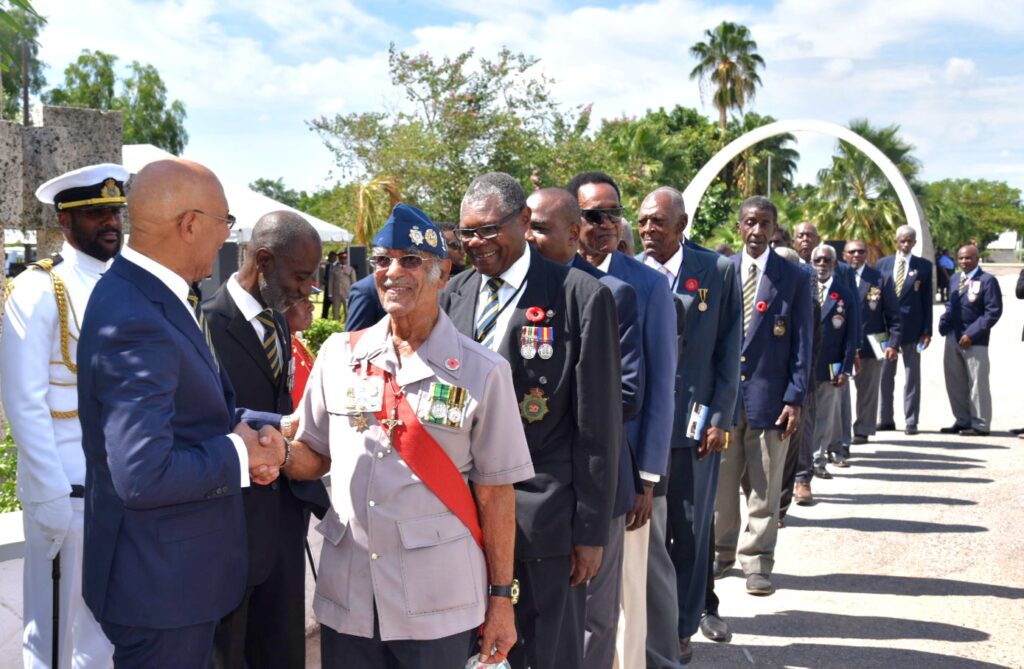
    KINGSTON, Jamaica — Ninety-two-year-old Peter Xavier Williams, affectionately known as “Poppy Man,” stands as a living monument to Jamaica’s military history and unwavering national service. His remarkable journey, which began in 1933 in St. Mary, spans nearly a century of profound social transformation and personal dedication.

    Williams’ early life was marked by the hardships of World War II, where he experienced food rationing, blackouts, and the constant fear of aerial attacks after losing his father at age seven. At 13, he came under the guardianship of national hero Sir Alexander Bustamante, whose influence would shape his future. Williams still preserves letters and photographs from this formative period, including images he captured at Bustamante’s funeral.

    His military fascination ignited during public parades on Queen Victoria’s birthday, where he observed boy scouts and cadets marching in precision. “I saw these boys dressed in sharp uniforms and began emulating their march,” Williams recalled. This childhood admiration led to his enlistment in the Jamaica Local Force in 1952 under British command, where he endured rigorous training he describes as “between life and death.”

    Williams’ distinguished 28-year career witnessed Jamaica’s transition from federation to independence and the establishment of the Jamaica Defence Force (JDF). His versatile service included roles as medical orderly, drummer, bugler, and postmaster handling sensitive correspondence across the British Caribbean. He notably trained the JDF’s first female soldiers in communications in 1965 and served as chief photographer, with his extensive documentation now archived at the National Library.

    During the state of emergency, Williams managed correspondence for detained political figures at Up Park Camp, emphasizing the distinction between detention and imprisonment. After retiring from the JDF in 1976, he seamlessly transitioned to civilian life as security manager for the Telephone Company of Jamaica.

    His exceptional service earned numerous honors, including the Independence Medal (1962), the Badge of Honour for Meritorious Service (2008), and features in the JDF’s 60th-anniversary publication. Today, as the JDF’s oldest living soldier, Williams appoints himself its “ambassador” and remains active as chairman of the Jamaica Legion’s Northeast District.

    Remarkably, Williams retains permission to wear his original 1952 uniform and continues to deliver exhortations at Remembrance Day ceremonies nationwide. He attributes his longevity to discipline and faith, recalling a transformative moment during a violent storm near Palisadoes when he dedicated his life to higher power.

    Despite his age, Williams maintains independence without walking aids, carrying only an umbrella for practicality. His philosophy encapsulates his approach to life: “Yesterday is dead, tomorrow does not exist. Today is here, use it.” Peter Xavier Williams endures not merely as a historical figure but as an active embodiment of service, sacrifice, and national pride.
  • Guyana activates security plan as US bombs Venezuela

    Guyana activates security plan as US bombs Venezuela

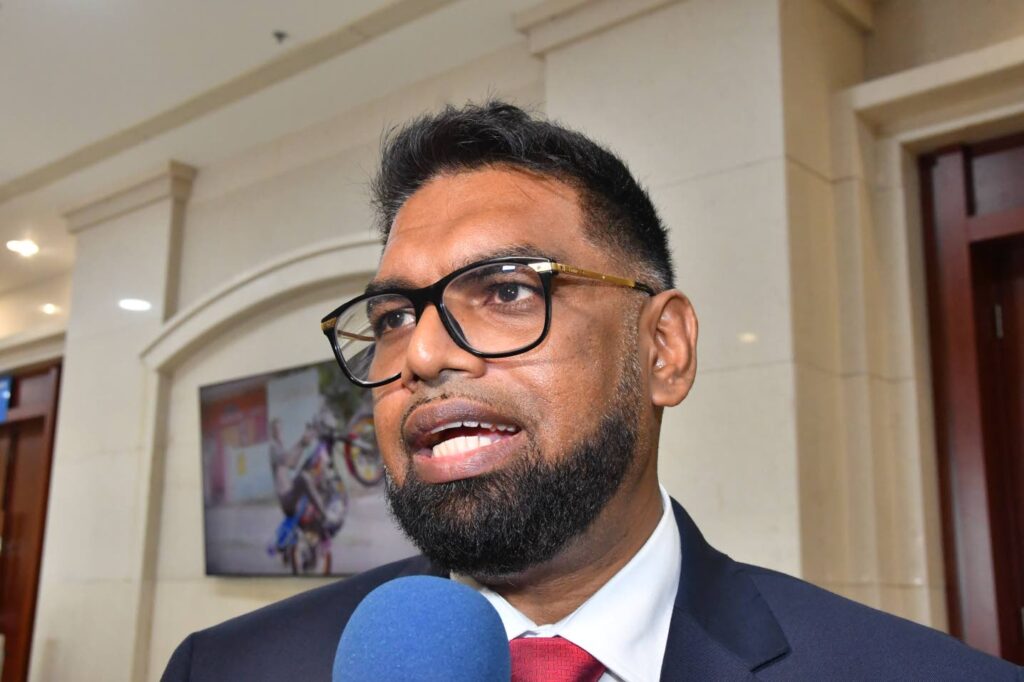
    GEORGETOWN, Guyana – In response to recent United States military operations targeting sites within Venezuela, Guyanese President Dr. Irfaan Ali announced the full activation of the nation’s security apparatus on Saturday. The decisive move aims to safeguard national stability and protect citizens amid escalating regional tensions.

    President Ali confirmed that the Guyana Defence Force and allied security services have been placed on high alert, implementing comprehensive monitoring protocols to assess the evolving situation. He assured the public that all necessary measures are being taken to ensure their safety and security.

    Diplomatic channels have been vigorously engaged, with President Ali providing detailed briefings to Dr. Carla Barnett, Secretary-General of the Caribbean Community (CARICOM). Additionally, Brigadier Omar Khan, Chief of Defence Staff, has initiated communications with regional security partners to coordinate a unified response.

    Concurrently, plans are underway to convene an emergency summit of CARICOM leaders to address the crisis collectively. President Ali also disclosed direct consultations with Alistair Routledge, President of ExxonMobil Guyana, regarding the security of the country’s vital offshore oil operations, which produce nearly one million barrels daily. Both parties confirmed a state of heightened vigilance and close cooperation.

  • Starmer says UK will ‘shed no tears’ over US seizing Maduro

    Starmer says UK will ‘shed no tears’ over US seizing Maduro

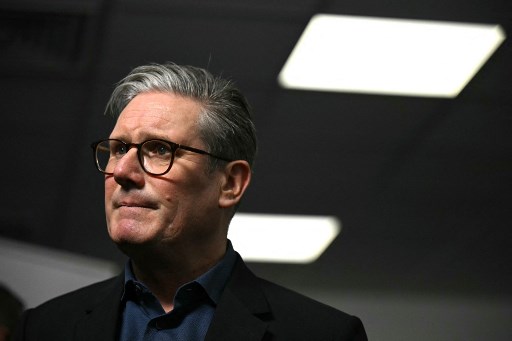
    LONDON — British Prime Minister Keir Starmer has declared the United Kingdom’s firm alignment with United States policy toward Venezuela, stating that Britain “sheds no tears” over the downfall of Nicolás Maduro’s administration. The announcement came during a press briefing on Saturday where Starmer outlined his government’s position on the evolving political situation in the South American nation.

    Starmer confirmed that high-level discussions between UK and US counterparts regarding Venezuela’s political future are scheduled to occur in the coming days. These diplomatic exchanges will focus on coordinating international efforts to ensure a stable transition of power in Caracas.

    “The United Kingdom has consistently advocated for democratic transition in Venezuela,” Starmer stated. “We have never recognized Maduro as the legitimate president and therefore view the conclusion of his regime without regret.”

    Emphasizing Britain’s commitment to international legal frameworks, the Prime Minister added: “This morning I reaffirmed my government’s dedication to upholding international law. Our objective remains a secure and peaceful transfer of power to a legitimate administration that truly represents the will of the Venezuelan people.”

    The British position signals a continuation of the previous UK government’s stance toward Venezuela, maintaining pressure on the Maduro government while supporting opposition movements seeking democratic reform. This development occurs amid increasing international scrutiny of Venezuela’s political trajectory and human rights record.

  • What we know about the US attacks on Venezuela

    What we know about the US attacks on Venezuela

    CARACAS, Venezuela — In a dramatic escalation of long-standing tensions, United States military forces executed a series of airstrikes across multiple locations in Venezuela in the early hours of Saturday. The operation, which represents a significant intensification of Washington’s campaign against the left-wing government of Nicolas Maduro, reportedly resulted in the capture and removal of the Venezuelan president from the country.

    The military action commenced shortly before 2:00 AM local time (0600 GMT), with residents of the capital Caracas and surrounding regions reporting explosions and aircraft overhead. The strikes continued for approximately seventy-five minutes, with social media footage depicting helicopter sorties and missile impacts creating substantial fireballs and columns of smoke across the night sky.

    Former US President Donald Trump announced on his Truth Social platform at 0921 GMT that American forces had ‘successfully carried out a large scale strike against Venezuela’ and confirmed that both Maduro and his wife had been ‘captured and flown out of the Country.’ Several hours after the initial attacks, US Senator Mike Lee corroborated these claims, citing Secretary of State Marco Rubio’s statement that military operations had concluded following Maduro’s apprehension.

    Primary targets included Fort Tiuna, Venezuela’s most extensive military complex located in southern Caracas. This strategic installation houses the defense ministry, a military academy, and residential quarters for armed forces personnel. AFP correspondents observed significant flames and smoke emanating from the complex, with visible damage including bullet-marked armored vehicles and trucks at secured entrances. Civilian evacuations were underway as residents fled the area with personal belongings, with one anonymous woman stating she was leaving ‘because they nearly killed us.’

    Additional strikes targeted La Carlota airbase east of Caracas, where journalists documented burning armored vehicles and destroyed transportation infrastructure. Explosions were further reported in the port city of La Guaira, the north-central city of Maracay, the Caribbean coastal town of Higuerote, and regions along the Colombian border—a known corridor for narcotics trafficking.

    Venezuelan Defense Minister Vladimir Padrino López accused American forces of deliberately targeting residential areas with missiles and rockets, though these allegations remain unverified. Official casualty figures have not been released, with government authorities acknowledging they are still gathering information ‘on the dead and injured.’

    The circumstances surrounding Maduro’s capture remain unclear, particularly given the president’s documented practice of frequently changing residences to evade potential capture. Venezuelan Vice President Delcy Rodríguez has demanded that the United States provide ‘proof of life’ for both Maduro and his wife, Cilia Flores. Russia, a key Venezuelan ally, has similarly called for immediate clarification regarding the president’s status.

    International reactions have been sharply divided. Russia, Iran, and Cuba—all longstanding partners of Venezuela—condemned the military action as an act of aggression. They were joined in their criticism by left-wing governments in Mexico, Brazil, and Colombia. Russia’s foreign ministry characterized the operation as a ‘deeply concerning’ violation of international norms. The European Union’s top diplomat, Kaja Kallas, urged Washington to exercise restraint and adhere to international law during communications with US Secretary of State Marco Rubio. Notably, Argentina’s right-wing President Javier Milei, a vocal supporter of Donald Trump, emerged as one of the few Latin American leaders to express support for the military intervention.

  • Hundreds of flights cancelled across the Caribbean amid US attack on Venezuela

    Hundreds of flights cancelled across the Caribbean amid US attack on Venezuela

    NEW YORK, United States — A significant aviation crisis is unfolding across the Caribbean region, with travel disruptions projected to persist for several days. This follows a decisive US military operation in Venezuela that led to the capture of President Nicolas Maduro, prompting immediate airspace closures and mass flight cancellations by major US carriers.

    Aviation tracking data from FlightRadar24.com, as reported by ABC7 New York, revealed a complete absence of commercial air traffic over Venezuelan airspace on Saturday. The disruption originated from an official Federal Aviation Administration (FAA) directive advising all commercial airlines to avoid a substantial portion of Caribbean airspace. The agency cited an ongoing ‘potentially hazardous situation’ and specifically identified ‘safety-of-flight risks associated with ongoing military activity’ as the primary reason for the unprecedented closure.

    The cascading effects have severely impacted connectivity to numerous island nations in proximity to Venezuela. Key destinations such as Puerto Rico, the Virgin Islands, and Aruba are experiencing widespread cancellations. In response to the chaos, airlines have proactively implemented flexible travel policies, universally waiving change fees for passengers needing to reschedule their itineraries throughout the weekend and into the coming week.

    Puerto Rico’s primary international airport faced specific temporary airspace restrictions, compounding the logistical challenges. Among the carriers, JetBlue announced the most significant cuts, canceling 215 flights within its extensive Caribbean network, though it noted services to Jamaica and the Dominican Republic continued unimpeded.

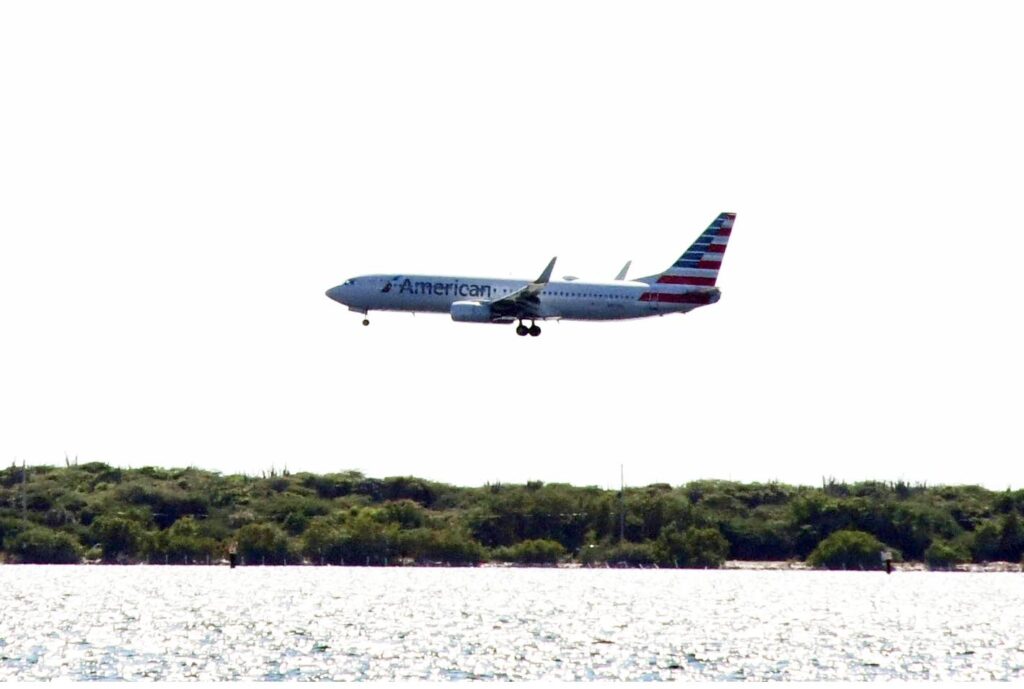
    Other major airlines, including United and Southwest, executed substantial schedule adjustments. Southwest Airlines cancelled all flights to Aruba on Saturday and suspended all operations to Puerto Rico until late afternoon, while maintaining its schedule to the Dominican Republic. American Airlines published a comprehensive waiver policy covering travel to and from approximately twenty island destinations, such as Anguilla, Antigua, Curaçao, and Saint Lucia. Similarly, Delta Air Lines issued a travel waiver for customers traveling through 13 affected airports, with provisions valid through Tuesday.

  • JTA to conduct assessment of schools over the weekend

    JTA to conduct assessment of schools over the weekend

    Jamaica’s educational system faces a pivotal moment as the new academic term approaches, prompting the Jamaica Teachers’ Association (JTA) to initiate comprehensive facility assessments across the island nation. The unprecedented evaluation comes in response to the devastating aftermath of Category 5 Hurricane Melissa that struck in October, particularly affecting western and southwestern regions.

    JTA President Mark Malabver, speaking at the reopening of the association’s western Jamaica office, revealed the organization’s plan to conduct ground-level verification of school preparedness throughout the weekend. The initiative aims to determine actual operational capabilities rather than theoretical readiness, acknowledging that many educational institutions sustained substantial damage during the catastrophic weather event.

    Malabver articulated profound concerns regarding the practical realities of resuming classes, emphasizing that reopening decisions must consider both infrastructure limitations and human factors. The teachers’ union maintains that each institution requires individualized assessment based on localized conditions rather than blanket policies.

    Beyond structural considerations, the JTA president highlighted concerning student welfare issues, noting parallels to pandemic-era attendance challenges. He called for systematic tracking of missing students through mandated guidance counselor interventions, recognizing that many children face hurricane-related trauma and displacement.

    The human impact extends beyond students, as Malabver acknowledged widespread psychological distress among educators. Many teachers continue experiencing personal hardships that affect their professional capacity, necessitating compassionate, case-by-case consideration from school administrators and boards.

    This multifaceted approach reflects the complex intersection of infrastructure recovery, mental health considerations, and educational continuity in post-disaster scenarios, positioning the teachers’ association as both advocate and practical partner in Jamaica’s educational rehabilitation.

  • Venezuela’s Maduro arrives in US after abduction

    Venezuela’s Maduro arrives in US after abduction

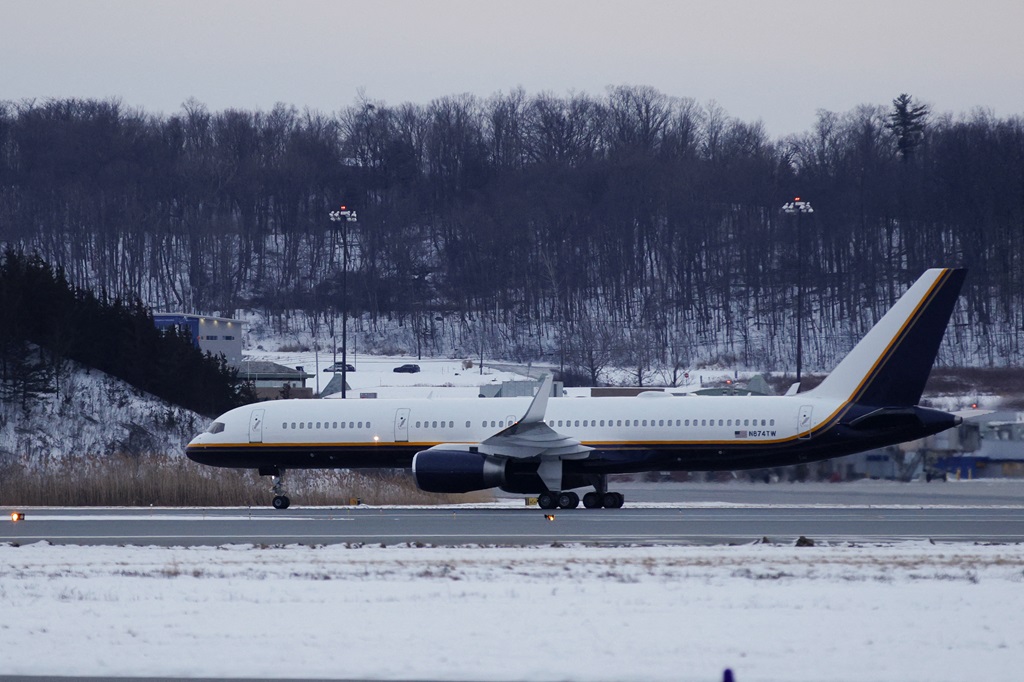
    In an unprecedented military operation, Venezuelan President Nicolas Maduro was apprehended by United States forces in Caracas and transported to American soil on Saturday evening. The leftist leader arrived under heavy FBI escort at a National Guard facility in Newburgh, New York, marking a dramatic escalation in the ongoing political conflict between the two nations.

    Eyewitnesses reported observing Maduro surrounded by federal agents as he disembarked from a US government aircraft. The Venezuelan president was subsequently escorted across the tarmac under tight security, with plans underway for his transfer via helicopter to New York City where he faces serious narcotics trafficking indictments.

    The capture operation involved a targeted bombing raid in the Venezuelan capital that successfully extracted both Maduro and his wife from the country. This military action represents one of the most significant interventions in recent Western Hemisphere relations.

    Concurrent with the operation, US President Donald Trump addressed journalists from his Florida residence, announcing plans for temporary American administration of Venezuela. The administration intends to manage the country’s transition while accessing its substantial petroleum reserves during this interim period.

    “Our administration will oversee national operations until we can facilitate a secure, appropriate, and lawful transition of power,” Trump stated, underscoring the temporary nature of the extraordinary measure. This development signals a new chapter in the complex diplomatic relationship between the United States and Venezuela, with potential ramifications for regional stability and international law.

  • Rubio ‘anticipates no further action in Venezuela’ with Maduro’s capture

    Rubio ‘anticipates no further action in Venezuela’ with Maduro’s capture

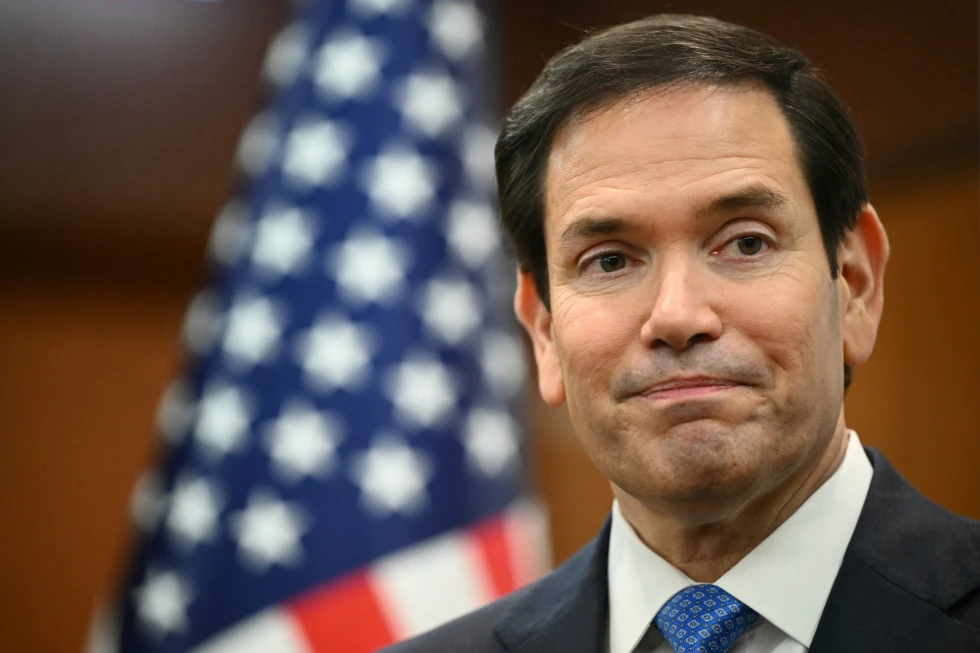
    WASHINGTON, United States — A significant development in U.S.-Venezuela relations has unfolded with the reported capture of Venezuelan President Nicolas Maduro by U.S. military personnel. According to Republican Senator Mike Lee of Utah, Secretary of State Marco Rubio confirmed the operation, indicating Maduro will face trial in the United States on criminal charges.

    Senator Lee disclosed on social media platform X that he received direct confirmation from Rubio, who characterized the military action as necessary to protect personnel executing an arrest warrant. Lee suggested the operation might fall under the president’s constitutional authority under Article II to respond to actual or imminent threats against U.S. personnel.

    The operation received presidential endorsement from Donald Trump, who described it as “brilliant” in a post on his Truth Social network. Trump confirmed that Maduro and his wife had been “captured and flown out of the country” in a joint operation conducted “in conjunction with U.S. Law Enforcement.”

    However, the military action has drawn sharp criticism from both sides of the political aisle. Democratic Senator Ruben Gallego, a Marine Corps veteran, condemned the operation as “illegal” and “the second unjustified war in my lifetime,” expressing concerns about its constitutional basis.

    The controversy emerges amid broader apprehension among legislators regarding Trump’s escalating military presence in the Caribbean Sea, ostensibly to combat narco-trafficking. Administration officials report over 125 casualties in maritime operations targeting alleged drug-trafficking vessels since early September.

    Vermont Senator Peter Welch has emphasized congressional concerns about these deployments, urging greater transparency and accountability under the War Powers Act. Both Democratic and Republican lawmakers have called for more congressional oversight before any further military actions are authorized.

  • Kintyre and Miracle talk up growth opportunities after ‘Bold’ partnership

    Kintyre and Miracle talk up growth opportunities after ‘Bold’ partnership

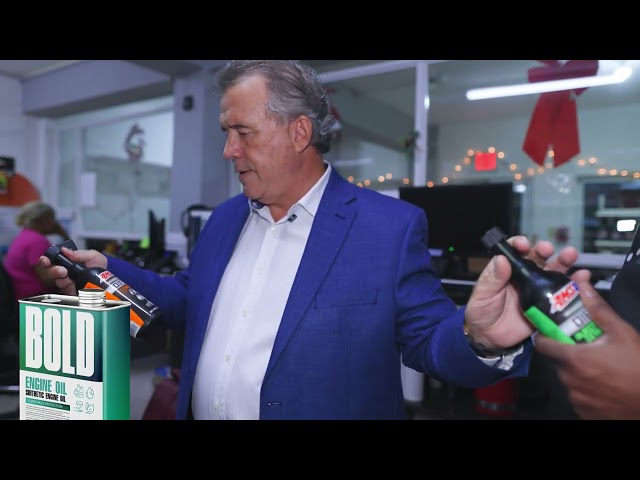
    In a strategic move set to reshape Jamaica’s consumer goods landscape, Kintyre Holdings (JA) Limited and Miracle Corporation have officially launched a powerful joint venture named BOLD (Brands of Loyalty Dividends). This new entity, majority-controlled by Kintyre with a 70% ownership stake, consolidates an extensive portfolio of established brands spanning automotive lubricants, car care products, food-service disposables, and daily essential items.

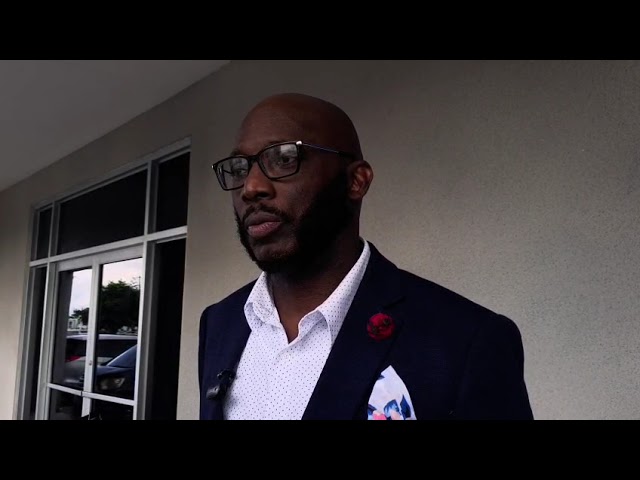
    Tyrone Wilson, President and CEO of Kintyre Holdings, characterized the partnership as a transformative initiative that will enhance consumer access to premium, reliable brands while creating substantial growth opportunities within the local market. “This bold initiative positions us as a major player in manufacturing, distribution, and consumer goods,” Wilson stated in a video announcement. “We are tremendously excited about Kintyre’s trajectory—which is unequivocally toward the top.”

    Richard Anthony Lee, CEO of Miracle Corporation, emphasized the deliberate nature of the alliance, highlighting his company’s evolution since 1973 across distribution, automotive, food service, and tourism sectors. “Partnering with Kintyre was a strategic decision rooted in long-term value creation,” Lee remarked.

    The venture is anticipated to generate immediate revenue and profitability, leveraging products already entrenched in the Jamaican market. Proceeds from BOLD will contribute to a newly established dividend program, details of which Kintyre plans to disclose in the near future.

  • China ‘strongly condemns’ US strikes on Venezuela

    China ‘strongly condemns’ US strikes on Venezuela

    BEIJING — The Chinese government issued a forceful condemnation on Saturday against United States military operations in Venezuela that resulted in the capture of Venezuelan leader Nicolás Maduro. In an official statement from the Ministry of Foreign Affairs, China characterized the American actions as a flagrant violation of international legal standards and an infringement upon Venezuela’s national sovereignty.

    The statement expressed profound shock at what it termed ‘hegemonic behavior’ by the United States, warning that such military aggression threatens regional stability throughout Latin America and the Caribbean. Chinese officials emphasized their firm opposition to unilateral military interventions against sovereign states, regardless of the circumstances.

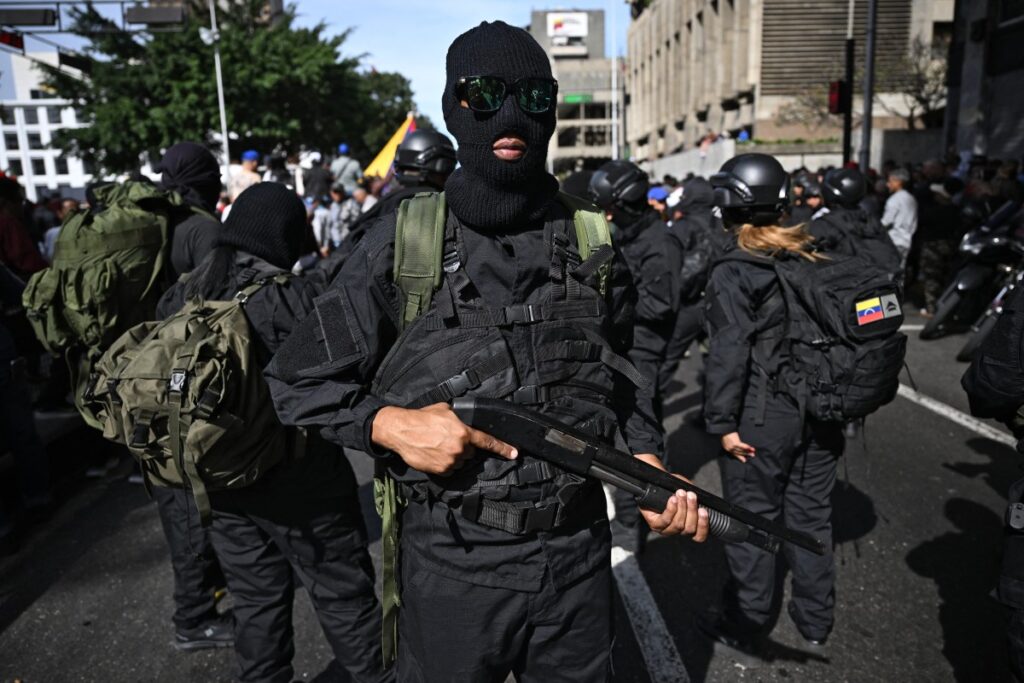
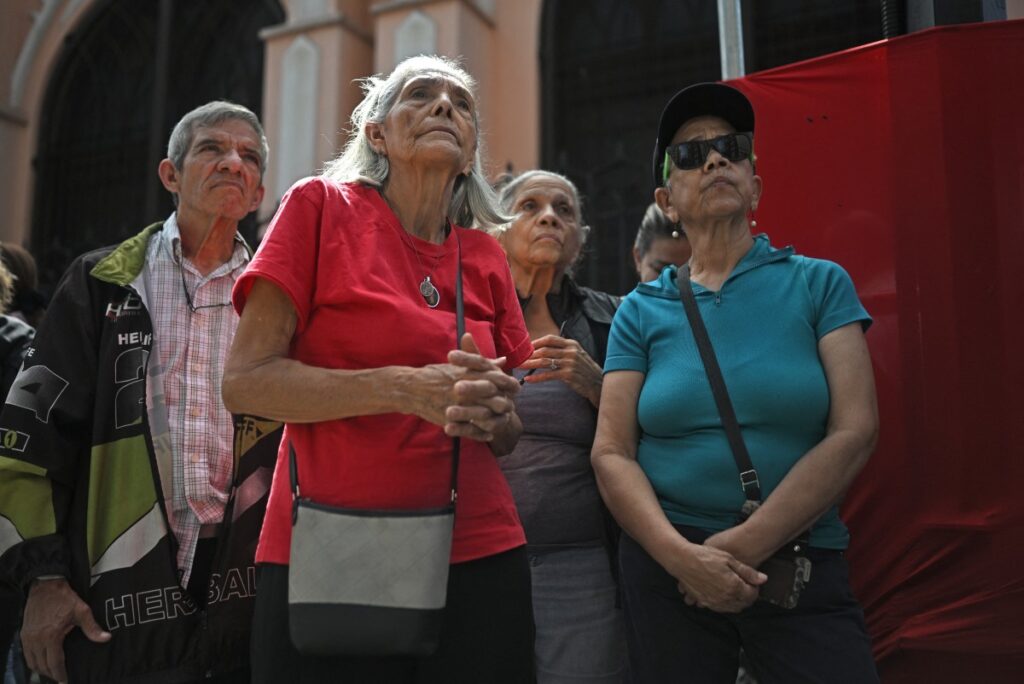
    The development comes amid dramatic scenes in both Venezuela and abroad. In Caracas, supporters of President Maduro gathered in the streets following news of his capture by US forces. Simultaneously, Venezuelan expatriates in Madrid celebrated the military operation that targeted Maduro’s government.

    President Donald Trump confirmed on January 3, 2026, that American forces had successfully captured Maduro following extensive airstrikes on Caracas and other Venezuelan cities. This military action represents the culmination of a prolonged geopolitical confrontation between the Trump administration and the Venezuelan leadership.

    China’s statement reflects growing international concern over the precedent set by military intervention in sovereign nations and highlights the deepening diplomatic divisions between global powers regarding appropriate responses to political crises.