标签: Jamaica

牙买加

  • ‘That’s enough’: Greenland PM urges Trump to drop annex threats

    ‘That’s enough’: Greenland PM urges Trump to drop annex threats

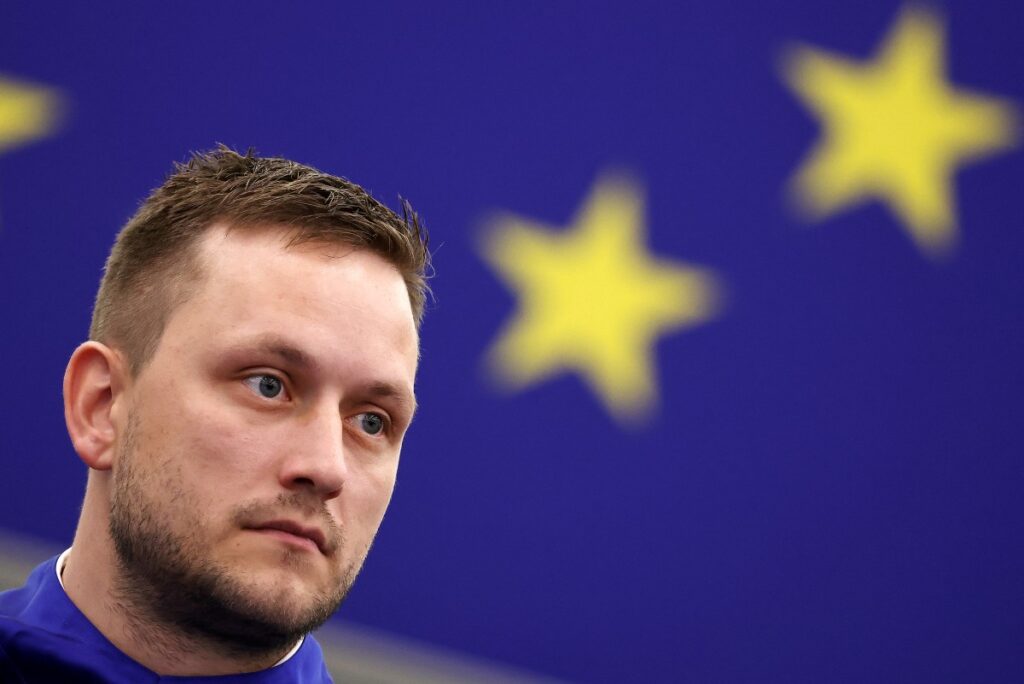
    COPENHAGEN, Denmark — International leaders have united in condemnation following President Donald Trump’s renewed assertions regarding United States territorial ambitions toward Greenland. The autonomous Danish territory’s Prime Minister Jens-Frederik Nielsen issued a forceful rebuke via social media, stating: “That’s enough now. No more pressure. No more insinuations. No more fantasies of annexation.”

    The controversy emerged during President Trump’s comments to journalists aboard Air Force One on Sunday, where he articulated strategic motivations behind potential acquisition of the mineral-rich Arctic territory. “We need Greenland from the standpoint of national security, and Denmark is not going to be able to do it,” Trump stated, referencing the island’s geopolitical significance amid changing Arctic conditions.

    Greenland possesses substantial untapped reserves of rare earth minerals and occupies a critical position along emerging shipping routes as polar ice recedes. Additionally, the territory lies along the shortest missile trajectory between Russia and the United States, hosting an existing American military installation at Thule Air Base.

    Danish Prime Minister Mette Frederiksen joined the growing diplomatic pushback, urging the United States to cease threatening rhetoric toward its traditional ally. By Monday, multiple European nations and the European Union had expressed solidarity with Copenhagen’s position.

    Prime Minister Nielsen emphasized Greenland’s openness to diplomatic engagement while insisting on proper channels: “We are open to dialogue. We are open to discussions. But this must happen through the proper channels and with respect for international law.”

    The administration’s renewed interest in Greenland follows heightened military involvement in Venezuela, raising concerns about expanded territorial ambitions. President Trump indicated forthcoming attention to the matter, noting “We’ll worry about Greenland in about two months” and suggesting more immediate discussion within “20 days.”

  • Six members of the judiciary sworn in to serve in higher offices

    Six members of the judiciary sworn in to serve in higher offices

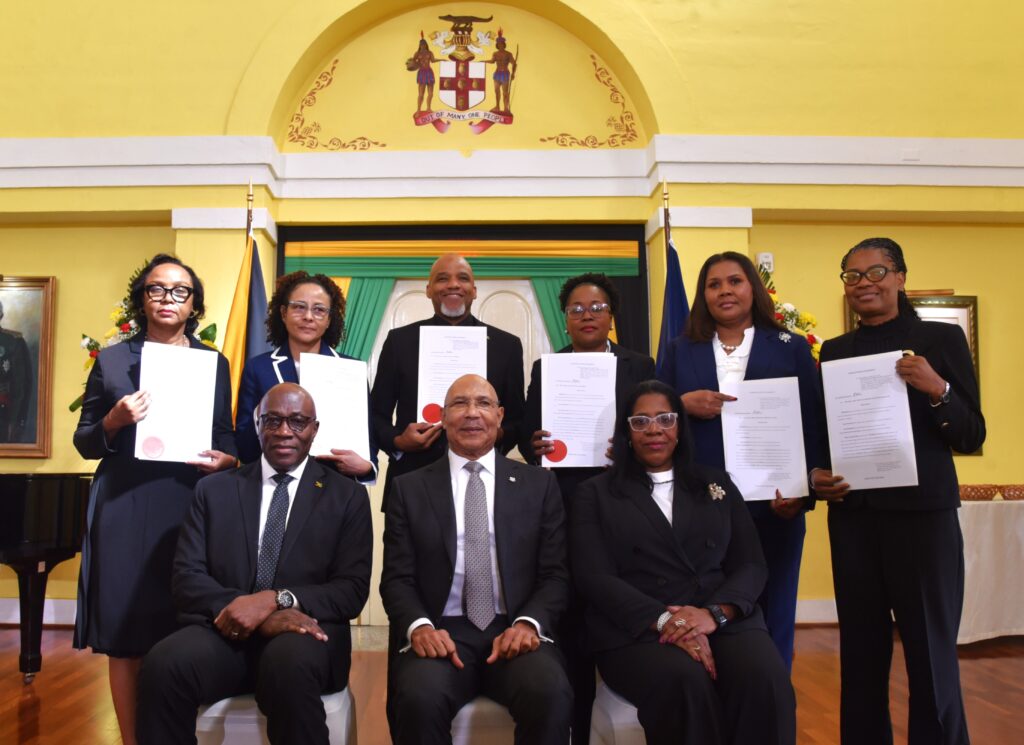
    KINGSTON, Jamaica—In a significant ceremony at King’s House on Monday, Governor-General Sir Patrick Allen presided over the swearing-in of six judicial officials to elevated positions within Jamaica’s legal system. The appointments signal both continuity and progress in the nation’s ongoing judicial reforms.

    Justice Lorna Shelly-Williams and Justice Carolyn Tie-Powell assumed their roles as acting judges of appeal, with their tenure extending from January 12 to March 27, 2026. Simultaneously, Kamar Henry-Anderson and Chester Crooks were inaugurated as acting puisne judges, while Christine McNeil and Yvette Wentworth Miller took office as acting masters-in-chambers, both appointments effective from January 7 through March 27, 2026.

    Governor-General Allen emphasized that these appointments reflect not only the legal expertise of the individuals but also the nation’s confidence in their judicial independence, character, and dedication to public service. “Your continued appointments demonstrate the trust placed in your ability to exercise judicial responsibilities with fairness, integrity, and independence,” he stated. “The nation expects you to maintain the highest standards of your office.”

    The ceremony also served as an occasion to highlight the judiciary’s substantial advancements. Governor-General Allen reported “tangible and commendable progress” over the past year, including improved case management, administrative efficiency, and significant reduction of case backlogs, particularly within parish courts. These achievements, he noted, result from strategic planning, disciplined implementation, and a collective commitment to enhancing justice delivery.

    Digital innovation emerged as a cornerstone of Jamaica’s judicial modernization. The introduction of live-streamed court proceedings represents a pivotal step toward greater transparency and public accountability, helping demystify judicial processes and reinforce confidence in the rule of law. Allen acknowledged that while challenges within the judiciary are not unique to Jamaica, the progress demonstrates institutional resilience and capacity for sustained reform.

    President of the Court of Appeal, Justice Marva McDonald Bishop, congratulated the appointees and urged them to embrace the mindset of “learning judges” throughout their careers. She emphasized that judicial humility—essential for proper duty execution and public confidence—stands in direct opposition to judicial arrogance, a trait all must vigilantly avoid.

    Chief Justice Bryan Sykes encouraged the judiciary to continue pursuing excellence and announced that within approximately twelve weeks, several judicial divisions—including the Court of Appeal, the high court division of the gun court in Kingston, the St Thomas Parish Court, and the Court Administration Division—are expected to achieve ISO certification. “Despite the challenges of 2025,” Sykes affirmed, “2026 will see us becoming more efficient and better equipped to deliver first-class, fair, and effective justice services.”

    Responding on behalf of the appointees, Justice Shelly-Williams expressed gratitude and acknowledged the challenges inherent in judicial office, pledging to undertake their responsibilities with diligence and fortitude.

  • She wants a ring this year

    She wants a ring this year

    A young man’s relationship dilemma has sparked broader conversations about commitment timelines and gender expectations in modern partnerships. The 25-year-old individual, who has been dating his partner since high school, finds himself at a crossroads as his girlfriend has delivered an ultimatum: propose by 2026 or she will move on.

    The conflict centers on differing perspectives about relationship progression. While his partner seeks security and formal commitment after years of investment in the relationship, the young man feels pressured and acknowledges he isn’t emotionally or financially prepared for marriage and children. This situation raises fundamental questions about whether such discomfort indicates underlying relationship problems or simply reflects personal anxiety.

    Relationship experts note that such timing conflicts are particularly common among couples in their mid-twenties who began dating young. The pursuit of security represents a natural evolution in serious relationships, especially for partners who have invested significant time and emotional resources. Women often demonstrate greater urgency for commitment due to biological, emotional, and financial security concerns that remain prevalent in contemporary society.

    Financial stability emerges as a crucial consideration, particularly for men who traditionally feel pressure to establish economic security before marriage. The connection between financial preparedness and marital success cannot be overlooked, as economic stress frequently undermines relationship quality and intimacy.

    The resolution pathway involves open communication without succumbing to ultimatums. Experts recommend honest conversations about readiness timelines, concrete goal-setting, and potentially seeking professional counseling. The situation doesn’t necessarily indicate relationship dysfunction but rather highlights the natural progression challenges that couples face when transitioning from dating to lifelong commitment.

    Ultimately, both partners’ perspectives remain valid—her desire for commitment security and his need for additional preparation time. The healthiest outcomes emerge from compromise, clear communication, and mutual understanding rather than pressure or rigid deadlines that could potentially undermine the relationship’s foundation.

  • ‘Tuna King’ pays record $3.2 m for bluefin at Tokyo auction

    ‘Tuna King’ pays record $3.2 m for bluefin at Tokyo auction

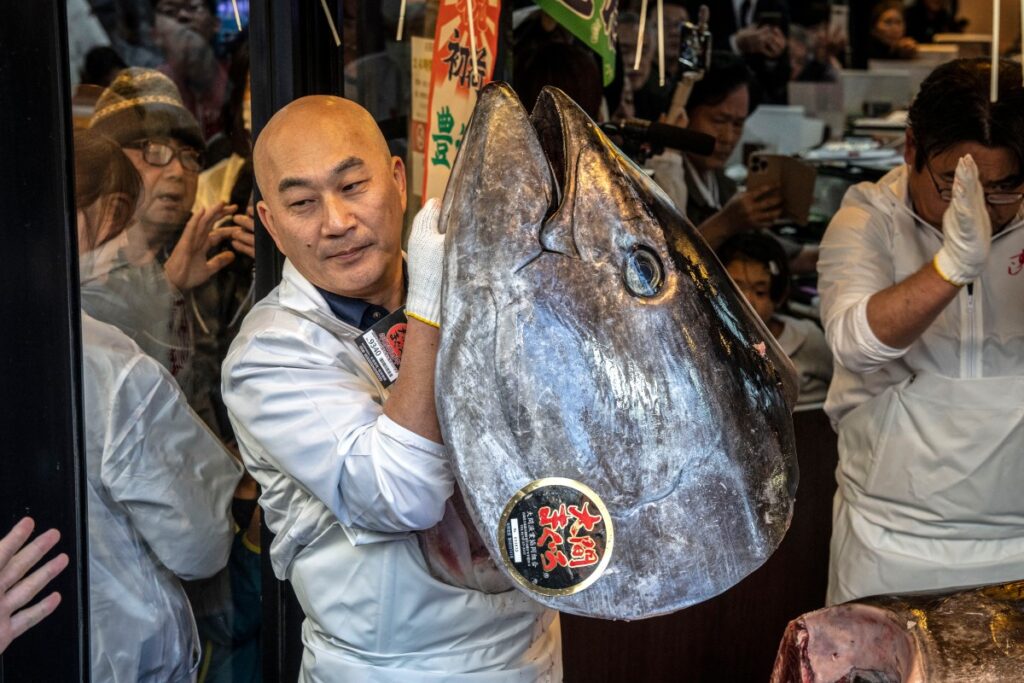
    TOKYO, Japan — In a spectacular display of culinary prestige and economic optimism, Japanese sushi magnate Kiyoshi Kimura shattered records on Monday by purchasing a 243-kilogram bluefin tuna for ¥510.3 million ($3.2 million) at Tokyo’s annual New Year auction. The unprecedented bid at Toyosu fish market surpassed the previous 2019 record of ¥333.6 million, marking the highest price paid since tracking began in 1999.

    The colossal specimen, caught off Japan’s northern coast, was swiftly processed into sushi at Kimura’s Sushizanmai restaurant chain, where customers paid approximately ¥500 ($3) per roll. Diners described the experience as transcendent, with 19-year-old Minami Sugiyama calling it an “auspicious” start to the year and Shinto priest Kiyoshi Nishimura praising its natural sweetness and rich texture without needing soy sauce.

    This record-breaking transaction signals a dramatic recovery from pandemic-era slumps when auction prices plummeted due to restaurant restrictions. Dave Gershman of Pew Charitable Trusts’ international fisheries team noted the sale coincides with improving Pacific bluefin stocks that were once “near collapse.” He attributed this progress to a 2017 recovery plan and called for international fisheries managers to establish a long-term sustainable management strategy in 2026 to ensure continued population health.

    The auction not only reflects market dynamics but also cultural traditions, as the first tuna of the year is considered a symbol of prosperity and good fortune in Japanese culinary culture.

  • JPs cautioned against signing documents for people they don’t know

    JPs cautioned against signing documents for people they don’t know

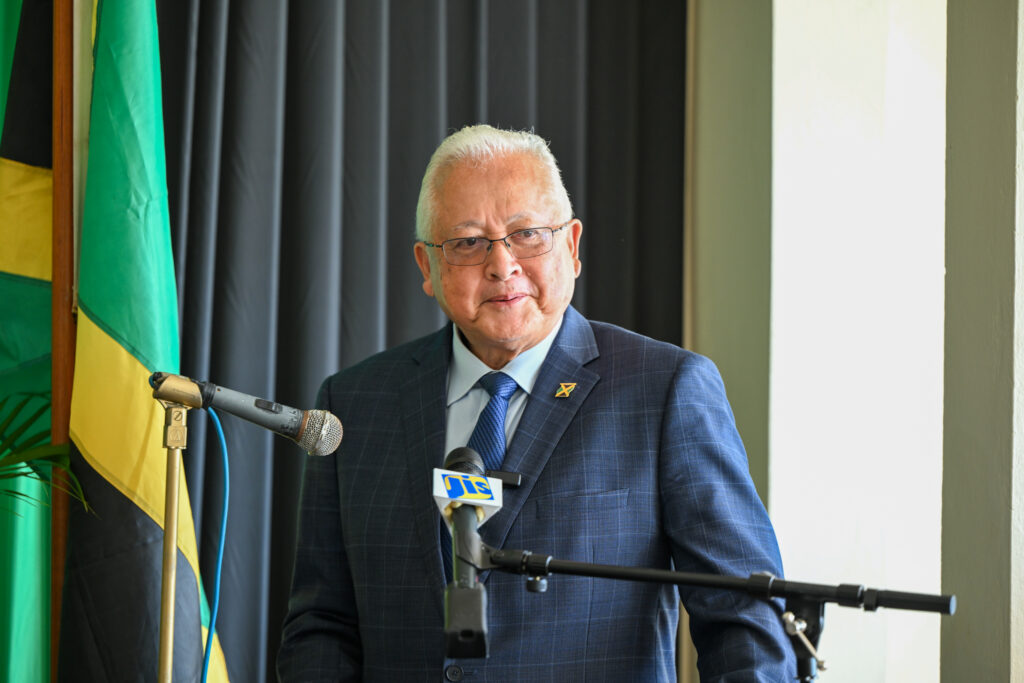
    Jamaican Justice Minister Delroy Chuck has issued a stern warning to the nation’s justices of the peace (JPs), cautioning them against formally verifying documents for unknown individuals to prevent enabling fraudulent or criminal activities. The minister emphasized that such practices could undermine public trust in the judicial system.

    Speaking at a commissioning ceremony for 34 new JPs in St Thomas parish, Minister Chuck highlighted a specific case where a JP provided a glowing recommendation for an individual who subsequently faced serious criminal allegations at their workplace. The minister contended that proper verification protocols might have prevented this employment and subsequent allegations.

    “When you sign and witness a document and verify identification of someone you don’t know, you have opened the door for corruption,” Chuck stated, urging JPs to decline requests unless they can personally verify identities.

    The ceremony also featured addresses from Custos of St Thomas Marcia Bennett and Permanent Secretary Marsha Henry-Martin. Bennett emphasized the JP’s role extends beyond document authentication to include community leadership and peacemaking responsibilities. She encouraged new JPs to remain accessible to community members and model law-abiding behavior.

    Henry-Martin, responding on behalf of the newly commissioned justices, acknowledged their mandate to “execute in fairness” within Jamaica’s evolving social and economic landscape. She urged her colleagues to serve with “humility, kindness, meekness, and love” to restore community harmony.

    The office of justice of the peace, originating in England in 1361, requires holders to demonstrate unquestionable integrity while protecting individual rights. Jamaican JPs perform varied duties including document authentication, limited judicial functions, court attendance, bail application consideration, and providing legal counsel.

  • ‘At last’

    ‘At last’

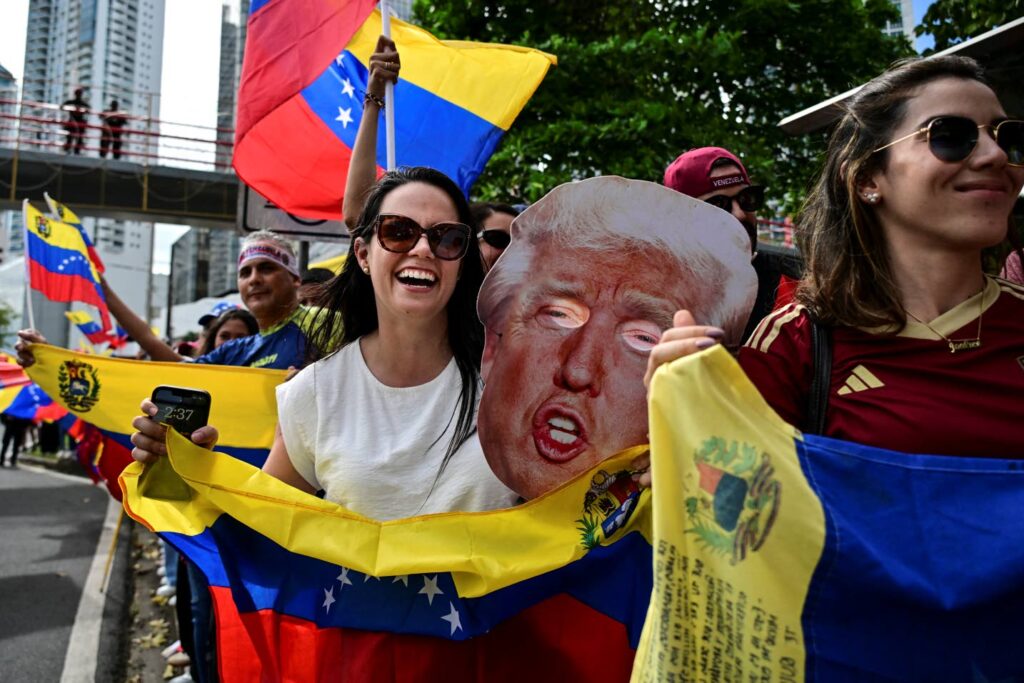
    In an unprecedented global display of emotion, millions of Venezuelan exiles erupted in celebration following the capture of their former leader, Nicolas Maduro, by United States military forces. The operation, which culminated in Maduro’s extradition to New York to face narcotics trafficking allegations, triggered spontaneous gatherings across international capitals from Santiago to Madrid.

    Colombia’s capital, Bogotá, which shelters the largest contingent of nearly three million displaced Venezuelans, witnessed scenes of profound emotional release. Kevin Zambrano, a hairdresser who fled a decade ago, expressed uncontainable joy, stating his gratitude for what he termed ‘the first step’ toward national liberation. Similarly, in Santiago, street vendor Yurimar Rojas voiced a sentiment echoed by countless others: ‘At last we’ll be able to go back home.’

    The celebrations, however, were tempered by geopolitical complexities and internal divisions. U.S. President Donald Trump announced that the United States would temporarily ‘run’ Venezuela pending a stable political transition, a declaration that drew immediate condemnation from Maduro’s Vice-President, Delcy Rodriguez, who asserted that Maduro remains the nation’s ‘only president.’

    Amid the euphoria, poignant personal stories emerged. Yeiner Benitez, a security guard in Bogotá, tearfully recounted the tragic death of his uncle due to medication shortages—a direct consequence of Venezuela’s economic collapse. His narrative underscored the profound human toll of the crisis that drove nearly eight million citizens into exile.

    Not all responses were celebratory. In Mexico City, protesters gathered outside the U.S. embassy, brandishing signs that read ‘No to war’ and warning against what they perceived as neo-colonial resource extraction. Mario Benitez, leading the demonstration, urged Venezuelans to resist foreign intervention and protect national sovereignty.

    The events set the stage for a complex power struggle, with opposition figure Maria Corina Machado delivering a galvanizing message of hope to supporters in Madrid, while the current administration in Caracas vowed to defend the nation’s sovereignty. The path forward remains uncertain, balancing exiles’ dreams of return against the challenges of rebuilding a shattered nation.

  • Two shot dead in St Elizabeth amid curfew

    Two shot dead in St Elizabeth amid curfew

    The Jamaican parish of St Elizabeth has been plunged into a state of heightened security following two separate fatal shootings over the weekend, prompting authorities to declare an immediate 48-hour curfew in the affected Crawford district.

    The violence commenced on Friday evening at approximately 9:00 PM when Albert Smith was fatally shot by armed assailants while attending a social gathering in the Crawford district. In response to this homicide, local law enforcement moved swiftly to implement a curfew, effective from 6:00 PM Saturday, January 3rd, through 6:00 PM Monday, January 5th.

    Despite these security measures, a second murder occurred on Saturday night at around 10:00 PM in the parish capital of Black River. Forty-seven-year-old Basil Bruce was reportedly at a residence in the New Town area with a family member when two armed gunmen opened fire, resulting in his death.

    The curfew boundaries encompass a defined perimeter: extending south along the coastline from Galleon Beach to a cul-de-sac, east along Crawford Main Road from the Primary School to another cul-de-sac at Galleon Beach, north from a cul-de-sac to the Crawford main road near the primary school, and west along an imaginary line back to the starting point.

    These incidents mark the parish’s first two homicide cases of the new year, raising significant concerns about community safety and the effectiveness of security protocols in the region. Local authorities continue their investigations into both shootings while maintaining heightened police presence throughout the curfew period.

  • Homeless appeal

    Homeless appeal

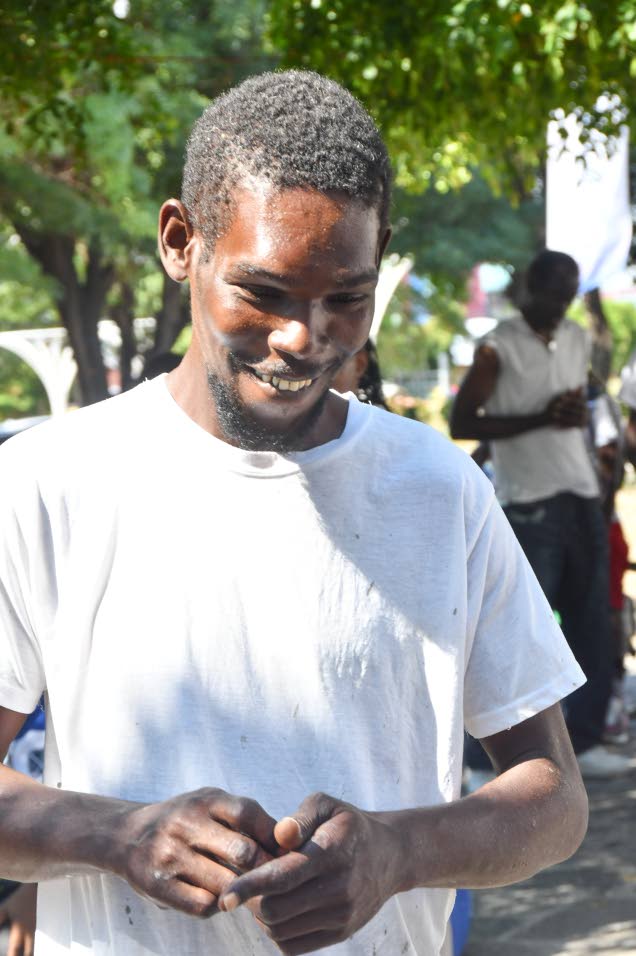
    For 39-year-old Sherdan Carr, surviving two years of homelessness in Jamaica’s capital has become a nightly battle for safety. He describes an existence where finding secure rest often means scaling buildings to sleep on rooftops, a desperate measure to avoid violent attacks that have become commonplace on Kingston’s streets.

    Carr’s account reveals a harrowing reality where homeless individuals face perpetual threat, even from children, with incidents of rock-throwing and machete attacks occurring regularly. He recounts witnessing a Rastafarian man having his head bashed with stones while sleeping just weeks before Christmas, and speaks of another elderly man who had his throat slashed during a robbery.

    Despite the brutality, Carr maintains hope for his future while advocating for systemic change. He identifies shelters as potentially dangerous environments where theft among residents is common and conditions often worse than the streets. His testimony suggests that improved shelter security and better facilities could encourage more homeless individuals to seek refuge indoors.

    The scale of violence is substantiated by official records showing that between January 2021 and April 2023, twelve homeless people were subjected to extreme violence across multiple parishes, with eight incidents occurring in Kingston alone. Only one victim survived these attacks.

    Government officials acknowledge the problem while claiming progress. Delroy Williams, State Minister in the Ministry of Local Government and Community Development, recently reported a significant reduction in abuse cases against homeless individuals. He made these remarks during World Homeless Day observances in October, emphasizing ongoing appeals to citizens to cease victimizing vulnerable populations.

    The situation has created survival strategies among Kingston’s estimated 3,000 homeless residents, including sleeping in shifts with lookouts posted for protection. Both Carr and another street-dweller, Teleta Allen, confirm that stone-throwing attacks have become almost recreational for some perpetrators, highlighting the profound vulnerability of those living without shelter in Jamaica’s urban centers.

  • Restrictions lifted on flights from US to Caribbean, South America

    Restrictions lifted on flights from US to Caribbean, South America

    BRIDGETOWN, Barbados — Air travel across the Caribbean and parts of South America resumed normal operations early Sunday following the expiration of temporary flight restrictions imposed by US aviation authorities. The measures, which caused extensive cancellations and delays throughout Saturday, were implemented due to heightened safety concerns stemming from military activities in Venezuelan airspace.

    The Federal Aviation Administration (FAA) had issued multiple Notices to Airmen (NOTAMs) covering critical flight information regions including Curacao, Maiquetia, Piarco, and San Juan. These advisories specifically cited potential risks associated with Venezuelan military operations, prompting US carriers to suspend numerous routes as a precautionary measure.

    US Transportation Secretary Sean Duffy confirmed the restrictions were lifted effective midnight Eastern Time, noting that airlines were actively working to clear significant passenger backlogs accumulated during the disruption. Travelers were advised to consult directly with their carriers for the most current flight information as schedules underwent adjustments.

    United Airlines, among the most affected carriers, announced the restoration of its Caribbean services beginning with flights to San Juan, Puerto Rico. The airline experienced substantial cancellations at Luis Muñoz Marín International Airport on Saturday but anticipated operating the majority of its scheduled flights on Sunday, with additional services planned to accommodate stranded passengers.

    JetBlue similarly commenced restoring its flight operations while considering adding extra flights to address the disruption. The carrier reported approximately 215 cancelled flights during the incident and encouraged customers to monitor flight status through digital platforms for real-time updates.

    Meanwhile, the European Union Aviation Safety Agency maintained its conflict-zone advisory for Venezuelan airspace. Despite this continued caution, Dutch carrier KLM proceeded with scheduled Sunday flights after cancelling services to multiple Caribbean destinations the previous day.

  • Maduro ousted

    Maduro ousted

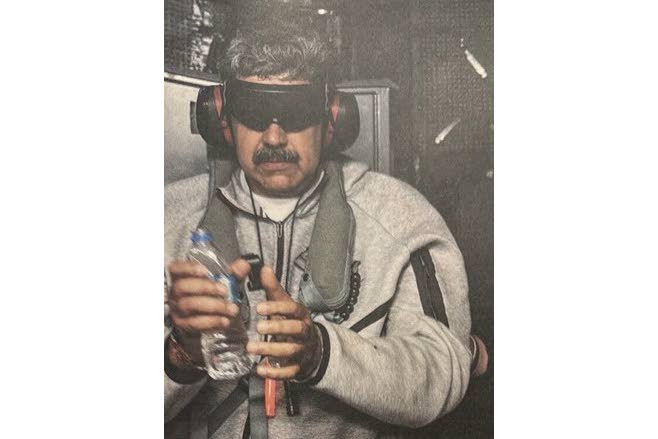
    In a stunning escalation of its campaign against the Venezuelan government, the United States has executed a high-risk military operation that resulted in the capture of President Nicolás Maduro and his subsequent transfer to New York to face criminal charges. The operation, which involved air strikes and special forces, culminated hours later with President Donald Trump declaring that the U.S. would assume temporary administrative control of the South American nation, explicitly stating an intent to harness its vast oil reserves for export.

    The dramatic events mark the most assertive U.S. effort at regime change since the 2003 Iraq war. According to military officials, the mission involved 150 aircraft and was planned over months of intelligence gathering on Maduro’s habits. General Dan Caine reported that Maduro and his wife surrendered without resistance, resulting in no U.S. casualties, though Trump later indicated ‘many’ Cuban members of Maduro’s security detail were killed.

    President Trump’s announcement from Mar-a-Lago outlined a vision for Venezuela’s future that notably bypassed the U.S.-backed political opposition. While opposition leader Maria Corina Machado declared ‘the hour of freedom has arrived,’ Trump expressed skepticism about her support, instead suggesting a potential working relationship with Maduro’s vice-president, Delcy Rodriguez—a proposal she immediately rejected, demanding Maduro’s release.

    The international response has been sharply divided. China condemned the operation, while European powers expressed concern over violations of international law, even as they acknowledged Maduro’s lack of legitimacy. Balkan nations and the UK offered support for the U.S. action. The United Nations Security Council is scheduled to meet to discuss the intervention, which UN Secretary-General Antonio Guterres stated did not respect international legal standards.

    The situation in Caracas remains tense and uncertain, with the long-term U.S. commitment unclear. Trump indicated that American involvement would continue for an indefinite period, stating troops could be deployed and the U.S. would remain ‘until the proper transition can take place.’