标签: Jamaica

牙买加

  • Antigua security chiefs pledge country will not be a transit corridor for drugs

    Antigua security chiefs pledge country will not be a transit corridor for drugs

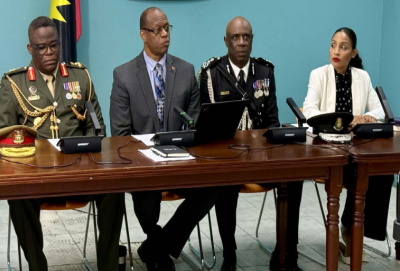
    ST JOHN’S, Antigua – In a powerful display of unity, the senior leadership of Antigua and Barbuda’s national security apparatus has issued a joint declaration of their continued resolve to combat narcotics trafficking and prevent the twin-island nation from being used as a transit point for illegal drugs.

    The comprehensive statement, representing the unified voice of the Royal Police Force, the Antigua and Barbuda Defence Force, the Office of National Drug and Money Laundering Control Policy (ONDCP), and the Immigration Department, contained a stern warning to criminal elements. The agencies emphatically stated, “We will not provide shelter for those who profit from it. We remain vigilant at sea, resolute in investigation, firm in enforcement and committed to cooperation with trusted partners—guided always by the law and the national interest.”

    Beyond reinforcing their operational posture, the security chiefs issued a direct appeal to citizens, urging the population to remain alert and to proactively report any suspicious activities to law enforcement authorities. This call for public cooperation underscores a strategy that blends robust enforcement with community engagement.

    The leadership further emphasized the nation’s active collaboration with regional and international partners to counter evolving transnational threats. The public was assured that all border control agencies and the defence force remain “fully engaged and vigilant to protect the nation, preserve the integrity of its financial and border systems and contribute responsibly to regional and international security.”

    Reaffirming its strategic commitments, the statement outlined Antigua and Barbuda’s firm dedication to safeguarding national and regional security through sustained action against a spectrum of crimes, including drug trafficking, money laundering, firearms trafficking, and organised crime. The agencies also highlighted their increased focus on emerging threats in the domains of cybercrime and irregular migration.

    The joint communication addressed the wider regional context, acknowledging that recent counter-narcotics initiatives by the United States have triggered media allegations concerning the potential corruption of Caribbean governments and leaders by narco-traffickers. In contrast to these reports, the statement presented the nation’s most recent national threat analysis, which continues to classify Antigua and Barbuda as a “low-risk jurisdiction.” This favorable classification was attributed to the country’s strong legal and regulatory framework, effective financial oversight, a comparatively low crime rate, and its active and meaningful international cooperation.

  • 20 years, 7,420 deaths

    20 years, 7,420 deaths

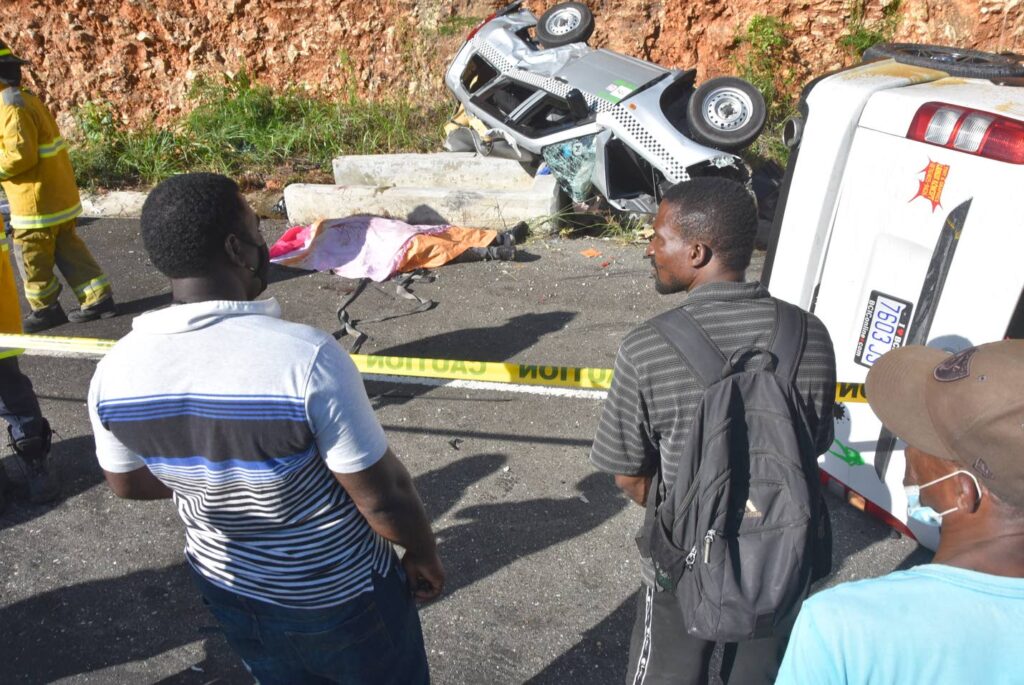
    Over a devastating 20-year period spanning from 2006 to 2025, Jamaica witnessed a staggering total of 7,420 road fatalities, equating to an average of one death per day. This harrowing statistic presents a profound public safety challenge for the Caribbean nation, which maintains a population under three million within its compact 4,244 square-mile territory.

    Official data released by the Island Traffic Authority (ITA) reveals an annual average of 371 deaths, or approximately 31 fatalities monthly. The figures across this two-decade timeline demonstrate alarming volatility, culminating in a record-shattering 488 deaths in 2022. The year 2012 marked the last instance where fatalities remained below 300, with 260 recorded deaths.

    The most recent five-year period from 2019 to 2023 proved particularly catastrophic, claiming 2,273 lives through traffic collisions. The annual breakdown shows: 440 deaths (2019), 433 (2020), 487 (2021), 488 (2022), and 425 (2023). While 2024 and 2025 saw a moderate decline with 365 and 374 deaths respectively, the numbers remain critically elevated.

    ITA analysis identifies five primary categories of road users disproportionately affected: motorcyclists, pedestrians, pedal cyclists, private vehicle occupants (both drivers and passengers), and pillion passengers. These groups collectively represent the most vulnerable participants in Jamaica’s transportation ecosystem.

    Detailed examination of the 2020-2025 period reveals motorcyclists suffered the heav losses with 814 fatalities (averaging 135 annually), followed by 500 pedestrian deaths (83 annually). Private motor vehicle drivers accounted for 451 fatalities (75 annually), while their passengers numbered over 300 deaths. Pedal cyclists recorded 141 deaths during this span, averaging 23 per year.

    Public passenger vehicle operators, frequently criticized for hazardous driving practices, experienced 50 fatalities (8 annually), though their passengers fared considerably worse with 88 deaths (15 annually).

    The ITA has pinpointed five predominant causes of traffic collisions: excessive speed without regard to road conditions; failure to maintain proper lane discipline; pedestrians walking or standing in roadways; careless right-turn maneuvers; and improper overtaking practices.

    From 2020-2025, speeding contributed to 670 fatalities, while lane indiscipline resulted in 509 deaths. Pedestrian positioning caused 195 fatalities, with improper right turns and overtaking accounting for 122 and 147 deaths respectively. An additional 913 fatalities were classified under ‘other’ causes, potentially including infrastructure deficiencies such as potholes and inadequate lighting.

    Notably, despite these alarming figures, Jamaica’s per capita fatality rate remains below the Caribbean and Latin American regional average of 19.2 per 100,000 population. Domestic statistics fluctuated between 10 per 100,000 inhabitants (2011) and 16 per 100,000 (2016), comparing favorably to the global average of 14.7 and significantly outperforming the European Union’s rate of 4.5 per 100,000 inhabitants.

  • JCF announces leadership changes

    JCF announces leadership changes

    KINGSTON, Jamaica — In a significant organizational restructuring, the Jamaica Constabulary Force (JCF) high command has executed comprehensive reassignments affecting numerous senior officers across multiple divisions and specialized units. The strategic realignment involves several Assistant Commissioners of Police (ACPs) and Superintendents, marking one of the most substantial command changes in recent times.

    Under the new deployment structure, ACP Christopher Phillips, previously Commander of the Area Five Division, has been transferred to lead the Area Three Division. His former position will be filled by ACP Howard Chambers, who relinquishes his role overseeing specialized operations. Simultaneously, ACP Calvin Allen, the outgoing Area Three Division commander, assumes responsibility for specialized operations.

    Further changes see ACP Gary McKenzie transitioning from his leadership role at the Public Safety and Traffic Enforcement Branch (PSTEB) to take charge of the strategic operations portfolio. Superintendent Micheal Campbell, formerly Commanding Officer for the St Thomas Division, will now head the PSTEB.

    The reshuffle extends to divisional leadership with Superintendent Rohan Ritchie, previously in command of the Kingston Central Division, taking over the St Thomas Division. Superintendent Mishka Forbes moves from strategic operations to assume control of the Kingston Central Division.

    Additionally, the reorganization affects sixteen Deputy Superintendents and one Assistant Superintendent, who have been transferred to various sections and formations within the force. These strategic reassignments are scheduled to take effect on January 21, representing a comprehensive repositioning of leadership assets within Jamaica’s law enforcement infrastructure.

  • HEAD-TURNERS

    HEAD-TURNERS

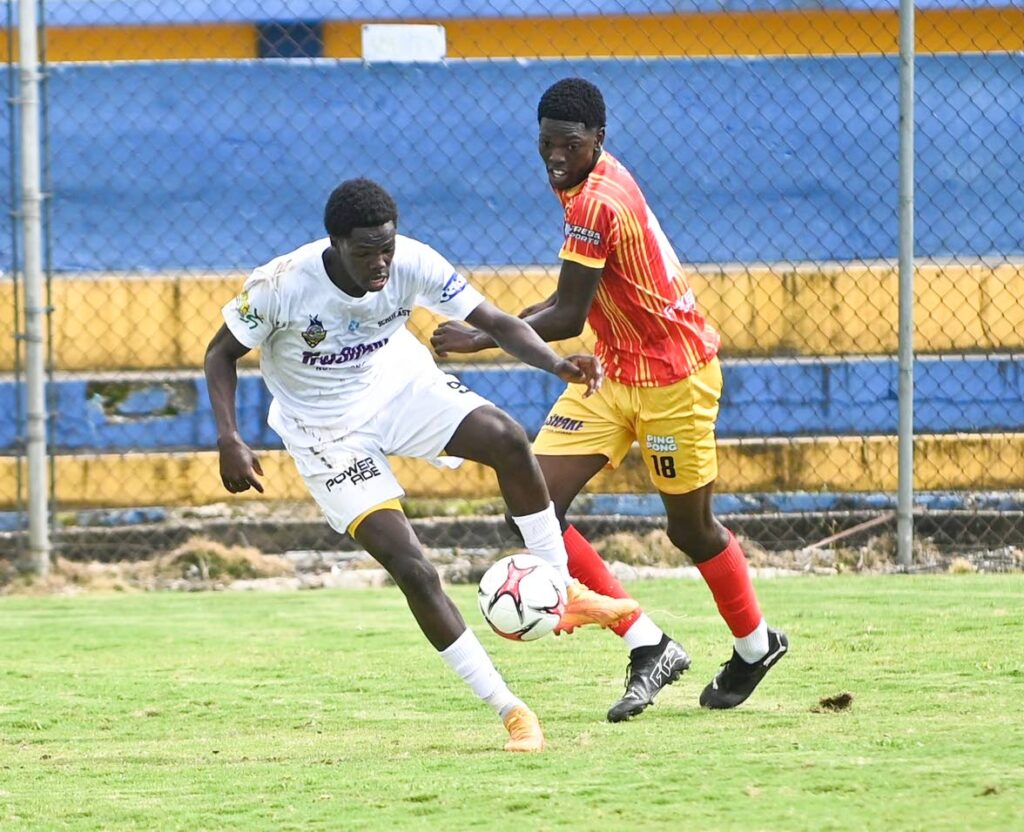
    A poignant narrative of full-circle moments and transnational talent acquisition unfolded at the STETHS Sports Complex in Santa Cruz last weekend. Thirteen years after attending a football showcase as a hopeful player, Alex Smith returned to Jamaica as a recruiter for West Virginia’s Concord University, now seeking to identify the next generation of talent. He was joined by Kris Bertsch, head coach of NCAA Division 1 program Lindenwood University, among 25 American coaches scouting at the ISSA football showcase.

    The event featured strategically designed matches to maximize evaluation opportunities. Saturday’s proceedings included games between all-urban and all-rural selections, with one match dedicated to academically high-achieving players and another featuring top performers from the daCosta and Manning Cup competitions. At the request of the American delegation, matches were played in three 35-minute periods, concluding with a 20-minute scrimmage for coaches to reassess players who had caught their attention.

    For Smith, the recruitment mission carries profound personal significance. Having transitioned from Anchovy High to Cornwall College before pursuing his American college career, he understands the transformative power of these opportunities firsthand. “It not just changed my life, it changed the life of my family,” Smith told the Jamaica Observer. His recruitment strategy specifically targets wingers with the natural speed and aggression synonymous with Jamaican football, while emphasizing that academic performance remains equally crucial for successful matriculation into the US college system.

    Bertsch’s Lindenwood program boasts established connections with Jamaican talent, having previously developed standout players like Akeem Priestly and Brian White. He praised the local organization for effectively identifying appropriate candidates beforehand, noting that while his program represents the NCAA Division 1 level, talented players often progress through various divisional tiers before reaching peak competitive environments.

    Both coaches expressed considerable admiration for the talent displayed despite challenging conditions. Bertsch particularly noted players’ resilience during rain-affected matches on deteriorating surfaces, acknowledging the difficulty of performing alongside unfamiliar teammates in showcase environments. The event not only highlighted Jamaica’s continued production of exceptional football talent but also underscored the growing institutional pathways connecting Caribbean athletic promise with American educational opportunities.

  • JC impress with dominant display at season’s first track meet

    JC impress with dominant display at season’s first track meet

    Jamaica College’s track and field squad has emphatically opened their season with a commanding performance at the Purewater/R. Danny Williams/JC Meet, delivering a strong statement about their championship aspirations. Competing at Ashenheim Stadium in St. Andrew over the weekend, the Dark Blues showcased exceptional depth and talent across multiple events, signaling their determination to reclaim the boys’ athletics title in April.

    Head coach Duane Johnson expressed considerable satisfaction with his team’s balanced and powerful showing, describing the performances as ‘fantastic all around.’ The team demonstrated remarkable improvement from last year’s third-place finish, with standout achievements including record-breaking throws and jumps. Michael-Andre Edwards emerged as a double winner in Class One long jump (7.20m) and triple jump (15.58m), while Joseph Salmon set a new discus record with a throw of 66.32m.

    The squad’s enhanced coaching staff, now featuring former Calabar sprint specialist Corey Bennett and ex-world 400m champion Bertland Cameron from St. Jago High, appears to be making an immediate impact. The team displayed particular strength in middle distance events, with Samuel Creary winning the Class One 800m (1:52.56) and Rickardo Lee delivering an upset victory over Kingston College’s Julius Itubo in the Class Three 800m (2:02.94).

    Additional event victories came from Nasir D’Aguilar (Class Two discus), Isaac Reid (pole vault), Tariq Creary (Class Three 400m), Kai Kelly (Class Two 100m), and Jaidi James (high jump). Despite the impressive start, Johnson maintains a measured perspective, noting that with two months remaining until the championship meet, the team will continue refining their performance to peak at the right moment.

  • Tesha Miller trial now set for February 2

    Tesha Miller trial now set for February 2

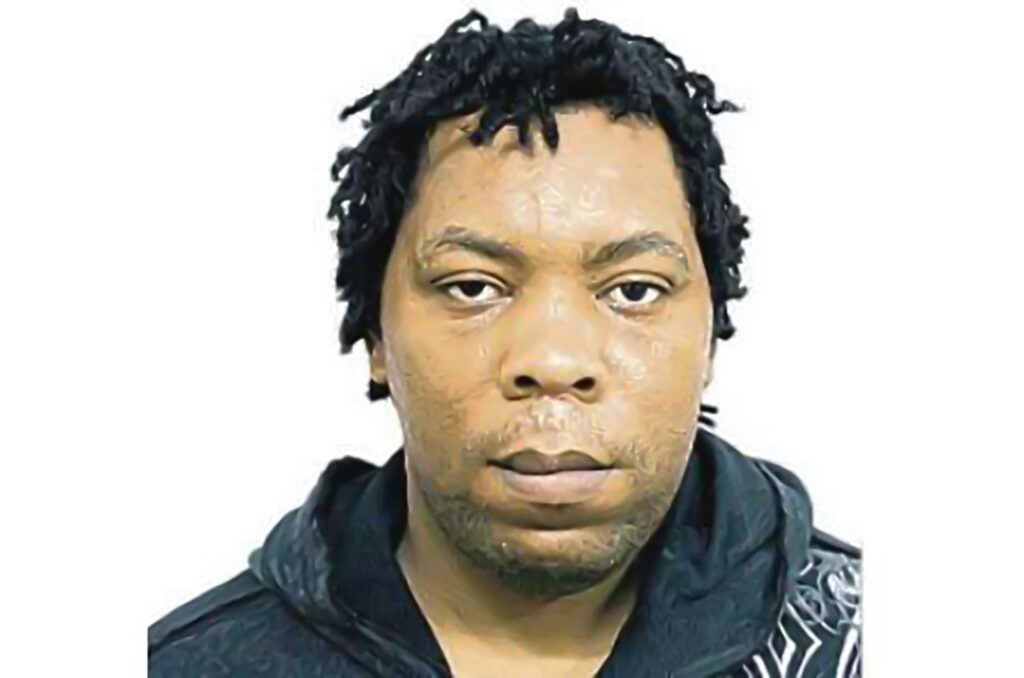
    In a decisive ruling on Monday, Supreme Court Justice Dale Palmer mandated that the high-profile trial of alleged Klansman faction leader Tesha Miller and his 24 co-defendants will commence on February 2, 2026. This conclusion follows a contentious adjournment application by the Crown prosecution, which had sought to postpone proceedings until June due to unresolved evidentiary materials.

    Justice Palmer, presiding in the Home Circuit Division, expressed firm opposition to extended delays, stating that such a move would not ‘aid in the just disposal of the matter.’ He emphasized that the case had already been before the court for nearly two years, with a trial date originally set in April of the previous year. The judge acknowledged prosecution arguments concerning outstanding DNA results, forensic reports from the Communications Forensics and Cybercrime Division (CFCD), crime scene materials, and transcripts, but determined that a two-week preparation window would suffice.

    The court’s decision incorporated considerations regarding prison access issues that have hampered defense attorneys’ ability to consult with their clients. Despite a April 2024 practice directive from Chief Justice Bryan Sykes authorizing electronic disclosure in criminal proceedings, defense counsel reported ongoing barriers in visiting incarcerated clients and sharing documentation. Justice Palmer noted these access issues were now being resolved, making the brief adjournment beneficial for defendant preparation.

    Prosecutors plan to call 99 witnesses, with the court approving subpoenas for 50 civilian witnesses and requiring police witnesses to be formally warned to appear. Meanwhile, bail was extended for accused medical doctor Paul Robinson, while other defendants attending via Zoom were remanded into custody.

    Miller, currently serving a 38-year sentence for orchestrating the 2008 murder of Jamaica Urban Transit Company Chairman Douglas Chambers, now faces additional charges under the Criminal Justice (Suppression of Criminal Organisations) Act, commonly known as the anti-gang legislation. The defendants are accused of participating in numerous criminal activities between August 2017 and August 2022 in St. Catherine, including murder, conspiracy to murder, attempted murder, aggravated robbery, and firearms offenses.

  • Costa Rica says plot to assassinate president uncovered

    Costa Rica says plot to assassinate president uncovered

    Authorities in Costa Rica have announced the disruption of a serious threat against President Rodrigo Chaves just prior to the nation’s upcoming electoral process. Intelligence officials revealed on Tuesday that a credible assassination scheme was in development, allegedly involving a paid contract killer targeting the head of state.

    The security breach emerges during a highly sensitive period, with presidential and parliamentary elections scheduled within a fortnight. President Chaves, constitutionally prohibited from consecutive reelection, has endorsed former cabinet member Laura Fernandez as his preferred successor.

    This security alert coincides with diplomatic controversy surrounding President Chaves’s invitation to El Salvador’s leader Nayib Bukele. The Salvadoran president is expected in Costa Rica to participate in the inauguration of a new maximum-security prison facility inspired by his country’s controversial CECOT complex.

    Opposition factions have expressed apprehension regarding potential external influence in the electoral process, particularly criticizing Bukele’s involvement. The Salvadoran leader’s crackdown on gang violence has resulted in the detention of thousands without formal charges, drawing international scrutiny over human rights considerations.

  • ‘We’re going to get it done’

    ‘We’re going to get it done’

    Jamaica’s National Solid Waste Management Authority (NSWMA) is intensifying its monumental effort to clear approximately 450,000 truckloads of debris remaining from Hurricane Melissa’s devastating passage in October 2025. Executive Director Audley Gordon has confirmed the removal of 27,000 loads since deploying ten additional tipper trucks three weeks ago, acknowledging the scale of the challenge while assuring citizens of accelerating progress.

    The agency has established a specialized Debris Management Unit comprising redirected managers and staff exclusively dedicated to hurricane cleanup operations. This temporary organizational structure aims to maintain efficiency in regular garbage collection while addressing the extraordinary post-disaster requirements. Gordon emphasized that the new trucks, though beneficial, represent only one component of a comprehensive strategy that includes contracting private heavy machinery operators with backhoes and front-end loaders.

    Financial backing for the cleanup has been substantial, with the government allocating approximately $1.5 billion specifically for debris management since the Category 5 storm struck. Additional resources include a forthcoming commitment of ten more tipper trucks to bolster operational capacity.

    Gordon has appealed for public patience, recognizing that visible progress may vary across communities. He pledged continuous day-and-night operations and committed to quarterly briefings to maintain transparency regarding cleanup timelines and achievements. The NSWMA emphasizes that partnership with private contractors remains essential to completing the task within a reasonable timeframe, as relying solely on agency resources would extend cleanup operations for years.

  • Former Refugee Camp rapper John Forté dies at 50

    Former Refugee Camp rapper John Forté dies at 50

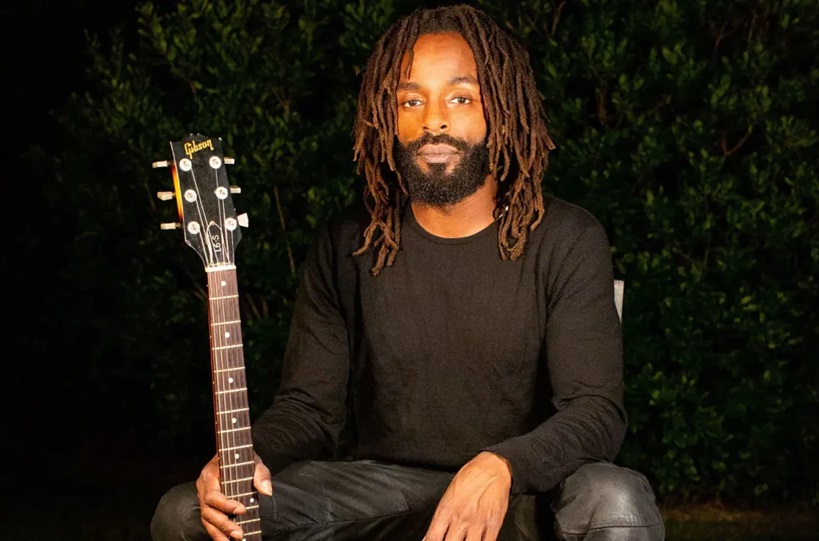
    The music industry mourns the unexpected passing of acclaimed rapper and producer John Forté, who died at his Martha’s Vineyard residence on Monday at age 50. The Grammy-nominated artist, recognized for his pivotal role in the Refugee Camp All-Stars collective and his production contributions to the Fugees’ landmark album “The Score,” leaves behind a complex legacy spanning musical innovation and personal redemption.

    Forté’s career trajectory embodied both extraordinary artistic achievement and profound personal challenges. His production work on the Fugees’ multi-platinum 1996 album earned him a Grammy nomination and established his reputation as a formidable creative force within the hip-hop community. The album, celebrated for blending soulful melodies with socially conscious lyrics, remains a touchstone of 1990s musical innovation.

    The artist’s journey took a dramatic turn in the early 2000s when he faced federal narcotics charges resulting in a 14-year prison sentence. After serving eight years, Forté received executive clemency from President George W. Bush in 2008, an act that highlighted the intersection of art, justice, and political intervention within the entertainment industry.

    Tributes from contemporaries have poured in since news of his passing. Wyclef Jean, founding member of the Fugees, memorialized Forté on social media, writing: ‘This one hurts my brother John Forté has joined the Angels. Legends never Die… R I P my Refugee brother.’ These sentiments reflect the deep connections Forté forged within the music community and the enduring impact of his artistic contributions despite his personal struggles.

  • Jolyan Silvera murder trial remains private

    Jolyan Silvera murder trial remains private

    The high-profile murder trial of former Jamaican opposition party parliamentarian Jolyan Silvera will commence on February 2nd under strict privacy provisions that will exclude both media and public from proceedings. Silvera faces charges for the 2023 firearm-related murder of his wife, Melissa Silvera, with the case falling under specialized Gun Court jurisdiction that mandates in-camera hearings.

    Chief Justice Bryan Sykes, presiding over the case, clarified that while he personally doesn’t object to journalistic presence, the final decision rests with legal representatives from both sides. “If the lawyers agree, then we can come to some accommodation,” Justice Sykes stated during Monday’s proceedings, “but for the time being it is what it is.”

    The privacy measures derive from Sections 13(1) and 13(2) of Jamaica’s Gun Court Act of 1974, which permits exclusion of the public and restricts trial reporting in interests of public safety and order. These provisions have governed firearm-related cases for five decades, allowing only court personnel, legal representatives, and specifically authorized individuals to attend proceedings.

    The case involves grim details surrounding the November 2023 death of Melissa Silvera, initially reported as natural causes until autopsy revealed three bullet fragments inside the body of the 42-year-old chemical engineering graduate and petroleum company CEO. The mother of four boys—one deceased before her—was found dead in the couple’s Stony Hill residence.

    Silvera, appearing noticeably slimmer and well-groomed in tailored clothing during Monday’s hearing, has been in custody since his January 2024 arrest. The former People’s National Party representative is defended by attorneys Peter Champagnie King’s Counsel and Patrice Riley, while prosecutors Dwayne Green and Latoya Bernard represent the state.

    Jamaica’s Gun Court operates through three specialized divisions: the High Court Division for most firearm offenses (judge-only trials), Circuit Court Division for serious crimes like murder with firearms (jury trials), and Resident Magistrate’s Division for preliminary inquiries—all typically conducted privately.