标签: Jamaica

牙买加

  • Leslie Harrow named chairman of new SDF board

    Leslie Harrow named chairman of new SDF board

    In a significant move for Jamaica’s sporting infrastructure, the Ministry of Culture, Gender, Entertainment and Sport has announced a comprehensive restructuring of the Sports Development Foundation (SDF) board. Portfolio Minister Olivia Grange confirmed the cabinet-approved appointments on Wednesday, naming seasoned administrator Leslie Harrow as the new chairman.

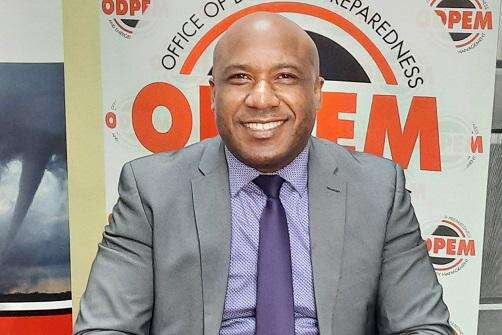
    Harrow ascends to the leadership role with an extensive background in sports management and public administration. His professional portfolio includes previous service as general manager of the SDF itself, executive director of the Institute of Jamaica, and director general of the Office of Disaster Preparedness and Emergency Management. This diverse experience positions him to guide the foundation’s strategic direction.

    Minister Grange outlined the revitalized board’s primary objectives, which will center on fortifying the organization’s technical capabilities and operational effectiveness. Key priorities include achieving full staffing levels, enhancing organizational efficiency, and elevating the public profile of the SDF’s initiatives. These developments were formally communicated through the Minister’s official social media channels.

    The newly constituted board features several prominent figures in Jamaican sports administration, including former Institute of Sport chairman Newton Amos. Harrow succeeds outgoing chairman Lelsie Campbell in leading the nine-member governing body.

    Established as an independent entity in 1995, the Sports Development Foundation has played a pivotal role in national development through athletic programs and infrastructure projects. This board transformation signals a renewed governmental commitment to sports as a catalyst for national progress.

  • Internal reset

    Internal reset

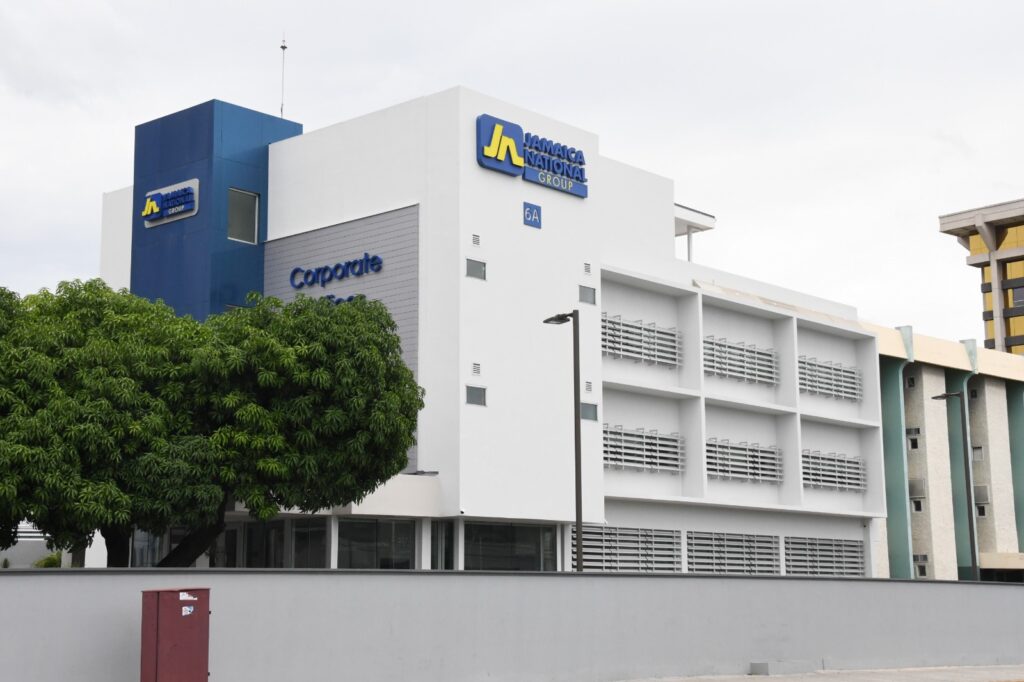
    KINGSTON, Jamaica—A profound transformation in leadership and corporate governance is underway at the Jamaica National Group (JN Group), forming the crucial human element behind its comprehensive strategic restructuring. This internal revolution serves as the driving force for the financial conglomerate’s pursuit of stability following three consecutive years of operational losses and a damaging negative credit outlook assessment.

    The most significant leadership transition occurred in July 2025 with the retirement of Curtis Martin as Managing Director of JN Financial Group (JNFG), the organization’s pivotal subsidiary. Succeeding him in an acting capacity is Hugh Miller, whose extensive background as former Chief Treasury & Investment Officer and Head of Asset Management signals a strategic emphasis on placing financial expertise at the forefront of recovery operations.

    In an official statement, JN Group openly acknowledged that previous ‘managerial shortcomings’ contributed to recent challenges, confirming that subsequent organizational changes represent core components of their remedial strategy. Beyond individual appointments, the group has implemented substantial structural reforms, including comprehensive reorganization of group boards and management architecture.

    According to the CariCRIS rating report, these changes have formally redefined power dynamics and oversight mechanisms. The restructured governance framework establishes a clarified chain of command where the board of directors and its sub-committees retain ultimate responsibility. Within this new structure, the finance committee assumes primary authority for group-wide risk management, supported by specialized risk and audit units—creating a robust system of checks and balances during this precarious financial period.

    The revitalized leadership team now faces a definitive twofold mandate: ensuring that billions generated from recent asset sales effectively stabilize the weakened balance sheet, while simultaneously guaranteeing that the group’s substantial $1-billion digital transformation investment dramatically reduces its unsustainable 105.6% cost-to-income ratio. Ultimately, success will be measured not by organizational charts but by achieving specific financial targets: sustained profitability, reducing the cost-to-income ratio below 65%, and more than doubling critical capital reserves to regain a stable credit outlook.

  • Criticisms of One Road Authority premature, says Morgan

    Criticisms of One Road Authority premature, says Morgan

    Jamaica’s Minister with responsibility for works, Robert Morgan, has dismissed mounting criticisms from Kingston Mayor Andrew Swaby and other local government representatives regarding the proposed One Road Authority initiative, characterizing their objections as fundamentally misguided and premature.

    In an exclusive Wednesday interview with the Jamaica Observer, Minister Morgan emphasized that while dissent remains welcome, it should be grounded in the practical realities confronting a significant segment of the Jamaican populace. He firmly rejected assertions that the initiative seeks to undermine local governance or strip municipal bodies of their road networks, clarifying instead that its primary objectives revolve around standardization, coordination, and regulatory oversight.

    Morgan elaborated that the proposed authority will not transfer all road management responsibilities to the central government. Rather, it aims to establish definitive criteria for road categorization—a project currently being developed in collaboration with the World Bank. This reclassification is deemed essential, given that Jamaica’s Main Roads Act of 1932, last amended in 1985, no longer adequately reflects the nation’s evolved infrastructure landscape.

    A cornerstone of the initiative involves publishing detailed information for every road island-wide—specifying the responsible agency, current condition, and scheduled maintenance timelines—regardless of whether the road is managed by private developers, municipal corporations, or the National Works Agency (NWA). This transparency, Morgan argued, will resolve public confusion over accountability while ensuring uniform construction and maintenance standards.

    Furthermore, Morgan contended that the One Road Authority would empower, rather than weaken, municipal bodies by providing them enhanced mechanisms to hold parties accountable for road damage, including cement trucks and illegal dumping. He announced planned discussions with Local Government Minister Desmond McKenzie and Mayor Swaby to align perspectives, expressing confidence that upon reviewing the proposal’s details, critics would recognize its potential to improve citizen services.

    The Minister also addressed concerns about resource allocation, noting that the reclassification process would alleviate burdens on local authorities currently managing roads that have outgrown their original community-based purpose and now function as national thoroughfares. He framed the choice facing stakeholders as one between perpetual jurisdictional disputes and tangible infrastructure solutions.

    These statements come in response to renewed criticisms from local officials, including Mayor Swaby’s address to the Kingston and St Andrew Municipal Corporation on Tuesday. Swaby maintained that local authorities should not be penalized for centrally underfunded road repairs and warned that full nationalization could distance residents from accountable representatives.

  • US completes US$500 million sale of Venezuelan oil

    US completes US$500 million sale of Venezuelan oil

    WASHINGTON (AFP) — The United States has completed a landmark $500 million oil transaction from Venezuelan reserves, marking the first sale since Washington assumed control of the sector following the removal of President Nicolas Maduro, according to a US official statement on Thursday.

    The unidentified official confirmed that this initial sale could be followed by additional transactions in the immediate future. The development comes as part of a comprehensive energy agreement brokered by former President Donald Trump in the aftermath of Maduro’s arrest, whom the White House has labeled a ‘narcoterrorist.’

    Trump announced via his Truth Social platform last week that interim Venezuelan authorities would transfer 30-50 million barrels of high-quality, previously sanctioned oil to the United States. The former president emphasized that the oil would be sold at market price with proceeds controlled exclusively by the US government.

    In a significant shift from traditional resource sovereignty principles, the White House plan explicitly excludes Caracas from decision-making regarding the exploitation of Venezuela’s substantial underground reserves. Trump directly instructed major oil companies to negotiate solely with US authorities, stating: ‘You’re dealing with us directly and not dealing with Venezuela at all.’

    The administration has reportedly secured commitments from energy corporations prepared to invest approximately $100 billion in Venezuela’s oil sector. Additionally, Trump signed an emergency order providing special protection to Venezuelan assets held in the United States, including oil revenues, shielding them from potential court seizures or creditor claims.

    White House spokesman Taylor Rogers characterized these actions as protecting the Western Hemisphere ‘from being taken advantage of by narcoterrorists, drug traffickers, and foreign adversaries,’ framing the arrangement as beneficial for both American and Venezuelan citizens.

  • Inflation picks up in December — Statin

    Inflation picks up in December — Statin

    KINGSTON, Jamaica – Inflationary pressures in Jamaica experienced a significant resurgence at the close of 2025, reversing previous months of moderation as Hurricane Melissa’s enduring impact triggered sharp increases in food prices and electricity costs. The nation’s consumer inflation accelerated markedly in December, underscoring the vulnerability of small island economies to climate-related disruptions.

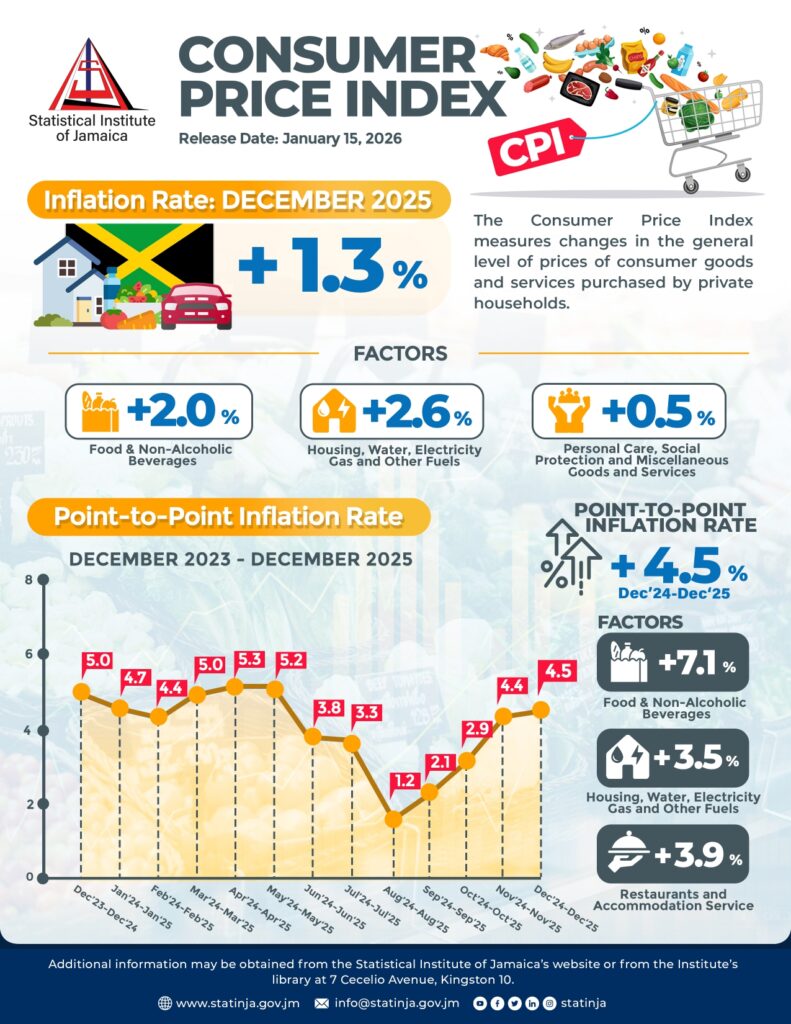
    According to the Statistical Institute of Jamaica (Statin), the All-Jamaica Consumer Price Index (CPI) climbed by 1.3% during December, building upon November’s 2.4% advance. This consecutive monthly acceleration represents one of the most substantial back-to-back inflation movements recorded throughout the year. Director General Leesha Delatie-Budair emphasized that the December data provides the first comprehensive reflection of post-hurricane economic conditions, unlike earlier economic indicators that captured pre-storm activity.

    The primary driver behind this inflationary spike was a 2.0% monthly increase in food prices, with particularly severe impacts on agricultural commodities. Vegetable, tuber, plantain, and pulse categories surged by 4.5%, while fruits and nuts jumped by 5.6%. These increases directly resulted from Hurricane Melissa’s disruption to agricultural production and supply chains, with the full effect taking several weeks to manifest in consumer markets.

    Concurrently, housing and utility expenses exerted additional upward pressure, with the corresponding index rising 2.6% for the month. Electricity costs alone escalated by 5.4%, compounded by rising rental charges. The combination of food and housing expenditures accounted for the majority of December’s inflation outcome, intensifying concerns about household affordability and living standards.

    Year-end analysis revealed that point-to-point inflation between December 2024 and December 2025 reached 4.5%, substantially higher than earlier annual lows. Food inflation emerged as the dominant contributor at 7.1% year-on-year, while housing and utilities increased by 3.5%. The restaurant and accommodation sector also experienced notable inflation at 3.9%, reflecting higher costs for meals consumed away from home.

    Statin officials detailed the methodological adaptations employed to maintain data accuracy despite widespread operational challenges including damaged infrastructure, power outages, and business closures. The institution extended fieldwork periods and implemented international statistical techniques such as class-mean imputation for temporarily unavailable items, ensuring the CPI’s reliability amid difficult post-disaster conditions.

    Geographic analysis indicated broadly consistent inflation patterns across regions, with the Greater Kingston Metropolitan Area recording 1.4% inflation, compared to 1.1% in other urban centers and 1.3% in rural areas. While headline inflation remains within the Bank of Jamaica’s target range, the December figures suggest mounting persistence in price pressures, particularly for essential commodities, potentially necessitating policy responses in coming months.

  • Jamaica Broilers secures $15-b bailout following US operations crisis

    Jamaica Broilers secures $15-b bailout following US operations crisis

    In a landmark financial intervention, NCB Financial Group has orchestrated a comprehensive $15.1-billion (JMD) stabilization package for the Jamaica Broilers Group (JBG), pulling the iconic agribusiness from the verge of collapse following devastating losses in its American division. The rescue financing, formally announced on Wednesday, combines substantial new credit facilities with a sophisticated multi-tranche bond restructuring designed to grant JBG the necessary liquidity and strategic time to implement a rigorous corporate turnaround.

    The financial architecture of the deal involves two primary components. National Commercial Bank Jamaica Limited (NCBJ) is providing $6.4 billion in direct loans. Concurrently, NCB Capital Markets (NCBCM) has arranged a complex $8.7 billion bond issuance, with tranches extending maturities up to 14 years. Beyond capital injection, the NCB team spearheaded critical negotiations with JBG’s domestic creditors to reset financial covenants and modify existing collateral agreements, creating a more sustainable capital structure.

    This crisis originated from severe accounting irregularities and operational failures within JBG’s US segment, which triggered massive financial hemorrhaging. Paradoxically, the company’s core Jamaican operations consistently remained profitable and viable, a fundamental factor that convinced NCB to back the rescue. The strength of these domestic assets, vital to national food security and employment, formed the cornerstone of the bailout decision.

    Angus P Young, CEO of NCBCM, emphasized the strategic importance of the intervention, stating, ‘Our support is grounded in the strength of the company’s core Jamaican operations and the decisive corrective actions now underway.’ He noted the financing was specifically tailored to align with JBG’s unique recovery needs and capital requirements.

    The entire financial package is contingent upon the execution of a strict corporate overhaul already in motion. Under the conditions of the bailout, Group President and CEO Christopher Levy is implementing a disciplined recovery strategy focused on radical governance enhancement, fortified financial controls, and direct Jamaican oversight of the troubled US operations. The company has also engaged auditors with specialized sector experience to ensure transparency.

    For decades, JBG has been an indispensable pillar of Jamaica’s agricultural economy, supplying poultry, eggs, and animal feed, thereby supporting countless rural livelihoods. This rescue deal not only secures the company’s future but also serves as a powerful demonstration of NCB Financial Group’s capacity to structure and lead large-scale domestic financial stabilizations.

  • Cuba pays tribute to soldiers killed in Maduro capture

    Cuba pays tribute to soldiers killed in Maduro capture

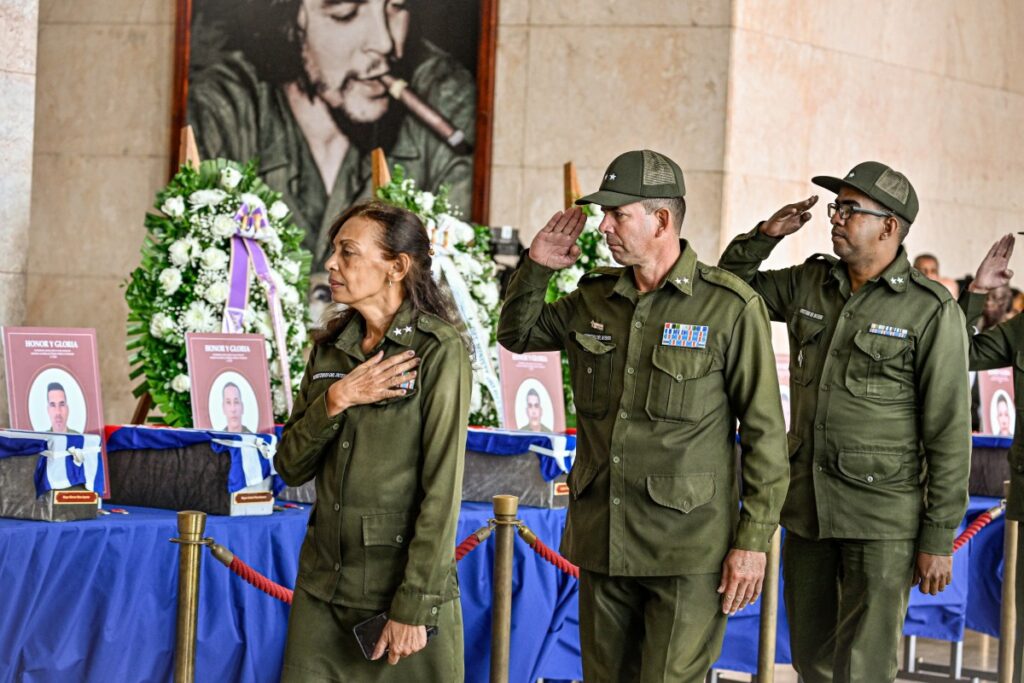
    HAVANA, Cuba — In a powerful display of national unity, Cuba conducted solemn ceremonies on Thursday honoring 32 military personnel killed during recent U.S. military operations in Venezuela. The tribute occurred amid escalating tensions between Havana and the Trump administration, serving as both a memorial and political statement.

    The ceremony featured full military honors with President Miguel Diaz-Canel and revolutionary leader Raul Castro, aged 94, attending in formal military attire. The soldiers’ remains, transported in flag-draped urns, arrived at Jose Marti International Airport where officials received them with full state honors.

    Interior Minister General Lazaro Alberto Alvarez delivered a stirring eulogy praising the soldiers who had ‘fought to the last bullet’ during U.S. operations that resulted in the capture of Venezuelan leader Nicolas Maduro and his wife on January 3. The minister explicitly condemned U.S. pressure campaigns, declaring that the United States ‘will never be able to buy the dignity of the Cuban people.’

    The procession traveled through Havana streets as citizens lined routes applauding the military convoy. The government declared two days of national tribute, concluding with a public gathering outside the U.S. embassy in Havana.

    This demonstration occurs as Cuba faces intensified economic pressure from the Trump administration. President Trump recently threatened consequences unless Cuba accepts an unspecified ‘deal,’ while simultaneously vowing to切断 all Venezuelan oil subsidies that have historically supported Cuba’s economy.

    The Cuban government has responded defiantly to these pressures despite experiencing its most severe economic crisis in decades. Havana additionally rejected recent U.S. offers of hurricane relief aid following October’s Hurricane Melissa, denouncing the gesture as ‘political manipulation’ while maintaining they would accept unconditional assistance.

    Jeremy Lewin, the senior U.S. official for foreign assistance, urged Cuba not to ‘politicize’ humanitarian offers, indicating Washington’s desire to expand direct aid programs to Cuban citizens.

    The incident marks a significant deterioration in U.S.-Cuba relations, which had seen slight improvements during the Obama administration but have regressed dramatically following Maduro’s capture and the accompanying military casualties that included 23 Venezuelan soldiers.

  • Jamaican doctors launch ‘affordable’ compression wear to tackle poor circulation

    Jamaican doctors launch ‘affordable’ compression wear to tackle poor circulation

    Two Jamaican physicians have transformed their clinical observations into a groundbreaking healthcare initiative, tackling the critical issue of circulatory health through innovative compression therapy solutions. Dr. Mickhail Benjamin and Dr. Duhaney Johnson, both 29-year-old medical practitioners and longtime friends from their St. George’s College days, established Uniflo Compression Wear in 2023 to address systemic barriers in accessible healthcare.

    The venture emerged from repeated instances where patients couldn’t obtain medically necessary compression garments due to excessive costs or supply chain limitations. ‘During my clinical practice, I consistently witnessed patients enduring preventable suffering because compression therapy remained either prohibitively expensive or virtually unavailable through conventional channels,’ explained Dr. Benjamin. The situation became so dire that the physician personally imported garments from overseas to alleviate patients’ debilitating symptoms.

    Market analysis revealed compression socks retailing for approximately $9,000 Jamaican dollars in local pharmacies—a price point placing them beyond reach for many patients. Uniflo’s disruptive pricing model now offers the same medical-grade compression hosiery for $4,000, representing a 55% reduction in cost while maintaining clinical efficacy.

    The medical significance of compression therapy extends beyond comfort management. Poor circulation constitutes a serious public health concern that can escalate into dermatitis, chronic ulcerations, and potentially fatal thrombotic events. ‘Venous stasis creates ideal conditions for deep vein thrombosis development,’ Dr. Benjamin emphasized. ‘These clots can migrate pulmonary circulation, causing embolic events that compromise respiratory function and may prove fatal without immediate intervention.’

    Particularly vulnerable populations include pregnant patients and individuals with limited mobility, where hemodynamic changes increase coagulation risks. Uniflo’s dual approach combines affordable product distribution with direct medical consultation through social media channels, enabling patients to receive professional guidance from the physician-founders regarding appropriate compression levels and usage protocols.

    Early response from both medical communities and patients has demonstrated strong validation of the model, indicating substantial improvement in treatment adherence and symptomatic relief. This physician-led initiative represents a paradigm shift in making essential medical devices accessible while maintaining clinical standards and patient education.

  • Ivy 23

    Ivy 23

    Kingston’s dining scene has been electrified by the arrival of Ivy 23, a restaurant that masterfully combines atmospheric design with extraordinary culinary innovation. Located at 23 Lady Musgrave Road, this establishment from the Tamarind and Saffron restaurant group has quickly become a destination for discerning diners seeking both exceptional ambiance and groundbreaking cuisine.

    The moment guests cross the threshold, they encounter a vibrant Miami-inspired atmosphere pulsating with sophisticated energy. This carefully crafted setting provides the perfect backdrop for romantic evenings or memorable gatherings with friends, generating palpable anticipation even before the first course arrives.

    Where Ivy 23 truly distinguishes itself is through its revolutionary approach to fusion cuisine. The menu represents a bold international journey, seamlessly integrating robust Indian and Asian flavors into dishes that feel simultaneously familiar and daringly original. Each plate arrives as a visual masterpiece, with flavors that deliver spectacular complexity without overwhelming the palate.

    The culinary experience begins with expertly crafted cocktails like the perfectly balanced Amaretto Sour. Starters include succulent red curry shrimp dumplings that dissolve on the tongue, the multi-layered Wild One flatbread, and irresistibly flavorful charred corn tacos.

    Main courses continue the gastronomic excellence with Hakka noodles accompanied by tender chicken, silky house-made breadfruit gnocchi that redefines comfort food, and Sichuan chicken featuring that distinctive numbing spice that creates addictive eating. The chocolate dessert provides a final note of pure decadence—rich, velvety, and perfectly concluding the dining experience.

    Service matches the culinary excellence with warm, attentive, and sophisticated hospitality. The restaurant operates Tuesday through Saturday from 4:00 PM to 11:30 PM, and Sundays from 3:00 PM to 10:00 PM. With dinner for four including drinks approximately $27,365, reservations are strongly recommended via phone (876-995-5101) or Instagram (@ivy23jamaica).

  • Platini says Infantino has become ‘more of an autocrat’

    Platini says Infantino has become ‘more of an autocrat’

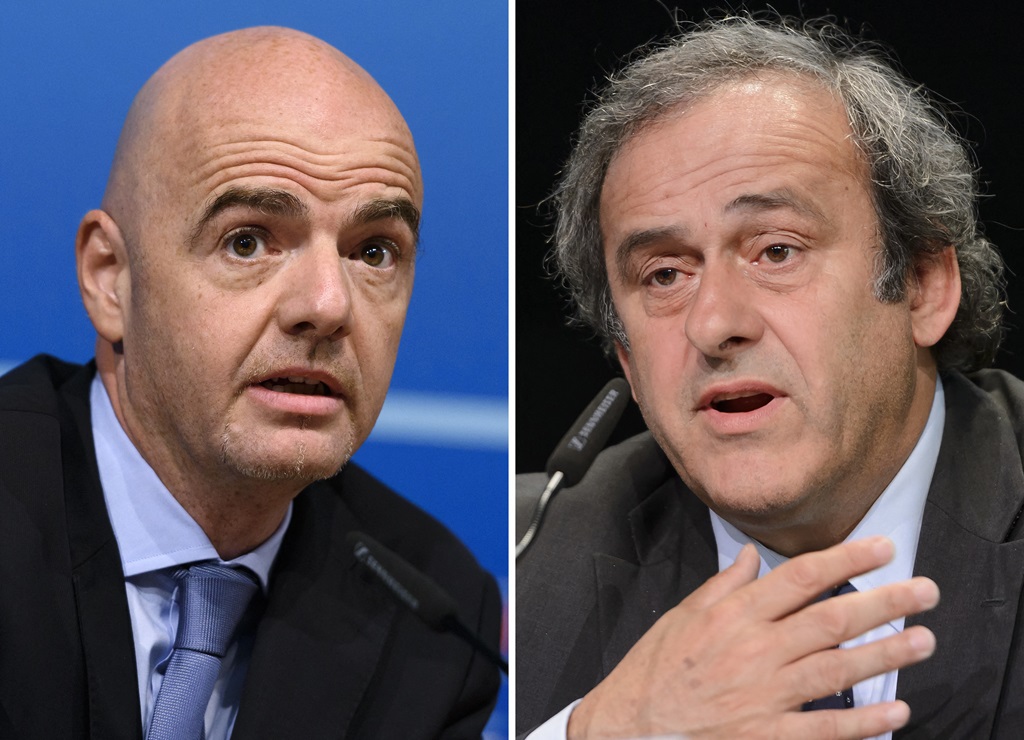
    In a candid interview with The Guardian, former UEFA President Michel Platini delivered a damning assessment of current FIFA leader Gianni Infantino, accusing him of autocratic tendencies and an excessive focus on cultivating relationships with the wealthy and powerful.

    Platini, who previously served as Infantino’s superior at European football’s governing body from 2009 to 2015, characterized the FIFA president’s leadership style as fundamentally flawed. “He was a good number two, but is not a good number one,” Platini stated, highlighting what he perceives as Infantino’s problematic attraction to moneyed influence. “He likes the rich and powerful people, the ones with money. It’s his character.”

    The French football legend specifically pointed to the pandemic period as a turning point, noting that “Unfortunately Infantino has become more of an autocrat since the pandemic.” This criticism extends to Infantino’s cultivation of high-profile relationships, including his close ties with former US President Donald Trump, whom Infantino awarded a special FIFA peace prize during the World Cup draw ceremony in December ahead of the 2026 tournament across North America.

    Platini offered a surprising comparative analysis of FIFA’s governance, suggesting the organization under Infantino has become less democratic than during the scandal-plagued era of Sepp Blatter. “There is less democracy than in Blatter’s time,” Platini claimed, acknowledging Blatter’s problematic desire to remain president for life while simultaneously characterizing him as “a good person for football.”

    The former Juventus and French national team star also expressed broader concerns about modern football administration, noting that many current officials lack genuine passion for the sport. “You find many who wouldn’t care whether it’s football or basketball. It’s not always a case of loving football if you work at UEFA or FIFA.”

    Platini’s criticism stems from longstanding tensions between the two administrators, including his belief that Infantino undermined his FIFA presidential ambitions by alerting Swiss prosecutors about a controversial $2.5 million payment from Blatter to Platini that ultimately derailed both of their careers.