标签: Jamaica

牙买加

  • United Way of Jamaica to disburse $100m JETS donation benefitting six western schools

    United Way of Jamaica to disburse $100m JETS donation benefitting six western schools

    KINGSTON, JAMAICA — In a landmark corporate social responsibility initiative, Jamaican electronic payments provider JETS Limited has pledged J$100 million (approximately US$640,000) to hurricane recovery efforts through the United Way of Jamaica (UWJ). The substantial donation represents the largest single contribution in UWJ’s history and will be administered in two equal installments of J$50 million each.

    The initial allocation has been designated to eight beneficiary organizations responding to Hurricane Melissa’s impact. Educational institutions feature prominently in the first tranche, with Belmont Academy receiving J$10 million, followed by St Elizabeth Technical High School (J$7.5 million), and five additional schools—William Knibb Memorial High, Hampton School, Black River High, Manning’s School—each receiving J$5 million. Mustard Seed Communities and UWJ’s agricultural relief program will also receive J$5 million respectively.

    UWJ Board Chair Dr. Devon Smith praised JETS Limited’s unprecedented commitment during the late December handover ceremony. “This monumental contribution significantly advances our national restoration efforts, addressing both physical infrastructure and educational system resilience,” Smith stated.

    JETS CEO Edmundo Jenez emphasized his organization’s sustained partnership with UWJ, which began in 2019. “United Way has proven to be a stalwart ally in extending our CSR program’s reach, particularly in education and healthcare sectors,” Jenez remarked, expressing confidence in UWJ’s stewardship of the funds.

    The second J$50 million allocation will be distributed to additional recipients identified through ongoing needs assessments. UWJ has implemented comprehensive monitoring and evaluation systems to ensure transparent utilization of resources across all beneficiary organizations.

  • How to keep your New Year’s resolutions, with Shani Fitness

    How to keep your New Year’s resolutions, with Shani Fitness

    As the New Year unfolds, many individuals experience a familiar cycle of burnout and disappointment when their ambitious resolutions remain unfulfilled. Shani McGraham Shirley, a prominent influencer, motivational speaker, and CEO of Yahsuh Fitbox, proposes a radical solution: discard the traditional concept of New Year’s resolutions entirely. McGraham argues that these grand annual commitments often set people up for failure, creating a psychological barrier that undermines long-term success.

    McGraham’s approach doesn’t reject goal-setting altogether but rather advocates for a fundamental shift in methodology. Instead of waiting for January 1st to establish monumental objectives, she recommends implementing smaller, manageable goals throughout the year. This strategy leverages the psychological power of incremental achievements, where consistent small victories generate momentum and sustain motivation more effectively than infrequent major accomplishments.

    The fitness expert emphasizes the critical role of positive self-talk and what she terms ‘the power of suggestion.’ Drawing an analogy to pregnancy awareness—where women suddenly notice expecting mothers and baby-related items everywhere after contemplating pregnancy—McGraham demonstrates how our minds selectively focus on what we verbally reinforce. By consistently articulating positive aspirations, we program our subconscious to recognize opportunities and resources that were previously overlooked.

    Addressing procrastination, McGraham dismisses the notion of perfect timing, insisting that ‘the perfect time is now.’ She specifically advises against waiting for symbolic starting points like Monday mornings or new equipment, even suggesting beginning on a Wednesday to break psychological barriers associated with traditional starting points.

    McGraham outlines three fundamental pillars for achievement: the art of showing up, consistency, and moderation. She stresses that personal accountability—showing up for oneself rather than others—forms the foundation of sustainable progress. Using fitness as an example, she contrasts sporadic intense workouts with regular moderate sessions, demonstrating how consistency outperforms occasional bursts of effort.

    The motivational speaker cautions against ‘craven’ behavior—using Jamaican colloquialism for greed—in both dietary habits and goal-setting. Instead of overwhelming oneself with excessive targets, she advocates for measured, consistent steps that accommodate human limitations while maintaining progress.

    Perhaps most innovatively, McGraham reframes failure as a valuable teachable moment rather than a setback. Drawing parallels to burpee exercises where dropping down and rising up builds strength, she encourages embracing failure as an essential component of growth and self-discovery. This perspective transforms the fear of failure into a motivational tool, ultimately creating more resilient and adaptable goal-pursuers.

  • Will the increase in the daily stipend make Jamaicans professional jurors?

    Will the increase in the daily stipend make Jamaicans professional jurors?

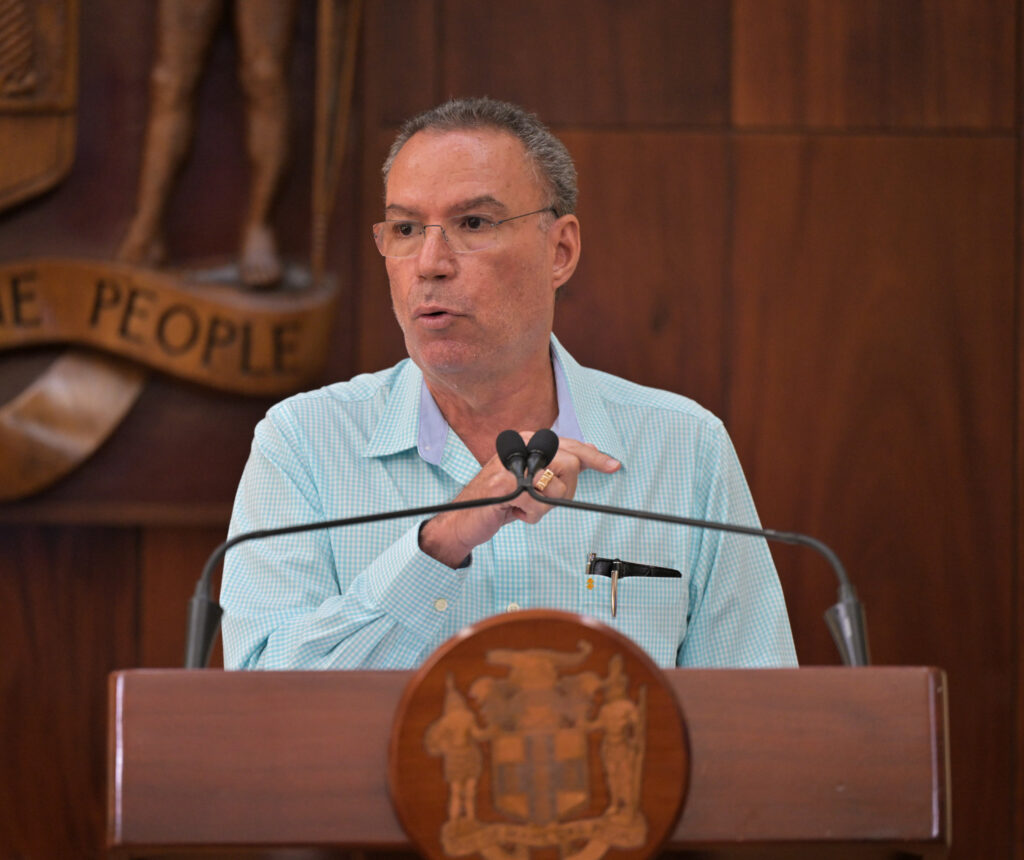
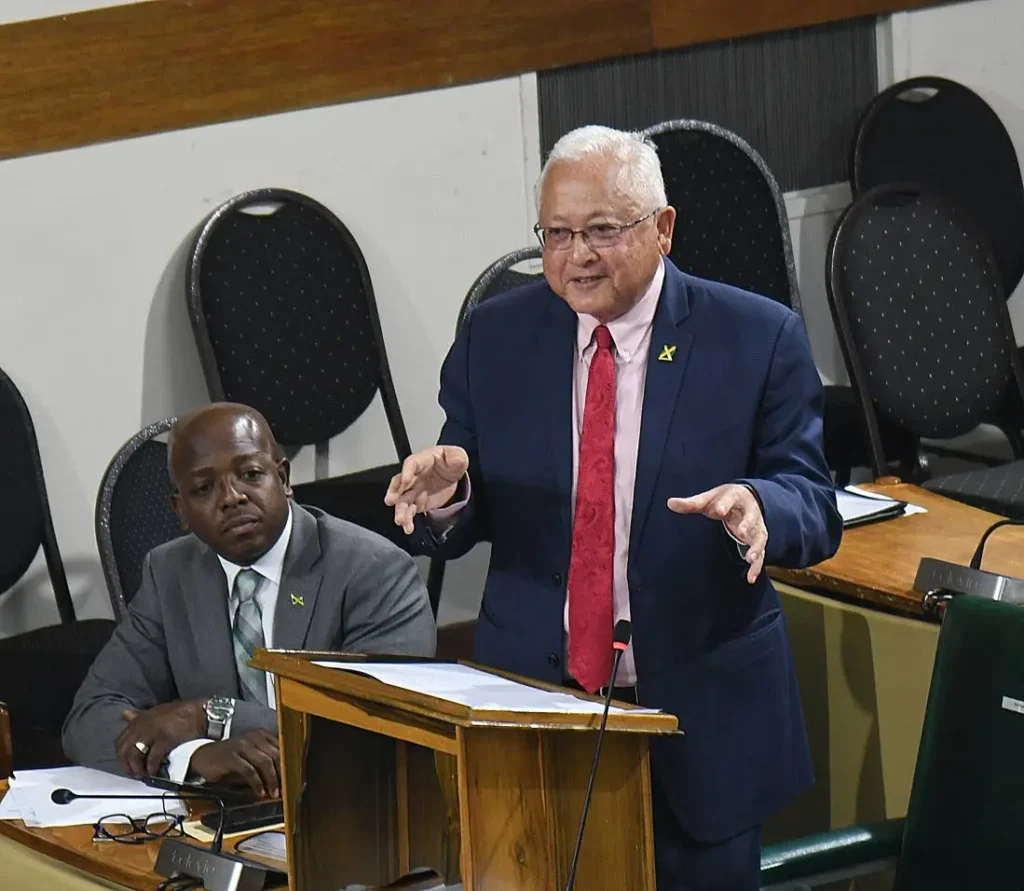
    KINGSTON, Jamaica — Jamaica’s House of Representatives engaged in substantive debate on Tuesday regarding the Jury (Amendment) Act 2026, which proposes a significant increase in juror compensation from $2,000 to $6,000 daily. The legislative amendments, spearheaded by Justice Minister Delroy Chuck, have sparked discussions about the nature of jury service and its financial implications within the justice system.

    The proposed legislation extends beyond empaneled jurors, offering $2,000 per day to individuals summoned for duty but not ultimately selected. This comprehensive approach to compensation marks the first stipend increase in over a decade, previously adjusted from $400 to $2,000 daily during Opposition Leader Mark Golding’s tenure as justice minister.

    MP Marlene Malahoo Forte, representing St James West Central and a former attorney general, emphasized cross-party support for the increase while cautioning against misinterpretation of jury service fundamentals. “We should make it abundantly clear that we’re not paying citizens to serve as jurors,” she stated, explaining that the adjustment primarily addresses inflationary pressures and expense reimbursement rather than creating professional opportunities.

    However, Opposition Leader Golding presented a contrasting interpretation, noting the compensation structure encompasses both time commitment and travel expenses. He highlighted that weekly earnings of $30,000 for five-day service would substantially exceed Jamaica’s minimum wage of $16,000 weekly, creating what he termed “a compendious payment” that inherently compensates for service time.

    The debate revealed nuanced perspectives on civic responsibility versus financial practicality, with lawmakers acknowledging the necessity of adequate compensation while maintaining the fundamental voluntary nature of jury duty within Jamaica’s judicial framework.

  • Government focused on economic independence for Jamaica — Holness

    Government focused on economic independence for Jamaica — Holness

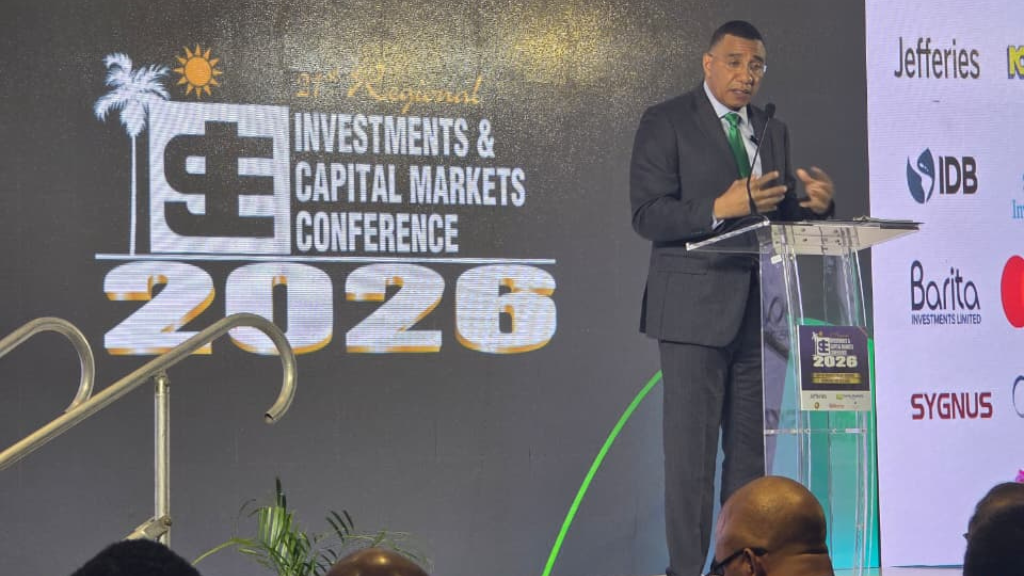
    KINGSTON, Jamaica — Prime Minister Andrew Holness has positioned economic self-sufficiency as the cornerstone of national sovereignty, declaring that political independence remains incomplete without financial autonomy. The Jamaican leader articulated this governing philosophy during his keynote address at the 21st Regional Investments and Capital Markets Conference, held at the Jamaica Pegasus Hotel on January 20, 2026.

    Holness drew a clear distinction between political and economic independence, emphasizing that the latter provides the substantive foundation for the former. “A generation persists in prioritizing political independence,” Holness observed. “My administration’s struggle is for Jamaica’s economic independence—the tangible capacity to underpin political sovereignty with financial strength.”

    The Prime Minister criticized historical ideological approaches that led Jamaica through “wilderness of economic despair,” pledging his government would not repeat these patterns. He outlined how responsible fiscal management has enhanced Jamaica’s international credibility, particularly evident in the rapid recovery efforts following Hurricane Melissa.

    This credibility, Holness revealed, enabled Jamaica to secure US$6.7 billion in financing with favorable terms. “We’ve demonstrated ourselves as a responsible nation with robust institutions,” he stated. “The crucial achievement isn’t merely obtaining loans and grants, but accessing low-cost financing with minimal conditionalities.”

    Holness expanded the conventional definition of private sector participation, highlighting that economic independence encompasses both corporate entities and informal micro-enterprises. “Our private sector includes not only National Commercial Bank,” he noted, “but also the woman frying fish in Border. Indeed, she represents the essence of our private sector.”

    The Prime Minister committed to policies enabling such entrepreneurs to sell their products to both local and international tourists, thereby funding their children’s education and preserving human dignity. He expressly urged this unscripted message to “percolate and filter throughout the audience,” emphasizing his administration’s dedication to grassroots economic empowerment.

    Holness concluded by noting that even small nations possess significant influence when understanding “new statecraft”—the strategic exercise of economic and diplomatic power on the global stage.

  • Full electricity restoration by early February

    Full electricity restoration by early February

    KINGSTON, Jamaica — Jamaica’s energy infrastructure is rapidly recovering from Hurricane Melissa’s devastation, with officials projecting complete power restoration for eligible customers by early February. Energy Minister Daryl Vaz provided a comprehensive update during a post-Cabinet briefing at Jamaica House, revealing significant progress in the national recovery efforts.

    The Jamaica Public Service (JPS) has successfully restored electricity to 93% of affected customers, leaving approximately 51,000 households and businesses without power. Minister Vaz outlined a clear timeline for reconnection, indicating that 30,000 of these customers should have service restored by the end of January or early February.

    A critical distinction emerged regarding the remaining 21,000 customers who cannot currently receive power due to infrastructure limitations beyond JPS’s control. “These households are not ready to receive electricity, and the JPS cannot be held accountable,” Vaz explained, noting that these cases require additional structural assessments and repairs before power can be safely restored.

    The government has initiated a collaborative effort between the Ministry of Labour and Social Security and the Jamaica Social Investment Fund (JSIF) to identify and address barriers preventing these final connections. This targeted approach aims to facilitate eventual power restoration to all Jamaican residents.

    Westmoreland Parish has demonstrated remarkable recovery progress, jumping from 18% restoration in December to 51% currently. Of the parish’s 34,603 customers, 17,096 remain without electricity. Minister Vaz confirmed that the eastern section of Westmoreland should see service restoration between now and January’s end.

    The accelerated recovery follows the government’s strategic intervention last November, providing JPS with a US$150-million loan that enabled the utility company to procure additional equipment and hire more linesmen, significantly enhancing restoration capabilities.

  • Grenada must reapply fiscal discipline by 2027, IMF says after hurricane relief

    Grenada must reapply fiscal discipline by 2027, IMF says after hurricane relief

    The International Monetary Fund has advised Grenada to restore its core fiscal rule by 2027 to maintain debt sustainability, following the country’s temporary suspension of the measure this year to finance recovery efforts from Hurricane Beryl. In its annual Article IV economic assessment concluded Wednesday, the IMF justified the temporary pause as necessary for post-disaster reconstruction, which resulted in an estimated 2025 primary deficit of 3.2% of GDP.

    The IMF’s Executive Board supported staff recommendations that returning to fiscal rules is crucial for preserving fiscal discipline and ensuring sustainable debt management. Grenada’s fiscal framework requires a central government primary balance floor of 1.5% of GDP—a surplus level the IMF anticipates will be achieved in 2027. This return to fiscal rigor is projected to establish a firm downward trajectory for public debt, with a key debt target of 60% of GDP now expected by 2033.

    Alongside its call for fiscal consolidation, the IMF commended Grenada’s economic resilience, noting real GDP growth accelerated to 4.4% for 2025 driven by robust investment and construction activity, while inflation eased to 0.3%. The report acknowledged that prudent savings from substantial revenues generated through Grenada’s Citizenship-by-Investment program provided a critical financial buffer during the crisis period.

    Looking forward, the IMF projects growth will gradually moderate from current levels to an estimated potential rate of 2.7% by 2029 as the stimulus from large-scale public investment diminishes. The assessment identified significant external sector challenges, with Grenada’s 2024 position assessed as “weaker than the level implied by medium-term fundamentals.” A substantial current account deficit, estimated at 17.5% of GDP for 2025, is expected to persist due to high construction-related imports.

    The report highlighted Grenada’s heightened vulnerability to natural disasters and its dependence on tourism and imports as principal downside risks. The IMF recommended careful management of ambitious public investment projects to prevent cost overruns and emphasized the need for close monitoring of vulnerabilities within the non-bank financial sector.

    To foster durable growth, the fund proposed policies strengthening domestic economic foundations beyond foreign investment-driven tourism. These include enhancing local business linkages to the tourism sector, reducing trade friction, and investing in human capital development. The assessment also identified significant data deficiencies in key economic statistics as an impediment to effective policy-making, urging Grenada to prioritize improvements in its statistical capacity.

  • Libra-Don to release Unstoppable EP on January 23

    Libra-Don to release Unstoppable EP on January 23

    KINGSTON, Jamaica — Emerging dancehall performer Libra-Don, currently based in the United States, is poised to launch his inaugural musical project following a successful promotional tour across Jamaica. The artist’s debut extended play recording, branded ‘Unstoppable,’ represents a strategic expansion from his recently popularized inspirational singles that have garnered substantial radio airplay.

    The Jamaican-native musician has developed this seven-track compilation capitalizing on the burgeoning success of his motivational anthems ‘Don’t Lose Faith’ and ‘Reach Yuh,’ both of which have achieved significant traction within domestic and international dancehall circuits. Produced entirely by MaddMoni Empire, the EP incorporates additional compositions including ‘Victory,’ ‘Juicy,’ ‘Fighter,’ and the titular title track.

    Libra-Don characterizes his current creative trajectory as progressively gaining momentum within global dancehall communities. ‘Our persistent efforts are finally yielding measurable outcomes,’ the artist commented regarding his team’s promotional activities. ‘The recent Jamaican media tour demonstrated exceptionally warm receptiveness from broadcast platforms and listeners alike. While building recognition requires sustained dedication, we’re confident our foundational work will culminate in long-term achievement.’

    The artist further elaborated on the philosophical underpinnings of his project, noting that the ‘Unstoppable’ designation embodies his professional mentality amid industry challenges. ‘This title mirrors my perseverance through creative resistance and professional uncertainties without compromising artistic direction. Every composition possesses hit potential—I maintain zero tolerance for filler content that lacks substantive public impact.’

    Post-release strategies include targeted visual content production, selective live performances, and continuous music recording sessions. Libra-Don emphasized his commitment to developing a timeless artistic portfolio while methodically constructing his brand identity within the competitive music landscape.

  • CHOOSE WISELY!

    CHOOSE WISELY!

    With just nine weeks remaining until their decisive World Cup qualification bid, Jamaica’s national football team faces a monumental challenge in the inter-confederation playoffs. Captain Andre Blake maintains cautious optimism while emphasizing that strategic personnel selection will prove critical to their success.

    The Reggae Boyz, having fallen short of automatic qualification after finishing second to Curacao in CONCACAF’s Group B, now face a challenging playoff pathway. Their journey begins with a semi-final clash against Oceania’s New Caledonia on March 26th. A victory would propel them into a final confrontation against Africa’s DR Congo, with the ultimate prize being placement in World Cup Group K alongside Portugal, Colombia, and Uzbekistan.

    Reflecting on their qualification struggle, Blake acknowledged the team’s self-inflicted predicament: “We still have a chance. Obviously, it’s not going to be easy, but we kind of put ourselves in this position, and we’re going to have to go out there and fight for our lives.”

    The team’s disappointing 0-0 draw against World Cup-bound Curacao in November at Kingston’s National Stadium precipitated immediate changes, including the departure of Head Coach Steve McClaren. Blake described the atmosphere during that fateful match as electric, noting “The only thing missing from that game was us scoring a goal or two to win the game.”

    Subsequent restructuring saw the Jamaica Football Federation appoint Rudolph Speid as interim head coach with Miguel Coley as assistant. The technical staff has been further strengthened with the addition of Arsenal youth coach Michael Donaldson as assistant coach and former national goalkeeper Aaron Lawrence specializing in goalkeeper development.

    Despite naming a 52-man provisional squad, Speid faces logistical challenges with most European and American-based players unavailable until March due to club commitments outside FIFA international windows. This constraint was evident as a predominantly local squad secured a 1-0 friendly victory against Grenada on Sunday.

    Blake emphasized that tactical coherence outweighs individual talent: “We have the pieces for sure, we just haven’t been able to bring it together. For me, the most important thing is we don’t need the best players, we need the right players.”

    The 35-year-old goalkeeper, who has earned 92 international caps, envisions qualification as transformative for Jamaican football: “It would be a dream come true for me. It would bring so much joy to the people of Jamaica, so much inspiration for the younger generation.” Having last appeared in the 1998 France World Cup, the Reggae Boyz now stand on the precipice of returning to football’s global stage.

  • Suriname monitoring increase in cases of chikungunya

    Suriname monitoring increase in cases of chikungunya

    Health authorities in Suriname have officially declared an outbreak of the chikungunya virus following confirmation of multiple locally transmitted cases. The Ministry of Health verified through comprehensive testing at both the Central Laboratory of the Bureau for Public Health (BOG) and the Academic Hospital Paramaribo laboratory that eight individuals have tested positive without any recent international travel history.

    The public health response has been immediately activated with epidemiological investigations underway, including contact tracing protocols and enhanced surveillance measures to contain potential spread. Chikungunya, a viral disease transmitted through the bite of infected Aedes mosquitoes—the same species responsible for dengue and Zika viruses—presents with symptoms including abrupt high fever, debilitating joint pain and swelling, headaches, extreme fatigue, and occasional skin rashes.

    Unlike communicable diseases, chikungunya cannot spread directly between humans. Previous infection provides lifelong immunity to the virus. Health officials specifically advise affected individuals to avoid aspirin and ibuprofen, recommending instead paracetamol for pain and fever management alongside increased fluid intake and rest. Medical attention is urged if symptoms intensify.

    This outbreak marks the nation’s first significant recurrence since the initial 2014 epidemic when chikungunya emerged regionally throughout the Caribbean. The ministry has committed to maintaining transparent public communication as developments occur. Citizens are urged to eliminate mosquito breeding sites by removing stagnant water from containers, tires, and flowerpots around residential and recreational areas, supplemented by protective clothing and EPA-approved repellents.

  • Role of GOJ audit committees in hurricane recovery transparency underscored

    Role of GOJ audit committees in hurricane recovery transparency underscored

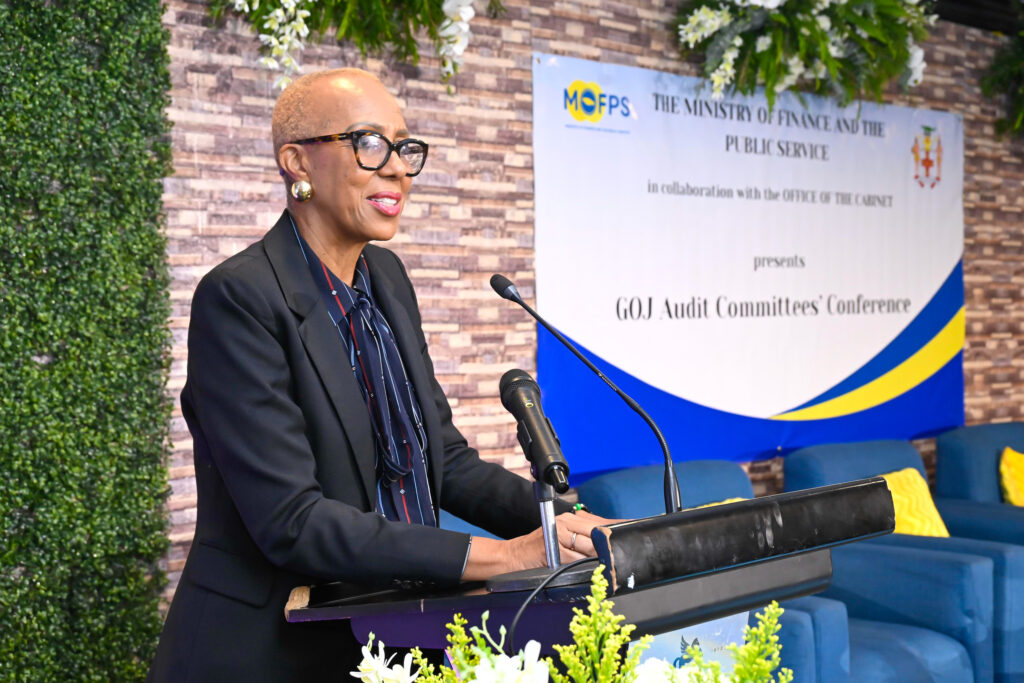
    KINGSTON, Jamaica — Jamaican financial authorities have positioned government auditors as critical pillars in the nation’s hurricane recovery framework, emphasizing their role in maintaining fiscal transparency during reconstruction efforts. Finance Minister Fayval Williams addressed the Government of Jamaica Audit Committees’ Conference Wednesday, framing oversight professionals as essential architects of national rebuilding.

    Speaking at The Jamaica Pegasus hotel under the conference theme ‘Governance in Action: Strengthening Trust, Risk Oversight and Resilience,’ Williams asserted that auditors provide indispensable safeguards for reconstruction funds allocated after Hurricane Melissa’s devastating impact. The minister characterized audit committees as operational guardians who translate principles of accountability into measurable public outcomes.

    Williams directly linked audit oversight to Jamaica’s Vision 2030 development objectives, noting that while committee members might not be primary reporters on progress metrics, their work fundamentally enables ministries and agencies to execute mandates effectively. She emphasized that understanding institutional roles within Jamaica’s medium-term socioeconomic policy framework represents a professional necessity rather than an option for oversight personnel.

    The address acknowledged Hurricane Melissa’s severe consequences, including compromised infrastructure, displaced families, and battered communities. Williams contrasted this destruction with the demonstrated resilience of Jamaican citizens and their determination to rebuild.

    Cabinet Secretary Audrey Sewell reinforced these sentiments, detailing how auditing practices evolved during the crisis response. She revealed that real-time auditing procedures implemented under the Hurricane Melissa Relief Initiative have strengthened institutional credibility among international partners and diaspora communities. This approach, Sewell noted, has facilitated continued support through grants and concessional financing arrangements.

    Both officials emphasized that Jamaica’s coordinated disaster response stemmed directly from years of foundational audit work, including identified system gaps, raised concerns about controls, and documented lessons from previous assessments. This historical oversight enabled the government to renew outdated systems and develop robust strategies before the hurricane crisis, providing institutional resilience when tested by natural disaster.