标签: Jamaica

牙买加

  • Nigerian government frees 130 kidnapped Catholic schoolchildren

    Nigerian government frees 130 kidnapped Catholic schoolchildren

    ABUJA, Nigeria—In a significant development for Nigeria’s ongoing security challenges, authorities have successfully secured the liberation of 130 schoolchildren who were abducted from a Catholic educational institution in November. This announcement, made by presidential spokesman Sunday Dare via social media platform X, marks the conclusion of a harrowing captivity that gripped the nation.

    The incident originated in late November when armed assailants stormed St Mary’s co-educational boarding school in north-central Niger state, seizing hundreds of students and staff members. This attack echoed the traumatic 2014 Boko Haram kidnapping in Chibok, highlighting the persistent security vulnerabilities facing educational institutions in the region.

    Initial reports from the Christian Association of Nigeria (CAN) indicated approximately 315 individuals were unaccounted for following the assault on the rural Papiri community. While around 50 managed to escape immediately after the attack, and another 100 were released on December 7, the fate of the remaining captives remained uncertain until Sunday’s breakthrough.

    The resolution of this case proved particularly complex due to logistical challenges in verifying the exact number of captives. According to United Nations sources, many children originally thought kidnapped had actually fled during the attack and returned directly to their remote villages, scattered across Nigeria’s vast rural landscape where transportation can require hours of motorbike travel.

    While the specific mechanics of the release remain undisclosed, security analysts suggest ransom payments likely facilitated the children’s freedom, despite technical prohibition under Nigerian law. This incident represents part of a broader pattern of kidnappings that have evolved into a structured, profit-driven industry in Nigeria, with recent reports indicating militant groups have generated approximately $1.66 million through such operations between July 2024 and June 2025.

    The November abduction wave, which included not only schoolchildren but also church worshippers, wedding parties, and farmers, has drawn international attention to Nigeria’s security crisis. This has prompted diplomatic responses, including allegations from former US President Donald Trump regarding religious persecution, though Nigerian authorities and independent analysts reject these characterizations.

    With the students’ release confirmed, attention now turns to their reintegration and the ongoing challenge of securing Nigeria’s educational institutions against similar threats in the future.

  • Digging deep

    Digging deep

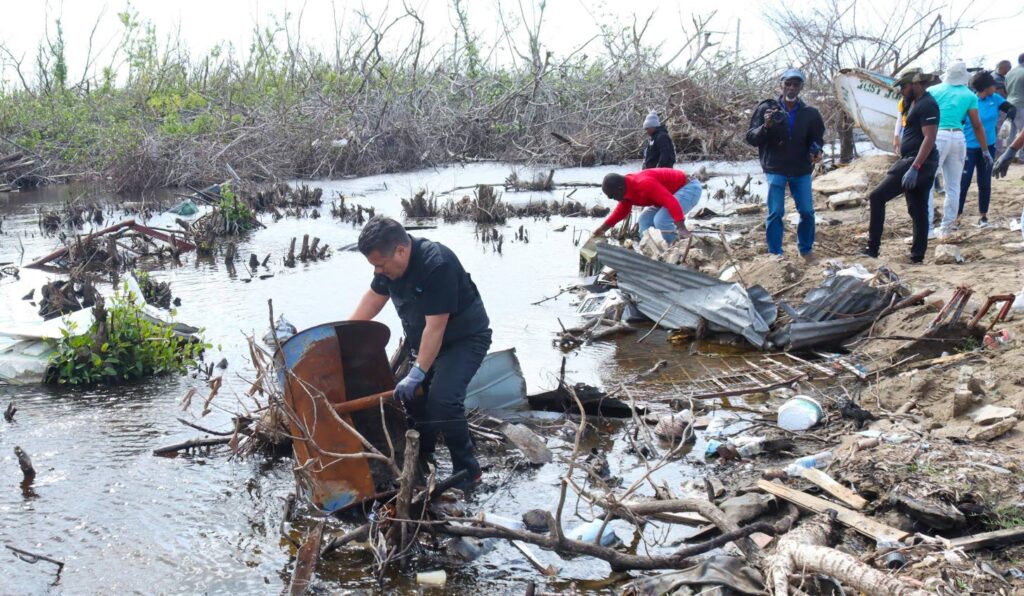
    In the aftermath of Hurricane Melissa’s catastrophic passage through western Jamaica, funeral home operators are demonstrating extraordinary compassion despite facing severe financial strain and operational challenges. These businesses, themselves victims of the Category 5 storm that claimed 45 lives in late October, are digging deep into diminished profit margins to ensure grieving families can provide dignified burials for their loved ones.

    Earl Scott of Scott and Sons Funeral Home in Westmoreland exemplifies this spirit of generosity. Despite sustaining significant roof damage from Melissa’s 185 mph winds, his establishment has offered discounted funeral packages to struggling families. In one remarkable case, Scott covered the entire burial cost for a man who lost his only surviving relative to the hurricane and pledged assistance in rebuilding the survivor’s destroyed home.

    The challenges facing funeral directors are substantial. Paul Patmore of Patmore’s Funeral Home in Trelawny disclosed accumulating over $600,000 in expenses since the hurricane, primarily due to running generators 24/7 in the absence of grid electricity. His daily fuel costs have tripled to $12,000, creating what he describes as ‘a big leak’ in finances. Despite this, Patmore has slashed all funeral package prices by half until January 2026 and established credit plans for affected families.

    In St. James, Melvin Honeyghan of Honeyghan’s Funeral Home reported receiving requests for storage extensions for approximately 50 bodies from families unable to afford immediate burials. He has willingly accommodated these requests while also reducing service costs, acknowledging that some families may not be able to bury their loved ones until April next year, despite receiving 50% discounts.

    Calvin Lyn, president of the Jamaica Association of Certified Embalmers and Funeral Directors, has commended these efforts and urged industry colleagues in affected areas to provide support where possible. He specifically highlighted the extreme difficulties facing Westmoreland residents and suggested funeral directors assess individual situations to determine appropriate assistance.

    The widespread devastation has prompted practical considerations about future preparedness. Patmore is now strongly advocating for solar energy adoption across the funeral industry, noting that Jamaica’s abundant sunshine represents a more sustainable alternative to costly generator dependence during infrastructure failures.

    These funeral directors emphasize that their actions stem from a profound sense of national solidarity rather than business calculation. As Honeyghan stated, ‘At the end of the day, all of us are Jamaicans… We have to take care of one another.’ Their commitment to compassionate service continues even as many struggle with damaged facilities and employees who have lost their own homes to the hurricane.

  • St Catherine South police take steps to ease traffic congestion

    St Catherine South police take steps to ease traffic congestion

    KINGSTON, Jamaica — Law enforcement authorities in St Catherine South have announced a significant expansion of traffic management operations to address severe roadway congestion and safety concerns. Assistant Commissioner of Police (ACP) Christopher Phillips, the divisional commander, revealed the strategy during the launch ceremony of the ‘Shop with a Cop’ initiative at the Greater Portmore Police Station on Friday.

    ACP Phillips confirmed that additional police personnel will be deployed across major transportation corridors to optimize traffic flow, prevent vehicle pile-ups, and enhance overall road safety throughout the holiday period and subsequent months. The initiative responds to growing frustrations among local residents and daily commuters who face persistent traffic challenges.

    The Jamaica Constabulary Force (JCF) will implement strengthened traffic assessment protocols and reinforced road safety measures, particularly anticipating increased seasonal road usage. While ongoing infrastructure improvements are expected to alleviate congestion gradually, authorities emphasize immediate operational interventions.

    ACP Phillips issued a stern public appeal urging both motorists and pedestrians to abandon reckless behaviors and exercise maximum caution. This warning follows concerning traffic fatality statistics, with numerous deadly accidents recorded despite improvements in other policing areas. ‘We continue to report elevated numbers of fatal motor vehicle collisions, and we urgently want to prevent such tragedies during the festive season,’ Phillips stated. He emphatically added, ‘Let us not become carried away by recklessness on the roads. I strongly encourage everyone to prioritize safety while traveling.’

    The comprehensive traffic strategy represents a proactive approach to public safety management, combining visible policing, public awareness campaigns, and infrastructural adaptation to address one of the division’s most pressing civic issues.

  • Funeral grants available for Melissa victims

    Funeral grants available for Melissa victims

    The Jamaican government has activated its social protection mechanisms to assist families grappling with funeral expenses for relatives lost to Hurricane Melissa. Minister of Labour and Social Security Pearnel Charles Jr has confirmed that affected citizens can apply for financial support through the ministry’s longstanding Rehabilitation Programme.

    While the program operates year-round to assist vulnerable populations, Minister Charles Jr acknowledged a significant surge in applications directly linked to the hurricane’s devastation. The ministry has consequently secured supplementary funding to meet the anticipated increase in demand, as the standard annual allocation for rehabilitation grants has already been depleted.

    The funeral grant scheme, established by a Cabinet decision in 1972, provides an average payout of $80,000 JMD per approved case. Eligibility and the level of support are determined through a detailed assessment process. The criteria differ based on the deceased’s status as a contributor to the National Insurance Scheme (NIS). For NIS contributors, the grant amount is influenced by their specific contribution category and history. However, Minister Charles Jr emphasized that non-contributors are not automatically disqualified and may still receive assistance following a compassionate evaluation of their circumstances.

    To apply, individuals must visit a parish office of the ministry or access forms online via www.mlss.gov.jm. The application requires substantial documentation, including an official proof of death (such as a death certificate or burial order), the undertaker’s invoice, and proof of any pension payments received after the date of death, which must be returned. For claims based on a spouse’s contributions, a marriage certificate or proof of a common-law relationship is also mandatory.

    The program’s scale is considerable; official data from a 2024 presentation revealed that in 2023 alone, the initiative distributed 3,729 grants valued at over $207.76 million JMD, underscoring its critical role in Jamaica’s social safety net.

  • JFJ moves to clarify position on decriminalising consensual sex among minors, close-in-age exemptions

    JFJ moves to clarify position on decriminalising consensual sex among minors, close-in-age exemptions

    Human rights organization Jamaicans For Justice (JFJ) has issued clarifications regarding its controversial recommendations to decriminalize consensual sexual activity among minors, following significant public backlash. The proposals were initially presented in JFJ’s comprehensive 42-page report titled ‘A Civil Society Review of the Diversion and Alternative Measures for Children in Conflict with the Law in Jamaica.’

    The report argued against prosecuting consenting minors through the court system, contending that Jamaica’s Child Diversion Programme misallocates resources, overburdens law enforcement, overwhelms legal infrastructure, and causes unnecessary school disruptions. Instead, JFJ advocated for addressing such instances through enhanced comprehensive sexual education programs rather than judicial proceedings.

    Central to the proposal were tiered close-in-age exemptions, including a primary provision that would exempt partners within two years of age (both under 16) from criminal charges. A secondary provision would allow defense against prosecution for age differences up to five years when activities are truly consensual, no position of authority exists, and the younger participant is at least 12-14 years old.

    The recommendations drew sharp criticism from social commentators, including criminologist Dr. Jason McKay, who expressed concerns that such measures could potentially empower sexual predators.

    In response, JFJ emphasized its unwavering support for maintaining Jamaica’s age of consent at 16, stating this threshold ‘protects young people from adult exploitation and ensures appropriate access to sexual and reproductive health services.’ The organization clarified that it neither promotes nor encourages early sexual activity, but rather advocates for prevention through education.

    JFJ highlighted several issues with Jamaica’s current legal framework under the Sexual Offences Act, which applies a blanket approach to all sexual activity involving persons under 16 without close-in-age provisions. This results in disproportionate impacts on boys due to societal norms, overwhelming caseloads for diversion programs, and unnecessary trauma for minors involved in consensual peer relationships.

    The organization cited Canada’s tiered close-in-age framework as an effective model, noting its successful implementation since 2008. JFJ announced plans to release a detailed policy brief exploring both models to inform Parliamentary review, emphasizing its commitment to factual discourse and solutions that best serve Jamaican children.

  • JPS says it moved to prevent rate hike being six times higher

    JPS says it moved to prevent rate hike being six times higher

    Jamaica’s sole electricity distributor, Jamaica Public Service Company (JPS), finds itself at the center of a brewing storm as it defends a recently approved 7% rate increase amidst public outcry. The Office of Utilities Regulation (OUR) sanctioned the hike, which will impact December bills covering November consumption, but JPS contends this represents a fraction of what could have been implemented without their proposed cost-spreading measures.

    The root cause traces back to Hurricane Melissa’s October 28 landfall, which severely disrupted Jamaica’s energy infrastructure. The tempest damaged supply lines for lower-cost fuels, forcing JPS to temporarily utilize more expensive alternatives while simultaneously reducing renewable energy availability. Compounding the problem, overall electricity sales plummeted by approximately 30% due to widespread power outages, creating a perfect storm of financial pressures.

    JPS explained the economic mechanics in simple terms: “Think of the power plant as a bus rented for $10,000. This fixed cost gets divided among all passengers. With fewer riders after the hurricane, each remaining customer bears a larger portion of the burden.” This analogy illustrates how fixed costs for fuel suppliers and Independent Power Producers (IPPs) must be distributed across diminished consumption, inevitably driving rates upward.

    The company emphasized that fuel and generation charges are strictly regulated to reflect actual costs, with payments flowing directly to suppliers including Petrojam and Excelerate Energy rather than being retained by JPS. Without the approved deferral strategy, customers would have faced an immediate 50% increase rather than the implemented 7% rise, which will see remaining costs distributed over subsequent months.

    Energy Minister Daryl Vaz acknowledged the difficult situation while criticizing JPS’s operational framework. He characterized the current licence agreement as fundamentally flawed, stating it fails to protect consumer interests and leaves regulators with insufficient intervention authority. Minister Vaz insisted that licence reform must become a priority, noting that while the current increase is smaller than July’s 16% hike following Hurricane Beryl, the pattern of storm-related rate spikes demands systemic change.

    JPS revealed it has proposed a fuel rate stabilization mechanism to the OUR that would mitigate such dramatic bill fluctuations, creating more predictable pricing while honoring obligations to suppliers. However, the company notes it cannot implement such measures without formal regulatory approval, despite receiving informal signals of agreement.

  • Chaplain sets out to break cycle of crime

    Chaplain sets out to break cycle of crime

    A Jamaican correctional chaplain, drawing from his profound experiences with inmate remorse, has launched a groundbreaking initiative to address the alarming surge in student violence following the resumption of in-person learning post-pandemic. Dwayne Nelson, 44, an ordained minister, educator, and justice of the peace, founded ‘Generational Impact’ to serve as a human barrier between at-risk youth and the prison system. The program operates under the mantra ‘Stop, Think, Then Act,’ aiming to fundamentally reconstruct maladaptive thought patterns among students.

    Nelson’s unique perspective stems from his role conducting life skills sessions within the Department of Correctional Services, where he has witnessed firsthand the devastating consequences of criminal choices. This experience fueled his determination to break the cycle of crime by addressing its root causes in educational settings, particularly in low-performing schools where family dysfunction and negative influences often prevail.

    The initiative employs a comprehensive behavior modification program targeting eight known criminogenic needs—factors that increase crime risk—including substance abuse, antisocial attitudes, and association with criminal peers. Nelson has assembled a resource team of professionals and incorporates powerful testimonies from ex-inmates to demonstrate the harsh realities of prison life.

    In an innovative approach, the program has integrated chess as a strategic mental exercise to enhance emotional regulation, improve academic performance, and foster cognitive, emotional, and social development. Research indicates chess effectively builds self-confidence and character—qualities often lacking in misbehaving children.

    Currently self-funded and operating in five Corporate Area schools, Nelson balances this mission with his ministry and family responsibilities, utilizing leave time and weekends to deliver his message. The ultimate vision involves institutionalizing the program within Jamaica’s educational curriculum from primary to secondary levels, creating a foundational platform for developing positive thinkers with healthy self-esteem and self-control.

    The initiative’s core messaging inspires youth to recognize their inherent worth and latent greatness, encouraging them to reject negative influences and criminal trajectories. Nelson’s firsthand knowledge of inmate regret provides compelling authenticity to his warning: continued destructive choices lead to places where freedom is lost and remorse prevails.

  • Early potential unlocked

    Early potential unlocked

    In an extraordinary academic achievement, 10-year-old Jamaican expatriate Knyhiem Fraser has successfully conquered the Caribbean Secondary Education Certificate (CSEC) technical drawing examination—typically undertaken by high school students after years of preparation—while residing in Canada and attending a French-language institution.

    Knyhiem’s remarkable journey involved a year of intensive independent study and online tutorials under the guidance of his father, Everett Fraser, an accomplished technical drawing instructor and textbook author whose works are utilized throughout Caribbean secondary schools. The young scholar traveled to Jamaica specifically to complete the examination at Kingsway High School, all while maintaining an active schedule that includes competitive soccer, ice hockey, and creating educational content for his YouTube channel.

    What makes Knyhiem’s accomplishment particularly noteworthy is his dual-language educational environment. In Canada, he has simultaneously distinguished himself as the top-performing French-speaking student in his fifth-grade class, demonstrating exceptional linguistic and academic versatility.

    The foundation of his success lies in his parents’ educational philosophy. Both Jamaican educators, Tricia Smith and Everett Fraser have long championed early childhood potential development. Fraser’s innovative teaching methodology, which incorporates video-based learning originally designed for academically struggling students, proved equally effective for his son. This approach has historically resulted in 100% pass rates among his students in external examinations.

    Knyhiem confronted the challenge with remarkable maturity, transforming initial apprehension into determined confidence through psychological repositioning. “I changed the words from ‘I can’ to ‘I can, and I will pass the exam, no matter what,’” he recounted to the Sunday Observer.

    His resilience was tested during the actual examination when technical difficulties disrupted his AutoCAD software. Demonstrating composure beyond his years, Knyhiem calmly reset the system and continued, attributing his poise to parental guidance and cultivated mental fortitude.

    This same determination characterizes his athletic pursuits. Having begun ice hockey at eight years old without prior skating experience, Knyhiem diligently practiced to become team goalkeeper for the West London Hawks competitive squad.

    The Fraser family advocates strongly for early childhood stimulation, arguing that children possess sponge-like learning capabilities during formative years. “If we stimulate them earlier at this age, they’re way more focused,” Everett Fraser explained, noting that Knyhiem frequently outperformed older students in regional revision classes.

    Both parents encourage greater parental involvement in childhood education, emphasizing that learning extends far beyond classroom walls. Smith advised: “Having a strong foundation is a plus. Most of the time it helps to determine the path that our children will move in life academically.”

    With aspirations toward professional soccer and entrepreneurship, Knyhiem offers simple yet profound advice to peers: maintain clarity of mind, prioritize rest, and embrace calculated risks. “The way to heaven is like hell,” he philosophizes, “because you have to make sacrifices and take risks.”

  • Green addresses vets’ concerns over dog rescue claim

    Green addresses vets’ concerns over dog rescue claim

    Jamaica’s Agriculture, Fisheries, and Mining Minister Floyd Green has addressed mounting concerns from veterinary professionals regarding the government’s handling of animal rescue operations following Hurricane Melissa. The controversy emerged after Minister Green’s December 3 media briefing created the impression that government-led aerial reconnaissance missions had directly rescued and facilitated international relocation for 58 dogs affected by the late October hurricane.

    At a Jamaica Observer Press Club event on December 16, 2025, Minister Green acknowledged the communication error, describing it as “an unfortunate conflation of two separate things.” The minister specifically sought to reassure Jamaicans who had lost pets during the hurricane that no animals were taken abroad without proper protocols.

    The clarification comes after clinical veterinarians Dr. Sarah Wilkinson-Eytle and Dr. Paul Cadogan challenged the initial narrative. According to their professional assessment, the dogs transported to the United States and Canada were already housed at the Negril Pup Rescue shelter prior to Hurricane Melissa’s landfall on Jamaica’s southwestern coast.

    Dr. Wilkinson-Eytle of Phoenix VetCare explained that the ministry’s role was strictly administrative: “What happened was that the ministry, along with the International Fund for Animal Welfare, had to accelerate that movement post-Melissa because the shelter sustained damage. All the ministry did was facilitate paperwork so that the export permits and veterinary inspections could be completed expediently.

    Both veterinarians confirmed that government veterinary personnel did participate in aerial surveys with the Jamaica Defence Force, but these missions focused exclusively on assessing storm impact on agricultural animals and identifying areas with large concentrations of animal casualties—not rescuing stranded pets.

    Minister Green expressed regret over the misleading narrative, emphasizing the government’s collaborative relationship with animal welfare organizations like Montego Bay Animal Haven and Humane World for Animals. He clarified that while the Veterinary Services Division plays a crucial regulatory role in animal exports, the actual rescue and rehoming efforts are primarily conducted by specialized non-governmental organizations.

  • US intercepts Venezuelan-linked oil tanker in Caribbean

    US intercepts Venezuelan-linked oil tanker in Caribbean

    In a significant escalation of maritime enforcement, United States authorities have intercepted a second oil tanker with connections to Venezuela within weeks. The operation, conducted in international waters east of Barbados, was carried out by the US Coast Guard with Pentagon support following President Donald Trump’s directive for a “total and complete blockade” against sanctioned vessels associated with Caracas.

    Homeland Security Secretary Kristi Noem confirmed the interception on social media platform X, stating: “The United States will continue to pursue the illicit movement of sanctioned oil that is used to fund narco terrorism in the region. We will find you, and we will stop you.” Her announcement included aerial footage showing US military helicopters operating above a large tanker’s deck.

    White House spokeswoman Anna Kelly identified the vessel as part of Venezuela’s “shadow fleet,” alleging it was “falsely flagged” and engaged in trafficking “stolen oil to fund the narcoterrorist Maduro regime.” The tanker, believed to be the Panama-flagged ‘Centuries,’ had previously docked in Venezuela and was carrying sanctioned petroleum products.

    The Venezuelan government issued vehement condemnation through Vice President Delcy Rodríguez, who denounced the action as “theft and hijacking” and cited the “forced disappearance” of the vessel’s crew. Rodríguez declared these acts “will not go unpunished” and promised to pursue complaints through the United Nations Security Council and other international bodies.

    Legal experts note the unusual nature of the seizure, as Jeremy Paner, a former OFAC investigator, pointed out that the specific vessel itself had not been under US sanctions. The incident raises broader concerns among Caribbean nations about US enforcement actions occurring in international waters within the region, potentially setting precedents for maritime jurisdiction and energy security.