标签: Jamaica

牙买加

  • Jamaica decriminalised ganja — but the industry that was promised never took root

    Jamaica decriminalised ganja — but the industry that was promised never took root

    A decade following Jamaica’s landmark decision to decriminalize cannabis and establish a regulated industry, the envisioned export-driven, cultivation-centric market has failed to materialize. Instead of flourishing, licensed operators are confronting severe structural constraints that have forced a strategic pivot away from traditional farming models.

    Jacana Wellness, a vertically integrated cannabis company established in 2017-2018, exemplifies this industry struggle. Operating cultivation and processing facilities in St. Ann alongside four retail apothecaries across Jamaica, the company has been compelled to close underperforming outlets while navigating what executives describe as fundamental flaws in the nation’s regulatory framework.

    “The boom is gone,” stated Nicholas Deane, Jacana’s farm operations manager. “What remains is whether the industry can actually survive under its current structure.”

    The financial burden of compliance presents perhaps the most significant challenge. Licensed cultivators face mandatory security requirements including fencing, surveillance systems, and armed protection, coupled with substantial annual licensing fees exceeding $3,500 per acre before operational costs. These regulatory expenses create prohibitive entry barriers for small farmers and strain established operations.

    Stephen-John Brown, Jacana’s quality and compliance manager, detailed the cumulative impact: “When you start adding it up—cultivation licence, processing approvals, transport permits, police records for staff, environmental permits—it becomes a very expensive business to run.”

    Compounding these challenges, limited access to conventional banking services has forced operators to rely heavily on cash transactions, restricting growth potential and resilience against economic shocks. This financial bottleneck has accelerated industry consolidation, favoring vertically integrated companies that can control multiple supply chain segments.

    The export market, initially touted as Jamaica’s primary opportunity, has proven particularly difficult to penetrate. International buyers typically demand pharmaceutical-grade specifications designed for indoor cultivation, creating standards nearly impossible to meet through Jamaica’s traditional outdoor farming methods. Meeting these requirements often necessitates costly post-harvest treatments that compromise product quality and potency.

    Consequently, Jacana and other survivors have shifted focus toward wellness products and CBD formulations, which face fewer regulatory hurdles and enjoy growing consumer demand. The company now derives approximately 70% of domestic sales and 30% of exports from its CBD and wellness lines, which include tinctures, topical balms, and botanical formulations supplied to hospitality venues and international markets.

    This strategic adaptation highlights the fundamental contradiction within Jamaica’s cannabis framework: while cultivation was intended as the industry’s foundation, the regulatory environment has ultimately rewarded businesses that minimize agricultural risk. Nearly ten years after legalization, the critical question facing policymakers is whether the existing structure can be realigned to support the inclusive, export-driven vision originally promised.

  • Police target Manchester’s Greenvale in social intervention push

    Police target Manchester’s Greenvale in social intervention push

    MANCHESTER, Jamaica — A multi-agency initiative led by the Manchester police is intensifying community policing strategies in the historically challenged neighborhood of Greenvale, located west of Mandeville. This collaborative effort aims to solidify a remarkable three-year period of drastically reduced criminal activity, during which only a single homicide has been recorded.

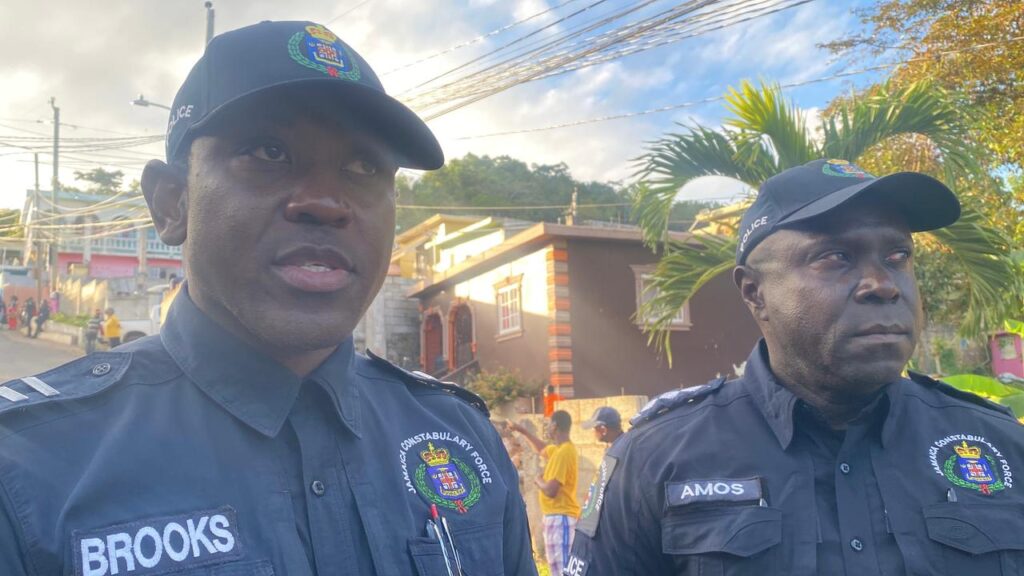
    Deputy Superintendent Valdin Amos, Zone One Commander, emphasized the critical importance of maintaining this hard-won peace during a coordinated walkthrough with journalists on Tuesday. “We have achieved a notably low crime rate here. Regressing to an era necessitating curfews and stringent police measures is not an option we are willing to entertain,” stated Amos. He affirmed that Greenvale represents one of several communities currently benefiting from this renewed engagement strategy.

    The operational model involves partnerships with key stakeholders, including the Social Development Commission and Southern Parks and Markets Waste Management. These agencies joined officers in engaging directly with residents to understand and address local concerns. Amos highlighted the community’s instrumental role in this success, noting that the lone murder in the past three years was solved with crucial assistance from local residents, fostering a environment where police and agencies are now openly welcomed.

    Inspector Romaine Brooks, sub-officer in charge of the Mandeville Police Station, detailed the proactive social component of the crime reduction strategy. A series of community events, including football, cricket, domino, netball, and even DJ competitions, are scheduled to launch, starting with a football league on February 15. These initiatives are designed specifically to engage youth and strengthen community bonds. Brooks confirmed that these efforts are receiving staunch support from the Manchester Chamber of Commerce and Custos Garfield Green, underscoring a unified approach to sustainable public safety.

  • Health official renews call for Jamaicans to get early screening for cancers

    Health official renews call for Jamaicans to get early screening for cancers

    KINGSTON, Jamaica – Dr. Carol Hamilton, Assistant Medical Officer of Health for St. Elizabeth parish, has reinforced the critical importance of early cancer detection during a World Cancer Day observance at the Southfield Health Centre on February 4. Emphasizing that timely screening significantly increases survival rates, Dr. Hamilton urged citizens to utilize Jamaica’s public health resources for preventive care.

    The event, held under this year’s global theme “United by Unique,” provided attendees with comprehensive education on cancer prevention, varieties of cancers, and screening protocols. Participants received free health services such as pap smears, mammogram referrals, dental check-ups, prostate-specific antigen (PSA) tests, digital rectal examinations, and blood pressure and glucose screenings.

    Presentations covered prostate, breast, cervical, and oral cancers, as well as the roles of nutrition and physical activity in cancer risk reduction. Dr. Hamilton highlighted that cervical cancer remains the second most fatal cancer among Jamaican women, primarily caused by the Human Papillomavirus (HPV). She strongly advocated for HPV vaccination, available free of charge to boys aged 9–14 and girls aged 9–26 within the public health system.

    Dr. Hamilton underscored that screenings should begin before symptoms emerge to maximize treatment efficacy and improve health outcomes. The event served as both an educational platform and a practical health service opportunity, aligning with worldwide efforts to reduce cancer mortality through awareness and proactive healthcare.

  • Medical ganja has been mishandled, not misunderstood

    Medical ganja has been mishandled, not misunderstood

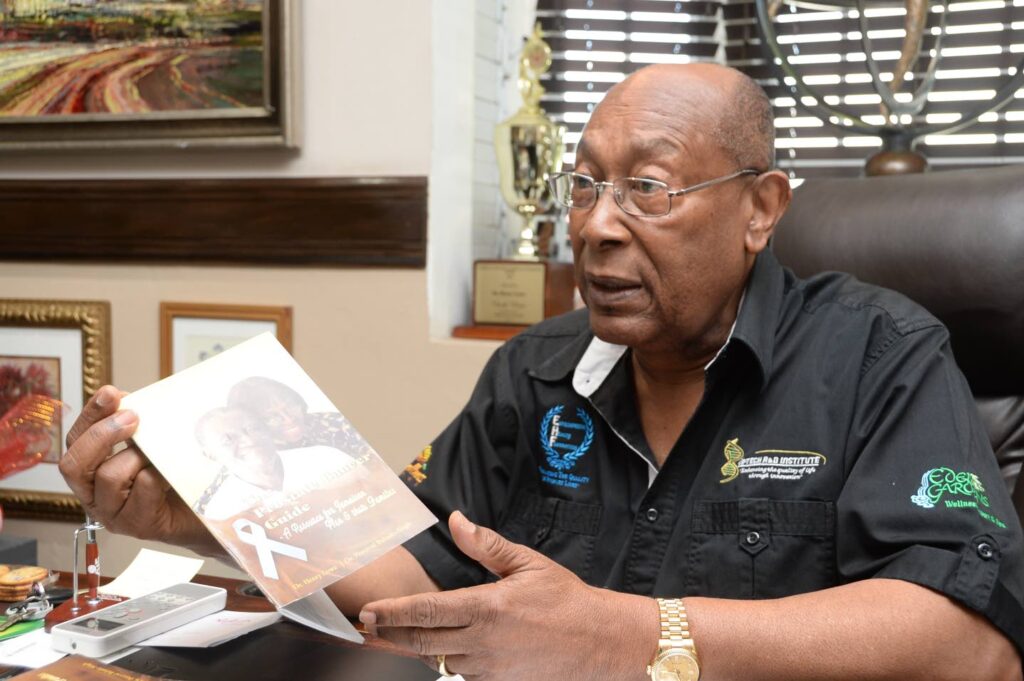
    Jamaica faces the imminent collapse of its legal cannabis industry due to systemic governance failures and lack of political commitment, according to Dr. Henry Lowe, a foundational figure in medical cannabis research. The renowned scientist, who co-developed one of the world’s first cannabis-derived glaucoma treatments, asserts that institutional timidity and regulatory confusion have squandered the nation’s pioneering advantage.

    Dr. Lowe’s critique highlights how Jamaica’s early breakthrough in cannabis medicine—including the revolutionary glaucoma eye drops he developed with colleagues—failed to translate into commercial leadership. While global markets expanded, foreign entities capitalized on Jamaican research and genetic resources without adequate local benefit. “What was developed here was commercialized elsewhere,” Lowe noted, emphasizing that decisive action could have prevented this intellectual drainage.

    The researcher sharply distinguishes between medical and recreational use, advocating for regulated medical applications while expressing concern about uncontrolled consumption. “Cannabis is a drug requiring proper dosage and purpose,” he stressed, underscoring the necessity of medical frameworks for safety and efficacy.

    Lowe attributes the industry’s underperformance to successive administrations from both major political parties (PNP and JLP) that offered rhetorical support but failed to implement effective policies. He particularly criticized the Cannabis Licensing Authority’s conflicting dual role as both regulator and promoter, arguing that this fundamental design flaw inhibits progress. Additional coordination gaps between the Ministry of Health and other agencies have further stalled development.

    Unless immediate corrective measures are implemented, Lowe warns of total industry collapse. “I only see the negative aspects highlighted in media,” he observed, noting that without urgent structural reforms, Jamaica’s medical cannabis sector faces irreversible decline.

  • Democratic lawmakers accuse US attorney general of Epstein file ‘cover-up’

    Democratic lawmakers accuse US attorney general of Epstein file ‘cover-up’

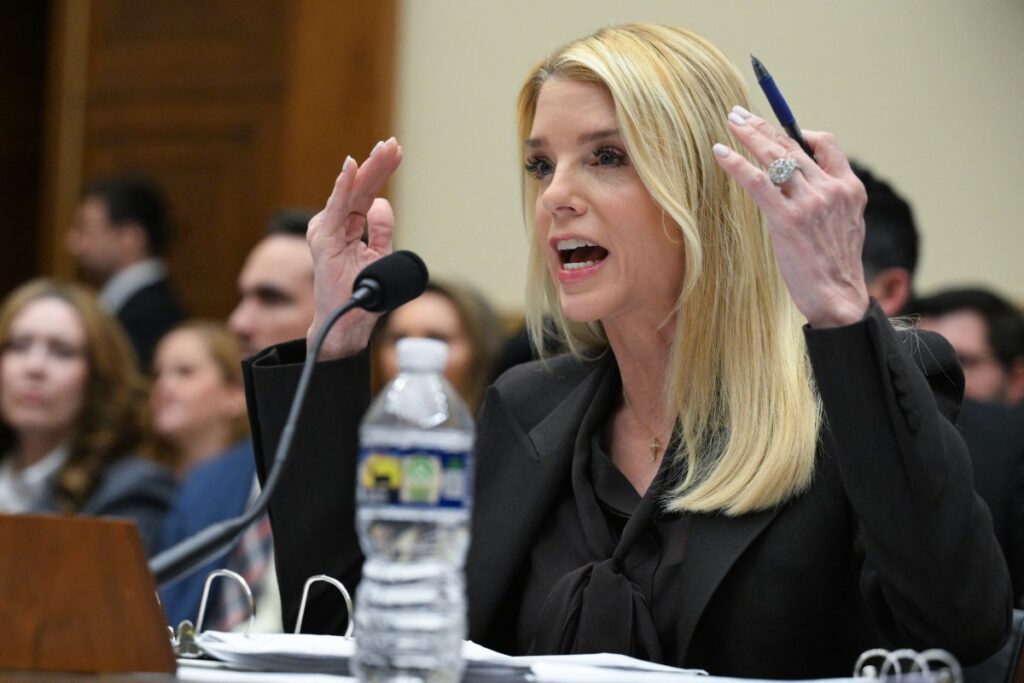
    WASHINGTON, United States – Congressional Democrats launched scathing accusations against Attorney General Pam Bondi during a heated House Judiciary Committee hearing on Wednesday, alleging a systematic cover-up of Jeffrey Epstein-related documents and the transformation of the Justice Department into President Donald Trump’s personal instrument of retaliation.

    The hearing, attended by several of Epstein’s victims, witnessed intense exchanges as Democratic representatives condemned the handling of evidence related to the convicted sex offender. Representative Jamie Raskin, the committee’s ranking Democrat, spearheaded the criticism, asserting that the Justice Department had deliberately suppressed millions of documents despite congressional mandates.

    “You’re orchestrating a massive Epstein cover-up directly from the Department of Justice,” Raskin declared. “Despite subpoenas and congressional orders demanding six million documents, photographs, and videos, you’ve produced merely half that amount.”

    The Epstein Files Transparency Act (EFTA), passed with overwhelming congressional support in November, legally compelled the Justice Department to release all Epstein-related documents within 30 days. The legislation specifically required redaction only for victims’ identities—numbering over 1,000 according to FBI estimates—while explicitly prohibiting the shielding of powerful associates, including politicians and business magnates, based on embarrassment or political sensitivity.

    Raskin countered Bondi’s claims of compliance, stating that numerous names of “abusers, enablers, accomplices and co-conspirators” had been improperly redacted, apparently to protect them from public scrutiny. He further alleged that the department had simultaneously failed to adequately protect victims’ identities.

    Attorney General Bondi, a staunch Trump ally, defended the department’s efforts, noting that hundreds of attorneys and reviewers had dedicated thousands of hours to document examination. “We’ve released over three million pages, including 180,000 images, to the public while striving to protect victims within the legislative timeframe,” she testified.

    Beyond the Epstein controversy, Democrats condemned what they characterized as politically motivated prosecutions against Trump’s opponents, including former FBI Director James Comey and New York Attorney General Letitia James. Raskin accused Bondi of transforming “the people’s Department of Justice into Trump’s instrument of revenge,” suggesting the department responded to presidential directives like “ordering pizza.”

    The context of these allegations traces back to Epstein’s death in his New York jail cell in 2019 while awaiting trial for sex trafficking minors—a death ruled suicide. His associate, Ghislaine Maxwell, remains the only individual imprisoned in connection with Epstein’s crimes, serving a 20-year sentence for sex trafficking underage girls.

    Trump’s prolonged resistance to document release regarding Epstein—a former longtime friend—ultimately succumbed to Republican pressure, leading to his endorsement of the transparency law. This legislative move reflected growing public demand for accountability regarding suspected protections for powerful figures within Epstein’s network.

  • Jamaica 3 – 1 Canada: Young Reggae Boyz book ticket to U17 World Cup

    Jamaica 3 – 1 Canada: Young Reggae Boyz book ticket to U17 World Cup

    In a decisive Concacaf Group G qualifier held in Alajuela, Costa Rica, Jamaica’s Under-17 national team secured a triumphant 3-1 victory over Canada on Wednesday, clinching their place in the upcoming FIFA U-17 World Cup in Qatar. The young Reggae Boyz concluded a flawless qualifying campaign with a perfect record of nine points from three matches, having previously secured commanding wins against Aruba and the Cayman Islands.

    The match’s narrative was shaped by strategic brilliance and pivotal moments. Captain Jahmarie Nolan broke the deadlock in the 37th minute with a precise volley, capitalizing on a cross from Jamone Lyle. This opening goal shifted momentum against a Canadian side that had initially dominated possession. Lyle then magnificently doubled Jamaica’s lead in the 53rd minute after an impressive solo run, evading two defenders to slot the ball into the far corner.

    Canada managed a temporary resurgence in the 71st minute through a controversially awarded penalty, converted by Van Parker after a disputed challenge in the box. However, any hope of a comeback was extinguished when substitute Vincente Lourenco received a second yellow card, reducing Canada to ten men for the final stretch. Sealing the victory, substitute Jaheem Bennett netted Jamaica’s third goal in added time, finishing a swift counterattack initiated by Nolan.

    This victory marks a significant milestone for Jamaican youth football, representing the nation’s first qualification for the tournament since 2011 and only its third appearance overall. The team demonstrated resilience, adapting to an early forced substitution after an injury to Kenoy Banton. In the group’s other fixture, Aruba concluded their schedule with a 3-1 win over the Cayman Islands.

  • NEW TAXES AHEAD

    NEW TAXES AHEAD

    Jamaica stands at a critical fiscal crossroads as it prepares to implement its first new tax measures in almost ten years, marking a significant departure from its sustained policy of fiscal discipline. This strategic shift comes in direct response to the catastrophic impact of Hurricane Melissa, which inflicted an estimated US$8.8 billion in damages—equivalent to 41% of the nation’s GDP—when it struck on October 28th.

    According to prominent economist Dr. Damien King, the sheer scale of destruction has fundamentally reshaped Jamaica’s economic landscape, making previous commitments to balanced budgets and a ‘no new taxes’ pledge untenable. The hurricane’s aftermath has created dual pressures: sharply reduced revenue streams, particularly from the hard-hit western regions where tourism, agriculture, and retail sectors suffered severe disruptions, and simultaneously surging expenditure demands for reconstruction.

    The government’s fiscal response will likely involve a multi-pronged approach combining additional borrowing, a temporary pause in debt reduction targets, and new revenue-generating measures. Since the disaster, the administration has already presented four supplementary estimates to Parliament, increasing total expenditure from approximately $1.26 trillion to $1.39 trillion to address immediate recovery needs.

    Despite these short-term challenges, King emphasizes that Jamaica’s hard-won fiscal credibility remains intact, thanks to over a decade of disciplined reform that has transformed the nation from being the world’s third most indebted country to possessing what he describes as ‘world-class improvements’ in fiscal management. This foundation has allowed Jamaica to absorb the shock without alarming international lenders or credit rating agencies.

    The upcoming 2026/27 Estimates of Expenditure, to be tabled by Finance Minister Fayval Williams, will represent what King terms a ‘hurricane budget,’ acknowledging that reconstruction costs cannot be absorbed within existing revenue frameworks. The Independent Fiscal Commission projects tax collections will fall $80 billion below original estimates this fiscal year, further limiting options for funding recovery without new revenue measures.

    While the path forward may delay Jamaica’s target of reducing debt-to-GDP to 60% by several years, economists maintain confidence that the benchmark will eventually be achieved, demonstrating the nation’s resilient fiscal framework even in the face of unprecedented natural disaster.

  • Carreras supports Project STAR’s Hurricane Melissa response with $5m donation

    Carreras supports Project STAR’s Hurricane Melissa response with $5m donation

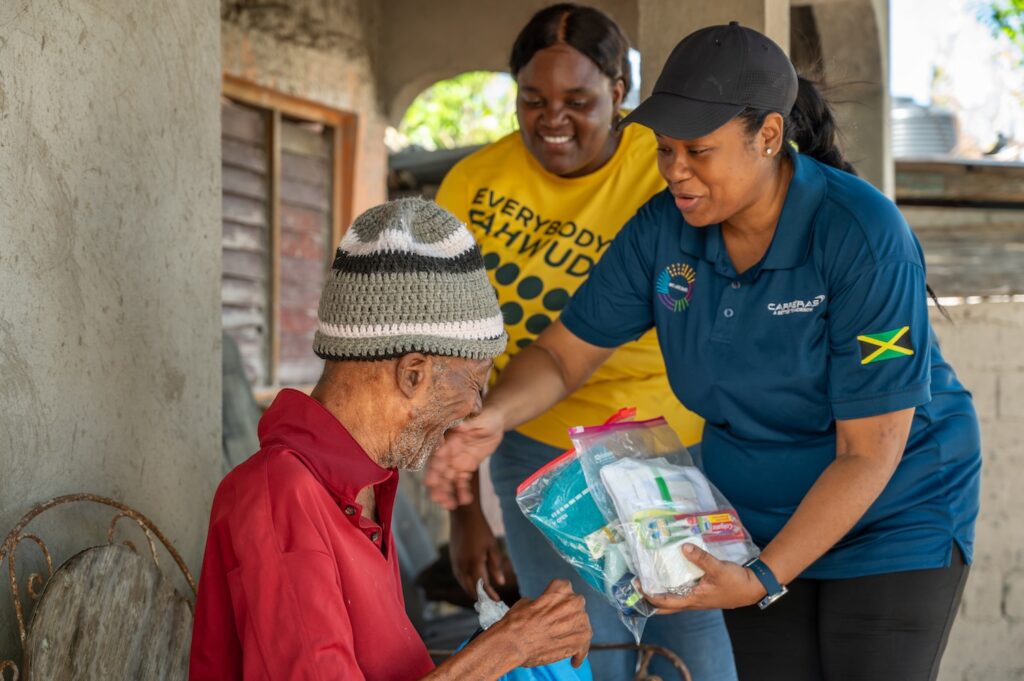
    WESTMORELAND, Jamaica — A substantial corporate contribution has accelerated hurricane recovery initiatives in vulnerable Jamaican communities, with tobacco company Carreras injecting $5 million (JMD) into Project STAR’s relief programs. This strategic donation enhances coordinated efforts to address both immediate humanitarian needs and long-term economic stability in regions devastated by Hurricane Melissa.

    The funding has enabled critical assistance for hundreds of households in Salt Spring, St James, and Savanna-la-Mar, Westmoreland—communities that experienced severe infrastructure damage and livelihood disruption following the hurricane’s passage. Many residents faced acute food insecurity and income loss in the storm’s aftermath, making rapid intervention essential for community survival.

    Project STAR Director Saffrey Brown emphasized the significance of targeted private-sector support aligned with specific community needs. “Hurricane Melissa created devastating consequences for families relying on small businesses and informal economic activities,” Brown stated. “Carreras’ timely support enabled us to deliver assistance efficiently through our established community networks while maintaining dignity and transparency in distribution.”

    This latest contribution elevates Carreras’ total investment in Project STAR’s initiatives to $35 million, demonstrating a sustained commitment to community development and disaster resilience. Corporate Affairs Manager Imega Breese McNab characterized community resilience as a shared corporate responsibility, noting that “natural disasters don’t conclude when headlines disappear—their effects linger for families and small businesses. Our partnership reflects the belief that meaningful support must extend beyond emergency aid to rebuild livelihoods and strengthen future preparedness.”

    Complementing financial support, Carreras recently hosted a Christmas outreach in Savanna-la-Mar, providing warm meals and gifts to over 200 residents during the holiday season. This initiative offered both practical support and emotional relief to families continuing to grapple with the hurricane’s long-term impacts.

    Project STAR is now strategically transitioning from emergency relief to recovery and resilience-building programs. “Our next phase focuses on business restart support, helping entrepreneurs recover lost income, repair equipment, and re-establish operations,” Brown explained. This collaborative model between private sector resources and community-based organizations demonstrates an innovative approach to national resilience, ensuring affected communities not only receive immediate support but also develop capacity for long-term recovery and future shock absorption.

  • New taxes coming, Gov’t confirms

    New taxes coming, Gov’t confirms

    KINGSTON, Jamaica – In a significant fiscal policy shift, Finance Minister Fayval Williams declared Wednesday that Jamaica will implement new taxation measures as part of its forthcoming national budget. This decision responds to the catastrophic economic impact of Hurricane Melissa, which caused devastation equivalent to approximately 41% of the nation’s gross domestic product.

    The hurricane resulted in an estimated US$8.8 billion in damages, creating unprecedented reconstruction needs and increased public service demands while simultaneously reducing government revenue streams due to widespread economic disruption across multiple sectors.

    Williams emphasized that the government faces a critical balancing act between addressing immediate disaster recovery requirements and maintaining Jamaica’s hard-won fiscal discipline. Independent analysts confirm that the magnitude of this fiscal crisis makes new taxation inevitable after nearly ten years without such measures.

    “We recognize the resulting fiscal gap cannot be ignored,” Williams stated, confirming “measured steps” would be taken, including necessary tax initiatives within the budget framework.

    The Finance Minister explicitly rejected financing the entire deficit through borrowing, referencing Jamaica’s painful history with debt traps characterized by decades of high indebtedness, crippling interest payments, and constrained fiscal flexibility. “We have lived through the debt trap before,” Williams noted, adding that the government remains committed to preserving the fiscal progress achieved in recent years.

    While borrowing will continue to play a strategic role, Williams clarified it would be specifically targeted toward capital investments in infrastructure, agriculture, logistics, and digital systems designed to enhance productive capacity and strengthen economic resilience.

    Drawing a clear distinction between recurrent expenses and growth-oriented investment, Williams asserted: “As far as possible, recurrent expenses must be financed by taxation revenue.

    The government simultaneously offered reassurances that equity principles would guide tax design, with officials currently reviewing systemic anomalies to ensure fair burden distribution and protection for vulnerable populations.

    This budget represents a pivotal moment for Jamaica’s long-term economic stewardship, coming after more than a decade of fiscal credibility restoration through debt reduction and sustained primary surpluses following repeated economic crises. Williams framed the current decisions as determinative for whether future generations inherit an economy constrained by unsustainable debt or strengthened through resilience and opportunity.

  • Wisynco reaps gains from expansion as earnings jump

    Wisynco reaps gains from expansion as earnings jump

    Jamaican manufacturing giant Wisynco Group Limited has demonstrated remarkable operational resilience, turning a major hurricane disruption into a showcase for its strengthened production capabilities and diversified distribution network. The company’s substantial $5 billion strategic investment over three years proved its worth when Hurricane Melissa struck western Jamaica in late October, testing the infrastructure of the entire region.

    Despite severe damage to tourism infrastructure and utility networks that forced closures at major resorts including Hyatt and Royalton properties, Wisynco emerged from the crisis with impressive financial results. The company’s October-to-December quarter performance revealed a 14% revenue surge to $16.19 billion, driven by enhanced production capacity and successful distribution channel management.

    The hurricane’s impact on food service and hotel channels was effectively offset by stronger performance across other distribution networks. Chairman William Mahfood noted that the company’s expanded manufacturing capabilities, developed over the past 18 months, have begun yielding significant dividends. “We’re getting greater production, greater demand and meeting the demand out there,” Mahfood stated in an interview with Jamaica Observer.

    Wisynco’s scale advantages became increasingly evident as higher output volumes allowed for more efficient absorption of fixed costs. This operational leverage propelled gross profit upward by 27% to $5.92 billion, while operating profit skyrocketed 54% to $1.85 billion. Net profit reached $1.48 billion, representing nearly 50% growth compared to the same period last year.

    The company’s strategic moves extended beyond organic growth, with Wisynco revealing its acquisition of a 30% stake in Ringtail Holdings Limited for $2.45 billion. This transaction implicitly values the alcoholic beverage group at approximately $8.16 billion. Additionally, Wisynco acquired Ringtail Bottlers Limited for $161.29 million, further strengthening its position in brewed and alcoholic beverages.

    Market confidence in Wisynco’s trajectory is evident in its stock performance, with shares climbing 22% year-to-date to close at $22.74. This performance elevates the company into the top 10 listings on the Jamaica Stock Exchange by market capitalization, now standing at $86.48 billion. The declaration of a $0.23 dividend payable in March further underscores management’s belief in the sustainability of current earnings growth.

    Looking forward, Mahfood expressed optimism about reconstruction-driven demand through 2026, particularly noting continued momentum from the company’s alcohol-based products. The company’s export business also grew by 14%, though it remains a modest portion of overall sales at just 2%.

    Wisynco’s leadership acknowledged the hurricane’s severe impact on western parishes while commending the resilience demonstrated by Jamaicans and relief organizations during the recovery efforts.