标签: Dominican Republic

多米尼加共和国

  • COE reports high accident rate during first day of Christmas Safety Operation

    COE reports high accident rate during first day of Christmas Safety Operation

    SANTO DOMINGO – Dominican authorities reported a sobering toll from the inaugural 24-hour period of Operation Awareness for Life, the nationwide holiday safety initiative spanning Christmas and New Year 2025-2026. The Emergency Operations Center (COE) documented six fatalities and 63 traffic accidents between 6:00 AM December 24 and 6:00 AM December 25, underscoring the dangers of heightened seasonal road activity.

    Motorcycle-related incidents dominated accident statistics, constituting 48 of the total reported cases. Fatality analysis revealed three deaths each from motorcycle collisions and passenger vehicle accidents. Notably, only one death occurred within an established traffic safety checkpoint while five transpired beyond these controlled zones.

    Beyond traffic incidents, medical personnel addressed 165 poisoning cases – including 131 alcohol intoxication incidents (nine involving minors) and 34 food poisoning emergencies. Geographical distribution showed San Cristóbal, Santo Domingo, National District, San Pedro de Macorís, Duarte and Sánchez Ramírez as provinces with the highest incident concentrations.

    Preventative measures formed a crucial component of the operation. The National Institute of Transit and Transportation (Intrant) conducted nearly 8,000 public transport inspections nationwide, administering 321 substance tests to drivers which yielded six positive results. Simultaneously, Digesett traffic authorities performed over 8,200 traffic violation inspections, implemented vehicle impoundments for regulatory non-compliance, and delivered more than 10,000 roadside assistance interventions.

    Officials emphasized these statistics represent merely the operation’s initial phase, renewing urgent appeals for public vigilance and strict adherence to traffic regulations throughout the remainder of the holiday period.

  • Aqueduct pipe rupture in Sabana Iglesia triggers emergency measures

    Aqueduct pipe rupture in Sabana Iglesia triggers emergency measures

    SANTIAGO PROVINCE – A critical infrastructure failure has triggered a large-scale emergency response in the Dominican Republic’s Santiago province. On Thursday, December 25th, at 11:20 a.m., the primary intake pipe of the Cibao Central aqueduct ruptured in the community of La Zanja, Sabana Iglesia.

    The Santiago Water and Sewerage Corporation (Coraasan) has confirmed the incident resulted in no human casualties. However, the severity of the damage prompted an immediate declaration of an emergency status for the area. Heavy machinery and specialized technical crews were swiftly deployed to the site to initiate urgent repair operations.

    This conduit is the principal raw water supply line for the Noriega and Dura Moca treatment systems, boasting a substantial conveyance capacity of 5 cubic meters per second—equivalent to 115 million gallons daily. Consequently, the rupture has forced the complete shutdown of both the Dura Moca and Cibao Central aqueducts.

    The service interruption has left an estimated 800,000 residents across multiple communities without access to running water, creating a significant public utility crisis. In parallel with the engineering efforts, Coraasan’s social management division is actively conducting on-the-ground assessments. Their mission is to evaluate the broader impact on local families and coordinate necessary aid and support services.

    Authorities have committed all available institutional resources to expedite the restoration process, though a definitive timeline for full water service resumption has not yet been established. The situation remains dynamic as repair work continues around the clock.

  • Merry Christmas and Happy Holidays from the Dominican Today

    Merry Christmas and Happy Holidays from the Dominican Today

    The Dominican Today newspaper has extended heartfelt seasonal greetings to its readership, wishing them a Christmas celebration characterized by peace, love, and meaningful familial connections. In a holiday announcement, the publication confirmed its temporary operational pause during the Christmas observance period. The news outlet specified December 26 as its return date, upon which it will resume delivering comprehensive news coverage and timely updates. This brief intermission represents the organization’s commitment to allowing both staff and readers to fully engage in holiday traditions and personal celebrations. The publication emphasized its dedication to maintaining its standard of relevant journalism upon resumption of regular service following the Christmas holiday.

  • Government launches Preventive Cell Phone Inspection Center to combat stolen devices

    Government launches Preventive Cell Phone Inspection Center to combat stolen devices

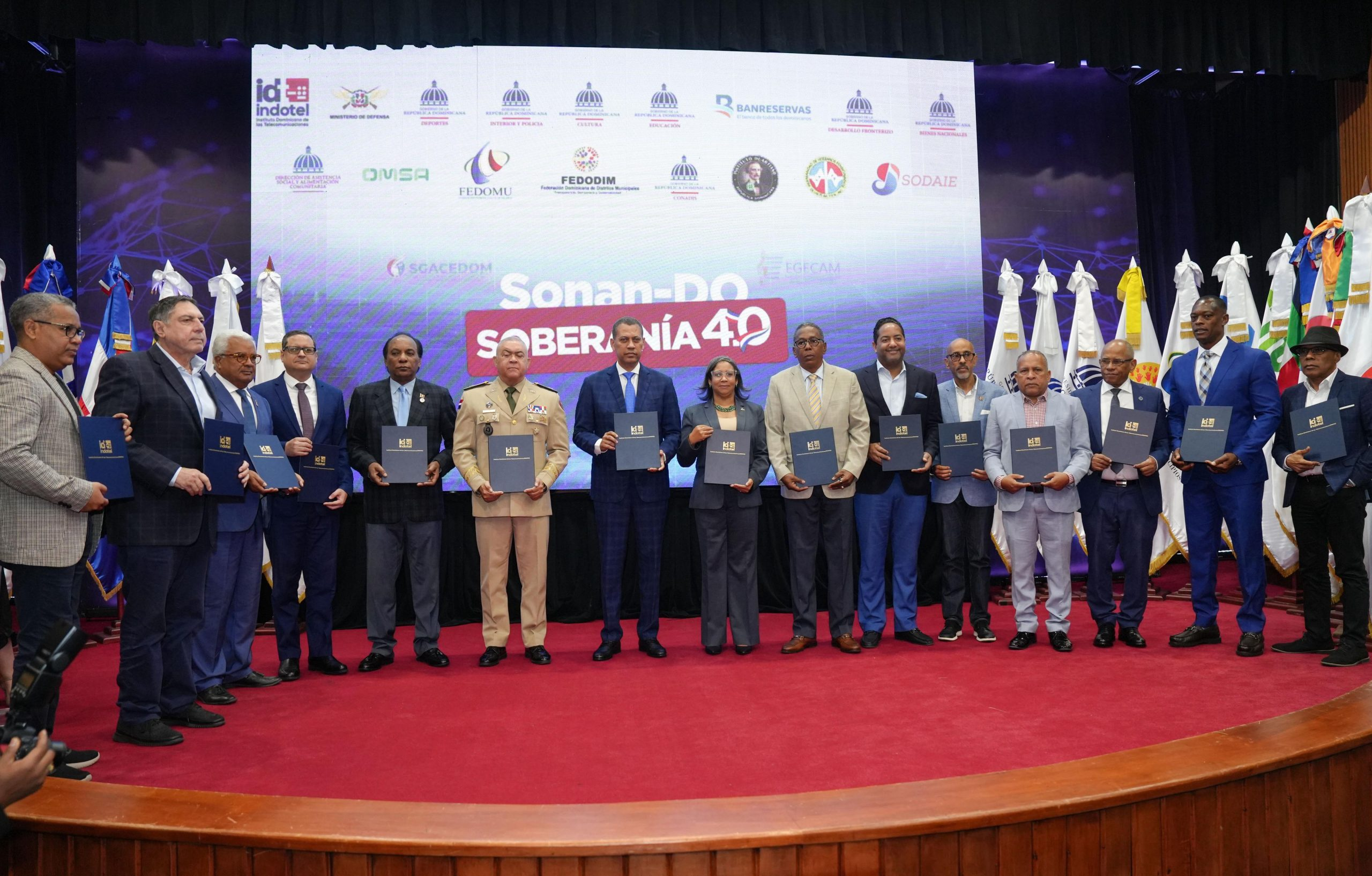
    Santo Domingo has become the site of a groundbreaking public safety initiative with the inauguration of the Preventive Cell Phone Inspection Center. This multi-agency collaboration brings together the Ministry of the Interior and Police, National Police, INDOTEL, and the Attorney General’s Office in a concerted effort to disrupt the illicit mobile device market.

    The innovative facility provides Dominican citizens with a crucial service: the ability to authenticate the legal status of any mobile phone prior to purchase or transaction completion. This preventive mechanism addresses growing concerns about devices circulating through informal markets that may carry hidden legal entanglements, including stolen status, network blocking, or association with criminal activities.

    Strategically positioned on the second level of Plaza Central along 27 de Febrero Avenue, the center represents a significant component of the government’s comprehensive strategy to enhance public security measures. By targeting the underground economy surrounding mobile devices, authorities aim to simultaneously protect consumers from unintended legal consequences and reduce incentive for phone theft through market disruption.

    Officials are actively encouraging public utilization of this verification service, emphasizing that a simple pre-purchase check can shield buyers from potential technical and legal complications while contributing to broader crime reduction efforts across the nation.

  • U.S. Embassy in the Dominican Republic closed for Christmas holiday

    U.S. Embassy in the Dominican Republic closed for Christmas holiday

    SANTO DOMINGO – The United States Embassy and its consular offices in the Dominican Republic will suspend regular operations from December 24 to 26, 2025, encompassing facilities in Santo Domingo, Punta Cana, and Puerto Plata. This temporary closure aligns with a U.S. federal executive order mandating the shutdown of all federal executive branch agencies during this period, which includes the federally recognized Christmas holiday on December 25.

    In an official communication disseminated via its social media platforms, the embassy confirmed that individuals with pre-scheduled appointments for consular services—including visa processing, passport applications, and notarial acts—will receive direct notifications regarding the rescheduling of their sessions. Standard operational services are projected to recommence at 7:00 a.m. on Monday, December 29, 2025.

    Crucially, the diplomatic mission emphasized that emergency services for American citizens will remain uninterrupted throughout the closure interval. The embassy affirmed its commitment to providing urgent assistance in critical scenarios involving arrests, severe health emergencies, fatalities, or missing persons reports, ensuring continuous support for U.S. nationals in distress.

  • Foreign Ministry clarifies bidding process for Foreign Service health insurance

    Foreign Ministry clarifies bidding process for Foreign Service health insurance

    The Dominican Republic’s Ministry of Foreign Affairs (MIREX) has successfully rectified what it identified as an unlawful and discriminatory administrative practice concerning health insurance coverage for its diplomatic corps. This reform follows the expiration of a contract dating back to 2018 and the subsequent execution of fully compliant public tender processes.

    Upon its administrative review in 2020, MIREX discovered a significant inequity in the existing policy. International health insurance had been improperly restricted to ambassadors and a limited number of minister-counselors, a direct violation of the nation’s Law No. 630-16. This left a substantial portion of foreign service personnel and their families without adequate coverage.

    To address this, the ministry initiated a national public bidding process in October 2022. This procedure, conducted in strict accordance with Public Procurement and Contracting regulations, resulted in the contract being awarded to WorldWide Seguros. The company successfully demonstrated the requisite technical capabilities and presented the most economically advantageous offer. This new agreement extended vital health insurance coverage to all members of the diplomatic and consular services, along with their dependents, thereby restoring institutional equity and legal compliance.

    With the initial contract set to expire in September 2025, MIREX proactively launched a new tender. Four insurance providers participated in this competitive process. WorldWide Seguros was again selected as the winning bidder after presenting the lowest cost proposal while meeting all quality and service benchmarks. The ministry emphasized that both the 2022 and 2025 bidding cycles were executed with the highest standards of transparency and ethical procurement, ensuring both fiscal responsibility and equitable service provision for all foreign service employees.

  • Banreservas affirms financial strength amid public speculation

    Banreservas affirms financial strength amid public speculation

    SANTO DOMINGO – In response to recent public discourse questioning its stability, Banco de Reservas de la República Dominicana (Banreservas) has issued a robust declaration of its financial health and operational resilience. The state-owned financial institution released an official communiqué detailing its formidable standing as of late November 2025, attributing its strength to a foundation of prudent risk management, exceptional liquidity, and robust capitalization, all of which have fueled consistent growth in its operational outcomes.

    The bank’s statement underscored that its core financial metrics—including solvency, liquidity, and asset quality ratios—not only meet but significantly surpass the stringent minimums mandated by regulators. This performance is anchored by a substantial equity base and a management philosophy dedicated to the absolute security of customer deposits and the overarching stability of the nation’s financial framework. Banreservas explicitly confirmed its unwavering adherence to the Dominican Republic’s Monetary and Financial Law and all associated regulatory statutes.

    Further solidifying its position, the bank emphasized its operational environment, which is subject to continuous and rigorous oversight by the country’s monetary and regulatory authorities. This scrutiny ensures compliance with elevated standards of corporate governance, comprehensive risk control protocols, and full transparency. Concluding its statement, Banreservas passionately reaffirmed its foundational commitment to maintaining public trust, ensuring the safety of depositor assets, and playing a pivotal role in the ongoing reinforcement of the Dominican financial system.

  • Customs recovers RD$1.59 billion in taxes after audits of Asian importers

    Customs recovers RD$1.59 billion in taxes after audits of Asian importers

    Santo Domingo – Dominican Republic’s tax authority has successfully recovered approximately RD$1.592 billion in unpaid import duties through targeted enforcement operations. The General Directorate of Customs (DGA) conducted 49 comprehensive audits focusing primarily on businesses within the Asian import sector, with particular emphasis on enterprises of Chinese origin, according to their year-end 2025 report.

    The audits represent a strategic component of the agency’s post-clearance monitoring system designed to enhance compliance with customs regulations. These measures ensure proper declaration protocols, accurate commodity valuation, correct classification of goods, and full payment of applicable import taxes.

    In a recent enforcement action, Customs officials intervened at a commercial establishment in La Vega province to verify adherence to current customs requirements. The DGA’s broader enforcement efforts between 2020 and 2025 have yielded substantial results, with 139 audits conducted resulting in total tax adjustments reaching RD$4.509 billion. The agency emphasized that legitimate trade operations continue unaffected throughout these compliance measures.

    The DGA highlighted its collaborative approach through the Roundtable Against Unfair Competition and Illicit Trade, an interagency initiative led by the Ministry of Finance and Customs. This partnership brings together public institutions and private sector representatives to combat customs fraud.

    Key implemented strategies include enhanced risk analysis during cargo processing, deployment of advanced X-ray scanning technology, utilization of body cameras for transparency, coordinated audits with the Internal Revenue Service (DGII), international cooperation with foreign customs administrations, and permanent closure of companies engaged in illicit activities.

  • Dominican Republic deploys 48,000 personnel for nationwide Christmas safety operation

    Dominican Republic deploys 48,000 personnel for nationwide Christmas safety operation

    SANTO DOMINGO – In a comprehensive nationwide initiative to combat holiday-related fatalities, the Dominican Republic has activated an extensive Christmas security operation mobilizing over 48,000 personnel. The strategic deployment, orchestrated by the Emergency Operations Center (COE), establishes 1,301 fixed and mobile assistance stations strategically positioned across high-risk zones. This intervention specifically targets the reduction of traffic accidents—a predominant cause of mortality in the nation—along with alcohol poisoning incidents and food-related emergencies during the festive season.

    The operational framework incorporates a substantial fleet of 250 ambulances, specialized vehicle rescue and extrication units, mobile automotive workshops, and pre-hospital care facilities. Enhancing emergency response capabilities, three helicopters have been deployed with support from first responders, medical professionals, police and military units, and trained volunteers. COE Director Juan Manuel Méndez García emphasized the necessity of public responsibility throughout the celebrations while announcing a subsequent operational phase from December 30, 2025, through January 1, 2026.

    Complementary preventive measures include circulation restrictions imposed by Intrant (National Institute of Traffic and Land Transport) on heavy cargo vehicles during peak travel dates. The institution has intensified nationwide vehicle inspections, executing over 2,200 checks at major transport terminals. Simultaneously, Digesett (General Directorate of Traffic Safety and Land Transport) has reinforced road surveillance and implemented mandatory breathalyzer testing for intercity bus drivers.

    To facilitate public mobility, OPRET (Office for the Reorganization of Transport) has published special holiday schedules for the Santo Domingo Metro and cable car systems. Concurrently, OMSA (Metropolitan Office of Bus Services) will adjust bus operating hours from December 23, 2025, to January 7, 2026, including modified services on Christmas Eve, Christmas Day, New Year’s Eve, and New Year’s Day.

  • Mexico’s anti digital nomad backlash is Dominican Republic’s warning

    Mexico’s anti digital nomad backlash is Dominican Republic’s warning

    The rising tensions surrounding digital nomadism in Mexico City did not emerge overnight from mere café laptop sightings, but from systemic governmental failure to recognize a global workforce transformation as anything beyond a tourism niche. This institutional blindness to housing market disruptions, neighborhood identity erosion, and socioeconomic stratification now serves as a stark warning for the Dominican Republic.

    Mexico’s current turmoil exemplifies the consequences of allowing remote work migration to operate on autopilot. The initial fantasy—that digital nomads were merely affluent tourists with extended stays—collapsed when thousands began renting apartments for months, doubling local rents within years and transforming community spaces into English-speaking bubbles without corresponding income growth for residents.

    The Dominican Republic already exhibits identical patterns in neighborhoods like Piantini, Punta Cana, and Las Terrenas, where foreign remote workers negotiate salaries in stronger currencies, pay premium rents through tax-opaque platforms, and blur legal distinctions between visitors and residents. Despite official denial, economic realities mirror Mexico’s trajectory: landlords prioritizing foreign tenants, services recalibrating for dollar-based pricing, and governmental agencies maintaining outdated categorization systems.

    Mexico’s critical failure was institutional—the absence of mechanisms to track duration of stay, housing market impact, or obligations to host communities. This governance vacuum allowed speculation and digital platforms to dictate urban development until resentment became politically unavoidable.

    The Dominican Republic retains a narrow window to implement intelligent systems: simplified digital registration linking migration data with income verification, housing market safeguards preventing middle-class displacement, and structured integration initiatives connecting nomads with local universities and businesses. Fiscal clarity must replace gray zones to prevent the parallel societies emerging in Mexico, where globalized enclaves operate separately from increasingly marginalized locals.

    This challenge transcends tourism policy, demanding new institutions with cross-sector authority to manage mobility, data, and innovation simultaneously. The upcoming Digital Nomad Summit 2026 in Santo Domingo represents a critical forum for confronting these issues before street protests force reactive policies. Mexico’s experience is not a distant scandal but a preview of the Dominican future—a choice between proactive governance and becoming another case study in urban disruption.