标签: Dominican Republic

多米尼加共和国

  • Vice President inaugurates Cotoperí Solar, largest photovoltaic complex in Central America and the Caribbean

    Vice President inaugurates Cotoperí Solar, largest photovoltaic complex in Central America and the Caribbean

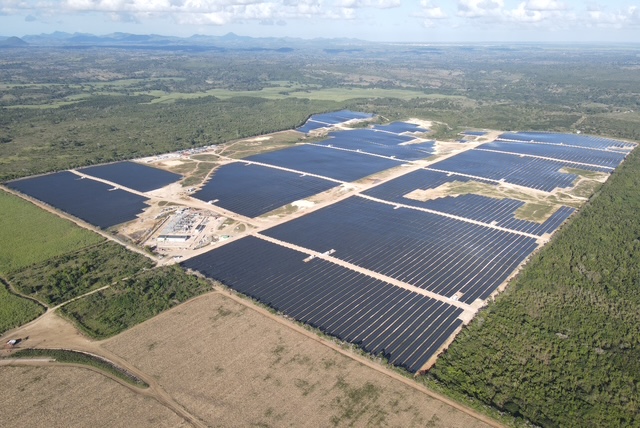
    In a landmark event for renewable energy, Vice President Raquel Peña officially launched the Cotoperí Solar complex on Wednesday, marking it as the largest photovoltaic project in Central America and the Caribbean. Situated in Guaymate, La Romana, this state-of-the-art facility boasts a nominal capacity of 162.6 MW, comprising three solar plants that are projected to generate 286 GWh of clean energy annually. This significant output is expected to offset over 210,000 tons of CO₂ emissions, an environmental impact equivalent to planting 5.5 million trees.

    The inauguration ceremony was graced by prominent figures including Energy and Mines Minister Joel Santos, Acciona President and CEO José Manuel Entrecanales, JMMB Dominican Republic Executive President Juan José Melo, and Grupo País CEO Juan Carlos País. The project is a joint venture, with Acciona Energía holding a 51% stake and Cotosolar Holding, which includes the JMMB Sustainable Energy Fund (FES), Grupo País, and other investors, owning the remaining 49%.

    Beyond its environmental contributions, Cotoperí Solar has already spurred substantial economic and social development in the region. During its construction phase, the project created over 600 direct and indirect jobs. Additionally, it has implemented community-focused initiatives benefiting more than 3,500 individuals. These programs include job placement schemes that prioritize local employment, vocational and entrepreneurship training, and road safety campaigns.

    In collaboration with Centro Arcoíris and acciona.org, Cotoperí Solar is also addressing critical infrastructure needs by improving water and sanitation access for over 4,500 residents in the Bella Vista and Villa Penca communities of Bajos de Haina. This multifaceted approach underscores the project’s commitment to fostering sustainable development and enhancing the quality of life for local populations.

  • Manual line disconnection triggered nationwide blackout, report says

    Manual line disconnection triggered nationwide blackout, report says

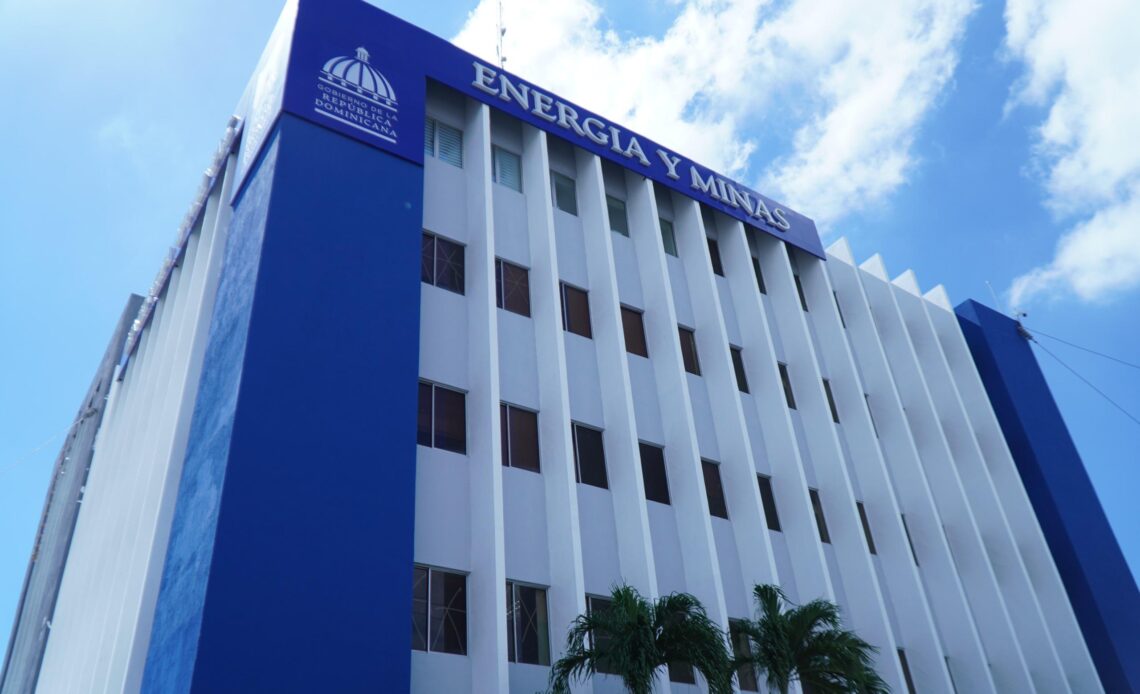
    The Coordinating Body of the National Interconnected Electric System (OC-SENI) in the Dominican Republic has concluded its technical investigation into the nationwide blackout that occurred on November 11. The comprehensive report, now available on the agency’s website, was completed within the same month of the incident—a notably faster turnaround compared to similar investigations in countries like Spain or Chile, which can take up to five months. The inquiry was conducted by a multidisciplinary team, underscoring the urgency and thoroughness of the process. The blackout originated at the 138 kV San Pedro de Macorís I substation, where a manual disconnection of a live line caused a high-intensity short circuit. Although protection systems responded immediately, the fault led to the disconnection of several nearby lines, isolating 575 MW of generation in the eastern region from the grid. This imbalance triggered automatic shutdowns of major power plants as part of their safety mechanisms. While SENI managed to stabilize system frequency within 89 seconds, the grid’s vulnerability, due to the lack of synchronized cold reserve capacity and incomplete replacement of EDAC circuits, resulted in a sudden frequency collapse and total system shutdown. The OC-SENI report not only details the sequence of events but also proposes corrective measures to bolster grid resilience. These include installing additional protections in double-bus substations, enhancing operational protocols to integrate thermal and renewable technologies, incorporating battery-based storage for auxiliary services and black-start capability, adjusting protection settings and automatic disconnection schemes, and reviewing high-frequency criteria in generation plants. The Coordinating Body is now focused on overseeing the implementation of these recommendations to improve the efficiency, safety, and reliability of the SENI.

  • Abinader authorizes United States to use San Isidro Air Base and AILA for security operations

    Abinader authorizes United States to use San Isidro Air Base and AILA for security operations

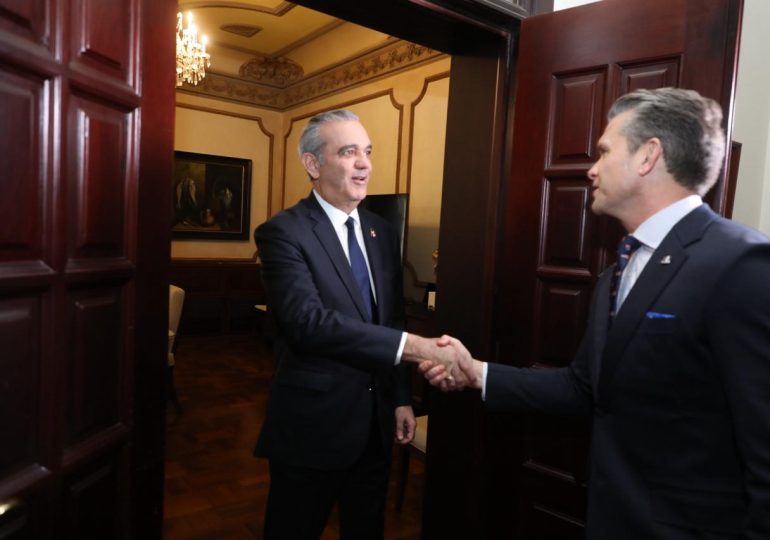
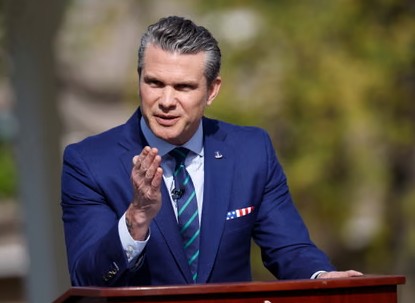
    In a significant development for bilateral security collaboration, President Luis Abinader of the Dominican Republic has authorized the United States to utilize restricted areas of the San Isidro Air Base and Las Américas International Airport (AILA). This decision, announced during a high-level meeting at the National Palace in Santo Domingo, aims to facilitate the transportation of equipment and technical personnel as part of ongoing joint efforts to enhance regional security. The announcement was made in the presence of U.S. Secretary of War Pete Hegseth, who is currently visiting the country to bolster cooperative initiatives against pressing threats such as drug trafficking and terrorism. President Abinader underscored the Dominican Republic’s substantial progress in security measures and reaffirmed the enduring ‘special bond’ between the two nations, which is deeply rooted in collaboration on security, trade, and migration. He emphasized that combating drug trafficking remains a cornerstone of the bilateral alliance. Secretary Hegseth expressed gratitude for the Dominican Republic’s support in hosting U.S. troops and aircraft under Operation Southern Spear, a strategic initiative designed to strengthen regional security. He highlighted that this partnership not only exemplifies the robust strategic alliance between the two countries but also enhances their collective ability to swiftly address transnational threats.

  • Abinader welcomes Pete Hegseth at the National Palace

    Abinader welcomes Pete Hegseth at the National Palace

    In a significant move to bolster regional security, Dominican President Luis Abinader hosted U.S. Secretary of War Pete Hegseth in Santo Domingo. The high-level meeting aimed to enhance bilateral cooperation in the fight against drug trafficking and expand joint initiatives to address the escalating narcotics crisis in the region. This visit highlights the United States’ recognition of the Dominican Republic’s advancements in combating illegal drug activities and the robust coordination mechanisms established between the two nations. Hegseth was warmly received at the National Palace by key Dominican officials, including the Ministers of the Presidency and Defense, as well as the Director of State Protocol. The discussions, held in the White Room, marked a pivotal moment in the ongoing security partnership between the two countries. Following the meeting, both leaders are anticipated to announce new agreements and outline actionable steps to further strengthen their collaborative security strategy.

  • U.S. Secretary of War Pete Hegseth arrives in the Dominican Republic

    U.S. Secretary of War Pete Hegseth arrives in the Dominican Republic

    In a landmark diplomatic event, U.S. Secretary of War Pete Hegseth touched down at Las Américas International Airport (AILA) in Santo Domingo this Wednesday afternoon. This visit marks the first time a sitting U.S. Secretary of War has officially traveled to the Dominican Republic, signaling a significant moment in bilateral relations. Upon arrival, Hegseth was greeted with formal honors in the Ambassadors’ Hall by representatives of the Dominican Executive Branch, as reported by Listín Diario.

    While his official agenda commenced at 2:30 p.m. with a high-profile meeting with Dominican President Luis Abinader in the Green Room of the National Palace, Hegseth engaged in preliminary discussions with U.S. Embassy officials aboard his aircraft prior to the formal engagements.

    President Abinader had earlier emphasized the importance of this visit, noting its potential to enhance collaborative efforts between the two nations, particularly in the fight against drug trafficking. Over recent years, the U.S. and the Dominican Republic have significantly ramped up their coordination in this critical area, reflecting a shared commitment to regional security and stability.

  • ONDA offers free work registration for authors at Mercadexpo UNIBE

    ONDA offers free work registration for authors at Mercadexpo UNIBE

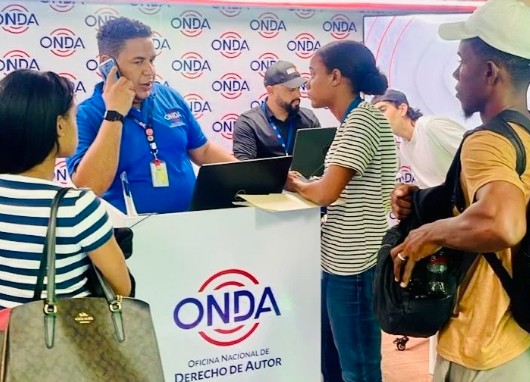
    The National Copyright Office (ONDA) has unveiled a groundbreaking initiative to support creators participating in Mercadexpo 2025. Through Resolution 011-2025, signed by Director José Rubén Gonell Cosme, ONDA will provide free registration for artistic, literary, and scientific works during the event. This move aims to foster intellectual property protection within a prominent academic and business forum.

    The fee waiver applies to works submitted in person from November 26 to 28 at the Universidad Iberoamericana (UNIBE), the venue for the marketing and business fair. ONDA has committed to streamlining internal procedures to ensure the resolution’s effective implementation and will extensively promote the initiative across its communication platforms.

    Mercadexpo, renowned as one of the Dominican Republic’s premier marketing congresses, will center its 2025 edition on the theme “Emotion.” The event will explore how emotional connections shape purchasing decisions, brand loyalty, and memorable consumer experiences. Over three days, attendees will engage in conferences, workshops, networking sessions, and certification programs led by international experts.

    ONDA’s decision to offer free registration underscores the significance of safeguarding creativity in a dynamic environment that unites students, professionals, and businesses. This initiative not only empowers creators to protect their intellectual property but also provides them with a platform to explore cutting-edge marketing trends and the pivotal role of emotions in today’s competitive marketplace.

  • Research shows 56.5% of Dominicans in the U.S. have postgraduate degrees

    Research shows 56.5% of Dominicans in the U.S. have postgraduate degrees

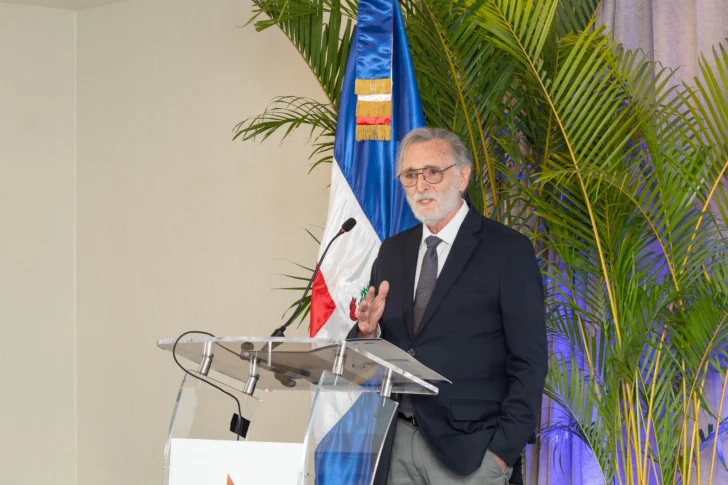
    Santo Domingo – A recent conference organized by the National Institute of Migration (INM RD) shed light on the significant role of skilled migration in the global economy. Researcher Raúl Delgado Wise revealed a striking disparity: 56.5% of Dominicans residing in the United States possess postgraduate degrees, compared to a mere 2.6% in the Dominican Republic. His keynote address delved into the phenomenon of skilled migration within the framework of cognitive capitalism, emphasizing how knowledge, innovation, and highly trained human capital are pivotal to economic competitiveness.

    The event brought together academics, specialists, and international organizations to explore the Dominican diaspora’s participation in global innovation networks. Delgado Wise highlighted the reliance of major technological ecosystems, such as Silicon Valley, on foreign talent. He noted that one-third of doctorates awarded in the U.S. go to migrants, underscoring the critical role of international expertise in driving technological advancements. However, he also cautioned that the privatization of knowledge exacerbates global inequalities and fosters technological dependence of the Global North on the Global South.

    Elba Franco, director of the National School of Migration, celebrated the recent graduation of 25 professionals from the Master’s in Migration Policies and Development program. She emphasized the importance of scientific research in crafting effective public policies. INM RD director Wilfredo Lozano expressed gratitude to participants and advocated for an ‘insular perspective’ in migration governance. He also expressed interest in integrating Haitian students into future academic programs, highlighting the need for regional collaboration.

    The conference underscored the dual nature of skilled migration for the Dominican Republic, presenting both opportunities and challenges. Key issues discussed included talent retention, innovation capacity, and the necessity of evidence-based policymaking to harness the potential of the diaspora effectively.

  • Operation Kraken exposes drug trafficking network

    Operation Kraken exposes drug trafficking network

    In a groundbreaking revelation, Operation Kraken has dismantled one of the most intricate criminal networks operating within the Dominican Republic’s port logistics system. This syndicate, active since 2015, facilitated the export of drug shipments to Puerto Rico, the United States, Canada, and Europe. The investigation, spearheaded by the Specialized Anti–Money Laundering Prosecutor’s Office, DNCD, and the DEA, uncovered the group’s operations primarily in the eastern and southern regions of the country. Large cocaine shipments arrived through remote coastal areas of Barahona, transported by road to Boca Chica, where the network utilized port employees, security personnel, transporters, and crane operators to conceal and load the drugs into containers at the Caucedo Multimodal Port. The network provided ‘logistics services’ for other drug trafficking organizations, moving South American cocaine through a heavily militarized Caribbean route. Profits were laundered through luxury vehicles, properties, farms, and businesses tied to commerce and tourism. Court documents reveal a methodical system involving insiders across port security and logistics. Security personnel with lax inspections smuggled drugs in their vehicles, while trucks with hidden compartments evaded controls, sometimes aided by X-ray machine operators. Unauthorized individuals entered the port hidden in containers or cargo trucks, exploiting areas without cameras. Inside the port, contraband was moved to the ’empty depot,’ known as ‘the desert,’ where workers discreetly inserted drugs into selected containers. The organization cloned container seals to avoid detection, and contaminated containers were shipped to destinations like Puerto Rico, Miami, New York, Halifax, Antwerp, and Rotterdam.

  • Dominican Republic to host Chemex Grulac 2026 for the first time

    Dominican Republic to host Chemex Grulac 2026 for the first time

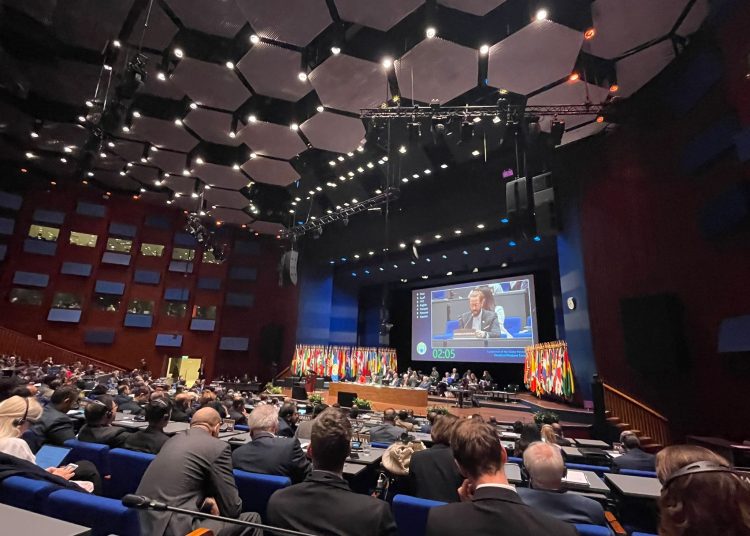
    The Dominican Republic has been chosen as the host nation for Chemex Grulac 2026, a multinational exercise organized by the Organization for the Prohibition of Chemical Weapons (OPCW). This significant event aims to enhance the operational, institutional, and technical capabilities of States Parties in Latin America and the Caribbean to effectively respond to chemical incidents or attacks. The selection underscores the Dominican Republic’s growing role in regional cooperation and chemical safety preparedness.

    During the OPCW Conference of States Parties held in The Hague, Dominican Ambassador Carlos de la Mota emphasized the strategic importance of this designation for the country’s international standing. He attributed the successful bid to the concerted diplomatic efforts of the Ministry of Foreign Affairs, the Dominican Embassy in the Netherlands, the Directorate of Security and Defense, and the Ministry of Defense. Ambassador de la Mota also acknowledged the invaluable support from Canada, Spain, and the European Union in securing this opportunity.

    To ensure the successful execution of Chemex Grulac 2026, the Ministry of Foreign Affairs will work in close collaboration with the Ministry of Defense. These efforts will be bolstered by the involvement of specialized national and regional agencies, which will oversee the technical, logistical, and operational aspects of the exercise. This initiative highlights the Dominican Republic’s commitment to advancing chemical emergency preparedness and fostering regional collaboration in addressing chemical threats.

  • Dominican Army reviews security operations at key border checkpoints

    Dominican Army reviews security operations at key border checkpoints

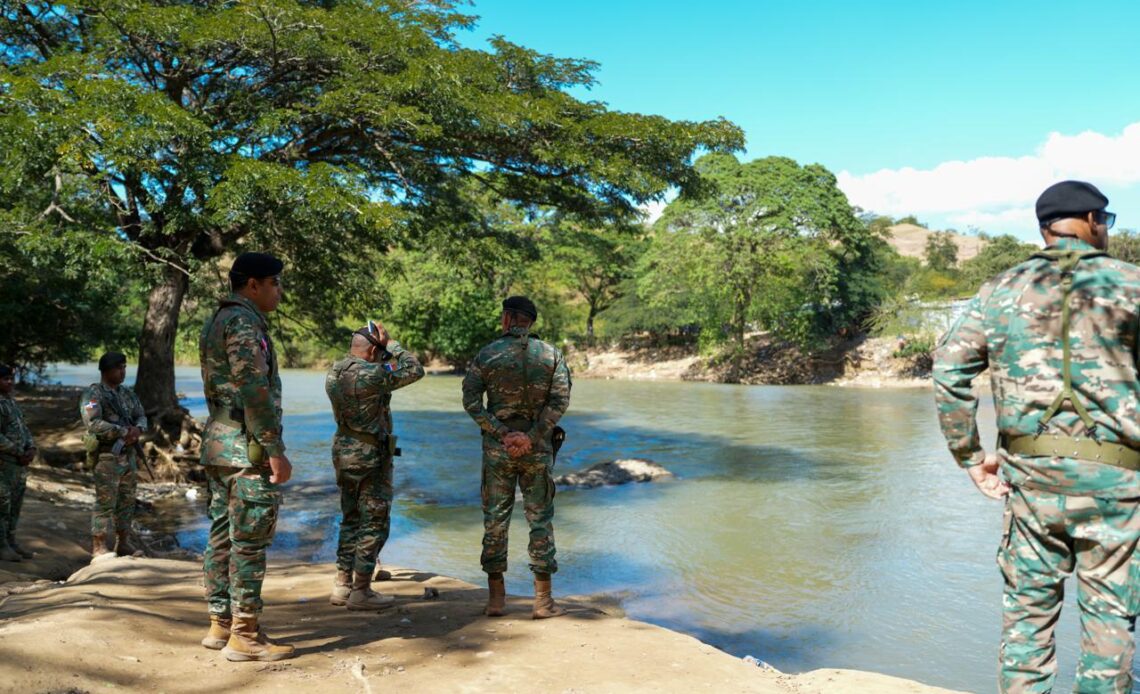
    On Tuesday, General Jorge Iván Camino Pérez, the commanding officer of the Dominican Army, embarked on an extensive inspection tour of critical border areas in the provinces of Independencia and Elías Piña. The tour extended along the International Highway, which borders Haiti, underscoring the strategic importance of these regions. The visit began at the Tierra Virgen detachment, situated at an elevation of approximately 3,000 feet in the Sierra de Neiba’s Bucan Base area. Here, General Camino Pérez assessed the ongoing construction of new facilities and a heliport designated for the 14th Infantry Battalion in Jimaní. The inspection continued through several key posts, including Macasías in Comendador, Las Dos Bocas—where the Macasías and Artibonito rivers converge—Guaroa, Guayabal, Hato Viejo, Paso de Nonón, Paso de Javier, and the Bánica detachment. The general then proceeded along the International Highway, starting from Pedro Santana, and inspected multiple posts such as La Cadena, Los Cacaos, El Corte, Sombrero, Palmita, Guayajayuco, Los Algodones, and Villa Anacaona, concluding at the Kilometer 2 post. The day concluded with visits to the 17th Company in Restauración, the Km. 14 post, the Loma de Cabrera inspectorate, and the Beller Fortress in Dajabón, the headquarters of the 10th Infantry Battalion. This thorough inspection highlights the Dominican Army’s commitment to maintaining security and infrastructure along its border with Haiti.