标签: Dominican Republic

多米尼加共和国

  • January ended with a 47% increase in cases of severe acute respiratory infections

    January ended with a 47% increase in cases of severe acute respiratory infections

    The Dominican Republic’s Ministry of Public Health has documented a significant escalation in severe acute respiratory infections (SARI) during January 2026, reporting a 47% increase compared to the same period in 2025. Epidemiological data reveals 69 suspected cases this year versus 47 previously, with children under four years old and adults over sixty constituting the most vulnerable demographics.

    Geographical analysis identifies Azua and Santo Domingo provinces as the primary hotspots, recording 31 and 13 cases respectively. The National District and San Cristóbal followed with 5 cases each. Health officials attribute this distribution pattern to regions with higher population density, increased mobility, and greater hospital service demand.

    Notably, the epidemiological report confirms zero fatalities from SARI in January 2026, maintaining a 0% lethality rate—a substantial improvement from the 6.4% mortality rate (3 deaths) documented during the same period in 2025. This positive development suggests enhanced early detection capabilities, improved patient referral systems, and more effective clinical management of severe cases.

    Virological surveillance indicates persistent circulation of respiratory syncytial virus and influenza, though authorities report a progressive decrease in viral activity early in 2026. Crucially, no instances of influenza A (H3N2) subclade K have been detected, though health officials emphasize continued vigilance against emerging variants.

    The Ministry has implemented strengthened surveillance measures including expanded sampling protocols, immediate case notification, and daily monitoring of hospital bed occupancy. Additional measures include rapid referral pathways for pediatric cases, guaranteed availability of critical medical supplies, and promoted influenza vaccination among high-risk populations.

    Despite these efforts, structural challenges persist, particularly regarding limited availability of neonatal intensive care units (NICU) and intensive care units (ICU), alongside territorial access disparities. Health authorities acknowledge these limitations necessitate sustained, multi-sectoral strategies to manage morbidity during an increasingly active and prolonged respiratory season.

  • February shakes the country: the cases that have shocked in just 15 days

    February shakes the country: the cases that have shocked in just 15 days

    The Dominican Republic is confronting an unprecedented crisis of violence and social tragedy during the first half of February 2026, with a devastating series of events that have left the nation in a state of collective mourning and profound shock. Over a mere 13-day period, the country has witnessed a harrowing convergence of criminal violence, fatal accidents, and commercial disasters that have fundamentally challenged perceptions of public safety and social order.

    Gender-based violence has emerged as a particularly distressing theme, highlighted by the murder of young Noemí Suárez in the National District. The victim was fatally attacked by her former boyfriend, reigniting national outrage over the persistent issue of femicide in Dominican society. This tragedy was compounded by the shooting death of teenager Yokairy Núñez Bueno in Sánchez, Samaná, allegedly at the hands of a cousin, which has left the local community in stunned silence.

    Simultaneously, the Cibao region remains gripped by uncertainty following the disappearance of Brianna Genao González in Puerto Plata. Although the minor vanished in late January, February has brought intensified investigation efforts, including involvement from the FBI, as religious and civil leaders amplify demands for justice and the restoration of safety in Dominican communities.

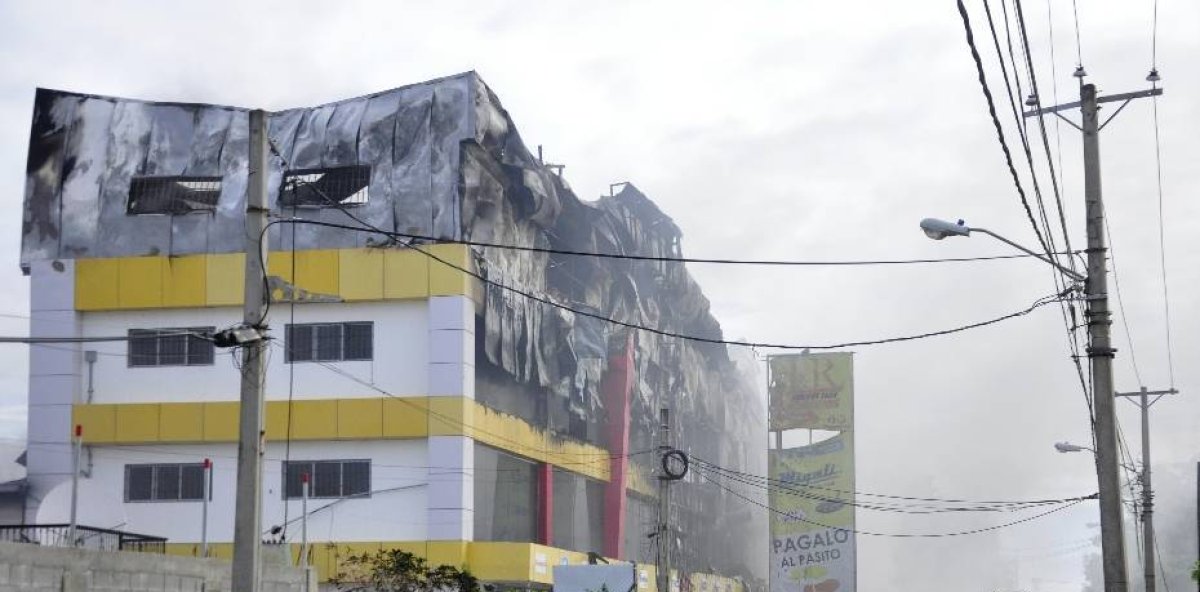
    The nation’s trauma has been further exacerbated by two additional high-impact incidents: a desperate search operation for a motorcyclist who plunged into the Isabela River following a traffic accident on the Jacinto Peynado bridge in Villa Mella, and a destructive fire that ravaged the L and R electromuebles store in the same municipality. These events, combined with the recent passing of prominent political leader Ramón Alburquerque, have created a multifaceted national crisis that sociologists and authorities describe as a severe breakdown in social cohesion.

  • Cool temperatures: What will the weather be like this weekend in the Dominican Republic?

    Cool temperatures: What will the weather be like this weekend in the Dominican Republic?

    Meteorological systems converging north of the Caribbean are set to deliver a weekend of unusually cool temperatures and significant precipitation across the Dominican Republic. A pronounced trough interacting with an advancing cold front will create widespread atmospheric instability throughout the nation’s territory.

    The most substantial rainfall accumulations are forecast for the Cibao valley region, the Greater Santo Domingo metropolitan area, and the provinces of Monseñor Nouel, La Vega, and San Cristóbal. These zones should prepare for intense downpours potentially accompanied by isolated thunderstorm activity. The national weather service has issued advisories regarding possible flash flooding in topographically vulnerable and low-lying areas, urging residents to monitor official emergency communications channels.

    Temperatures will register notably below seasonal averages, producing distinctly chilly conditions, particularly during nighttime and early morning hours. Precipitation patterns will manifest as intermittent afternoon showers on both Saturday and Sunday, transitioning to more scattered nocturnal rainfall activity. The combined effect of persistent cloud cover and precipitation will maintain the cooler thermal regime throughout the weekend period.

  • Social reality: Woman, mother and “NEET”: the female face of a worrying statistic

    Social reality: Woman, mother and “NEET”: the female face of a worrying statistic

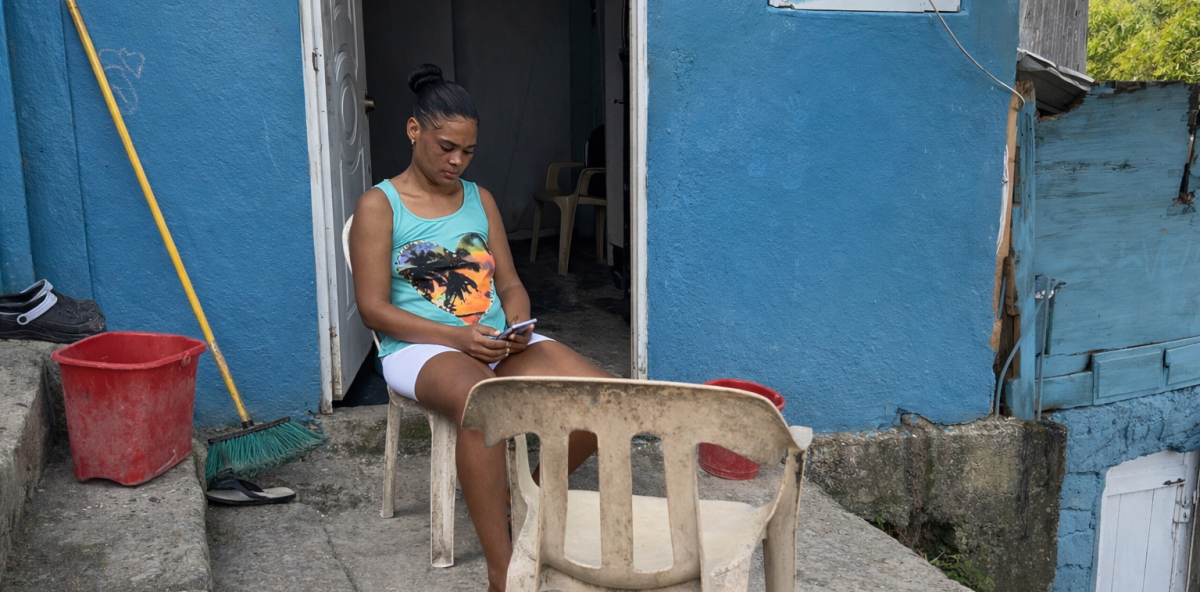
    In the Dominican Republic, a silent crisis disproportionately affects young women, as exemplified by the story of 35-year-old Brianda Araujo Rodríguez. A mother of five, Brianda battles type two diabetes and associated neuropathy that prevents her from maintaining employment. Her last position at a bank ended a year ago, forcing her to rely on siblings for financial support while managing daily insulin injections and Metformin treatments.

    Brianda’s challenges extend beyond health concerns. Her personal history includes a marriage at 15 to a man 14 years her senior—a relationship marked by mistreatment, infidelity, and deception. The early loss of her mother compounded these difficulties, creating a childhood trauma that continues to resonate. Her primary aspiration now centers on ensuring her children avoid repeating her patterns.

    The educational gap affecting her family illustrates broader systemic issues. Two of her five children have been out of school for two years due to inability to secure placements—a situation that reflects national trends. Recent statistics from the National Statistics Office (ONE) reveal that among 628,181 Dominicans aged 18-35 who neither work nor study, 454,779 (72.4%) are women.

    Sociologist Tahira Vargas analyzes this gender disparity through labor market dynamics. “Access to employment is heavily mediated by strategies that are entirely masculine,” Vargas notes, explaining that informal sector jobs—such as motorcycle taxiing, security, and electrical work—predominantly employ men. Women without academic credentials typically find limited opportunities in domestic work or caregiving roles.

    In response to this crisis, the Dominican government launched the “Opportunity 14-24” program in October 2020. Coordinated by the Social Policy Cabinet under Alexander Mordan, this initiative aims to reintegrate vulnerable youth into education systems (ages 14-17) or prepare them for labor market entry (ages 18-24). Despite these efforts, structural barriers continue to perpetuate gender inequalities in economic participation.

  • DEA announces restructuring of personnel in the Dominican Republic

    DEA announces restructuring of personnel in the Dominican Republic

    ARLINGTON, Virginia – The U.S. Drug Enforcement Administration has initiated a significant operational reshuffle of its personnel stationed in the Dominican Republic following allegations of professional misconduct currently under federal investigation. This strategic repositioning emerges from an internal agency review aimed at preserving operational integrity while maintaining bilateral counter-narcotics cooperation.

    In an official communiqué, the DEA characterized the move as a precautionary administrative measure designed to strengthen supervisory protocols and accountability mechanisms. The agency explicitly clarified that this reorganization does not constitute a reduction of its operational footprint in the Caribbean nation, but rather represents a structural realignment under enhanced compliance standards.

    Personnel previously deployed to the Santo Domingo field office are being temporarily reassigned during the ongoing investigation. The DEA emphasized that this transitional phase will not impair collaborative anti-drug initiatives with Dominican authorities, noting that Administrator Anne Milgram has personally coordinated with the U.S. Ambassador to ensure an orderly transition process.

    The agency highlighted the Dominican Republic’s critical geopolitical significance as a Caribbean logistics hub and praised the longstanding partnership with the country’s National Directorate for Drug Control (DNCD). This collaboration has produced substantial results in recent years, including major cocaine seizures and the disruption of transnational criminal syndicates operating in the region.

    The DEA concluded its statement by affirming that the investigated conduct represents isolated incidents rather than institutional practice, reiterating its commitment to professional standards, transparency, and the rule of law in all international operations.

  • Eighth edition of “Dominicans at the Capitol” concludes successfully in Washington

    Eighth edition of “Dominicans at the Capitol” concludes successfully in Washington

    WASHINGTON, D.C. – In a powerful demonstration of civic engagement, over 700 members of the Dominican American community converged at the U.S. Capitol and Capital Turnaround for the eighth annual Dominicans on the Hill conference. The gathering, orchestrated during Dominican Heritage Month, has emerged as a significant national platform for political dialogue and community advancement.

    Founded by Congressman Adriano Espaillat, the initiative has transformed into a cornerstone event that bridges lawmakers, academics, community leaders, and young professionals. This year’s conference, backed by businesses, public institutions, and academic research centers, adopted the thematic focus ‘Promoting Public Policies and Opportunities in Health.’

    The 2026 edition facilitated critical discussions on healthcare equity, innovation in medical services, and leadership development within the Dominican-American demographic. Participants examined pressing challenges including reproductive health services, aging with dignity, artificial intelligence’s impact on healthcare systems, and strategic biomedical supply chain considerations affecting both the United States and the Dominican Republic.

    Notably, the inclusion of digital influencers expanded the conference’s reach, fostering broader public engagement. The event simultaneously laid foundational work for developing a National Agenda for Dominicans in the United States, signaling a coordinated approach to addressing community needs through policy advocacy and strategic planning.

  • Abinader to visit U.S., Chile and France in March

    Abinader to visit U.S., Chile and France in March

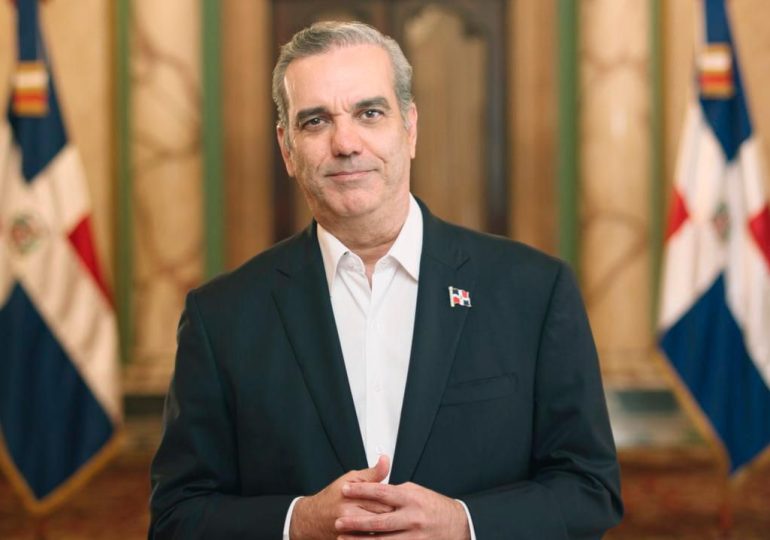
    SANTO DOMINGO – The Dominican Presidency unveiled on Thursday an extensive international itinerary for President Luis Abinader, marking a significant month of diplomatic engagements across the Americas and Europe throughout March. This strategic tour underscores the nation’s proactive approach to strengthening bilateral relations and engaging with global economic governance.

    The President’s first diplomatic stop will be in the United States, where he is scheduled to participate in a high-profile regional summit convened by U.S. President Donald Trump in Miami on March 7th. The assembly, as detailed in an official government communiqué, is designed to foster dialogue on pressing matters of mutual regional and international concern.

    Following his North American engagement, President Abinader will journey to Santiago, Chile, for a three-day visit from March 10th to 12th. The central purpose of this leg is his official attendance at the presidential inauguration of Chile’s President-elect, José Antonio Kast. The agenda also includes a dedicated bilateral meeting between the two leaders to discuss avenues for enhanced cooperation between their nations.

    Concluding this diplomatic tour, President Abinader will travel to Paris, France, on March 24th and 25th. The European visit features a pivotal meeting with French President Emmanuel Macron. Furthermore, the Dominican leader will actively participate in high-level assemblies of the Organisation for Economic Co-operation and Development (OECD), highlighting the country’s commitment to engaging with critical international economic policy forums.

  • Casa del Cordón screens “Galeones de Azogue,” exploring the origins of underwater archaeology in Dominican Republic

    Casa del Cordón screens “Galeones de Azogue,” exploring the origins of underwater archaeology in Dominican Republic

    Santo Domingo’s Taíno Cultural Center Casa del Cordón, an institution supported by Banco Popular Dominicano, recently presented a special screening of the documentary ‘Galeones de Azogue.’ The film chronicles the pioneering underwater archaeological investigations in the Dominican Republic that began with the discovery of the Azogue Fleet galleons, which met their fate off the coast of Miches during the 18th century.

    The event, organized in partnership with Spain’s Royal Shipyards Museum, featured a distinguished panel including the museum’s director Íñigo Apestegui and screenwriters Carlos León and Cruz Apestegui. They provided exclusive insights into the documentary’s extensive research methodology, historical documentation, and groundbreaking findings that shaped this significant archaeological investigation.

    Produced through a collaboration between Duho Cinema, Retama Studio, and Guasabara Cine, the documentary was spearheaded by general producers Fernando Santos and Gabriel Valencia. The technical team included editor Mikel D. Etxebarría and sound designer Laura Gantes. The film incorporates expert commentary from renowned specialists Pedro Borrel, Frank Moya Pons, Bernardo Vega, Federico Schad, Jaime Vega, and Tracy Bowden.

    The documentary traces the accidental discovery in 1976 by local Miches fishermen of two submerged galleons in Samaná Bay. This chance finding catalyzed the nation’s first official underwater archaeological expedition, unearthing artifacts connected to a maritime catastrophe that occurred over three centuries earlier.

    Historical records indicate that on August 24, 1724, the galleons Nuestra Señora de Guadalupe and Tolosa—part of the Mercury Fleet voyaging from the Iberian Peninsula to the Viceroyalty of New Spain (modern-day Mexico)—encountered a devastating storm. The vessels were transporting more than 360 tons of mercury from Spain’s Almadén mines, a crucial component in colonial silver processing. While the Guadalupe sustained severe damage, the Tolosa sank entirely off the Dominican coastline.

    The tragedy claimed more than 600 lives, with survivors enduring extreme hardships—some clinging to ship masts for weeks, others navigating treacherous jungles and beaches in search of rescue—leaving behind a profound narrative of human endurance.

    Archaeological work recommenced in 1994 through a cooperative Dominican-Spanish initiative, representing a watershed moment for the nation’s maritime heritage preservation. The Quicksilver Galleons Project successfully recovered over 45,000 artifacts, including cannons, navigational equipment, coins, personal belongings, and an exceptional assemblage of European glassware. These discoveries have significantly enriched understanding of colonial trade networks and 18th-century maritime practices while establishing the foundation for Dominican underwater archaeology, enabling the nation to reclaim and safeguard its submerged historical legacy as an integral component of its cultural identity.

  • President Abinader inaugurates La Gaviota Amphitheater in Ciudad Juan Bosch

    President Abinader inaugurates La Gaviota Amphitheater in Ciudad Juan Bosch

    Santo Domingo witnessed a significant advancement in urban development as President Luis Abinader officially opened the La Gaviota amphitheater in Ciudad Juan Bosch on Thursday. This cultural infrastructure represents a pivotal achievement within the nation’s premier model city initiative, showcasing a holistic approach to community building.

    The newly inaugurated venue forms part of an extensive portfolio of completed and ongoing developments spearheaded by the VBC-RD Trust in collaboration with Movexco Constructora. This comprehensive strategy integrates housing solutions with cultural amenities, sports facilities, public services, and communal spaces to create a fully integrated urban environment.

    José Ignacio Paliza, Minister of the Presidency, emphasized the project’s profound social impact, noting its transformation of the area into a thriving community. “We are now creating more developed citizens,” Paliza stated, underscoring the initiative’s broader societal benefits.

    Camel Curi Lora, executive director of the VBC-RD Trust, revealed the project’s remarkable turnaround from previous stagnation, characterized by limited appeal and a 105 million peso debt. The development has seen extraordinary growth, expanding from 4,777 households in 2020 to approximately 15,500 currently, with projections indicating 25,000 homes upon final completion.

    Beyond the amphitheater, Ciudad Juan Bosch boasts substantial infrastructure including two wastewater treatment plants, a comprehensive sports complex, funeral services facility, ecological park, vitrified regulating tank, and expanded parking infrastructure serving the cultural venue and adjacent areas.

    The amphitheater’s inauguration will be celebrated from February 12 to 15 through a diverse cultural program coordinated with the Ministry of Culture. The festivities will feature symphonic concerts by the Santo Domingo Philharmonic Orchestra, contemporary dance performances by the National Contemporary Dance Company, choral presentations by Koribe Chamber Choir, folkloric exhibitions by the Dominican National Folkloric Ballet, and innovative musical experiences from Escuela Libre de Herrera and DJ Clara Egelmann Tolentino.

  • Foreign Minister denies Dominican government ties to DEA office shutdown

    Foreign Minister denies Dominican government ties to DEA office shutdown

    SANTO DOMINGO – Dominican Foreign Minister Roberto Álvarez has officially confirmed that the recent shutdown of the U.S. Drug Enforcement Administration (DEA) office in the country stems entirely from an internal investigation within the U.S. embassy, with no involvement or connection to the Dominican government or its officials. The clarification came following a direct conversation between Álvarez and U.S. Ambassador to the Dominican Republic, Leah Campos.

    Ambassador Campos provided explicit assurances that the decision to close the DEA’s operational office was motivated solely by findings from an internal probe conducted by the embassy itself. Minister Álvarez publicly relayed the diplomat’s statements, emphasizing that the measure was categorically unrelated to any actions or policies of Dominican authorities.

    The development follows the recent arrest of Melitón Cordero, the DEA’s former supervisor in the Dominican Republic, who was taken into custody as part of an investigation into alleged visa fraud. While the timing of the office closure and the arrest is notable, the Dominican government’s statements aim to dispel any speculation of local misconduct or bilateral diplomatic friction, framing the event as an internal administrative action by the United States.