标签: Dominican Republic

多米尼加共和国

  • Santiago strengthens tourism with Monument Restoration and City Brand plan

    Santiago strengthens tourism with Monument Restoration and City Brand plan

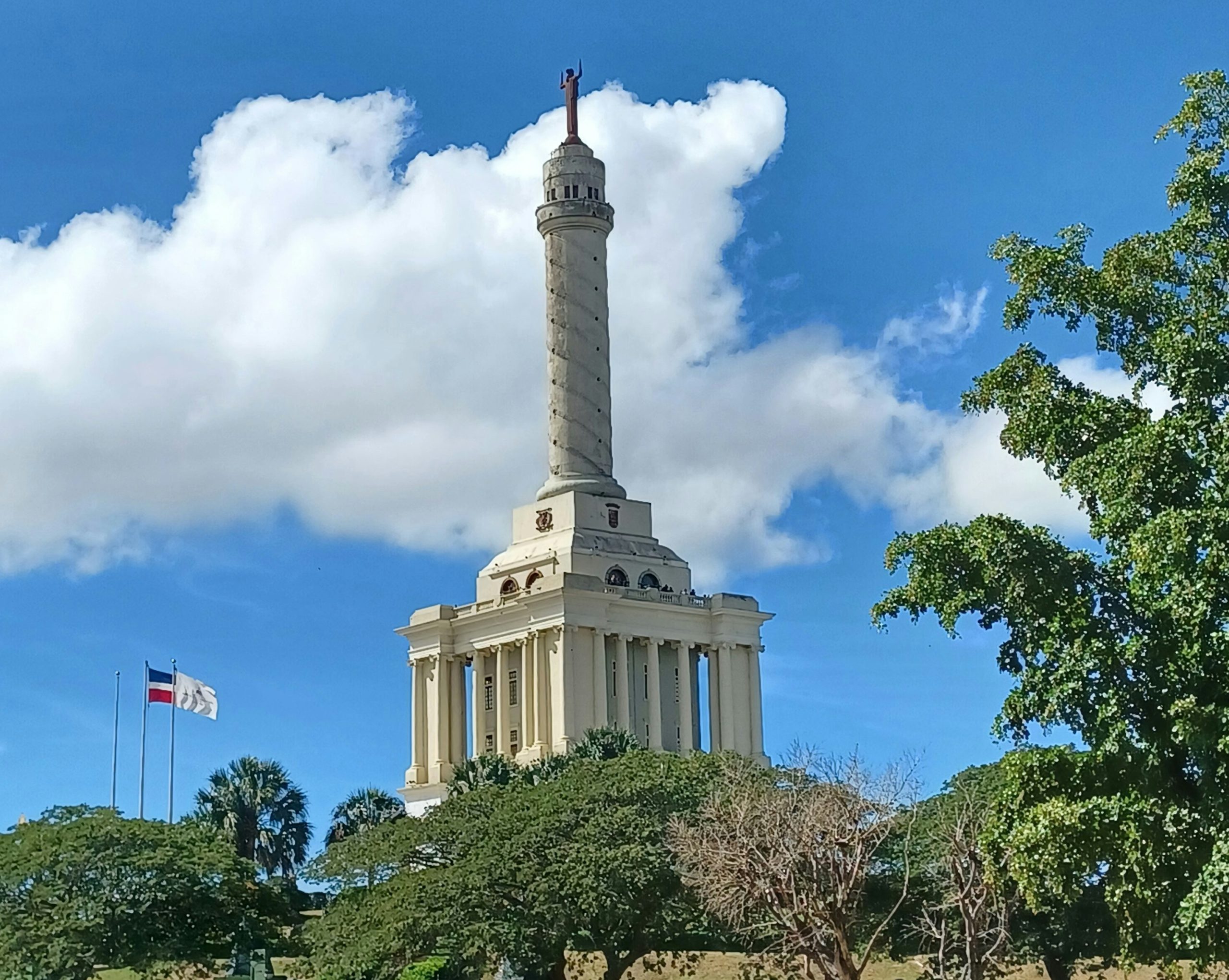
    Santiago de los Caballeros is undergoing a significant transformation as authorities accelerate a dual-focused initiative combining heritage conservation with strategic city branding. The comprehensive rehabilitation of the Monument to the Heroes of the Restoration marks a cornerstone effort to enhance the city’s cultural appeal while establishing Santiago as a premier tourist destination in the Dominican Republic.

    This ambitious project operates under a multi-institutional collaboration framework led by the Ministry of Tourism, with key participation from Compromiso Santiago and the Santiago Tourist Destination Cluster. Technical expertise is provided by the National Directorate of Monumental Heritage and the General Directorate of Museums, ensuring professional oversight of all conservation work.

    The monument’s restoration encompasses multiple critical interventions including structural reinforcement, material conservation, and modernization of electrical and lighting infrastructure. Significant enhancements are underway at the Angel of Peace viewpoint, alongside comprehensive upgrades to security systems and visitor facilities. The modernization extends to museum exhibits and improvements to restroom facilities and institutional stores, collectively designed to elevate both conservation standards and tourist experiences.

    Concurrently, the Santiago City Brand initiative is gaining momentum through targeted promotional campaigns and stakeholder engagement strategies. This branding effort involves collaboration with private sector entities, academic institutions, and local communities to develop a cohesive identity. Implementation includes updated signage at cultural landmarks and strategic tourist locations, complemented by active participation in national and international tourism fairs. International branding expert Andy Stalman provides specialized consultancy to ensure world-class brand development under the Ministry of Tourism’s guidance.

    This integrated approach represents a strategic investment in Santiago’s cultural patrimony and economic development, positioning the city for increased tourism and enhanced global recognition.

  • Haitian merchants block Pedernales border to protest new customs measures

    Haitian merchants block Pedernales border to protest new customs measures

    PEDERNALES, DOMINICAN REPUBLIC – Cross-border commerce between Haiti and the Dominican Republic ground to a halt on Tuesday as Haitian merchants staged a blockade at the Pedernales frontier crossing. The protest erupted in response to controversial new trade measures implemented by recently appointed customs collector Lancer García.

    Demonstrators strategically positioned a Haitian truck across the border passageway, effectively suspending all movement of goods and people between the two nations. The merchants allege that García has abruptly altered long-established trade protocols, including imposing previously unheard-of taxes that they claim severely undermine cross-border commercial activities.

    The administrative changes have extended beyond trade policies, affecting customs personnel as well. Multiple veteran employees have been replaced with new staff since García’s assignment to the Pedernales border terminal, creating additional institutional instability.

    Security forces from the Specialized Corps for Land Border Security (Cesfront) have maintained a heightened presence in the area, successfully preventing any significant violent outbreaks despite the tense standoff. Authorities continue to closely monitor developments to ensure the situation does not escalate further.

    This appointment represents García’s third border assignment amid ongoing controversies. Previously transferred from Puerto Plata to Dajabón following disputes with employees and political figures, he subsequently clashed with Haitian merchants in Dajabón over a 2.5% tax hike that ultimately prompted his reassignment. His replacement in Dajabón by attorney Julio Alejo this week has already contributed to restored calm at that northern border crossing.

  • DIGESETT announces temporary road closures in Santo Domingo’s Colonial City

    DIGESETT announces temporary road closures in Santo Domingo’s Colonial City

    Santo Domingo’s transportation authorities have instituted temporary road closure measures in the historic Colonial City district to accommodate a major fashion event honoring legendary designer Oscar de la Renta. The General Directorate of Traffic Safety and Land Transportation (DIGESETT) confirmed the traffic modifications would take effect from 6:00 p.m. local time.

    The strategic road closures are designed to manage anticipated large crowds while maintaining public safety and vehicular mobility throughout the event. DIGESETT has developed comprehensive alternative routing options, which have been communicated to the public through an official traffic map distributed by the agency.

    Transportation officials have issued specific guidance for motorists, emphasizing the importance of advanced route planning and heightened situational awareness when navigating the affected area. Additional traffic personnel have been deployed throughout the Colonial City to provide directional assistance and ensure compliance with the temporary traffic patterns.

    The agency clarified that these measures are strictly temporary and intended to minimize congestion while protecting both event participants and local residents. The fashion tribute to Oscar de la Renta, who maintained significant cultural connections to the Dominican Republic throughout his career, represents one of the major cultural events in the historic district this season.

  • Participación Ciudadana warns corruption remains deeply rooted in the Dominican Republic

    Participación Ciudadana warns corruption remains deeply rooted in the Dominican Republic

    A comprehensive assessment by Participación Ciudadana, the Dominican affiliate of Transparency International, reveals that systemic corruption remains a fundamental challenge in the Dominican Republic, persistently eroding the nation’s political framework and administrative integrity.

    The report indicates significant divergence between official anti-corruption rhetoric and actual practices, with public officials continuing to engage in serious misconduct involving state resource misappropriation. While acknowledging some progress through investigations by the Public Prosecutor’s Office and removal of certain officials, the organization emphasizes that public confidence remains critically fragile, requiring sustained public vigilance.

    High-profile corruption cases continue to generate widespread concern, particularly the alleged embezzlement exceeding RD$15 billion from the National Health Insurance (Senasa) over a five-year period. Recent developments include pretrial detention orders for primary defendants, though the organization notes concerning procedural delays and tactical legal maneuvers that prolong court proceedings indefinitely.

    The analysis documents several convictions across multiple government sectors, including Agriculture Ministry officials, National Lottery administrators, and a criminal network within the National Police responsible for diverting over 900,000 ammunition rounds. Particularly alarming is the documented infiltration of drug trafficking networks into political institutions, exemplified by the conviction of former ruling party legislator Rosa María Pilarte, who received a five-year prison sentence and asset confiscation for drug-related money laundering.

    While recognizing legislative advancements including the new Penal Code and Criminal Procedure Code, the report highlights how civil society and media organizations had to actively counteract attempts to block crucial reforms addressing citizens’ rights, gender equality, free expression, and administrative corruption prosecution.

  • Indotel and INDEX sign agreement to strengthen digital literacy for Dominicans abroad

    Indotel and INDEX sign agreement to strengthen digital literacy for Dominicans abroad

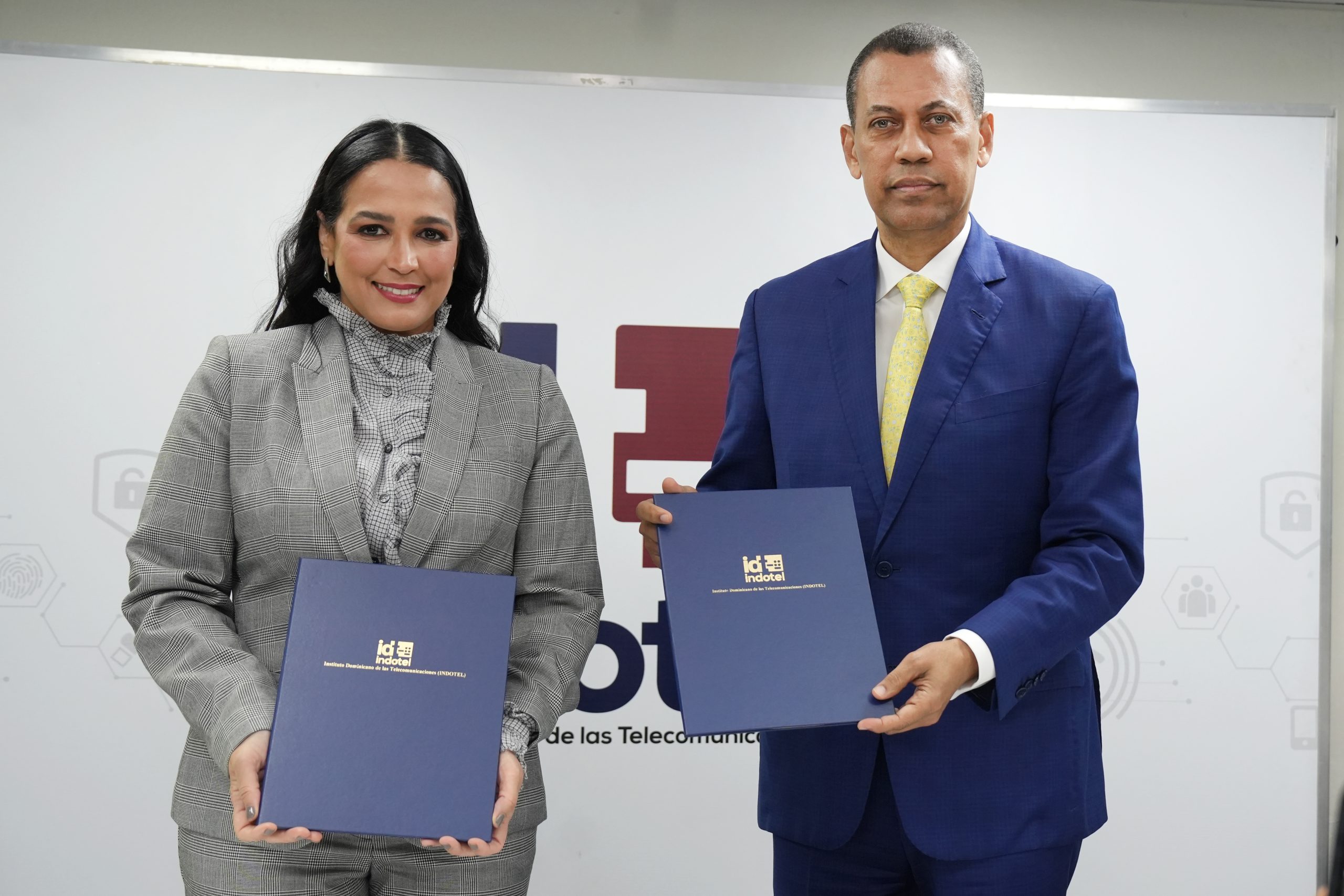
    In a landmark move to bridge digital divides and strengthen transnational connections, the Dominican Institute of Telecommunications (Indotel) and the Institute of Dominicans Abroad (INDEX) have forged a comprehensive partnership. The agreement, formally signed by Indotel Board President Guido Gómez Mazara and INDEX Executive Director Celinés Toribio, establishes a framework for enhancing digital literacy, financial capabilities, and technological integration among overseas Dominican populations.

    The strategic collaboration focuses on multiple critical areas: expanding digital skills training programs, promoting secure utilization of digital remittance platforms, enhancing cybersecurity awareness, developing critical thinking to combat disinformation, and ensuring equitable access to virtual education resources. This initiative recognizes the growing importance of digital proficiency in modern global economies and seeks to empower diaspora communities with essential 21st-century skills.

    Economic considerations form a central pillar of this agreement, with officials highlighting the tremendous contribution of remittances to the national economy. Current projections indicate these financial transfers from abroad will constitute 12% of the Dominican Republic’s GDP by 2025, representing a significant increase from the 10.5% recorded in the previous year. This economic reality underscores the necessity of maintaining strong institutional connections with citizens living overseas.

    The operational implementation will see Indotel providing technical expertise, educational content, training materials, and technological equipment through its established digital inclusion programs. INDEX will leverage its international network to facilitate community outreach, beneficiary support, and coordination with Dominican organizations worldwide. The two-year renewable agreement additionally encompasses the creation of educational campaigns, audiovisual materials, and initiatives fostering responsible digital citizenship while strengthening cultural and co-development ties between the diaspora and their homeland.

  • Trump orders total blockade of sanctioned oil tankers linked to Venezuela

    Trump orders total blockade of sanctioned oil tankers linked to Venezuela

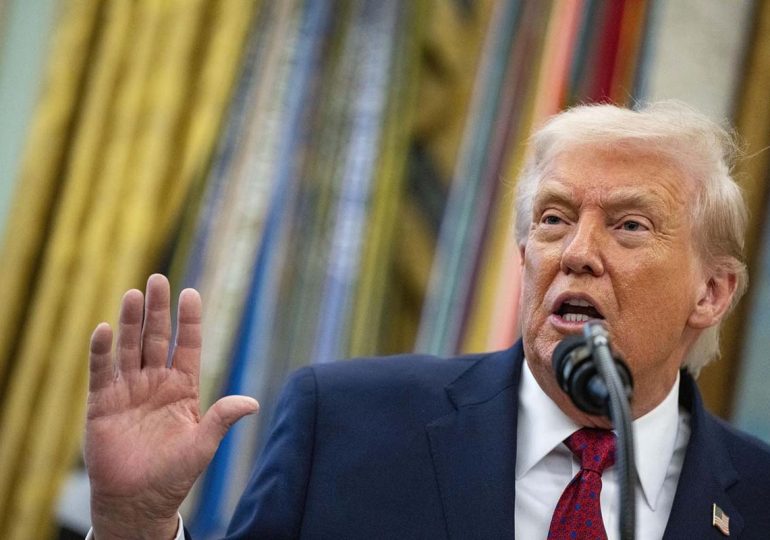
    In a dramatic intensification of pressure on Caracas, former U.S. President Donald Trump has declared a comprehensive naval blockade prohibiting all sanctioned oil tankers from entering or departing Venezuelan waters. This decisive action represents the most aggressive measure to date in Washington’s campaign against the administration of Venezuelan President Nicolás Maduro.

    Through an official communication on Truth Social, Trump asserted that substantial U.S. military assets have encircled Venezuela within Caribbean territories. He leveled serious accusations against the Maduro government, claiming it utilizes national petroleum resources to bankroll narco-terrorism operations, human trafficking networks, kidnapping schemes, and various illicit enterprises. The former president framed this maritime blockade as essential to halt prohibited crude exports and recover assets allegedly expropriated from United States interests.

    This blockade significantly expands ongoing U.S. naval operations in international Caribbean waters, previously justified as counter-narcotics initiatives targeting regional drug trafficking organizations. Although White House officials haven’t quantified the expected impact on tanker movements, energy analysts anticipate substantial disruptions to Venezuelan petroleum exports with potential ramifications for global oil markets.

    The escalation follows intensified activities by U.S. Southern Command, which has interdicted over thirty vessels since August accused of narcotics transportation and sanctions evasion. Most notably, American forces recently captured the sanctioned Skipper tanker—a vessel long associated with Venezuela’s so-called “shadow fleet”—while it transported crude near Venezuela’s coastline. The apprehended ship was escorted to a U.S. port where legal proceedings to confiscate its cargo are underway.

  • Punta Cana International Airport set for busiest year ever in 2025

    Punta Cana International Airport set for busiest year ever in 2025

    PUNTA CANA – Aviation authorities at Punta Cana International Airport (PUJ) project that 2025 will become the most active period in the facility’s operational history, with unprecedented levels of passenger movement and flight activities anticipated.

    Giovanni Rainieri, Director of Airside Operations, indicated that December 2025 is expected to be the peak month, concentrating the highest volume of daily passenger and flight operations. Data shared with N Digital reveals that over one million passengers holding confirmed tickets are projected to transit through the terminal by December 31, 2025, cementing PUJ’s status as the Dominican Republic’s primary aviation gateway.

    A new single-day passenger record is forecast for December 29, with approximately 51,000 travelers expected across 155 flights—surpassing the previous milestone of 50,000 passengers. During the week spanning December 24 to December 31, airport officials anticipate processing around 300,000 passengers, including 245,000 international arrivals. Simultaneously, weekly flight operations are predicted to reach an all-time high of 850 inbound and outbound movements, exceeding the prior record of 786.

    Average daily passenger traffic is projected to rise significantly in the latter half of December, exceeding 40,000 travelers per day—a notable increase from the 30,000 daily passengers recorded in the first two weeks of the month. This substantial surge has necessitated expanded staffing and enhanced security protocols.

    To accommodate the increased operational load, multiple national agencies have amplified their presence at the airport. These include the National Drug Control Directorate (DNCD), the General Directorate of Migration, the Specialized Airport and Civil Aviation Security Corps (CESAC), and the Dominican Institute of Civil Aviation (IDAC).

  • Israeli Embassy recognizes Dominican institutions for security cooperation

    Israeli Embassy recognizes Dominican institutions for security cooperation

    SANTO DOMINGO – In a significant diplomatic gesture, the Israeli Embassy in the Dominican Republic hosted a formal awards ceremony this Tuesday to honor multiple Dominican security institutions for their outstanding collaboration in protection operations. The event, organized by the embassy’s Security Division, brought together representatives from various branches of the Dominican security apparatus that have demonstrated exceptional commitment to safeguarding Israeli diplomatic interests.

    Israeli Ambassador Raslan Abu Rukun addressed attendees, emphasizing the critical nature of international security partnerships amid growing global security challenges. “The professionalism and unwavering dedication of Dominican authorities have been instrumental in maintaining the security of our diplomatic mission,” Ambassador Rukun stated, expressing profound appreciation for the collaborative efforts.

    The Embassy’s Head of Security provided additional context, noting that the coordinated response mechanisms and rapid intervention capabilities of Dominican institutions have created an effective protective shield against potential threats. This security partnership, he emphasized, transcends routine protocol and represents a deeper mutual commitment to protecting lives and maintaining stability.

    Distinguished units receiving recognition included the Ministry of Defense, National Intelligence Directorate, National Police, National Drug Control Directorate, Dominican Army, CESAC, and several specialized tactical units. The ceremony highlighted specific instances of successful cooperation that have enhanced security protocols for the diplomatic mission.

    The Israeli Embassy formally reaffirmed its commitment to expanding security coordination with the Dominican Republic, noting that such cooperation not only ensures physical protection but also strengthens the foundational bonds between the two nations. This bilateral security arrangement represents a model of international partnership that benefits both countries’ strategic interests while fostering greater diplomatic trust and operational synergy.

  • Dominican Republic launches SciELO RD, its first national open-access scientific journal collection

    Dominican Republic launches SciELO RD, its first national open-access scientific journal collection

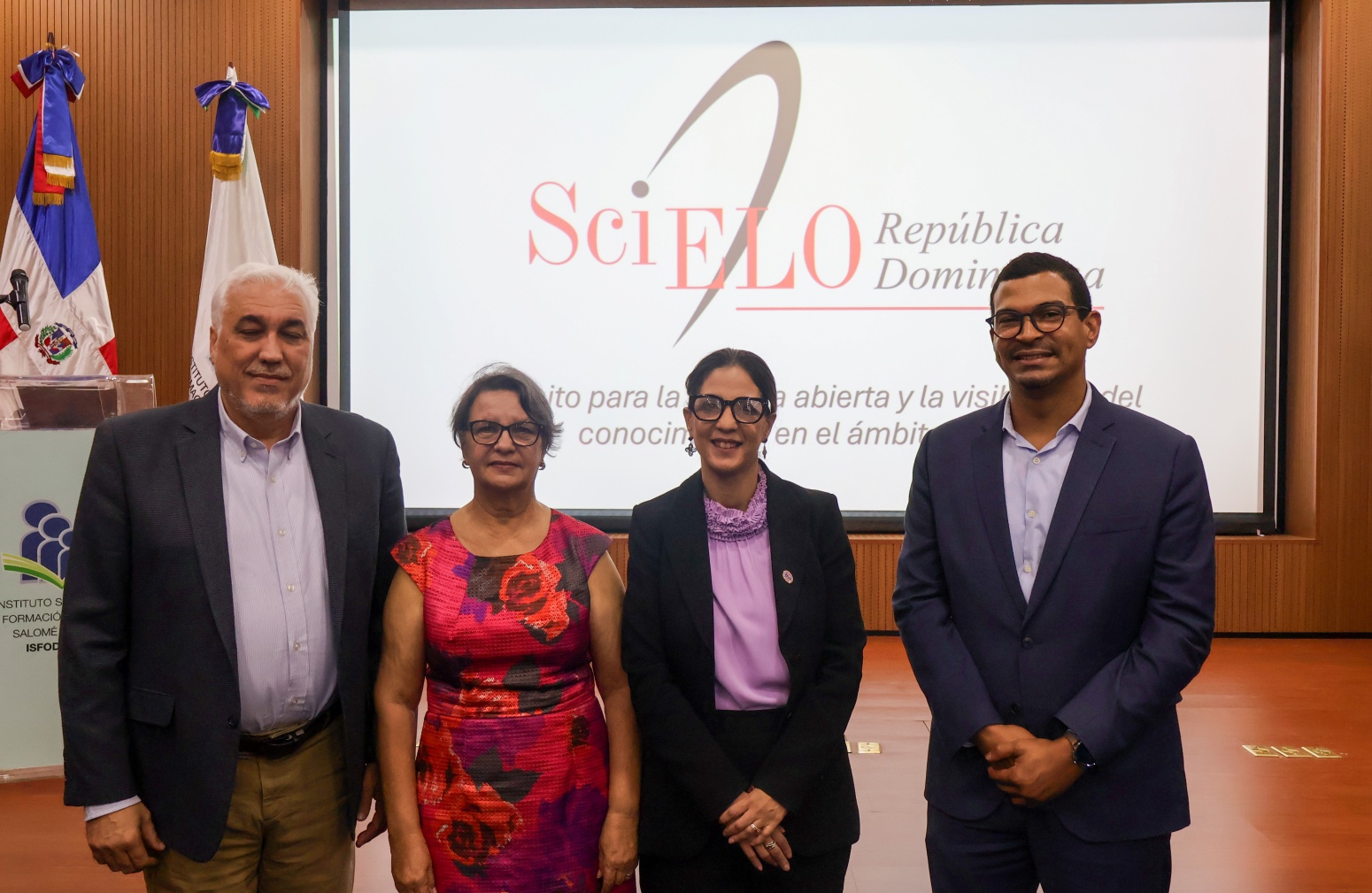
    SANTO DOMINGO – In a transformative move for its academic landscape, the Dominican Republic has officially inaugurated SciELO RD (SciELO República Dominicana), marking the establishment of the nation’s premier open-access scientific journal collection within the global SciELO network. This strategic initiative, unveiled through a collaborative effort between the Salomé Ureña Higher Institute for Teacher Training (ISFODOSU) and the Association of University Rectors (ADRU), is poised to dramatically enhance the international reach and accessibility of Dominican scholarly work.

    The newly launched portal represents a significant infrastructural investment in the country’s research capabilities. By integrating with the prestigious SciELO platform, Dominican journals gain entry into an ecosystem renowned for its rigorous peer-review standards and commitment to open data, effectively positioning local research alongside contributions from nations with more mature scientific infrastructures.

    Nurys del Carmen González, Rector of ISFODOSU, emphasized her institution’s pivotal role as the project’s technological and financial backbone, providing essential servers, specialized personnel, and sustained funding. This development aligns with broader institutional advancements, including increased investment in scientific productivity, the professionalization of academic publishing, and the strengthening of research collectives.

    ADRU President Odile Camilo characterized SciELO RD as a foundational policy instrument designed for long-term national research enhancement. Citing evidence from countries with established SciELO collections, Camilo pointed to measurable gains in editorial quality, global visibility, and research culture development. She advocated for stable governance, sustainable financing, and the formal recognition of SciELO-indexed publications in faculty evaluation systems and higher education policies.

    Vladimir Figueroa, ISFODOSU Research Director, detailed the portal’s operational framework during the presentation, hailing it as a watershed moment for open science and the global dissemination of knowledge originating from the Dominican Republic. This launch formally integrates the nation into a regional network dedicated to promoting editorial excellence and the unimpeded international flow of academic research.

  • Dominican Republic pushed out its $3M Startup

    Dominican Republic pushed out its $3M Startup

    The recent announcement of HEVA’s $3 million pre-seed funding round reveals a troubling pattern within the Dominican Republic’s innovation ecosystem rather than celebrating another diaspora success story. Dominican-American founder Héctor Alex Terrero’s AI-native healthcare platform secured substantial venture backing only after relocating operations from Santo Domingo to the United States, despite two years of effort to build within his home country.

    HEVA represents precisely the type of venture-scale startup that Dominican institutions rhetorically support—operating at the intersection of AI, healthcare, and cross-border services that align with the nation’s promoted identity as a medical tourism hub. Yet when Terrero attempted to establish his previous fintech venture Moneda and later HEVA from within the Dominican Republic, he encountered systemic barriers rather than substantive support.

    The funding consortium that ultimately backed HEVA—including Collide Capital, Flybridge, Benchstrength, and Techstars—operates within jurisdictions equipped with modern venture infrastructure: robust investor protection frameworks, banking systems accommodating cross-border transactions, and regulatory environments that recognize technology startups as legitimate asset classes rather than novelties.

    This case study exposes fundamental weaknesses in the Dominican innovation economy:

    1. Structural deficiencies in venture capital infrastructure, including inadequate investor protections and misalignment between public policy and venture risk profiles
    2. Regulatory friction that penalizes modern corporate structures like Delaware C-corps and international banking arrangements
    3. Cultural confusion between traditional small businesses optimized for stability and venture-backed startups designed for exponential growth
    4. Predatory local investment terms offering small capital in exchange for disproportionate equity and control
    5. Disconnect between institutional rhetoric and actionable support mechanisms, with panels and networking events substituting for substantive ecosystem development

    The consequences extend beyond individual startups. The Dominican Republic loses high-skill employment opportunities in engineering, product development, and operations; forfeits regulatory learning that could inform future policy decisions; and diminishes investor confidence in local tech talent and jurisdiction viability.

    Parallel research from Successment Venture Labs examining risk modeling deficiencies reveals broader systemic issues. Outdated credit scoring mechanisms prioritize formal paperwork over behavioral data, excluding approximately half the workforce operating in informal sectors despite demonstrating reliability. This risk-aversion mentality permeates both investment decisions and institutional support frameworks.

    The solution requires moving beyond branding exercises to address technical foundations: modern investor protection laws, distinct legal and tax regimes for venture-backed startups, banking reforms accommodating cross-border capital flows, and domestic investment vehicles structured for appropriate risk-return profiles rather than control-seeking arrangements.

    Until these structural reforms occur, the Dominican Republic will continue exporting its most promising ventures while celebrating their diaspora successes—a pattern that benefits LinkedIn narratives more than domestic economic development.