标签: Dominican Republic

多米尼加共和国

  • Dominican Republic among few countries that improved corruption perception in 2025

    Dominican Republic among few countries that improved corruption perception in 2025

    The Americas have demonstrated negligible advancement in combating systemic corruption throughout 2025, according to the latest Corruption Perceptions Index (CPI) published by Transparency International. The comprehensive assessment of 182 global territories reveals a troubling regional stagnation, with Venezuela and Nicaragua maintaining their positions among the world’s most corrupt nations while the United States recorded its poorest performance in the index’s history.

    The regional evaluation averaged a concerning score of 42 out of 100 possible points across American nations. Transparency International’s analysis indicates a disturbing backward trend, with 12 of the region’s 33 countries experiencing measurable deterioration since 2012. The organization attributes this regression to governmental inaction, the systematic weakening of democratic institutions, and the expanding footprint of transnational organized crime networks. Among the few bright spots, the Dominican Republic (37) and Guyana (40) demonstrated marginal improvements, each gaining a single point in their annual assessment.

    Canada (75), Uruguay (73), and Barbados (68) emerged as regional leaders in transparency standards, though the report cautioned that even these established democracies confront corruption-related violence and limited anti-graft progress. Conversely, Venezuela (10), Nicaragua (14), and Haiti (16) occupied the bottom positions, characterized by authoritarian repression, institutional collapse, and deeply embedded corrupt practices. Venezuela’s performance ranked among the three worst globally, exceeded only by Somalia and South Sudan.

    Particularly alarming was the continued deterioration of the United States, which scored 64 points—marking a one-point decline from the previous year and a substantial 12-point drop since 2015. Transparency International identified assaults on judicial independence, weakened enforcement of anti-corruption legislation, and reductions in international aid programs as primary contributing factors. Throughout the hemisphere, corruption persists in undermining essential public services, constricting civic freedoms, and eroding institutional accountability, generating severe consequences for citizens’ daily living conditions.


  • February 10 marks National Folklore Day in the Dominican Republic

    February 10 marks National Folklore Day in the Dominican Republic

    SANTO DOMINGO – The Dominican Republic erupts in vibrant cultural celebration every February 10th as the nation observes National Folklore Day. This significant occasion serves as a nationwide tribute to the rich tapestry of traditions, customs, and popular expressions that form the bedrock of Dominican cultural identity.

    The commemorative events spotlight the profound value of Dominican folklore through diverse manifestations including traditional musical performances, folkloric dances, authentic gastronomy, ancestral legends, artisanal crafts, and deeply-rooted community customs. These cultural treasures, meticulously preserved across generations, showcase the country’s remarkable cultural diversity. Educational institutions, cultural centers, and community organizations nationwide participate through artistic performances, cultural exhibitions, and educational initiatives designed to preserve and strengthen national identity.

    This important cultural observance coincides with the birthday of Julio Alberto Hernández, an esteemed Dominican writer, researcher, and folklorist renowned for his pioneering work in studying and promoting the nation’s cultural traditions. The establishment of this national day reinforces the country’s enduring commitment to safeguarding its cultural heritage and ensuring its transmission to future generations as an indispensable component of Dominican history and collective identity.

  • La Cátedra emerges as platform for sociological research

    La Cátedra emerges as platform for sociological research

    SANTO DOMINGO – A groundbreaking academic initiative has emerged in the Dominican Republic with the official launch of Think Tank La Cátedra. Spearheaded by sociologist Mary Lisbeth Núñez and a multidisciplinary team, this innovative platform is dedicated to comprehensive sociological analysis and the examination of profound social transformations, initially within the nation with aspirations for broader Latin American impact.

    The newly established think tank is conceived as a dynamic hub for the systematic production, widespread dissemination, and democratization of critical social knowledge. Its research agenda is strategically organized around six core thematic pillars: work and informal employment; contemporary labor transformations; the intersection of religion and culture; mechanisms of social change; the study of social silences; and forms of everyday resistance. A cornerstone of this initiative is the development of a specialized digital repository. This archive will consolidate research from various institutions across the country, establishing itself as an essential reference tool for academics, students, journalists, and policy researchers.

    Distinguishing itself in the academic landscape, La Cátedra is the first platform of its kind in the Dominican Republic to provide independent researchers, both domestic and regional, with a dedicated space to publish, showcase, and promote their scholarly work. This effort is strategically designed to foster robust academic exchange and stimulate informed public debate grounded in the humanities.

    The official inauguration was held at the Museum of Modern Art, coinciding with a forum titled ‘Structuralism and Poverty,’ which was led by prominent sociologist Joel Arboleda. The event garnered significant institutional support from national cultural authorities, underscoring its importance.

    Founder Núñez articulated the think tank’s foundational mission, emphasizing its commitment to bridging the gap between specialized social research and the broader public. La Cátedra aims to provide novel, reality-based frameworks for understanding the complexities of Dominican society. Looking forward, the institution plans a continuous calendar of forums, seminars, and inclusive dialogue spaces, developed in partnership with public and academic institutions, to strengthen the influential role of sociology and the humanities in shaping public policy and informed national discourse.

  • Government to regulate electric scooters after rise in accidents

    Government to regulate electric scooters after rise in accidents

    The Dominican government has initiated a nationwide regulatory framework for electric scooters in response to escalating safety incidents involving minors. Interior and Police Minister Faride Raful confirmed that security agencies will convene this week to establish comprehensive guidelines aimed at enhancing public safety.

    This decisive action follows mounting public alarm and preliminary local measures, including the recent removal of e-scooters from streets in San Francisco de Macorís by Mayor Alex Díaz. The government’s response also aligns with urgent calls from Listín Diario editorial that highlighted the critical need for legal provisions restricting underage usage, mandating protective helmets, and developing dedicated infrastructure including bicycle lanes.

    Authorities anticipate the new regulations will achieve three primary objectives: significant reduction in minor-involved accidents, enhanced pedestrian protection, and accelerated development of specialized mobility infrastructure. The regulatory approach represents a proactive response to evolving urban transportation challenges while balancing technological innovation with public safety requirements.

    The forthcoming framework marks a significant shift in the nation’s approach to light mobility vehicles, potentially establishing precedent-setting standards for similar regulations across the Caribbean region.

  • Afro-Dominican Action reclaims February 9 as key date in anti-slavery history

    Afro-Dominican Action reclaims February 9 as key date in anti-slavery history

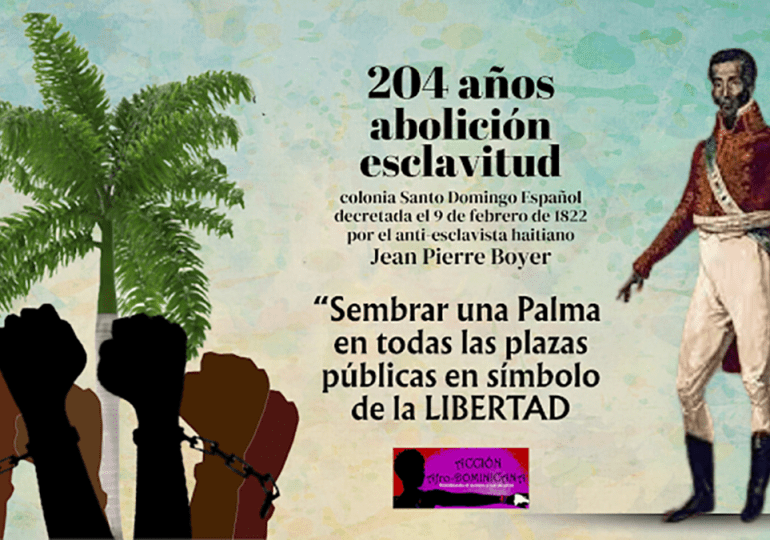
    SANTO DOMINGO – Marking the 204th anniversary of slavery’s abolition in Spanish Santo Domingo, the advocacy group Afro-Dominican Action has initiated a powerful digital campaign to challenge what it terms official historical amnesia. Through a series of video statements released on social media, the organization transformed the day into one of both historical remembrance and political protest.

    The campaign directly confronts the sustained silence from state institutions regarding February 9th, a date the group champions as foundational to the nation’s anti-colonial narrative and the broader Caribbean struggle for emancipation. This initiative builds upon a formal proclamation issued earlier, in which the organization accused the country’s political and intellectual elites of systematically minimizing and distorting the significance of the 1822 abolition event.

    Afro-Dominican Action argues that this erasure has facilitated a national narrative steeped in Hispanophilia and racism, one that deliberately obscures the pivotal role of Afro-descendant resistance movements and the transformative societal impact of abolition. The group has forcefully reaffirmed the date as an indispensable cornerstone in the history of anti-slavery efforts and for Afro-Dominican dignity.

    The video series features compelling testimonies from prominent scholars. Dominican writer and researcher Diógenes Abreu drew attention to the Palm of Liberty, a symbol planted by Haitian ruler Jean-Pierre Boyer that has been largely erased from public memory. Historian María Cecilia Ulrickson contested claims of a ‘benign’ or naturally declining slavery system prior to 1822, asserting that the abolition constituted the island’s first genuine act of emancipation. Providing a regional context, U.S. historian Andrew Walker documented how post-abolition Santo Domingo emerged as a critical sanctuary for formerly enslaved people fleeing across the Caribbean.

    Concluding its campaign, Afro-Dominican Action emphasized that the legacy of abolition is not a settled historical footnote but a fiercely contested and living memory, especially amidst contemporary struggles against racism and human rights violations. The organization has amplified its longstanding demand for the government, led by President Luis Abinader, to officially designate February 9th as the National Day of the Abolition of Slavery—a call for historical justice echoed by public intellectual Miguel Solano.

  • Indotel launches SonanDO project to strengthen cultural sovereignty in border areas

    Indotel launches SonanDO project to strengthen cultural sovereignty in border areas

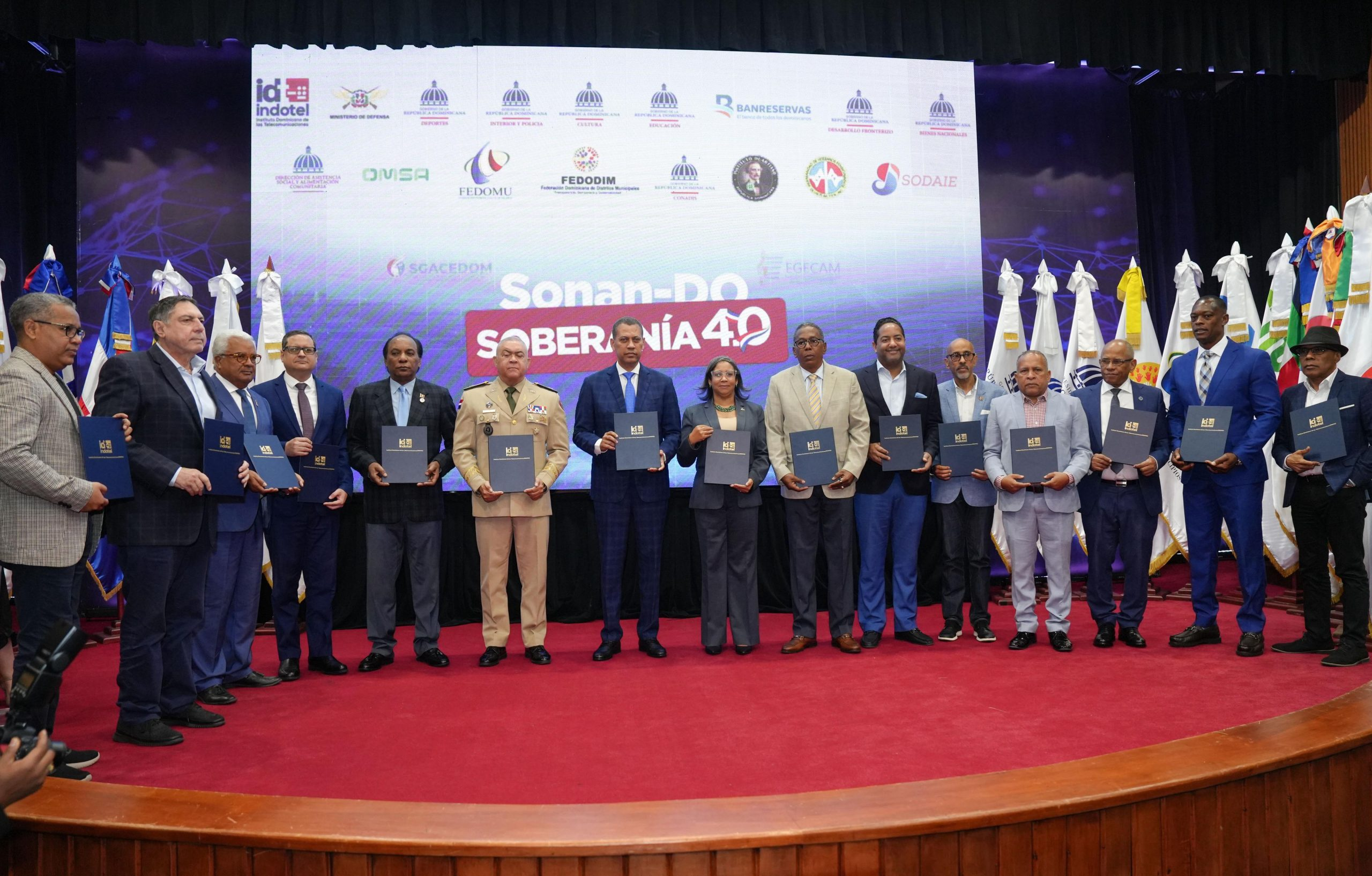
    The Dominican Telecommunications Institute (Indotel) has spearheaded a groundbreaking inter-institutional pact involving over 15 public and cultural organizations to implement Project SonanDO. This initiative forms a crucial component of the broader Sovereignty 4.0 strategy, designed to enhance radioelectric sovereignty while promoting national cultural identity and supporting comprehensive development in marginalized border communities through enhanced connectivity, educational resources, and locally produced content.

    Targeting seven strategic border provinces—Dajabón, Independencia, Elías Piña, Pedernales, Montecristi, Santiago Rodríguez, and Bahoruco—the project will deliver programming featuring authentic Dominican music, historical narratives, educational materials, and social guidance messaging. A innovative mobile recording studio, housed within a bus generously donated by OMSA, will traverse these regions to discover, train, and promote emerging local talents with particular focus on youth development.

    Indotel Board President Guido Gómez Mazara revealed the project was developed following comprehensive studies indicating disproportionate foreign radio broadcaster penetration in border zones, with over 60% of residents expressing dissatisfaction with available content. Gómez Mazara emphasized that SonanDO represents a holistic integration of cultural preservation, technological advancement, and educational enhancement to strengthen national identity while generating opportunities and reducing social exclusion. Sovereignty 4.0 coordinator Pochy Familia noted that participation from 19 institutions demonstrates unprecedented governmental commitment to cultural sovereignty and utilizing music as a catalyst for social transformation.

    This collaborative alliance reaffirms the Dominican Government’s dedication to protecting the radio spectrum as a strategic national asset, amplifying cultural presence in vulnerable border regions, and ensuring communication infrastructure serves as an instrument for identity reinforcement, education, and nationwide social cohesion.

  • Woman dies after fall from fourth level of Ágora Mall

    Woman dies after fall from fourth level of Ágora Mall

    Santo Domingo was struck by tragedy on Monday when a woman lost her life after falling from the fourth-floor parking structure at Ágora Mall. The incident occurred in an area operated by the General Directorate of Customs, prompting immediate response from emergency services including the National Police, Civil Defense, and the 9-1-1 System.

    Authorities have launched a comprehensive investigation to determine the precise circumstances surrounding the fatal incident. While preliminary details remain limited, officials are examining all possible factors that may have contributed to the tragedy.

    Ágora Mall administration released an official statement expressing profound condolences to the victim’s family and friends. The shopping center emphasized the importance of respectful and discreet handling of the sensitive case while acknowledging the swift response of both mall security personnel and emergency authorities who implemented established safety protocols.

    This unfortunate event evokes memories of a similar incident that occurred in July of the previous year, when a male individual died after falling from the parking facility of the same commercial establishment. That previous case was ultimately classified by authorities as an apparent suicide, though no such determination has been made regarding Monday’s incident.

  • Dominican gov’t names new heads at MESCyT and comptroller’s office

    Dominican gov’t names new heads at MESCyT and comptroller’s office

    SANTO DOMINGO – In a significant administrative overhaul, President Luis Abinader enacted Executive Decree 84-26 on Monday evening, appointing new leadership to two critical public institutions. The move represents a strategic effort to enhance governance effectiveness and institutional performance within the Dominican government.

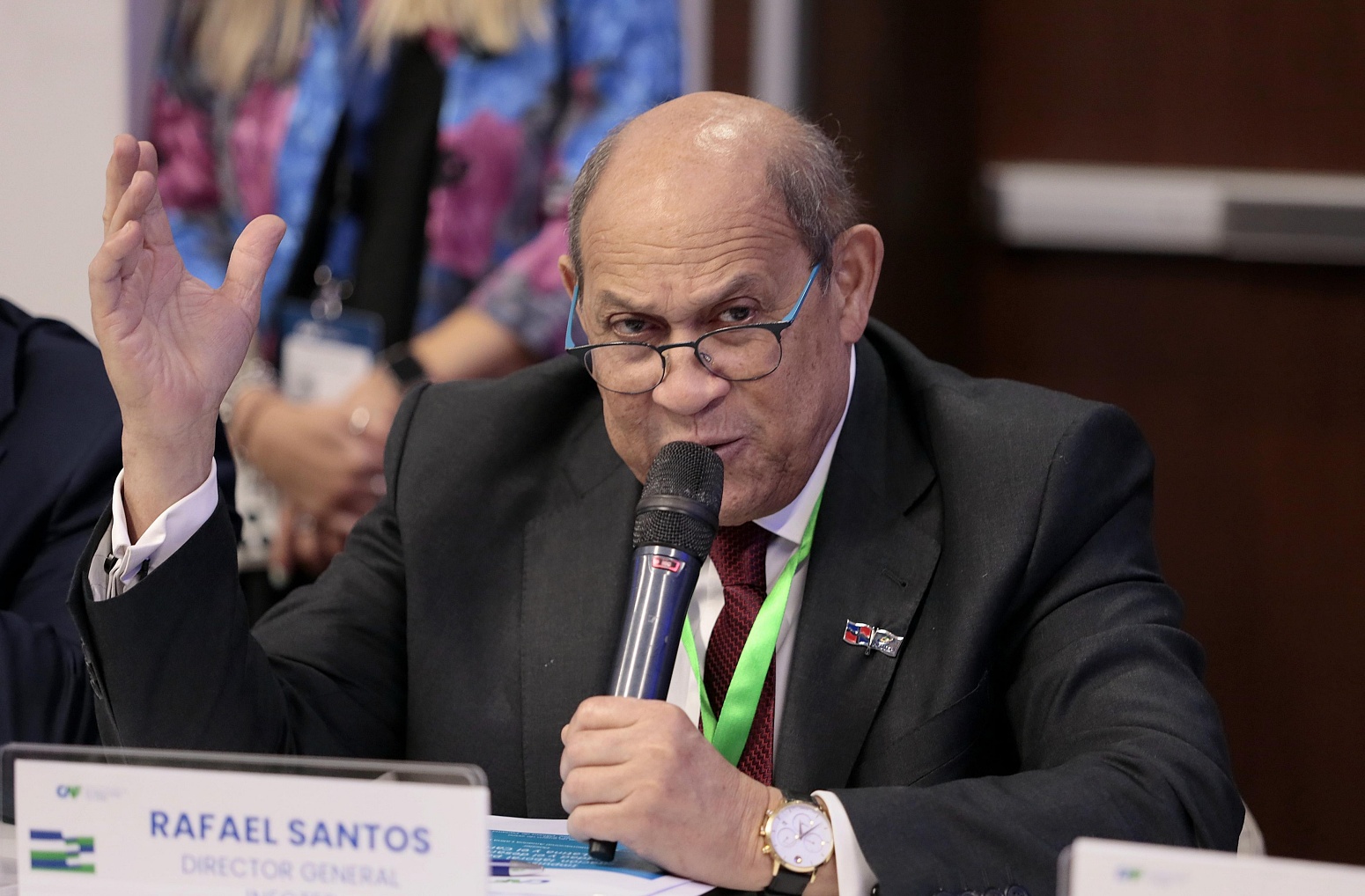
    The decree designates Rafael Evaristo Santos Badía as the incoming Minister of Higher Education, Science, and Technology (MESCyT), succeeding Franklin García Fermín. Santos Badía transitions from his role as Director General of the National Institute for Technical Professional Training (INFOTEP), bringing extensive expertise spanning education policy, labor rights advocacy, and decades of public service.

    Concurrently, Geraldo Espinosa Pérez has been appointed as the new Comptroller General of the Republic, taking over from Félix Antonio Santana García. Espinosa Pérez possesses over 24 years of specialized experience in accounting, financial management, public budgeting, and institutional auditing across both governmental and financial sectors.

    The presidential office emphasized that these reassignments are designed to strengthen operational transparency and administrative rigor. Executed under the president’s constitutional authority, the appointments have been formally communicated to all relevant agencies for immediate implementation.

    This restructuring occurs within the framework of a broader governmental initiative aimed at modernizing public management, reinforcing oversight mechanisms, and promoting accountability across vital state sectors.

  • U.S. Ambassador visits AES Dominicana, highlights strategic U.S. energy investment

    U.S. Ambassador visits AES Dominicana, highlights strategic U.S. energy investment

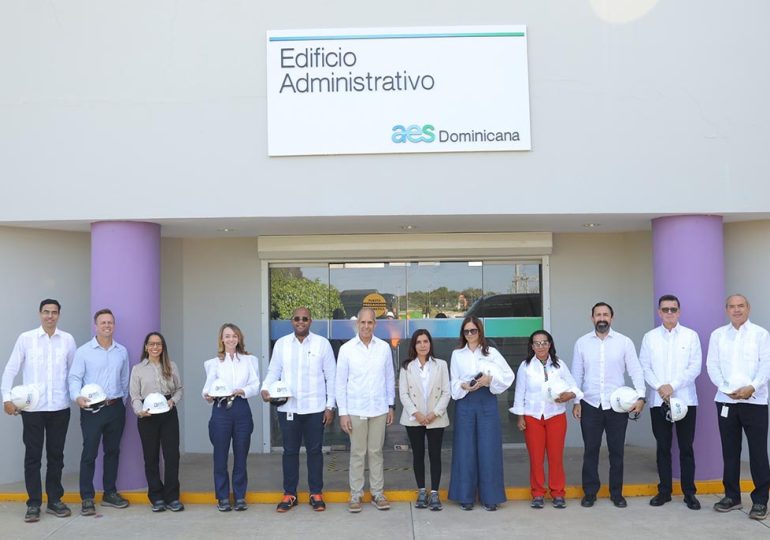
    Santo Domingo – In a significant demonstration of international energy cooperation, AES Dominicana, under the leadership of President Edwin De los Santos, recently welcomed U.S. Ambassador to the Dominican Republic, Leah Campos, for an exclusive tour of the AES Andrés energy complex. The high-level meeting served as a platform to unveil the company’s strategic investment initiatives and ambitious plans to significantly augment the nation’s natural gas import and distribution capabilities.

    During the comprehensive briefing, President De los Santos detailed the monumental financial commitment AES has made to the Dominican Republic, revealing cumulative investments surpassing US$2.4 billion. This figure solidifies the company’s position as the single largest source of U.S. capital investment within the country. He elaborated on the transformative impact of these funds, which have been instrumental in modernizing the national energy grid and establishing natural gas as a foundational economic driver for more than twenty years, powering diverse industrial sectors.

    The engagement further highlighted the robust and expanding energy trade partnership between the United States and the Dominican Republic. Notably, the Caribbean nation has ascended to become the foremost importer of U.S. natural gas in the entire Latin American region. A cornerstone of this operation is AES’s advanced terminal, which utilizes an innovative ‘LNG plug and play’ operational model. This framework is designed to facilitate swift and dependable scalability to accommodate the country’s escalating energy consumption, a capacity proven by the record import of 4 million cubic meters of LNG in 2025.

    Presently, the strategic alliance between AES Dominicana and its partner ENADOM is pivotal to the national energy matrix. They provide natural gas to seven separate power generation units, collectively injecting 1,800 megawatts into the national electricity grid. The existing infrastructure possesses the immediate capacity to integrate an additional 1,000 megawatts. Beyond power generation, the company’s distribution networks deliver gas directly to a wide array of end-users, including industrial manufacturers, commercial enterprises, the tourism industry, transportation services, and businesses within free trade zones. This comprehensive ecosystem underscores AES’s critical role in fortifying the Dominican Republic’s long-term energy security and sustainable economic development.

  • Mario Díaz warns road accidents will persist without motorcycle restrictions

    Mario Díaz warns road accidents will persist without motorcycle restrictions

    SANTO DOMINGO – Dominican transportation systems are approaching a breaking point as motorcycles increasingly dominate high-speed roadways, creating what union leader and attorney Mario Díaz characterizes as an unsustainable public safety emergency. With motorcycle-involved collisions now representing over 70% of all road accidents, authorities face mounting pressure to implement drastic regulatory measures.

    The crisis is particularly acute in Greater Santo Domingo and the National District, where motorcycles have effectively transformed elevated highways, tunnels, and underpasses into exclusive corridors—often without adequate safety provisions. Díaz specifically highlighted the dangerous proliferation of motorcycles on major arteries including Duarte Highway, Las Américas Expressway, 6 de Noviembre Highway, and the Malecón waterfront thoroughfare.

    Díaz warned that sporadic enforcement operations prove insufficient against this escalating threat. He advocated for comprehensive structural reforms including: permanent bans on motorcycles from expressways; temporary suspension of motorcycle imports; mandatory vehicle inspections; stricter regulations on importing aged vehicles; and a national initiative to remove dilapidated units from circulation.

    Emphasizing the need for coordinated governance, Díaz urged collaboration between national authorities, INTRANT (National Institute of Traffic and Land Transport), DIGESETT (Directorate of Traffic Safety and Land Transport), and municipal governments to implement sustained countermeasures. Without decisive action, he cautioned, the traffic system risks total collapse under the strain of uncontrolled vehicle fleet expansion.