标签: Dominican Republic

多米尼加共和国

  • Foreign Minister says U.S. planes in Dominican Republic did not join operation against Maduro

    Foreign Minister says U.S. planes in Dominican Republic did not join operation against Maduro

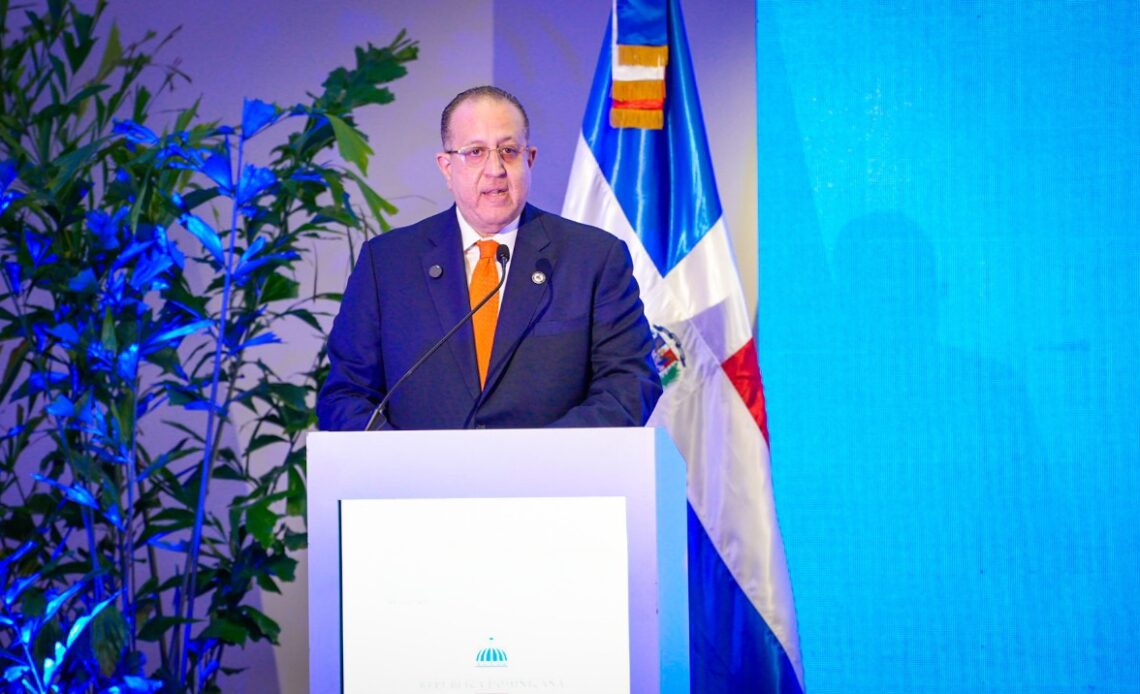
    SANTO DOMINGO – The Dominican Republic has formally denied any involvement in military operations targeting Venezuelan leadership, with Foreign Minister Roberto Álvarez providing detailed clarifications regarding U.S. aircraft operations from Dominican airports. Minister Álvarez emphasized that U.S. aircraft stationed in the country serve exclusively as refueling platforms for counter-narcotics missions throughout the Caribbean region, not as combat-ready fighter jets capable of engaging in military operations.

    In response to media inquiries, Álvarez categorically stated that ‘at no time has there been any activity other than the fight against drug trafficking’ from Dominican territory, directly refuting speculation that the nation’s airports might have facilitated military actions connected to Venezuela’s political situation. The Foreign Minister’s remarks come amid intensified regional scrutiny following recent developments involving Venezuelan leadership.

    Beyond operational clarifications, Álvarez reaffirmed the Dominican Republic’s diplomatic stance, calling for the international community to support the Venezuelan people’s pursuit of establishing a legitimate, democratic government that would earn international recognition. This position aligns with broader regional efforts to promote political stability through diplomatic channels rather than military intervention.

    The timely clarification addresses mounting concerns about potential regional escalation and demonstrates the Dominican government’s commitment to transparency amid circulating misinformation. Officials emphasized that all military cooperation with international partners remains strictly confined to counter-narcotics operations, with no deviation from this mandate throughout their collaborative efforts.

  • Government announces cabinet changes, appoints new ministers

    Government announces cabinet changes, appoints new ministers

    In a strategic move to reinforce economic development and housing policy, Dominican President Luis Abinader has enacted a significant cabinet reorganization through Decree No. 3-26. The reshuffle introduces key leadership changes across three critical government ministries.

    Eduardo ‘Yayo’ Sanz Lovatón transitions from his role as Director General of Customs to assume the position of Minister of Industry, Commerce, and MSMEs. During his tenure at Customs since August 2020, Sanz Lovatón spearheaded comprehensive modernization initiatives. A founding member of the ruling Modern Revolutionary Party (PRM) and its National Secretary of Finance, he previously served as a crucial strategist during President Abinader’s 2020 electoral campaign. His legal background includes a master’s degree in International Law coupled with extensive experience in both academic and private legal practice.

    Succeeding Sanz Lovatón at the Customs Directorate is Nelson Arroyo, who previously presided over the Dominican Telecommunications Institute (Indotel) from 2020 to 2024. Hailing from Moca in Espaillat province, Arroyo brings a distinguished legal and political career spanning decades. His credentials include a doctorate in law and extensive legislative experience as a former congressman, councilman, and civil governor. During his ten-year congressional tenure, he chaired multiple pivotal committees and contributed significantly to legislative processes.

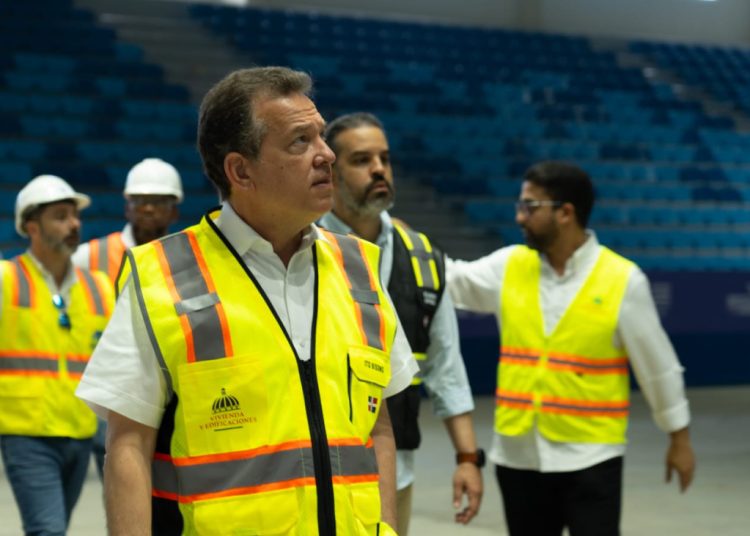
    Completing the triumvirate of appointments, Víctor ‘Ito’ Bisonó takes helm as Minister of Housing and Construction, transferring from his previous role as Minister of Industry, Commerce, and MSMEs. With over thirty years in public service, Bisonó’s congressional career encompassed four consecutive terms representing the National District. His legislative legacy includes championing policies on economic competitiveness, renewable energy adoption, and institutional strengthening. Known for his technically proficient and results-driven approach to governance, Bisonó is positioned to advance the administration’s housing agenda.

    The cabinet realignment demonstrates President Abinader’s strategic focus on optimizing governmental efficiency in sectors vital to national economic growth, foreign trade expansion, and housing development.

  • Dominican Republic rejects legitimacy of de facto regime in Venezuela at OAS

    Dominican Republic rejects legitimacy of de facto regime in Venezuela at OAS

    In a decisive address to the Organization of American States (OAS), the Dominican Republic has formally reaffirmed its refusal to recognize any de facto government in Venezuela. The position was delivered virtually by Deputy Foreign Minister for Bilateral Policy Francisco Caraballo during an extraordinary session of the OAS Permanent Council convened specifically to address the ongoing political crisis in Venezuela.

    Caraballo, representing Foreign Minister Roberto Álvarez, articulated that Santo Domingo’s stance remains unchanged following the July 28, 2024 elections. The government’s refusal to acknowledge Nicolás Maduro’s presidential proclamation stems directly from the absence of published electoral records, which it considers fundamental for democratic validation. “The Dominican Republic does not validate faits accomplis,” authorities emphasized, underscoring their commitment to procedural legitimacy.

    The deputy minister presented a nuanced analysis of the crisis, acknowledging that while the Dominican government cannot legitimize an authority that remains in power contrary to the Venezuelan people’s will, it simultaneously recognizes the urgent need to address deteriorating social conditions. Caraballo identified two critical immediate priorities: maintaining the basic operational capacity of state institutions and developing a carefully structured roadmap toward democratic transition.

    Emphasizing foundational inter-American principles, Caraballo stressed that any political transition must rigorously respect Venezuela’s sovereignty, self-determination, and conflict resolution through peaceful means. These principles, enshrined in the OAS Charter, the Pact of Bogotá, and the Inter-American Democratic Charter, form the non-negotiable basis for acceptable solutions.

    Concluding his address, Caraballo characterized the current situation as both delicate and potentially dangerous, issuing a compelling call for hemispheric solidarity. He urged member states to exercise collective responsibility to prevent further escalation, protect vulnerable Venezuelan citizens, and preserve regional stability. The vice minister specifically challenged the OAS to demonstrate unprecedented unity and establish an effective mechanism to support Venezuela while restoring confidence in inter-American institutions.

  • Venezuela’s Liberation is a signal: The Dominican Republic must act

    Venezuela’s Liberation is a signal: The Dominican Republic must act

    A strategic recalibration is underway across Latin America, driven not by political declarations but by subtle shifts in economic posture. Venezuela’s gradual reintegration into regional dialogues—alongside potential Cuban transitions—is triggering significant behavioral changes among investors, entrepreneurs, and diaspora communities. This evolving landscape presents both unprecedented opportunities and critical warnings for the Dominican Republic.

    The real prize isn’t merely participating in reopening markets but becoming the operational platform that enables regional expansion. Historical patterns demonstrate that when long-closed economies reopen, they don’t gradually return—they experience explosive growth. The true beneficiaries are rarely the reopening countries themselves, but rather the nations that establish themselves as command centers for incorporation, talent development, capital structuring, and intellectual property registration.

    The Dominican Republic possesses unique advantages for this platform role: a growing digital nomad ecosystem, culturally agile workforce, emerging startup scene, international visibility, and economically influential diaspora networks. However, positioning requires deliberate engineering rather than passive assumption.

    For digital nomads, this represents leverage opportunity—early embeddedness in developing ecosystems grants access to high-value consulting, cross-border ventures, and equity opportunities. For Dominican entrepreneurs, it’s about scaling exportable structural necessities: logistics systems, financial infrastructure, workforce platforms, and compliance technologies rather than consumer apps alone.

    The critical risk involves strategic preparation. Without establishing itself as the designated center for company formation, system design, and operational management, the DR risks being overshadowed when Venezuela and Cuba attract massive international attention, infrastructure investment, and returning diaspora resources.

    Strategic imperatives include transitioning from talent destination to system builder, developing exportable intellectual property in SaaS, fintech, and smart city technologies, and preparing to provide payment systems, workforce pipelines, and compliance structures for reopening markets. This requires architectural design rather than mere hustle—creating frameworks that transform creativity into scalable value.

    This moment represents a rare convergence of stability, visibility, talent mobility, and regional curiosity. The Dominican Republic’s opportunity lies not in its size but in its timing. The fundamental question remains: will the nation design the changes benefiting the region or merely benefit from changes designed elsewhere?

  • Security protocols activated at AILA after threat on Copa Airlines flight

    Security protocols activated at AILA after threat on Copa Airlines flight

    Santo Domingo’s Las Américas International Airport (AILA) implemented comprehensive security measures on Tuesday after receiving a credible threat against Copa Airlines flight CM299. The airport administration, in collaboration with the Specialized Airport and Civil Aviation Security Corps (CESAC), executed a coordinated emergency response following established safety protocols designed to safeguard passengers, aviation personnel, and ground crew.

    As a precautionary measure, airport authorities temporarily diverted two incoming flights: JetBlue 590 was redirected to Cibao International Airport in Santiago while United Airlines flight 2404 was instructed to land at Punta Cana International Airport. The swift implementation of security procedures ensured that overall airport operations continued without significant disruption beyond these temporary diversions.

    Official sources confirmed that normal operations resumed promptly following the security sweep, with both diverted flights expected to return to AILA once authorities cleared the situation. CESAC, as the lead investigative agency, has assumed responsibility for all aspects of the threat assessment and will provide further details regarding the incident as the investigation progresses. The incident demonstrated the effectiveness of the Dominican Republic’s aviation security infrastructure in responding to potential threats while minimizing operational impact.

  • Reduced rainfall expected as frontal system weakens

    Reduced rainfall expected as frontal system weakens

    SANTO DOMINGO – Meteorological authorities in the Dominican Republic have confirmed the gradual dissipation of the frontal system that recently impacted the nation, signaling a substantial improvement in overall weather patterns. The latest assessment from the Dominican Institute of Meteorology (Indomet) indicates a nationwide decline in precipitation activity.

    While isolated morning showers may persist in specific northern and eastern provinces—including Puerto Plata, Espaillat, Hermanas Mirabal, La Altagracia, El Seibo, and Samaná—the majority of the country can anticipate predominantly clear skies. Meteorological analysis attributes the minimal cloudiness to an incoming low-humidity air mass. Isolated afternoon precipitation remains possible in elevated mountainous and densely forested regions due to localized climatic effects.

    Despite the improving forecast, the Emergency Operations Center (COE) has issued continued public safety warnings. Officials emphasize that rivers, streams, and ravines continue to pose significant threats due to persistently high water levels, powerful undercurrents, and reduced water clarity. The population is strongly advised to avoid all aquatic recreational activities and refrain from attempting to cross flooded waterways. The COE reiterated the importance of heeding official directives and maintaining vigilance by monitoring subsequent weather advisories for further developments.

  • ILO reports Dominican unemployment at 4.9% in 2025

    ILO reports Dominican unemployment at 4.9% in 2025

    SANTO DOMINGO – The Dominican Republic has solidified its position as a regional leader in employment, maintaining one of Latin America’s lowest jobless rates according to newly released international data. Minister of Labor Eddy Olivares, citing the International Labour Organization’s (ILO) Labour Panorama 2025 report, announced the national unemployment rate reached approximately 4.9% in 2025, significantly outperforming the regional average of 6%.

    The nation’s economic resilience is largely attributed to robust expansion in labor-driven sectors including services, construction, and tourism. Minister Olivares credited this sustained employment recovery to the strategic public policies enacted under President Luis Abinader’s administration. These measures, which emphasize economic growth, social dialogue, and human-centric labor reforms, have collectively fortified the national job market.

    Looking forward, government projections indicate optimism for further improvement, with unemployment potentially dipping below the current 4.9% threshold by 2026. Strategic priorities will focus on enhancing youth employment opportunities, addressing workforce gender disparities, and accelerating the formalization of jobs. In collaboration with private sector partners and worker representatives, the Ministry of Labor plans to expand initiatives such as job placement services, first-job programs, vocational skills training, and comprehensive labor inspections. These coordinated efforts aim to cultivate an inclusive and sustainable labor framework for the future.

  • CNTU launches pilot nighttime route from 11 p.m. to 5 a.m.

    CNTU launches pilot nighttime route from 11 p.m. to 5 a.m.

    Santo Domingo has initiated an innovative nighttime public transportation pilot program in response to the growing need for safe transit options for overnight workers. The National Central of Unified Transporters (CNTU) unveiled plans for a new route operating from 11:00 p.m. to 5:00 a.m. along the Duarte Highway–John F. Kennedy corridor.

    CNTU President William Pérez Figuereo emphasized the program’s primary objective: providing secure and dignified transportation for hundreds of night-shift employees who previously struggled with limited mobility options. The initiative specifically targets security personnel, restaurant staff, retail employees, street vendors, and day laborers who cannot access conventional taxi services due to financial constraints.

    The transportation union projects that approximately 500 businesses along the designated corridor could experience operational benefits from the extended service hours. Pérez Figuereo additionally highlighted potential secondary advantages, including reduced daytime traffic congestion as some commercial activities might shift to nighttime operations.

    Addressing security concerns inherent to nighttime operations, the CNTU leadership has formally requested protection support from the National Police and Ministry of Defense for participating drivers. Despite acknowledging the initiative’s potential initial lack of profitability, Pérez Figuereo strongly encouraged other transportation organizations to implement similar programs, framing the service as essential social infrastructure rather than purely commercial enterprise.

  • Authorities warn of sargassum arrival on Caribbean coasts by late January 2026

    Authorities warn of sargassum arrival on Caribbean coasts by late January 2026

    Santo Domingo environmental authorities have issued an alert regarding a significant sargassum seaweed incursion anticipated to reach Caribbean coastlines by January 2026. José Ramón Reyes, Vice Minister of Coastal and Marine Resources at the Ministry of Environment, indicated the algal phenomenon would likely follow patterns previously observed across the Antilles and Mexican coastlines.

    Unusual early detections have already been recorded, with sargassum appearing in atypical regions including northern coastal areas and eastern zones as early as December. Current nationwide estimates suggest approximately 800,000 tons of sargassum are present, though officials acknowledge difficulties in quantifying the full extent across all affected regions.

    In response to this growing environmental challenge, the Dominican government is implementing multiple strategic initiatives. The Ministry has established collaborative agreements with KOICA (Korean International Cooperation Agency) and the European Union’s Euroclima program to develop an advanced early warning system. This technology will provide coastal communities with critical 48 to 72-hour alerts before sargassum arrivals.

    Complementary monitoring efforts include a pilot project utilizing camera networks and drone surveillance in heavily impacted areas, developed through partnership with SOS Carbón. The Dominican Republic has additionally elevated the sargassum crisis to international forums, advocating for its recognition as a regional environmental emergency requiring coordinated multinational response strategies.

  • “Plastics for Toys” returns to City Hall on January 11

    “Plastics for Toys” returns to City Hall on January 11

    Santo Domingo’s municipal government is set to host the sixth iteration of its innovative environmental program, ‘Plastics for Toys,’ on Sunday, January 11. Spearheaded by National District Mayor Carolina Mejía, the event will operate from 8:00 a.m. to 12:00 p.m. at City Hall, exclusively catering to residents of the National District.

    This community-driven initiative establishes a direct exchange mechanism where participants can trade cleaned and crushed plastic bottles, complete with their caps, for new toys. The program features a tiered exchange system: 500 bottles qualify for a bicycle, while 300 bottles can be redeemed for other assorted toys. To ensure equitable distribution, a limit of two toys per person will be enforced, requiring presentation of valid identification.

    Beyond the environmental exchange, Mayor Mejía has announced accompanying festivities including live children’s entertainment, musical performances, and refreshments. The municipal government emphasized the program’s dual significance, highlighting both its waste reduction achievements and its role in public education. Official data reveals that the ‘Plastics for Toys’ program, along with its sister initiative ‘Plastics for School Supplies,’ has successfully diverted over 33 million plastic bottles from streets and landfills. These efforts collectively represent one of the nation’s most substantial ongoing campaigns for environmental awareness and sustainable practice adoption.