标签: Dominican Republic

多米尼加共和国

  • 4.9 magnitude earthquake shakes Punta Cana

    4.9 magnitude earthquake shakes Punta Cana

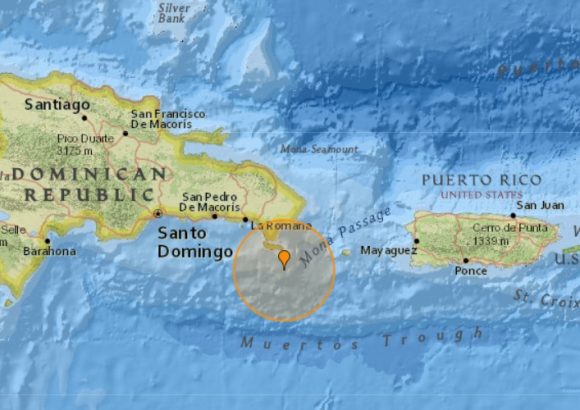
    A moderate 4.9-magnitude earthquake hit the waters south of Boca de Yuma in the Dominican Republic’s eastern La Altagracia province on Friday local time, according to data released by the U.S. Geological Survey (USGS). The seismic event was recorded at 12:06 p.m. local time, with a relatively deep hypocenter sitting 90 kilometers, or 56 miles, below the Earth’s surface. Its epicenter was positioned roughly 52 kilometers off the southern coast of the Boca de Yuma community.

    Shaking from the quake was widely felt across the eastern half of the Dominican Republic, including the popular tourist hub of Verón-Punta Cana. The tremor was also detected across the Caribbean in Puerto Rico, where dozens of local residents reached out to officials to report feeling the shaking. In the immediate aftermath of the earthquake, regional authorities moved quickly to issue public updates: no tsunami advisory or warning was triggered by the event, and as of initial assessments, there have been no reports of human injuries or widespread structural damage to infrastructure.

  • Mining leads Dominican economy with 9.7% growth through May

    Mining leads Dominican economy with 9.7% growth through May

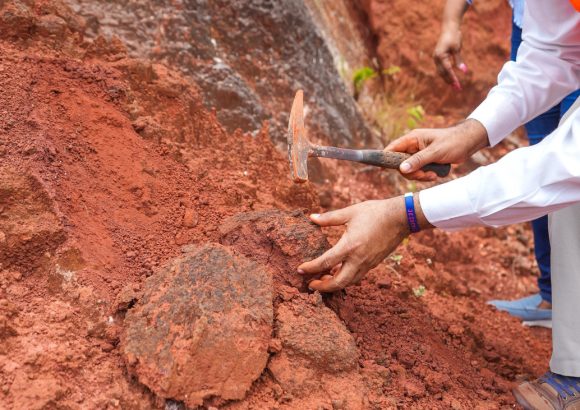
    Against a backdrop of widespread global market volatility stoked by simmering geopolitical tensions, the Dominican Republic’s mining sector has emerged as an unexpected powerhouse driving national economic growth, new official data reveals. Citing figures released by the Dominican Central Bank, Energy and Mines Minister Joel Santos announced that mining outpaced every other productive sector in the country between January and May 2026, posting a robust year-to-date expansion of 9.7%. This strong performance has been a critical bulwark for the country’s broader economy, which recorded a solid overall growth rate of 4.2% through the first five months of the year even as many peer nations struggle to maintain stable expansion amid global headwinds.

    Breaking down monthly performance, Santos shared that mining activity grew 6.4% year-over-year in May 2026 alone, pushing the sector into second place among the country’s top-performing industries, trailing only construction. The consistent uptick in output has been driven by rising production of high-demand commodities, including gold, silver, and raw construction materials, cementing the sector’s status as a foundational pillar of the Dominican economy. Beyond output growth, mining continues to deliver outsized benefits to the country through its key contributions to cross-border exports, foreign exchange inflows, and public sector revenue.

    In addition to its financial contributions, the minister emphasized that the mining industry stands out as a reliable creator of high-wage employment for Dominican workers, even during periods of international economic turbulence. Looking back at 2025 full-year results, mining exports exceeded $2.5 billion, with gold accounting for the largest share of that total. For the country’s public finances, the sector delivered approximately 45 billion Dominican pesos in tax revenue in 2025, a significant injection that has strengthened the government’s fiscal position and supported public spending on domestic programs.

  • Report identifies major gaps in Dominican-Haitian border migration management

    Report identifies major gaps in Dominican-Haitian border migration management

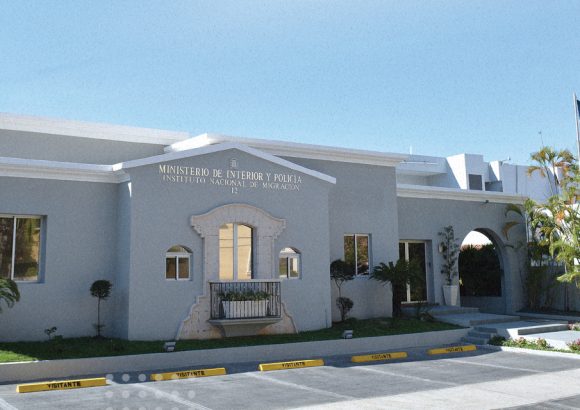
    A collaborative assessment carried out by the Dominican Republic’s National Migration Institute (INM) and the World Bank has uncovered major systemic shortcomings in how migration is regulated along the shared border between the Dominican Republic and Haiti, pointing to a series of overlapping issues that put fair legal processes at risk. These flaws span from fragmented coordination between different government bodies to overly broad discretionary power granted to enforcement officials, substandard infrastructure for deportation operations, and confusingly mixed oversight responsibilities between military and civilian institutions.

    The geographic and operational landscape of the border itself adds layers of complexity to the management challenge, the report confirms. Spanning a long, porous divide, the boundary counts more than 31 official crossing points, supports more than 15 binational commercial markets, and is complemented by at least 16 unregulated informal entry points. This mixed ecosystem creates a dynamic space where both legal and unregistered migration and cross-border trade operate side by side, weaving interconnected economic and social ties between communities on both sides.

    To illustrate just how deeply integrated these border economies are, the study notes that close to 2,000 Haitian workers cross through the Pedernales checkpoint every single day. The vast majority of these laborers take up jobs in the Dominican Republic’s construction and agricultural sectors, a pattern that underscores the mutual economic reliance that shapes daily life for populations living near the border, even amid ongoing governance challenges.

    Beyond structural coordination issues, the research team behind the report also called attention to operational gaps that weaken migration enforcement and leave vulnerable populations at risk. These include inconsistent deployment and use of biometric identification technology, a general lack of adequate specialized training for frontline migration enforcement staff, and alarming substandard living and processing conditions at deportation transit centers. These poor conditions disproportionately harm marginalized groups, particularly women and migrant children held in these facilities.

    To address the full scope of these shortcomings, the report puts forward a clear set of actionable recommendations. It calls for a shift toward more coordinated, data-driven migration policies that cut through institutional fragmentation, renewed efforts to strengthen cross-agency collaboration, and expanded opportunities for local border communities to participate in governance planning. The report frames these reforms as a balanced path to improve overall border governance, while upholding both the Dominican Republic’s national security priorities and fundamental due process protections for all people impacted by migration enforcement.

  • Onesvie urges stronger seismic preparedness after Venezuela earthquakes

    Onesvie urges stronger seismic preparedness after Venezuela earthquakes

    In the wake of deadly seismic activity in neighboring Venezuela, the Dominican Republic’s National Office for Seismic Evaluation and Vulnerability of Infrastructure and Buildings (Onesvie) has issued a renewed urgent call for sustained investment and action around earthquake preparedness across the country. The recent tremors that rocked Venezuela, which left multiple fatalities and widespread destruction of public and private infrastructure, have served as a stark reminder of the persistent seismic risk faced by the Caribbean region, and highlighted critical gaps the Dominican Republic must address to protect its population.

    Onesvie officials emphasized that ongoing, systematic assessment of the nation’s critical infrastructure — including healthcare facilities, educational institutions, and all public government buildings — remains one of the country’s top public safety priorities. The agency has reaffirmed its ongoing commitment to rolling out a multi-pronged strategy to boost national resilience, including mandatory structural safety inspections for at-risk buildings, hands-on training programs for emergency response teams and community leaders, and large-scale public awareness campaigns designed to educate Dominican residents on how to prepare for, respond to, and recover from major seismic events.

    Alongside its domestic call to action, Onesvie also issued a formal statement of solidarity with the Venezuelan people, who have borne the brunt of the recent quakes’ destructive impact. The agency expressed its deepest condolences for the lives lost to the disaster, and extended full support to Venezuelan public authorities and local emergency response teams as they work to clear rubble, provide aid to displaced communities, and advance long-term recovery and reconstruction efforts across affected regions.

  • Interior and Police coordinate actions to strengthen citizen security in Verón

    Interior and Police coordinate actions to strengthen citizen security in Verón

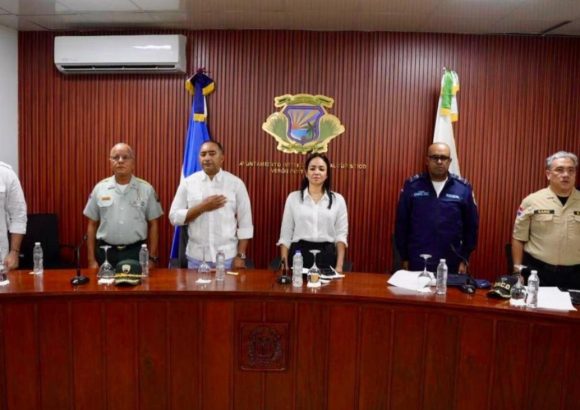
    VERÓN-PUNTA CANA — As the Dominican Republic’s most high-profile tourist destination, Verón-Punta Cana is moving forward with a coordinated, multi-agency push to elevate public safety and reinforce peaceful community coexistence, led by the nation’s Minister of Interior and Police Faride Raful. Raful recently chaired the regional Security, Citizenship and Gender Roundtable, a convening designed to align cross-institutional strategies that address the unique security needs of the area, which draws millions of international visitors each year.

    The roundtable brought together key stakeholders from across national and local government, including senior representatives from the National Police, the General Directorate of Migration, the National Drug Control Directorate (DNCD), Digesett, the national road safety authority, COBA, and local municipal leadership. Over the course of discussions, participating agencies finalized a detailed actionable roadmap to tackle the region’s most pressing public safety challenges. Key priority areas outlined in the plan include intensified counter-narcotics operations to disrupt drug trafficking networks, enhanced border and internal migration control protocols, targeted measures to secure school environments and protect student populations, regulation to reduce excessive noise pollution that disrupts local communities, and expanded initiatives to cut traffic accidents and improve overall road safety.

    Beyond this specific regional meeting, the Security, Citizenship and Gender Roundtable framework was designed as a sustained collaborative platform. It bridges institutional gaps between national government bodies, local authorities, and community groups, creating a structured space to surface emerging public safety concerns, track progress on existing initiatives, and roll out coordinated prevention-focused interventions that reduce crime and strengthen the visible, trusted presence of state institutions across the region. The coordinated approach reflects the government’s priority of protecting both local residents and the critical tourism sector that underpins Verón-Punta Cana’s economy.

  • Colonial City restoration aims to preserve heritage and tradition

    Colonial City restoration aims to preserve heritage and tradition

    SANTO DOMINGO — One of the Americas’ most historically significant urban landmarks is in the final stretch of a large-scale revitalization effort, with completion on track to meet original timeline targets, project leaders announced this week.

    The Comprehensive Program for Tourism and Urban Development of the Colonial City of Santo Domingo (Pidtuccsd) confirmed that ongoing renovation works across the UNESCO-recognized historic district are slated to wrap up construction by October, with an official handover and public launch scheduled for December.

    During a scheduled media tour of the work zone, government and project authorities walked journalists through the advanced progress of more than two dozen separate restoration initiatives. The projects touch every corner of the Colonial City, from public streetscapes and centuries-old residential structures to iconic historic buildings, religious temples and regional cultural centers.

    The core goal of the entire overhaul is to elevate the visitor experience for millions of domestic and international tourists who travel to the district each year. Founded in 1502, the Colonial City holds the distinction of being the first permanent European settlement established in the Americas, making it a landmark site of global historical importance.

    Speaking for the Dominican Republic’s Ministry of Tourism, lead architect Amín Santos outlined the framework of the multi-project renovation, which falls under the umbrella of the city’s broader comprehensive tourism and urban development strategy. Santos explained that 28 distinct projects have been active concurrently on site, with an original 18-month execution window mapped out when work first got underway.

    Launched in February 2023, the revitalization initiative has now reached an overall completion rate of 86.8%, putting it solidly on pace to hit the October completion target. During the media tour, Santos also shared detailed visual documentation of the district’s transformation, showcasing side-by-side before-and-after comparisons of restored streets, cultural landmarks and historic churches across the Colonial City.

    Once completed, project leaders expect the upgraded infrastructure and restored historic sites to drive increased tourism revenue, boost local small business activity, and preserve the district’s unique cultural heritage for future generations.
  • Tsunami alert lifted for Dominican Republic’s southern coast

    Tsunami alert lifted for Dominican Republic’s southern coast

    A multi-hour state of precaution has come to an end for communities along the Dominican Republic’s southern shore, after local authorities officially terminated a tsunami warning triggered by two major undersea earthquakes off Venezuela’s northern coast earlier Wednesday.

    The Emergency Operations Center, known locally by its Spanish acronym COE, made the announcement Wednesday after hours of continuous ocean monitoring and consultation with international and regional geological and meteorological agencies. After reviewing real-time sea level data and updated seismic assessments, the agency confirmed that the immediate tsunami threat has fully passed.

    In the immediate aftermath of the quakes, which registered magnitudes of 7.2 and 7.5 respectively and struck off the coast of Venezuela’s Puerto Cabello, officials in the Dominican Republic quickly issued the alert as a standard precautionary measure. Coastal residents were instructed to evacuate low-lying shoreline areas and move to higher ground to avoid potential inundation.

    With the alert now lifted, all residents who relocated can safely return to their homes and resume their regular daily routines. Even as the emergency stands down, COE has emphasized that the public should remain attentive to future official announcements and maintain a baseline vigilance for shifting ocean or seismic conditions in the coming days.

  • Venezuela declares state of emergency after twin earthquakes strike

    Venezuela declares state of emergency after twin earthquakes strike

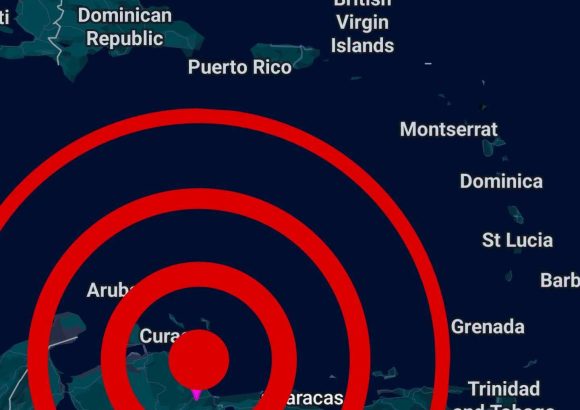
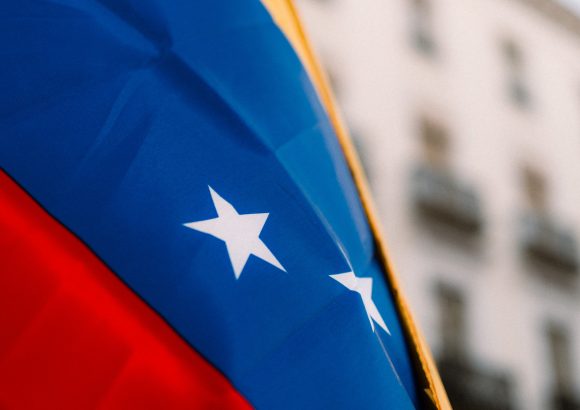
    On Wednesday, Venezuela was hit by two massive, back-to-back earthquakes with magnitudes of 7.2 and 7.5 on the Richter scale, leaving a trail of widespread destruction across multiple regions of the South American nation and forcing national officials to enact a full countrywide state of emergency. The seismic activity was felt across large swathes of the country, even reaching the capital city of Caracas, where early reports documented multiple building collapses and critical damage to public infrastructure.

    Data published by the United States Geological Survey confirms that the more powerful 7.5-magnitude tremor struck just 40 seconds after the initial 7.2-magnitude quake, both centered in the same geographic area. The epicenter of the seismic event was positioned roughly 28 kilometers northwest of the town of Montalbán, a location that sits in close proximity to some of Venezuela’s most important oil refining infrastructure – a critical sector for the country’s economy.

    In the immediate aftermath of the disaster, acting Venezuelan President Delcy Rodríguez rolled out a series of urgent emergency measures to protect public safety and organize response efforts. These new rules include the suspension of all in-person classes and non-essential work across affected areas, the mandatory evacuation of residential structures that suffered severe structural damage, and the indefinite closure of Maiquetía International Airport, one of the country’s busiest international travel hubs which sustained heavy damage from the quakes.

    As search-and-rescue teams and recovery crews continue to work through damaged areas to locate survivors and clear debris, national government leaders have called on all Venezuelan citizens to stand united and follow official safety guidance to avoid additional harm. Political opposition leader and Nobel Peace Prize laureate María Corina Machado also issued a public statement extending her full support to all communities impacted by the disaster, offering prayers for victims of the quakes and their grieving families.

    In updated safety guidance, U.S. tsunami monitoring officials have since ruled out any tsunami risk for the broader Caribbean region, allowing local emergency managers to cancel an earlier precautionary tsunami warning that was issued immediately after the major tremors were detected.

  • Tobacco exports generate $1.359 billion for Dominican Republic in 2025

    Tobacco exports generate $1.359 billion for Dominican Republic in 2025

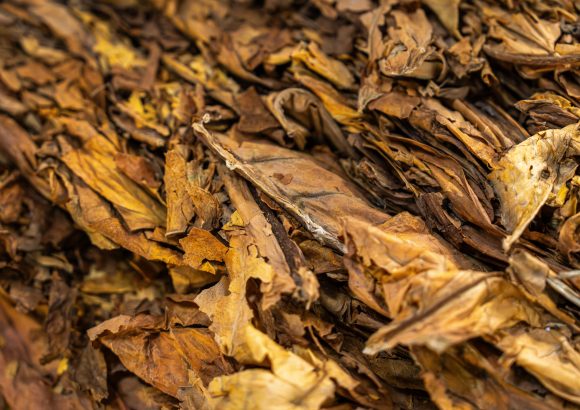
    Santo Domingo – The Dominican Republic’s iconic tobacco sector has delivered another year of solid expansion, closing 2025 with total export revenue hitting $1.359 billion. This marks a $19 million year-over-year increase, reaffirming the industry’s standing as one of the nation’s most valuable export-focused sectors.

    Industry leader Iván Hernández Guzmán shared new details on the sector’s broad economic footprint, noting that it currently supports more than 122,000 direct jobs across the country and maintains an annual output of roughly 330,000 quintals of raw tobacco. Currently, 130 tobacco and tobacco-derived product companies operate within the nation’s free zone regime, with 93% of these facilities concentrated in the country’s northern agricultural heartland.

    Long-term trend data underscores the sector’s consistent momentum: since 2019, total tobacco exports have surged 41%, pulling in a wave of new private investment and driving dramatic job growth. The total direct workforce has expanded from just under 97,500 workers in 2019 to more than 122,000 entering 2026.

    Hernández attributed the sector’s sustained growth to targeted government support programs designed to strengthen smallholder producers and boost global market access. These initiatives include hands-on technical assistance for farmers, free distribution of improved tobacco seeds and seedlings, support for land preparation, advanced pest control frameworks, and sustained international marketing campaigns that highlight the quality of Dominican tobacco.

    He went on to reaffirm that tobacco remains the Dominican Republic’s third-largest export category, trailing only gold and medical devices in total export value. Meanwhile, premium Dominican cigars continue to hold an unrivaled global reputation for craftsmanship and quality, anchored by world-renowned brands including Arturo Fuente and Davidoff that dominate the global premium cigar market.

  • Dominican Republic reelected to OAS Inter-American Juridical Committee

    Dominican Republic reelected to OAS Inter-American Juridical Committee

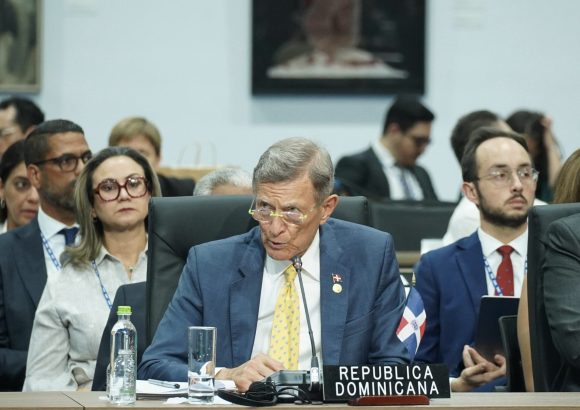
    During the 56th Ordinary Session of the Organization of American States General Assembly, hosted this year in Panama City, delegates voted overwhelmingly to reelect the Dominican Republic to a second consecutive term on the organization’s influential Inter-American Juridical Committee (CJI) via acclamation. This outcome cements the Dominican Republic’s ongoing role in shaping critical legal and diplomatic dialogue across the Western Hemisphere.

    The Dominican Republic will be represented on the committee by distinguished jurist Julio José Rojas Báez, who already holds two key leadership positions within the CJI: current committee president and special rapporteur focused on the legal ramifications of sea level rise across the inter-American region. Alongside the Dominican Republic, candidates from Brazil and Mexico also secured seats on the committee during the same electoral process.

    In an official statement following the vote, the Dominican Republic’s Ministry of Foreign Affairs emphasized that the reelection is far more than a routine procedural outcome: it signals the country’s expanding clout in global multilateral governance, and serves as international recognition of the high level of expertise held by Dominican legal practitioners.

    As the primary advisory body to the OAS on all legal matters, the CJI plays a foundational role in advancing the evolution and formal codification of international law across the Americas. It also works to strengthen cross-border legal cooperation and advance political and legal integration among the 35 member states of the Organization of American States.