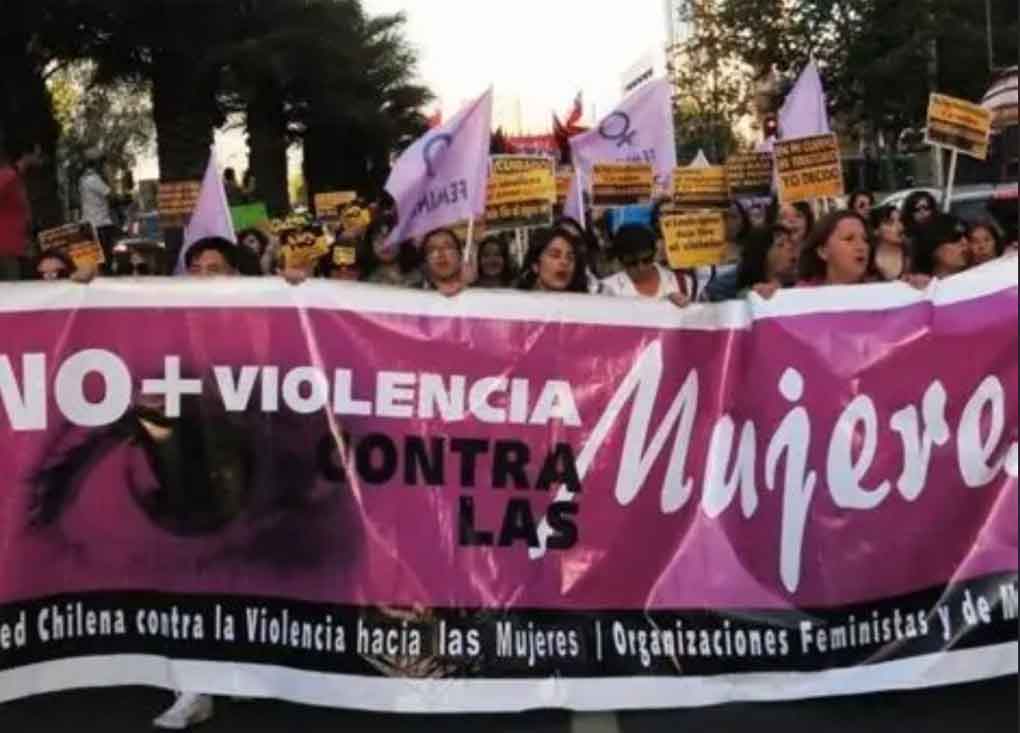
The Chilean National Television Council (CNTV) has sparked widespread criticism for its decision to prohibit a campaign addressing violence against women, citing the ongoing electoral process as justification. Social organizations and government officials have condemned the move, arguing that it undermines efforts to combat gender-based violence and disregards Chile’s international commitments. The Network of Feminist Journalists and Communicators issued a statement declaring, ‘We will not accept that the protection of women be subordinated to electoral calculations.’ They emphasized that the CNTV’s decision, based on vague reasoning, trivializes the severity and urgency of gender violence and sets a dangerous precedent for relativizing women’s rights. Antonia Orellana, the Minister for Women and Gender Equity, labeled the council’s decision as misguided. She highlighted that campaigns against gender violence have historically been broadcast on November 25th, the International Day for the Elimination of Violence against Women, regardless of electoral periods. The controversy has reignited debates about the prioritization of women’s rights in Chile and the role of media in addressing societal issues.
标签: Cuba
古巴
-
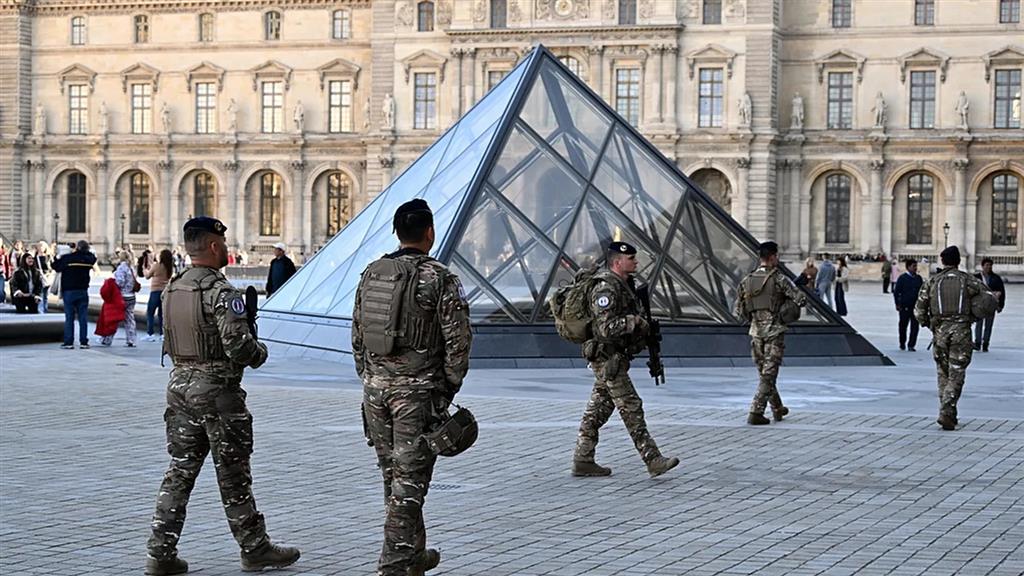
Suspected fourth member of Louvre robbery gang arrested
In a dramatic turn of events, authorities have detained an individual at the Anti-Bandit Brigade headquarters, accusing them of organized robbery and criminal association. These charges mirror those faced by three other suspected gang members already under prosecution. Meanwhile, three additional individuals—a man and two women—were apprehended today, though the specifics of their arrests remain undisclosed. The arrests are linked to a high-profile theft at the Louvre’s Apollo Gallery on October 19, where intruders broke in through a window and made off with priceless jewelry, including necklaces, earrings, a corsage, and a tiara once owned by Empresses Eugénie, Marie Louise of Austria, Marie Amelie, and Hortense. Despite the arrests and substantial evidence collected at the scene, the stolen artifacts, deemed irreplaceable in heritage and historical value, remain missing. This incident has reignited concerns over the security of cultural landmarks in France, particularly the Louvre, which safeguards over half a million artworks, with approximately 36,000 on public display.
-
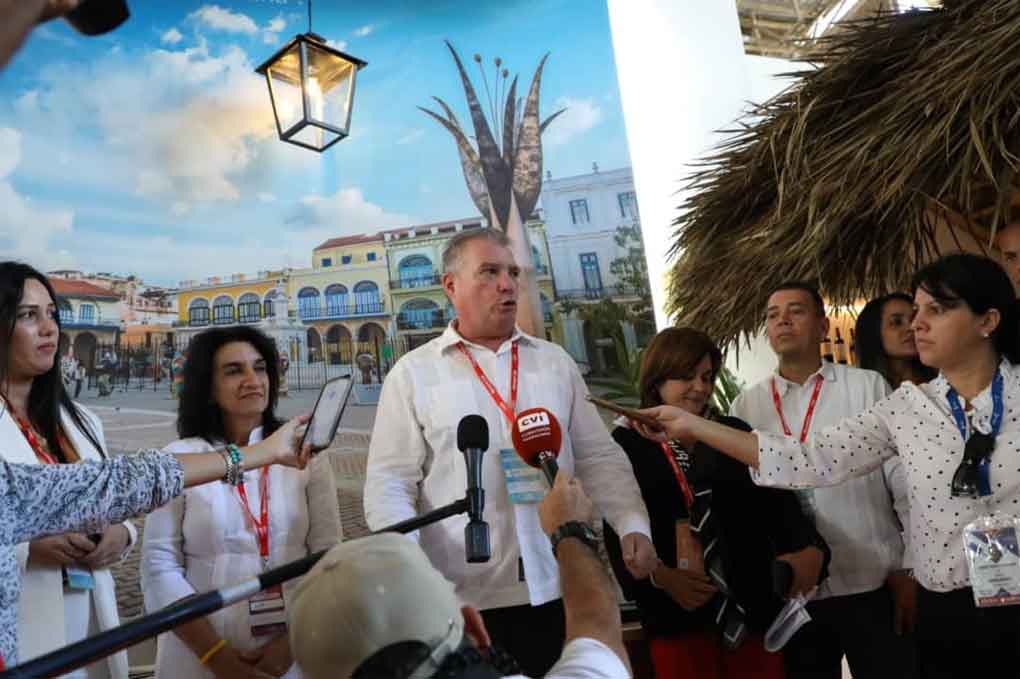
FIHAV announces new developments for Cuba’s high tourism season (+Photo)
During the inauguration of the ‘Unique Cuba’ thematic area at the Ministry of Tourism’s FIHAV exhibition, which continues until November 29, officials highlighted significant advancements in the country’s tourism sector. Garcia, addressing the press, noted that the establishment of four wholesale markets managed by fully foreign-owned companies has markedly improved supply logistics for hotels in less than a year. This development underscores Cuba’s commitment to enhancing its tourism infrastructure through foreign investment. Deputy Prime Minister and Minister of Foreign Trade and Foreign Investment, Oscar Perez-Oliva, is set to announce new measures aimed at attracting foreign investment and bolstering business operations in Cuba. The tourism sector, which relies heavily on foreign investment, with nearly 70% of projects involving management-oriented investments, is also exploring hotel leasing models to grant greater autonomy to investors. Garcia also discussed the favorable impact of Canada’s shift away from American products, which has redirected travelers to Caribbean destinations like Cuba. Looking ahead, the 2026 International Tourism Fair in Varadero, Matanzas, will focus on Canada, reflecting a strategic approach to market expansion. While sun and beach tourism remain central, Cuba is also diversifying its offerings and targeting Latin American markets, including Mexico, Colombia, Peru, Brazil, and Argentina, to strengthen its position as a leading tourist destination by 2026.
-
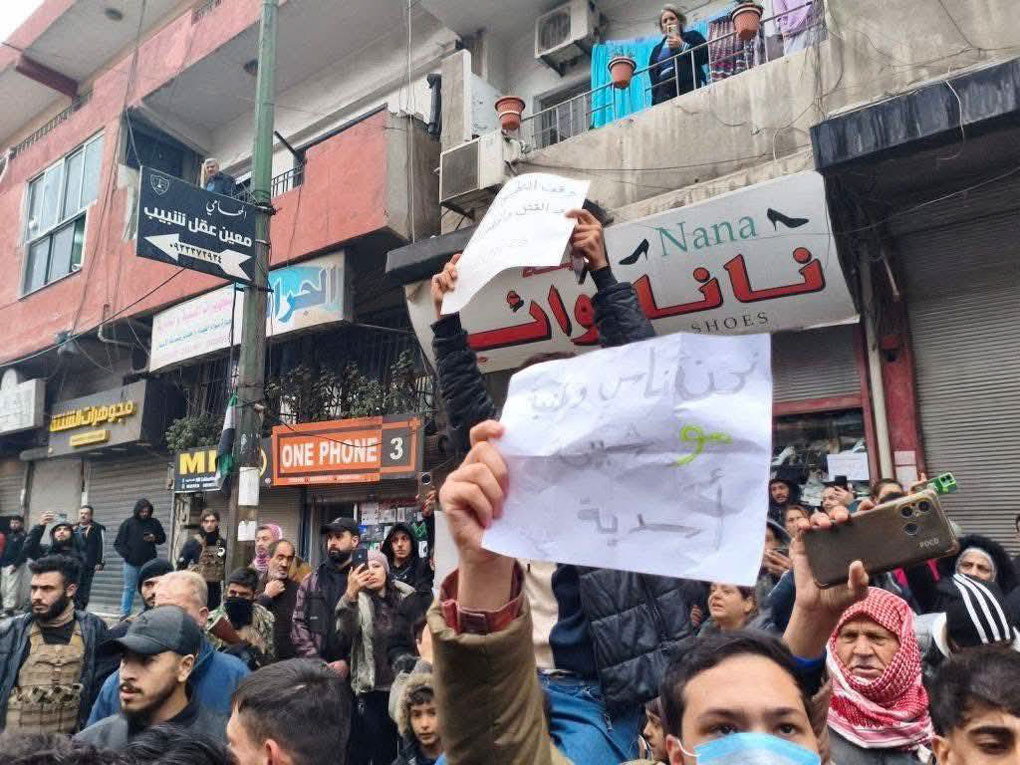
Protests on Syrian coast demand decentralization (+Photos)
In a significant display of public dissent, demonstrations unfolded across several provincial capitals in Syria, including Tartus, Latakia, and Homs. Participants, hailing from both rural and urban areas, united to voice their grievances. The protests were marked by chants condemning violence and advocating for enhanced administrative decentralization. Additionally, demonstrators called for the release of former military personnel currently held in detention. The Syrian state news agency, SANA, responded by publishing images of security forces deployed in these areas, emphasizing that their presence was aimed at safeguarding citizens and public infrastructure. The protests were catalyzed by a video message from Sheikh Ghazal Ghazal, president of the Alawite Supreme Islamic Council. In his address, Ghazal criticized what he described as ‘sectarian score-settling’ and urged the implementation of federalism and political decentralization as measures to protect the rights of all communities, particularly the Alawite minority.
-

South Africa welcomes COP30 climate agreements in Brazil
South Africa has pledged to actively collaborate in implementing the landmark agreements established at the 30th Conference of the Parties (COP30) to the UN Framework Convention on Climate Change, held in Belem, Brazil. The summit, which concluded with a series of decisive measures, focused on enhancing Nationally Determined Contributions (NDCs), boosting climate finance, and creating a just transition mechanism to ensure equitable climate action. South African Minister Aucamp emphasized the country’s readiness to leverage its robust national instruments to meet both domestic and global climate commitments. ‘We will work with all Parties to transform these resolutions into tangible actions,’ Aucamp stated. The Ministry highlighted the summit’s emphasis on updating NDCs, which are critical national climate action plans under the Paris Agreement. Additionally, the ‘Global Mutirão’ initiative was launched to accelerate the implementation of these plans, providing support to countries in developing adaptation strategies. Maesela Kekana, Deputy Director-General of the South African Department and chief negotiator at COP30, underscored the establishment of a two-year work program on climate finance, designed to mobilize resources for developing nations. Kekana also called on developed countries to triple their adaptation funding by 2035 and progressively increase their financial contributions to support global climate efforts.
-
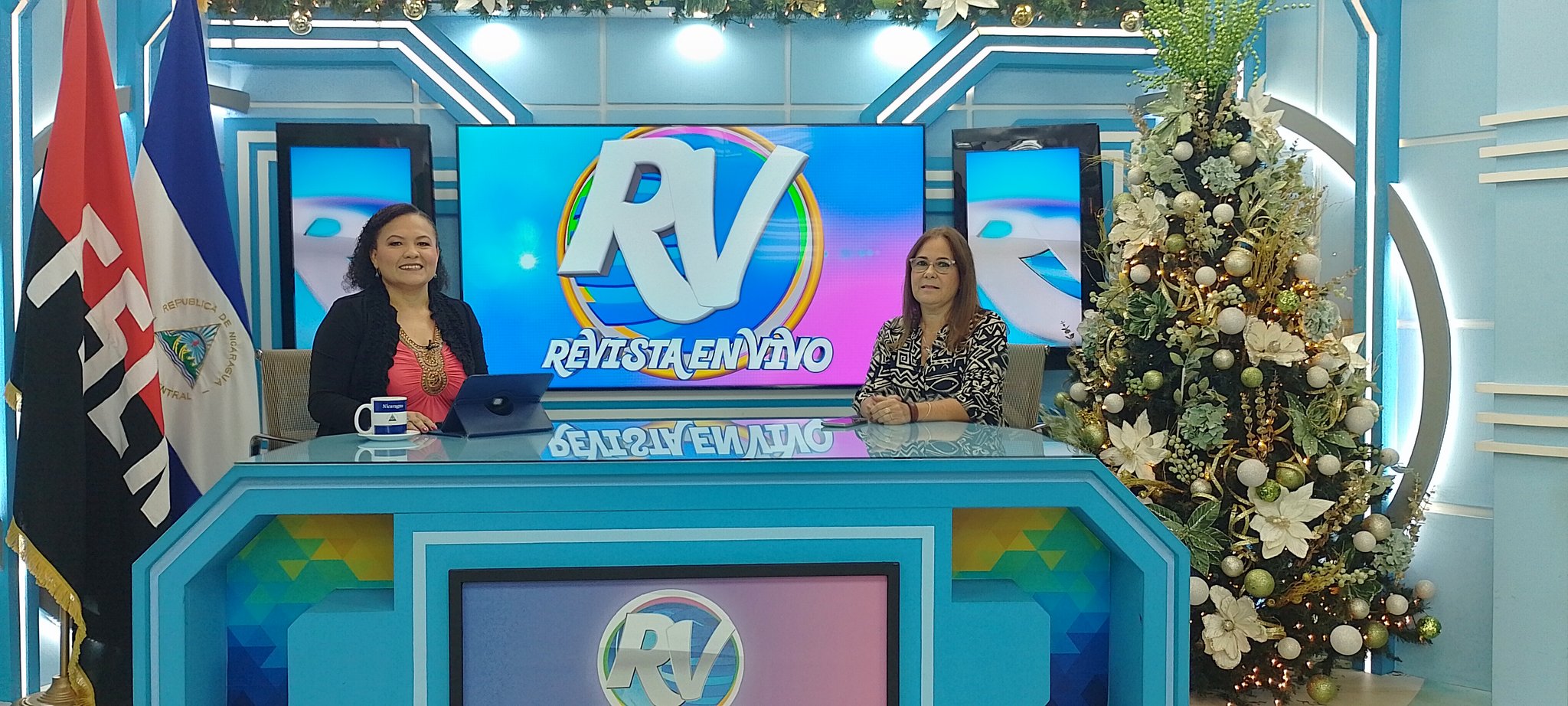
Cuba’s Ambassador to Nicaragua highlights Fidel Castro legacy
In a recent interview with Canal 4’s Live Magazine, Ambassador Fonseca emphasized the enduring legacy of Fidel Castro, whose influence transcends national boundaries and serves as a model for social justice, revolutionary change, and the defense of marginalized communities across Latin America, the Caribbean, and the world. Fonseca highlighted Castro’s unwavering commitment to these ideals, which began during his formative years in high school and university, where he first demonstrated a profound sensitivity to social injustices and a relentless pursuit of solutions to improve the lives of the Cuban people. This dedication culminated in the revolutionary triumph of January 1, 1959, marking a pivotal moment in Cuban history. Fonseca also noted that Castro’s vision, articulated in his 1953 plea ‘La Historia me absolverá’ following the Moncada assault, laid the groundwork for the transformative policies of the Cuban Revolution. These policies encompassed economic, social, cultural, sporting, and scientific advancements, leaving a lasting impact on the nation. Beyond Cuba, Castro’s internationalist approach positioned the Revolution as a beacon of solidarity for Latin America and the global community. Fonseca underscored Castro’s emphasis on communication as a critical tool in the fight for truth, particularly through the establishment of Prensa Latina, an agency dedicated to providing accurate information about Cuba and the region. In today’s digital age, this battle continues on social media platforms, where efforts to counter misinformation and present the reality of Cuba remain vital. Fonseca also condemned the U.S. blockade on Cuba, describing it as ‘cruel and genocidal,’ and expressed confidence that the resilience of the Cuban people and the enduring legacy of Castro’s ideals will ultimately lead to a brighter future, sustained by collective commitment and the defense of revolutionary achievements.
-
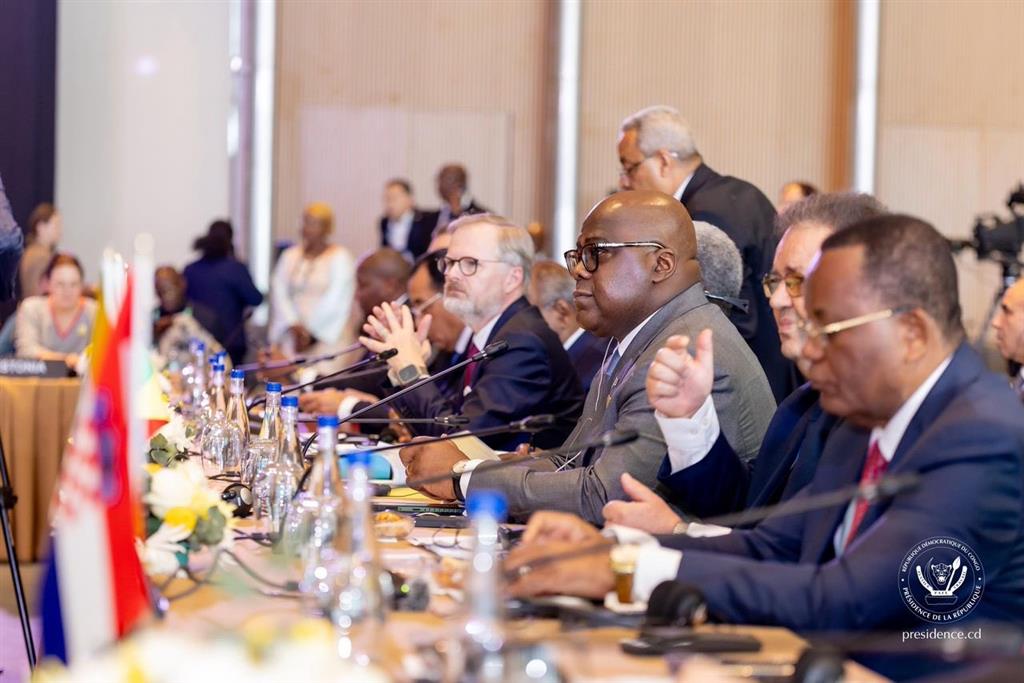
DRC calls for more balanced and progressive AU-EU partnership
During his participation in the debate on Peace, Security, Governance, and Multilateralism, President Félix Tshisekedi of the Democratic Republic of Congo (DRC) emphasized the critical need to address pressing issues that hinder prosperity and development. Speaking at the AU-EU Summit, Tshisekedi highlighted that peace and security are foundational to any discussion on trade, investment, and human mobility. He described the current situation in the DRC as a ‘critical emergency,’ marked by massacres, sexual violence, forced displacement, and persistent insecurity. Tshisekedi argued that sustainable economic agendas and migration projects cannot succeed if they overlook these human tragedies. He called for a renewed commitment to multilateralism, stressing the importance of transparency, cooperation, and genuine solidarity in addressing global challenges. The president expressed optimism that the summit would mark a turning point in AU-EU relations, fostering concrete actions that prioritize peace, human dignity, and shared prosperity in their collaborative efforts.
-

PAHO: Violence against women remains a serious problem in the America
Violence against women and adolescent girls remains a deeply entrenched issue in the Americas, according to a recent report by the World Health Organization (WHO). The findings, released in conjunction with the International Day for the Elimination of Violence against Women on November 25, highlight the alarming lack of progress in addressing this pervasive problem. Data spanning from 2000 to 2023 reveals that despite heightened awareness and the implementation of multisectoral policies and health service interventions, the reduction in violence has been minimal. Intimate partner violence continues to be the most prevalent form of abuse, with rates showing little change over the past two decades. Britta Baer, an advisor at the Pan American Health Organization (PAHO), emphasized that the stigma and shame surrounding sexual violence often deter victims from reporting incidents, suggesting that the actual figures are likely far higher than those documented. This underscores the urgent need for more effective strategies and societal shifts to combat this enduring crisis.
-

Venezuela-Cuba Friendship Movement pays tribute to Fidel Castro
In a heartfelt tribute to the late Cuban Commander-in-Chief, Fidel Castro, a prominent solidarity organization hailed him as a ‘universal reference of dignity, justice, and resistance.’ The statement emphasized Castro’s pivotal role not only in spearheading a revolution that reshaped the lives of millions in Cuba but also in serving as a guiding light for dignity across Latin America and the globe. His unwavering commitment to sovereignty and independence, the organization noted, demonstrated that unity, consciousness, and solidarity can achieve monumental victories. Castro’s influence transcended national boundaries, inspiring movements against imperialism, exploitation, and inequality worldwide. In Venezuela, his legacy endures through collaborative projects, life-saving medical brigades, youth education programs rooted in liberation principles, and the enduring bond of brotherhood between Cuba and Venezuela. Nine years after his passing, the organization reaffirmed its dedication to preserving his vision and advancing the creation of a more just, humane, and united world. The Movement underscored that Castro’s teachings on genuine friendship and solidarity remain inseparable from the fight for emancipation, sovereignty, and dignity.
-
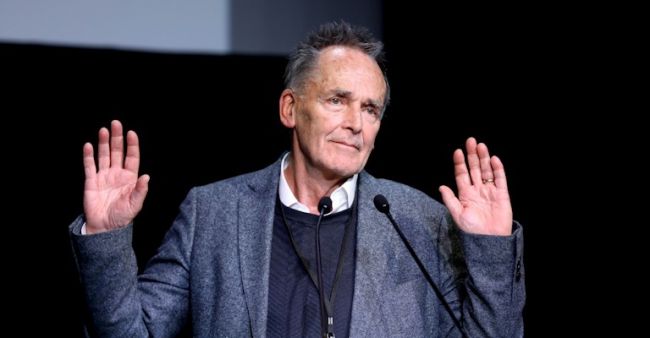
US plan for Ukraine recognizes Russian victory, says MEP
In a significant development, Sahra Wagenknecht, a representative of the alliance Reason and Justice, has called on the European Union (EU) to initiate direct diplomatic talks with Russia. This comes after years of the EU rejecting such engagements. Wagenknecht emphasized that Russia is nearing victory in the ongoing conflict, a sentiment echoed in the US’s recent strategic plans. She criticized the EU for its inconsistent approach, accusing it of attempting to ‘dictate terms’ despite years of obstructing meaningful negotiations. Wagenknecht also highlighted the need for European sovereignty, advocating for independence from US directives on continental security.
Geopolitical analysts across Europe have interpreted the US’s latest document as a tacit acknowledgment of the failure of the Ukrainian strategy and its Western backers. After four years of unproductive confrontation, the document underscores the exhaustion of the Western hegemonic project in Ukraine. This has prompted European capitals to reconsider their strategic relationship with Moscow, especially in light of increasing unilateralism.
This parliamentary assessment marks an unprecedented recognition of the ineffectiveness of sanctions and military escalation. It opens the door for independent European policies that prioritize collective security over transatlantic warmongering interests.
The US administration has previously announced the development of a plan for a negotiated resolution to the Ukraine conflict. However, it stated that the details of the plan are not yet ready for disclosure, as the work is still in progress.
On Monday, Russia confirmed that it has not received any official information about potential negotiations involving the United States, Ukraine, and European countries in Geneva. Nonetheless, Moscow reiterated its openness to maintaining contacts and engaging in talks with the US.