标签: Cuba

古巴

  • Six days that shook the nation

    Six days that shook the nation

    On a cold December morning in 1975, approximately 2,000 delegates representing every sector of Cuban society gathered at Havana’s Karl Marx Theater, many wearing formal suits and ties for the first time. This historic assembly marked the commencement of the First Congress of the Communist Party of Cuba (PCC) – a pivotal moment that would fundamentally shape the nation’s revolutionary trajectory.

    Sixteen years after overthrowing the Batista regime and a decade following the establishment of the initial Central Committee, Commander-in-Chief Fidel Castro delivered a comprehensive report analyzing Cuba’s revolutionary journey. He proudly declared Cuba’s unique position as ‘Spain’s last colony in Latin America’ that had transformed into ‘the first socialist country in this hemisphere.’

    The address provided a meticulous historical account, tracing Cuba’s struggle from independence wars through the revolutionary period. Castro detailed how the United States, upon recognizing the Revolution’s determination to resist external pressure, initiated economic aggressions while recruiting and training mercenaries for sabotage operations and military actions.

    While acknowledging administrative and economic management shortcomings during the initial revolutionary decade, Castro emphasized that survival against imperialist subversion, military aggression, and relentless economic blockade had consumed the nation’s primary resources. ‘For years, we had to keep more than 300,000 men under arms to defend the country,’ he revealed.

    Despite these challenges, Castro highlighted Cuba’s extraordinary advancements across multiple fields, noting that these achievements were particularly remarkable given the context of sustained pressure from a powerful northern neighbor. The real significance, he stressed, lay in Cuba’s ability to resist reestablishment of ‘corrupt, exploitative, and oppressive systems’ while making substantial progress under exceptionally difficult circumstances.

    Over six intensive days (December 17-22, 1975), the Congress produced foundational documents including the Theses, Statutes, and Programmatic Platform of the PCC. Critical resolutions addressed cadre training policies, selection procedures, placement strategies, promotion systems, and improvement protocols, alongside Directives for economic and social development during the 1976-1980 five-year period.

    This landmark event initiated Cuba’s institutionalization process, which would subsequently manifest through a new political-administrative division, establishment of People’s Power organs, and ratification of the 1976 Socialist Constitution replacing the 1940 document.

    The Congress also addressed international solidarity efforts, particularly Cuba’s support for Angola’s MPLA against South African troops. Castro explicitly stated that Cuban involvement represented ‘a basic internationalist duty’ rather than pursuit of material resources: ‘We are not looking for oil, or copper, or iron, or anything at all. We are simply applying a policy of principles.’

    On December 22, hundreds of thousands of Cubans gathered at Revolution Square to endorse the Congress agreements in what Fidel characterized as the ‘People’s Congress’ – a demonstration of mass support that confirmed the revolutionary movement’s deep popular roots. He framed contemporary efforts as continuing ‘the humble inheritance of entire generations of Cubans who for more than a hundred years have fought for justice, freedom, and dignity.’

  • Advancing housing recovery is imperative after Hurricane Melissa

    Advancing housing recovery is imperative after Hurricane Melissa

    Cuban President Miguel Díaz-Canel has spearheaded a comprehensive evaluation of national recovery initiatives in response to Hurricane Melissa’s devastation and recent catastrophic flooding in Villa Clara municipalities. The assessment revealed substantial progress across multiple sectors while highlighting ongoing challenges.

    In Las Tunas province, Governor Yelenis Tornet Menéndez reported that restoration efforts are predominantly concentrated on revitalizing food production systems. Regarding housing infrastructure, 411 out of 538 damaged residences have been successfully restored, demonstrating significant reconstruction achievement.

    The healthcare sector has witnessed remarkable rehabilitation progress according to Health Minister Dr. José Angel Portal Miranda. Of 710 medical facilities affected across five eastern provinces, 185 have been completely restored, including 27 facilities rehabilitated within the past week. Patient services have been substantially normalized, with only 16 services remaining relocated compared to 23 immediately post-hurricane. Workforce recovery shows 73.4% of affected medical personnel (4,200+ out of 5,700) have returned to duty.

    Epidemiological surveillance has been intensified through enhanced population screening, particularly targeting vulnerable groups. Anti-vector measures and outbreak containment protocols have been strengthened to prevent post-disaster health crises.

    Water resource management has seen coordinated action, with National Institute of Water Resources President Antonio Rodríguez Rodríguez confirming all provinces have identified damaged pumping stations and restoration requirements. Prioritization has been given to agricultural water systems, with 22 of 97 damaged pumping stations already repaired.

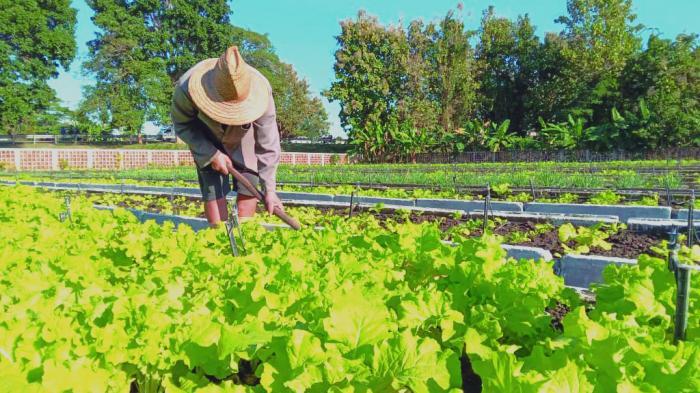
    Agricultural recovery efforts have achieved the rehabilitation of 183,000 hectares, with land preparation and replanting operations constituting the sector’s primary focus, according to Agriculture Minister Ydael Pérez Brito.

    Electrical infrastructure restoration nears completion in eastern regions, with Santiago de Cuba—the most severely affected area—achieving 99% grid restoration.

    The assessment simultaneously addressed emergency flooding in Villa Clara province, where unprecedented rainfall exceeding 253 millimeters within hours triggered severe flooding in Sagua la Grande and Cifuentes municipalities. The disaster necessitated evacuation of 753 residents, most relocating to relatives’ or neighbors’ residences. Provincial authorities expressed confidence in addressing the compounded damage effectively.

  • Cuba wins the war on drugs and shows zero tolerance

    Cuba wins the war on drugs and shows zero tolerance

    Cuban authorities have revealed compelling data demonstrating their nation’s effectiveness in combating drug trafficking while exposing a significant cooperation imbalance with United States agencies. At a recent press conference attended by Justice Minister and Interior Ministry officials, evidence presented shows Cuba has been the primary contributor to bilateral anti-narcotics efforts despite the US serving as the main source of drug trafficking operations targeting the island.

    Between 1990 and November 2025, Cuban Border Guard Troops provided US Coast Guard officials with 1,547 intelligence reports while receiving only 468 in return—a nearly 3:1 ratio that underscores the unilateral nature of cooperation. Deputy Foreign Minister Josefina Vidal Ferreiro emphasized that US agencies have firsthand knowledge of Cuba’s effectiveness in combating drug trafficking, having benefited directly from this cooperation until Secretary of State Marco Rubio instructed unilateral termination of dialogue on migration and law enforcement matters.

    Cuba’s anti-drug operations have yielded substantial results despite these challenges. Recent statistics indicate the interception of 14 speedboats and capture of 39 drug traffickers with 4,487.47 kg of narcotics in recent years. These seizures represent just a fraction of the more than 40 tons of drugs Cuba has confiscated over the past 14 years—all ultimately destined for US markets.

    The Caribbean nation maintains robust regional cooperation networks, exchanging real-time intelligence with counterparts throughout the region regarding vessel characteristics, maneuvering patterns, and large-scale landing warnings. This collaboration occurs within a framework of respect, professionalism, and transparency that has proven effective in combating transnational crime.

    Between 2024 and 2025 alone, Cuban authorities thwarted 72 drug operations originating from 11 countries, with the United States identified as the primary source. These operations involved cocaine, methamphetamines, and synthetic cannabinoids transported via air routes using passengers, cargo, and postal shipments despite a 2016 cooperation agreement that has never been fully implemented by US counterparts.

    Cuba maintains an extensive international cooperation network with 37 anti-drug contact points and through Interpol’s National Central Bureau in Havana, which currently files 58 Cuban and two foreign nationals for illicit drug trafficking crimes. The country’s comprehensive anti-drug strategy prioritizes prevention through education, culture, health, sports, and recreation while maintaining rigorous enforcement measures supported by population-wide participation through organizations like the Committees for the Defense of the Revolution.

  • Argentina: Vandal attack on Union Leader’s Office condemned

    Argentina: Vandal attack on Union Leader’s Office condemned

    In a brazen act of political intimidation, masked assailants forcibly entered the headquarters of the Seivara union in the early hours, specifically targeting and vandalizing the offices of its leadership. The incident is widely perceived as a direct threat against union officials who have been vocal in their opposition to the contentious labor reform proposed by President Javier Milei’s right-wing administration.

    The timing of the assault is particularly significant, occurring during the same week that the government’s labor reform bill, backed by the International Monetary Fund (IMF), entered congressional debate. The Buenos Aires branch of the Peronist Justicialist Party (PJ) swiftly issued a press release contextualizing the attack within what it describes as the national government’s broader encroachment on workers’ rights, just days before a major demonstration called by the General Confederation of Labor (CGT).

    Union representatives, including Jeronimo, were quick to condemn the action, characterizing it not as an isolated event but as a calculated move during a critically sensitive period for the labor movement. The official statement from the union forcefully asserted, ‘These attempts to intimidate those rejecting the IMF-backed bill championed by Federico Sturzenegger, Patricia Bullrich, and Milei prove that the government’s objective is not to debate but to subjugate workers and instill fear among opponents of its austerity measures and deregulatory agenda.’

    In a show of solidarity, both the CGT and the glassworkers’ union released separate communiqués denouncing the vandalism. They unanimously declared that such tactics would fail to derail the labor movement’s resolve, reaffirming their determination to defeat a reform they view as a severe attack on fundamental workers’ rights and a concession to international financial interests.

  • Communists in Chile call for unity to defend social gains

    Communists in Chile call for unity to defend social gains

    Following a decisive electoral outcome that saw far-right candidate José Antonio Kast secure a substantial victory over progressive contender Jeannette Jara, the Communist Party of Chile (PCCh) has issued a stark warning about the future of the nation’s social safety net. In an official communiqué released after Sunday’s polls, the party emphasized that fundamental achievements including the Universal Guaranteed Pension, the 40-hour workweek, free public healthcare, women’s rights, and broader social protections face imminent risk in a politically fragmented society.

    The PCCh framed national unity not merely as a strategic electoral choice but as an essential obligation to the citizenry. While acknowledging and respecting the democratic will expressed through the ballot box, a customary practice for the party at every historical juncture, it simultaneously issued a call to action for its members and the general populace to embark on a process of rebuilding collective trust.

    Central to its message was a directive for deeper listening and a renewed focus on engaging the entire country in conversations about core issues. The party leadership stressed that ensuring a dignified and just life for all citizens remains an achievable goal. Furthermore, the statement formally recognized the extensive efforts of candidate Jeannette Jara and her campaign team. Looking forward, the PCCh underscored the critical importance of returning to grassroots mobilization within local communities and identified forging a stronger, more inclusive unity among the Chilean people as the paramount task ahead.

  • Cuban artist Jorge Braulio Rodriguez on a solo exhibit in Havana

    Cuban artist Jorge Braulio Rodriguez on a solo exhibit in Havana

    The Visual Arts Development Center (CDAV) in Havana is set to host a comprehensive solo exhibition by a distinguished Cuban artist, highlighting an illustrious career spanning over forty years. Titled “All attention is needed…”, the showcase will inaugurate on Wednesday at 5:00 p.m. local time at the institution’s premises located on the corner of San Ignacio and Teniente Rey streets in the city’s historic center. The exhibition will remain accessible to the public until January 24, 2026.

    This event honors the artist’s multifaceted contributions as a creator, educator, and cultural promoter. With a profound dedication to visual arts education, he previously served as Dean of the Faculty of Visual Arts at the University of the Arts. His pedagogical influence extends internationally through workshops and lectures conducted in numerous countries including Colombia, Bolivia, and Sweden.

    The artist’s scholarly work reflects a deep engagement with Japanese culture, evident in his significant editorial projects. He curated and translated Richard Wright’s “Haiku: This Other World,” contributing the prologue to this acclaimed collection. His editorial expertise further encompasses the selection and translation of “Tales from the Orient” and “Humorous Poems from Japan.” As a writer, he has published notable works including “Everything in Three Lines” and “Lucrecia’s Notebook.”

    Throughout his career, he has maintained an active exhibition practice with participation in both national and international group shows alongside numerous solo presentations. The CDAV emphasizes his enduring prominence within Cuba’s cultural landscape, where he continues to bridge artistic practice with academic leadership while pursuing his passion for Eastern literature and aesthetics.

  • UN Economic Commission for Africa analyzes performance in 2025

    UN Economic Commission for Africa analyzes performance in 2025

    The United Nations Economic Commission for Africa (ECA) recently concluded a comprehensive strategic review session, blending in-person and virtual participation under the thematic banner “Sustaining Gains: Taking Stock of Results in 2025 and Planning for Strategic Impact in 2026.” This pivotal gathering assembled the entire ECA workforce to conduct a rigorous assessment of institutional achievements while charting an ambitious course for the upcoming programming cycle.

    Deliberations during the summit yielded a detailed examination of the Commission’s substantial contributions across multiple development domains. Significant outcomes were documented in advancing regional integration frameworks, stimulating economic diversification initiatives, propelling industrialization efforts, and refining social and macroeconomic policy formulations across the continent.

    Strategic conversations extended beyond traditional sectors to address critical cross-cutting priorities. Participants engaged in substantive dialogue regarding technological innovation, digital connectivity infrastructure, and the catalytic role of women and youth in development processes. Additional focal points included capacity building imperatives, climate action strategies, and the strategic utilization of data and statistics to enhance developmental effectiveness.

    The forum served as an incubator for pioneering approaches to Africa’s most persistent challenges. Attendees explored mechanisms to intensify the Commission’s emphasis on innovative problem-solving, particularly regarding the urgent need for revolutionary approaches to development financing within an increasingly complex global economic landscape.

    ECA Executive Secretary Claver Gatete addressed the assembly, reaffirming the organization’s dedication to evolutionary adaptation in response to emerging global trends. Gatete emphasized the Commission’s unwavering commitment to identifying and capitalizing on growth opportunities that promise to accelerate Africa’s socioeconomic transformation throughout 2026 and beyond.

  • Pakistan tests long-range missile in Arabian Sea

    Pakistan tests long-range missile in Arabian Sea

    The Pakistan Navy has successfully conducted a live-fire missile test, demonstrating its advanced defensive capabilities against highly maneuverable aerial threats. According to official statements, the precision strike effectively neutralized sophisticated airborne targets, showcasing significant enhancements to the Navy’s operational readiness and combat potential.

    Rear Admiral Abdul Munib, Commander of the Pakistan Fleet, emphasized the Navy’s unwavering commitment to securing the nation’s maritime borders and protecting vital national interests. “Our forces remain perpetually vigilant and fully prepared to defend Pakistan’s maritime sovereignty under any circumstances,” stated Munib, reinforcing the Navy’s strategic deterrence posture.

    The demonstration coincides with the return of PNS Saif, a frontline warship that recently completed a significant diplomatic and operational mission across South Asia. The vessel’s deployment included port calls in Bangladesh and Sri Lanka, strengthening regional naval cooperation and bilateral ties.

    Notably, the warship’s visit to Chittagong, Bangladesh marked a historic milestone—the first deployment of a Pakistani naval vessel to the country in over twenty years. This diplomatic engagement signals warming relations between the neighboring nations and reflects Pakistan’s growing maritime diplomacy in the Indian Ocean region.

  • UNICEF concerned about mass displacement of children in DRC

    UNICEF concerned about mass displacement of children in DRC

    A severe humanitarian emergency is unfolding in Central Africa as escalating violence in the Democratic Republic of Congo’s South Kivu province triggers a massive displacement crisis. According to UNICEF assessments, intense combat operations since December 1st have compelled approximately 500,000 individuals to abandon their homes, with more than 100,000 children among those forcibly displaced.

    The international organization reports that countless families are undertaking perilous journeys to seek sanctuary, with many crossing international borders into neighboring Burundi and Rwanda. Current projections indicate this exodus will intensify as armed conflict continues to spread across the region.

    UNICEF’s official statement highlights profound concerns regarding the safety and welfare of displaced minors, who confront multiple protection risks including family separation, physical violence, exploitation, and gender-based abuse. The psychological trauma experienced by children exposed to conflict situations represents another critical dimension of this crisis.

    Recent data reveals alarming trends, with over 50,000 Congolese nationals documented as arriving in Burundi between December 6-11 alone. Nearly half of these refugees are minors, and humanitarian agencies anticipate these numbers will surge in coming days.

    The visible consequences include injured civilians and significant numbers of unaccompanied children separated from familial protection networks. In response, UNICEF is coordinating with governmental authorities in both the DRC and Burundi to activate emergency humanitarian interventions.

    The agency has issued urgent appeals to all conflict participants, emphasizing obligations under international humanitarian law and the Convention on the Rights of the Child. UNICEF officials stress that children must never bear the consequences of armed confrontation between warring parties.

  • Europe hopes to sign agreement with Mercosur

    Europe hopes to sign agreement with Mercosur

    In a significant diplomatic development, France has formally called for the postponement of a high-stakes meeting between the European Union and the Mercosur trade bloc, originally scheduled for December. The French government contends that the necessary conditions for finalizing the long-anticipated EU-Mercosur trade agreement remain unfulfilled.

    This proposed pact represents a matter of profound importance for the European Union, impacting economic, diplomatic, and geopolitical spheres while also shaping the bloc’s global responsibilities, as articulated by EU Spokesperson Olof Gill.

    The Southern Common Market (Mercosur), established in 1991, originally comprised Argentina, Brazil, Paraguay, and Uruguay. The economic union expanded to include Venezuela in 2012, with Bolivia’s full membership recently ratified by the Brazilian Senate on November 28, 2023. Mercosur functions as an open and dynamic process designed to create a unified economic space that enhances trade and investment opportunities through competitive integration.

    Negotiations are managed by the European Commission, the EU’s executive arm headquartered in Brussels. Founded in 1958, the Commission represents the collective interest of the 27-member European Union, a political and economic partnership established in 1993 where member states delegate portions of their sovereignty to common institutions for democratic decision-making on issues of mutual concern.

    The French intervention introduces a substantial hurdle for one of the world’s most ambitious trade agreements, reflecting ongoing concerns about alignment on environmental, agricultural, and regulatory standards between the two major economic blocs.