
The Communist Party of Cuba (PCC) and the Young Communist League have announced the Granma Rebelde International Festival, set to take place in Havana from October 17 to 20, 2025. This landmark event commemorates the 60th anniversaries of Granma and Juventud Rebelde, two iconic newspapers established by Fidel Castro, the revered leader of the Cuban Revolution. The Festival aims to serve as a dynamic platform for political, academic, cultural, and grassroots exchanges, fostering dialogue, solidarity, and cooperation grounded in critical thought. It will address pressing global challenges to peace and social justice, uniting participants in a shared commitment to progressive ideals. The event invites communist, left-wing, and progressive youth organizations, social movements, media outlets, and academic and cultural institutions to join in confronting media manipulation and imperialist tactics that distort realities and fuel fascism and neocolonialism. Granma and Juventud Rebelde, steadfast in their dedication to truth and unity, have played pivotal roles in advancing Cuba’s socialist project. The Festival will culminate on October 20, coinciding with Cuban Culture Day, and will also honor the upcoming centennial of Fidel Castro’s birth in August 2026. Additionally, Havana will host the 3rd International Meeting of Theoretical Publications of Left Parties and Movements from October 15 to 17, providing a vital forum for discussing emerging political theories and practices. The PCC and Young Communist League eagerly anticipate welcoming participants to Havana for this historic celebration.
标签: Cuba
古巴
-
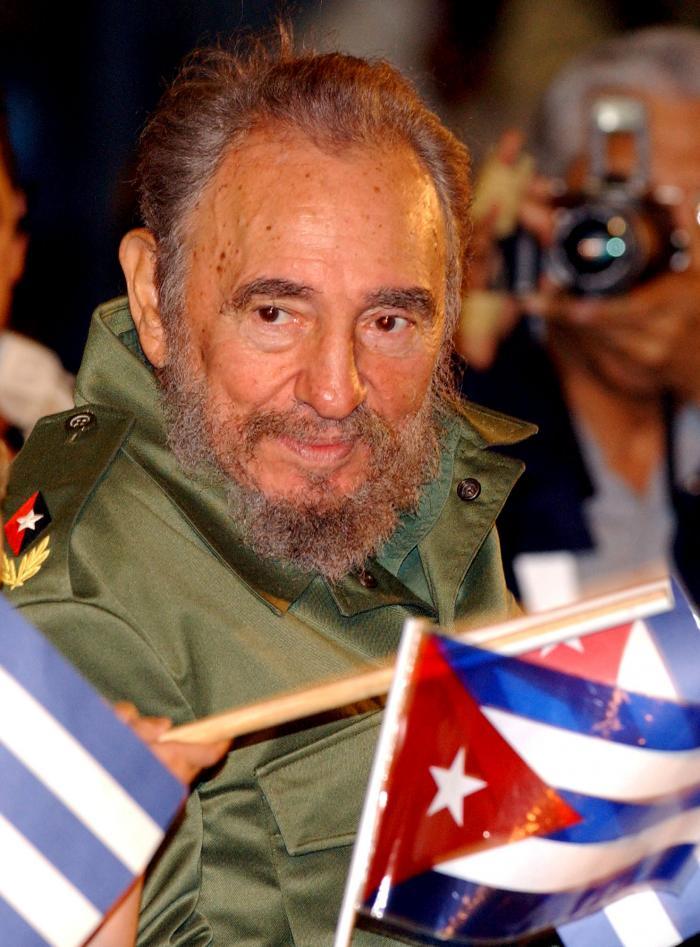
It is not nostalgia
In the heart of Cuba, the legacy of Fidel Castro continues to resonate, not as a relic of the past but as a living force that shapes the present and future. This is not about nostalgia or blind admiration, but about understanding the profound impact of a leader who embodied both extraordinary vision and human imperfection. Fidel’s name evokes a complex tapestry of emotions—hope, struggle, resilience, and the relentless pursuit of happiness in the face of adversity.
-
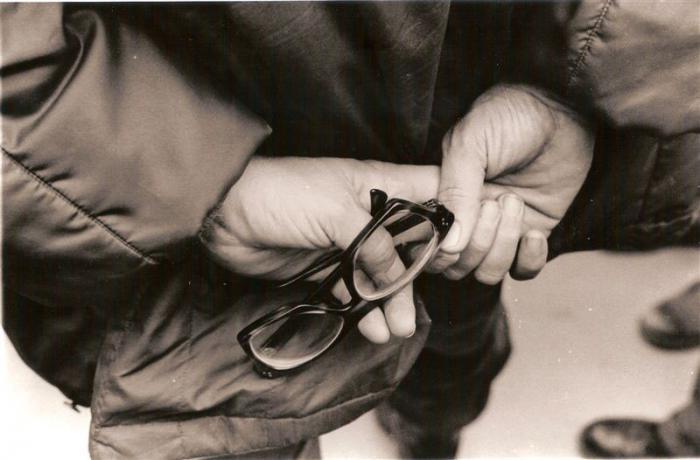
With Fidel
In 1985, a foreign journalist posed a poignant question to Fidel Castro: ‘What would you like your legacy to be? How would you like your achievements over the years to be interpreted?’ Castro’s response was both humble and confident. He acknowledged his role in the Cuban Revolution, emphasizing that his leadership was not without flaws, yet he remained assured of the high regard in which the Cuban people held him. His communication with the people, marked by his pedagogical oratory and unwavering dedication, fostered a genuine affection and admiration. This bond allowed even the humblest citizens to address him informally, a testament to his approachability and the deep connection he shared with the populace. Fidel Castro became a paradigm of leadership, embodying the qualities of Cuban identity—ingenuity, rebelliousness, and courage. As the nation commemorates the 100th anniversary of his birth, it is imperative to move beyond the emotional resonance of his legacy. Castro himself urged a focus on the study and continuation of his ideology rather than mere symbolic gestures. His teachings on unity, consensus-building, and cultural preservation remain relevant. The celebration of his centennial should serve as an opportunity for rigorous examination of his work, ensuring that his contributions are neither forgotten nor diminished. Fidel Castro’s legacy is not just a historical lesson but a call to strategic thinking, national pride, and unwavering idealism. His perseverance in the face of challenges exemplifies the spirit of resilience and determination. As we reflect on his life and achievements, let us enter history with him, allowing it to open its gates wider for us.
-
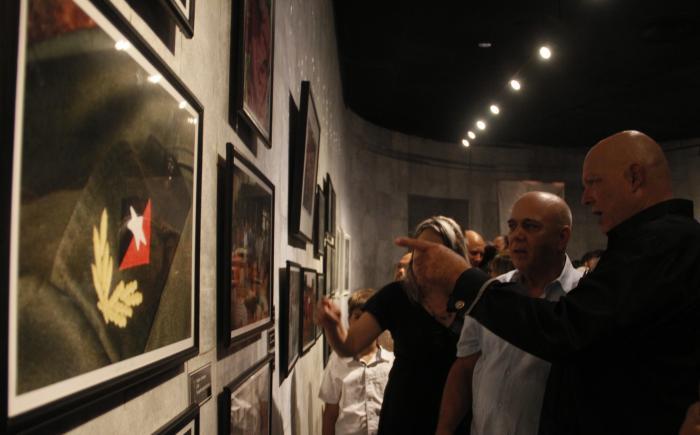
A window into Fidel’s soul
The exhibition ‘All the Glory of the World,’ curated by Alex Castro Soto del Valle, offers an intimate and multifaceted portrayal of Fidel Castro, the Commander-in-Chief of Cuba. Opening at the José Martí Memorial on August 12, 2025, the exhibition features 50 snapshots that capture Castro in various settings—from private moments at home to public engagements, and from casual conversations to intense discussions. The images, taken by his son Alex, aim to humanize and complexify the iconic leader, presenting him through a lens that is both personal and profound.
-
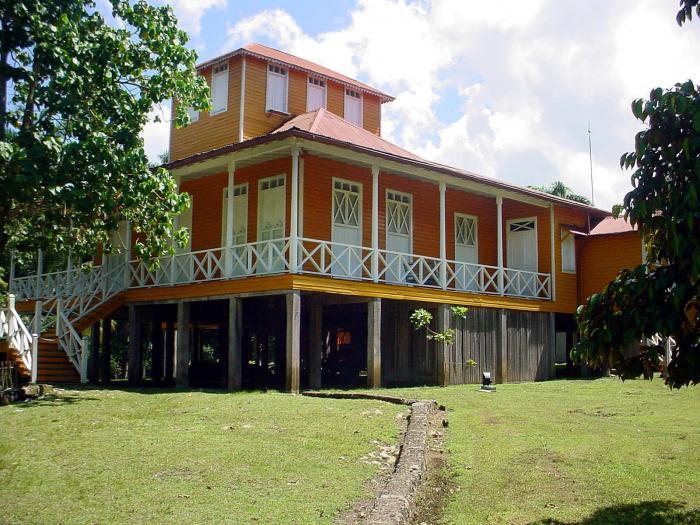
In every corner of the island, a tribute to Fidel
Cuba is set to honor the legacy of Fidel Castro with a grand commemorative program marking what would have been his 100th birthday. Approved during the 10th Plenary Session of the Central Committee of the Communist Party of Cuba, the program will officially commence on August 13 at the Birán Historical Complex in Cueto, Holguín. This date holds special significance as it marks the 99th anniversary of the birth of the iconic leader. The program, spanning from August 13, 2025, to December 4, 2026, aims to celebrate Castro’s enduring ideals and encourage the study of his revolutionary thinking. The event will feature a cultural performance by the renowned children’s theater company, La Colmenita, known for its heartfelt and tender productions. Preparations at the Birán Historical Complex, a National Monument, include the restoration of the Castro Ruz family’s second home, the rooster fence, and the huts once occupied by Haitian immigrants employed by Fidel’s father. Additionally, beautification efforts have been undertaken in the surrounding green areas. Yaniel Cobos, the ideology officer of the National Bureau of the Young Communists Union, highlighted the program’s focus on youth engagement. Over 250 young individuals from various provinces will participate in the event, camping near the complex on August 12 after celebrating International Youth Day. The program also includes productive work at the Beola agricultural center and the Vladimir Ilich Lenin Provincial Hospital. Across Cuba, youth groups will engage in economic contributions and cultural events to honor Fidel Castro’s memory, culminating in a nationwide tribute at dawn on August 13.
-
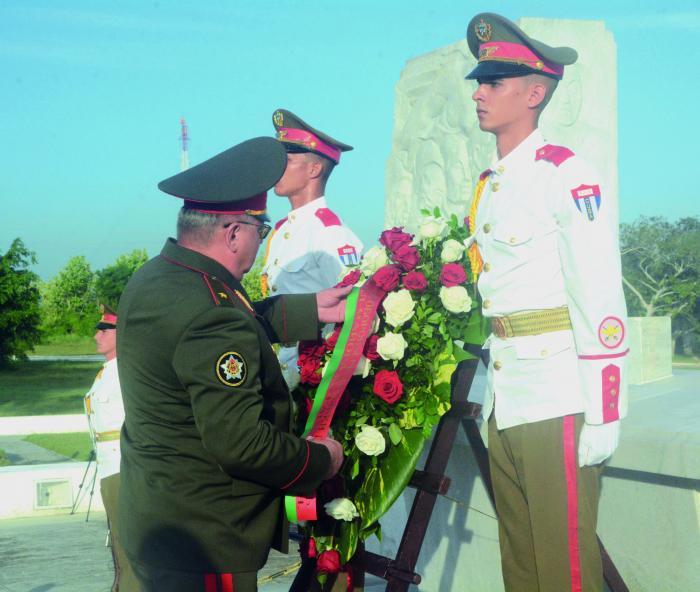
Another step in the consolidation of ties between Cuba and Belarus
In a significant display of diplomatic camaraderie, Major General Pavel Nikolaevich Muraveiko, Chief of the General Staff of the Armed Forces of Belarus and first deputy Minister of Defense, emphasized the shared global perspectives between Belarus and Cuba during his first official visit to the island nation. The high-ranking official expressed his gratitude for the warm reception extended by the Cuban people, describing it as a testament to the brotherly relations between the two countries. Speaking at the Cacahual Mausoleum, General Muraveiko highlighted the alignment of both nations’ views on global issues and the military-political landscape, underscoring the importance of exchanging experiences and opinions to bolster bilateral collaboration. His visit, marked by a packed itinerary, included tours of military units and industrial facilities, as well as insights into the training processes at Cuban military academies. The Belarusian delegation also paid homage to Cuban historical figures, including Antonio Maceo and Panchito Gómez Toro, whose remains are interred at the Mausoleum. Army Corps General Roberto Legrá Sotolongo, first deputy minister of the Revolutionary Armed Forces of Cuba, underscored the importance of preserving history as a means of safeguarding national identity. The visit concluded with a mutual commitment to further strengthen the strategic partnership between Belarus and Cuba, rooted in shared values and historical ties.
-
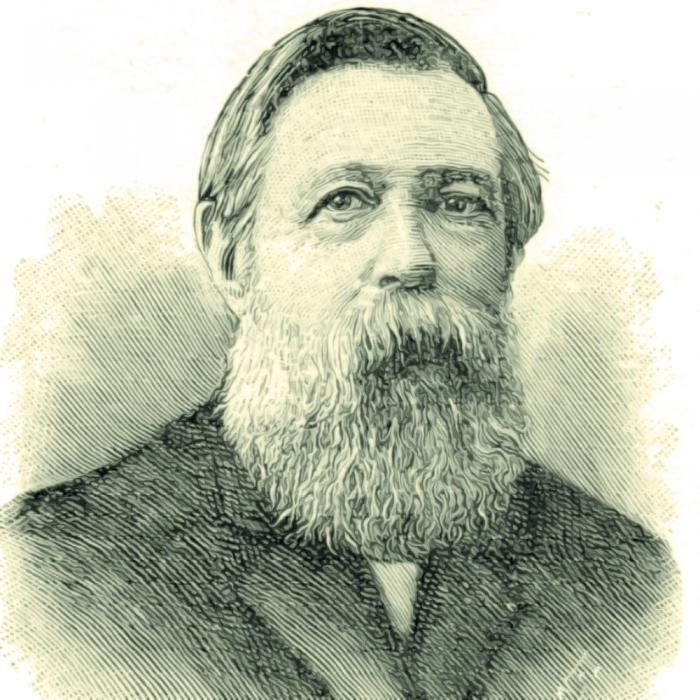
Revolution is the supreme act of politics
One hundred and thirty years after his passing, Frederick Engels’ revolutionary ideas continue to resonate, shaping the struggle for the emancipation of the working class. Known as ‘The General’ among his peers, Engels, alongside Karl Marx, spearheaded the proletarian movement, leaving an indelible mark on history. Pablo Lafargue, a Cuban physician and socialist thinker, eulogized Engels, emphasizing the enduring unity and strength of the proletariat inspired by their shared vision. Born in 1820, Engels co-authored seminal works such as ‘The Communist Manifesto’ and ‘The German Ideology,’ while also contributing independently with texts like ‘Anti-Dühring’ and ‘The Origin of the Family, Private Property and the State.’ His intellectual legacy, rooted in dialectical materialism, remains a cornerstone of social sciences. Hassán Pérez Casabona, a Doctor in Historical Sciences, highlights Engels’ foresight in advocating for multidisciplinary education to empower the working class. Engels’ 1893 message to socialist students underscored the necessity of expertise in fields like medicine, engineering, and agronomy for societal transformation. His vision anticipated modern emphasis on science, research, and innovation. Fidel Castro, inspired by Engels’ ideas, harnessed this intellectual force to drive the Cuban Revolution, from the Moncada program to the 1961 Literacy Campaign, fostering a nation of scientists. Today, Cuba’s model of collective intelligence and human capital stands as a testament to the teachings of Engels, Marx, Lenin, and Martí. Engels’ revolutionary deeds and his belief in the supremacy of political revolution continue to inspire, proving that his legacy is as vital now as it was over a century ago.
-
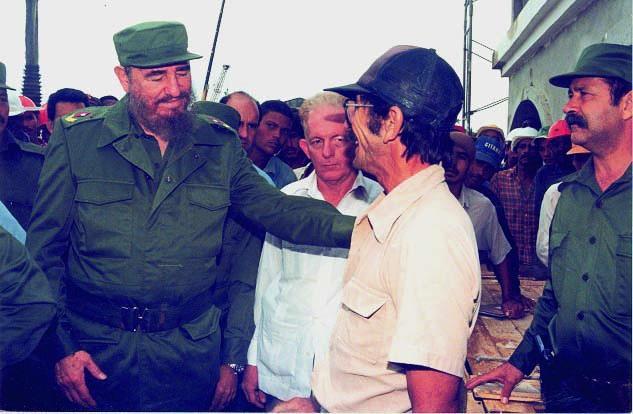
Fidel’s causeways: A bold step towards tourism development
In the heart of the Caribbean, a bold vision by Commander-in-Chief Fidel Castro Ruz has reshaped Cuba’s tourism industry. What was once dismissed as madness or whimsy has proven to be a masterstroke in economic and tourism development. The construction of causeways connecting remote keys to the mainland has transformed forgotten, pristine regions into world-renowned sun and beach destinations. These engineering marvels, built under harsh conditions, have unlocked the potential of areas like Cayo Coco, Cayo Guillermo, and Santa María Key, turning them into thriving hubs of sustainable tourism. The causeways, spanning kilometers over the sea, symbolize Cuba’s determination to overcome isolation and achieve self-reliance. Today, these destinations boast over 11,000 hotel rooms, attract hundreds of thousands of visitors annually, and are recognized as Biosphere Reserves for their harmonious blend of nature and development. This project stands as a testament to Cuba’s capacity for innovation and perseverance, showcasing the nation’s commitment to sustainable growth and environmental preservation.
-

System for design: a road travelled and still to be travelled
The Cubaindustria 2024 event, currently underway, features a dedicated Design Forum focusing on the recently approved industrial design policy, its environmental implications, and its alignment with the circular economy. This forum highlights the progressive economic transformations in Cuba, which have paved the way for new opportunities and challenges in the design sector. The cornerstone of these advancements is Decree 88, approved by the Council of Ministers in 2023, which established the National System for Industrial Design and Visual Communication.
Gisela Herrero García, Director of the National Design Office (ONDI), emphasized the historical significance of this development. ‘We were pioneers in creating an office that itself represents the first public policy in design. Thanks to Fidel Castro’s vision, an organization was established in 1980 to evaluate, develop, train, and promote design. This was a bold initiative,’ she remarked. The journey to this milestone included the creation of the Evaluation System and the Registry of Designers, culminating in nearly 45 years of dedicated effort.
The newly approved policy and system are the result of collaborative efforts involving professionals from various disciplines. Given its dynamic nature, the system requires continuous updates to adapt to evolving technologies and methodologies. ‘The National System is a work in progress, constantly reinventing itself. As disciplines evolve and new technologies emerge, designers must be equipped with the tools to address contextual challenges,’ Herrero García added.
Although the design policy is relatively new within the industry sector, it has a cross-cutting influence on other areas such as industrial development, automation, maintenance, recycling, and packaging. This integration, according to Herrero García, strengthens the national economy. ‘Design must serve the economy. It’s crucial to position design as an investment rather than a cost, ensuring it adds value to processes and outcomes,’ she explained.
The policy’s implementation has already yielded tangible results, including enhanced partnerships with various entities and a deeper understanding of the strategic importance of design evaluation. For instance, the Cuban Apiculture Enterprise (Apicuba) underwent significant transformations following an evaluation, leading to improved product quality and organizational efficiency. ‘Even small improvements can have a profound impact, enhancing both the product and the organization’s strategic management,’ Herrero García noted.
Looking ahead, the priorities for the design sector are extensive, ranging from introducing design concepts at an early age to creating solutions for the elderly. ‘Design and communication must be recognized as key drivers of company development,’ Herrero García stressed. The systemic approach to design emphasizes collaboration and process-oriented thinking, ensuring that design continues to play a pivotal role in Cuba’s economic resilience.
Herrero García concluded, ‘Without political will, we wouldn’t have reached this point. The design policy is a strategic tool for training and development, and with a systemic approach, it will continue to enhance our economy.’
-

Biomodulin T to be part of primary health care
Cuban President Miguel Díaz-Canel Bermúdez emphasized on Tuesday the importance of integrating Biomodulin T into primary health care across Cuban communities. During a meeting with health experts at the Palace of the Revolution, he urged that medical professionals be adequately trained to prescribe this innovative treatment. The discussion highlighted the significant role of Biomodulin T, a bovine thymus extract-based drug, in addressing immune dysfunction and recurrent infections, particularly among the elderly. Clinical trials involving nearly 9,000 nursing home residents demonstrated a remarkable reduction in acute respiratory infections (ARI) by over five times, and a 50% decrease in mortality risk compared to those outside such facilities. The drug also showed a 70% reduction in respiratory infection incidence among the elderly, a leading cause of death in Cuban nursing homes. Additionally, Biomodulin T has proven effective in oncology, rejuvenating patients’ immune systems when combined with chemotherapy and immunotherapy. It has also been successful in treating thymic hypoplasia in children, with 83% of treated children achieving normalized thymus size and function, and 71% showing clinical improvement. Given these promising results, President Díaz-Canel called for expedited efforts to incorporate Biomodulin T into national health strategies, especially in light of Cuba’s aging population. The drug, which gained prominence during the COVID-19 pandemic with over 1.9 million units distributed and more than 238,000 patients treated, has been recognized with two awards from the Academy of Sciences in 2022 for its efficacy in treating lung cancer and its immunomodulatory effects in older adults.