
Barbados and other small island developing states (SIDS) must unite to confront powerful global industries whose products exacerbate chronic diseases and undermine public health, according to Senator Jerome Walcott, Minister of Health. Speaking at the opening of a three-day global conference organized by the Healthy Caribbean Coalition (HCC) and the Pan American Health Organisation (PAHO), Sen. Walcott emphasized the need for governments to balance economic growth with the well-being of their citizens. The conference, titled ‘Addressing the Commercial Determinants of NCDs in the Caribbean SIDS,’ was held at the Courtyard by Marriott. Sen. Walcott highlighted that public health strategies have traditionally focused on individual behavior change but stressed the importance of addressing upstream factors such as policies, markets, and environments that shape health choices. He identified the tobacco, alcohol, ultra-processed food, and fossil fuel industries as major contributors to global mortality rates, noting that these industries are responsible for over one-third of annual global deaths. Their economic and political influence often leads to policy inertia and hesitancy in implementing decisive health measures. Sen. Walcott pointed out the dilemma governments face: industries like tobacco and alcohol contribute significantly to GDP and employment, yet their products drive disease and premature death. While these industries may boost short-term revenue, the long-term consequences include strained health systems, reduced productivity, and hindered economic development. The World Economic Forum estimates that premature deaths from non-communicable diseases (NCDs) in lower and middle-income countries will cost $7 trillion over the next 15 years. Sen. Walcott called for bold action, advocating for fiscal measures such as excise taxes on unhealthy products to reduce consumption and generate revenue for health promotion. He stressed that the primary purpose of such taxes should be health, not profit, and suggested dedicating a portion of the revenue to NCD prevention and control. Additionally, he urged integrating health considerations into all sectors, including trade, agriculture, and economic planning, and called for restrictions on advertising unhealthy products, ensuring access to nutritious foods, and incentivizing the production of healthier alternatives. Sen. Walcott emphasized the importance of collaboration through CARICOM, PAHO, civil society coalitions, and academic institutions to share evidence and resources. He linked these efforts to Barbados’ national development framework, Mission Barbados, specifically Mission 4, which aims to reduce new NCD cases and crime by 50%. In conclusion, Sen. Walcott warned that the commercial determinants of health are among the most powerful drivers of disease today and called for courage, collaboration, and clarity of purpose to address these challenges.
标签: Barbados
巴巴多斯
-
Traffic study planned after gridlock forces school shutdown
In response to severe traffic congestion that forced the temporary closure of Charles F. Broome Memorial Primary School on Government Hill, authorities are crafting a comprehensive traffic management plan. The gridlock, which disrupted classes on Monday and Tuesday, prompted a high-level meeting involving officials from the Ministry of Education, the Barbados Police Service, and the school’s Parent-Teacher Association (PTA). Deputy Chief Education Officer Julia Beckles emphasized the need for both immediate and long-term solutions to alleviate the issue. The meeting, held on Wednesday morning, focused on identifying measures to improve traffic flow during peak drop-off and pick-up times. Beckles highlighted the importance of parental cooperation in easing congestion and noted slight improvements in traffic conditions on Wednesday. Principal Paula Toppin introduced new rules, including restrictions on parking in the layby and designated waiting areas, to address the problem. While traffic appeared lighter, some parents expressed frustration over ongoing parking issues and a perceived lack of enforcement. Calls for increased police presence and stricter traffic management were echoed by parents, who described the situation as chaotic and disrespectful to teachers. Authorities are now conducting a traffic study to develop a broader, long-term strategy to ensure safety and order around the school.
-
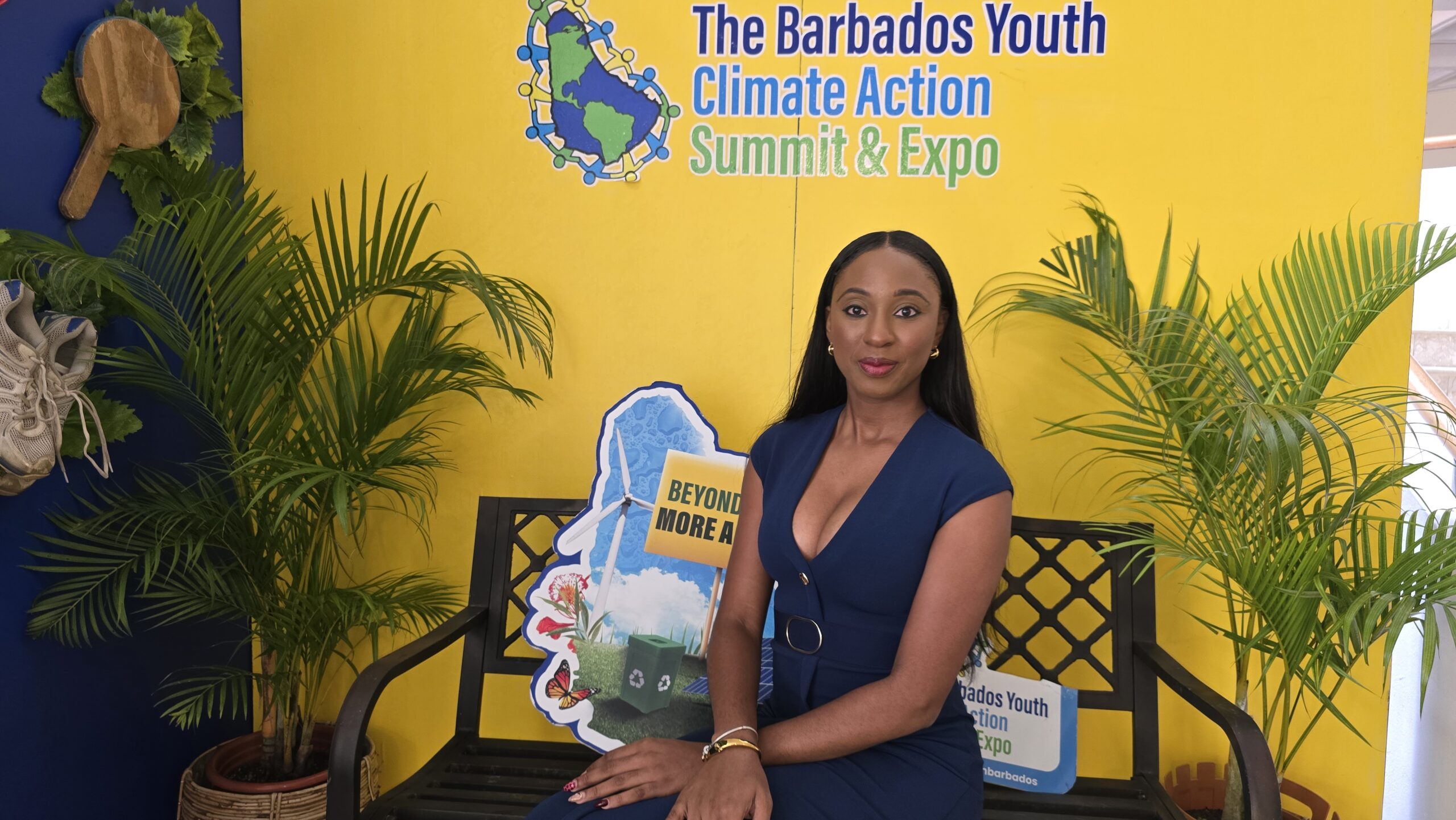
Unchecked coastal projects threaten Barbados’ identity, says UN youth advisor
A United Nations climate advisor has issued a stark warning about the rapid coastal development in Barbados, emphasizing that the construction of new hotels and high-rise condominiums is eroding the island’s natural character. Speaking at the Barbados Youth Climate Action Summit and Expo, Ashley Lashley, a prominent environmental advocate, criticized the prioritization of profit over sustainability, calling for a fundamental shift in how progress is measured.
-
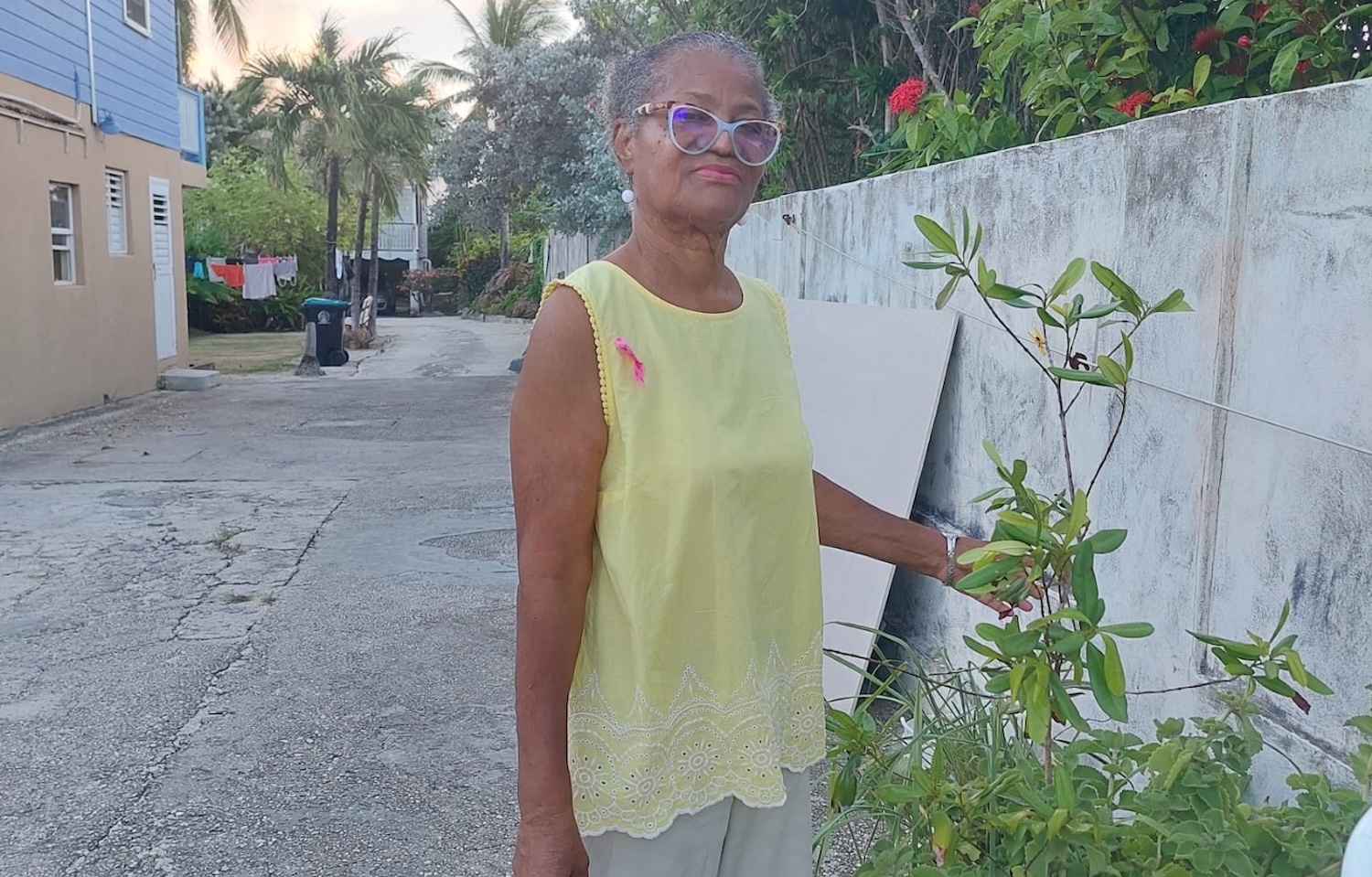
How faith carried Marquita Jordan beyond cancer
At 72, Marquita Jordan reflects on a life-altering journey that began over three decades ago when she discovered a lump in her right breast. Initially dismissed by her doctor as benign, Jordan’s intuition led her to seek a second opinion. A mammogram revealed the harsh truth: she had breast cancer. The diagnosis, initially perceived as a death sentence, marked the start of a profound battle marked by resilience, faith, and healing.
-

Senator: Review rules for dads with multiple newborns
Senator Gregory Nicholls has called for amendments to the Family Leave Bill to better align with the complexities of contemporary family structures in Barbados. During a Senate debate, Nicholls highlighted scenarios where fathers may have multiple children born within a 12-month period, emphasizing that the current legislation should not compel them to choose which child to bond with. He argued that the primary goal of the Family Leave Bill is to foster familial connections and support the developmental needs of children, and thus, no child should be disadvantaged due to legislative constraints. Nicholls proposed that fathers with parenting responsibilities across multiple households should be entitled to leave for each child, ensuring equitable bonding opportunities. He clarified that his suggestion is not meant to promote irresponsible fatherhood but to safeguard the rights of parents to fulfill their familial obligations without jeopardizing their employment. Nicholls underscored the importance of the parent-child bond during early developmental stages, advocating for a legal framework that prioritizes the welfare of children and strengthens family ties.
-

Senators call on men to embrace new family leave rights
In a landmark move to redefine fatherhood and promote gender equality, Senators have urged men to fully utilize the newly passed Family Leave Bill. The legislation, described as a transformative opportunity, allows fathers to take three weeks of leave within the first six months of their child’s life, with at least two weeks to be used in the initial three months. Government Senator Lindell Nurse emphasized that this law is a call for men to embrace their roles as fathers, providing emotional support to mothers and fostering stronger family bonds. He cautioned against misusing the leave for leisure, stressing its purpose in nurturing family life. Independent Senator Roshanana Trim highlighted the Bill’s broader cultural impact, framing it as a step toward liberating men from outdated notions of masculinity and enabling them to participate fully in caregiving. She noted that the Bill challenges traditional gender roles, fostering a more balanced and dignified family dynamic. Senator Andwele Boyce praised the legislation but pointed to systemic delays in the court system that often hinder fathers from being present in their children’s lives. He called for urgent reforms to address these inefficiencies, emphasizing the importance of strong family structures for national development. Boyce also commended private sector entities that already support family care responsibilities, urging others to follow suit. The Family Leave Bill is seen not just as legislative progress but as a cultural shift toward recognizing care as a shared human responsibility, reshaping modern family life for the better.
-
Economic struggles lead to increase in mental health cases
Barbados is witnessing a significant rise in mental health issues, driven by financial hardship and housing scarcity, according to Dr. Joy Sue, a Consultant Psychiatrist at the Psychiatric Hospital. Dr. Sue highlighted that depression and anxiety are among the most prevalent conditions she treats, often exacerbated by economic and social challenges. She emphasized that many patients are not on medication but rely on counseling to cope with their struggles, which frequently stem from financial instability and inadequate housing.
-

Senator backs ‘automatic DNA tests’ in maintenance cases
Opposition Senator Andre Worrell has reiterated his call for mandatory DNA testing at the commencement of child maintenance and paternity proceedings, emphasizing that such a measure would promote fairness and prevent future emotional and financial turmoil. During Wednesday’s Senate debate on the Family Leave Bill, Sen. Worrell aligned his stance with that of acting Chief Magistrate Deidre McKenna, who last month advocated for automatic DNA testing to bring greater clarity and equity to family legal matters. McKenna, speaking at a panel discussion on financial child support delinquency, suggested that Barbados should adopt a system where DNA testing is automatically conducted when a man is brought before the court for maintenance. She argued that this approach would eliminate uncertainty and ensure that maintenance obligations are based on verified paternity. Sen. Worrell, while supporting the Family Leave Bill, which extends maternity leave and introduces paid paternity leave, highlighted the need for the legal system to ensure fairness for men by making paternity testing accessible and affordable. He pointed out that many men face significant emotional and financial distress when they later discover they are not the biological fathers of children they were ordered to support. Worrell proposed that introducing DNA testing at the outset of maintenance proceedings would mitigate these issues, benefiting all parties involved. He suggested that early paternity testing should be integrated into the legal process to prevent prolonged disputes and ensure that maintenance decisions are grounded in scientific evidence.
-
Barbados ‘leads CARICOM’ in introducing paid paternity leave
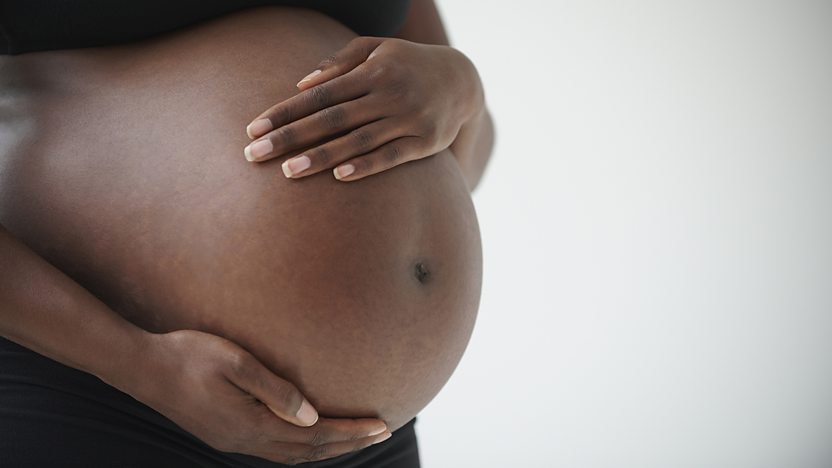
Barbados has made history by becoming the first Caribbean Community (CARICOM) nation to introduce paid paternity leave, marking a significant milestone in supporting working families. Senator Lisa Cummins, Minister of Energy and Business, announced this landmark achievement during the Senate’s deliberation on the Family Leave Bill, which had already passed the House of Assembly. The legislation extends maternity leave from 12 to 14 weeks for single births and 17 weeks for multiple births, while granting fathers three weeks of paid paternity leave—a first in the region. Senator Cummins emphasized that Barbados is now “proudly leading the way” in parental support, outpacing its regional counterparts. While countries like the Dominican Republic offer two days of paid paternity leave and Suriname provides eight days, Barbados stands alone in CARICOM with its comprehensive paid paternity leave policy. Senator Cummins highlighted the contrast with developed nations such as Japan, South Korea, Sweden, Iceland, and Norway, which offer significantly longer parental leave periods. However, she underscored the importance of contextualizing Barbados’ progress within its economic realities as a small developing nation. The Minister also shared data on Barbados’ investment in maternity benefits, noting a decline in beneficiaries from 1,300 in 2015 to 842 in 2025, with corresponding payouts decreasing from $6.9 million to $5.4 million. She stressed that the new legislation is not merely a financial measure but a profound social investment in family well-being. Senator Cummins emphasized the irreplaceable value of the early weeks and years in a child’s life, stating that this policy reflects the government’s commitment to modernizing social care and promoting equal parenting roles. Describing the initiative as “critical” and “groundbreaking,” she affirmed its role in fostering stronger families and a more equitable society.
-

Island clinches top wedding destination award for second year
Barbados has once again been honored as the Caribbean’s leading wedding destination, securing the title for the second consecutive year. This prestigious recognition was announced at the World Travel Awards (WTA) Caribbean & North American Gala Ceremony, held on October 4 at Sandals Grande in St Lucia. The event, which celebrates excellence in the travel and tourism sectors, brought together industry leaders and contenders from across the region. The Barbados Tourism Marketing Inc. (BTMI) expressed pride in the achievement, attributing it to the island’s unwavering commitment to developing a world-class wedding industry. Cheryl Carter, BTMI’s Chief Operations Officer, emphasized the island’s dedication to creating unforgettable wedding experiences, leveraging its rich culture, stunning venues, and exceptional hospitality. The ceremony also marked the third leg of WTA’s Grand Tour 2025, showcasing the region’s finest travel and tourism organizations. Graham Clarke, Director of BTMI’s Caribbean department, highlighted the significance of the award amidst fierce competition from neighboring destinations, crediting local stakeholders for their pivotal role in securing the honor. WTA founder Graham Cooke praised the winners for setting new benchmarks in tourism excellence. Since its inception in 1993, the World Travel Awards have been a hallmark of industry achievement, celebrating outstanding contributions to travel, tourism, and hospitality globally.