
This week marks the fifth anniversary of PickUP Barbados, a homegrown ride-hailing company that has revolutionized transportation across the island while generating hundreds of jobs and fostering stronger community ties. According to regional manager Hannah Gill, the platform currently boasts approximately 600 registered drivers, with ride volumes consistently increasing each year. This growth has translated into more opportunities for the taxi community, as the app eliminates the need for drivers to wait in specific locations for work. Since its inception, PickUP has upheld its commitment to drivers by maintaining stable commission rates and offering additional perks, such as preferred financing through Signia Globe and discounts on tires and batteries via Quality Tyre Plus. Gill emphasized that these initiatives are among the company’s most significant achievements, adding, “We’ll continue to work for the drivers to keep getting value for them.” Beyond employment, PickUP has deepened its community engagement. Earlier this year, the company introduced a wheelchair-accessible vehicle category on its app, collaborating with the National Council for the Disabled to provide $2,000 in ride credits to members. In June, free rides were offered to blood donors, and a long-term partnership was established with the Kiwanis Club of Bridgetown. Additionally, PickUP sponsored the FEMUND World Domino Championships Barbados team, showcasing its support for local passions and traditions. Reflecting on the challenges of the past five years, Gill highlighted the complexities of launching during the COVID-19 pandemic, navigating local regulations, and understanding the unique culture of drivers and passengers in a tourism-driven economy. She stressed the importance of having a locally based, 24/7 support team, noting that local knowledge can significantly impact a tourist’s holiday or a commuter’s day. Looking ahead, PickUP plans to implement technological advancements while remaining focused on local sustainability and driver support. Gill concluded, “The vision of success is rooted in local sustainability… continuing to elevate the transport sector, maintaining income stability for drivers, and impacting the community through give-back efforts.”
标签: Barbados
巴巴多斯
-

Uber moves to calm backlash
Uber has officially announced that its platform in Barbados, set to launch next Wednesday, will exclusively feature licensed taxis. This decision comes in response to concerns raised by local drivers who feared the introduction of private vehicles could undermine the island’s taxi industry. In a recent statement, Uber clarified that its service in Barbados will strictly adhere to the Transport Authority’s regulations, ensuring that fares are fully compliant and drivers are paid the mandated rates. The company emphasized that only the Uber Taxi product will be available on the app, accessible solely to licensed taxi operators. Additionally, Uber acknowledged that during the initial testing phase, some fare discrepancies occurred due to automated discounts but assured drivers that they would receive compensation based on the regulated rates. This move aims to align Uber’s operations with local industry standards while addressing the apprehensions of Barbados’ taxi community.
-

Chief Justice, Attorney General to new attorneys: Use your legal judgement, not AI
In a significant ceremony held at the Number 1 Supreme Court on Friday morning, 34 newly admitted attorneys-at-law were formally welcomed to the legal profession. However, the occasion was marked by stern cautions from Barbados’ Attorney General Dale Marshall and Chief Justice Leslie Haynes, who emphasized the limitations of artificial intelligence (AI) in legal practice. Both leaders, addressing the gathering during a special sitting of the bench, underscored that AI should serve merely as an auxiliary tool rather than a substitute for the critical thinking, factual analysis, and application of established case law that are fundamental to legal advocacy. They urged the newly minted lawyers to exercise their own professional judgment and not to anchor their clients’ defense strategies solely on AI-generated insights. The event, captured in a photograph by Emmanuel Joseph, highlighted the ongoing debate surrounding the integration of technology into traditional legal frameworks and the importance of maintaining human oversight in the justice system.
-

Lions, Ellerton advance in style
The Prime Minister’s Cup Group A stage concluded with thrilling performances from St Andrew Lions and Ellerton FC on Wednesday night, as both teams secured their places in the Round of 16. St Andrew Lions, the group leaders, edged out a determined Pro-Shottas side with a narrow 1-0 victory at the Friendship Ground in Hothersal Turning. The decisive moment came in the 86th minute when captain Darico King showcased his composure with a clinical finish from the left flank, maintaining the Lions’ flawless record of nine points. King’s leadership and match-winning contribution earned him the Man of the Match accolade. Earlier in the evening, Ellerton FC delivered a dominant 5-0 victory over Barbados Soccer Academy, securing second place in the group. The match saw an early own goal by Soccer Academy’s Samuel Louisien in the third minute, followed by a stellar performance from Ellerton’s Zeco Edmee, who scored twice in the seventh and 17th minutes. Midfielder Tyrell Waldron added another goal in the 41st minute, while captain Shakille Belle sealed the emphatic win with a stoppage-time goal in the 90+1 minute. Edmee’s standout performance earned him the Man of the Match award. The tournament, supported by The Barbados Lottery, Powerade/Dasani, and Rude Boy, continues to showcase high-intensity football as teams prepare for the knockout stage.
-
Man dead in late-night Pinelands shooting
A tragic late-night shooting in Stafford Hill, Pinelands, St Michael, has claimed the life of a 21-year-old man. The victim, identified as Chrishon Gooding of #18 4th Avenue, North Wildey Close, St Michael, was fatally wounded on Thursday evening. According to reports from the District ‘A’ Station, the incident unfolded around 11 p.m. when two unidentified assailants entered the area and opened fire. Gooding, who was seated nearby, was struck by the gunfire. He was rushed to the Queen Elizabeth Hospital via a private vehicle but later succumbed to his injuries. Authorities have launched a thorough investigation into the incident and are urging anyone with relevant information to come forward. Individuals can contact the Crime Stoppers Hotline at 1-800-8477, Police Emergency at 211, or the District ‘A’ Station at 430-7242 or 430-7246. The community remains on edge as law enforcement continues its efforts to bring the perpetrators to justice.
-

Finding my mind
Last week marked World Mental Health Day, a time to reflect on the complexities of mental well-being. While mental stress is often linked to workplace challenges, it is crucial to distinguish between temporary stress and mental illness. Mental stress, though uncomfortable, can be a catalyst for innovation and problem-solving. However, mental illness, such as memory loss, presents a more profound and often misunderstood challenge.
-
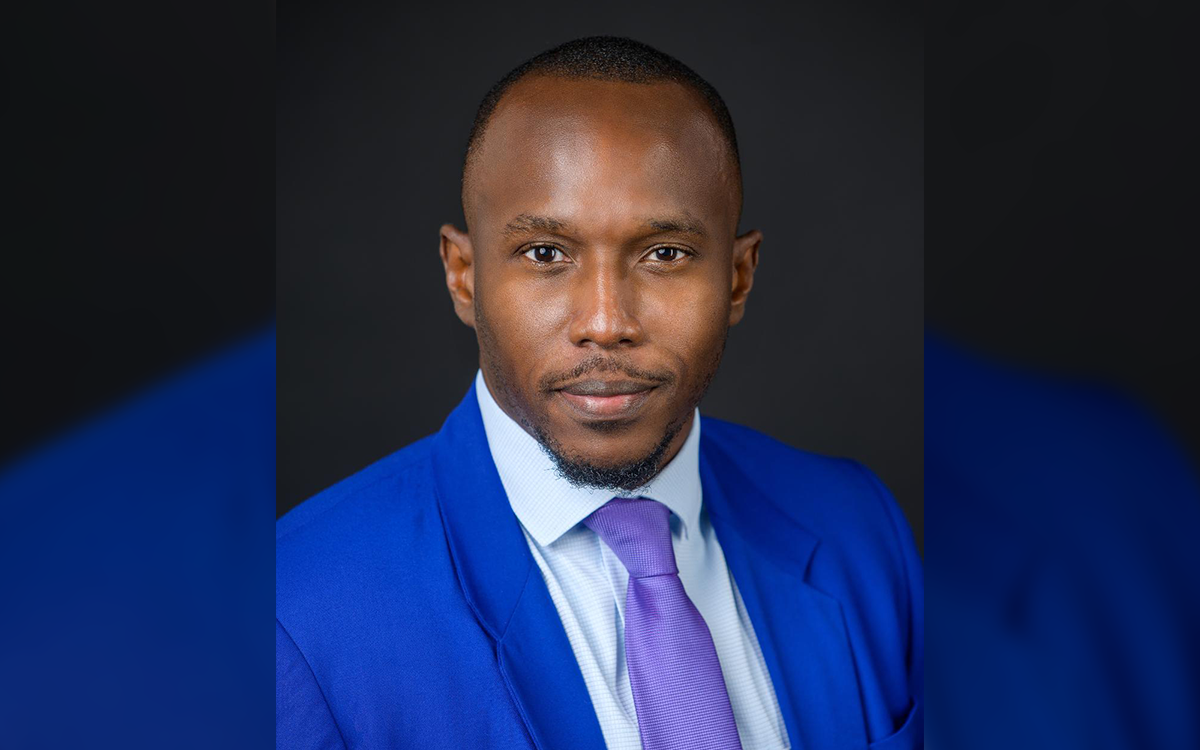
Message from Kemar Cumberbatch, president of the Barbados Co-operative & Credit Union League Limited, on the occasion of International Credit Union Day 2025
International Credit Union (ICU) Day serves as a powerful testament to the transformative impact of collective effort, particularly among communities often overlooked in traditional financial systems. In Barbados, the credit union movement has forged a deeply rooted and mutually beneficial relationship with the working-class and middle-income populations for generations. Today, 24 financial cooperatives operate under the Barbados Co-operative & Credit Union League Limited, showcasing the strength of shared resources and unified goals. What began as a grassroots initiative to address financial exclusion has evolved into a multibillion-dollar sector that continues to uplift individuals and communities alike. This year’s ICU Day theme, ‘Cooperation for a Prosperous World,’ resonates profoundly with Barbados’ credit union movement, highlighting its resilience and success. Since its inception in 1948, ICU Day has been a time to reflect on the movement’s history, celebrate its achievements, and honor the individuals who have driven its growth. It also serves as a platform to raise awareness about the critical role credit unions play globally in empowering members and improving lives. In Barbados, credit unions have remained steadfast through the island’s social and economic challenges, now holding nearly $3 billion in savings and $3.4 billion in total assets. Members increasingly rely on these institutions for business development, housing, education, transportation, and personal financial empowerment. The Barbados Co-operative & Credit Union League, headquartered in St. Michael, acts as the sector’s strategic hub, providing leadership training, governance support, and financial literacy programs. The league also champions initiatives to enhance technological capabilities and cybersecurity while advocating for the sector’s inclusion in the national deposit insurance program. As Barbados celebrates International Credit Union Day 2025, the movement reaffirms its commitment to cooperation, honoring its shared history and embracing future opportunities to build a prosperous and inclusive future for all.
-
Young Barbadians champion resilience financing
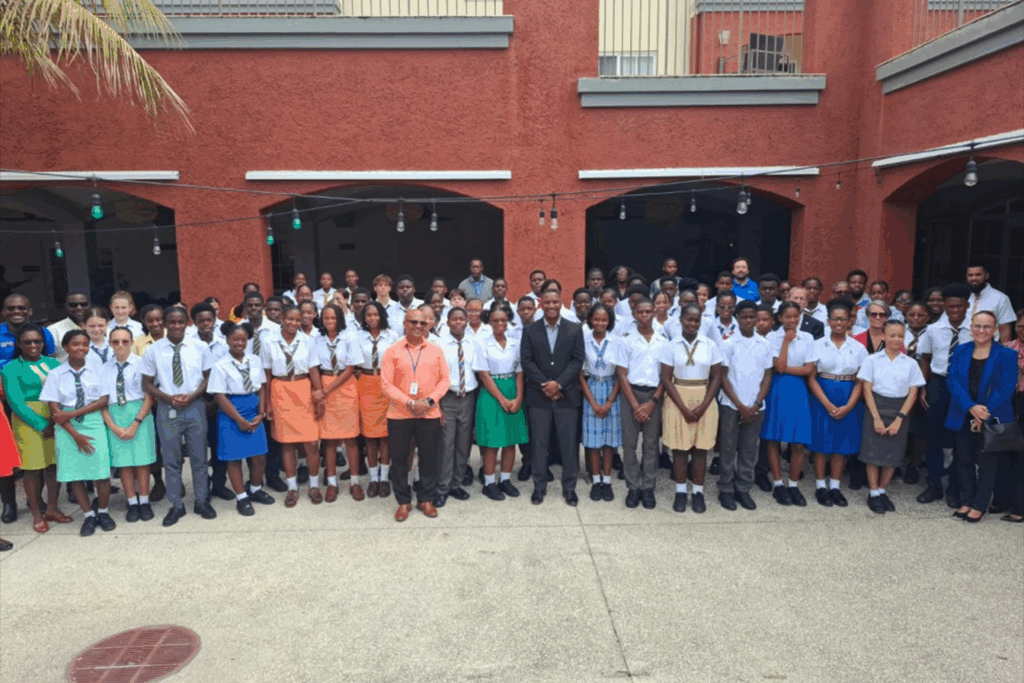
On October 13, Barbados marked the International Day for Disaster Risk Reduction with a National Youth Platform, bringing together young people, government leaders, and international partners to focus on resilience financing. The event, themed ‘Fund Resilience, Not Disasters,’ emphasized the critical need to invest in measures that protect communities from climate and disaster risks. Youth leaders highlighted the devastating impacts of disasters on education, livelihoods, and well-being, while showcasing their innovative contributions to resilience-building. Interactive ‘resilience labs’ provided a space for young participants to exchange solutions, from climate-smart technologies to community-driven approaches, demonstrating their role as active agents of change. Captain Robert Harewood, Deputy Director of the Department of Emergency Management, opened the event by stressing the importance of involving youth in national resilience planning. United Nations Resident Coordinator Simon Springett called for intergenerational dialogue to ensure youth priorities inform policy and financing decisions. Saskia Carusi of the United Nations Office for Disaster Risk Reduction highlighted the increasing scale of disasters driven by extreme weather and risk-blind investments. The Government of Barbados reaffirmed its commitment to resilience, with Minister Wilfred Abrahams emphasizing that investing in resilience is a necessity for sustainable development. A youth-led panel discussion explored how youth innovation, financing, and partnerships can drive greater investment in resilience. UNICEF Youth Advocate Maria Marshall underscored the importance of viewing young people as agents of change rather than victims. The event concluded with the launch of the World Tsunami Awareness Day 2025 Film Festival and the presentation of youth recommendations to strengthen national and regional resilience strategies.
-
The Missing Meso-Level finance in disaster relief
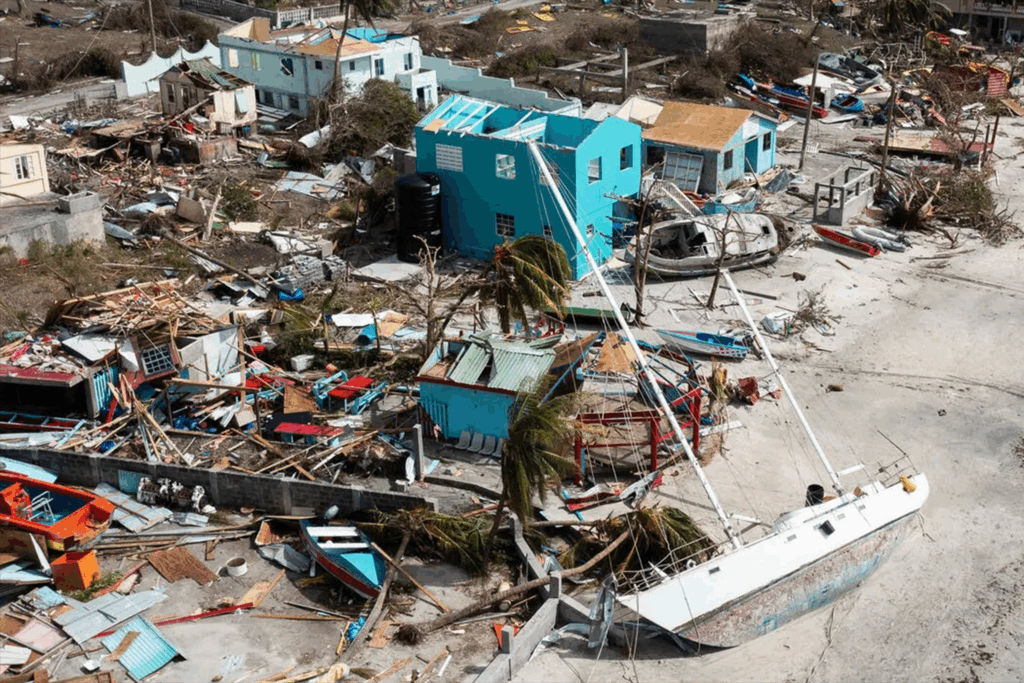
When hurricanes devastate the Caribbean, the path to recovery extends far beyond rebuilding homes and infrastructure. It hinges on the ability of farmers to replace lost livestock, fishers to access damaged docks, market vendors to preserve perishable goods, and tourism workers to endure prolonged hotel closures. These individuals are the backbone of local economies, ensuring food security and the flow of goods. Yet, they are often the last to receive aid when disasters strike. While governments and traditional insurance systems play a role, they frequently fall short in addressing the urgent, small-scale needs of vulnerable communities. Governments focus on large-scale recovery efforts, such as restoring power grids and roads, but struggle to address individual needs like replacing a farmer’s contaminated well or a fisher’s equipment. Private insurers, meanwhile, cater primarily to businesses with formal assets, leaving informal workers—such as farmers without land titles or vendors without registered stalls—unprotected. This gap is where meso-level Climate and Disaster Risk Finance and Insurance (CDRFI) steps in. By connecting government resources, private insurance, and community organizations, CDRFI creates a collaborative system that delivers faster, fairer, and more localized support. Community institutions like cooperatives and NGOs act as direct links to vulnerable populations, leveraging their trust and local knowledge to distribute financial tools such as parametric insurance and community savings funds. Governments and private insurers provide broader financial backing, ensuring sustainability. This integrated approach not only protects livelihoods but also reduces strain on national budgets. Research by the Caribbean Policy Development Centre (CPDC) reveals that 79% of organizations serving vulnerable workers lack disaster response budgets, leaving them stranded during crises. Meso-level CDRFI empowers these organizations to access resources, deliver aid directly, and accelerate recovery. Beyond financial support, this model fosters trust, transparency, and local decision-making, essential for long-term resilience. As climate risks escalate, the Caribbean must adopt solutions tailored to its unique challenges. Meso-level CDRFI offers a promising pathway to connect informal workers with broader resources, ensuring a smarter, more resilient future for the region.
-
Students take to the streets for climate action
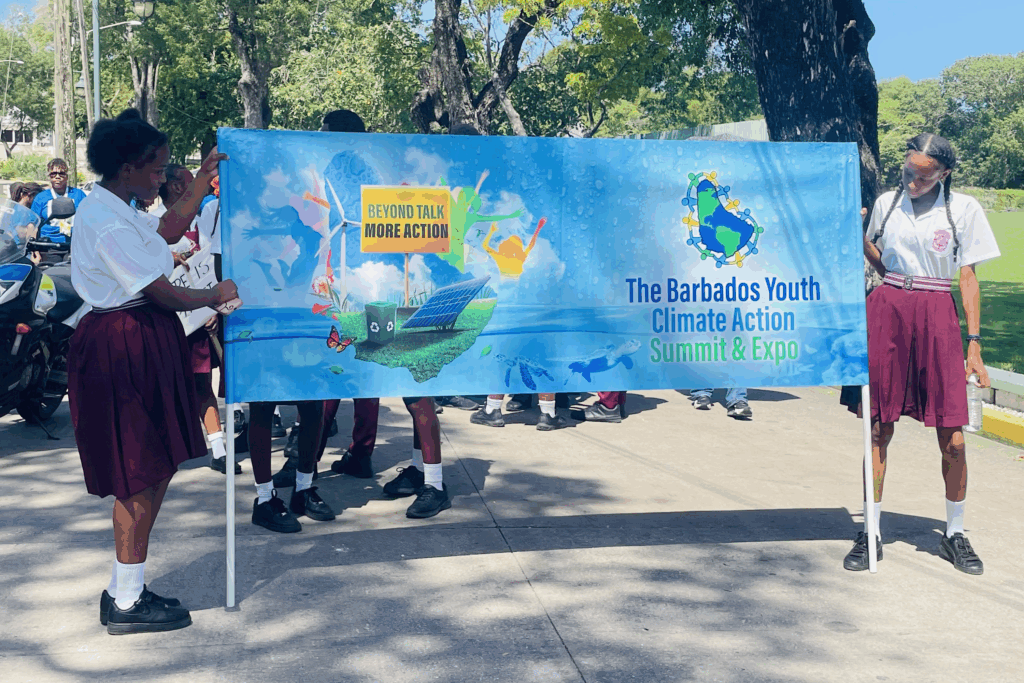
On a vibrant Thursday morning, the streets of Bridgetown, Barbados, resonated with the impassioned voices of primary and secondary school students chanting, “Beyond talk! More action!” This marked the second annual Student Climate March, a pivotal event of the Barbados Youth Climate Action Summit, orchestrated by the Ashley Lashley Foundation under the theme “Beyond Talk, More Action.” The march commenced at Queen’s Park, with students brandishing creatively hand-painted placards bearing urgent messages such as “Rising Temperatures Rising Action” and “The climate is changing, why aren’t we?” These slogans underscored their call for heightened environmental awareness and decisive action. Ashley Lashley, the foundation’s founder, expressed her enthusiasm for the event, emphasizing its mission to empower youth in climate advocacy. “This initiative is about fostering awareness and sensitization among our youth, helping them realize they have a voice in shaping a sustainable future,” she remarked. Participants from schools like Grantley Adams Memorial Secondary, Lester Vaughan School, and St Giles Primary united in chants such as “Climate action, who’s it for? For we future, that’s for sure!” Lashley also highlighted students’ growing concerns about the tangible impacts of climate change, particularly the rising temperatures affecting their classrooms. The march concluded with gratitude expressed to all participants, who were treated to refreshments. As the event wrapped up, the lingering chant, “This is our future, we gotta act now!” served as a powerful reminder of the urgency of their cause.