
Opposition Leader Ralph Thorne has launched a scathing critique of the Mia Mottley administration, accusing it of employing ‘pretty talk’ to create ‘illusions of prosperity’ while many Barbadians grapple with economic hardships. During a heated debate in the House of Assembly over the Barbados National Energy Company (Transfer and Vesting of Assets) Bill, Thorne highlighted the growing disparity between the government’s confident rhetoric and the stark realities faced by citizens. He argued that despite ministers’ claims of economic progress, the benefits are not translating into tangible improvements in the lives of families, small businesses, and street vendors. Thorne urged lawmakers to witness the struggles firsthand by visiting Swan Street, where vendors are fighting to survive rather than thrive. He dismissed the government’s narrative of national prosperity as a ‘cruel joke,’ emphasizing that the people of Barbados are enduring significant suffering. Thorne also criticized the administration’s reliance on buzzwords like ‘sustainable,’ ‘resilient,’ and ‘whole-of-country approach,’ which he described as empty slogans devoid of substance. He warned that the government’s refusal to acknowledge the hardships faced by citizens risks deepening public apathy and eroding trust in leadership. Thorne concluded that speeches alone cannot alleviate the economic pressures weighing on Barbadians, calling for more concrete actions to address their struggles.
标签: Barbados
巴巴多斯
-
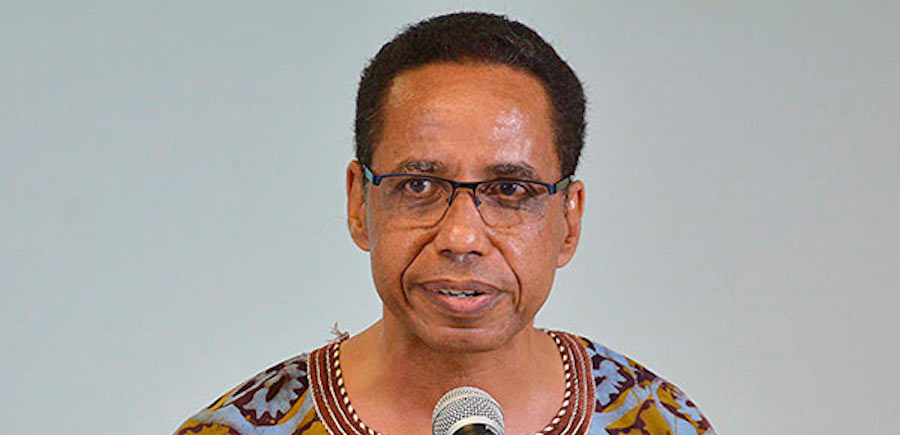
Bajan students in Jamaica accounted for as Hurricane Melissa batters island
All 41 Barbadian students in Jamaica have been confirmed safe and securely accommodated as Hurricane Melissa, a Category 5 storm, made landfall on the island. Ambassador to CARICOM, David Comissiong, provided this assurance on Tuesday, just before the hurricane struck with unprecedented wind speeds of 185 miles per hour and heavy rainfall. While 26 students were evacuated on short notice, others remained safely sheltered at the University of the West Indies’ Mona Campus and a hotel in Kingston, the island’s capital. Comissiong emphasized that the situation in Kingston, where most students are based, remained stable, with Barbados’ honorary consul in Jamaica maintaining constant communication with the students. Some students were flown back to Barbados via a special flight arranged by the government, though the tight timeline of just four hours meant not all could be accommodated. Rakeia Mayers-Parris, Public Relations Officer of the Barbados Student Association of Jamaica (BSAJ), recounted her experience of receiving a last-minute call for an afternoon flight back home. She praised the government’s swift action, noting that those unable to evacuate were provided safe accommodations at hotels. Despite reports of infrastructure damage and flooding at the UWI Mona Campus, Comissiong assured that the Foreign Ministry is closely monitoring the situation and maintaining contact with both students and Jamaican authorities. The BSAJ expressed profound gratitude to the government and all individuals involved in ensuring the students’ safety, highlighting the efforts of Foreign Minister Kerrie Symmonds, Director General of Foreign Affairs Donna Forde, and Honorary Consul Winston Bayley.
-

Pharmacy at St Philip Polyclinic to close October 31 to November 5
The pharmacy at the St Philip Polyclinic will be temporarily shut down from Friday, October 31, 2025, through Wednesday, November 5, 2025, to allow for essential renovation works. The Ministry of Health and Wellness has announced that normal pharmacy operations are scheduled to resume on Thursday, November 6, 2025. During this period, patients who typically utilize the St Philip Polyclinic Pharmacy for prescription refills or other pharmaceutical services are advised to visit any other polyclinic pharmacy or out-patient clinic pharmacy. To ensure seamless service, patients should carry their identification cards and empty medication containers. The Ministry expressed regret for any inconvenience caused and extended gratitude to the public for their patience and understanding as they work to enhance the facility for improved service delivery.
-

Room for debate as Uber enters Barbados
Uber officially debuted its ride-hailing services in Barbados last Tuesday with a high-profile event at the Hilton Barbados. The launch introduced three key offerings: Uber Taxi, Uber Reserve, and Uber Hourly. Uber Taxi allows passengers to book rides to their desired destinations, while Uber Reserve enables users to schedule trips up to 90 days in advance or as close as 30 minutes before pickup. Uber Hourly provides the option to hire a driver by the hour, catering to tourists needing airport transfers or island tours.
-

Highway murder accused remanded
A 21-year-old man, Jabari Rashawn Waterman, has been remanded to Dodds Prison following his appearance at the No. 1 District ‘A’ Magistrates’ Court on Tuesday. Waterman, a resident of St Barnabas Road, St Michael, faces charges for the fatal shooting of 20-year-old Shaquon Chandler-Wray, which occurred a week prior on Monday. Additionally, he is accused of using a firearm during the commission of the crime. Represented by attorney Damien Sands, Waterman was unable to enter a plea for the indictable charges before Chief Magistrate Ian Weekes. His remand has been extended until November 25. The tragic incident took place on the ABC Highway at the St Barnabas pedestrian crossing, where Chandler-Wray sustained multiple gunshot wounds. Despite being rushed to the Queen Elizabeth Hospital, he succumbed to his injuries.
-
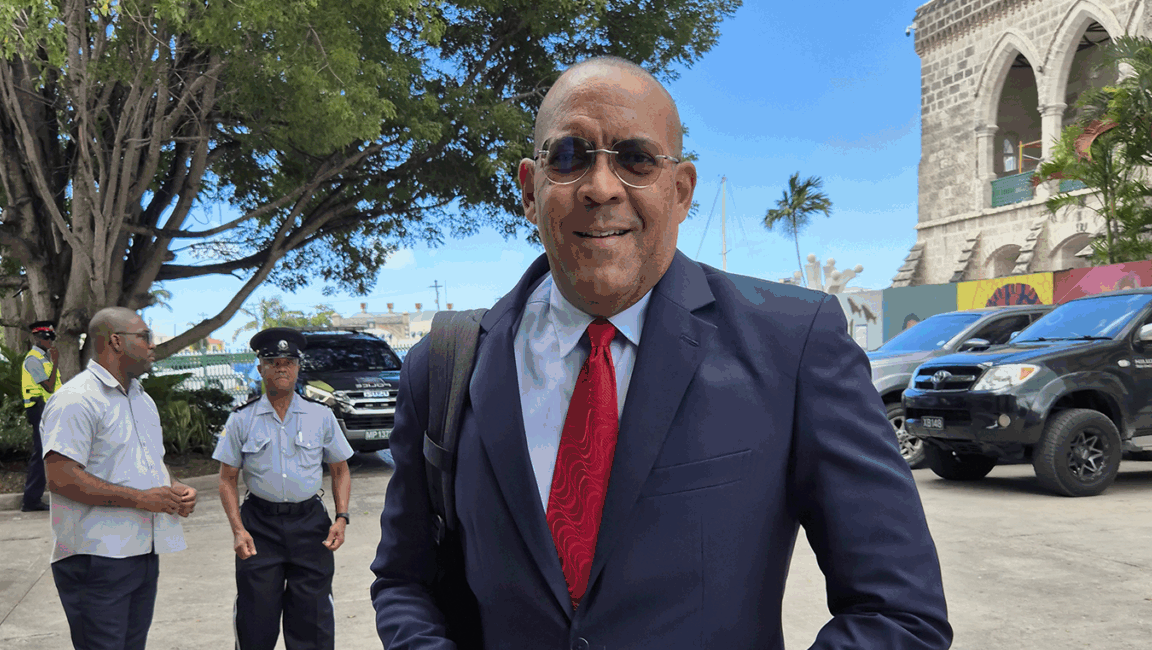
Symmonds: Accelerate shift from fossil fuels amid rising regional tensions
Barbados’ Minister of Foreign Affairs and Foreign Trade, Kerrie Symmonds, has emphasized the urgent need for the nation to expedite its transition away from fossil fuels, citing escalating geopolitical tensions in the southern Caribbean as a critical driver. Speaking during a parliamentary debate on the Barbados National Energy Company (Transfer and Vesting of Assets) Bill, Symmonds highlighted the potential catastrophic consequences of conflicts in the region, particularly between Venezuela and the United States. He warned that any military escalation could disrupt energy supply routes and destabilize the Petrocaribe agreement, which has historically provided Caribbean nations with oil on favorable terms. Symmonds stressed that Barbados must take control of its energy future to mitigate the risks posed by volatile global oil prices and geopolitical instability. He referenced recent Central Bank data, noting that fuel import costs had fluctuated dramatically, from $538.5 million in the first half of 2024 to $262.5 million in the same period of 2025. Such unpredictability, he argued, underscores the necessity of reducing reliance on fossil fuels. The minister outlined the government’s broader strategy to consolidate national energy assets, streamline investments, and accelerate the adoption of renewable technologies. This includes transitioning the island’s 110,000 privately owned vehicles and public transport systems to electric and hybrid models. Symmonds highlighted progress in the public transport sector, with 89 electric buses now operational and 35 more on the way. He also emphasized the need for government support to help private operators transition to greener alternatives, including through concessionary financing. Symmonds concluded by asserting that Barbados must emancipate itself from the vulnerabilities of the international petroleum market to ensure a sustainable and secure energy future.
-

Healthcare data protection in Barbados: Seminar signals shift from education to enforcement
The Healthcare Sector Seminar, held on October 22 and jointly organized by the Ministry of Industry, Innovation, Science and Technology and the Office of the Data Protection Commission, marked a pivotal moment for Barbados’ healthcare industry. The event, attended by a diverse group of stakeholders including the Barbados Drug Service, public and private pharmacies, medical practitioners, and ancillary healthcare providers, focused on reinforcing data protection and cybersecurity obligations within the sector. Minister of Innovation, Industry, Science and Technology Senator Jonathan Reid opened the seminar with a personal reflection on the importance of safeguarding patient information. He highlighted a common issue in healthcare settings: the repeated collection of personally identifiable information (PII), which increases risks of human error, unauthorized disclosure, and data misuse. This practice, as outlined in the Barbados Data Protection Act (2019-29), violates the principles of data minimization and purpose limitation. The seminar emphasized the need for healthcare organizations to transition from awareness to actionable compliance. Data Commissioner Lisa Greaves detailed the statutory obligations under the Act, stressing the importance of written policies, risk assessments, and the appointment of a Data Privacy Officer. She clarified that while healthcare data is not explicitly categorized as ‘sensitive’ under the Act, it must be treated as high-risk due to its deeply personal nature. Legal and Data Privacy specialist Jabarry Garnes introduced the concept of Privacy by Design, advocating for the integration of privacy protections into healthcare systems from the outset. Patricia Rowe-Seale, the government’s chief information security officer, addressed cybersecurity risks, emphasizing the need for continuous monitoring and layered defense strategies. The seminar concluded with a call for healthcare organizations to adopt compliance, privacy-focused design, and cybersecurity resilience as interconnected priorities. The road ahead presents challenges, including resistance to change and the adoption of formal privacy programs. However, the event signaled the beginning of a transformative journey toward modern, compliant healthcare practices in Barbados.
-

Much ‘Moore’ than a bar
John Moore Bar, a cherished landmark in Weston, St James, Barbados, has long been more than just a rum shop. It is a cultural hub where community, kinship, and tradition intertwine. On Saturday, the bar celebrated its grand reopening, marking a new chapter in its storied history. Proprietor Cherie Rochester, who took over from her uncle Lamonte Greedy Addison, welcomed the crowd with a heartfelt, “Welcome home everyone!” Her words resonated deeply, as she described the bar as a place where her childhood memories and roots are deeply embedded. Rochester is committed to preserving the legacy her uncle built while steering the establishment into the digital age. Known for its pioneering spirit, John Moore Bar was the first rum shop on the island to implement a point-of-sale system. Now, it is embracing QR codes for menus and digital payment systems like Bim Pay, aiming to become Barbados’ most digital rum shop. The bar’s refurbished design pays homage to its rustic charm while incorporating modern elements. The menu, featuring pizzas, tacos, and burgers made from scratch, reflects a blend of tradition and innovation. Staff are undergoing mixology training to elevate the cocktail experience. For decades, John Moore Bar has been a gathering place for locals, tourists, and even members of the constabulary. Rochester promised to maintain this sense of camaraderie. She also expressed gratitude to businessman Peter Harris for his unwavering support. The reopening ceremony, attended by Henderson Forde of Armstrong Agencies, symbolized a new era for the bar. As John Moore Bar steps into the future, it remains a tribute to its heritage and a beacon of innovation.
-

Home-grown health tech push to transform healthcare system
Barbados is spearheading a transformative initiative to address its pressing healthcare challenges by encouraging local innovators to develop tailored health technologies. With escalating costs, a growing burden of chronic diseases, and imported solutions that often fall short, the nation is rallying its citizens to create homegrown tools, apps, and systems that align with its unique needs. Dr. Kia Lewis, a community activator for FutureHEALTH, emphasized the urgency of innovation and collaboration to combat inefficiencies, high disease burdens, and financial strain in the health sector. She highlighted the limitations of overseas technologies, which, while useful, often fail to address the specific context of Barbados. Locally designed solutions, she argued, could not only enhance healthcare delivery but also generate significant economic benefits. In response, FutureHEALTH has launched the FutureHEALTH Incubator, the island’s first dedicated program to foster health tech innovation. The incubator operates through three tracks: the Ideation Track for early-stage innovators, the Minimum Viable Product Track for refining prototypes, and the Pilot Track for large-scale testing. Applications are now open, targeting healthcare workers, students, entrepreneurs, and tech professionals. Dr. Lewis described the incubator as a vital step in reshaping Barbados’ approach to healthcare innovation, combining talent, technology, and creativity to improve lives and unlock financial opportunities in the burgeoning health tech field.
-

AG makes youth violence, domestic abuse link
Barbados Attorney General Dale Marshall has issued a compelling call for immediate and comprehensive research into the connection between domestic abuse and the rising tide of violent crimes among school-aged boys. Speaking at the opening of a two-day Regional Symposium to Advance State Responses on Domestic Violence at the Hilton Barbados Resort, Marshall emphasized that unstable family environments are cultivating a generation predisposed to gang involvement and criminal behavior. Supported by the Inter-American Development Bank (IDB), Caribbean Development Bank (CDB), and the government, the symposium aims to address domestic abuse across the region and its root causes. Marshall argued that violence within the home and youth delinquency cannot be treated as isolated issues, stating that the link between dysfunctional families and criminal activity is ‘almost intuitive.’ He highlighted the government’s efforts to stabilize families through initiatives like the One Family Programme, which allocates significant public funds to support vulnerable households. Marshall warned that without addressing domestic violence, the cycle of crime will persist, as dysfunctional families often produce young individuals who gravitate toward gangs. He cited alarming cases of teenagers charged with serious crimes, including firearm homicides and robberies, underscoring the urgency of targeted interventions. While the Criminal Justice Research Unit is investigating the issue, Marshall stressed that action cannot wait for studies to conclude. He framed domestic violence as a long-term societal challenge, emphasizing the need to reorient dysfunctional families to prevent future crime waves. Marshall concluded that failing to break the intergenerational transmission of violence will leave the country managing crime fallout rather than reducing it.