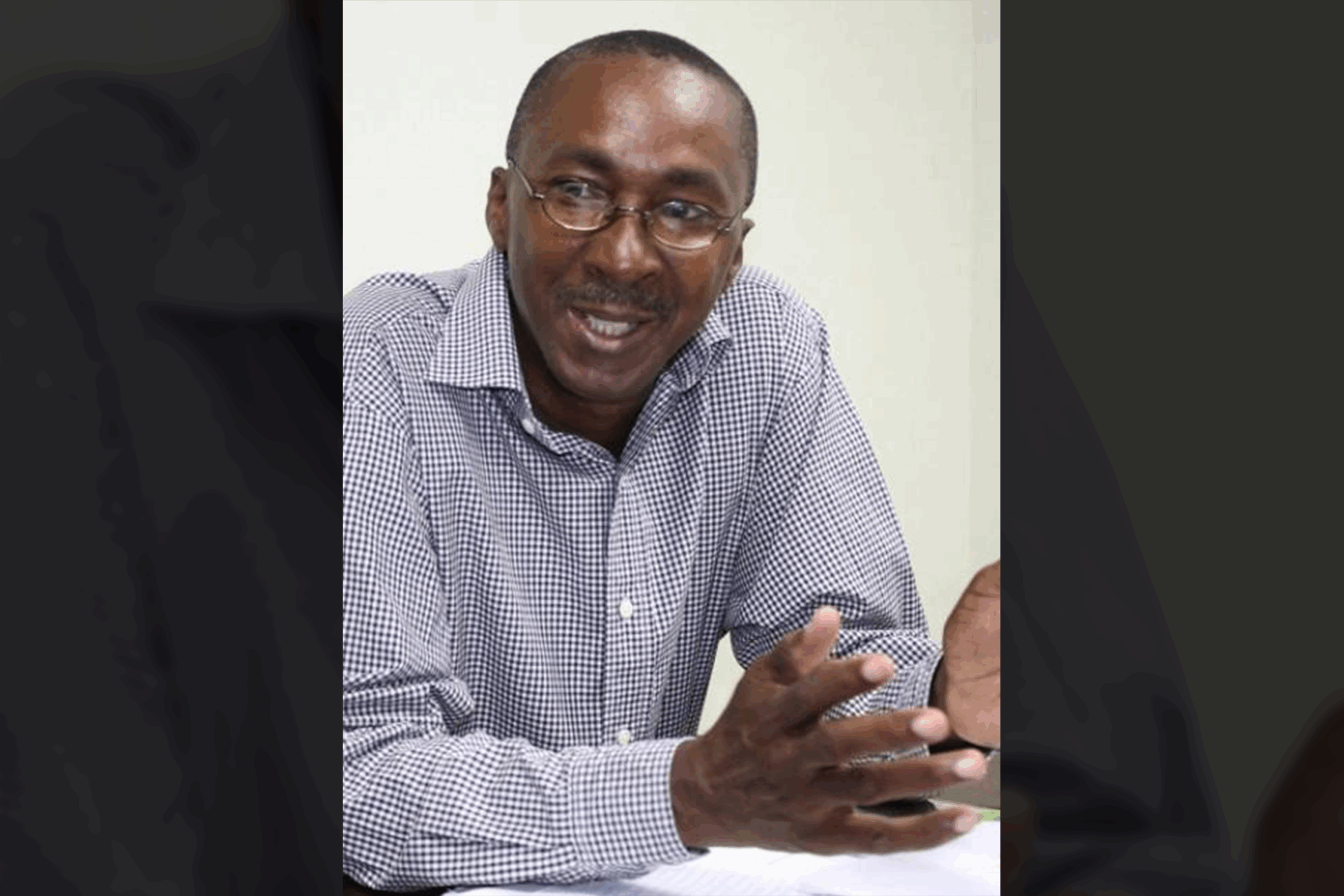
Public Service Vehicle (PSV) owners in Barbados are calling for immediate discussions with Uber, the global ride-hailing giant, following its recent entry into the local transportation market. The AOPT (Alliance Owners of Public Transport), led by Chairman Roy Raphael, is concerned that Uber’s presence could destabilize traditional taxi businesses, particularly those operating at key hubs like the airport and seaport. Uber officially launched its services in Barbados on Tuesday, positioning itself as a partner rather than a competitor to the taxi industry. Already, 400 licensed taxi operators have joined the Uber Taxi platform, which is exclusively for registered taxis. However, Raphael emphasized the need for clarity on Uber’s mission and its potential impact on local operators. He warned that the recent increase in taxi fares might drive customers toward cheaper alternatives like Uber, further squeezing traditional taxi drivers. Raphael also raised concerns about the misuse of ‘C’ plate commercial vehicles, which are not registered taxis but could potentially join Uber’s platform, exacerbating competition. In response, the AOPT is exploring a partnership with a local ‘book-a-ride’ app to create opportunities for its members and safeguard their livelihoods. The association plans to launch this app soon, encouraging locals to support homegrown taxi services. Raphael assured that the AOPT will closely monitor Uber’s activities and advocate for fair practices in the evolving transportation landscape.
标签: Barbados
巴巴多斯
-

Education chief pushes new literacy strategy at BIBA Symposium
Barbados is embarking on a transformative journey to revive its once-celebrated literacy rate and establish centers of excellence across its educational system. Dr. Ramona Archer-Bradshaw, the island’s Chief Education Officer, unveiled these ambitious plans during the annual Global Business Week Secondary Schools Symposium, hosted by the Barbados International Business Association (BIBA) at the Lloyd Erskine Sandiford Centre. Addressing senior secondary school students, teachers, and Barbados Community College peers, Dr. Archer-Bradshaw expressed concern over the decline in literacy rates, which had previously stood at an impressive 98%. She highlighted alarming trends, noting that children at both primary and secondary levels are struggling with reading proficiency. ‘As a nation, we cannot afford to regress from our near-perfect literacy rate,’ she stated, emphasizing the urgency of reform. Central to the government’s strategy is a data-driven approach aimed at ensuring all students can read by age seven by December 2024. This initiative is part of a broader effort to align Barbados’ education system with global standards, preparing students for a rapidly evolving job market. Dr. Archer-Bradshaw referenced the Future of Jobs Report, which predicts that 65% of primary school students will work in roles that do not yet exist, underscoring the need for forward-thinking education. The Ministry of Education has already launched a pilot ‘Centres of Excellence’ program at the Maria Holder Gall Hill Early Childhood Development Centre, integrating STREAM (science, technology, reading, engineering, arts, and mathematics) through play-based learning. To support these efforts, Dr. Archer-Bradshaw called on the local business community to contribute through sponsorships, donations, and expertise. BIBA’s Executive Director, Carmel Haynes, echoed the importance of adaptability and resilience, urging students to embrace continuous learning and prepare for a global workforce. Haynes highlighted key growth areas, including financial literacy, innovation, and sustainable entrepreneurship, aligning with the symposium’s theme of resilience and transformation.
-
Barbados Steps up push for inclusive education
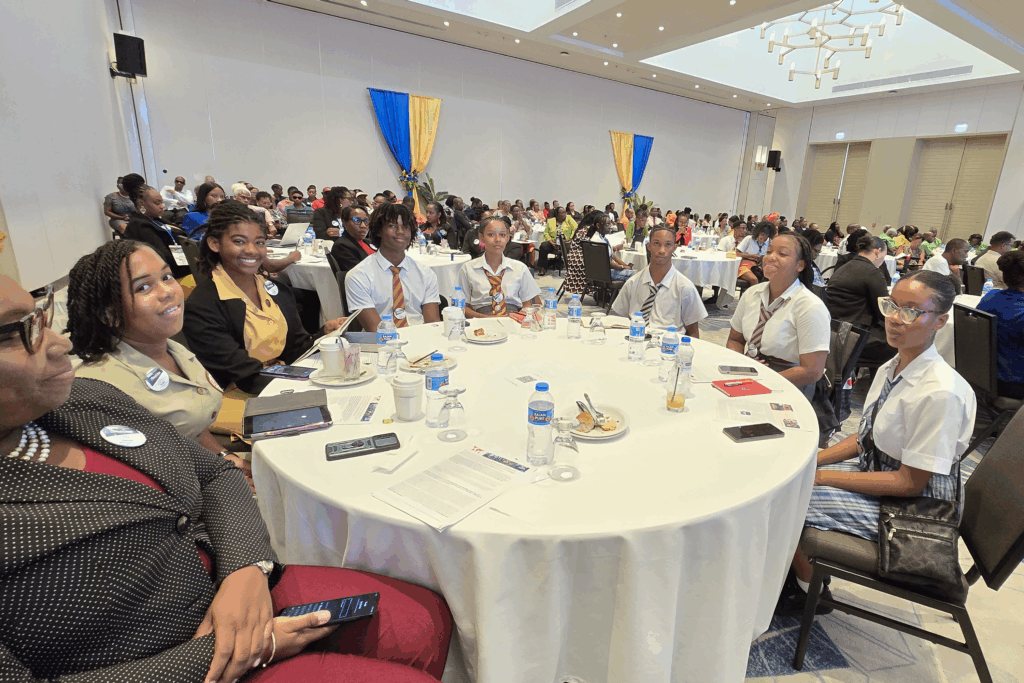
Barbados is taking significant strides to create a more inclusive education and training system, with government officials vowing to dismantle barriers that hinder access for persons with disabilities. At the Caribbean Disability Conference, held from October 17 to 22 at the Wyndham Grand Barbados, Permanent Secretary Patrick McCaskie of the Ministry of Training and Tertiary Education emphasized that inclusive education is a fundamental human right and a global public good. He underscored the importance of ensuring equal opportunities for all individuals, regardless of their abilities, to contribute to national development. McCaskie highlighted key initiatives such as the National Policy for Improving the Lives of Persons with Disabilities (2023–2030) and the Rights of Persons with Disabilities Act, 2025, which aim to guarantee equal access to education, employment, and public participation. Educational institutions like the Barbados Community College (BCC) are implementing tailored learning plans, assistive technologies, and peer tutoring to support students with disabilities. Additionally, the National Transformation Initiative (NTI) has enhanced its online platform to accommodate learners with dyslexia, autism, and other learning differences. Through a partnership with Coursera, over 100 international courses now focus on disability inclusion and accessibility design. With support from the Latin American Development Bank (CAF), Barbados is also upgrading infrastructure at key institutions, including the Samuel Jackman Prescod Institute of Technology (SJPI) and the Erdiston Teachers’ Training College, to improve accessibility. Shakir Daisley, second vice-president of the National Student Council, stressed the role of students in advocating for inclusion, noting ongoing challenges such as inadequate facilities and limited teacher training. Mark Franklin, Permanent Secretary in the Ministry of People Empowerment and Elder Affairs, called for actionable strategies to address systemic barriers, emphasizing the need for disability-friendly vehicles, better data collection, and inclusive classroom designs. Franklin urged collective action to build a Caribbean where inclusive education is a lived reality for all.
-
Third man charged with murder of Anthony Callender
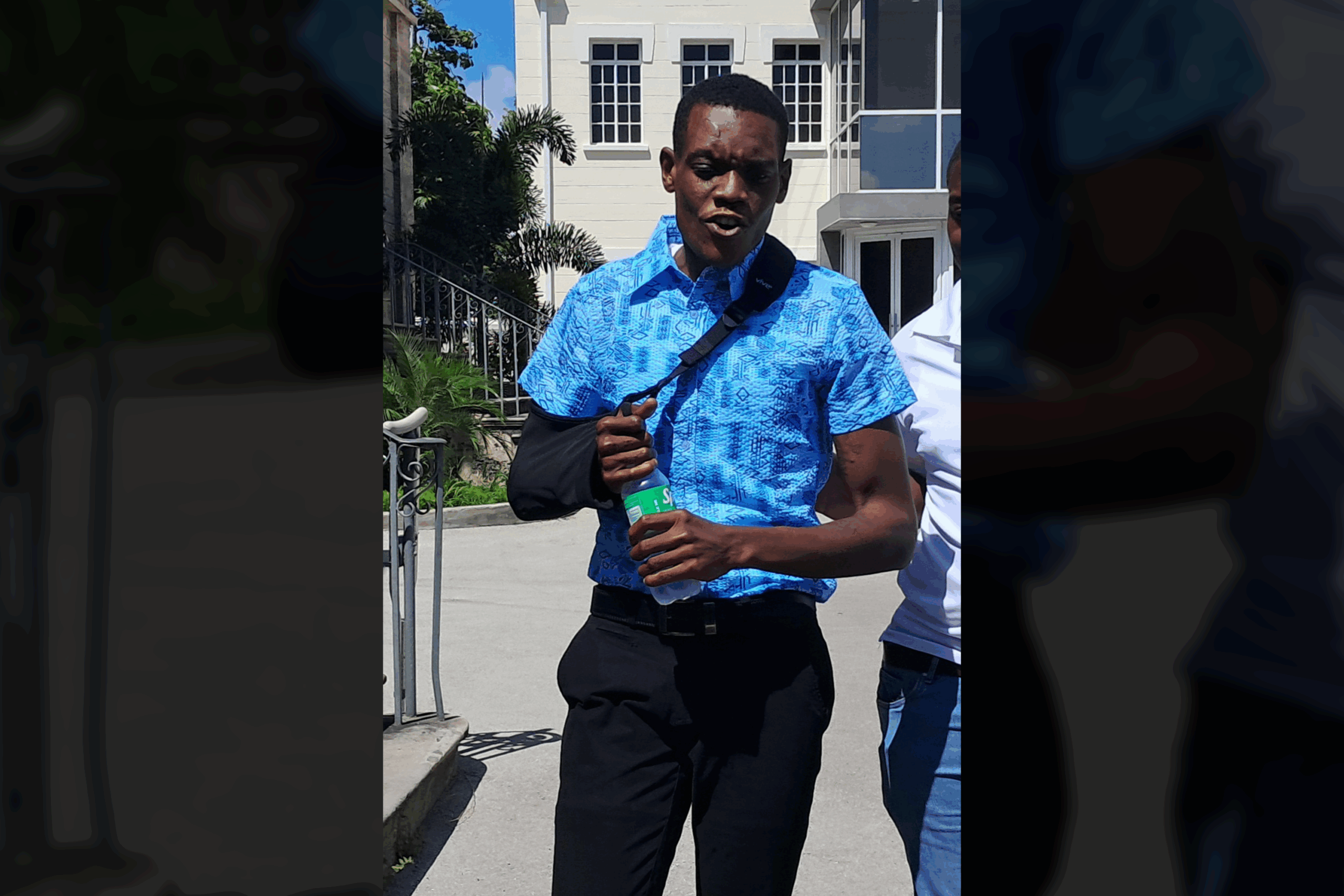
Kadeem Obrian Clarke, a 26-year-old general worker from Johnson Road, Workmans, St George, has been remanded to Dodds Prison following his appearance in the No. 1 District ‘A’ Magistrates’ Court. Clarke faces serious charges, including the murder of Anthony Callender on January 23, as well as illegal possession of a firearm and nine rounds of ammunition without the necessary permits. Represented by attorney Shadia Simpson and Senior Counsel Angella Mitchell-Gittens, Clarke did not enter a plea during his hearing before Chief Magistrate Ian Weekes on Thursday afternoon. The case has been adjourned until November 13, when it will be heard in the District ‘A’ Traffic Court. This incident adds to the ongoing investigation into the murder of Callender, a 27-year-old who was fatally shot in St Barnabas Heights, St Michael, earlier this year. Two other men have already been charged in connection with the same case.
-

Farmers urge unity as BAS warns of escalating farm theft threat
The Barbados Agricultural Society (BAS) has raised urgent concerns over a surge in crop and livestock theft, a crime historically referred to as praedial larceny. The BAS is urging retailers, hotels, and consumers to play a pivotal role in curbing what appears to be an organized wave of farm thefts that is severely impacting producers across the island. At a press conference on Thursday, BAS Chief Executive Officer James Paul emphasized that while recent judicial improvements are commendable, the public should not assume the issue has been resolved. He warned that a persistent mindset among some individuals views farmers’ produce as ‘fair game,’ enabling theft and resale of stolen goods. Paul criticized businesses and individuals who indirectly encourage theft by purchasing stolen produce without verifying its origin, stating that such buyers are complicit in the crime. He called for stricter enforcement and public cooperation, urging retailers, hotels, and restaurants to stop buying from unverified sources. Paul also directly appealed to those selling produce on highways, asking them to cease illegal activities. He praised the judiciary for imposing harsher sentences on offenders, emphasizing the need to send a strong message against theft. Paul concluded by challenging societal narratives that excuse such behavior, asserting that individuals can rise above such circumstances through hard work and integrity.
-
Getting to the root in surge of violent crime
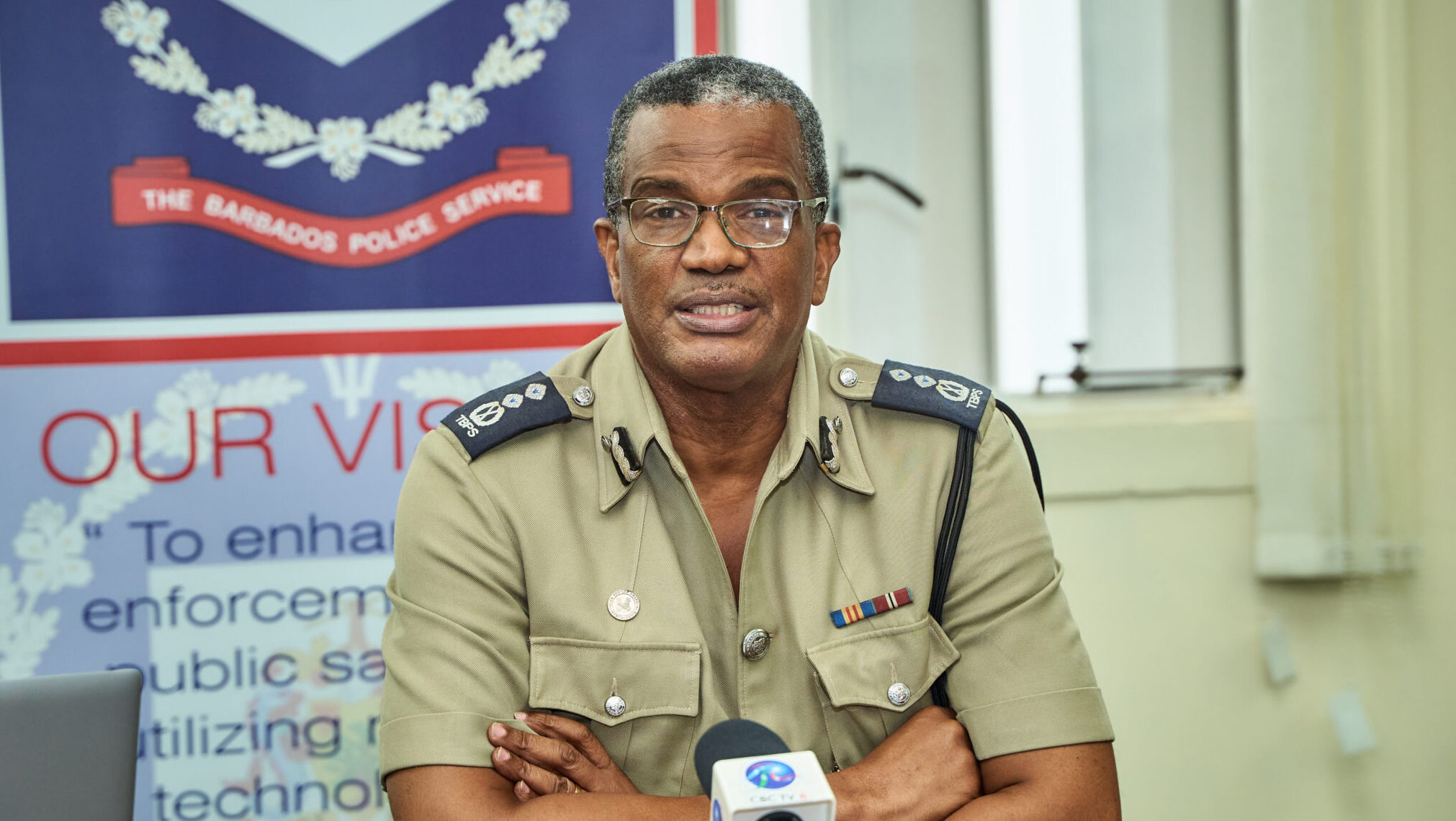
The Barbados Police Service’s latest crime statistics for 2025 reveal a concerning dichotomy in the nation’s security landscape. While overall crime has decreased by approximately two percent, serious crimes against individuals have surged dramatically, with robberies more than doubling and major crimes increasing by 13 percent. Acting Police Commissioner Erwin Boyce has voiced confidence in the force’s readiness for the upcoming national celebrations, the We Gatherin’ initiative, and the peak tourist season. However, he emphasized that optimism must be paired with urgency and a strengthened partnership with the community to address the escalating violence. The data is alarming: robberies have skyrocketed from 100 in 2024 to 213 this year, reflecting heightened fear among citizens and growing boldness among criminals. Although murders have slightly decreased from 41 to 38, the fact that 22 of these involved firearms underscores the persistent issue of illegal gun circulation. The police’s seizure of 63 firearms and 1,750 bullets, a significant increase from the previous year, highlights both enforcement successes and the ongoing accessibility of weapons. Acting Commissioner Boyce cautioned against complacency, stressing that major crimes—those directly threatening personal safety—are the true indicators of public security. He pledged a relentless approach to tactical operations but acknowledged that statistics alone do not tell the full story. Sustainable solutions require addressing root causes such as unemployment, educational gaps, drug abuse, and cultural glorification of criminal lifestyles. Encouragingly, the police have prioritized community engagement, aiming to rebuild trust and encourage public cooperation. Boyce noted that visible policing and outreach efforts are beginning to yield results, as residents feel more confident in sharing information. However, combating violent crime demands a coordinated national strategy involving law enforcement, social services, schools, and community leaders. Public confidence hinges on transparency, with regular updates on crime-fighting strategies, their outcomes, and officer accountability. While Commissioner Boyce’s optimism is reassuring, it must be matched by a collective commitment from Barbadians to prioritize safety. The island’s history of overcoming crises through unity offers hope, but only a united effort can reverse the troubling rise in violent crime.
-
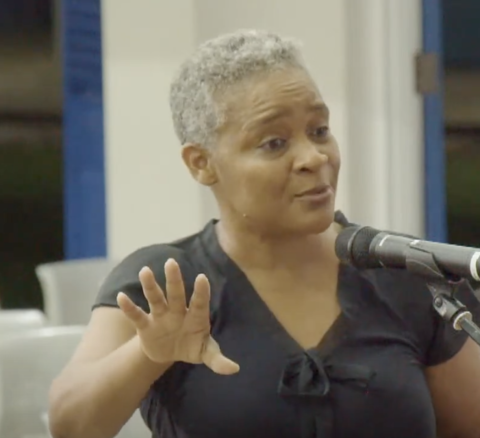
DLP crime commission: Barbados ‘ripe for a full reset’
Barbados is grappling with a profound social crisis, as highlighted by Verla De Peiza, Chair of the Democratic Labour Party’s Crime Commission. Recent police data revealing hundreds of young people charged with serious crimes underscores the urgency of the situation. De Peiza emphasized that the island nation is ‘ripe for a full reset’ to address these systemic issues.
-
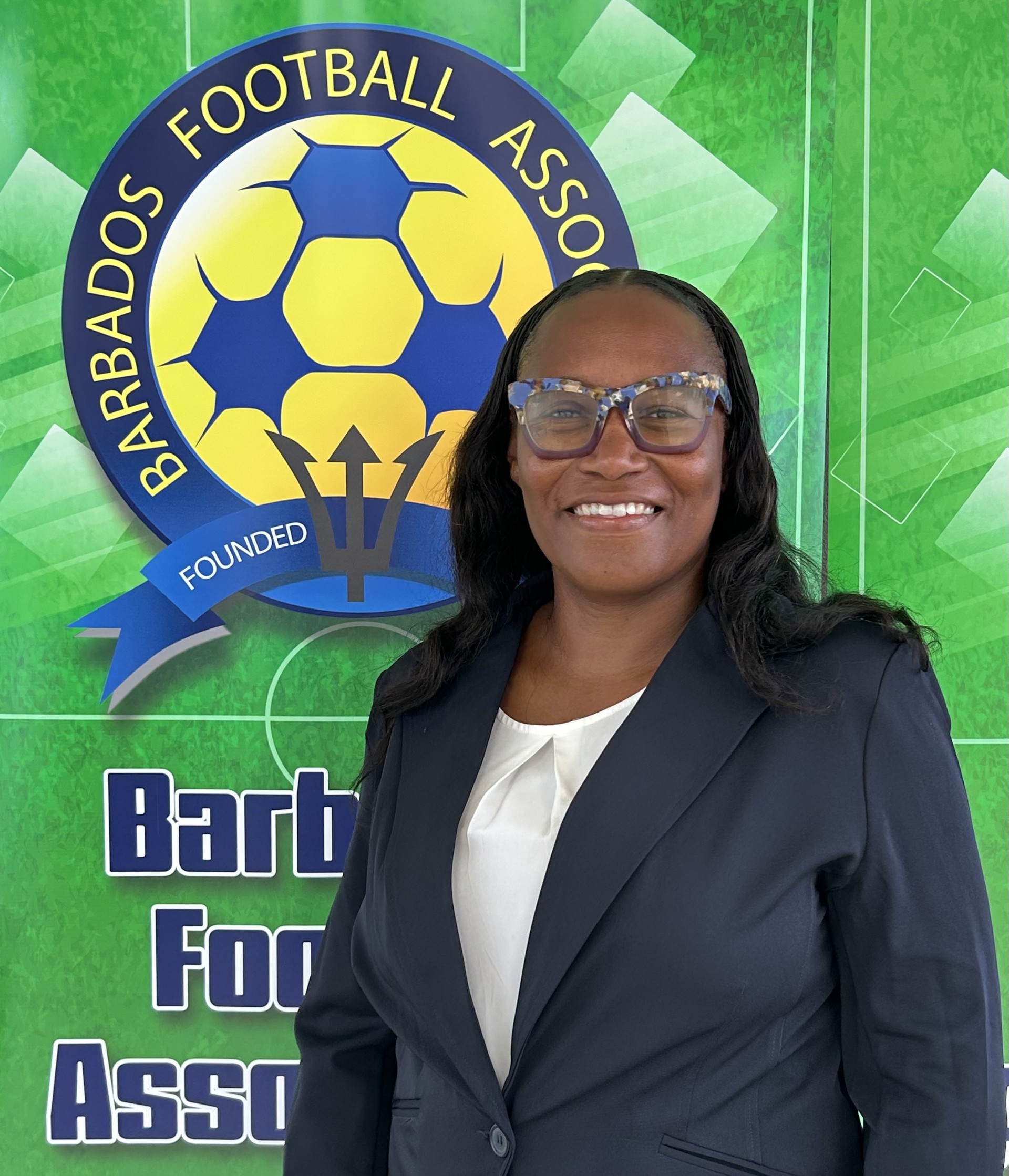
Forde makes history with FIFA Committee role
In a groundbreaking achievement for Barbados and Caribbean football, Tricia Forde, a member of the Barbados Football Association (BFA) Executive Board, has been appointed to the FIFA Youth Girls’ Competitions Committee for the 2025–2029 term. This historic appointment marks Forde as the first Barbadian woman to serve on a FIFA Standing Committee, a significant milestone for the nation and the region. Her role will involve representing Barbados and the Caribbean on the global stage, contributing to the development and governance of international youth women’s football tournaments. The appointment was officially confirmed by the FIFA Council, the strategic body responsible for shaping the vision of FIFA and global football. Forde expressed her honor at the appointment, stating that it provides an unparalleled opportunity to influence global policies and initiatives aimed at fostering growth, inclusivity, and excellence in youth girls’ football. She emphasized her commitment to ensuring the voices of young female footballers are heard at the highest levels of the sport. Additionally, Forde highlighted that her position will bring invaluable insights, best practices, and resources to support the BFA in implementing advanced development programs for female football in Barbados. BFA President Randy Harris congratulated Forde on her achievement, reaffirming the Association’s dedication to the growth of women’s football both locally and globally. Forde, who also chairs the BFA Women’s Committee and serves as interim team manager of the National Senior Women’s Team, has a strong background in football administration, including participation in the FIFA Women’s Football Regional Workshop and the Barbados Olympic Association’s Sports Administrators Course.
-
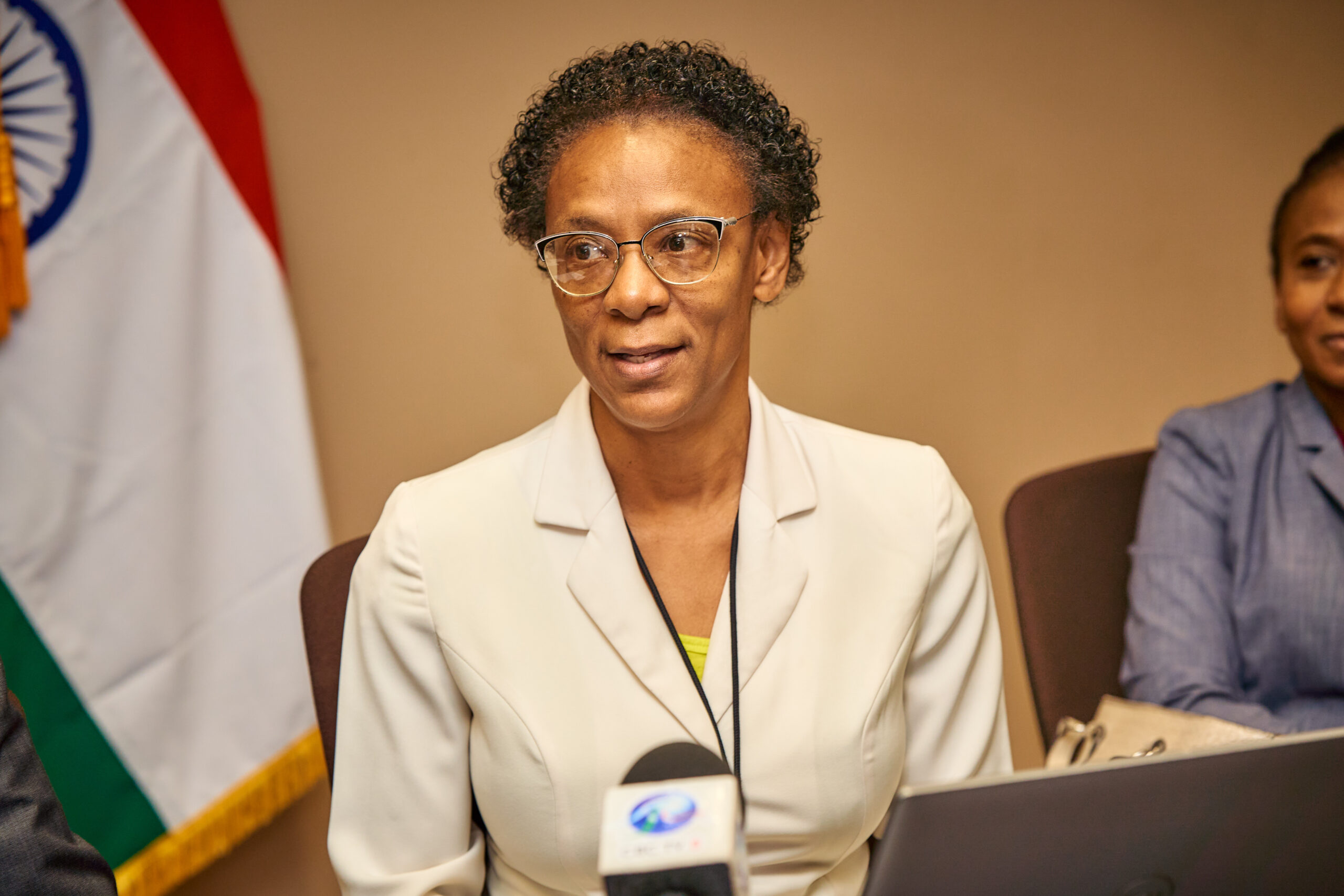
Pharmacies to patients: Alternatives available despite supply issues
Private pharmacists in Barbados are stepping up to reassure citizens that intermittent shortages of prescription medications, including those for chronic conditions, are being effectively managed. While alternative drugs are available, patients may face higher costs at private pharmacies compared to the subsidized prices offered through the Barbados Drug Formulary, administered by the Barbados Drug Service. The shortages have been attributed to global supply chain disruptions exacerbated by geopolitical tensions, including the COVID-19 pandemic and the war in Ukraine. Marlon Ward Rogers, President of the Barbados Pharmaceutical Society, emphasized that while brand-name medications may be temporarily unavailable, generic alternatives often remain accessible. He noted that private pharmacies frequently stock non-formulary medications, albeit at higher prices, ensuring patients can still obtain necessary treatments. Former Health Minister Donville Inniss highlighted broader concerns about access to basic medicines within the public health system, particularly at polyclinics and hospitals. Ward Rogers acknowledged the challenges but stressed that pharmacists are committed to finding solutions, even if it means sourcing from non-traditional suppliers. Despite the hurdles, he assured that medications are typically restocked within one to two weeks, minimizing prolonged shortages.
-
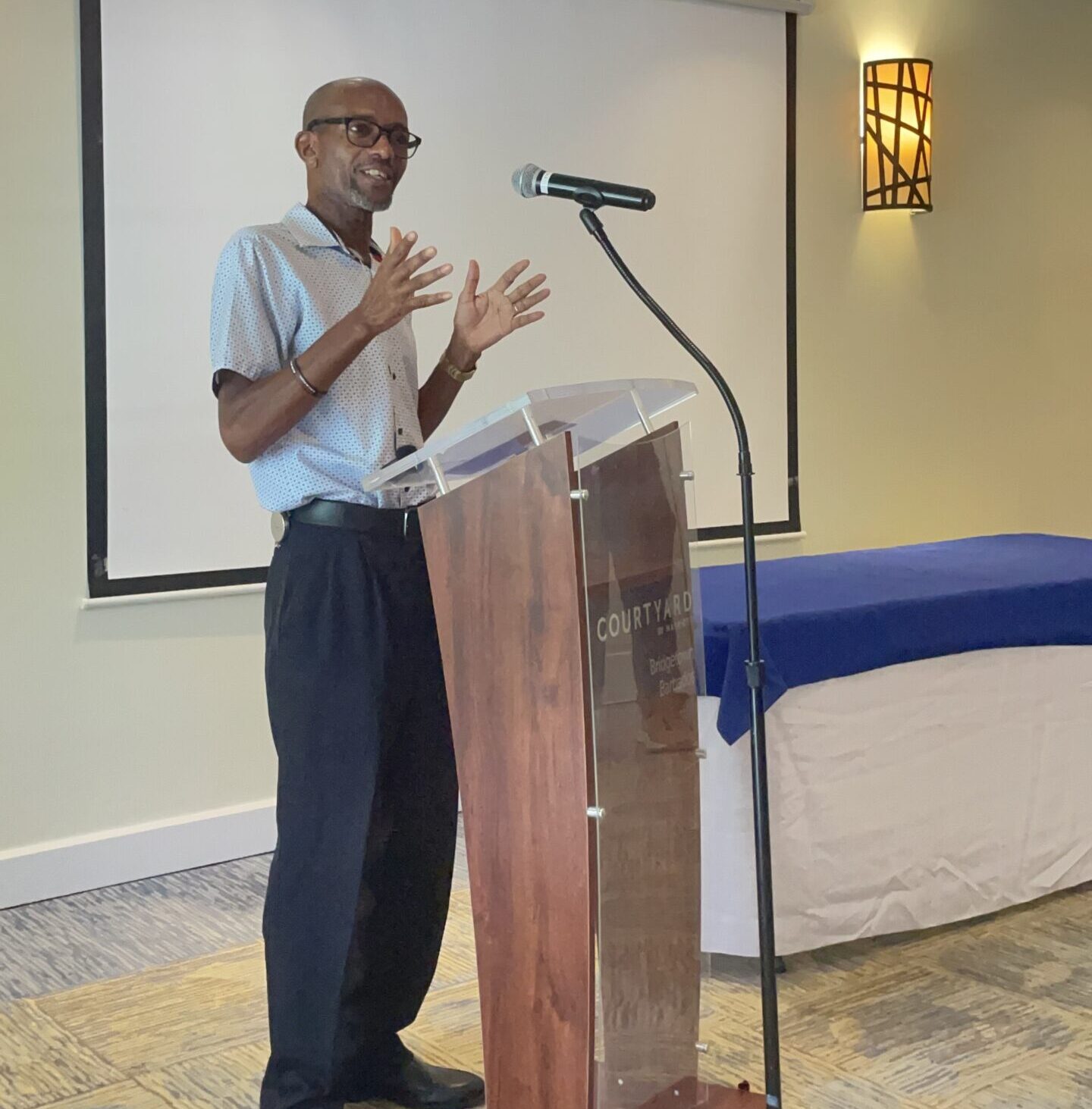
Youth urged to reject crime and embrace leadership at national forum
The CALM Future Leaders Forum commenced with a powerful call for young people to resist the tide of rising crime and commit to a life of moral leadership. Held at the Courtyard by Marriott, the event gathered students from Queen’s College, Springer Memorial, Deighton Griffith, Parkinson Memorial, and Christ Church Foundation to delve into discussions on ethics, leadership, and personal growth. Organized by the Pinelands Creative Workshop, the forum featured inspiring addresses from CEO Sophia Greaves and board director Suleiman Bulbulia, who underscored the critical need for principled leadership among Barbados’ youth. Their messages resonated against a backdrop of alarming statistics shared by acting Commissioner of Police Erwin Boyce, who revealed that over 1,300 young individuals aged 15 to 29 have faced criminal charges this year, predominantly young men. Bulbulia highlighted the broader regional struggle with violence and abuse, challenging attendees to consider their role in shaping a better future. Drawing on a Cherokee parable of two battling wolves—one symbolizing good and the other evil—he urged the youth to nurture their moral impulses and strive for righteousness. Greaves emphasized that true leadership is defined by influence, resilience, and purpose, not titles, pointing to the Pinelands Creative Workshop’s 47-year legacy as a testament to steadfast guidance. Both speakers encouraged participants to reject despair and embrace their potential as catalysts for positive change, with Bulbulia declaring, ‘Barbados needs you. Be the leader you can be, the beacon of light others may follow.’