标签: Barbados

巴巴多斯

  • Doctor urges lifestyle reset to ease NCD pressure on health system

    Doctor urges lifestyle reset to ease NCD pressure on health system

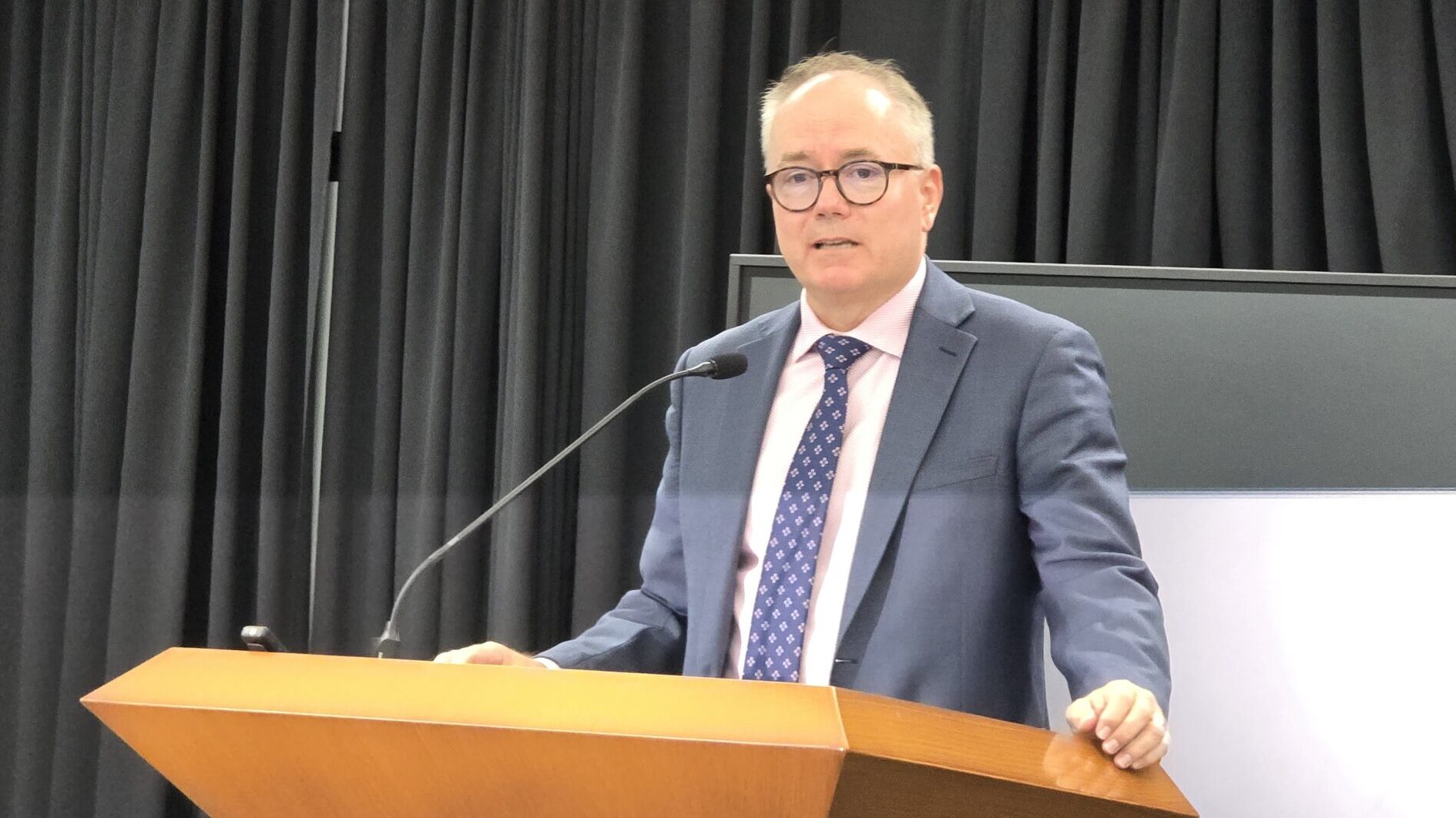
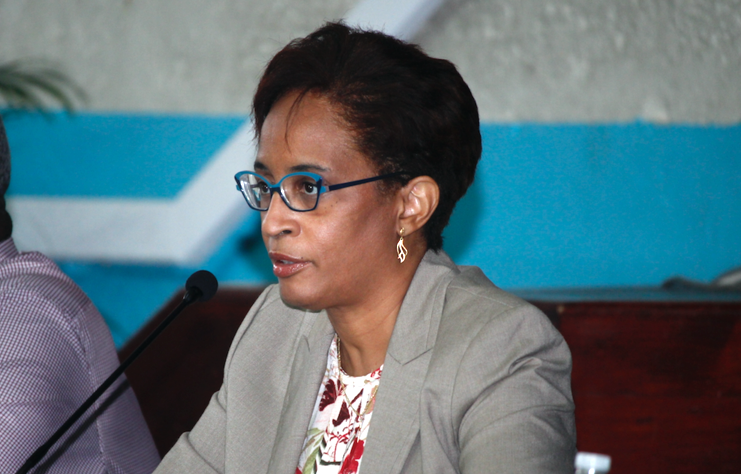
    Barbados confronts an escalating health crisis as non-communicable diseases (NCDs) surge, prompting urgent calls for systemic lifestyle reforms from medical leadership. Dr. Lynda Williams, President of the Barbados Association of Medical Practitioners, has issued a stark warning about this growing epidemic, directly linking it to sedentary behaviors and poor nutritional habits.

    In an exclusive dialogue with Barbados TODAY, Dr. Williams confirmed a noticeable uptick in new NCD diagnoses, though comprehensive post-pandemic data remains under compilation. She identified obesity as the primary catalyst driving this wave of chronic illnesses, emphasizing that childhood-onset obesity leads to particularly severe long-term health consequences.

    The medical expert pinpointed two interconnected culprits: physical inactivity and unhealthy diets. Beyond merely contributing to weight gain, these factors independently trigger conditions like high cholesterol, diabetes, and hypertension. Dr. Williams expressed particular concern about rising pediatric obesity rates, noting that children’s dietary patterns are fundamentally shaped within household environments since they don’t control their own food choices.

    Critiquing the traditional Barbadian diet as excessively starchy and laden with saturated fats and sugars, Dr. Williams advocated for robust policy interventions. She endorsed existing measures like sugar taxes but emphasized the critical need for clearer nutritional labeling and improved access to affordable healthy foods. The physician also highlighted intergenerational behavioral patterns, observing that children typically emulate their parents’ sedentary lifestyles and dietary preferences.

    Her prescription for change includes family-oriented solutions: reducing screen time, increasing outdoor activities, and reviving traditional practices like home gardening. Dr. Williams stressed that active living not only improves physical health but also enhances mental wellbeing. She called for urban planning that prioritizes green spaces and exercise-friendly environments to combat diabetes and hypertension rates.

    Looking toward 2026, the medical association president voiced alarm about children consuming primarily fast food diets, warning that excessive salt and sugar intake bodes poorly for the nation’s future health. Her urgent appeal for the new year emphasizes conscious decisions to increase movement, improve nutrition, and model healthier lifestyles for younger generations. While acknowledging the role of schools, Dr. Williams ultimately asserted that effective change requires comprehensive parent education, potentially through nationally coordinated parenting classes.

  • Govt funding boost to drive major youth council expansion

    Govt funding boost to drive major youth council expansion

    In a landmark development for youth empowerment, the Barbados Youth Development Council (BYDC) has secured a transformative financial commitment from the government that will more than double its annual funding starting fiscal year 2026/27. This substantial increase in subvention marks what Council President Caleb Brathwaite characterizes as a \”special turning point\” for youth development initiatives across the nation.\n\nFor decades, the organization has operated under significant financial constraints that limited its ability to fully execute its mandate. Despite being nearly as old as Barbados’ independence, the council has consistently faced resource limitations across successive administrations. \”For many years, one of the council’s greatest challenges has been financial—quite simply, the resources needed to execute projects and sustain the organization,\” Brathwaite acknowledged.\n\nThe new funding injection will enable an ambitious expansion of programs and services targeting Barbadians aged 18 to 35. Strategic initiatives include the launch of a digital discount card program in partnership with corporate Barbados, establishment of formal apprenticeship programs with established businesses, enhanced support for youth groups, expansion of paid internship opportunities, and creation of structured platforms for youth to voice ideas and concerns.\n\nBrathwaite emphasized the council’s ongoing commitment to its motto of \”building youth and developing country,\\” noting that even amid previous financial and technical challenges throughout 2025, the BYDC maintained its development mandate. Through initiatives like Project Move Up, the corporate internship program, the council provided placements for dozens of young people, certified over 50 youth leaders with Commonwealth support, assisted struggling youth groups and individuals, contributed to youth-focused policy development, and engaged in regional and international youth development efforts.\n\n\”This investment will allow us to create greater impact: young people looking out for young people, young people solving young people’s challenges, and young people actively contributing to youth development,\” Brathwaite stated, expressing confidence that the enhanced resources will finally enable the organization to fulfill its potential in serving Barbados’ youth population.

  • Winter wonder: Hotels near full as visitor numbers surge

    Winter wonder: Hotels near full as visitor numbers surge

    Barbados’ tourism industry is demonstrating unprecedented strength as it approaches 2026, with hospitality establishments throughout the island reporting exceptional occupancy levels and robust advance reservations for the upcoming winter period. This surge indicates revitalized confidence in one of the nation’s pivotal economic sectors.

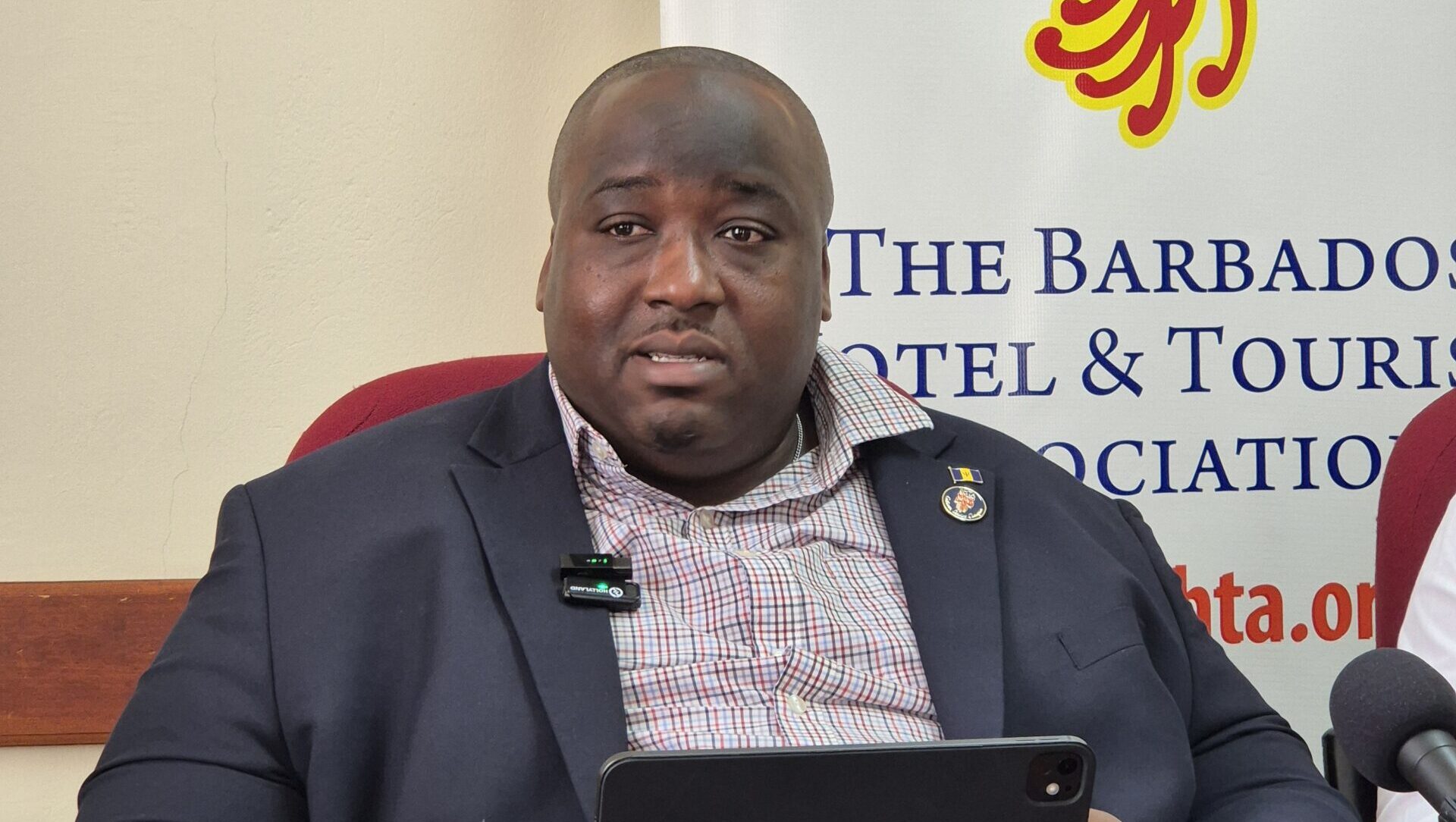
    According to Javon Griffith, Chairman of the Barbados Hotel and Tourism Association (BHTA), numerous properties are already experiencing 90-100% occupancy rates for the 2025-26 season. “Our BHTA members are reporting occupancies in the high 90 percent range, with several properties at complete capacity and strong performance projected through early January,” Griffith stated during New Year celebrations.

    The tourism leader characterized this development as an extraordinary commencement to the season and a definitive indicator of enhanced commercial activity across the sector. Griffith noted that Barbados is witnessing remarkably vigorous beginnings to the winter season, with tangible energy evident throughout the island. Evidence of this surge includes consistently elevated hotel occupancies, restaurants operating at maximum capacity, and vehicle rental companies reporting fully depleted inventories.

    During the association’s fourth quarterly general meeting at Sandals Royal Barbados earlier this month, Griffith revealed that Barbados welcomed 582,710 stay-over visitors between January and October this year, representing a 5.4% increase from the 553,229 visitors recorded during the corresponding period in the previous year.

    Statistical data indicates that hotel occupancy averaged 66% from January to October, while the average daily rate increased by 12.5% and revenue per available room surged by 15.2% year-over-year.

    Griffith emphasized that improvements are visibly manifested in activities across Barbados. The palpable rhythm of the season is evident through bustling thoroughfares, dynamic dining establishments, and a rejuvenated sense of momentum that directly translates into employment opportunities, business operations, and confidence throughout various community sectors.

    The growth trajectory extends beyond returning visitors to include significant numbers of first-time travelers, particularly from the United States and continental Europe. This diversification reflects the effectiveness of expanded air transportation options and enhanced connectivity facilitated through strategic initiatives by Barbados Tourism Marketing Inc.

    The BHTA chairman emphasized that increased visitor interest and tourist arrivals demonstrate substantial industry expansion and fortified market partnerships. This augmented accessibility is broadening Barbados’ market reach, strengthening commercial alliances, and helping maintain destination demand.

    While celebrating these exceptional early-season results, Griffith stressed the imperative of sustaining quality connections with partners and maintaining elevated service standards. He highlighted the necessity of preserving the quality of the Barbados experience, ensuring seamless visitor journeys, and providing businesses with essential operational support during peak periods.

    Griffith concluded with optimistic projections: “This season is already proving to be a positive signal for the wider economy, and we are optimistic about what it can deliver for Barbados in the months ahead.”

  • Private sector urged to stay resilient in 2026

    Private sector urged to stay resilient in 2026

    In a comprehensive year-end address, Barbados Private Sector Association (BPSA) Chairman James Clarke delivered a dual message of cautious optimism and urgent preparedness for the coming year. The prominent business leader emphasized that Barbados’ economic stability during global uncertainties will depend heavily on the private sector’s adaptive capacity and collaborative spirit.

    Clarke reaffirmed the business community’s steadfast commitment to national development objectives outlined in the Mission Barbados framework. He highlighted ongoing cooperative efforts with government authorities to implement essential reforms, particularly through Business Barbados initiatives and operational enhancements at the Bridgetown Port. These structural improvements, he noted, are fundamental for increasing productivity, reducing operational expenses, and strengthening the international competitiveness of Barbadian enterprises.

    The BPSA chairman issued sobering warnings about multiple external threats, citing escalating geopolitical conflicts both regionally and internationally alongside increasing vulnerabilities to climate-related disruptions. Clarke stressed that business continuity planning must evolve beyond theoretical documents to regularly tested protocols, noting that organizational resilience has become critical for long-term viability in the face of potential crises.

    Regarding economic projections, Clarke revealed a significant discrepancy between official forecasts and current indicators. While the BERT 3.0 framework anticipates 5% growth for 2026, real-time data suggests expansion closer to 2.7%. Achieving the higher target, he cautioned, would require substantial effort and continued cultivation of a business-friendly environment that encourages cross-sector diversification.

    Although construction and tourism remain primary economic drivers, Clarke expressed optimism about growth potential in agriculture, manufacturing, renewable energy, and small business enterprises. He additionally addressed contemporary operational challenges, including adaptive responses to regulatory changes, escalating cybersecurity threats, and the transformative impact of artificial intelligence on business processes.

    The BPSA will meticulously monitor how minimum wage increases and persistent inflation affect business sustainability and living costs. Beyond economic matters, Clarke emphasized the private sector’s vital role in addressing social challenges, specifically identifying gun violence reduction, substance abuse prevention, non-communicable disease management, and mental health advocacy as priority areas for corporate social responsibility initiatives, particularly those focused on youth development.

  • 11-Plus town hall meetings Start This Weekend

    11-Plus town hall meetings Start This Weekend

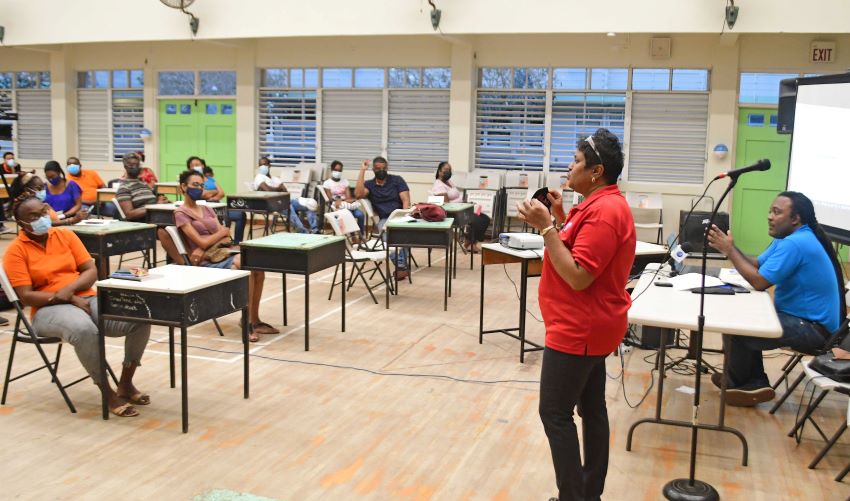
    The Ministry of Educational Transformation in Barbados is extending a formal invitation to parents and guardians across the nation to participate in a series of crucial town hall meetings. These sessions are specifically designed to provide comprehensive insights and clarity regarding the Barbados Secondary Schools’ Entrance Examination (BSSEE), a pivotal assessment in a student’s academic journey.

    To ensure widespread accessibility, the Ministry has organized multiple meetings in key locations. The initiative commences this Saturday, January 3, with dual sessions scheduled simultaneously. The first will convene at Alexandra School on Queen’s Street in St. Peter, while a second, parallel meeting will be held at Princess Margaret Secondary School located at Six Roads in St. Philip.

    Further extending the outreach, a subsequent round of town halls is planned for Tuesday, January 6. Residents in the parishes of St. George and St. Thomas will have their opportunity for engagement. The St. George Secondary School in Constant and the Lester Vaughan School in Cane Garden, St. Thomas, will serve as the respective venues. The Ministry has standardized the timing for all events, with each session slated to begin promptly at 5:00 p.m., allowing for convenience after standard working hours.

    These forums represent a significant effort by educational authorities to foster transparency and strengthen the partnership between schools and the communities they serve. By attending, parents and guardians can gain a deeper, more nuanced understanding of the examination’s structure, preparation strategies, and its overall role within the Barbadian education system, ultimately empowering them to better support their children’s academic aspirations.

  • Too many of our men are hurting in silence

    Too many of our men are hurting in silence

    A tragic discovery at Pelican Lifestyle Centre has cast a somber shadow over Barbados’ holiday season, revealing deeper systemic issues beneath the island’s festive exterior. The recovery of a man’s body has sparked urgent conversations about mental health struggles that often remain hidden within Barbadian society.

    This incident underscores a critical public health challenge: numerous citizens are reaching breaking points without adequate support systems. Mental health professionals identify a dangerous pattern where economic pressures, unemployment, rising living costs, academic stress, and social media comparison culture collectively foster widespread hopelessness, particularly among youth.

    Barbados faces significant structural barriers in addressing this crisis. School counseling services remain severely understaffed, private mental healthcare is financially inaccessible for many, and families often lack knowledge about available resources. The Ministry of Health’s mental health hotline (535-4600) represents progress, but experts emphasize the need for more comprehensive, integrated support networks.

    Concerning gender disparities emerge in regional data, with men demonstrating higher suicide completion rates despite women reporting more suicidal ideation. Cultural norms that discourage emotional vulnerability among males create particular vulnerability, as men are less likely to seek help or confide in friends before reaching crisis points.

    Mental health advocates propose a multi-faceted solution: implementing a nationally coordinated mental health strategy with enhanced funding, integrating mental services into routine healthcare, and creating targeted outreach programs through sports clubs, workplaces, and community centers. Changing cultural narratives around masculinity and help-seeking behavior represents another critical component.

    The article concludes with practical guidance, urging citizens to engage in proactive check-ins with loved ones and providing emergency contact information for Lifeline Barbados (536-4500) and the Samaritans (429-9999), both offering 24/7 confidential support.

  • New policy ‘would safeguard livelihoods, cover cost gaps’

    New policy ‘would safeguard livelihoods, cover cost gaps’

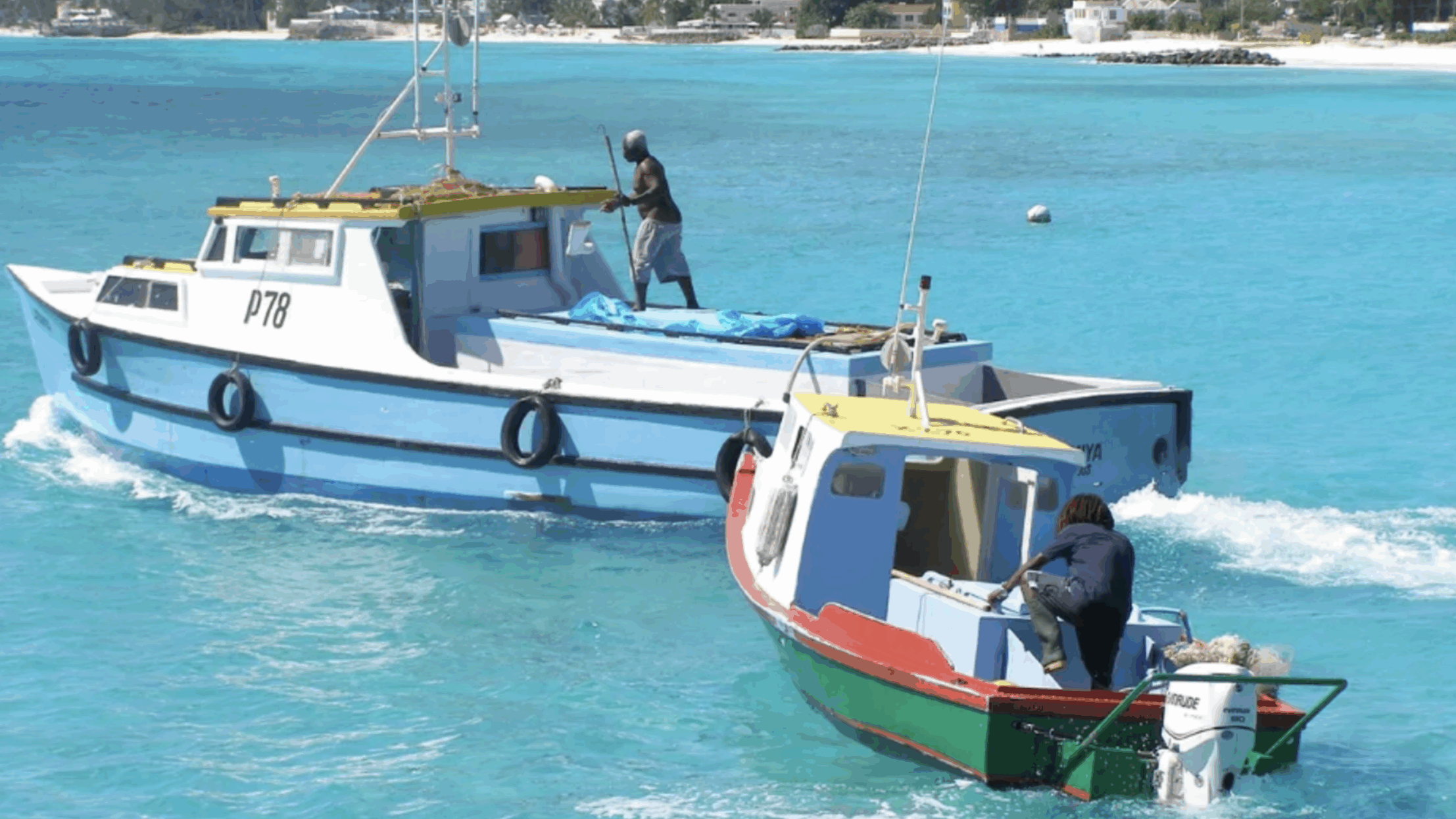
    Barbados’s fishing industry faces a critical insurance crisis as commercial operators navigate costly coverage gaps that leave vessels and livelihoods unprotected. Moonesh Dharampaul, leader of the Black Fin Fleet association formed after Hurricane Beryl, is urgently advocating for a national commercial fishing policy to establish proper insurance frameworks and vessel protections.

    Dharampaul revealed that despite negotiations with the General Insurance Association of Barbados achieving a 3% comprehensive rate arrangement, current insurance products remain fundamentally inadequate for commercial fishing operations. “The insurance sector in Barbados is not fit for purpose,” he stated. “Their policies do not cover commercial fishing activities, creating unacceptable risks for our fishers.”

    The coverage deficiencies are substantial: fishing gear worth thousands of dollars remains unprotected during operations, and vessels traveling beyond Barbados’s 200-mile economic zone into international waters lose all insurance protection. Approximately four insurance companies offer marine policies locally, but none at a commercially viable level for professional fishers.

    Dharampaul emphasized that developing proper insurance mechanisms represents essential evolution for the industry. Fisherfolk have presented their case to the World Bank, insurance representatives, and government officials, highlighting how a tailored commercial policy would account for seasonal variability and climate change impacts – critical considerations as fishermen increasingly experience entire seasons without catch income.

    Trust deficits complicate negotiations, with apprehension on both sides. Dharampaul expressed concern that without collective action, fishermen risk becoming “victims” of poorly implemented regulations. He appealed for reasonable implementation timelines alongside infrastructure improvements, noting that promised haul-out facilities and slipways should materialize by next May or March, coinciding with breakwater completion at fishing complexes.

    The push for specialized commercial fishing insurance reflects Barbados’s broader transition to republic status, which Dharampaul characterized as “new territory” requiring collaborative solutions between industry and insurers to ensure adequate coverage for those risking their livelihoods at sea.

  • Fisherfolk report slow recovery despite post-Beryl support

    Fisherfolk report slow recovery despite post-Beryl support

    Six months following Hurricane Beryl’s devastating impact on Barbados, the island’s fishing community continues to face significant operational challenges despite government support and ongoing reconstruction efforts. Fisherfolk report persistent obstacles including inadequate boat repairs, critical shortages of ice and bait supplies, and slow restoration of key market infrastructure that collectively hinder a full return to normal operations.

    Moonesh Dharampaul, leader of the newly formed Black Fin Fleet organization, acknowledged positive government engagement in addressing sector concerns. “We have maintained productive dialogue with ministry officials and received tangible support,” Dharampaul stated. “There’s a committed partnership developing as we progress into the new year.”

    However, multiple systemic challenges persist beyond hurricane recovery. The fishing community contends with geopolitical tensions restricting access to traditional fishing grounds near Trinidad due to ongoing disputes involving the United States and Venezuela. “We’ve had to identify alternative fishing routes to maintain operations,” Dharampaul explained.

    In response to safety concerns following an electrical fire at the fish market, authorities have committed to implementing enhanced safety protocols including fire extinguishers and first aid stations at docking facilities.

    Technology adoption has emerged as a positive development, with fishermen increasingly utilizing WhatsApp for constant communication between vessels and shore. Plans are underway to install Starlink satellite systems on boats to maintain uninterrupted contact during fishing expeditions.

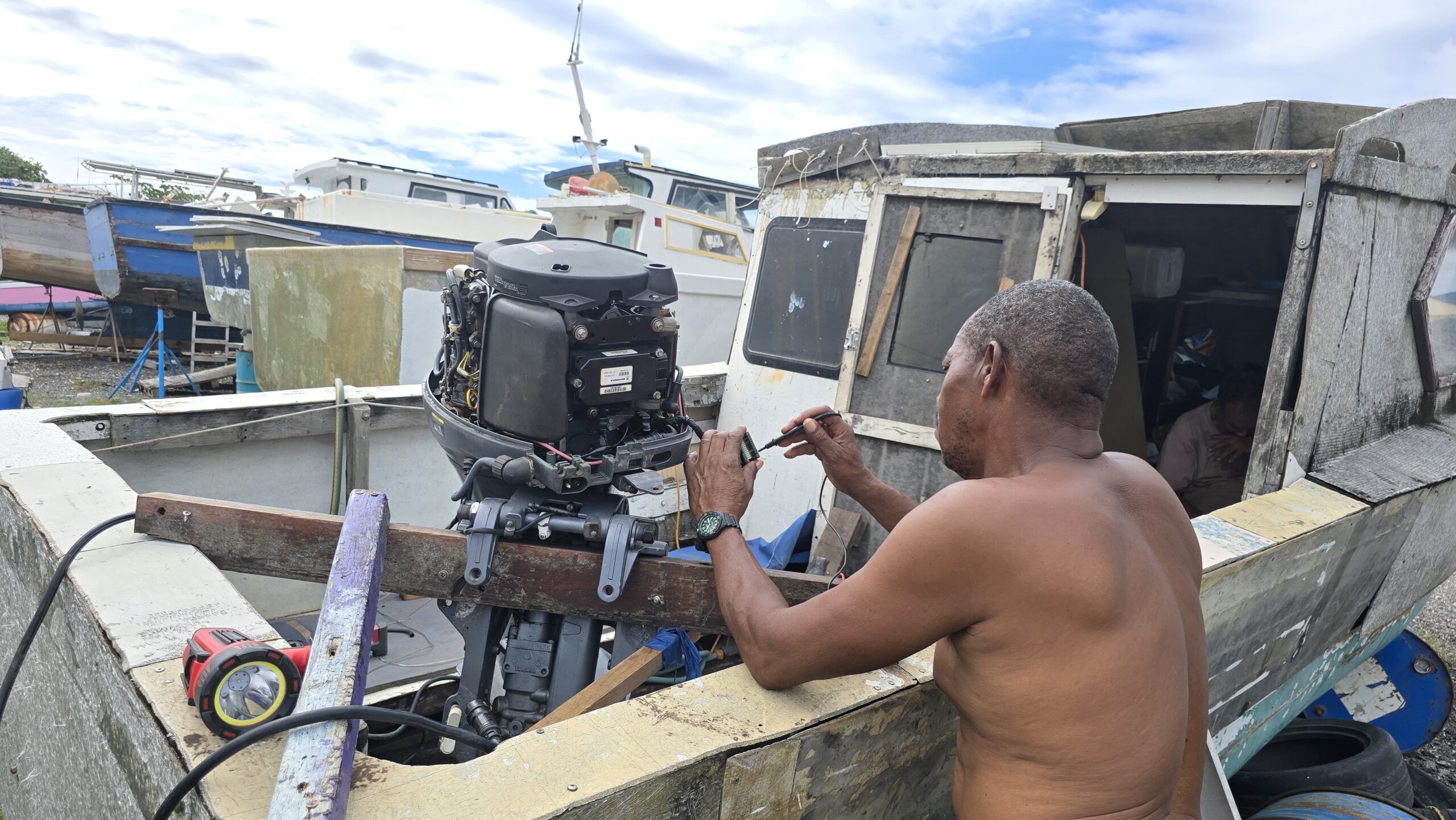
    At the Harbour Road boat yard, one fisherman revealed the $12,000 government grant received for repairs proved insufficient, requiring an additional $15,000-$20,000 to complete restoration work—a process expected to take four more months. At Sand Pit, other fishermen reported having repaired vessels but facing severe ice and bait shortages that limit fishing frequency.

    Fisherman Wayne Rose described the current situation: “Fishing remains slow with limited ice distribution—only about two boats daily receive adequate supplies. Catch volumes remain low while market prices have increased significantly.”

    Environmental factors compound these challenges, as Hendy Davis noted changing sea temperatures and tides have altered fish migration patterns: “Historical fishing yields have diminished considerably. Species like flying fish have become scarce, forcing adaptation to different catch types.”

    Despite these multifaceted obstacles, the formation of Black Fin Fleet has provided collective advocacy that fishermen acknowledge is gradually improving support systems and operational conditions within the industry.

  • Reflections on faith, rest, work as Old Year’s Night approaches

    Reflections on faith, rest, work as Old Year’s Night approaches

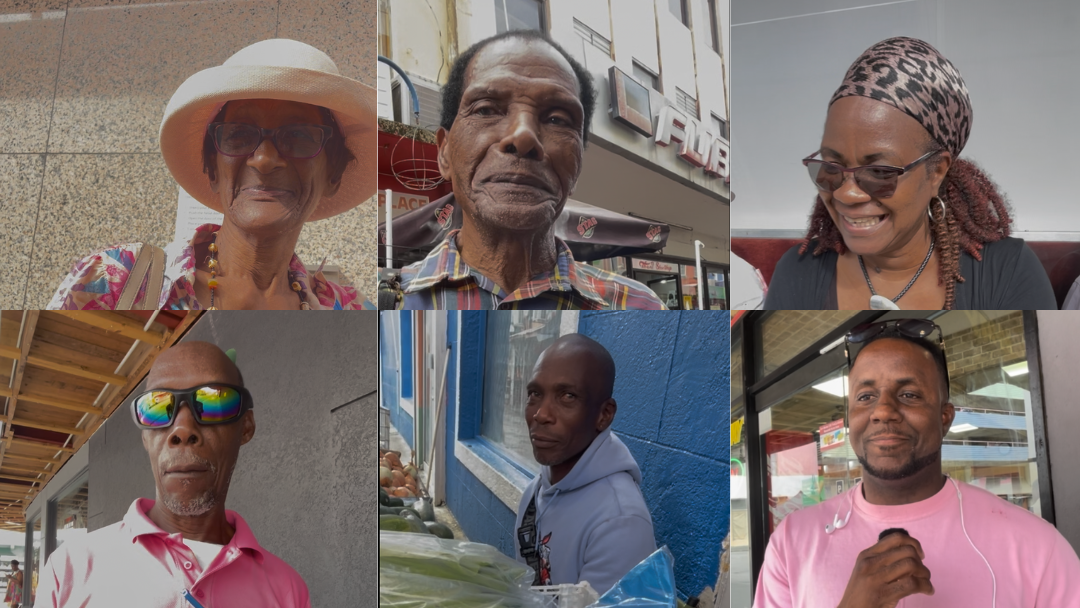
    As the final hours of the year approach, Barbados showcases a rich tapestry of traditions and personal philosophies surrounding Old Year’s Night celebrations. Across the island nation, residents are preparing to welcome the new year through distinctly different yet equally meaningful approaches that reflect their values, circumstances, and outlooks on life.

    For many Barbadians, religious observance forms the cornerstone of their year-end activities. Arla Daniel represents those who prioritize spiritual connections, describing her plans to attend services at All Saints Anglican Church in St. Peter after sharing a meal with her congregation. She emphasizes the transformative atmosphere of the ‘fully lit’ church, where admission fees grant participants a memorable visual and spiritual experience to conclude the year surrounded by community.

    In contrast, numerous islanders embrace a more spontaneous approach to the occasion. Roger Carter exemplifies this perspective, expressing his philosophical acceptance of life’s uncertainties by deliberately avoiding structured plans. His attitude reflects a broader sentiment that meaningful moments cannot be scheduled, preferring to let the evening unfold organically rather than conform to societal expectations.

    Home-centered celebrations provide comfort and practicality for many residents. Vincent Taylor and Anderson Barnes both advocate for domestic tranquility, with Taylor planning to enjoy spiritual music while welcoming what he hopes will be a peaceful new year. Barnes reinforces this perspective, noting the annual recurrence of the celebration makes extravagant observances unnecessary, choosing instead to appreciate Christmas purchases in the comfort of his home.

    The economic realities of modern life shape another dimension of Barbadian year-end traditions. Jerome Wilkerson openly prioritizes productivity over celebration, stating plainly that his primary objective is to ‘work and make money.’ His pragmatic approach—planning to potentially celebrate only after securing earnings—highlights how financial considerations influence cultural practices.

    Family connections and tempered optimism emerge as additional themes in Barbados’s year-end landscape. Eugene Joseph plans to combine parental bonding with modest celebrations, intending to share quality time with children while hopefully witnessing fireworks displays. Her acknowledgment of upcoming challenges demonstrates a characteristically Bajan resilience—approaching difficulties with calm determination rather than apprehension.

    This spectrum of traditions, from deeply spiritual to resolutely practical, illustrates how Barbadians across demographic and philosophical lines find personal significance in the transition between years, blending cultural heritage with individual circumstances to create meaningful rituals.

  • Increased garbage, careless acts hampering SSA efforts

    Increased garbage, careless acts hampering SSA efforts

    Barbados is confronting a severe waste management crisis in the aftermath of the festive season, with systemic operational strains and widespread public non-compliance overwhelming the island’s sanitation services. The Sanitation Service Authority (SSA) reports a perfect storm of challenges: a dramatic surge in post-Christmas waste volumes, persistent improper disposal practices, and critical bottlenecks at the Mangrove landfill’s transfer system.

    Public Relations Officer Carl Alff Padmore detailed the multifaceted nature of the emergency. Commercial hubs including Bridgetown, Warrens, Speightstown, and the tourist-heavy food center of Oistins experienced particularly severe accumulation. The emerging commercial zone at Six Roads further compounded pressure on collection routes. The situation has resulted in significantly slowed collections, forced vehicle withdrawals from service, and left numerous communities only partially serviced.

    A critical issue remains the dangerous non-compliance from both businesses and residents. Padmore highlighted ongoing violations in Bridgetown’s business community, where merchants continue improperly disposing of cooking oil and failing to collapse cardboard boxes. The consequences turned hazardous in Vauxhall Gardens, Christ Church, where a resident’s disposal of engine oil in a household bin soiled workers’ clothing and contaminated collection equipment, forcing suspension of services for half the community.

    Operational capacity is stretched to its limits with nearly 50 trucks deployed islandwide. Household waste, normally averaging three to four bags, ballooned to 15 bags per household during Christmas. Transfer delays at the Mangrove Solid Waste Management Centre have created a debilitating domino effect; a process typically taking 15-30 minutes now faces extensive delays due to congestion, crippling turnaround times for trucks needing to service additional communities.

    Illegal dumping and unsecured loads on private vehicles exacerbate the crisis, with recent incidents on St Stephen’s Hill and Cave Hill leaving debris that obstructed traffic flow. Padmore urgently directed citizens to use designated facilities correctly: Mangrove for household/garden waste, Bagatelle for metals and appliances, and Lonesome Hill for slaughterhouse byproducts.

    The environmental implications are severe. Illegal dumping in gullies and drains risks critical infrastructure damage and increased flooding by blocking waterways. This also creates ideal breeding conditions for mosquitoes, presenting a public health risk.

    With 2026 on the horizon, the SSA is advocating for a fundamental behavioral shift. Padmore emphasized that embracing recycling, waste reduction, and proper disposal methods is essential to alleviate pressure on the landfill and mitigate escalating environmental consequences. He concluded with a poignant reminder: ‘If we are kind to nature… then nature will be kind to us.’