
West Indies spinner Akeal Hosein has emphasized the critical need for the team’s top-order batsmen to deliver in the third and decisive One Day International (ODI) against Bangladesh on Thursday. The regional side narrowly clinched victory in the second ODI on Tuesday, relying on a Super Over to secure a one-run win and level the three-match series at 1-1. However, the Windies’ batting collapses in both matches have raised concerns. In the first ODI, chasing 208, they crumbled from 79 for one to 133 all out, losing by 74 runs. Similarly, in the second ODI, they slumped from 82 for two to 133 for seven before a late resurgence led by Shai Hope’s unbeaten half-century, Justin Greaves’ 26, and Hosein’s 16 forced a Super Over. Hosein, who joined the squad as a replacement for the injured Jediah Blades, stressed that the team cannot continue to depend on the lower order for runs. He highlighted the challenges of facing skilled spinners with a worn ball and urged the top half to exhibit better batsmanship. Hosein acknowledged the team’s resilience in the Super Over but warned against complacency, emphasizing the importance of execution in the decisive match. He also praised the team’s spin-heavy strategy, noting that bowling 50 consecutive overs of spin against Bangladesh was a historic first for the West Indies in ODIs. Hosein expressed confidence in the team’s ability to learn from past mistakes and secure a series victory.
标签: Barbados
巴巴多斯
-
Lighting up Bim: Three decades of partnership, pride
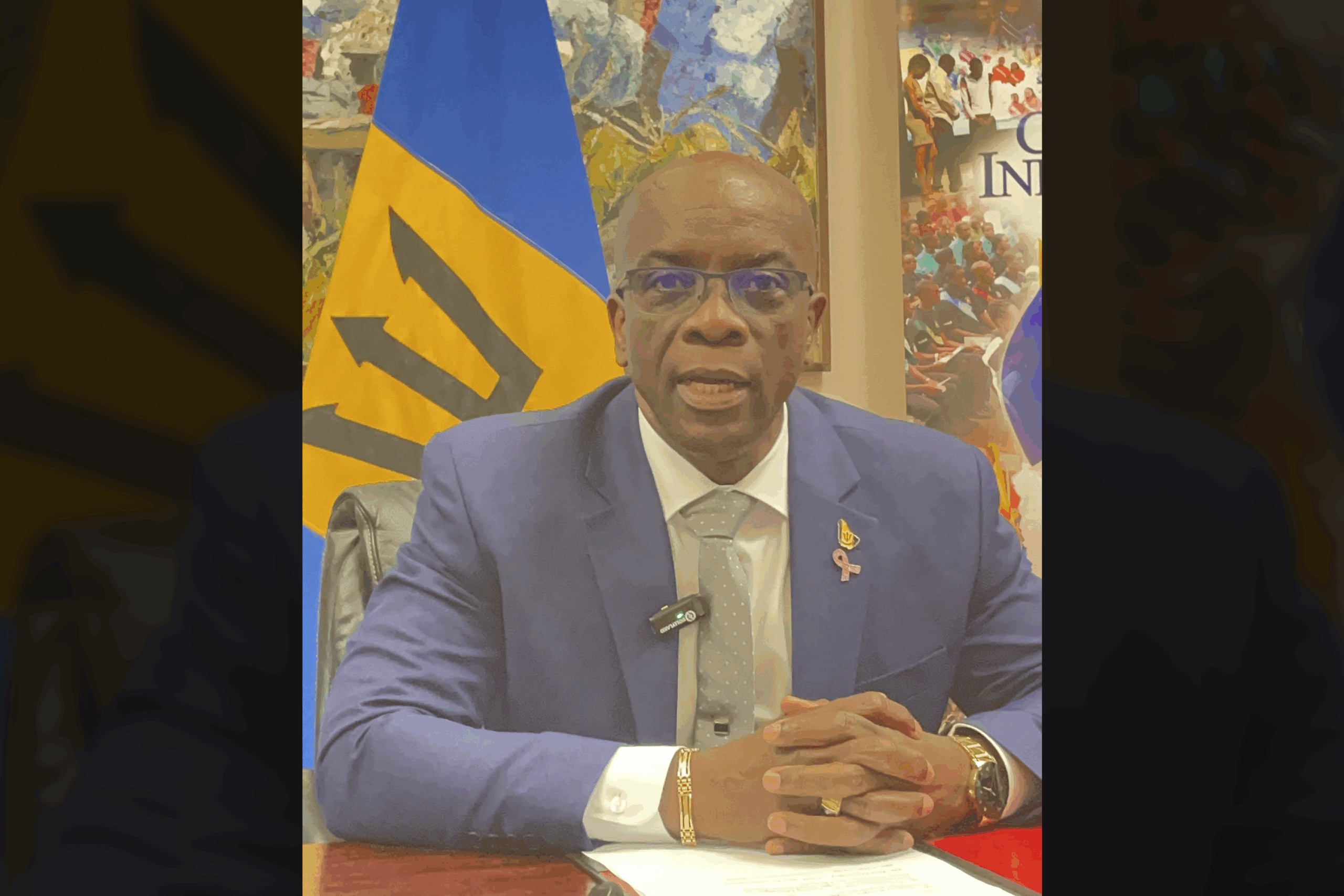
As November descends, Barbados transforms into a luminous spectacle of ultramarine and gold, a tradition now celebrating its 30th anniversary. This radiant event, deeply rooted in national pride, continues to flourish thanks to the enduring partnership between the government and Sagicor Life Inc. This year, the insurance giant contributed $30,000 to the Ministry of Youth, Sports, and Community Empowerment to support the Independence Lighting Ceremony, a symbolic gesture of their three-decade-long collaboration. Minister Charles Griffith, speaking at the official handover, emphasized the significance of this partnership, noting its role in unifying the nation and celebrating its youth. He expressed gratitude to corporate Barbados for their unwavering support, highlighting the initiative’s impact across all 11 parishes. Tracey Knight-Lloyd, Vice President of Customer Experience at Sagicor, echoed this sentiment, describing the event as a testament to the company’s core values. She emphasized that the true essence of Barbados lies not in its electric lights but in its people, urging citizens to reignite their national pride. This year’s theme, ‘Celebrating Our Communities: Re-engaging, Reigniting, and Reimagining,’ serves as a call to action for all Barbadians to reconnect with their heritage and community spirit.
-
St Lucy’s long fight for clear water
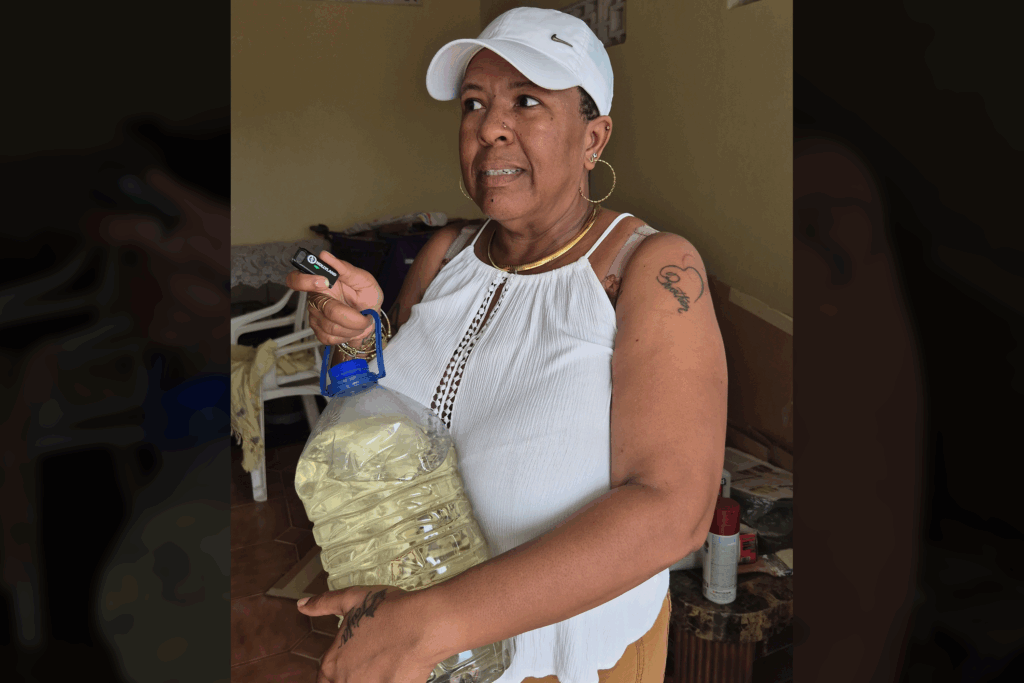
For over a decade, the residents of St Lucy, Barbados, have endured a persistent and distressing issue: discolored, unsightly water flowing from their taps. What was once a basic necessity—clean, clear water—has become a distant memory, replaced by a rusty, foul-smelling liquid that stains laundry, damages appliances, and raises health concerns. Despite paying their water bills, the community is forced to rely on bottled water and makeshift storage solutions, as the tap water remains unusable for drinking, cooking, or even washing.
-
Govt pushes new measures to support mothers returning to work
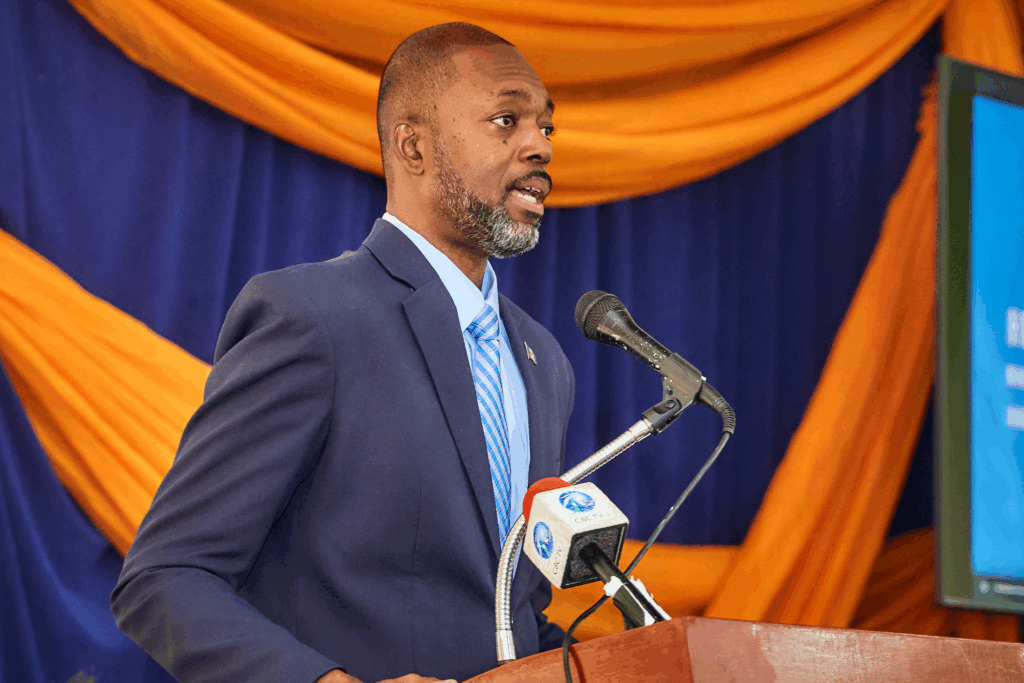
The Barbadian government is set to implement groundbreaking workplace policies designed to facilitate the smooth reintegration of mothers into the workforce following maternity leave. Labour Minister Colin Jordan announced the initiative during his address at the second annual Workplace Wellness in Action Forum, held at the BWU’s Solidarity House. He emphasized that the recently enacted Family Leave Act represents a significant departure from traditional maternity leave frameworks, adopting a more holistic approach to parenting and workforce sustainability.
-

‘Yes and no’: Senators back free movement, warn of pressure on jobs and services
Barbados’ involvement in the newly implemented CARICOM free movement initiative has sparked cautious support in the Senate, with opposition and independent senators voicing concerns over potential economic and social repercussions. The Caribbean Community (Free Movement of Nationals) Bill, which took effect on October 1 across Barbados, Belize, Dominica, and St Vincent and the Grenadines, has been met with both optimism and apprehension. While the policy aims to enhance regional integration, critics warn it could strain public resources, inflate living costs, and disadvantage local workers if not carefully managed. Senator Andre Worrell, representing the opposition, highlighted the risk of employers exploiting cheaper foreign labor, potentially undermining Barbadian workers and depressing wages. He cited instances where construction sites predominantly employ non-Barbadians, leaving young locals disillusioned and marginalized. Independent Senator Kevin Boyce echoed these concerns, emphasizing the inevitable fiscal and social costs of integration, including increased pressure on healthcare, education, and housing resources. Both senators acknowledged the policy’s potential benefits but urged policymakers to implement robust safeguards to mitigate its negative impacts.
-

CTUSAB questions timing of full CARICOM labour movement
The Congress of Trade Unions and Staff Associations of Barbados (CTUSAB) has called on the government to exercise prudence in the implementation of the reciprocal full free movement of CARICOM nationals, expressing concerns over potential strains on employment capacity and public services. Although CTUSAB did not provide specific evidence, General Secretary Dennis De Peiza emphasized the need for careful management of the policy, which allows indefinite stays for CARICOM nationals in Barbados, Belize, St Vincent and the Grenadines, and Dominica. The agreement, effective since October 1, aims to foster regional integration but has raised alarms about its immediate impact. De Peiza acknowledged the policy as a bold step towards Caribbean regionalism but questioned its timing, warning of potential threats to social, economic, and political stability if not properly regulated. He stressed the importance of ensuring gainful employment for migrants to prevent overburdening social services and called for a monitoring system to address issues like homelessness and worker exploitation. CTUSAB President Ryan Phillips echoed these concerns, highlighting Barbados’ existing challenges in creating sufficient job opportunities for its citizens and questioning the feasibility of sharing workspaces without sustainable job creation. Both leaders urged the government to prioritize local employment and housing needs before fully embracing the initiative.
-
Youth crime surge alarms cops
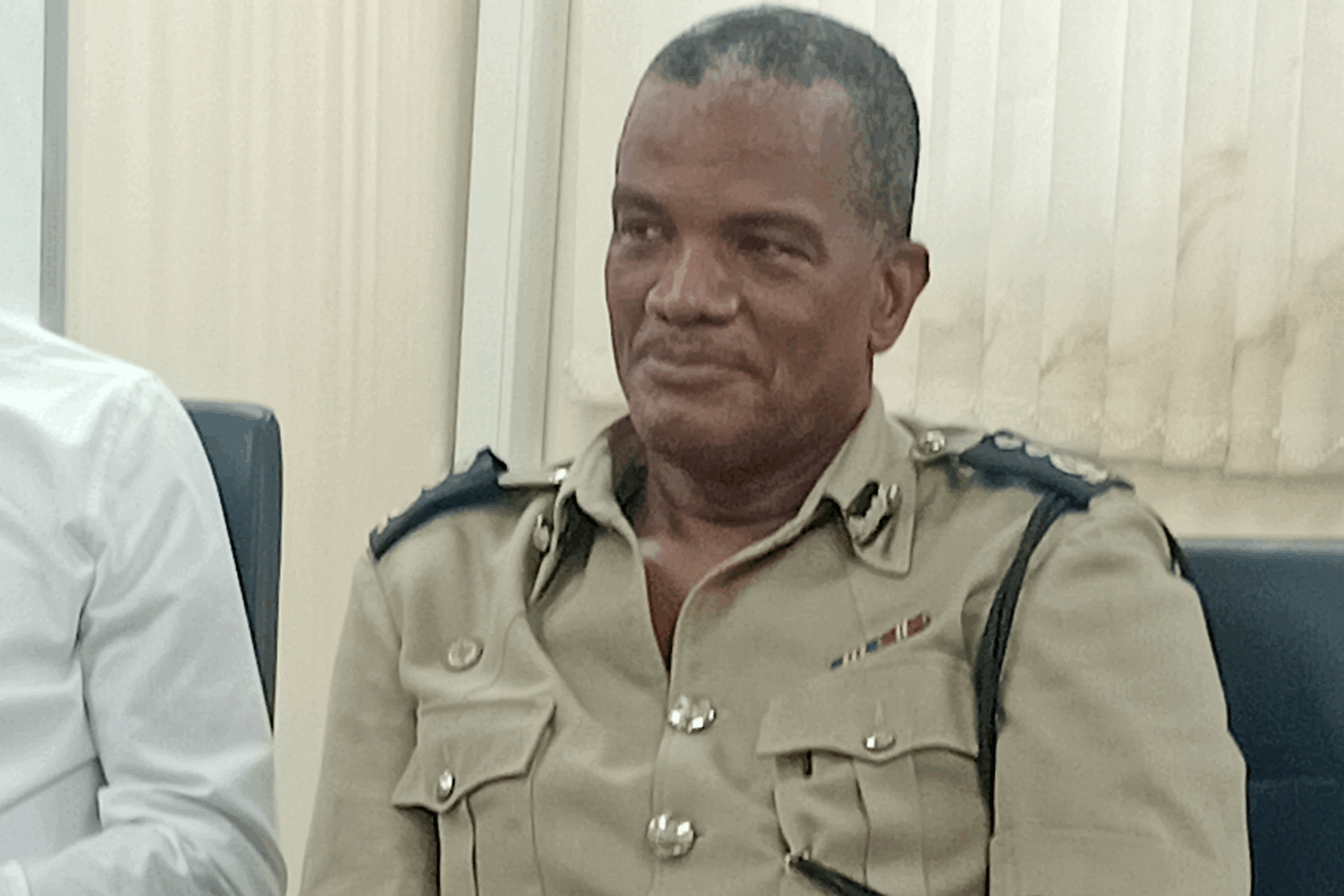
Acting Police Commissioner Erwin Boyce has issued a stark warning regarding a significant rise in youth-related criminal activities, revealing that hundreds of teenagers and young adults have been charged in recent months. Speaking at a press briefing held at Police Headquarters on Roebuck Street, Boyce emphasized that the age group of 15 to 30 is of particular concern, with many individuals already facing charges for serious offenses.
-

DPP urges stepped up discipline, responsibility
Acting Director of Public Prosecutions (DPP) Alliston Seale SC has issued a stark warning about the growing trend of parental neglect in Barbados, emphasizing that the failure of parents to guide their children is fostering bad habits and delinquent behavior long before the justice system intervenes. Speaking during the sentencing phase of convicted murderer Gabriel Shando Hayde, Seale stressed the critical role parents play in shaping their children’s moral compass.
Seale urged parents to correct their children’s misbehavior early, referencing biblical teachings: ‘Who the Lord loves, He chasteneth.’ He clarified that discipline does not necessarily mean physical punishment but involves making children aware of their wrongdoings. Encouraging bad behavior, he warned, only leads to dire consequences, as seen in Hayde’s case.
Hayde, found guilty by a 12-member jury for the 2020 murder of 26-year-old Kerwin Howell, exhibited a drastic behavioral shift during his teenage years. Probation and psychological reports revealed that while Hayde performed well in primary school, his behavior deteriorated in secondary school. He began breaking school rules, selling snacks on campus, skipping classes, gambling, and engaging in fights. Seale highlighted that these issues were overlooked by his parents, who failed to intervene.
The acting DPP criticized the tendency of some parents to shift blame onto teachers, the church, or the government instead of taking responsibility for their children’s actions. He noted that Hayde’s parents were unaware of his daily marijuana use and his belief that there was nothing wrong with the ‘block culture.’ Seale concluded that such negligence is a societal problem contributing to the rise in youth crime in Barbados.
-

Post-BERT, CTUSAB urges fairer share of growth for workers
The Congress of Trade Unions and Staff Associations of Barbados (CTUSAB) has issued a stark warning that the nation’s economic recovery will remain incomplete unless workers see tangible benefits from growth. CTUSAB President Ryan Phillips emphasized this during a press conference on Wednesday, as the organization assessed progress under the Barbados Economic Recovery and Transformation (BERT) programme, backed by the International Monetary Fund (IMF). While acknowledging BERT’s successes in areas like employment recovery, macroeconomic stability, and climate resilience, Phillips stressed that economic growth alone is insufficient if workers do not share in its rewards. He highlighted ongoing challenges such as stagnant wages, high living costs, and financial strains on state-owned enterprises. Phillips argued for wage increases tied to productivity, stronger social protection systems, and greater worker involvement in policy-making. He also raised concerns about the exodus of skilled Barbadians seeking opportunities abroad, warning that this talent drain threatens job security and national competitiveness. Prime Minister Mia Mottley recently noted that while the formal IMF arrangement under BERT is ending, the government will continue structural reforms, keeping the IMF engaged for future collaboration. Phillips outlined six priorities for the next phase of recovery: sustainable job creation, enhanced social protection, worker participation in policy implementation, equitable economic gains, skills development, and addressing the high cost of living. He urged policymakers to prioritize people in the nation’s economic strategy, declaring, ‘Economic recovery without social justice is incomplete.’ The BERT programme, launched in 2018 to address a severe debt crisis, has evolved through phases focusing on fiscal consolidation, green transformation, and now ‘shock-proofing’ Barbados against climate volatility and supply chain instability.
-

Uber rolls in, pledging safety, opportunity – for taxis only
Uber, the global ride-hailing giant, has officially introduced its services in Barbados, marking a significant milestone in the Caribbean region. The launch event, held at the Hilton Barbados Resort, highlighted Uber’s commitment to modernizing transportation while positioning itself as a collaborator rather than a competitor to the local taxi industry. Over 400 licensed taxi operators have already joined the Uber Taxi platform, which is exclusively designed for registered taxi drivers. Belén Romero, Uber’s Regional General Manager for the Andean, Central America, and Caribbean region, emphasized the company’s goal to address a critical gap in Barbados’ transport market. Romero expressed enthusiasm about supporting tourism and providing a seamless experience for Uber’s 1.9 million global users, many of whom travel internationally. She also underscored the benefits for local drivers, including enhanced earning opportunities, access to innovative technology, and improved safety features. Romero welcomed competition from local taxi associations planning to develop their own ride-hailing apps, stating that it fosters innovation and improves user experiences. Additionally, Uber is collaborating with the Barbados Police Service to strengthen safety protocols, leveraging its global team of experts and over 30 safety features to ensure passenger and driver security. The Uber Taxi product in Barbados offers drivers flexibility, access to a global user base of 149 million, and advanced safety tools. Alongside its core ride-hailing service, Uber has introduced Uber Hourly for time-based bookings, ideal for island tours, and Uber Reserve, allowing trips to be scheduled up to 90 days in advance. The launch has sparked discussions within the transport sector, with traditional taxi operators advocating for fair regulations and a level playing field.