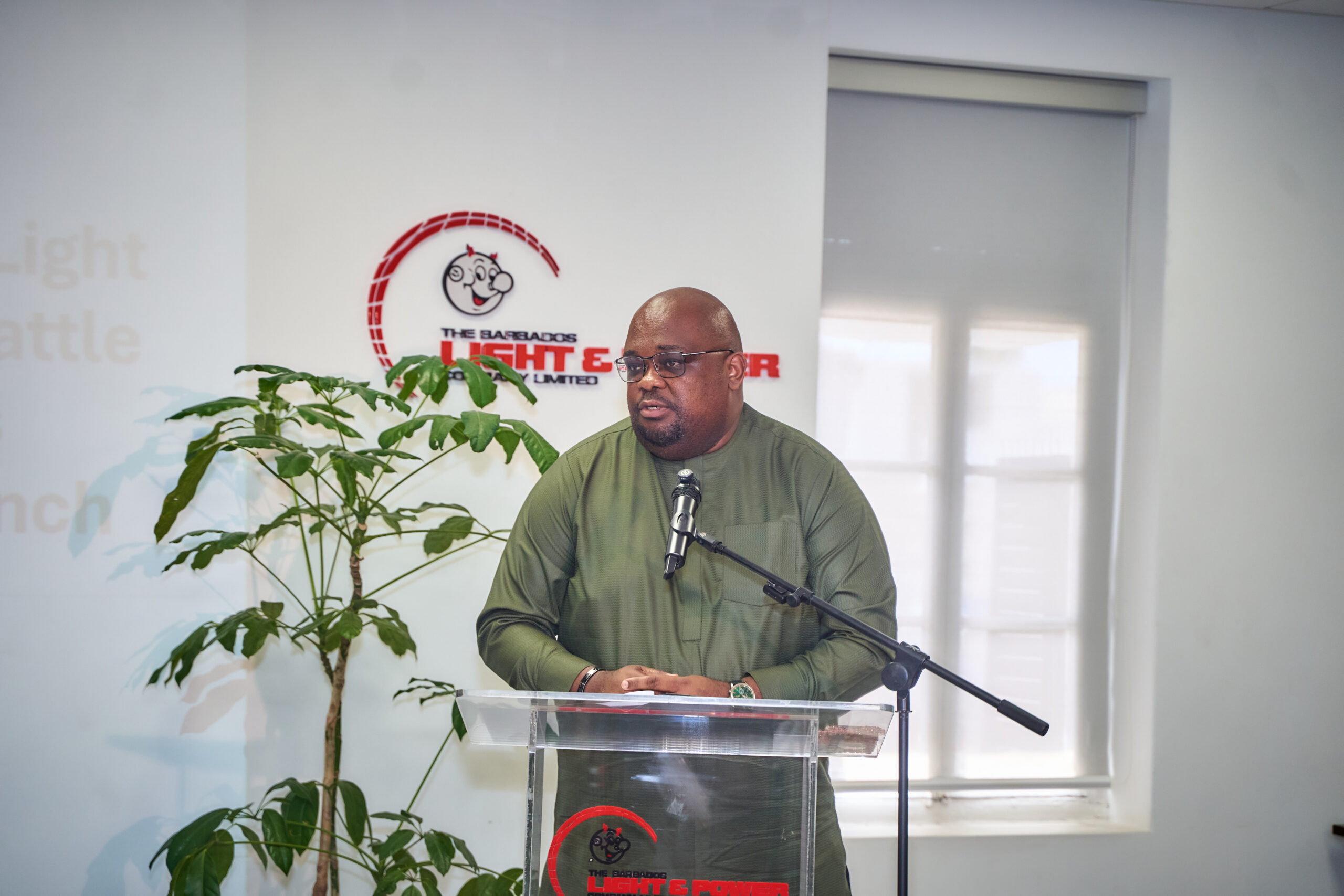
Barbados is taking bold steps to inspire the next generation of innovators through its national robotics competition, ‘Battle of the Bots.’ Launched in partnership with the Barbados Light and Power Co. Ltd., the initiative aims to cultivate a future-ready generation capable of addressing global challenges through technology. Minister of Educational Transformation Chad Blackman emphasized the importance of empowering young minds to lead in innovation and technological development. ‘My challenge to you is to see yourselves as the creators of the next wave of technology that can solve global problems, starting from Barbados,’ Blackman stated during the event’s launch. He highlighted the government’s commitment to educational reform, which goes beyond infrastructure improvements and resource provision. ‘Our transformation agenda is about preparing young people to lead the world,’ he added. Blackman also noted Barbados’ leadership in global discussions on sustainability and financial reform, urging the youth to compete on an international stage. Chief Education Officer Dr. Ramona Archer-Bradshaw described the competition as part of a broader movement to revolutionize education through technology. Since 2021, approximately 733 teachers and nearly 4,700 students have been trained in robotics and coding, fostering a dynamic learning environment. ‘This is about engaging students in real-life problem-solving through project-based learning,’ she explained. The competition has expanded this year, with 26 primary school teams participating in the preliminaries. Sixteen primary and eight secondary school teams will advance to the finals, scheduled for December 2 at the Lloyd Erskine Sandiford Centre.
标签: Barbados
巴巴多斯
-
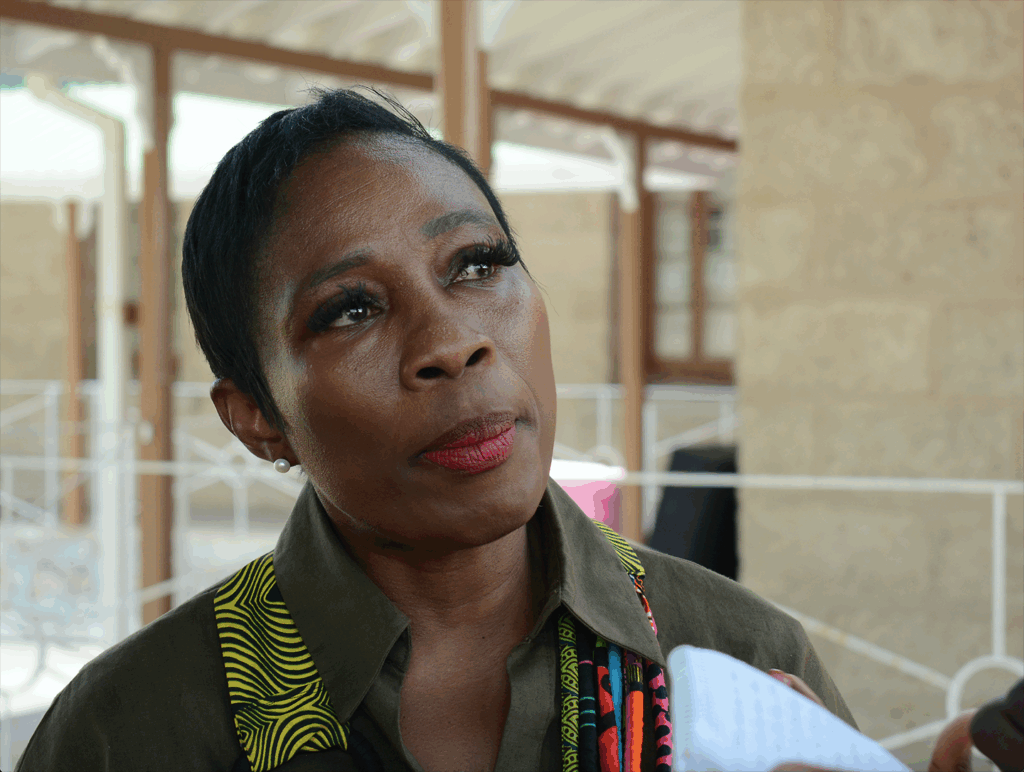
Look beyond IMF as access to climate finance tightens – senator
Barbados is taking decisive steps to diversify its development financing sources and reduce its dependence on traditional international lenders, as global climate finance becomes increasingly constrained. Senator Shantal Munro-Knight, Minister in the Prime Minister’s Office with responsibility for Culture, emphasized the urgency of this shift during a Senate session on Wednesday. The Senate debated the Development Bank of Latin America and the Caribbean (CAF) Bill, which formalizes Barbados’ full membership in CAF by replacing the Latin American Development Bank Act. Munro-Knight highlighted that while some global institutions are retreating from climate financing, CAF offers a regional alternative that is flexible, responsive, and tailored to the needs of small states like Barbados. She pointed out that the International Monetary Fund (IMF) is being urged to return to its core mission, potentially reducing its focus on climate financing, which poses challenges for middle-income, climate-vulnerable nations. Munro-Knight stressed the need for Barbados to proactively build partnerships and buffers to mitigate external shocks. She noted a decline in official development assistance (ODA) to Latin America and the Caribbean, with private capital primarily flowing into energy projects, leaving critical sectors like health, education, and housing underfunded. CAF, she argued, understands the region’s realities and provides a platform for Caribbean nations to shape solutions collectively. Under the new legislation, Barbados will acquire 34,834 Series C shares in CAF, valued at $494.6 million, enabling access to financing worth 18 times that amount over 15 years. This investment will transition Barbados to full membership, granting it a seat on CAF’s board of directors and enhancing its influence in regional decision-making. CAF has already demonstrated its value as a development partner, approving $700,000 in technical assistance for the Barbados Water Authority and funding infrastructure projects on the South Coast. Additionally, CAF has supported cultural initiatives like CARIFESTA and heritage projects, including the digitization of national archives and the development of a heritage district. The phased investment over 15 years will allow Barbados to manage its financial commitments while gaining immediate access to development resources, safeguarding its fiscal space and strengthening its resilience to climate and economic shocks.
-
Man dead following altercation at Halls Road home
A tragic incident unfolded on Tuesday night at a residence in Marl Hole Gap, Halls Road, St Michael, resulting in the death of one man and the detention of another. According to police reports, authorities were alerted to a disturbance at approximately 10:16 p.m. Upon arrival, officers discovered 63-year-old David Leacock, a resident of the same address, suffering from injuries sustained during the altercation. Leacock was promptly transported to the Queen Elizabeth Hospital via ambulance but later succumbed to his injuries. The suspect, reportedly a relative of the deceased, is currently in police custody and assisting with ongoing investigations. Authorities have urged anyone with relevant information to contact the Central Police Station at 430-7676 or 430-7176, the Police Emergency line at 211, or Crime Stoppers at 1-800-8477. The incident has left the local community in shock, with many calling for a thorough investigation to uncover the circumstances surrounding the fatal confrontation.
-

All stars of the arts take the stage at NIFCA Performing Arts Gala
The National Cultural Foundation (NCF) is poised to deliver an extraordinary evening of artistic brilliance with the NIFCA Performing Arts Gala, scheduled for Sunday, November 16, at 6 p.m. at the Garfield Sobers Gymnasium. This grand finale of the National Independence Festival of Creative Arts (NIFCA) will spotlight Barbados’ finest talents in dance, music, theatre, and literary arts. The event will predominantly feature Gold Awardees from the 2025 NIFCA season, alongside select Silver Award winners and the top Gold Award recipient in Literary Arts. These performers, celebrated for their originality, skill, and passion, promise to captivate audiences with their exceptional artistry. Highlights include performances by Pearl’s Dance Academy, Wesley Hall Junior School, Dimension Elite, Lumination Shift, Bim Cheer Federation, and Dancin’ Africa. Musical acts will feature the Christ Church Foundation School Steel Orchestra, Skyy Dowridge, Nikhyl Burnett, Damario Foster, Kenaz Walker, St Cyprian’s Boys’ School Band, ZZ Cumberbatch, and the St Cyprian’s Boys’ School Choir. Theatre enthusiasts can anticipate appearances by Akil Ifill & Tiffani Williams, Nakita Thomas of Northern Lights Drama Group, and Emmanuel Charles, while Roseann Pile, the Literary Arts winner, will also grace the stage. Odane Bartley will present a unique mixed-discipline performance, bridging various artistic forms. The NIFCA Performing Arts Gala is widely regarded as the pinnacle of the festival season, celebrating creativity, dedication, and national pride. From vibrant youth groups to seasoned artists, the event embodies the spirit and talent that define Barbados’ cultural heritage. Tickets are priced at $40 for adults and $20 for children, available at official box offices island-wide, including NU Look (Bridgetown), Emerald City (Six Roads), Carlton Supermarket (Black Rock), A&B Music Supplies (Wildey), SmartStore (Limegrove & Welches), Ah Touch of Class (Bridgetown & Speightstown), and CS Pharmacy (Bridgetown). Online purchases can be made at www.ticketpal.com. Under the theme “The Tradition of Excellence Continues,” the 2025 NIFCA Performing Arts Gala promises to be an unforgettable celebration of artistic mastery and cultural pride.
-
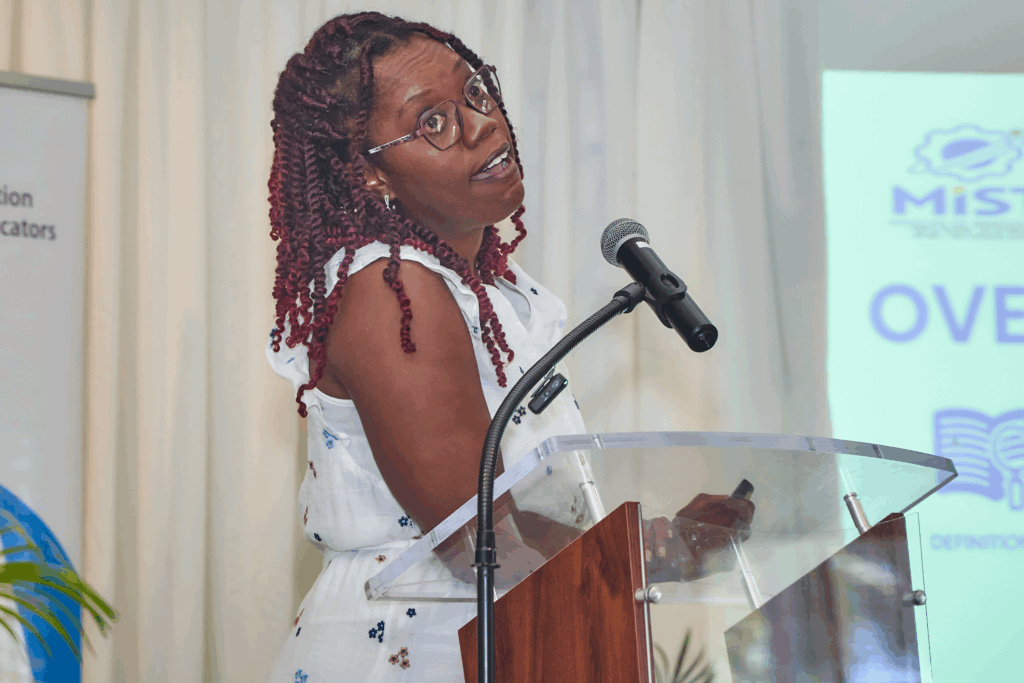
Raise game on cyber breach transparency, says data chief
Organizations across both public and private sectors remain alarmingly unprepared to effectively communicate data breaches to the public, heightening the risk of reputational damage and eroding consumer trust, warned Data Protection Commissioner Lisa Greaves on Tuesday. Speaking at a workshop titled ‘Human-Driven AI: Powering Communication Excellence,’ hosted by the International Association of Business Communicators (IABC) Barbados Chapter, Greaves emphasized the critical need for transparency and proactive measures in handling cybersecurity incidents. Despite the increasing frequency of data breaches, response strategies remain inconsistent and inadequate, she noted. Greaves highlighted the lack of transparency in Barbados, particularly in informing customers and clients about breaches and managing communication effectively. She cited the 2012 Target retail chain breach in the U.S., where a third-party vendor compromise led to significant reputational fallout due to poor communication. Greaves warned that government agencies are equally vulnerable to such risks, with several recent cyber incidents underscoring the importance of reputational management. She stressed the necessity of employee training, learning from past failures, and having pre-planned communication strategies in place. Under the Data Protection Act, breaches must be reported within 72 hours of discovery. Greaves urged organizations to involve communication specialists in their plans to dispel rumors and reassure the public. She also emphasized the immense value of data and the need for robust security investments, stating, ‘Data makes people billions of dollars a day. That’s the kind of security that has to be around data, because data is that powerful.’
-

Chefs ‘ready’ to defend culinary title in landmark home event
Barbados’ national culinary team is gearing up to defend its Caribbean title on home soil for the first time at the Taste of the Caribbean 2025. The prestigious competition, traditionally held in Miami, will take place from Sunday to Tuesday at the Wyndham Grand Barbados, Sam Lord’s Castle. The event marks a historic moment as it is the first time the contest is hosted in the Caribbean, adding pressure to the defending champions.
-
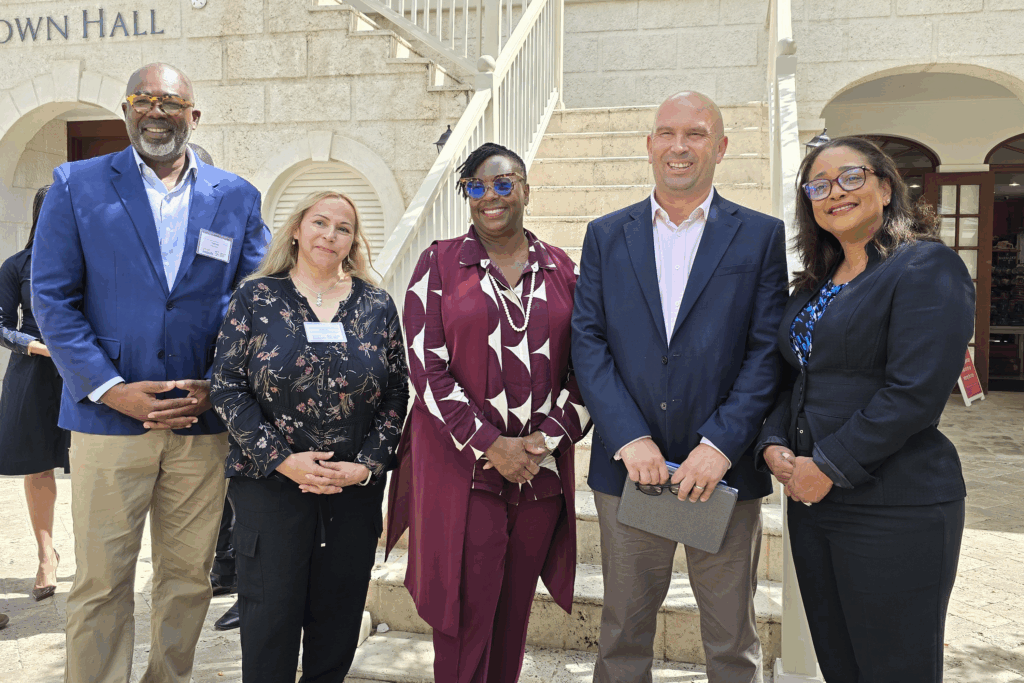
Barbados deepens UK trade links amid push into new industries
Barbados is intensifying its efforts to attract British investment in renewable energy, space technology, and the creative industries, aiming to establish itself as a hub for emerging sectors amid shifting global economic dynamics. Speaking at the sixth annual UK Trade Mission to Barbados Business Forum, Minister of Economic Affairs and Investment Kay McConney highlighted the growing interest from UK investors, which now extends beyond traditional sectors like tourism and financial services. McConney emphasized the need to adapt to evolving global realities, citing World Bank data that predicts a doubling of energy investment demand in developing countries by 2035. Barbados’ economy has shown robust growth, with 17 consecutive quarters of expansion, as reported by the Central Bank in September 2025. To foster a business-friendly environment, Bridgetown has modernized public systems, digitized services, and implemented reforms to enhance efficiency and transparency. McConney stressed the mutual benefits of UK-Barbados partnerships, including job creation, skills transfer, and access to new market opportunities. British interest spans diverse industries such as financial services, ICT, agro-processing, renewable energy, construction, and manufacturing. Emerging opportunities in education, the blue economy, and innovation-driven fields like space technology and film were also highlighted. British High Commissioner Simon Mustard underscored the importance of strengthening trade and investment links amid global challenges, including geopolitical tensions and economic uncertainties. He encouraged collaboration in renewable energy, digital transformation, and small business development. UK-Barbados trade grew by 9% in the past year, reaching over $1.59 billion, with the UK targeting high-growth sectors like clean energy, advanced manufacturing, and creative industries. Mustard projected a 2.7% growth rate for Barbados in 2025, driven by tourism, construction, renewable energy, and digital transformation. He praised Barbados’ skilled workforce, strong legal framework, and commitment to innovation, positioning it as an ideal partner for the UK in building future industries.
-
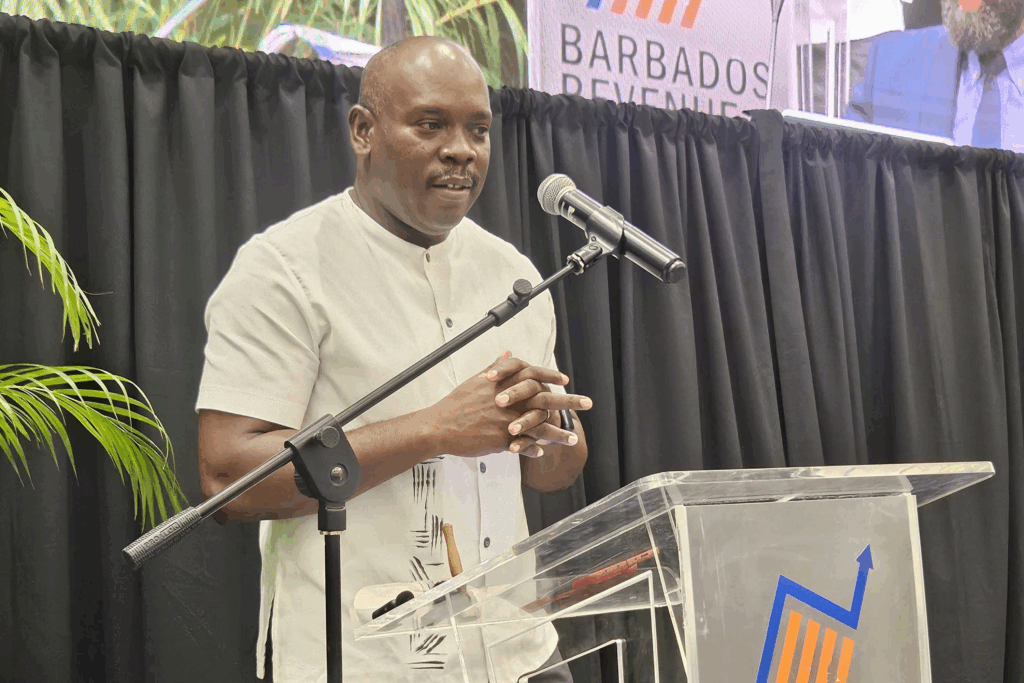
Barbados ‘making significant progress’ in tax compliance
Barbados has reiterated its unwavering dedication to international tax transparency and compliance standards during a pivotal meeting of the Organisation for Economic Co-operation and Development (OECD) Global Forum. The event, held at the Hilton Barbados Resort, focused on assessing the island nation’s adherence to global tax obligations. Ryan Straughn, Minister in the Ministry of Finance, emphasized Barbados’ significant strides in aligning with international tax frameworks and its resolve to uphold these standards. Straughn highlighted the critical role of tax transparency and information exchange in fostering investment and economic growth, particularly for small states like Barbados. He detailed extensive reforms undertaken to meet global requirements, enhance governance, and bolster investor confidence, which have contributed to 17 consecutive quarters of economic growth. Straughn also addressed the evolution of Barbados’ corporate tax policy, noting the reduction of corporation taxes to 5.5% in 2018 and the subsequent adjustments necessitated by the OECD’s global minimum tax of 15%, effective in 2024. He underscored the importance of tax certainty for investors, stating that Barbados is no longer a low-tax jurisdiction. Additionally, Straughn outlined ongoing efforts to modernize the business environment, including digitization initiatives by the Barbados Revenue Authority (BRA) and the Central Bank’s plans for digital payments. Revenue Commissioner Jason King reaffirmed Barbados’ commitment to international standards, highlighting the BRA’s strengthened legislative and technical capacity and its readiness to implement the Common Reporting Standard 2.0 and the crypto asset reporting framework.
-

‘Youth homelessness driving surge in crime’
Barbados is grappling with a deepening crisis as an increasing number of young men, many of them homeless, are turning to crime out of sheer necessity, according to Fabian Sargeant, the executive director of the Men Empowerment Network Support (MENS). Speaking on Tuesday, Sargeant highlighted the urgent need for targeted interventions to address the root causes of this troubling trend.
-
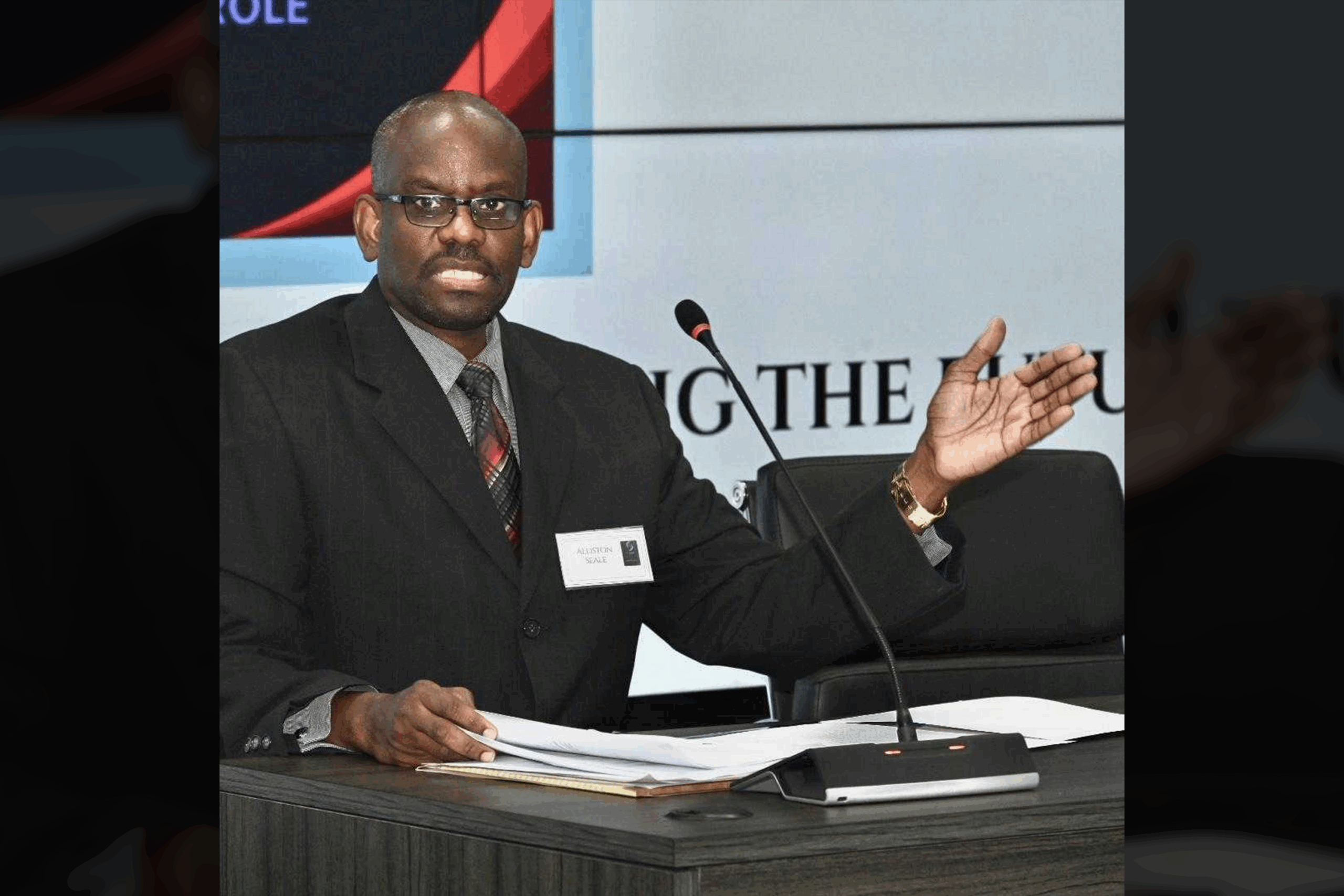
Sanction parents, too, says acting DPP
Acting Director of Public Prosecutions Alliston Seale SC has proposed that parents proven negligent in managing their children’s behavior should face sanctions if their children commit serious crimes. Speaking passionately, Seale emphasized that no 13-year-old should be allowed to engage in harmful activities like drug use and carrying knives without intervention. He argued that parents must take greater responsibility, not just voluntarily but with legal consequences if they fail. Seale cited international examples, including a U.S. case where a mother was jailed for six years after her six-year-old shot a teacher at school. He stressed that parental involvement extends beyond material provision to active engagement in a child’s development, including monitoring technology use and ensuring adequate rest. Seale also highlighted the importance of teaching children conflict resolution skills and preparing them for real-world challenges. His remarks came during sentencing submissions for Tyreke Benskin, who pleaded guilty to the 2020 murder of 22-year-old Shakeem Holder. Seale noted troubling signs in Benskin’s past, such as his fascination with knives, and lamented the lack of early intervention. While acknowledging Benskin’s remorse and potential for rehabilitation, Seale underscored the collective responsibility of society in addressing juvenile delinquency. Justice Laurie-Ann Smith-Bovell is set to deliver the sentence on February 27.