标签: Barbados

巴巴多斯

  • Licensing ‘delays force PSV operators to halt services’

    Licensing ‘delays force PSV operators to halt services’

    A critical administrative bottleneck at the Barbados Licensing Authority is paralyzing the island’s public transportation system, leaving vehicle owners stranded without valid permits. According to Roy Raphael, Chairman of the Alliance Owners of Public Transport, operators have been waiting over six weeks for mandatory inspection results—documentation essential for permit renewal and legal road operation.

    The prolonged delays have created a domino effect across the transport sector. Raphael confirmed engaging Chief Licensing Officer Treca McCarthy-Broomes, who acknowledged the issue but failed to implement solutions. With evening commuters already facing severe shortages after 6 PM, the licensing impasse threatens to remove more buses from circulation indefinitely.

    Taxi operators face identical hurdles, particularly those with newly acquired vehicles unable to commence operations without inspection clearance. The crisis extends beyond permits to mandatory badge certifications for drivers and conductors, creating compounded compliance challenges.

    Despite outreach to transport officials, including Ministry of Transport and Works Chief Technical Officer Jennifer King, resolution remains elusive. McCarthy-Broomes requested queries via text message but provided no response by publication time.

    Raphael issued an urgent plea to both the Licensing Authority and the Ministry of Transport and Works, warning of imminent service reductions if processing delays persist. He emphasized the contradiction between public transport shortages and administrative barriers preventing vehicles from legal operation.

  • Tourism minister meets with team from World Bank

    Tourism minister meets with team from World Bank

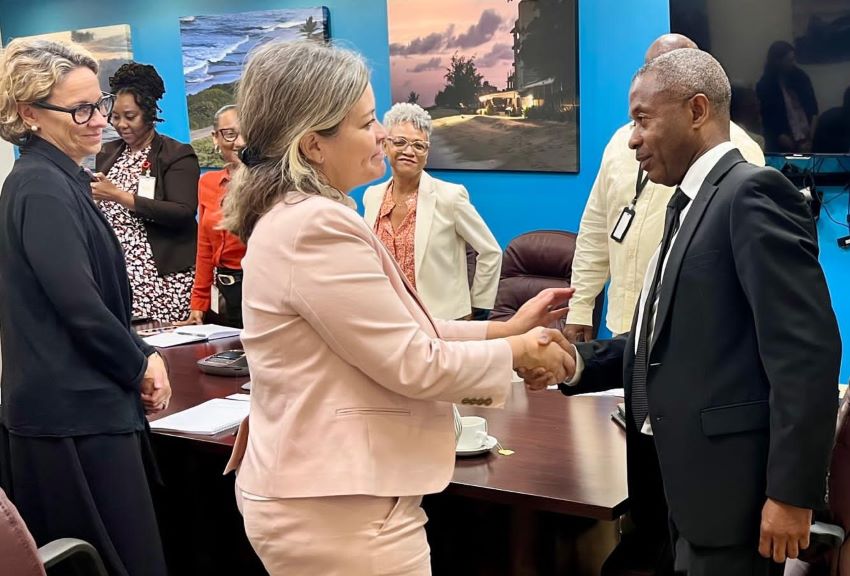
    Barbados is positioning itself for a significant expansion of its tourism sector through a new strategic collaboration with the World Bank. The partnership was formalized during a high-level meeting between Minister of Tourism and International Transport Ian Gooding-Edghill and a delegation from the World Bank led by Maria Marcela Silva, Regional Director for Infrastructure in Latin America and the Caribbean.

    The discussions at the ministry’s Warrens headquarters focused on comprehensive development strategies, with Minister Gooding-Edghill highlighting Barbados’ remarkable tourism growth trajectory between 2023 and 2024. He detailed the government’s multi-faceted approach, emphasizing the critical expansion of room inventory and the successful implementation of an airlift strategy that has driven substantial visitor growth. “Barbados is entering an exciting period of growth,” the Minister stated. “We are building out and expanding our room inventory absolutely necessary as we drive more traffic to destination Barbados.”

    Ms. Silva, who is concurrently participating in the 34th General Assembly’s Forum of Ministers and Highest Authorities of Housing and Urban Development, underscored the World Bank’s commitment to supporting Barbados’ infrastructure ambitions. She outlined the Bank’s capacity to provide both financial resources and technical expertise, particularly in tourism and international transport sectors. “We are very keen to work with you,” Silva affirmed. “We think that there is a huge opportunity in the tourism sector one of these sectors that we see as having a lot of potential to support job creation, economic growth and so on.”

    The bilateral talks extended to several key areas including technical assistance programs for aviation development, sustainable tourism practices, cruise tourism enhancement, and market diversification strategies. Significant attention was given to the proposed expansion of Grantley Adams International Airport and Barbados’ pursuit of Category 1 status with both the US Federal Aviation Administration and the International Civil Aviation Organization.

    The World Bank delegation emphasized their comprehensive infrastructure mandate, covering energy, transport, urban development, tourism, and disaster risk management. They committed to sharing valuable data analytics, best practices, and innovative financing options to support Barbados’ development objectives.

    The meeting included senior officials from both parties, including acting Permanent Secretary Deborah Norville, Permanent Secretary Charley Browne, acting Chief Technical Officer Dionne Gibbs-Nicholls, and several World Bank specialists in urban development and resilience.

  • Barbados Landship to receive UNESCO Inscription in India

    Barbados Landship to receive UNESCO Inscription in India

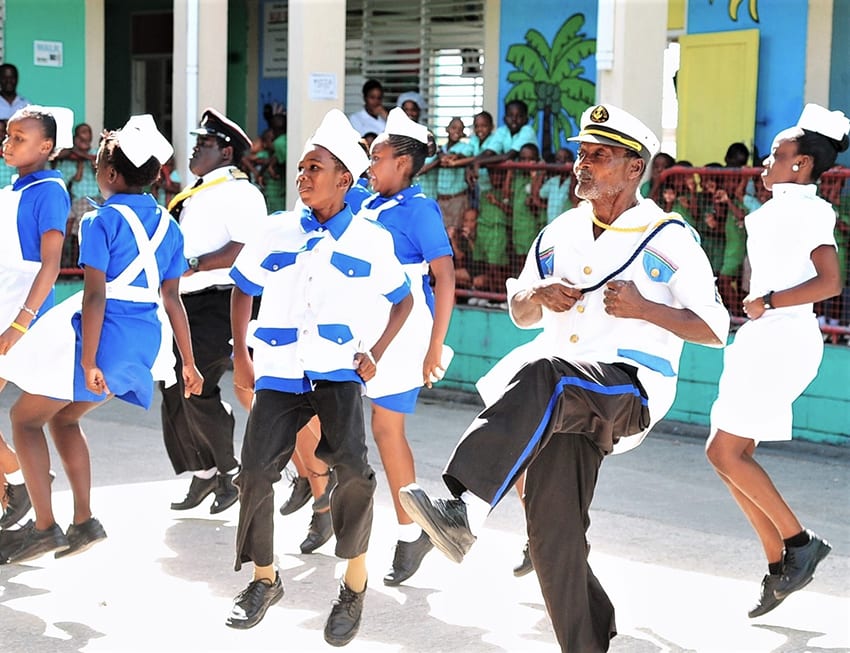
    The cultural legacy of the Barbados Landship Association (BLA), the island’s oldest indigenous institution, is set to receive international validation through its inscription on UNESCO’s List of Intangible Cultural Heritage in Need of Urgent Safeguarding. This prestigious acknowledgment will be formally conferred next week during an official ceremony in New Delhi, India, where Barbadian cultural representatives led by Senator Dr. Shantal Munro-Knight will accept the Certificate of Inscription.

    The Minister, who holds responsibility for Culture within the Prime Minister’s Office, characterized this achievement as a monumental milestone for Barbados. She emphasized that this UNESCO recognition elevates the Landship’s profile on the global stage, celebrating an organization renowned for its captivating marching displays and intricate manoeuvres during national celebrations, including the annual Independence Parade.

    This successful nomination culminated from a rigorous three-year multidisciplinary effort orchestrated by the Division of Culture. The comprehensive process involved extensive historical research, collaborative sessions with various landship docks, and stakeholder engagements to build a compelling case for the institution’s cultural significance. Dr. Munro-Knight highlighted the rarity of such inscriptions among Caribbean nations, making this accomplishment particularly noteworthy for Barbadian heritage preservation.

    Concurrently, Barbados has submitted an additional nomination for road tennis to be included on UNESCO’s Representative List of the Intangible Cultural Heritage of Humanity, demonstrating the nation’s ongoing commitment to cultural conservation. The Minister expressed optimism regarding this separate application’s success.

    Reflecting on the historical context, Dr. Munro-Knight noted that the Landship tradition emerged from Barbados’ complex colonial past, representing community resilience through indigenous practices like the ‘su su’ cooperative saving system. Despite originating under challenging circumstances, the institution has endured through generations as a testament to Barbadian cultural innovation and collective identity formation.

  • Small Craft Advisory remains in effect for Barbados

    Small Craft Advisory remains in effect for Barbados

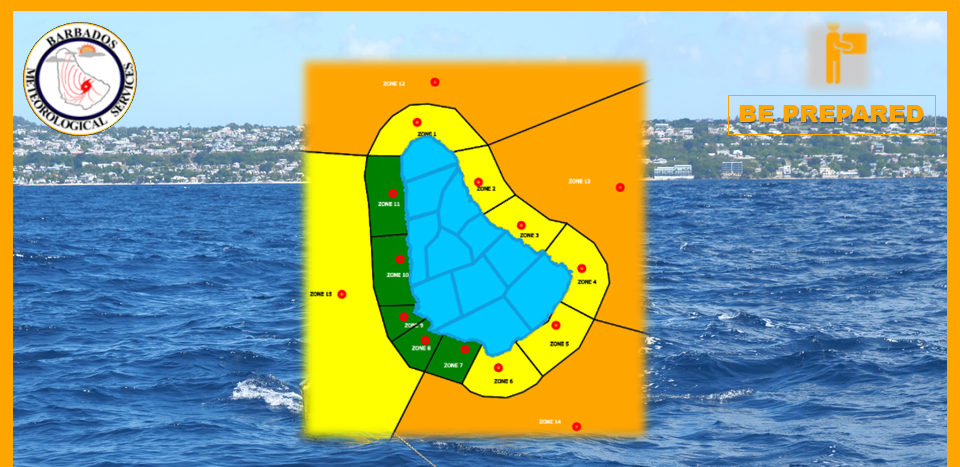
    The Barbados Meteorological Services (BMS) has maintained its Small Craft Advisory through Friday evening as turbulent marine conditions persist across the island’s coastal waters. According to Thursday’s official bulletin, sustained winds measuring 20 to 25 knots continue generating substantial swells reaching 2.0 to 3.0 meters (7-10 feet) in open waters.

    Meteorologists attribute these challenging conditions to a robust Atlantic high-pressure system currently influencing eastern Caribbean marine patterns. While projections indicate gradual improvement over the weekend, maritime conditions are expected to remain unstable through Friday.

    Authorities have issued renewed cautions to marine operators, particularly small craft vessels and recreational beachgoers, highlighting potential navigation hazards posed by the persistent swell activity. The advisory remains effective until 6:00 PM local time on Friday, December 5th, subject to potential extension should conditions warrant.

    The BMS emphasizes the importance of monitoring updates from official channels including the Department of Emergency Management and Barbados Fisheries Division. Marine stakeholders are advised to exercise heightened vigilance and adhere strictly to safety protocols issued by relevant authorities during this period of elevated maritime risk.

  • New Zealand seize control after West Indies’ batting collapse

    New Zealand seize control after West Indies’ batting collapse

    New Zealand’s bowling attack, spearheaded by Jacob Duffy’s impressive five-wicket haul, dismantled the West Indies batting lineup on day two of the opening Test at Basin Reserve on Tuesday. The visitors collapsed to a meager 167 all out in response to New Zealand’s first innings total of 231, handing the hosts a commanding position with a 96-run overall lead.

    Despite resilient half-centuries from opener Tagenarine Chanderpaul (52) and Shai Hope (56), the West Indies innings unraveled dramatically after Hope’s dismissal. The Caribbean side lost their last seven wickets for just 61 runs in a display of clinical bowling from the Black Caps.

    Duffy emerged as the destruction chief with remarkable figures of 5-34, supported by Matt Henry’s 3-43 and contributions from debutant Zak Foulkes (2-32). The pace trio exploited the conditions effectively, with Henry triggering the collapse by removing captain Roston Chase and Justin Greaves for ducks in quick succession.

    New Zealand’s openers Devon Conway (15*) and Tom Latham (14*) navigated a potentially tricky 30-minute period before stumps with minimal discomfort, reaching 32 without loss against sometimes wayward West Indies bowling.

    The match situation positions New Zealand favorably to push for victory as the pitch continues to offer assistance to the bowlers, while the West Indies face an uphill battle to salvage the contest.

  • Dodging Dutch Disease: Targeting services in Guyana

    Dodging Dutch Disease: Targeting services in Guyana

    Guyana’s economic landscape has undergone a seismic transformation since its inaugural oil production in 2019, achieving a world-leading 43.6% real GDP expansion in 2024. While petroleum exports now dominate, constituting 88% of total domestic exports, traditional sectors including gold, rice, and bauxite continue to contribute significantly to non-oil export revenues.

    This unprecedented growth positions the South American nation among the globe’s most rapidly expanding economies. However, this petroleum-driven prosperity introduces complex challenges, notably the looming threat of ‘Dutch disease’—an economic phenomenon where resource wealth undermines competitiveness in non-extractive sectors. As a Small Island Developing State (SIDS), Guyana additionally confronts inherent vulnerabilities including commodity price volatility, constrained market scale, and rent-seeking behaviors.

    A pivotal 2023 World Trade Organization and World Bank collaborative study highlights services as accounting for half of global employment and two-thirds of worldwide GDP, surpassing combined agricultural and industrial outputs. In Guyana, both merchandise and services trade maintained positive correlation with GDP from 2005 to 2022. Notably, engineering and logistics services, predominantly oil-industry adjacent, expanded nearly fourteen-fold between 2005 and 2021.

    Paradoxically, Guyana sustains a substantial services trade deficit, exceeding US$4.4 billion in 2023, reflecting heavy dependence on imported high-value services for petroleum operations. Foreign direct investment patterns exacerbate this imbalance, with capital-intensive oil projects potentially crowding out domestic investment and creating limited local value addition.

    Economic diversification through services sector development emerges as the strategic imperative. High-productivity domains such as information and communication technology (ICT), professional services, and scientific technical services remain underdeveloped despite governmental initiatives including tuition-free education from nursery through university levels.

    Micro, Small and Medium Enterprises (MSMEs) represent crucial agents for transformative growth, capable of driving innovation in tourism, digital services, and green finance. Policy recommendations include establishing specialized export development funds, providing low-interest financing, and creating incentives for high-value-added foreign direct investment that strengthens domestic enterprise capabilities.

    Institutional integrity enhancements through digital transparency portals and anti-corruption reforms are essential for equitable resource wealth distribution. Regionally, Guyana’s participation in multiple trade agreements—including accords with the European Union, Canada, Brazil, China, and Venezuela—provides frameworks for services trade expansion.

    The impending implementation of CARICOM’s free movement protocol offers professional mobility opportunities, though Guyana has requested a five-to-seven year adaptation period before full implementation. Tourism innovation presents particular promise, with proposals including transforming the decommissioned Demerara Harbour Bridge into a heritage attraction powered by renewable energy, simultaneously preserving history and advancing eco-tourism.

    Guyana stands at a critical economic juncture, where strategic investments in human capital, institutional governance, and entrepreneurial development could transform temporary resource wealth into sustainable, diversified prosperity for future generations.
  • Call to foster disability-inclusive societies for social progress

    Call to foster disability-inclusive societies for social progress

    The Albert Cecil Graham Development Centre (ACGDC), Barbados’ premier facility for children with developmental disabilities, marked the International Day of Persons with Disabilities with a powerful call to action for national inclusion. This year’s theme focusing on disability-inclusive societies for social progress resonated deeply with the organization’s four-decade mission.

    Established in 1981, ACGDC has pioneered multidisciplinary interventions through physiotherapy, occupational therapy, speech and language therapy, psychological services, and specialized education programs. The center currently provides comprehensive support to 45 children through its Day Care, Education, and Workshop Units, while serving hundreds more with assessment and therapeutic services annually.

    Chairperson Julston Kinch delivered a compelling message: ‘True social progress remains unattainable while societal members face participation barriers. We challenge all Barbadians—from policymakers to business owners to citizens—to critically examine how their actions either construct or dismantle these obstacles.’

    The center specifically called for practical measures including installation of accessibility ramps, disability-appropriate facilities, and respectful use of designated parking spaces. ‘Accessibility constitutes not a privilege but a fundamental right,’ Kinch emphasized. ‘When businesses invest in ramps, accessible restrooms, and inclusive design, they broadcast that everyone is valued and welcome.’

    As a nonprofit organization, ACGDC depends significantly on community support to sustain its transformative programs. Donations directly fund therapeutic equipment, educational materials, transportation services, and specialized interventions that empower children to thrive. The center welcomes financial contributions, corporate partnerships, volunteer assistance, and in-kind donations.

    Kinch concluded with a vision statement: ‘Every child deserves the opportunity to contribute their unique gifts to our society. Collectively, we can construct a Barbados where inclusion transforms from aspiration to reality—enabling every person, regardless of ability, to participate fully in national progress.’

  • Minister’s message to mark International Day of Persons with Disabilities

    Minister’s message to mark International Day of Persons with Disabilities

    On December 3rd, Barbados joined the international community in observing the United Nations International Day of Persons with Disabilities, reinforcing its commitment to building an inclusive society that values and empowers all citizens. This annual observance serves as a critical reminder of the ongoing need to understand disability experiences, protect rights, and eliminate barriers to full societal participation.

    The Ministry of People Empowerment and Elder Affairs (MPEA) is spearheading comprehensive social progress initiatives aligned with international best practices. Central to this effort is the newly enacted Persons with Disabilities Bill, which significantly strengthens anti-discrimination protections and guarantees equal access to education, employment, healthcare, housing, and social services.

    This year’s theme, ‘Fostering disability-inclusive societies for advancing social progress,’ resonates deeply with Barbados’ national vision. The government emphasizes that inclusion is not a matter of charity but a fundamental human right and marker of national progress. Recognizing that disability doesn’t equate to inability, officials note that empowering persons with disabilities enhances workforce participation, stimulates innovation, and contributes substantially to economic development.

    The national strategy addresses multiple barrier categories: mental barriers (stigma, stereotypes), structural barriers (inaccessible buildings, transportation), and systemic barriers (policy, communication, financial challenges). Through the National Disabilities Unit (NDU), the government collaborates with stakeholders including the Barbados Council for the Disabled to conduct public awareness campaigns and educational initiatives.

    Concrete economic empowerment measures include the upcoming Mangrove Agricultural Project launching in January 2026, which will create employment for thirty persons with disabilities. The NDU will also resume monthly Entrepreneurial Markets at its Maxwelton location, providing over 40 disabled entrepreneurs with platforms to sell their products. Additional programs include a 12-week work experience initiative for youth with disabilities and strengthened partnerships with the Job Start Plus Programme and Ministry of Educational Transformation.

    To streamline service delivery, the government has established the Social Empowerment Agency (SEA), which integrates core social services into a single hub for assessments, referrals, home support, and financial assistance. This coordinated approach aims to reduce service gaps and accelerate support for vulnerable populations.

    With statistics indicating that fewer than 20% of individuals are born with disabilities while the majority acquire them later in life, officials emphasize the universal relevance of accessibility initiatives. The government calls for continued strengthening of laws, policies, and practices to build a truly inclusive Barbados that leaves no citizen behind.

  • Saint Lucia Labour victory signals ‘shift’ for labour politics

    Saint Lucia Labour victory signals ‘shift’ for labour politics

    Political analyst Peter Wickham has characterized the Saint Lucia Labour Party’s overwhelming re-election victory as a transformative moment for labor movements throughout the Caribbean region. The party secured a commanding majority of 14 out of 17 parliamentary seats in Monday’s election, granting Prime Minister Philip J. Pierre an unprecedented second consecutive term in office.

    This electoral outcome represents a remarkable departure from established political patterns, marking both a rare positive swing for an incumbent government and breaking a 25-year tradition of Saint Lucian voters ousting administrations after a single term. Wickham described the result as “an unparalleled success” that demonstrates growing voter confidence in the SLP’s governance approach.

    Despite the regional significance, Wickham cautioned against drawing direct parallels with Barbados’ political landscape. In an interview with Barbados TODAY, the prominent pollster emphasized that each Caribbean nation maintains distinct political circumstances that require separate analysis. “I don’t really know that there’s a whole lot of lessons in this election for Barbados because I think our situation is a bit different,” Wickham stated, suggesting that elections should be “compartmentalized” rather than directly compared.

    The statistical significance of the victory was highlighted by the approximately five percent positive swing toward the Labour Party—a rare phenomenon in Caribbean politics where second-term positive swings remain exceptional. Wickham noted that such outcomes have occurred in Jamaica, Barbados, Antigua, and Dominica, but emphasized their uncommon nature across the region.

    The analyst contrasted Saint Lucia’s results with recent political developments in St. Vincent and the Grenadines, where the Unity Labour Party failed to secure a sixth term under former prime minister Ralph Gonsalves. This comparison underscores Wickham’s central thesis that regional political trends cannot be universally applied across Caribbean states.

    Addressing voter participation concerns, Wickham questioned the reported 48% turnout figure, attributing apparent declines to bloated voter registration lists rather than voter apathy. “Those lists contain names of people who physically cannot vote,” he explained, advocating for comprehensive electoral reform beginning with proper voter re-registration exercises across the region.

    While acknowledging the broader implications for Labour politics in the Caribbean, Wickham maintained that Saint Lucia’s outcome carries limited direct electoral implications for Barbados, emphasizing the need for context-specific political analysis across the region.

  • Praise for crackdown vow on unhealthy school gate vending

    Praise for crackdown vow on unhealthy school gate vending

    In a decisive move against childhood obesity, Barbados Minister of Educational Transformation Chad Blackman has announced he will personally lead comprehensive inspections of food vendors operating near school premises across the island. This initiative has garnered significant support from major health organizations who view it as a crucial step toward addressing the nation’s growing health crisis among children.

    The Barbados Childhood Obesity Prevention Coalition (BCOPC) and the Heart & Stroke Foundation of Barbados Inc. have both endorsed Minister Blackman’s proactive approach, emphasizing that restricting children’s access to unhealthy food options requires intervention beyond school boundaries. While the 2023 School Nutrition Policy established improved nutritional standards within educational compounds, vendors selling sugar-sweetened beverages and ultra-processed snacks immediately outside school gates have continued to undermine these health measures.

    Nicole Foster, chair of the BCOPC, commended the minister’s leadership in enforcing nutrition policies both inside and outside school premises. The coalition has urged simultaneous implementation of the Vending Bill, which would provide legal framework to ensure vendor compliance with healthy food standards. Meanwhile, Heart & Stroke Foundation CEO Greta Yearwood praised the hands-on approach as essential for prioritizing children’s health during this critical period.

    Notably, the initiative will emphasize collaboration over punitive measures, recognizing vendors’ important role in local communities. The program will include training, product reformulation guidance, and support for meeting healthy food standards. Foster highlighted that healthy vending represents not just a public health priority but also an economic opportunity for vendors and young entrepreneurs to tap into the expanding market for affordable, nutritious products.