标签: Barbados

巴巴多斯

  • UWI political expert urges focus on substance, not ‘election’ talk

    UWI political expert urges focus on substance, not ‘election’ talk

    Amid growing speculation about a potential snap election in Barbados, University of the West Indies political scientist Professor Don Marshall has rejected theories that Prime Minister Mia Mottley’s recent policy announcements signal early political maneuvering. Instead, Marshall characterizes the government’s public service reforms as long-overdue measures that should be evaluated on their substantive merits rather than perceived political timing.

    The political expert’s comments followed Prime Minister Mottley’s significant announcements regarding public sector improvements, including the restoration of term vacation leave for teachers potentially as early as next year and permanent appointments for approximately 2,000 public servants. These developments come against a backdrop of widespread conjecture about a possible first-quarter general election.

    Professor Marshall advocated for shifting public discourse away from electoral speculation and toward substantive policy evaluation. He emphasized that the administration’s recent initiatives align with necessary developmental objectives that have required attention for some time. The political scientist described the government’s approach as a welcome departure from conventional austerity measures typically associated with IMF programs.

    “I often wonder why, whenever we’re in an IMF programme, the instinct is always to move towards cutting the public service as opposed to repurposing the public service,” Marshall stated. He expressed strong support for initiatives that would strategically reposition the public service in accordance with the government’s developmental agenda.

    The UWI professor cautioned against excessive cynicism regarding governmental motives, noting that policy announcements often follow natural bureaucratic timelines rather than political calculation. He highlighted that the Christmas timing of these announcements might reflect predetermined scheduling rather than strategic election preparation.

    Marshall identified public service efficiency as the most critical metric for evaluating these appointments, predicting that improved worker satisfaction would naturally enhance productivity and attract more qualified professionals to essential services. He expressed particular optimism about ongoing negotiations with teachers’ unions, hoping for resolution of long-standing grievances regarding leave classification and compensation.

    The professor specifically endorsed improved conditions for essential service providers including teachers, police officers, and nurses, advocating for compassionate governance that addresses their unique professional challenges. Meanwhile, the House of Assembly advanced the Public Service (Appointments) Bill, with Prime Minister Mottley confirming productive discussions with both the Barbados Union of Teachers and the Barbados Secondary Teachers’ Union.

    The comprehensive reform package includes expanded compensation structures and enhanced service conditions for frontline workers, with a complete civil service regrading exercise anticipated to conclude next year. Mottley acknowledged that Barbados’s substantial civil service has faced challenges in timely human resource management under current structural constraints.


  • Town hall meetings for 11-Plus in January 2026

    Town hall meetings for 11-Plus in January 2026

    The Ministry of Educational Transformation (MEdT) has unveiled an extensive public engagement initiative, scheduling twelve town hall meetings across Barbados throughout January 2026. These sessions are strategically designed to familiarize parents and guardians with the comprehensive administrative procedures governing the Barbados Secondary Schools’ Entrance Examination (BSSEE).

    The outreach program is timed to precede the official return of all BSSEE examination forms to the Ministry, ensuring stakeholders are fully informed before this critical deadline. The initiative underscores the government’s commitment to transparent communication and parental involvement in the island’s pivotal educational assessment.

    A detailed schedule of meetings has been released, featuring venues in multiple parishes to maximize accessibility. The itinerary commences on Saturday, January 3, 2026, with simultaneous sessions at Alexandra School on Queen’s Street, St. Peter, and Princess Margaret Secondary School at Six Roads, St. Philip, both commencing at 5:00 p.m.

    Subsequent meetings will follow a similar pattern throughout the month:
    – Tuesday, January 6: St. George Secondary School (Constant, St. George) and Lester Vaughan School (Cane Garden, St. Thomas)
    – Saturday, January 10: Grantley Adams Memorial School (Blackman’s, St. Joseph) and Deighton Griffith Secondary (Kingsland, Christ Church)
    – Tuesday, January 13: The Oceana Innovation Hub (Bay Street, St. Michael) and West Terrace Primary (West Terrace, St. James)
    – Saturday, January 17: Daryll Jordan Secondary School (Trents, St. Lucy) and A. Dacosta Edwards Primary School (Belleplaine, St. Andrew)
    – Tuesday, January 20: Mount Tabor Primary (Mount Tabor, St. John) and The St Michael School (Martindales Road, St. Michael)

    All scheduled sessions will maintain the 5:00 p.m. start time to accommodate working parents. This nationwide consultation represents one of the most comprehensive public education campaigns ever undertaken for the BSSEE process.

  • Listening, adjusting, explaining Growth Fund Bill

    Listening, adjusting, explaining Growth Fund Bill

    In a significant response to mounting public concerns, Prime Minister Mia Mottley has introduced enhanced transparency measures for Barbados’ controversial Economic Diversification and Growth Fund legislation. The government’s move to incorporate additional oversight mechanisms demonstrates a notable shift toward addressing legitimate criticisms while maintaining the fund’s strategic objectives.

    The central amendment requires ministers to formally justify any deviation from recommendations made by the fund’s Advisory Committee or National Growth Council through parliamentary disclosure. This procedural safeguard directly addresses earlier concerns about ministerial discretion and accountability regarding the allocation of $225 million in public funds over three years.

    Criticism had emerged from multiple credible sources, including consumer advocate Tricia Watson, who initially raised alarms about potential foreign company benefits without adequate transparency. Academic experts Professor Don Marshall, Professor Troy Lorde, and economist Jeremy Stephen further questioned the legislation’s governance framework and developmental justification.

    Prime Minister Mottley firmly rejected characterization of the fund as a foreign corporate giveaway during her parliamentary address. She established clear criteria: beneficiaries must create substantial employment exceeding 100 jobs and generate foreign exchange for Barbados’ economy. Companies receiving support will pay taxes at a standardized 9% rate, addressing equity concerns.

    The administration contextualized the $75 million annual allocation against existing tax concessions totaling $875 million yearly across various sectors. Mottley emphasized this represents less than 10% of current waiver practices while aligning with international trends shifting from tax incentives toward direct investment support, citing OECD nations including the UK, Singapore, and United States.

    This development underscores the importance of robust public debate in policy formation. While the government’s responsive approach deserves recognition, the episode highlights the necessity for proactive consultation on major legislation involving substantial public resources. The iterative process between government explanation, critical challenge, and policy refinement ultimately strengthens economic governance and public trust.

  • Trauma, fractured families driving crime and mental health crisis, say survey

    Trauma, fractured families driving crime and mental health crisis, say survey

    A groundbreaking government-commissioned study has identified fractured family structures and unaddressed psychological trauma as the primary drivers behind Barbados’ escalating crisis of violence, substance abuse, and mental health disorders. Conducted over eight months with Prime Minister Mia Mottley’s endorsement, the comprehensive research audited 25-30 high-risk communities across the island nation.

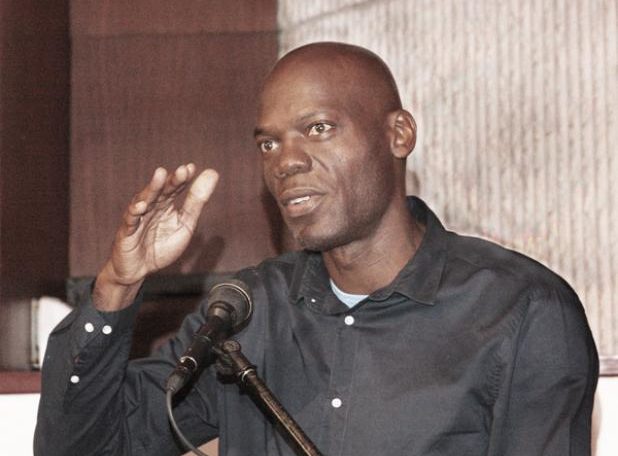
    Pastor Eliseus Joseph, the Ministry of Empowerment and Elder Affairs consultant who spearheaded the investigation, revealed alarming findings about attachment trauma—the disruption of secure emotional bonds during childhood—as a critical factor in the nation’s social deterioration. The research encompassed approximately 2,000 young participants from Generation Z (ages 14-29) and Millennials (30-44), providing unprecedented insights into the psychological underpinnings of antisocial behavior.

    Joseph contextualized the crisis by referencing sobering crime statistics: Barbados recorded over 450 homicides between 2015-2020, an exceptionally high rate for a small island nation. However, he emphasized that quantitative data alone cannot capture the full complexity of the situation.

    The study identified distinct trauma response patterns along gender lines. Young males predominantly externalize their trauma through violence, aggression, and addiction, while females typically internalize suffering through self-critical behavior, self-harm, and substance abuse as coping mechanisms.

    Joseph clarified that absent father figures represent just one component of a multifaceted problem, noting that the absence of consistent male influence creates significant developmental challenges for both genders. The research establishes a clear progression from underlying mental health issues to addiction and ultimately to violent behavior, with anxiety, depression, and substance dependence forming a destructive triad.

    The findings advocate for a paradigm shift in crime prevention strategies, emphasizing that traditional law enforcement approaches cannot resolve what fundamentally constitutes a public health crisis. Effective solutions must prioritize trauma healing, mental health support, and family strengthening through collaborative efforts involving government agencies, civil society, faith-based organizations, and local communities.

    The research was presented during the Forum of Ideas for Youth Mentorship Village Builders Breakfast Meeting at the Lloyd Erskine Sandiford Centre, signaling the government’s commitment to developing evidence-based, holistic intervention strategies focused on early prevention and community-supported mentorship programs.

  • BDF EMT providing healthcare in Jamaica

    BDF EMT providing healthcare in Jamaica

    In a significant demonstration of regional solidarity, the Barbados Defence Force Emergency Medical Team (BDF EMT) has provided comprehensive medical treatment to 495 patients during the initial phase of Operation Helping Hands 2025 in Westmoreland, Jamaica. The operation, which commenced on December 1, represents a coordinated Caribbean response to healthcare needs following Hurricane Melissa.

    Under the leadership of Lieutenant Commander Anderson Goodridge, Officer-in-Charge of Medical Services, the Barbados-based field hospital officially began receiving patients from Savannah La-Mar Hospital on December 1. Medical services delivered between December 1-7 reached 270 patients, with an additional 225 individuals treated between December 8-10. The facility’s surgical team performed three procedures during the first week of operations, followed by two elective surgeries.

    Commander Goodridge reported that the medical team treated patients across all demographic categories, including male, female, and pediatric cases, while providing specialized care through orthopedics, gynecological, pediatric, surgical, and medical clinics. ‘The government and people of Jamaica have received the BDF EMT with gratitude, warmth and hospitality, and they have shown a deep appreciation for our attendance here in Jamaica,’ Goodridge stated.

    Dr. Walter Alleyne, Director of Medical Services with the second rotation of the BDF EMT, outlined the six core services provided by the field hospital: outpatient and inpatient clinics, pharmacy services, laboratory diagnostics, psychosocial support services for staff, and Central Sterilising Supply Department operations. Dr. Alleyne, who coordinates medical services between the Savannah La-Mar Hospital and the BDF EMT, expressed admiration for the dedication of the Barbadian medical team, noting they frequently performed roles beyond their assigned responsibilities.

    The BDF EMT holds the distinction of being the only WHO-accredited field hospital in the hemisphere, formally recognized by the World Health Organization for providing emergency response and care in disaster scenarios. Operation Helping Hands 2025 represents an unprecedented collaboration of medical professionals from across the Caribbean region, including participants from Cayman Islands, Grenada, Trinidad, Guyana, St. Maarten, Suriname, British Virgin Islands, Saint Lucia, St. Kitts, Belize, Miami, Jamaica, and Barbados.

  • Six month bond for farmer

    Six month bond for farmer

    A 22-year-old agricultural worker from St. Michael, Barbados, has been placed on a six-month judicial bond after confessing to multiple cannabis-related violations in Bridgetown’s District ‘A’ Magistrates’ Court. Donte Rudolph Leroy Forde of Cutting Road, Haggatt Hall, admitted guilt regarding possession, trafficking, and intent to distribute 217 grams of the illicit substance seized on December 10.

    According to Station Sergeant Chrisna Williams’ courtroom testimony, the infraction occurred during a coordinated operation involving both the Barbados Police Service and Barbados Defence Force personnel. Officers intercepted Forde while he was driving through the Haggatt Hall area, immediately detecting the potent odor of cannabis emanating from his vehicle. Following consent for a search, authorities discovered multiple transparent plastic bags containing the drug within a blue string bag positioned on the floorboard.

    The defendant voluntarily acknowledged ownership of the substances, stating unequivocally to law enforcement: ‘That is my marijuana.’ The confiscated cannabis carried an estimated street valuation of BDS $1,085.

    Chief Magistrate Ian Weekes delivered a combined sentencing arrangement: Forde received a formal reprimand and discharge for the possession and intent to supply charges, while the trafficking violation resulted in a six-month bond. The court stipulated that any breach of this bond would necessitate an immediate payment of BDS $1,000 or alternatively incur a 120-day incarceration period.

  • Cancer Society warns screening rates remain dangerously low

    Cancer Society warns screening rates remain dangerously low

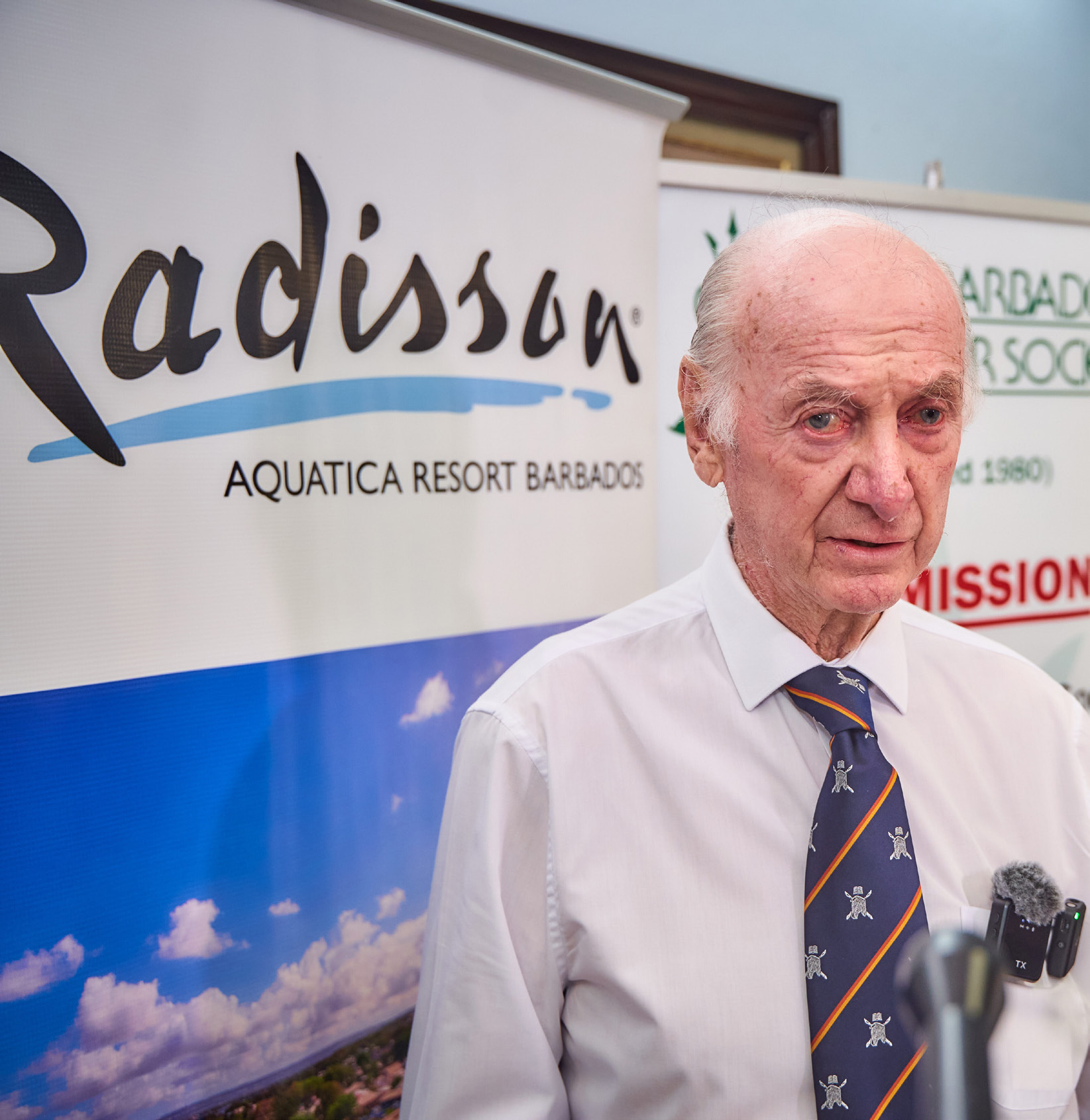
    Barbados has entered a new era of cancer treatment with the installation of a state-of-the-art linear accelerator at Queen Elizabeth Hospital, though health advocates caution that technological progress alone cannot overcome systemic screening deficiencies. Professor David Rosin, President of the Barbados Cancer Society, characterized the $10 million radiotherapy equipment as a transformative advancement that finally brings the nation’s radiation therapy capabilities to international standards.

    The newly implemented linear accelerator represents a significant technological leap from previous cobalt radiation methods, utilizing high-energy radiation to precisely target malignant cells while minimizing collateral damage to healthy tissue. This precision technology requires specialized operational expertise, prompting the hospital to bring in international experts to train local radiologists in its sophisticated operation.

    Professor Rosin emphasized the paradoxical challenge facing Barbados’ healthcare system: “While this equipment represents a monumental improvement in treatment capabilities, its impact will remain limited without addressing critical screening shortcomings, particularly among male patients.” He expressed particular frustration with low screening participation rates, noting that early detection remains the most crucial factor in successful cancer outcomes.

    Statistical evidence indicates approximately 70% of cancers become curable when identified at initial stages, potentially avoiding aggressive interventions like surgery, chemotherapy, or radiotherapy. Genetic factors contribute significantly to cancer risk, with about 20% of cases attributable to hereditary predisposition—making family history an important screening consideration.

    Barbados’ cancer epidemiology reveals prostate cancer as the most prevalent malignancy, despite men constituting only half the population. Colorectal cancer ranks second, followed closely by breast cancer. All three demonstrate high treatability rates with early detection.

    The Cancer Society continues supporting healthcare advancements through fundraising initiatives, recently concluding a raffle that awarded $25,000 to first prize winner Rebekuh Wood. Additional prizes included luxury hotel stays for runners-up Andrew King and Christina Johnson, reflecting ongoing community support for cancer care modernization.

  • Convict’s application for leave to appeal adjourned until March

    Convict’s application for leave to appeal adjourned until March

    In a significant development within Barbados’ judicial system, the Court of Appeal has postponed convicted murderer Haniyfa Reza White’s leave to appeal application until March 2026, granting her legal team additional time to rectify procedural deficiencies in their submission.

    While White received her criminal sentence in a nearby courtroom, appellate proceedings encountered a temporary halt as Chief Justice The Most Honourable Leslie Haynes identified multiple substantive issues requiring resolution. The court demonstrated judicial flexibility by allowing White’s attorney, Lalu Hanuman, to reorganize the application framework and ensure proper documentation of all case filings.

    White seeks to challenge the Caribbean Court of Justice’s endorsement of the Court of Appeal’s May 13th ruling, which previously dismissed her attempt to stay criminal proceedings in the No. 5 Supreme Court. The defendant, represented by Hanuman, has pursued multiple legal avenues including constitutional motions arguing that extensive trial delays—dating back to the 2007 murder of Julene Bryan—have compromised her right to a fair hearing.

    Principal State Counsel Jared Richards represented the prosecution during these proceedings. The court has established a revised timeline requiring White’s legal team to file written submissions by February 13, 2026, with the state’s response due by February 27th. The case will reconvene on March 19, 2026.

    This development follows earlier judicial disagreements regarding trial continuity. Justice Corlita Babb-Schaefer previously recommended case dismissal due to constitutional violations, while Justice Pamela Beckles elected to proceed with trial proceedings—a decision upheld by the appellate court comprising Chief Justice Haynes and Justices Francis Belle and Jacqueline Cornelius-Thorne.

  • BWU head stresses job security, fair treatment in public service

    BWU head stresses job security, fair treatment in public service

    During a parliamentary session on Tuesday, Barbados government backbencher Toni Moore delivered a critical assessment of the nation’s public service compensation system, acknowledging governmental progress while highlighting persistent administrative failures affecting contracted workers. The St George North MP, who also serves as general secretary of the Barbados Workers Union, characterized these issues as creating widespread discontent within the public sector.

    Moore recognized the current administration’s advancements compared to what she described as “nine years of zero movement” under previous leadership. However, she emphasized that fundamental problems continue to plague the system, particularly regarding delayed payments for acting positions, temporary appointments, and other entitled compensations.

    The parliamentarian illustrated the systemic nature of these failures by recounting specific instances where contractual employees experienced payment disruptions due to inter-ministerial oversights. “These are situations that are not acceptable,” Moore stated, “and they are situations in which the people who are responsible should be held accountable.”

    Moore joined opposition leader Ralph Thorne in criticizing the excessive reliance on contractual arrangements for positions that clearly require permanent staffing. She referenced approximately 720 workers who have remained on service contracts for over five years despite performing essential ongoing functions. This practice, initially justified during Barbados’ IMF program, now requires urgent reconsideration according to the MP.

    The legislator detailed how this contractual instability creates cascading consequences, denying workers job security, access to credit facilities, and proper national insurance coverage. She particularly emphasized how financial institutions hesitate to extend loans to workers without guaranteed income streams, creating additional financial hardships during periods like Christmas.

    Moore further warned that these practices undermine the sustainability of Barbados’ National Insurance system, potentially jeopardizing retirement security for thousands of workers. She questioned how the system could remain viable while excluding contractual workers from proper coverage.

    The MP concluded by expressing hope for prompt resolution of these issues, emphasizing that the current situation fails both workers and the national interest.

  • Jordan: Bill secures long-serving public officers’ rights

    Jordan: Bill secures long-serving public officers’ rights

    In a significant move to strengthen worker protections, Barbados’ government has enacted legislation guaranteeing permanent appointments for public service employees who have served in acting positions for three years or more. The landmark bill, which requires constitutional majority approval, received House of Assembly endorsement on Tuesday.

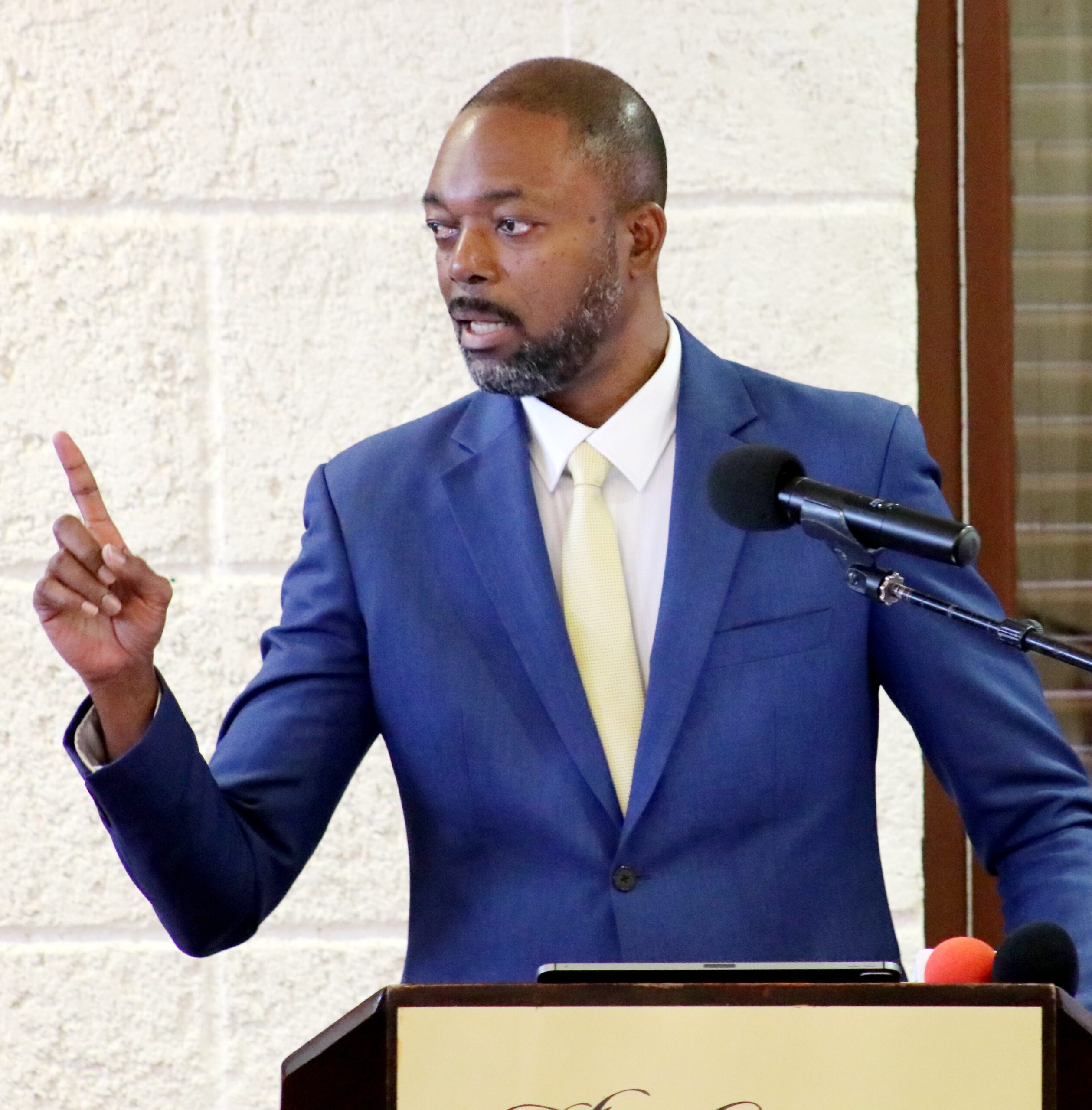
    Labour Minister Colin Jordan championed the initiative as demonstrating the administration’s profound respect for public servants and commitment to workforce dignity. “This legislation exemplifies a government that not only respects the exemplary work of public officers but actively enacts measures to ensure their job security,” Jordan stated during parliamentary proceedings.

    The Minister elaborated on eligibility criteria, specifying that employees who have maintained acting roles for three consecutive years will be automatically granted permanent status effective January 1, 2026, unless their position is project-based with defined start and end dates. “If you have been acting for three years, it signifies your essential role within the organization,” Jordan explained.

    Concurrently, the government has ratified multiple International Labour Organisation conventions previously agreed upon but never implemented. These include Occupational Safety and Health Conventions 155 and 187, the Nursing Personnel Convention (No. 149), Domestic Workers Convention (No. 189), and the Violence and Harassment Convention (No. 190).

    Minister Jordan emphasized the administration’s worker-centric philosophy: “We are committed to recognizing workers’ humanity, ensuring dignity in employment, and advancing the concept of decent work through concrete legislative action.”

    The legislation incorporates an appeals mechanism whereby public officers who perceive unfair treatment may petition the President for review. Jordan highlighted this provision as evidence of the government’s commitment to fairness and justice, noting that previous appeal processes have yielded successful outcomes for many workers.

    While acknowledging the bill isn’t a universal solution, Jordan characterized it as a substantial step toward enhancing job security and institutional stability within Barbados’ public sector.