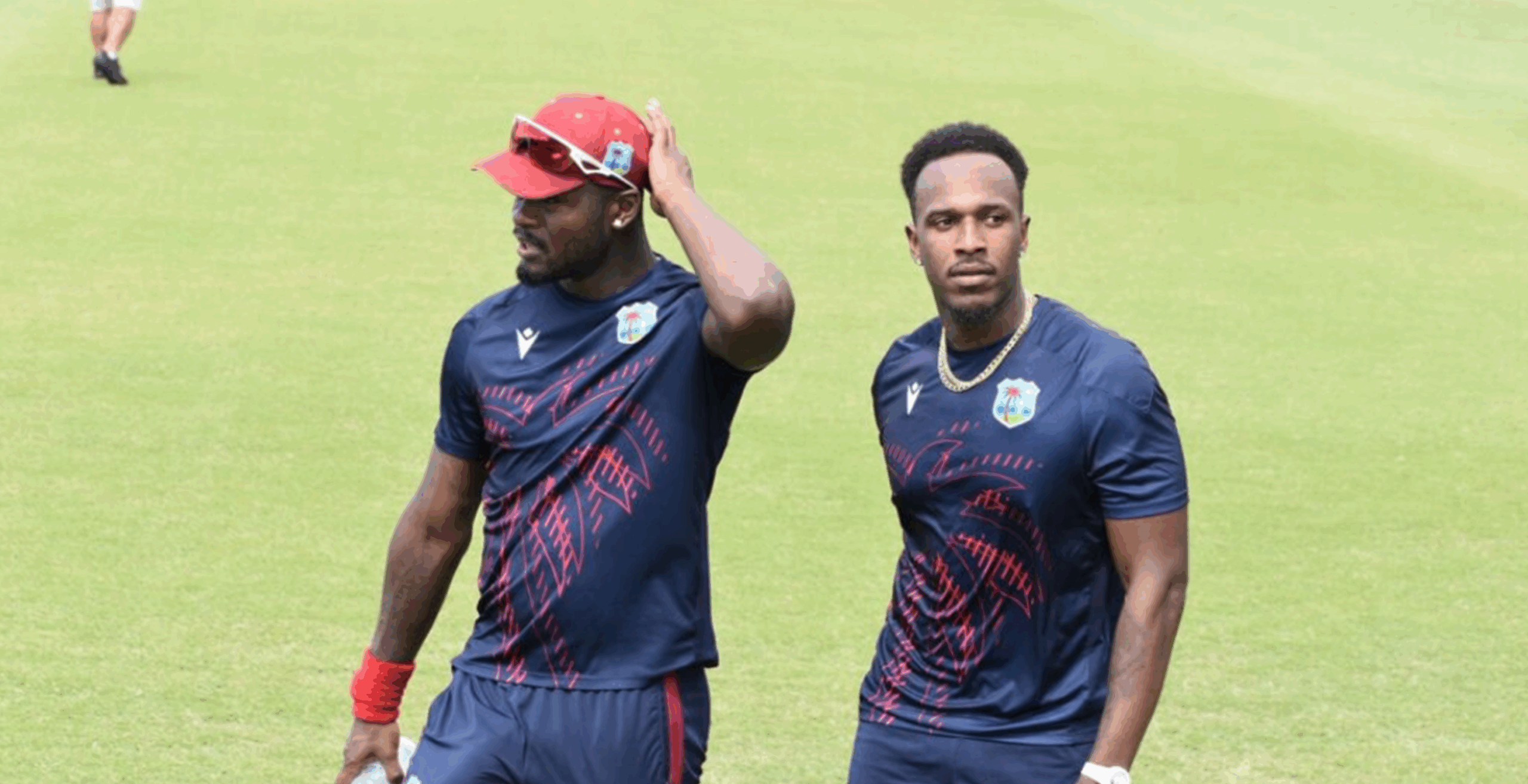
Fresh off a commanding 3-0 T20I series victory against Bangladesh, West Indies’ white-ball captain Shai Hope has expressed his team’s heightened confidence as they prepare to face New Zealand in a five-match T20I series. The first match is scheduled for Wednesday, marking a crucial test for the Windies, who are ranked significantly lower than their fourth-ranked opponents. This recent triumph over Bangladesh was only their second bilateral T20I series win in nine attempts, providing a much-needed morale boost after consecutive losses to Nepal, Pakistan, and Australia. Historically, the West Indies have struggled against New Zealand in T20Is, not having won a series against them since 2012 and losing their last three encounters. However, Hope remains optimistic, emphasizing the importance of building on their recent success. Speaking at a pre-match press conference, Hope highlighted the team’s adaptability and determination to excel in New Zealand’s challenging conditions. He acknowledged the stark contrast between the subcontinental pitches they faced in Bangladesh and the expected conditions in New Zealand, stressing the need for quick adaptation. Hope also underscored the significance of consistency and the ambition to defeat top teams in their home territories as part of their preparation for the upcoming World Cup. The series against New Zealand presents an opportunity for the West Indies to prove their mettle and continue their upward trajectory in international cricket.
标签: Barbados
巴巴多斯
-
Barbados Netball Association president to demit office next month
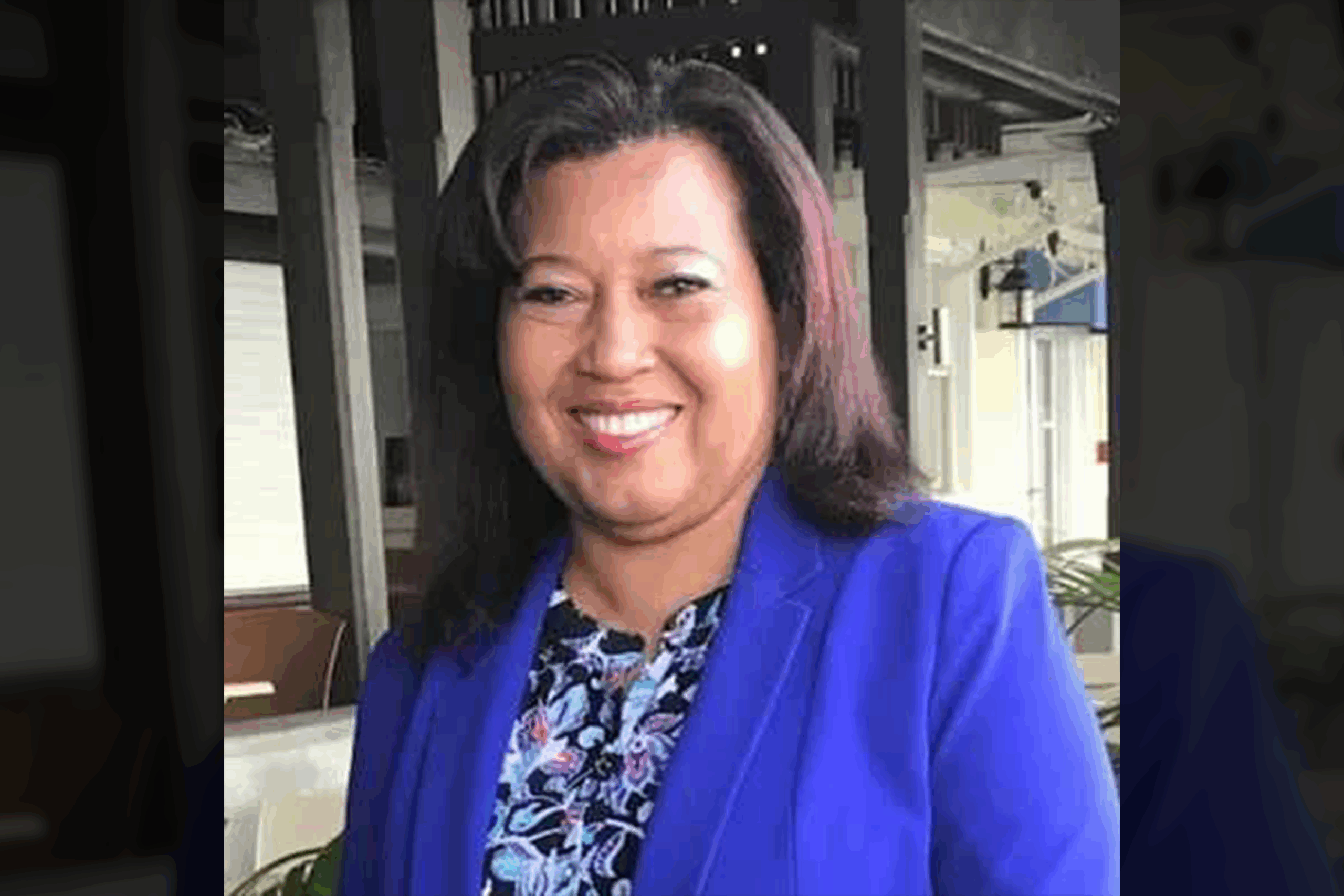
Dr. Carmeta Doughlin, the esteemed president of the Barbados Netball Association (BNA), has announced her decision to step down from her leadership role. After three years of dedicated service, Dr. Doughlin revealed her resignation in a heartfelt letter to BNA members, confirming that she will officially vacate her position on December 10 during the Association’s annual general meeting at the Wildey Gymnasium.
-

Pharmacist warns of chronic illness drug access challenges
A prominent figure in the pharmaceutical sector has raised concerns about the ongoing difficulties in delivering essential medications to patients suffering from chronic non-communicable diseases (NCDs). Marlon Ward Rogers, President of the Barbados Pharmaceutical Society, highlighted the dual challenges of supply chain disruptions and escalating drug prices during a recent interview with Barbados TODAY. NCDs, which include conditions such as diabetes and hypertension, are responsible for 80% of deaths in the region, underscoring the urgency of addressing these issues. Ward Rogers emphasized the critical need for public awareness and patient education to ensure adherence to medication regimens and regular health check-ups. Despite these challenges, he assured that there is currently no shortage of drug supplies, though patients may face higher costs for certain medications. He attributed the intermittent shortages to global supply chain issues exacerbated by the COVID-19 pandemic and geopolitical tensions, such as the war in Ukraine. Ward Rogers also noted that while brand-name medications might occasionally be unavailable, generic alternatives often remain accessible. As he begins his new term leading the society, his focus will remain on advancing the pharmacy profession and ensuring patients receive optimal care, including through enhanced continuing education initiatives.
-
Benches champion breastfeeding in public spaces
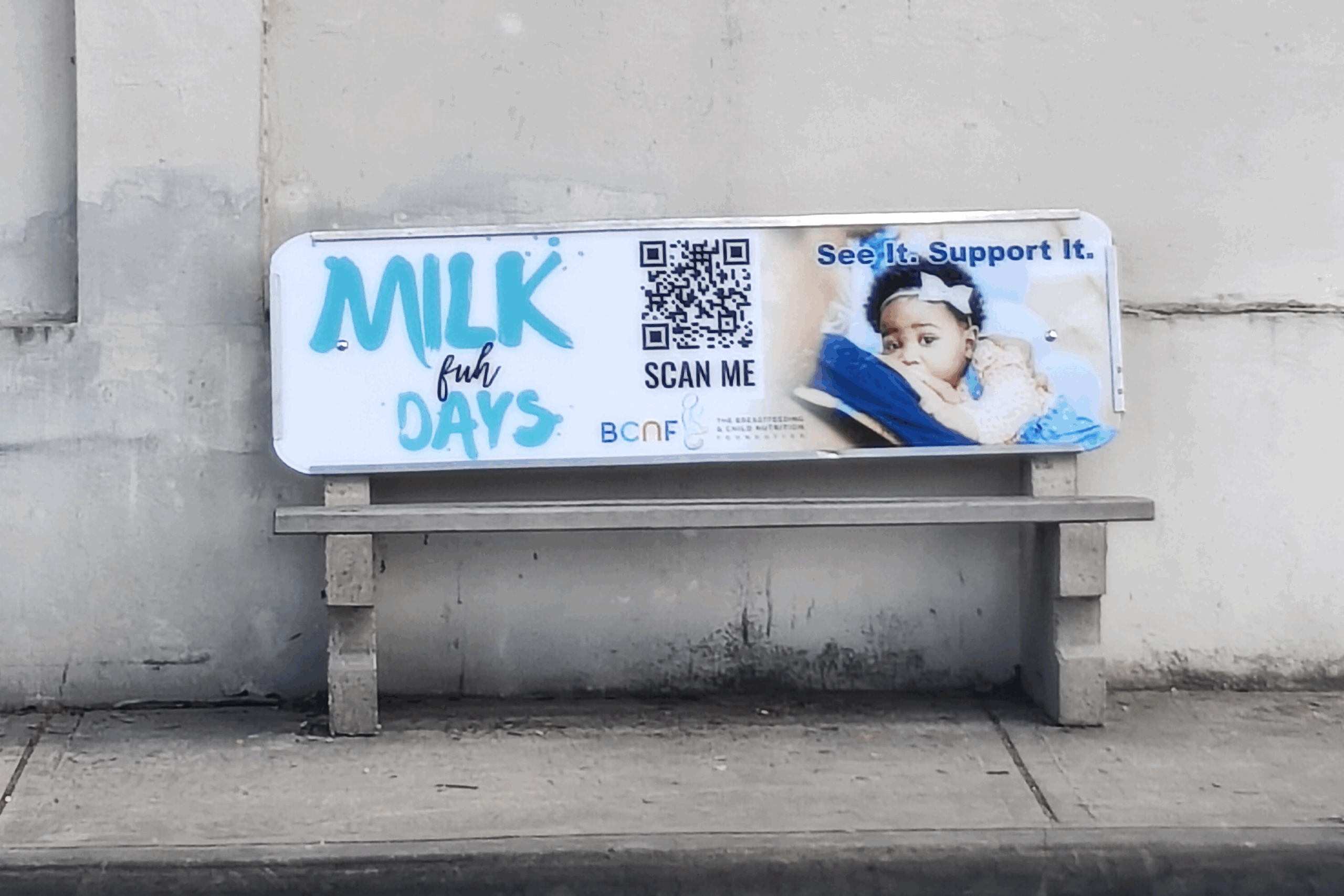
Barbados has taken a significant step toward fostering a more inclusive and supportive environment for breastfeeding mothers with the launch of a pioneering initiative last weekend. The Breastfeeding and Child Nutrition Foundation (BCNF), in collaboration with Antilles Outdoor, introduced the country’s first series of public markers designed to promote breastfeeding awareness. Four vividly branded benches, each bearing the empowering message “See It. Support It,” have been installed at key locations including Belleville, Sunset Crest, Queen Elizabeth Hospital, and Randall Phillips Polyclinic. These benches aim to normalize and celebrate public breastfeeding while emphasizing the importance of providing mothers with comfort, respect, and encouragement. Dr. Alison Bernard, executive director of BCNF, emphasized the initiative’s core message: “Every mother should feel confident and supported to feed her child wherever she needs to. These benches send a simple message: No judgment, no side eye; just see it and support it. When we support breastfeeding, we support families and strengthen our nation.” The project, part of the foundation’s #TakeASeatForBreastfeeding campaign, integrates community education with social media outreach and broader partnerships to create healthier environments for women and children. The public is encouraged to visit the benches, take photos, and share messages of support using hashtags like #NoSideEyeSupport and #FirstSeatForLife. Adam Gibbs, innovation director at Antilles Outdoor, highlighted the initiative’s broader significance: “Public spaces tell stories about who we are. By dedicating these benches to breastfeeding awareness, we’re helping make acceptance and inclusion a visible part of everyday life in Barbados.” The campaign aligns with the United Nations Sustainable Development Goals, particularly SDG 2: Zero Hunger and SDG 3: Good Health and Well-Being, underscoring Barbados’ commitment to improving maternal and child health outcomes through community action and education.
-
Minister: Fund Access, Trust Loans reforms coming
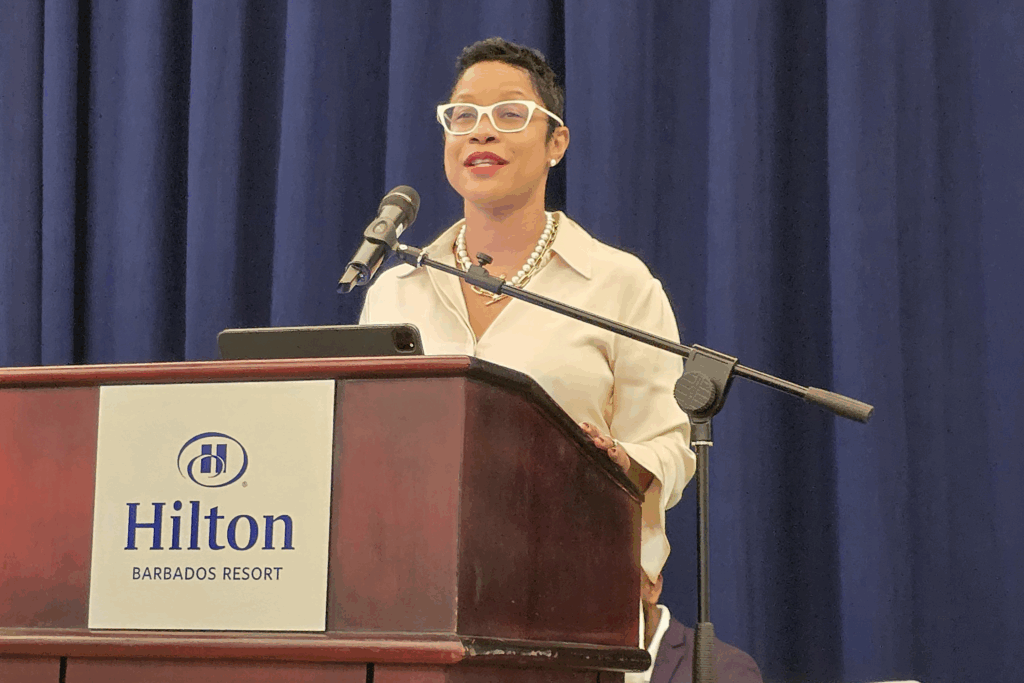
In a bold move to revitalize the financial landscape for micro, small, and medium-sized enterprises (MSMEs), the Barbadian government has unveiled plans for a comprehensive restructuring of Fund Access and Trust Loans by 2026. Business Minister Senator Lisa Cummins announced the initiative during her keynote address at the Innovation Growth Market (IGM) 200 Conference, held at the Hilton Barbados Resort. The reform aims to address the limitations of the current debt-financing model, which Senator Cummins described as ‘outdated’ and ill-suited for modern enterprises.
-
St Lucy residents finally secure title to family lands after decades of waiting
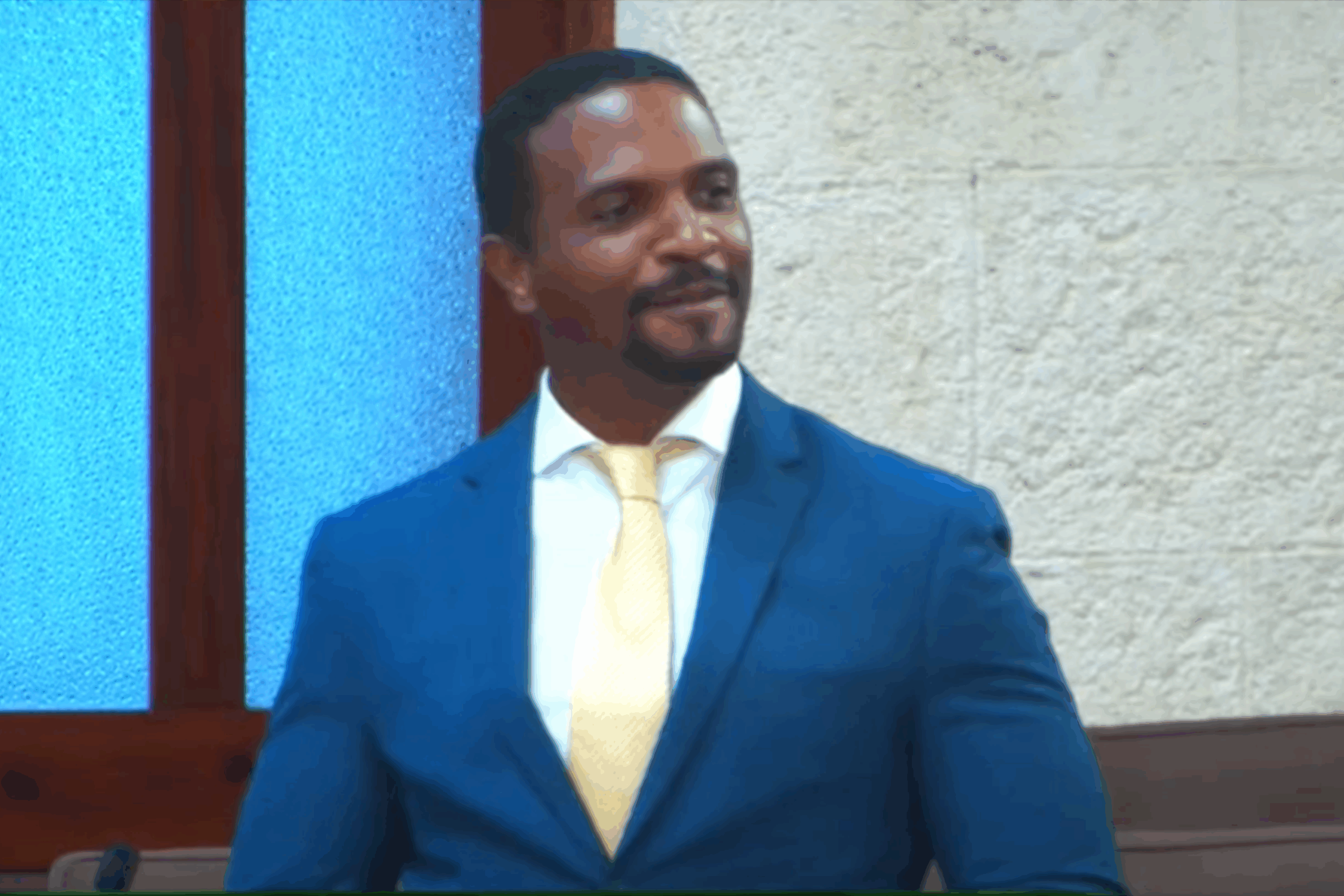
After nearly 40 years of uncertainty, residents of River Bay, St. Lucy, including seven elderly pensioners, will finally receive legal title to the land they have called home for generations. This historic change comes as part of a new government resolution introduced in Parliament on Tuesday, aimed at transferring ownership to eligible tenants. The resolution, spearheaded by Housing Minister Christopher Gibbs, marks his first legislative initiative since assuming the housing portfolio in September. It involves the transfer of over three acres of state-owned land to the National Housing Corporation for sale and distribution under the Tenantries Freehold Purchase Act. Minister Gibbs emphasized that this resolution, enacted under Section 5 of the Crown Lands Vesting and Disposal Act, is a key component of the government’s broader mission to empower Barbadians who have lived on tenantries without legal ownership. “Land ownership is transformative,” Gibbs stated. “It provides dignity, social justice, and the opportunity to build wealth and stability for families.” The 21 River Bay lots were professionally surveyed in 2021, with ten already occupied and approved for sale. Seven elderly pensioners will receive their lots free of cost, while the remaining three occupants will purchase at the statutory price of $2.50 per square foot. The remaining 11 lots will be subdivided for future housing development. Gibbs described the resolution as a tangible step toward fulfilling the government’s social contract, emphasizing its significance beyond legal formalities. “This is about correcting historical inequities and delivering justice to those who have contributed to their communities for decades,” he said. MP for St. Lucy, Peter Phillips, expressed deep gratitude to Gibbs and former Housing Minister Dwight Sutherland for their efforts. “This resolution ensures that the people of River Bay finally have a piece of the rock,” Phillips remarked. The initiative is part of a long-standing policy of economic enfranchisement through land ownership, first introduced under the 1980 Tenantries Freehold Purchase Act. Gibbs also highlighted ongoing efforts to regularize land tenure across Barbados, including recent conveyances in Bath, St. John, and Six Men’s, St. Peter. Additionally, plans are underway to empower small business owners through land ownership, such as at the Parkinson Business Centre, where tenants will soon receive titles to secure their businesses.
-
MP criticises BWA remarks on northern water
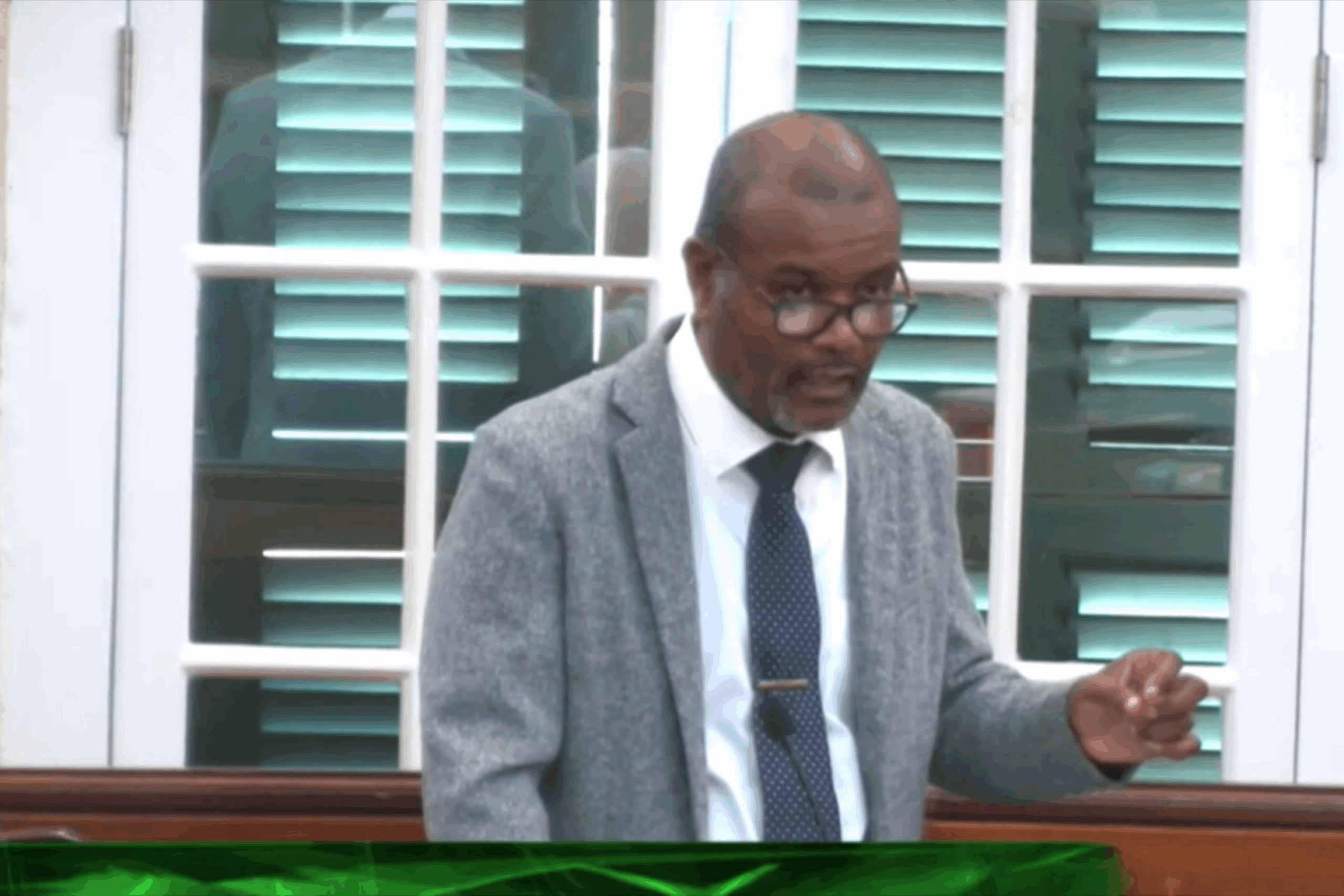
Peter Phillips, Member of Parliament for St Lucy, has called for a public apology from the Barbados Water Authority (BWA) following controversial remarks by a senior official. The official had asserted that the discoloured, brown water affecting northern residents was safe to drink, a statement Phillips described as ‘careless and insensitive.’
During a House of Assembly debate on legislation granting land ownership to River Bay residents, Phillips criticized the comments as ‘unfortunate’ and ‘disrespectful.’ He emphasized that St Lucy residents have endured unreliable and discoloured water supplies for years, making the official’s remarks particularly offensive.
Phillips urged the official to retract the statement and apologize to the people of St Lucy. ‘I ain’t going to drink brown water. None of us in here would do it,’ he declared. ‘Withdraw that statement and apologise to the people of St Lucy for that comment.’
The controversy stems from a recent press conference where Acting CEO of the BWA, Christopher Mapp, claimed the discoloured water in St Lucy and St Peter was potable. ‘All indications show that the water is safe for consumption,’ Mapp stated. ‘Would I feel comfortable drinking it? Yes.’ However, he acknowledged that others might not share his comfort level.
The BWA has faced significant public criticism over persistent complaints of brown water in northern parishes. Mapp revealed that the authority has invested nearly $20 million in mains replacement, including $7 million since April, with the project expected to conclude by early 2026. Water quality technologist Jatobi Greaves confirmed that tests showed the water met health and safety standards, attributing the discolouration to sediment that does not compromise safety.
Phillips acknowledged the BWA’s efforts to improve water supply but stressed that the official’s comments had caused unnecessary distress. ‘That same officer is working hard as head of the mains replacement team to better the situation in St Lucy,’ he said. ‘It is just a mistake, and I would ask him simply to come, apologise, and let us move forward.’
Phillips highlighted the importance of reliable access to clean water, especially as the government moves to grant land ownership to residents. ‘In order for the people to enjoy life and truly be happy, there are a number of amenities that must be in place,’ he said. ‘One of those amenities is clean, running, proper water.’
He also addressed other pressing issues in St Lucy, including road repairs, coastal damage from Hurricane Beryl, and the condition of Crab Hill roads. Phillips assured residents that he is collaborating with government ministries to resolve these challenges. ‘My voice will not be silent if there are issues that affect the people of St Lucy and the issues go unaddressed,’ he vowed.
-
Straughn to private sector: Seize opportunities with CAF membership
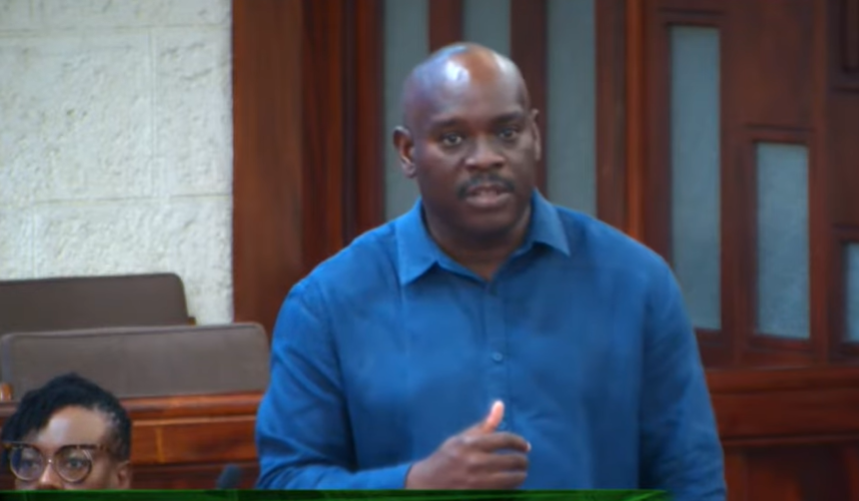
Barbadians are being encouraged to capitalize on investment opportunities across the Caribbean and Latin America as Barbados prepares to become a full member of the Development Bank of Latin America and the Caribbean (CAF). Finance and Economic Affairs Minister Ryan Straughn emphasized this vision during the introduction of the Development Bank of Latin America and the Caribbean Bill in Parliament on Tuesday. The bill, which seeks to elevate Barbados’ membership status, will unlock access to up to US$18 billion in concessional financing for the government, local businesses, and individuals. Straughn highlighted that this financial access will empower Barbadians to acquire businesses regionally and beyond, fostering economic growth and integration. He urged a shift in mindset from concerns about foreign ownership to proactive regional investment by Barbadian enterprises. Straughn also called on local credit unions to innovate and support this vision, enabling Bajan companies to expand their reach. As the smallest member of CAF, Barbados will join a prestigious group of regional economies, marking a significant milestone in its financial and economic integration with Latin America and the Caribbean.
-
Barbados to join Latin American development bank as smallest full member
Barbados is poised to become the smallest full member of the Development Bank of Latin America and the Caribbean (CAF), a move that will grant the island nation access to $18 billion in loan financing. This funding will benefit not only the government but also the private sector and individuals. Finance and Economic Affairs Minister Ryan Straughn introduced legislation on Tuesday to ratify Barbados’ membership, marking its transition from Series C to Series A status. This upgrade will enhance the country’s influence in the bank’s operations and expand its eligibility for funding opportunities. CAF, headquartered in Caracas, Venezuela, is a regional development bank owned by its member countries and financial institutions. It focuses on promoting sustainable development, regional integration, and social inclusion across Latin America and the Caribbean. To achieve Series A membership, Barbados will pay over $1 million in membership dues, necessitating the repeal of existing legislation and its replacement with the new bill. Minister Straughn emphasized the strategic importance of this move, particularly as the World Bank shifts its stance on climate-related development projects under the influence of the U.S. administration. He highlighted that CAF offers greater insulation and flexibility for Barbados to secure concessional loans, especially for middle-income countries like Barbados and The Bahamas, which face unique vulnerabilities. Unlike other institutions where non-borrowing members dominate lending policies, CAF is governed primarily by its borrowing members, ensuring decisions align with their collective interests. Straughn likened CAF to a credit union for Latin America and the Caribbean, where member contributions translate into ownership and influence. He also stressed the importance of maintaining access to concessional financing during crises beyond the country’s control. CAF provides concessional loans, grants, and technical assistance for projects in infrastructure, energy, water, transport, and climate resilience, often linking financing to transformative development outcomes for the region.
-
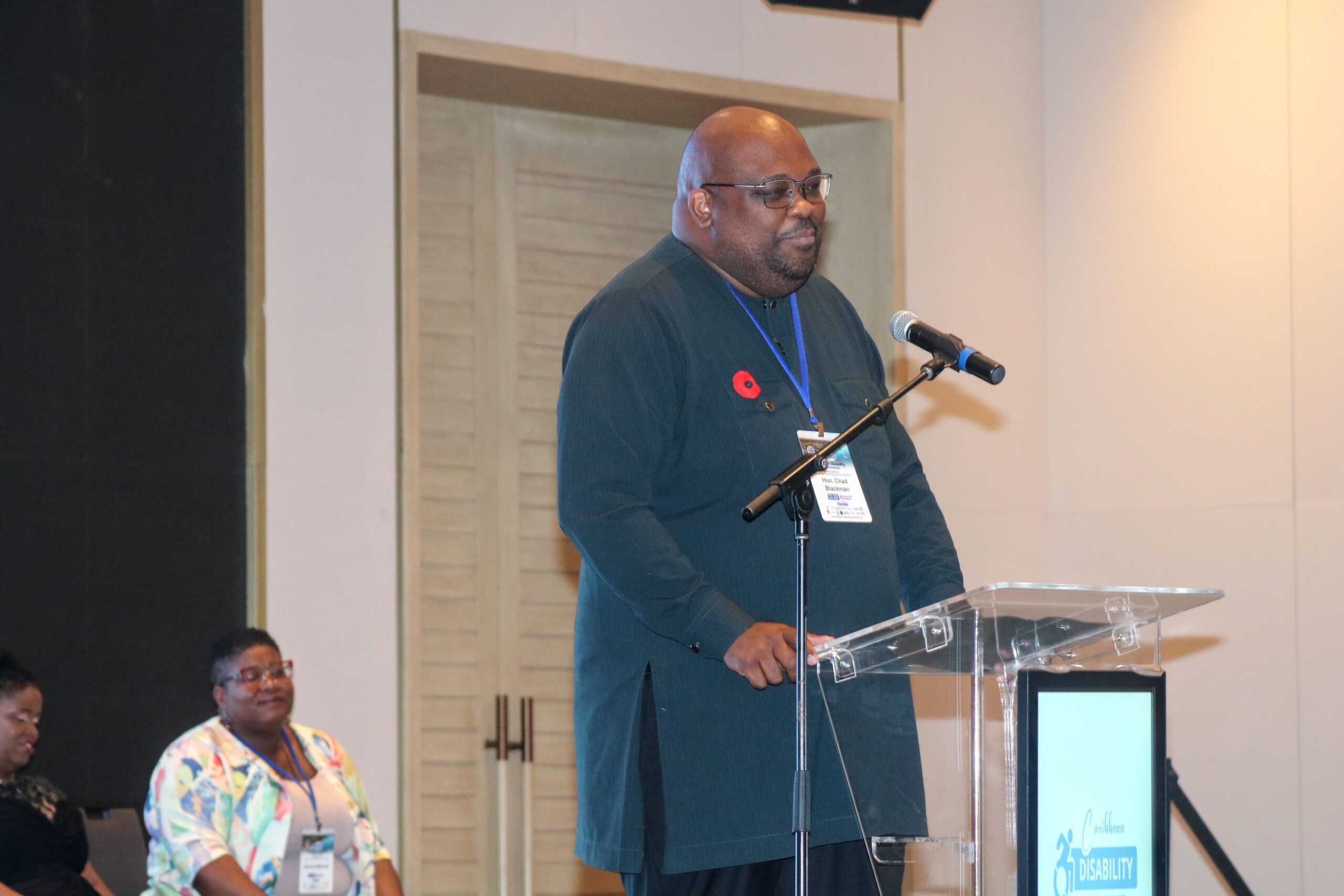
We agree, reading must become our true superpower
Barbados, a nation celebrated for its impressive 99.6% literacy rate, is taking bold steps to address underlying gaps in comprehension and critical thinking. Minister of Educational Transformation Chad Blackman has emphasized that literacy must be more than a statistic—it should be the cornerstone of national development. In a world increasingly driven by data, innovation, and creativity, Blackman’s assertion that “reading has to be our country’s superpower” underscores the importance of intellectual capital over material resources. However, despite the high literacy rate, challenges persist. Misinformation spreads rapidly, and public discourse often lacks reasoned debate, revealing deficiencies in how information is processed and understood. Recognizing these issues, the government has launched Project SOAR (Strengthen Our Ability to Read), a comprehensive literacy initiative targeting both children and adults. The program aims to foster a love for reading, enhance critical thinking, and empower individuals to participate meaningfully in societal and national discussions. Blackman highlights the critical role of parental involvement, acknowledging that economic pressures and the dominance of digital distractions pose significant challenges. The initiative also addresses adult literacy, offering community-based and online resources to ensure inclusivity. For Project SOAR to succeed, it will require sustained funding, teacher training, public-private partnerships, and a cultural shift that prioritizes reading as essential to national identity. Barbados, already a leader in education, now has the opportunity to redefine literacy for the digital age and set a global example.