标签: Bahamas

巴哈马

  • Hayward: I’m not a paper Bahamian

    Hayward: I’m not a paper Bahamian

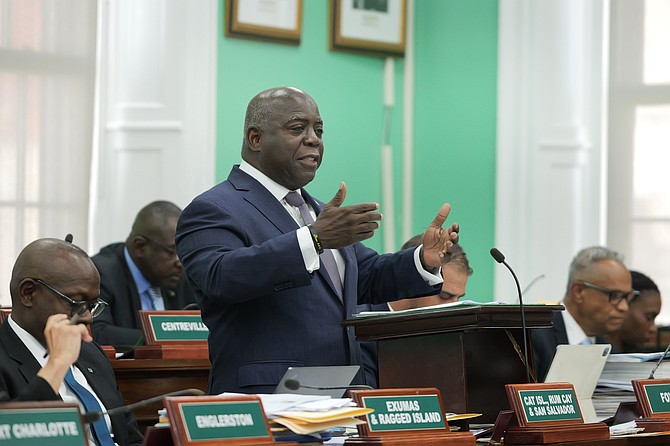
    A longstanding administrative dispute between the Bahamian government and the Grand Bahama Port Authority (GBPA) has evolved into a deeply personal exchange regarding national identity and corporate governance. The conflict reached new intensity when GBPA Co-Chairman Rupert Hayward published an open letter to Prime Minister Philip Davis defending his family’s Bahamian heritage after feeling mischaracterized in parliamentary comments.

    Prime Minister Davis had previously characterized a recent arbitration ruling as a turning point in government-port relations, criticizing what he described as excessive private control over Freeport’s governance. His statement that “Freeport is not the private estate of any family” and that he “cannot live with an arrangement in which two families decide the fate of tens of thousands of Bahamians” prompted Hayward’s emotional response.

    In his detailed rebuttal, Hayward presented documentary evidence of his multigenerational Bahamian roots, including his father’s pre-independence birth certificate and his own hospital birth records from Princess Margaret Hospital. He described how his daughter became distraught upon hearing the characterization of their family, emphasizing that his commitment to The Bahamas spans generations despite approaching elections potentially encouraging populist rhetoric.

    While acknowledging natural disagreements in a democracy, Hayward stressed the shared objective of both entities: advancing the welfare of the Bahamian people. He advocated for essential cooperation between the government and GBPA, noting that both institutions would continue to coexist and must collaborate for Freeport’s development.

    Prime Minister Davis responded by clarifying that nationality was never his central concern, but rather the Port Authority’s asserted position in Freeport’s governance structure. He detailed how the GBPA had allegedly claimed extraordinary authority exceeding elected government powers in areas including licensing, immigration, customs, and environmental regulation while resisting financial obligations to the public purse.

    The arbitration proceedings, which rejected the government’s $357 million claim for 2018-2022 administrative costs, nonetheless established the Port’s ongoing payment obligations until 2054 and affirmed government authority in core areas where the Port had sought special protections. Davis framed the outcome as affirming Bahamian sovereignty over Freeport while acknowledging the historical context of the Hawksbill Creek Agreement that granted the Port unusual authority during Freeport’s development under industrialist Sir Jack Hayward, Rupert’s father.

    The exchange highlights fundamental tensions between historic private development agreements and modern democratic governance in The Bahamas, with both parties asserting their commitment to Bahamian interests while disagreeing profoundly on how those interests are best served.


  • ‘He was a blessing’: Mom grieves over five-year-old drowned son

    ‘He was a blessing’: Mom grieves over five-year-old drowned son

    In the quiet aftermath of unimaginable tragedy, Laurel Dean confronts a reality forever altered by the loss of her five-year-old son, Maximus Rolle, whose life ended tragically in coastal waters near Murphy Town, Abaco, nearly two months ago. The autistic child, described by family as mischievously bubbly with a cheeky sense of humor, was discovered in seawater on January 12 after being reported missing earlier that afternoon. Despite resuscitation efforts by officers and a concerned citizen, he was pronounced deceased at the local clinic.

    Dean now navigates a landscape of grief that surfaces unpredictably—some days manageable, others overwhelmingly not. Her final interaction with Maximus remains etched in memory: a morning video call showing the boy lying in bed, followed hours later by the devastating news that defines every parent’s nightmare. She had quietly departed for work after instructing her sixteen-year-old daughter to monitor Maximus, who frequently attempted to follow her outdoors.

    Known affectionately as ‘Baby Hulk’ for his remarkable strength, Maximus communicated primarily through actions rather than words, displaying particular affection for building blocks and demonstrating tender warmth alongside his playful defiance. ‘The five years with him was fully a blessing,’ Dean reflects. ‘It taught me patience—something I don’t really have—and with him, it kind of calmed me down.’

    The family preserves his belongings exactly as he left them, with Dean occasionally laying out his school clothes as if preparing him for another day. Both parents sometimes instinctively reach for his presence, momentarily forgetting their loss. Dean emphasizes daily conversations with her two daughters, encouraging them toward resilience without self-blame while acknowledging the profound spiritual impact of Maximus’s passing. ‘It made me want to go to heaven to see him,’ she confesses.

    Though summer travel plans to the Turks and Caicos Islands now remain suspended, Dean offers a poignant message to other grieving parents: ‘This life is not ours. This is borrowed time.’ She strives to live in manner that might reunite her with her son, acknowledging the difficult road ahead while embracing community support and prayers that have provided unexpected comfort.

  • Trump teases Cuba ‘deal’ as Iran takes priority

    Trump teases Cuba ‘deal’ as Iran takes priority

    During a White House ceremony honoring Major League Soccer champions Inter Miami on Thursday, President Donald Trump indicated that a potential agreement with Cuba could be forthcoming, though his administration remains focused on Iranian matters for the immediate future. Addressing team co-owner Jorge Mas, whose family originates from Cuba, Trump cryptically remarked, “You’re gonna go back” and characterized this prospect as “a great day.” The President suggested separate celebrations would occur within weeks, speculating that a significant development regarding Cuba was imminent.

    Trump asserted that Cuban authorities are exceptionally eager to negotiate, though he provided no substantive details about the nature of these discussions. He referenced Secretary of State Marco Rubio’s cautious approach, noting the administration’s preference to conclude Iran-related matters before engaging comprehensively with Cuba. Trump elaborated that while simultaneous negotiations were theoretically possible, proceeding too rapidly with multiple international agreements risked undesirable consequences.

    These ambiguous comments followed the President’s recent allusion to a potential “friendly takeover” of Cuba, which similarly lacked elaboration. The statements coincided with a severe energy crisis affecting the island nation, where extensive power outages persisted following a major blackout that incapacitated western regions on Wednesday.

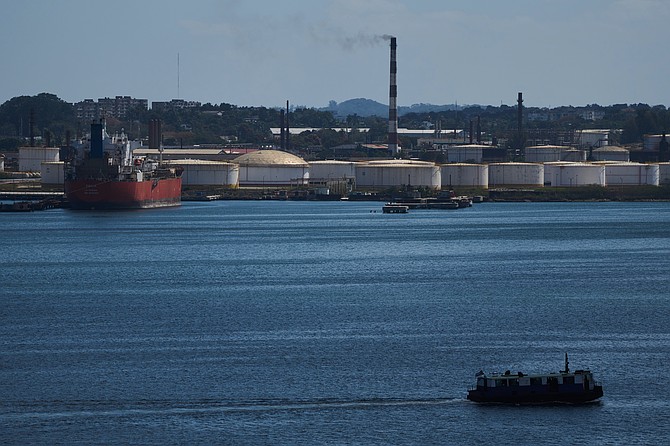
    Cuba’s electrical infrastructure has chronically suffered from aging systems and unreliable fuel supplies, with conditions deteriorating markedly in recent months. This deterioration accelerated after the United States sanctioned Venezuela in January, halting crucial oil shipments to Cuba. The Trump administration subsequently threatened tariffs against any nation providing petroleum products to Cuba, exacerbating the island’s energy predicament.

  • Over 600 Albany employees to share in $2m golf course lot sale

    Over 600 Albany employees to share in $2m golf course lot sale

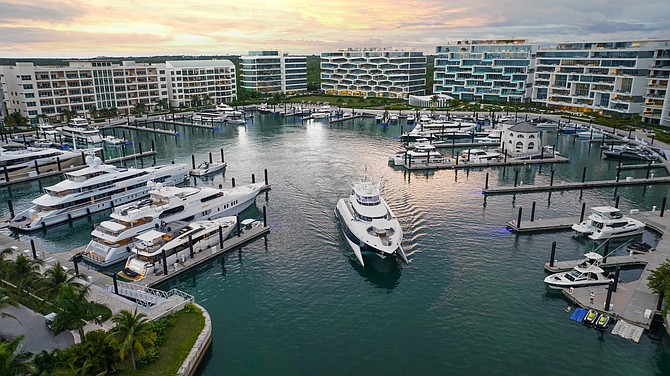
    Albany, the luxury resort community on New Providence, has announced an extraordinary employee reward initiative following the successful sale of a golf course lot. More than 600 staff members will collectively receive a $2 million distribution from the property transaction.

    The resort revealed that 254 employees who have maintained continuous service since 2021 will receive approximately $4,500 each, while the total distribution will benefit 636 team members across the organization. This substantial financial recognition stems from Albany’s commitment to sharing success with those who contribute to it.

    Managing Partner Christopher Anand made the announcement during the Employee Appreciation Event in January 2026, detailing how proceeds from ‘The Albany Lot’ sale would be allocated directly to staff. The distribution represents part of Albany’s broader strategic approach to employee investment, which includes implementing a comprehensive pension program for all workers.

    ‘Albany recognized that people remain committed when they were invested in the outcome,’ the resort stated, explaining the philosophy behind this substantial financial gesture. Company leadership emphasized that supporting team members has always been a organizational priority, viewing success as a collective achievement rather than an individual accomplishment.

    The luxury resort, known for its high-end residential properties and private golf course within a master-planned development, markets exclusive real estate while maintaining a strong focus on staff welfare. This latest initiative demonstrates Albany’s innovative approach to employee retention and appreciation through direct financial participation in the resort’s assets and achievements.

  • Jet ski operators banned from riding with guests

    Jet ski operators banned from riding with guests

    The Bahamas has implemented a comprehensive set of stringent maritime regulations specifically targeting the water sports industry, with a primary focus on preventing sexual misconduct and enhancing overall safety protocols. A central provision of these new rules explicitly prohibits jet ski operators from riding with guests, a measure directly designed to eliminate opportunities for unwanted sexual advances or assault.

    This regulatory overhaul follows sustained international pressure, particularly from the United States, after multiple allegations of sexual assault involving watercraft operators emerged. Senior Commander Berne Wright, Acting Port Controller, emphasized the critical nature of the rider-passenger separation during a recent multi-agency workshop on crime prevention and victim response. “This measure closes the door to potential misconduct,” Wright stated. “Operators should never share a jet ski with guests under any circumstances.”

    The enhanced framework, which took effect July 1 of last year, introduces several significant changes: Operators must now hold a Class D license issued by the Port Department and undergo rigorous background checks that extend beyond basic police records to deeper vetting processes. License holders face immediate suspension if charged with criminal offenses, placed under electronic monitoring, or convicted of crimes.

    Additional safety measures include maintaining a 200-foot distance from shore except at designated access points, displaying visible identification numbers on all watercraft, and wearing company-issued uniforms with visible ID cards. The regulations also establish a code of conduct prohibiting operators from harassing tourists, using profanity, engaging in disorderly behavior, or carrying weapons.

    To address commercial disputes, the new system implements a rotational approach for customer assignments and prohibits aggressive solicitation. Enforcement is coordinated through a specialized Jet Ski Task Force that combines resources from multiple agencies including the Royal Bahamas Police Force, Royal Bahamas Defence Force, and US Embassy representatives.

    Police Commissioner Shanta Knowles revealed impressive enforcement statistics from Operation Tidal Wave, a targeted crackdown that has resulted in thousands of inspections, numerous arrests, and vessel confiscations. The workshop itself focused on strengthening interagency collaboration, with US Deputy Chief of Mission Kimberly Furnish acknowledging the importance of these measures while recognizing tragedies that have affected both tourist and Bahamian families.

  • Davis defends the doubling of government unpaid invoices

    Davis defends the doubling of government unpaid invoices

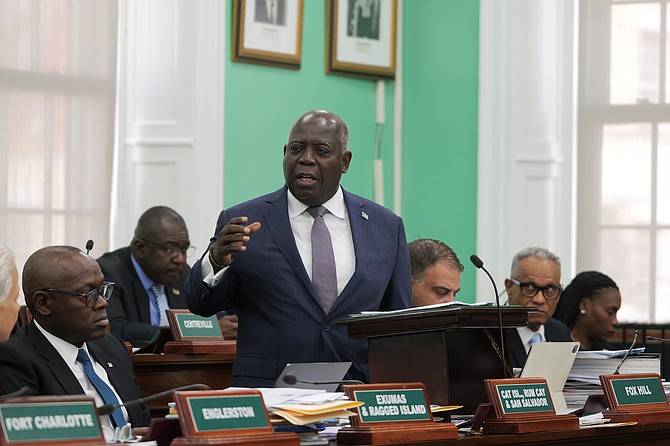
    Prime Minister Philip ‘Brave’ Davis has characterized the substantial increase in government arrears and unpaid invoices as evidence of vigorous project implementation rather than fiscal mismanagement. His comments came in response to parliamentary documents revealing that outstanding balances to suppliers and service providers nearly doubled from $122.4 million to $241.9 million between December 2024 and December 2025.

    According to the Prime Minister’s breakdown, $60.5 million represents carryover arrears from previous fiscal years, while $181.4 million constitutes current fiscal year invoices typically settled within a 90-day window. The Ministry of Works emerged as the largest debtor with $68.1 million in combined arrears and unpaid capital expenditure invoices, followed by the Water & Sewerage Corporation at $38.1 million and the Ministry of the Public Service at $24.3 million.

    Davis attributed the increased liabilities to accelerated infrastructure activities encompassing roadworks, drainage management, and building maintenance projects across airports, clinics, and educational facilities. He emphasized that the outstanding balances reflect seasonal cash flow pressures combined with support for essential services and active project execution.

    The administration is implementing enhanced fiscal controls including strengthened commitment mechanisms, improved cash forecasting, and structured arrears reduction strategies within a broader framework of fiscal consolidation. Davis noted that excluding obligations to public corporations would reduce the outstanding balance increase to approximately $29 million.

    Beyond immediate arrears, the government is confronting systemic fiscal vulnerabilities through director training programs for state-owned enterprises and a comprehensive guarantee policy framework. The Prime Minister also identified mounting pension obligations—projected to reach $4.1 billion by 2032—as another critical challenge, with current pension and gratuity payments consuming 6.2% of recurrent expenditure.

    A forthcoming pension reform legislation will establish contributory accounts for both employees and the government, featuring protection against negative investment returns and flexible benefit options. Simultaneously, public sector wages have increased from $738.4 million to $937.9 million under the current administration, with adjustments addressing recruitment challenges and cost-of-living pressures for Bahamian workers.

  • PM promises no increase to BPL bills despite rising global oil costs

    PM promises no increase to BPL bills despite rising global oil costs

    Prime Minister Philip ‘Brave’ Davis has moved to reassure Bahamian citizens that electricity costs will remain stable in both the immediate and medium-term future, despite escalating global oil prices triggered by Middle Eastern conflicts. The Prime Minister’s declaration came during his mid-year budget address to the House of Assembly, where he addressed growing economic concerns related to the Israel-Iran conflict.

    The recent military engagements between the United States, Israel, and Iran have caused significant disruptions in global energy markets, with several regional suppliers suspending liquefied natural gas production following damage to facilities from missile interception debris. These developments have raised concerns about potential economic repercussions for fuel-importing nations like The Bahamas.

    Prime Minister Davis acknowledged the nation’s vulnerability to international oil price fluctuations but emphasized that protective mechanisms are actively shielding consumers from market volatility. ‘Rest assured, we are fully committed to working on behalf of every Bahamian to reduce the cost of electricity and fuel prices,’ Davis stated during his parliamentary address.

    Economic Affairs Minister Michael Halkitis indicated the administration is adopting a cautious monitoring approach before considering any adjustments to fiscal strategies. While expressing hope for a rapid resolution to regional hostilities, Halkitis warned that sustained disruptions to oil supplies could eventually impact costs throughout The Bahamas’ import-dependent economy.

    Regarding the government’s electricity sector reforms, Davis presented substantial progress indicators. Approximately 78,000 households (82% of BPL customers) are now experiencing reduced bills due to equity rate adjustments, with 44% of these customers seeing reductions exceeding 15%. More than 63,000 households currently receive monthly electricity bills under $125.

    The administration has also addressed service disconnections, reconnecting 2,811 households between November 2024 and January 2025. Davis highlighted the dual focus on affordability and reliability, noting: ‘Lower bills matter. But reliability matters just as much. Because what good is affordable electricity that is not there when you need it?’

    Substantial improvements in service quality were documented, with power outage frequency decreasing by approximately 45% and outage duration reduced by 35% throughout the previous year.

  • Bahamians face ‘tremendous’ problems in Cuba fuel crisis

    Bahamians face ‘tremendous’ problems in Cuba fuel crisis

    A severe fuel crisis, triggered by the cessation of Venezuelan oil shipments, has plunged Cuba into widespread operational paralysis, significantly impacting daily life and essential services. According to Bahamian Ambassador Dr. Elliston Rahming, stationed in Havana since February 2022, the cutoff of diesel—the nation’s primary fuel—has created ‘tremendous’ problems, crippling electricity generation, transportation networks, and agricultural supply chains.

    The ambassador reported that prolonged power outages have become commonplace, rendering backup generators useless and leaving residents, including diplomatic staff, in darkness. While gasoline is available in limited quantities, the unavailability of diesel has had a catastrophic effect, given that an estimated 70% of Cuban vehicles, including vital produce transport trucks, rely on it. This has severely hampered the distribution of food from farms to markets.

    Despite the severity of the situation, Dr. Rahming described it as ‘not entirely unbearable,’ praising the remarkable resilience of the Cuban people. Schools remain open, and citizens find ways to get to work. A recent meeting with Bahamian medical students revealed their unwavering commitment to their studies, with none requesting repatriation despite challenges like storing perishable food during blackouts. The ambassador expressed hope that an expected fuel tanker arrival could soon alleviate the pressure.

    Firsthand accounts from frequent visitors corroborate the official reports but paint a starker picture of social tension. Diana Saint Fleur, who spent three weeks in Cuba, witnessed the direct impact on healthcare, as her father’s surgery was postponed due to hospital fuel shortages. She described daily blackouts lasting up to eight hours, unreliable internet, and a collapsed transportation system where taxi fares soared by over 60%. The crisis has created a visible two-tier system, with tourist districts like Vedado enjoying more stable power than residential areas, prompting some to seek refuge in expensive hotels for reliable electricity.

    Beyond practical hardships, the shortages have fostered a palpable atmosphere of stress and depression among residents. Bahamian entertainer Kirkland ‘KB’ Bodie, who maintains regular contact with locals, summarized the situation as ‘rough,’ noting that without fuel, garbage collection and public transportation have ground to a halt, bringing almost everything to a standstill except for emergency services.

  • $357m GBPA claim rejected by tribunal

    $357m GBPA claim rejected by tribunal

    In a pivotal legal development, an international arbitration tribunal has delivered a mixed verdict in the protracted dispute between the Bahamian government and the Grand Bahama Port Authority (GBPA), rejecting the state’s $357 million financial claim while simultaneously affirming its regulatory jurisdiction over Freeport until 2054.

    The three-member tribunal, chaired by former Cayman Islands Chief Justice Sir Anthony Smellie and including UK legal luminaries Lord Neuberger and Dame Elizabeth Gloster, issued a Partial Final Award that fundamentally reshapes the understanding of the Hawksbill Creek Agreement governing Freeport’s special economic zone.

    While dismissing the government’s immediate monetary claim for alleged administrative expenses between 2018-2022, the tribunal established crucial precedents regarding the ongoing financial relationship between the parties. The ruling confirmed the existence of an active payment mechanism requiring GBPA to contribute annually toward public services in the Port Area, with this obligation extending through the agreement’s 2054 expiration.

    The government’s claim, predicated on a PwC report quantifying expenses for customs, immigration, and regulatory services, was invalidated because the tribunal determined the parties had replaced the original reimbursement framework with a negotiated fixed-payment system during 1990s tax concession extensions. This revised arrangement mandated periodic reviews to establish appropriate payment levels—a process never implemented following its initial phase.

    Concurrently, the tribunal overwhelmingly rejected GBPA’s counterclaims seeking over $1 billion in damages for alleged governmental interference. The ruling affirmed the state’s constitutional authority to legislate and regulate in Freeport across domains including immigration, customs, environmental policy, and development approvals—powers historically exercised alongside GBPA’s administrative functions.

    The Port Authority secured a single limited victory regarding environmental bye-laws initially proposed in 2006, with the tribunal declaring the government failed its obligation to provide timely consideration. However, no damages were awarded pending further submissions establishing actual losses.

    Outstanding issues including potential historical payments, environmental breach compensation, and arbitration cost allocation remain for subsequent proceedings, with both parties claiming victory while preparing for the next phase of this landmark governance dispute.

  • Family launches GoFundMe for Spanish sailor who went missing off Abaco

    Family launches GoFundMe for Spanish sailor who went missing off Abaco

    The family of Spanish-American sailor Miguel Campoy has initiated a crowdfunding campaign to finance a comprehensive private investigation into his mysterious disappearance near South Abaco six months ago. The 56-year-old mariner vanished on September 6 after departing aboard his 44-foot blue-hulled sailboat named Hella, with his final communication indicating calm seas and an unexpectedly prolonged journey.

    Following the suspension of official search operations by both the Royal Bahamas Defence Force and the United States Coast Guard, the family has exhausted considerable resources funding private aerial and maritime searches. The campaign aims to raise €18,000 to pursue advanced investigative measures including specialized satellite imagery analysis, legal action to obtain crucial mobile phone records, and enhanced maritime traffic pattern assessment.

    To date, investigators have recovered only Campoy’s support dinghy containing personal belongings and identification documents, while the primary vessel remains missing without confirmed debris. Advanced satellite analysis has identified another vessel transiting through the area approximately when contact was lost, though authorities have been unable to establish communication with the ship’s captain or operating company.

    Miriam Campoy, the sailor’s sister, emphasizes that while no allegations of wrongdoing are being made against any vessel, the family believes it reasonable to determine whether maritime witnesses observed unusual activity. The family faces additional challenges in obtaining critical mobile phone data from service providers and manufacturers, with neither Spanish nor Bahamian authorities successfully securing this information.

    The family has now engaged U.S. legal representation to pursue court orders for accessing mobile records and last-known location data. While expressing appreciation for Bahamian officials’ courtesy, Campoy noted that resource constraints may have limited the official investigation’s scope.

    The raised funds will be exclusively dedicated to continuing search operations, investigative efforts, and offering a monetary reward for verifiable information regarding Campoy’s disappearance. The family has explicitly dismissed suggestions that the sailor staged his disappearance, citing his strong family connections and planned meetings with friends shortly after his vanishing.