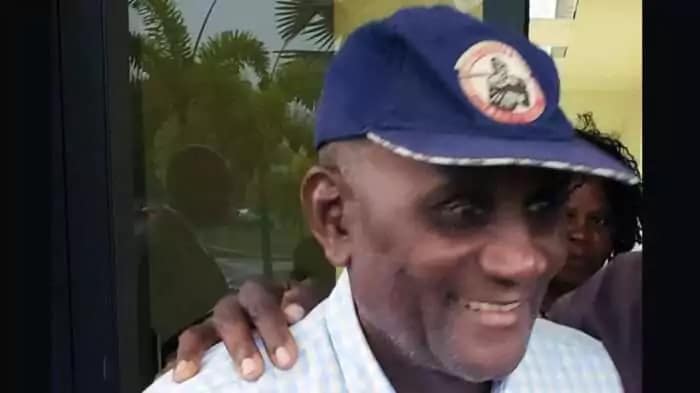
Leroy King, the former head of Antigua and Barbuda’s Financial Services Regulatory Commission (FSRC), has passed away at the age of 80 while serving a U.S. prison sentence. The exact circumstances of his death—whether it occurred in prison or at a hospital—remain unclear, but authorities have confirmed that it took place during his incarceration. King, who held dual citizenship in Antigua and the United States, was extradited to the U.S. in 2019 after nearly a decade of legal battles to avoid extradition. He later pleaded guilty to charges of conspiracy to obstruct justice and obstruction of justice for his role in concealing information from the U.S. Securities and Exchange Commission (SEC) during its investigation into financier Allen Stanford’s $7 billion investment fraud. As the FSRC chief from 2002, King oversaw the operations of Stanford International Bank in Antigua. Prosecutors revealed that he accepted over $520,000 in bribes, gifts, and trips in exchange for shielding Stanford’s fraudulent activities. Stanford himself was convicted in 2012 and sentenced to 110 years in prison for orchestrating a massive Ponzi scheme, while several of his associates received prison terms ranging from three to 20 years.
分类: world
-
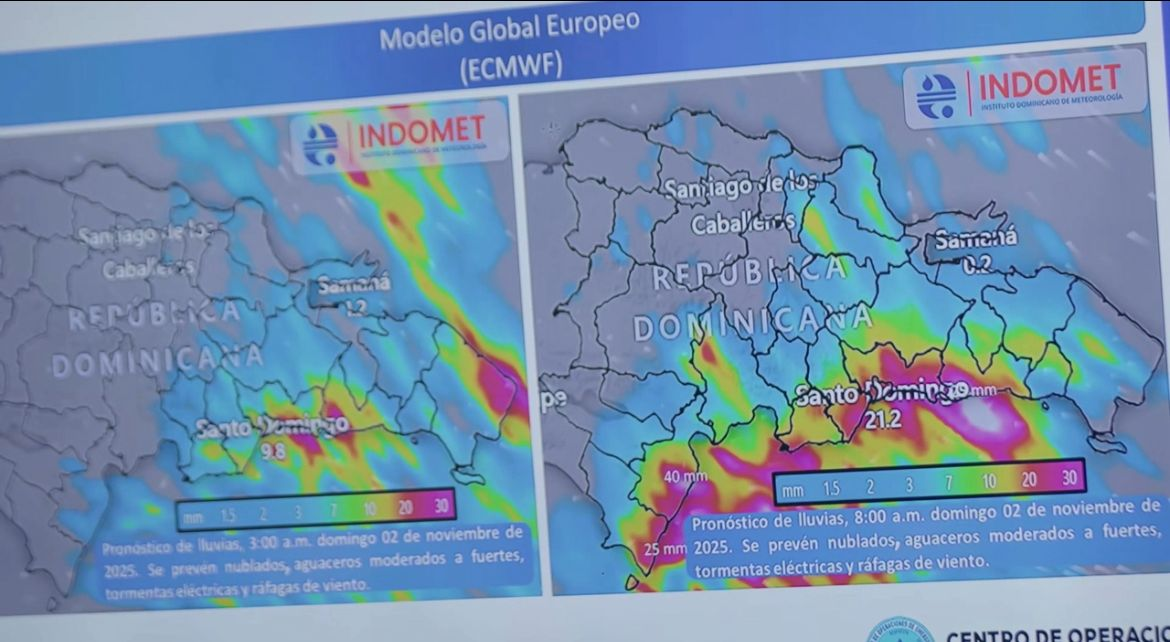
Active tropical wave threatens heavy rains in the Dominican Republic, where the ground is already saturated
The Dominican Republic is preparing for significant rainfall as an active tropical wave sweeps across the nation, according to Gloria Ceballos, Director of the Dominican Institute of Meteorology (Indomet). Ceballos emphasized that the tropical wave, expected to move over the country early Sunday, will bring substantial precipitation, particularly affecting the Caribbean coast, northwest, and central regions. While the system is not forecasted to develop into a cyclone, it may produce strong wind gusts. Ceballos highlighted that the region’s soils are already saturated following October’s stormy weather, which included tropical waves and Storm Melissa, causing widespread damage and financial losses. The downpours are anticipated to begin Saturday night and persist through Sunday, raising concerns about potential flooding and further infrastructural strain.
-
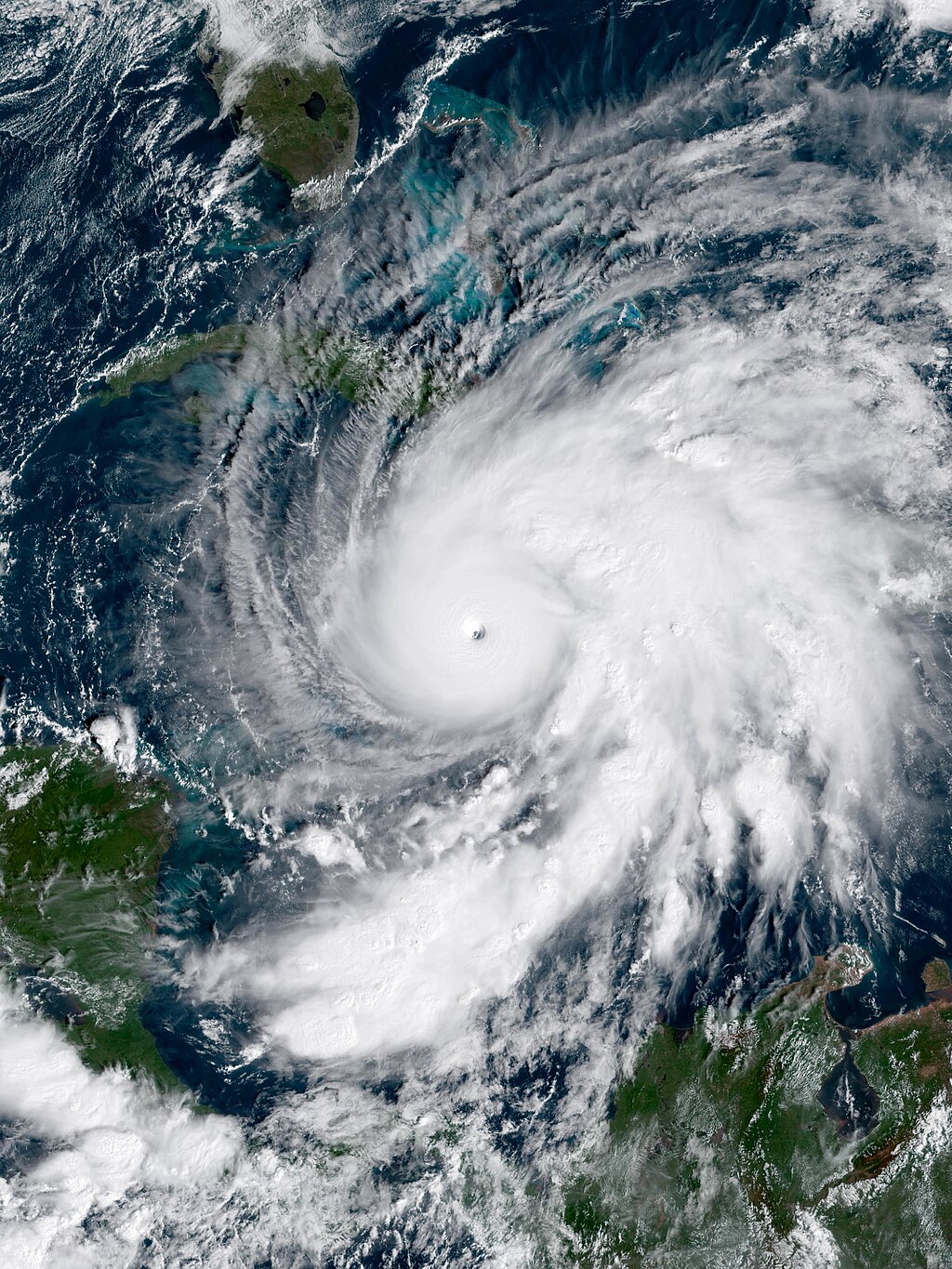
Hurricane Melissa leaves at least 30 dead as storm heads to Bermuda
The Caribbean is reeling from the catastrophic impact of Hurricane Melissa, one of the most powerful storms in recorded history, which struck the region with devastating force. Making landfall in Jamaica on October 28 as a Category 5 hurricane, Melissa unleashed destructive winds, severe flooding, and relentless rainfall, leaving a trail of destruction across Jamaica, Cuba, and Haiti. By October 30, the storm had weakened as it moved toward Bermuda, but the damage had already been done, with dozens of lives lost and communities left in ruins. Rescue and recovery operations are underway, but they are severely hindered by widespread power outages, communication breakdowns, and blocked roads. The death toll continues to rise, with over 30 fatalities reported in Jamaica, Haiti, and the Dominican Republic. Jamaican officials, including Education Minister Dana Dixon, described the devastation as unprecedented, with entire communities isolated and infrastructure flattened. Helicopters are being deployed to deliver relief supplies and transport patients, though landing in some areas remains a challenge due to debris and flooding. The emotional toll on residents is immense, with many unable to contact loved ones in the hardest-hit zones. Despite the overwhelming destruction, the global community has rallied to offer support, with countries pledging financial aid, food, and rescue teams to assist in the recovery efforts.
-
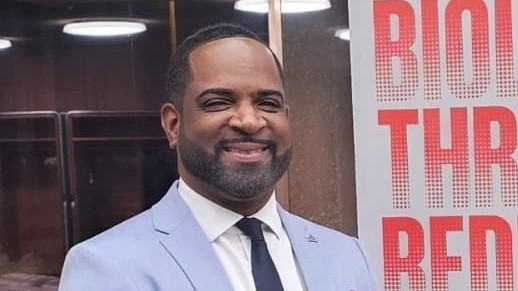
‘New money’: UWI researchers to design new islands climate finance framework
Two distinguished researchers from the University of the West Indies (UWI) are spearheading a groundbreaking initiative to channel concessional climate finance to small developing states, including Barbados, under a One Health climate-resilience framework. Dr. Kirk Douglas, Director of the Centre for Biosecurity Studies at UWI Cave Hill, and Dr. Preeya Mohan, a climate-finance economist at UWI’s St. Augustine Campus in Trinidad, are collaborating to design a novel climate-finance architecture. This initiative aligns with the Bridgetown Initiative, aiming to support low- and middle-income countries (LMICs) and Small Island Developing States (SIDS) in building resilience against climate change. The One Health approach emphasizes the interconnectedness of human, animal, and environmental health, fostering sustainable practices, enhancing early warning systems, and creating robust health systems to mitigate risks like zoonotic diseases, food insecurity, and antimicrobial resistance. The Bridgetown Initiative, led by Barbados, calls for urgent reforms to the outdated international financial architecture, which fails to address contemporary challenges such as climate risks and social inequalities. Dr. Douglas, a delegate at the recent World Organisation for Animal Health Global Conference in Geneva, highlighted the critical need for a paradigm shift in climate-resilient financing. He stressed that One Health events should be recognized as climate events within climate finance frameworks, addressing the pervasive impacts of infectious diseases, vector-borne diseases, and plant health emergencies. This innovative approach aims to bridge the gap in funding and resonate with global financial stakeholders, ensuring a sustainable and resilient future for vulnerable nations.
-
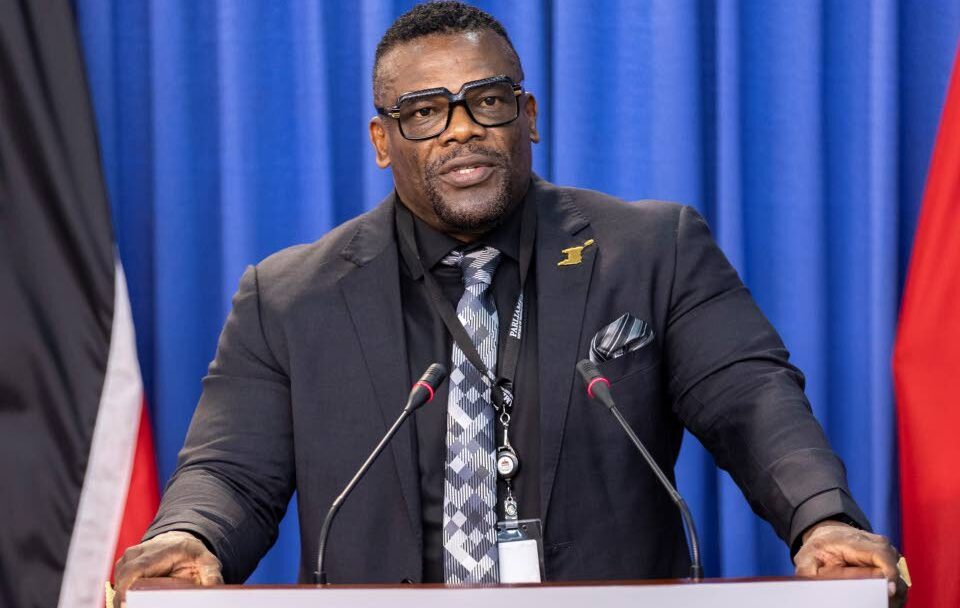
Family of Las Cuevas fisherman supected killed in US strike report him ‘missing’
The family of Chad Joseph, a 26-year-old fisherman from Las Cuevas, Trinidad, has reported him missing to the police, suspecting he may have been one of two Trinidadians killed in a US military strike in the Caribbean in October. Joseph, a resident of Salvary Lane, St. Michael’s Village, has been missing since April 25. His relative filed the missing person report on November 1 at the Maracas Bay police station, stating that she last spoke to him on the morning of his disappearance when he mentioned going fishing. Joseph and Rishi Samaroo are believed to have been casualties of the October 14 strike, part of a US-led operation targeting narcotics trafficking. Foreign and Caricom Affairs Minister Sean Sobers, during a post-Cabinet media briefing on October 30, emphasized that there is no evidence linking the men’s deaths to the military strike. He clarified that the operation occurred in international waters, beyond Trinidad and Tobago’s national jurisdiction and Exclusive Economic Zone (EEZ). Sobers also pledged to assist Samaroo’s relatives, who faced challenges filing a missing person report at the Barataria Police Station, by contacting the Minister of Homeland Security and the Commissioner of Police. Investigations into the incident are ongoing.
-
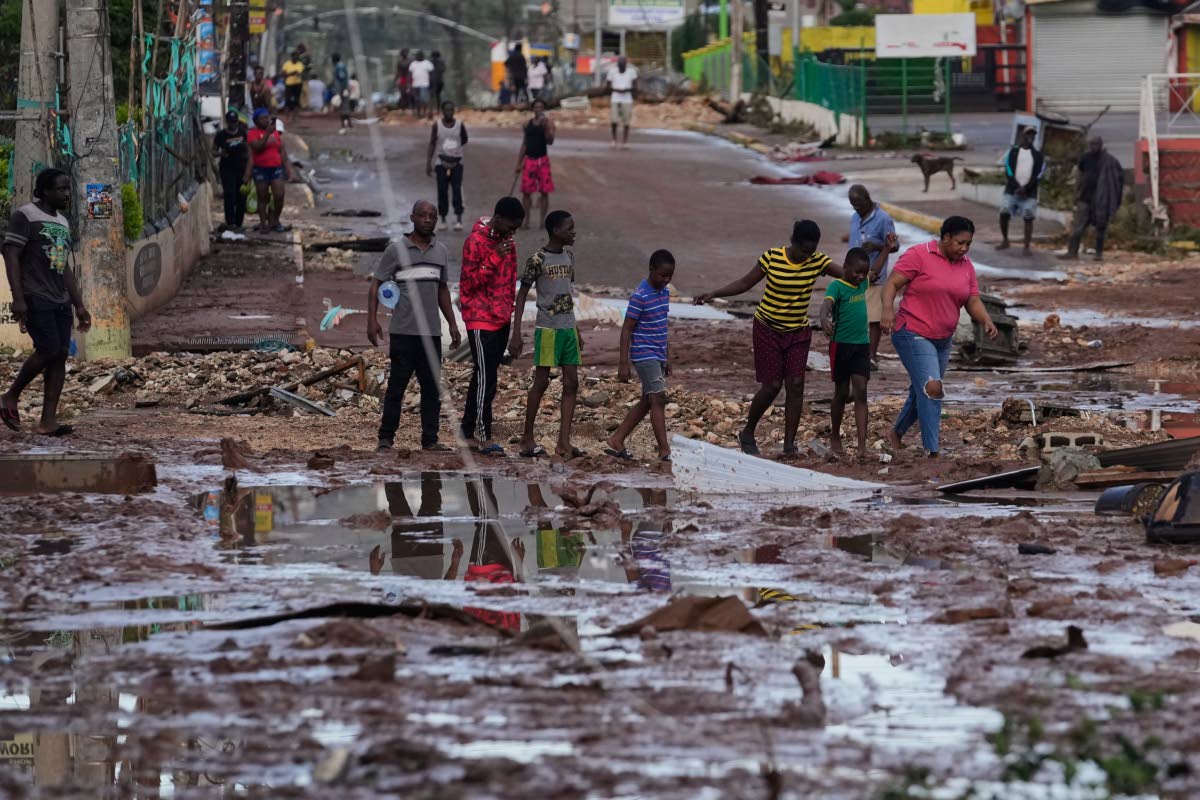
CAF approves US$647,000 to support Jamaica’s recovery efforts
The Development Bank of Latin America and the Caribbean (CAF) has allocated USD $670,000 in emergency grant funding to assist Jamaica in its recovery efforts following the catastrophic impact of Hurricane Melissa. The Category 5 storm, which struck on October 29, caused significant loss of life and widespread destruction to infrastructure, services, and communities across the island nation. This financial aid aims to bolster the humanitarian and recovery initiatives already underway, complementing support from other regional and international partners. In a letter to Jamaican Prime Minister Andrew Holness, CAF’s executive president, Sergio Díaz-Granados, expressed solidarity with the government and people of Jamaica, emphasizing the institution’s commitment to addressing the immediate and long-term needs arising from the disaster. Díaz-Granados highlighted the immense humanitarian challenges faced by Jamaica and reaffirmed CAF’s readiness to channel resources effectively. Additionally, CAF facilitated bilateral assistance from El Salvador, including the airlift of 37 tonnes of humanitarian supplies and the deployment of over 300 emergency personnel to aid in response and recovery operations. Finance Minister Davendranath Tancoo, chairman of CAF’s Board of Directors, praised the institution’s swift action and reiterated the Board’s full support for Jamaica’s recovery. CAF also commended the Jamaican government’s leadership in coordinating national response efforts and pledged to remain a steadfast partner throughout the nation’s reconstruction journey.
-
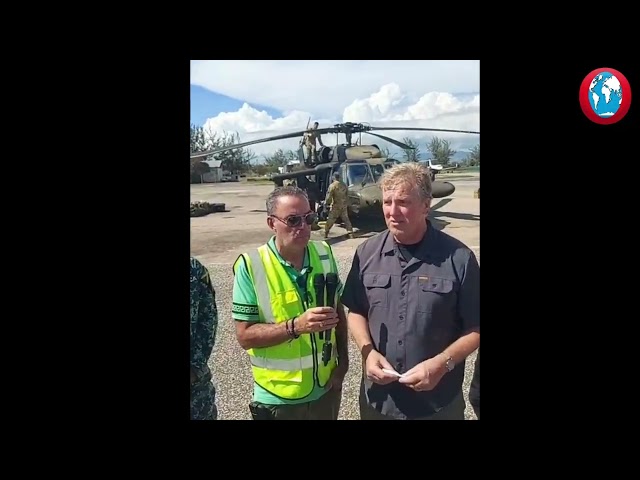
WATCH: US pledges US$11 million in relief support following Hurricane Melissa
The United States Government has committed an initial $11 million in aid to assist Jamaica in its recovery efforts following the devastation caused by Hurricane Melissa. This funding will be channeled through various organizations, including the Red Cross, the UN World Food Programme, Samaritan’s Purse, and Project HOPE, alongside direct support to the Jamaican government.
-

British Virgin Islands Premier pledges support for Jamaica
TORTOLA, British Virgin Islands (CMC) – In a heartfelt address to the House of Assembly, Premier Dr. Natalio Wheatley of the British Virgin Islands (BVI) has vowed to extend all possible assistance to Jamaica following the devastation caused by Hurricane Melissa. Expressing deep sympathy for the affected nation, Wheatley emphasized the shared experiences of Caribbean communities in the face of natural disasters.
‘On behalf of the Government and people of the Virgin Islands, I extend our deepest sympathy and solidarity to the Government and people of Jamaica. We mourn with them for the lives lost, the homes destroyed, and the communities left reeling in the storm’s aftermath,’ Wheatley stated. He reflected on the catastrophic impacts of Hurricanes Irma and Maria on the BVI in 2017, noting that such events leave behind pain and uncertainty but also inspire resilience and determination to rebuild.
The Premier highlighted the importance of regional solidarity, describing the Caribbean bond as more than diplomatic—it is familial. ‘Their struggle is our struggle; their resilience is our inspiration,’ he affirmed. Wheatley revealed that the BVI Government has been in communication with regional partners and agencies to assess the situation and coordinate support.
He assured the House and the public that the Virgin Islands would provide assistance wherever possible. ‘As Jamaica begins its recovery and reconstruction, I wish to assure this honourable House and the public that the Virgin Islands will do its part to provide assistance where we are able. The spirit of regional solidarity, which defines us as Caribbean people, compels us to extend a hand of support in this time of great need,’ Wheatley declared.
Concluding his address, the Premier called for renewed commitment to preparedness, compassion, and unity across the region. ‘In moments like these, we are reminded that our Caribbean bond is more than diplomatic—it is familial. We are one people, connected by shared history, shared struggles, and shared hope. As we continue to pray for Jamaica and all those affected by Hurricane Melissa, let us also renew our own commitment to preparedness, compassion, and unity across this region,’ he said.
-
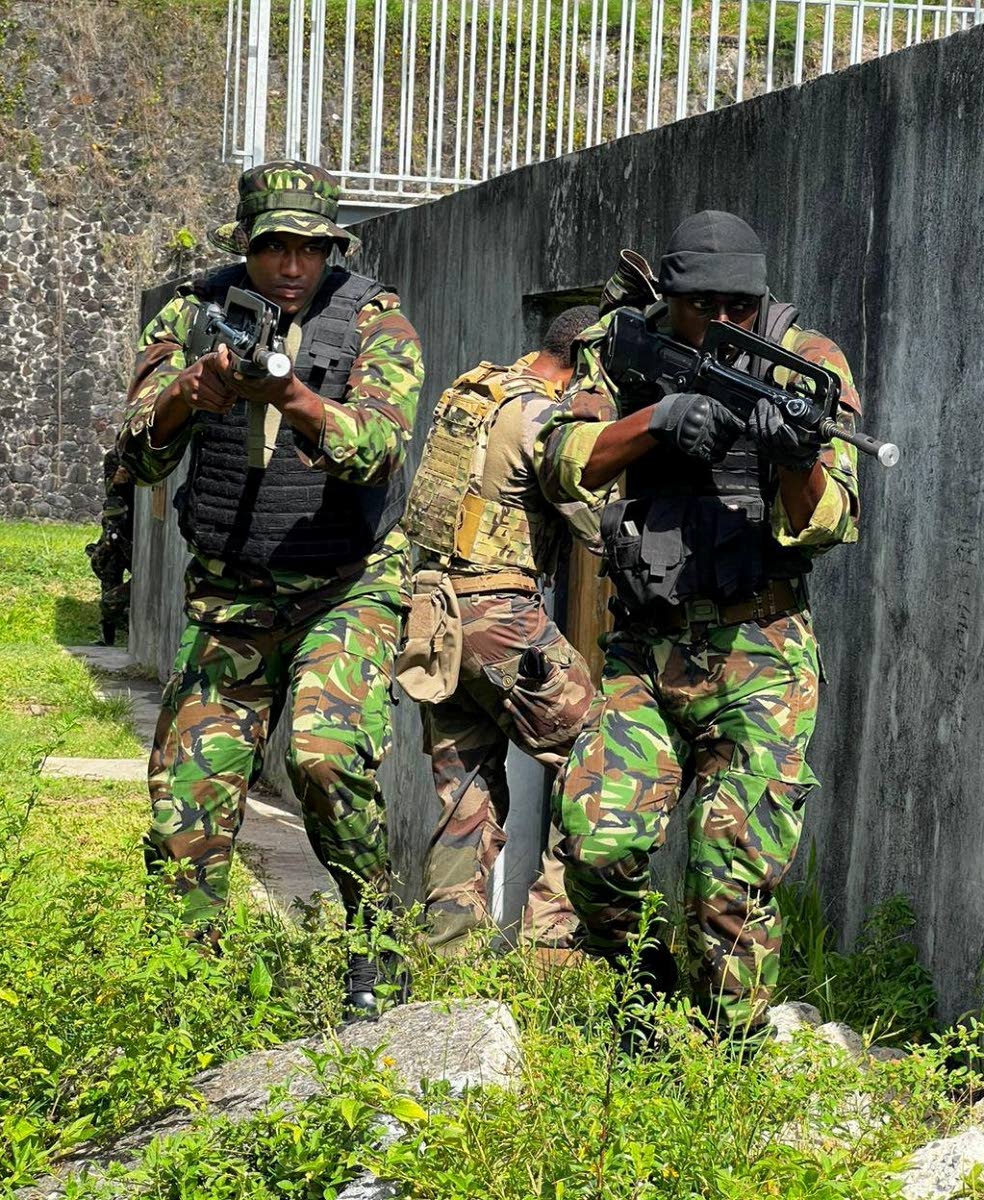
Military devise ‘war’ plans after call-out – Troops stand down
In response to escalating tensions between the United States and Venezuela, military commanders have developed three specific contingency plans to address potential land strikes involving US forces. This strategic preparation follows the mandatory recall of thousands of active-duty soldiers, sailors, and personnel on October 31, who were instructed to report for duty by 6 pm, leading to a lockdown of all military installations. Although the heightened alert was deactivated later that night, three Quick Reaction Force (QRF) teams remain deployed to strategic locations as part of an ongoing operation to monitor the situation. A senior military officer confirmed that these measures are in place to respond to any emergency arising from military actions in Venezuela. The call to duty was reportedly prompted by international media reports suggesting the US was preparing to strike Venezuela, a claim later refuted by US President Donald Trump and the White House. Trump has previously authorized CIA covert operations in Venezuela and recently announced plans to target drug-related activities within the country. The combination of these developments, along with parliamentary debates on extending the state of emergency, has caused widespread anxiety, leading to early school closures and business shutdowns. Prime Minister Kamla Persad-Bissessar has urged calm, pledging to keep the public informed of significant developments. She has supported US military strikes against narco-traffickers, which have resulted in 61 deaths over the past eight weeks. Military personnel responded promptly to the call, filling camps across the country, while senior commanders convened to assess operational intelligence and devise strategies to handle potential threats, including the migration of Venezuelan nationals fleeing conflict zones. ‘We have a responsibility to care for them while ensuring the safety of our own population,’ an officer stated.
-

Lessons from Melissa: Prepare for natural disasters
In the wake of Hurricane Melissa’s catastrophic impact across the Caribbean, disaster management experts are emphasizing the urgent need for enhanced preparedness and infrastructure improvements in vulnerable regions. Jerry David, a senior disaster management coordinator at Trinidad and Tobago’s Ministry of Rural Development and Local Government, highlighted the critical vulnerabilities in the country’s flood-prone areas, particularly the Caroni plains and the Oropouche river basins. He stressed that while natural hazards are inevitable, human actions and inadequate planning often escalate them into full-blown disasters. David pointed out that improper construction practices, such as building settlements on hillsides and using substandard roofing materials, exacerbate the risks during hurricanes. He also lamented the lack of designated shelters in Trinidad and Tobago, urging for better-equipped community centers and schools to serve as safe havens during emergencies. The aftermath of Hurricane Melissa, which struck Jamaica as a Category 5 storm and later hit Cuba as a Category 3, has left a trail of destruction, with at least 19 fatalities in Jamaica, widespread power outages, and thousands displaced. International aid agencies, including the Red Cross and the UN, have mobilized extensive relief efforts, delivering essential supplies and support to affected regions. David emphasized the importance of studying Melissa’s impact to refine disaster response strategies and improve future preparedness. The hurricane’s devastation has also sparked a broader conversation about the need for proactive measures, such as proper tree pruning, reinforced infrastructure, and community education, to mitigate the effects of future natural disasters.