分类: world

  • Flights are operating normally in the Dominican Republic after Airbus’ warning about solar radiation

    Flights are operating normally in the Dominican Republic after Airbus’ warning about solar radiation

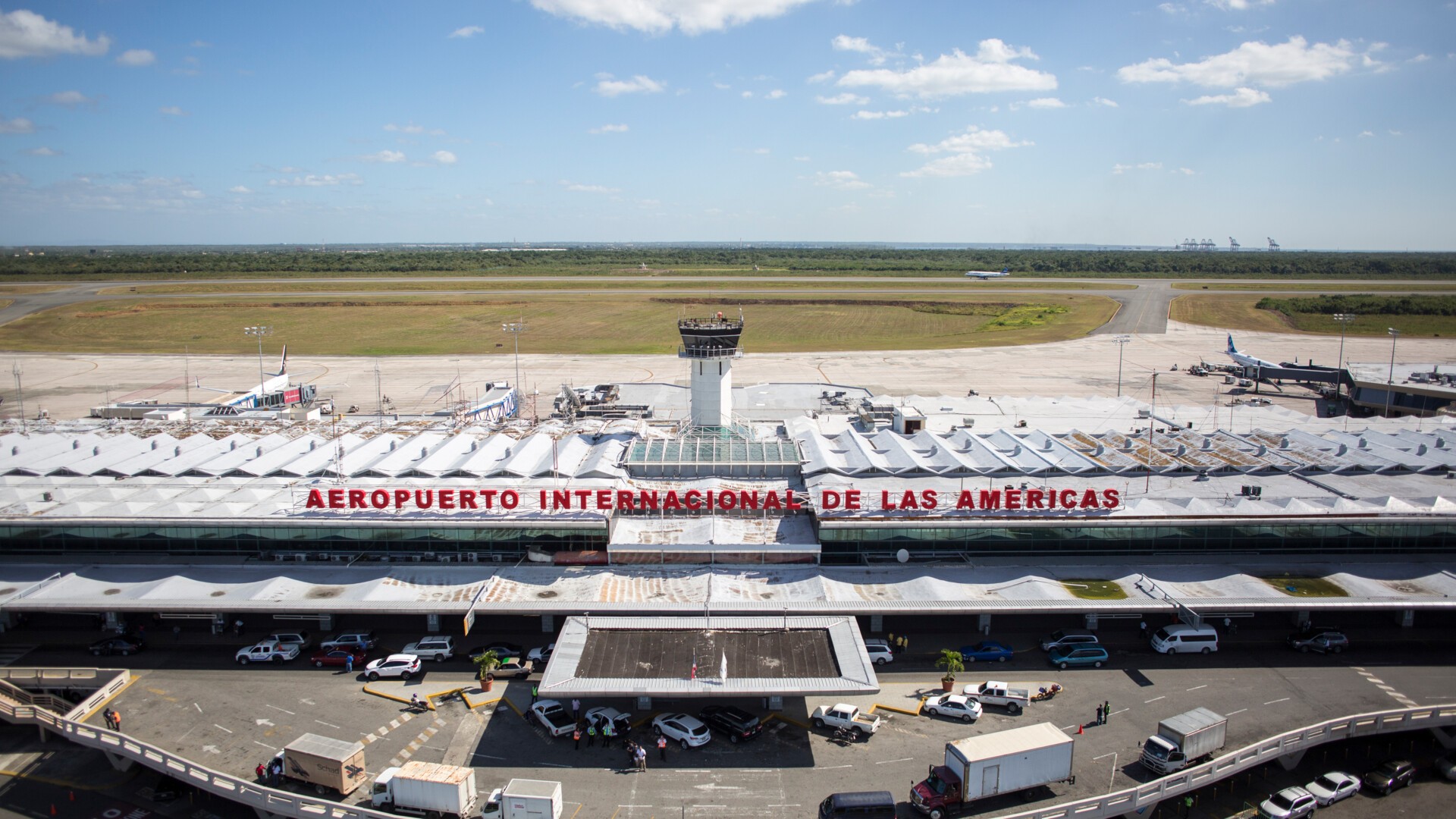
    Santo Domingo, Dominican Republic – Despite a worldwide safety advisory issued by Airbus concerning potential solar radiation interference with aircraft systems, Aeropuertos Dominicanos Siglo XXI (Aerodom) has confirmed uninterrupted operations across its entire airport network. Both domestic and international flights continue to function normally without significant disruptions.

    Luis José López, Director of Corporate Communications at Aerodom, stated that all scheduled flights for Saturday operated according to plan, with arrivals and departures at Las Américas International Airport proceeding smoothly. While acknowledging the possibility of minor delays in coming hours, López emphasized that Aerodom is maintaining close collaboration with aviation authorities and airline partners to minimize potential passenger impact.

    The airport operator has enhanced its real-time communication protocols with airline representatives and operational teams to ensure rapid coordination and transparent passenger notifications if conditions evolve.

    The global alert originated from Airbus’s identification of newly discovered risks that extreme solar radiation events could potentially disrupt flight control computers in specific aircraft models. The manufacturer issued urgent maintenance recommendations for approximately 6,000 A319, A320, and A321 aircraft worldwide following an October 30 incident involving a JetBlue A320 on the Cancun-Newark route. The aircraft made an emergency landing in Tampa after experiencing sudden altitude loss.

    Recent developments indicate that thousands of affected aircraft have already resumed normal service. The majority required only straightforward software updates, while approximately 900 older units need hardware replacements. French Transport Minister Philippe Tabarot reported that updates have been successfully completed on over 5,000 aircraft with minimal complications, with fewer than 100 aircraft remaining pending—many of which have received overnight software implementations.


  • Politie stelt strenge veiligheidszones in rond staatsbezoek Nederland

    Politie stelt strenge veiligheidszones in rond staatsbezoek Nederland

    Paramaribo, Suriname – In preparation for the highly anticipated state visit by Their Majesties the King and Queen of the Netherlands, the Suriname Police Force has announced comprehensive road closures and security perimeters throughout central Paramaribo. The security measures, described as “necessary and highest priority” by police authorities, will be enforced from Sunday, November 30th through Wednesday, December 3rd, 2025.

    The security operation establishes two distinct zones with varying activation schedules. Zone 1, encompassing the Royal Torarica area, will be secured from 8:00 PM Sunday until 10:00 PM Wednesday. This perimeter includes multiple strategic closures at key intersections including Sommelsdijckstraat/Kleine Combéweg (Rietbergplein), Leemsteeg/Kleine Dwarsstraat, and critical access points along Grote Combéweg, Van Roseveltkade, and Tamarindelaan.

    Zone 2, activated specifically on Monday, December 1st from 8:00 AM until conclusion of state events, expands security around Independence Square to accommodate royal activities at the Presidential Palace, National Assembly, and Court of Justice. Additional closures will be implemented at Grote Combéweg/Roseveltkade, Henck Arronstraat/M. Wulfingstraat, and several surrounding streets to ensure complete security coverage.

    The Police Force has deployed specialized units including the Motor Brigade Paramaribo, biker units, and General Surveillance Service personnel to man the checkpoints. Supplementary traffic management will be handled by the Motor Surveillance Service with support from central and eastern district motorcycle units to maintain smooth traffic flow around the affected areas.

    Authorities have issued a firm appeal to motorists to strictly obey police instructions, select alternative routes, and provide full cooperation to ensure orderly and safe traffic conditions throughout the royal visit. Only emergency services including police, ambulance, and fire department vehicles will be permitted access within the secured zones.

  • Cuba remembers Fidel Castro’s first official visit to China

    Cuba remembers Fidel Castro’s first official visit to China

    Cuba’s Ministry of Foreign Affairs has commemorated the 30th anniversary of what it describes as a pivotal diplomatic encounter that fundamentally transformed its bilateral relationship with China. Through an official statement published on social media platform X, the ministry characterized the historical meeting as a watershed moment that “relaunched and deepened the bonds of friendship and cooperation” between the two nations.

    The anniversary post emphasized how this diplomatic milestone catalyzed substantial advancements across multiple sectors. According to the ministry, the meeting served as a foundation for expanded trade relations, increased investment flows, and enhanced technical-scientific collaboration. Furthermore, it established a framework for strengthened political dialogue that has persisted and evolved over the subsequent three decades.

    The Foreign Ministry’s statement explicitly referred to the relationship as a “strategic alliance,” underscoring its enduring significance in both countries’ international partnerships. Three decades after the historic meeting, official assessments indicate the bilateral relationship has continued to strengthen, maintaining the foundational principles established during the original diplomatic engagement. The commemoration highlights how this partnership has weathered global geopolitical shifts while consistently advancing mutual interests through structured cooperation mechanisms.

  • Cuban ambassador in Chile praises the value of solidarity

    Cuban ambassador in Chile praises the value of solidarity

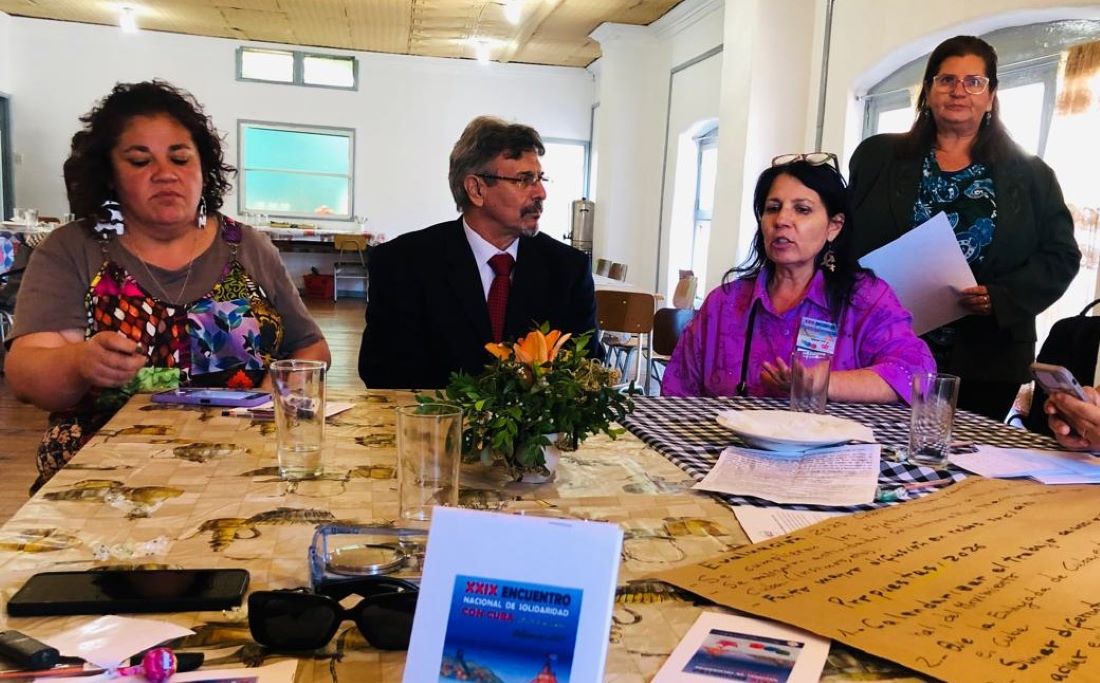
    A powerful demonstration of international solidarity unfolded as Chilean and Cuban representatives gathered to celebrate their nations’ longstanding mutual support. The event highlighted a reciprocal relationship that has endured through decades of challenges and cooperation.

    The gathering featured emotional acknowledgments of Cuba’s significant medical assistance to Chile following the devastating earthquakes of 1960 and 2010. During both catastrophes, Cuban medical professionals provided critical healthcare services and disaster relief, creating an enduring bond between the nations.

    Chilean representatives expressed gratitude for multiple ongoing cooperation initiatives, including annual volunteer work brigades traveling to Cuba, recent donations of advanced medical technology, and Chilean participation in the Continental Solidarity Meeting hosted in Mexico. These efforts represent continuing commitment to bilateral support.

    The two-day conference organized working committees to address several key areas: coordinating volunteer brigades, developing campaigns against the U.S. embargo on Cuba, improving public advocacy strategies, and evaluating progress since the previous meeting in Valdivia.

    The proceedings commenced with a significant march along Condell Street to Plaza de la Victoria, drawing participants from social movements across multiple Chilean cities including Coquimbo, La Serena, Santiago, Talca, Valdivia, Ovalle, Concepción, Valparaíso, and Viña del Mar.

    Following the demonstration, attendees gathered at Insomnia Theater for a political and cultural ceremony that brought together diplomats, local council members, academics, political organizations, social activists, and supporters of Cuban-Chilean relations. The event served as both a celebration of past cooperation and a planning session for future collaborative efforts between the two nations.

  • Tobago planters’ problems 1805-1806

    Tobago planters’ problems 1805-1806

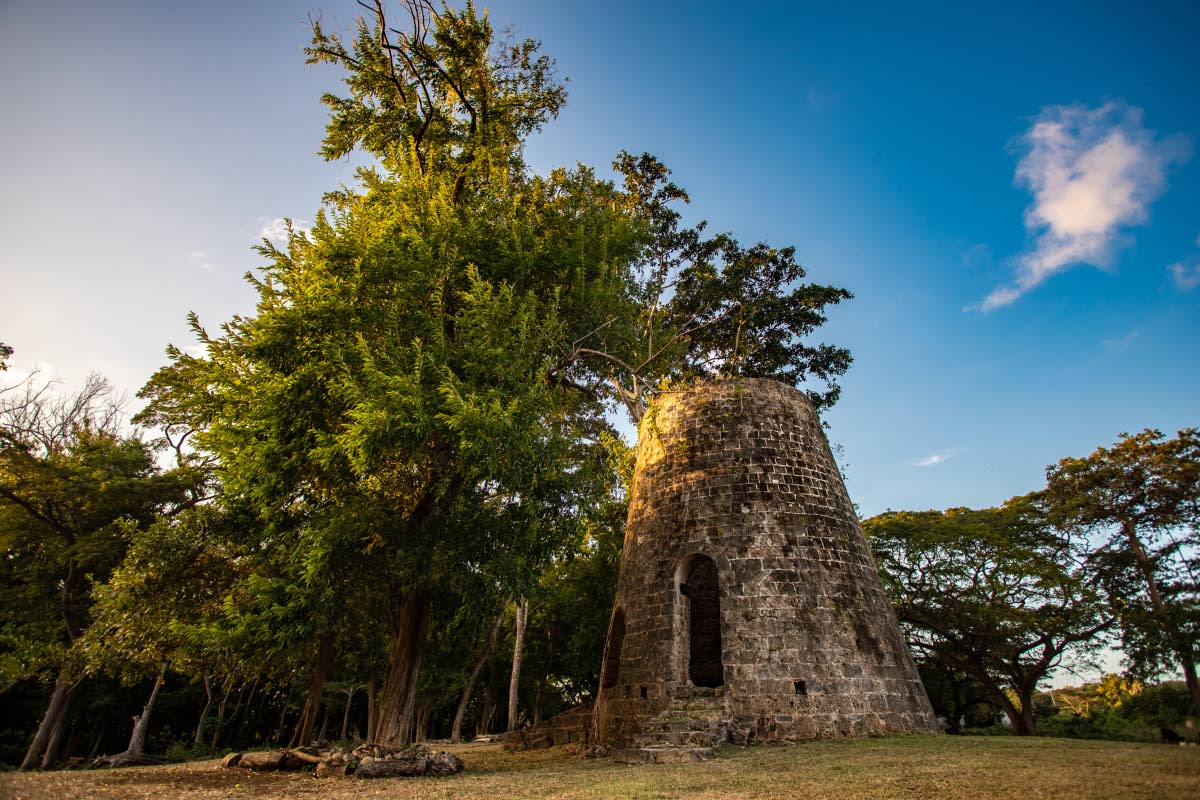
    The twilight of Tobago’s sugar industry reveals a complex narrative of economic ambition clashing with moral evolution. Following Britain’s reacquisition of Tobago in 1793, planters experienced a transient boom fueled by premium sugar prices resulting from Haiti’s production collapse. This prosperity earned Tobago planters legendary wealth status, yet their fortunes proved fragile against converging historical forces.

    International market volatility struck first as sugar prices plummeted at the century’s turn, creating catastrophic deficits for plantations operating on optimistic projections. Compounding these challenges, Tobago temporarily reverted to French control in 1802, creating political and economic disruption that further weakened the industry’s foundation.

    The most existential threat emerged from Britain’s growing abolitionist movement. Tobago’s inferior sugar quality already relegated it to bottom-tier pricing, but planters considered unpaid African labor essential for profitability. High mortality rates among enslaved workers necessitated constant replenishment, driving costs upward while sugar prices declined. Parliament’s movement toward restricting captive African trade directly threatened the planters’ economic model.

    Desperate petitions to British authorities emphasized Tobago’s unique hardships—repeated colonial transfers and limited workforce development opportunities due to Franco-British conflicts. Yet imperial economic interests had evolved beyond sugar, and investors began abandoning Tobago plantations.

    In response, planters implemented draconian measures to control enslaved populations. The 1805 Slave Law prohibited drumming, horn-blowing, and inter-plantation gatherings—essential communication methods for enslaved communities. Holiday freedoms were severely restricted, and militia enforcement was strengthened across strategic bays.

    The ultimate blow came with the Limitation Act, restricting imported captive Africans and foreshadowing Britain’s complete abolition of the trade. Planters’ attempts to create divisions among free people of color and trusted enslaved individuals for militia service reflected their desperation to maintain control.

    This historical episode demonstrates how global market forces, political shifts, and moral progress collectively dismantled Tobago’s slave-based economy, marking a pivotal transition toward abolition despite fierce resistance from plantation interests.

  • Foreign policy, COP32 hit Ethiopia this week

    Foreign policy, COP32 hit Ethiopia this week

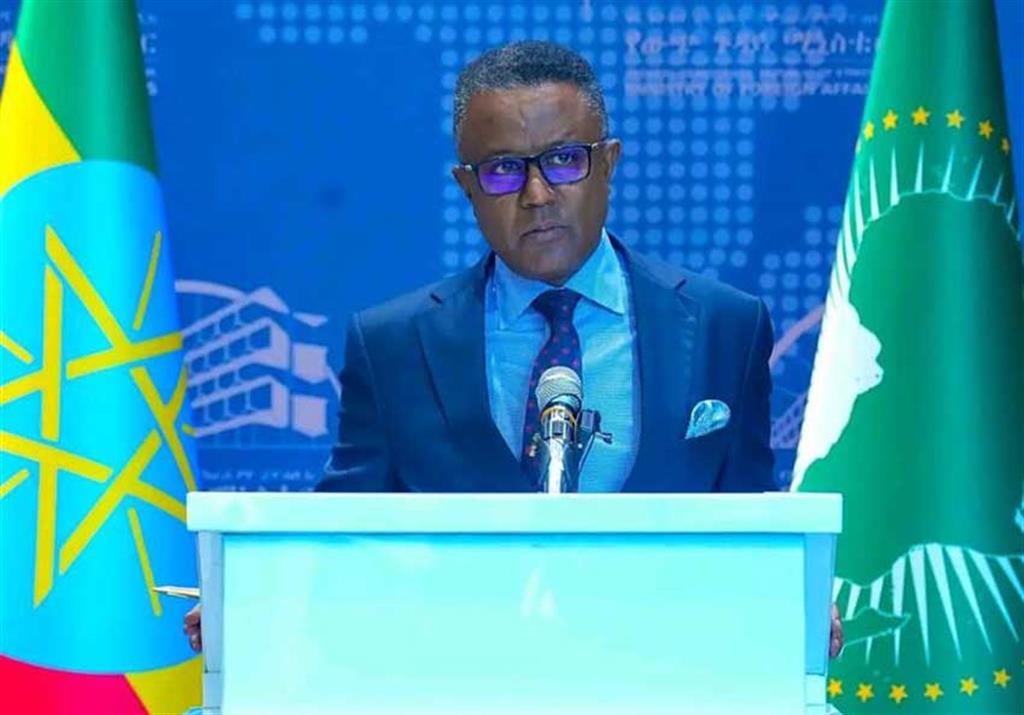
    Ethiopia’s capital, Addis Ababa, has been officially selected as the host city for the 2032 United Nations Climate Change Conference (COP32), marking a significant diplomatic achievement for the African nation. Foreign Ministry Spokesperson Nebiat Getachew announced that this decision demonstrates global recognition of Ethiopia’s substantial contributions to international climate action initiatives.

    The selection committee particularly acknowledged Ethiopia’s groundbreaking Green Legacy Initiative (GLI), a massive environmental program launched under Prime Minister Abiy Ahmed’s administration in 2019. This ambitious project has positioned Ethiopia as a continental leader in sustainable development and ecological restoration efforts.

    Prime Minister Ahmed elaborated on Ethiopia’s comprehensive climate strategy, which includes remarkable advancements in renewable energy infrastructure, nationwide expansion of electric vehicle adoption, and the development of environmentally sustainable urban centers through strategic corridor projects. These coordinated efforts significantly strengthened Ethiopia’s candidacy for hosting the prestigious international summit.

    In a related diplomatic development, Foreign Minister Gedion Timothewos has been appointed as COP32 President-designate, tasked with overseeing the complex preparatory proceedings for the major global event. The Ethiopian government expressed gratitude toward the African Negotiating Group for their endorsement, interpreting this support as affirmation of Ethiopia’s growing influence in international environmental diplomacy and its operational capacity to organize world-class gatherings.

  • Solidarity Meeting with Cuba begins with a march in Valparaiso

    Solidarity Meeting with Cuba begins with a march in Valparaiso

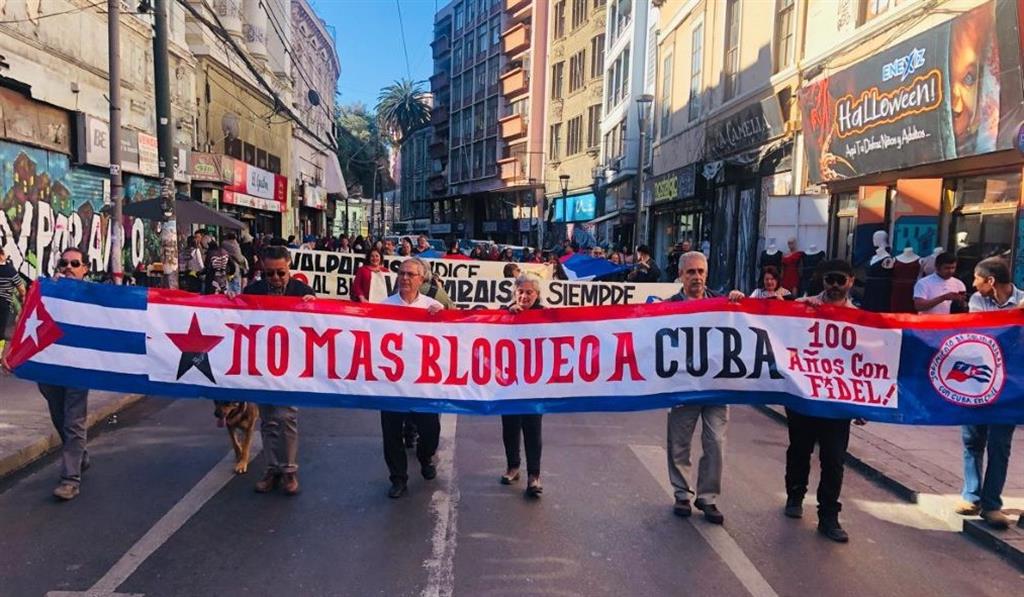
    Across multiple Chilean cities, a powerful coalition of solidarity activists united in a vibrant demonstration against the United States’ longstanding economic embargo against Cuba. The two-day event, organized by solidarity movement groups from Coquimbo, La Serena, Santiago, Talca, Valdivia, Ovalle, Concepcion, Valparaiso, and Viña del Mar, featured a spirited march through the streets followed by a political and cultural gathering at the Insomnia Theater.

    Protesters carried signs and waved flags while chanting slogans such as “A Tumbar, a Tumbar el Bloqueo Criminal” (Do Away, Do Away The Criminal Blockade), “Cuba Si, Bloqueo No” (Cuba Yes, Blockade No), and phrases honoring Fidel Castro’s legacy of resistance against American imperialism.

    Marisol Molina, head of the movement’s southern region, expressed both joy at the reunion of activists and deep concern about recent developments. She specifically highlighted President Donald Trump’s escalating threats in the Caribbean region, his administration’s tightening of the economic, commercial, and financial siege against Cuba, and the additional hardship caused by Hurricane Melissa’s recent impact on the island’s eastern region.

    The event attracted significant diplomatic presence, including Cuban Ambassador to Chile Oscar Cornelio Oliva, alongside other members of the diplomatic corps, city council members, academics, and representatives from various political and social organizations who gathered to show their support for the Caribbean nation.

  • Scotland District road rehab ‘makes progress’

    Scotland District road rehab ‘makes progress’

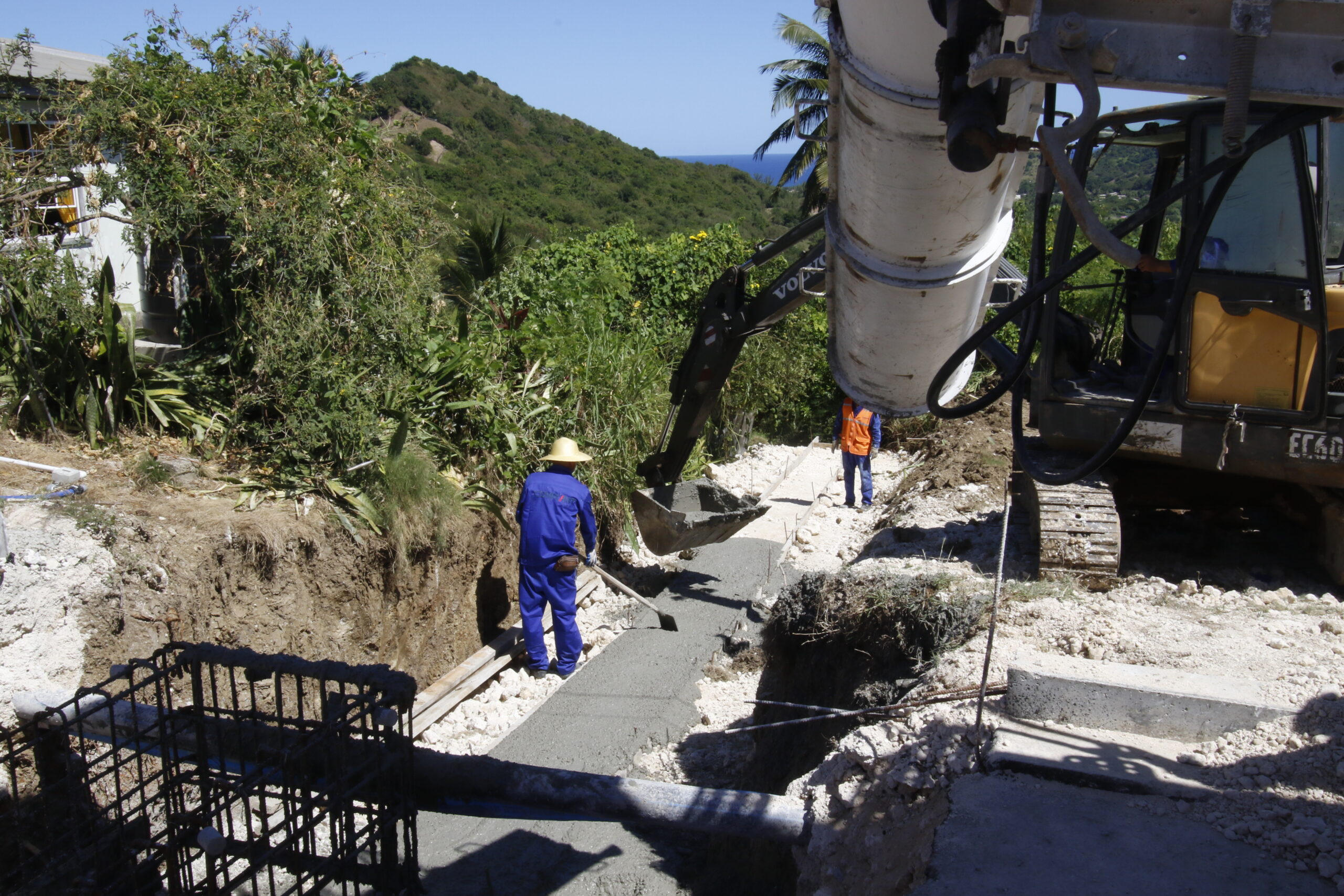
    In the geologically volatile Scotland District of Barbados, two of the most technically complex routes in the national road rehabilitation program—Ermy Bourne Highway and Highway F (Phase 2)—are progressing toward their completion deadlines of July 2026 and August 2024 respectively. Chinese state contractor COMPLANT, leading the infrastructure initiative, confirmed the timeline despite confronting substantial environmental and technical obstacles.

    Project Manager Wang Wei detailed the multifaceted challenges facing engineering teams, including unstable terrain patterns, seasonal rainfall disruptions, and the logistical complexities of utility relocations. The project, launched in 2020 and funded through a concessional loan from China’s Export-Import Bank, focuses on one of Barbados’ most fragile geological zones, spanning the erosion-prone region of St Andrew characterized by unstable clay, chalk soils, and high landslide susceptibility.

    Additional high-priority sites accelerated by the Ministry of Transport & Works due to structural deterioration and public inconvenience include White Hill, Laynes Bridge, Airy Hill Bridge, and Melvins Hill Bridge. Wang emphasized that many bridges and culverts, such as Bruce Vale Bridge, required complete reconstruction after decades of service in corrosive conditions left them structurally compromised and unsuitable for modern transportation demands.

    Road degradation has been largely attributed to aged asphalt surpassing its service life and inadequate drainage infrastructure, permitting water infiltration that damaged subgrades and triggered localized collapses—notably at Bloomsbury and Laynes Bridge gully.

    To date, 11 roads including Jemmotts Road and Chance Hill Road have been fully paved, with active construction ongoing across 16 additional roads, bridges, and culverts. Eight bridges are scheduled for reconstruction, with Bruce Vale Bridge already completing pile foundation works and nearing abutment construction.

    COMPLANT has implemented rigorous environmental and geotechnical safeguards, including Dynamic Cone Penetration testing and detailed subsurface investigations. Collaboration with government forester Nigel Jones ensured protection of rare species during excavation phases. Despite persistent challenges, Wang reaffirmed the team’s commitment to high construction standards and scientific management practices to ensure both quality and timeliness of the project.

  • Dodental bij overstromingen in Thailand, Indonesië en Maleisië stijgt tot meer dan 300

    Dodental bij overstromingen in Thailand, Indonesië en Maleisië stijgt tot meer dan 300

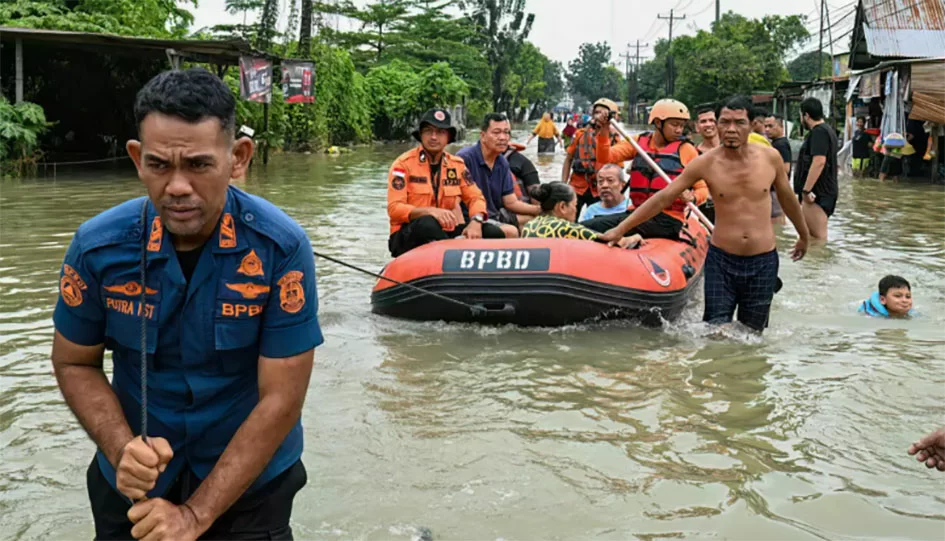
    Southeast Asia is grappling with a devastating humanitarian crisis as floodwaters continue to ravage the region, with the confirmed death toll surpassing 300 across Indonesia, Thailand, and Malaysia. Authorities reported Friday that relentless monsoon rains compounded by a tropical weather system have created catastrophic conditions, submerging entire communities and isolating thousands of residents.

    In Indonesia’s Sumatra island, the disaster has claimed at least 174 lives with nearly 100 individuals still missing. Rescue operations face tremendous challenges reaching the hardest-hit areas where floodwaters and subsequent landslides have destroyed infrastructure and communication networks. In Aceh province, receding waters revealed vehicles nearly completely buried in mud, while abandoned trucks stood as silent witnesses to the storm’s destructive power.

    South Thailand emerges as another severely affected zone, recording 145 fatalities with Songkhla province bearing the brunt of the devastation. Hospitals in the region have been pushed beyond capacity, forcing medical facilities to utilize refrigerated trucks for body storage as morgues overflow. The crisis has sparked public criticism over relief efforts, resulting in the suspension of two local officials allegedly negligent in their response duties.

    Personal accounts underscore the human tragedy unfolding across the region. Misniati, 53, from West Sumatra, described her desperate struggle through chest-deep waters to reach her husband after returning from morning prayers. “We didn’t sleep all night, just watching the water levels,” she recounted, illustrating the terror faced by countless families. In Hat Yai, Thailand, 67-year-old Kamban Wongpanya abandoned her flooded shop to save her life, rescued by boat as waters rose rapidly.

    Meteorological experts attribute the unprecedented severity of this year’s monsoon season to climate change impacts. Warmer atmospheric conditions hold increased moisture, generating more intense rainfall and powerful wind patterns. Warmer ocean temperatures further amplify storm systems, creating a dangerous feedback loop.

    “Climate scientists have consistently warned that extreme weather events would escalate alongside rising global temperatures,” stated Renard Siew, climate advisor at Malaysia’s Centre for Governance and Political Studies. “The current catastrophe demonstrates precisely these predictions materializing.” Additional rainfall is forecasted for Sumatra, though expected to diminish in intensity, while affected nations continue coordinated rescue and recovery operations.

  • Deportation : Dialogue between the Haitian and Dominican authorities

    Deportation : Dialogue between the Haitian and Dominican authorities

    In a significant diplomatic development, Haitian and Dominican authorities have convened high-level talks to address migration procedures and deportation protocols between the two neighboring nations. The meeting featured a Haitian delegation led by Minister Counselor Ralph Giraldo Raphaël from the Haitian Embassy in the Dominican Republic, accompanied by key officials including Hipólito Dolis, Head of Legal and Migration Affairs, Stephen Junior Cherefant (Consul General in Santiago de los Caballeros), along with consular officers Fito Zephieren and Marie Danielle Monday.

    The Dominican delegation was headed by Vice-Admiral Luis Rafael Lee Ballester, Director General of Migration (DGM), who was supported by military representatives including General Juan Carlos Vicente Pérez of the Dominican Air Force and Colonel Manuel de Jesús Carrasco Guerrero of the Dominican Army, responsible for national integrity and sovereignty protection.

    Central to the discussions was a comprehensive review of existing protocols governing the apprehension, detention, and deportation of Haitian migrants in irregular situations. Officials examined multiple regulatory frameworks including the December 2, 1999 Repatriation Mechanisms Protocol, the 1978 San José Convention, and other normative instruments related to migration operations.

    Vice-Admiral Ballester provided assurances that all procedures are implemented in strict accordance with General Migration Law No. 285-04 and its implementing regulations. He emphasized that the institution, its personnel, and supporting military and police forces conduct operations with respect for human rights protections for migrants in irregular situations.

    The Migration Director reaffirmed that the DGM will continue to execute control and interception operations across national territory as part of a comprehensive immigration control strategy. Significantly, he expressed the DGM’s willingness to maintain ongoing dialogue and cooperation with Haitian authorities on matters within its jurisdiction.

    Both parties demonstrated a mutual commitment to enhancing institutional coordination and established plans to implement more fluid communication channels to facilitate improved support mechanisms. The delegations agreed to institute periodic working meetings to maintain this renewed collaborative framework.