分类: world

  • Mr President!

    Mr President!

    Jamaican Minister of Water, Environment and Climate Change Matthew Samuda has been elected as the new President of the United Nations Environment Assembly (UNEA), assuming leadership of the world’s premier environmental decision-making body for a two-year term. The election was formally announced Friday morning by outgoing President Abdullah Bin Ali Al-Amri during the seventh session of UNEA (UNEA-7) in Nairobi, Kenya.

    In his inaugural address, Minister Samuda outlined an ambitious vision centered on inclusivity, transparency, and concrete action. He emphasized the critical need to strengthen the connection between scientific research and policy implementation while scaling up financial mechanisms for climate adaptation and resilience building. The Jamaican minister specifically committed to ensuring that all nations, regardless of size or economic status, would have equal voice in developing environmental solutions.

    Samuda acknowledged his presidency represents not merely a personal achievement but symbolizes the collective commitment of the Latin American and Caribbean region and his homeland Jamaica. He positioned himself as a representative for nations that understand through direct experience the urgent necessity of environmental protection.

    The newly elected president framed multilateral cooperation as humanity’s most powerful tool for addressing complex environmental challenges, calling for heightened ambition, deeper cooperation, and unwavering implementation of environmental commitments. He concluded his address with an unexpected reference to the animated series Captain Planet, quoting: ‘Blaming each other is a waste of time. The only thing that matters is changing what’s wrong.’

    UNEA, which comprises all 193 UN member states, serves as the highest-level global forum for environmental policy-making. The assembly establishes the international environmental agenda, provides strategic guidance, and develops responses to emerging ecological challenges while overseeing the work of the UN Environment Programme (UNEP).

    Minister Samuda will preside over the next assembly (UNEA-8) scheduled for December 6-10, 2027, at UNEP’s headquarters in Nairobi.

  • Indonesia flood death toll passes 1,000 as authorities ramp up aid

    Indonesia flood death toll passes 1,000 as authorities ramp up aid

    ACEH TAMIANG, Indonesia — Indonesia confronts one of its most severe natural disasters in recent history as catastrophic flooding and landslides across Sumatra Island have resulted in 1,006 confirmed fatalities, rescue authorities reported Saturday. The National Disaster Mitigation Agency further indicated over 5,400 individuals have sustained injuries during the two-week deluge.

    This tragedy ranks among Sumatra’s deadliest calamities since the devastating 2004 tsunami, with torrential rains triggering widespread destruction across northwestern regions. Official projections suggest the death toll may climb further, with disaster agency spokesman Abdul Muhari confirming 217 persons remain unaccounted for as emergency teams escalate assistance to the most severely impacted zones.

    The cataclysmic weather events have displaced approximately 1.2 million residents, forcing survivors into temporary shelters amid vast landscapes transformed by mudflows, debris, and fallen timber. Personal accounts reveal the human dimension of the catastrophe, with 50-year-old Sri Lestari and her family now occupying emergency tents after their home sustained critical damage from flood-driven tree impacts.

    Despite governmental assurances that relief operations are progressing, frustration mounts among affected communities regarding the pace of aid distribution. President Prabowo Subianto asserted during a Saturday assessment tour that connectivity to previously isolated areas had been restored and evacuation centers maintained adequate provisions.

    Eyewitness observations along Aceh Tamiang’s primary transportation corridor revealed extensive civilian-led assistance efforts, with convoys of private vehicles and trucks delivering essential supplies. Numerous survivors continue residing in makeshift outdoor accommodations, their homes rendered uninhabitable by mud infiltration.

    Disaster management officials confirmed the coordinated delivery of 11.7 tonnes of humanitarian aid via maritime, terrestrial, and aerial routes Saturday, alongside initiated construction of transitional housing for displaced populations. Preliminary rebuilding cost estimates approach 51.82 trillion rupiah ($3.1 billion), with Indonesian authorities presently declining international assistance offers.

    The nation’s meteorological agency issued continued severe weather advisories, forecasting persistent heavy rainfall across Sumatra that may exacerbate existing challenges.

  • Trump vows to ‘retaliate’ after IS attack kills US troops in Syria

    Trump vows to ‘retaliate’ after IS attack kills US troops in Syria

    WASHINGTON, United States — In a decisive response to a lethal assault in central Syria, former President Donald Trump declared that the United States would execute retaliatory measures. The incident, which occurred on Saturday, resulted in the deaths of two American military personnel and a civilian interpreter, with an alleged Islamic State (IS) militant identified as the perpetrator.

    Addressing journalists outside the White House, Trump unequivocally stated, “We will retaliate.” He further elaborated on his Truth Social platform, noting that Syrian President Ahmed al-Sharaa had been rendered “extremely angry and disturbed by this attack.” The statement underscores the complex geopolitical tensions in the region, where multiple factions, including remnants of IS and various state actors, continue to operate.

    The attack highlights the persistent threat posed by insurgent groups in Syria, despite significant territorial losses suffered by IS in recent years. US forces remain deployed in the area primarily to conduct counterterrorism operations and support local partner forces. This incident represents one of the most serious confrontations involving American troops in the region in recent months, raising concerns about a potential escalation in hostilities.

    Analysts suggest that the promised retaliation could involve targeted airstrikes against IS positions or affiliated militant hideouts. The US military has previously conducted such operations in response to attacks on its personnel. The situation also implicates broader international relations, given the involvement of Syrian government forces and other foreign powers active in the country’s ongoing conflict.

  • AIA to close for runway repairs amidst recurring holes

    AIA to close for runway repairs amidst recurring holes

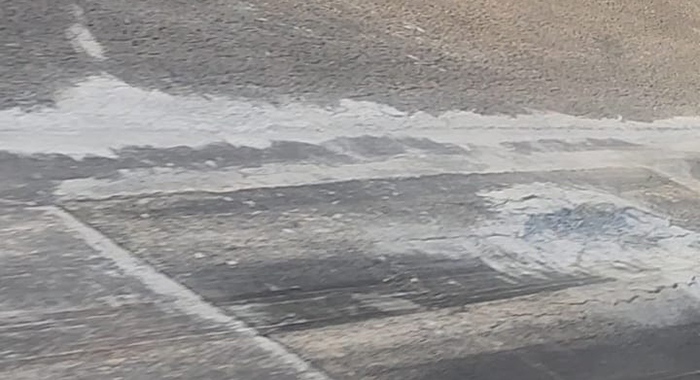
    St. Vincent and the Grenadines’ primary aviation facility, Argyle International Airport (AIA), will suspend all flight operations for approximately 18 hours commencing Saturday evening to address ongoing runway safety issues. The scheduled maintenance closure from December 13 at 6:30 PM through December 14 at 1:00 PM marks the second consecutive weekend of operational disruptions at the EC$700 million infrastructure project inaugurated in 2017.

    Airport management has advised passengers to contact their airlines for rebooking options, formally apologizing for the inconvenience while emphasizing their commitment to “the highest standards of safety and operational reliability.” This development follows last weekend’s cancellation of a Virgin Atlantic flight from London via Barbados and rescheduling of an American Airlines Miami service due to runway conditions.

    The situation has triggered regulatory attention, with the U.S. Federal Aviation Administration issuing a Notice to Airmen/Air Missions (NOTAM) temporarily restricting aircraft with maximum take-off weights exceeding 225,000 lbs. Airport authorities subsequently denied any formal downgrade by the FAA, characterizing the weight limitation as a “precautionary decision” during repair works.

    Opposition Leader Ralph Gonsalves revealed that his previous administration had been conducting runway repairs every 7-10 days, criticizing the new government for “a complete lack of curiosity” regarding the persistent issue. Gonsalves, whose Unity Labour Party administration was voted out on November 27, provided unprecedented technical details about the problem, mentioning consultations with Cuban and European engineers who recommended asphalt-concrete mixtures for durability while analyzing the underlying issues.

    The runway concerns have been documented since January, with aviation experts anonymously sharing photographic evidence of recurring surface deterioration. The previous government consistently downplayed the severity of the problem despite visual evidence and expert testimony regarding the facility’s structural challenges.

  • VS escaleert tegen Venezuela: Na inbeslagname tanker, nu ook dreiging  meer dan 30 schepen

    VS escaleert tegen Venezuela: Na inbeslagname tanker, nu ook dreiging meer dan 30 schepen

    The United States has dramatically escalated its pressure campaign against Venezuela’s government through a bold maritime interception operation. On December 10, 2025, US special forces boarded and seized the supertanker Skipper in Caribbean waters near Venezuela’s coast, accusing it of transporting oil in violation of American sanctions. The vessel, carrying approximately 2 million barrels of crude oil, is now being redirected to a US port for formal legal confiscation.

    This military operation represents the most aggressive enforcement action to date in the ongoing sanctions regime against President Nicolás Maduro’s government. The US Treasury Department simultaneously imposed additional sanctions targeting three nephews of Maduro’s wife, along with three individuals and six oil tankers allegedly involved in facilitating Venezuela’s oil exports. These measures, executed through the Office of Foreign Assets Control (OFAC), freeze US-based assets and prohibit American entities from any economic dealings with the designated parties.

    The seizure operation has created immediate ripple effects across global oil markets and maritime security. More than 80 tankers currently operating in or near Venezuelan waters—including over 30 vessels already on US sanctions lists—now face heightened risk of American intervention. These ships form part of a ‘shadow fleet’ known for employing obscure ownership structures, false flags, and manipulated automatic identification systems to avoid detection.

    Washington justifies these actions as necessary measures to combat what it describes as Maduro’s ‘corrupt narco-terrorist regime’ by targeting its primary revenue source and disrupting alleged organized crime and drug trafficking financing channels. The Trump administration has repeatedly accused Maduro of involvement in drug trade operations, charges that Caracas vehemently denies.

    Venezuela has condemned the tanker seizure as ‘international piracy’ and ‘shameless theft’ of national resources, vowing to pursue legal action against the US through international bodies. The government emphasizes the need to defend national sovereignty and control over natural resources amid escalating tensions.

    The economic implications are already visible through increased global oil prices, with Brent crude experiencing immediate gains following the news. For Venezuela, already grappling with prolonged economic crisis, potential disruptions to oil exports threaten to further destabilize the fragile economy and Maduro’s political standing.

    The geopolitical dimensions continue to unfold with Russia and other Venezuelan allies expressing support for Maduro, while opposition figures within and outside Venezuela welcome US actions as necessary steps against corruption and authoritarianism. The coming days will determine whether the US expands this strategy to target additional vessels and individuals within Venezuela’s oil value chain, with current actions having already intensified regional tensions and introduced new uncertainties to global oil markets.

  • Holiday cold wave: mountain towns brace for sharp temperature drop

    Holiday cold wave: mountain towns brace for sharp temperature drop

    Meteorological authorities are forecasting a significant temperature plunge across the Dominican Republic commencing December 15th, with the most severe conditions anticipated in the Valle Nuevo region. Weather experts predict this area will experience extraordinary cold spells during the critical holiday period spanning Christmas Eve through New Year’s Day, with thermometers potentially dipping to unprecedented lows between -1°C and 4°C.

    Renowned meteorologist Jean Suriel provided scientific context for this unusual phenomenon, identifying multiple converging atmospheric patterns. According to Suriel’s analysis, a succession of cold fronts combined with a substantial mass of frigid air moving across the Atlantic is primarily responsible. Additionally, polar vortices developing over the United States are expected to drive exceptionally cold air masses toward Caribbean territories.

    The meteorological impact will extend beyond Valle Nuevo to numerous mountainous and border regions. Residents in elevated towns including Hondo Valle, Padre Las Casas, El Cercado, Las Matas de Farfán, Loma de Cabrera, Polo, San José de las Matas, San José de Ocoa, Constanza, and Jarabacoa should prepare for notable temperature declines. These areas will experience nighttime and early morning readings between 9°C and 11°C.

    Suriel further clarified the daily temperature patterns, noting that the coldest intervals will typically occur between 6:00 p.m. and 9:00 a.m. However, the nation’s fundamental tropical climate will continue to influence weather patterns, potentially bringing temporary midday warmth despite the overall cooling trend. This creates unusual conditions where residents might experience both unseasonable cold and typical tropical warmth within the same day.

  • U.S. donates emergency equipment to strengthen rural fire departments in DR

    U.S. donates emergency equipment to strengthen rural fire departments in DR

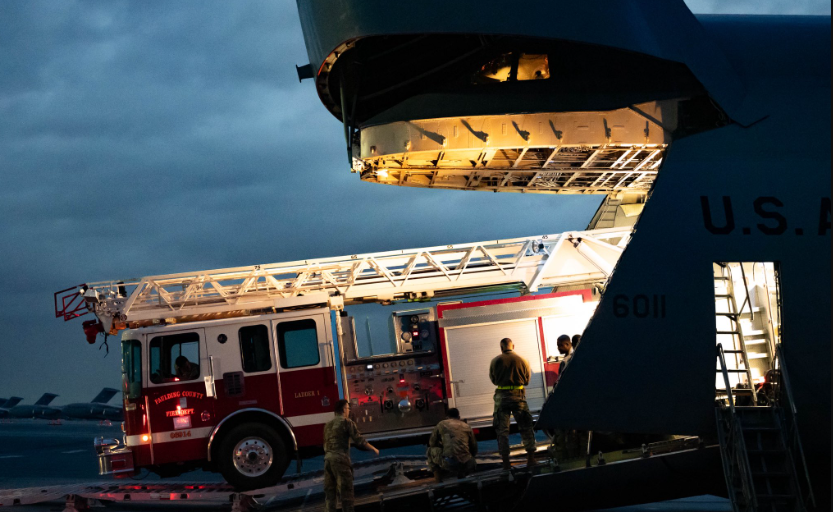
    SANTO DOMINGO – A significant enhancement to emergency response capabilities in the Dominican Republic’s southwestern regions is underway following a strategic donation from the United States Department of Defense. Facilitated by the U.S. Embassy, the aid was delivered under the framework of the C5 Denton Program, a cornerstone of bilateral cooperation.

    The latest consignment comprises a state-of-the-art fire engine, advanced structural firefighting suits, and a comprehensive array of critical response supplies. This equipment is specifically designated to fortify rural fire departments, which often operate with limited resources, thereby directly boosting community resilience and disaster preparedness.

    Embassy officials highlighted that this initiative is not an isolated act but part of a sustained, long-term partnership. The C5 Denton Program has a established track record of delivering tangible support, with previous shipments including multiple emergency vehicles and vital gear. Cumulative data indicates that these collaborative efforts have already positively impacted the safety and security of over 300,000 residents in underserved rural communities across the nation.

    This ongoing collaboration underscores a mutual commitment to strengthening national security infrastructure, improving regional emergency readiness, and providing essential support to vulnerable populations. The donation exemplifies a shared dedication to fostering a safer environment through international aid and strategic alliance.

  • Belize Secures New Climate Funding Opportunities at COP30

    Belize Secures New Climate Funding Opportunities at COP30

    Belize has successfully leveraged its participation in the COP30 climate conference in Belém, Brazil, to secure access to substantial new funding streams and enhance its international diplomatic standing. According to official reports from the Ministry of Sustainable Development, the country now qualifies for over $250 million in climate financing through various grant mechanisms.

    The funding opportunities encompass critical areas including climate-resilient housing infrastructure, protected area management, advanced early warning systems, technological modernization, and comprehensive resilience-building programs. Ministry officials emphasized that these financial arrangements reflect growing international confidence in Belize’s climate governance and implementation capabilities.

    While acknowledging that the funding requires subsequent project development rather than immediate disbursement, Minister of Sustainable Development and Climate Change Orlando Habet characterized the summit as a significant diplomatic achievement. “Our participation yielded substantial practical benefits through strategic bilateral negotiations with potential partner nations and organizations,” Habet stated.

    Beyond financial arrangements, Belize strengthened its position within key international negotiating blocs. The country secured leadership positions and board memberships within the Alliance of Small Island States (AOSIS) and the G77 plus China coalition. Notably, Belize obtained representation on the influential Loss and Damage Fund board, positioning the nation to directly influence global climate compensation policy.

    The delegation also focused on capacity building by incorporating young professionals into negotiation teams, providing valuable experience in international climate diplomacy. Minister Habet concluded that these strategic gains represent substantial progress in Belize’s climate leadership trajectory, combining immediate funding opportunities with long-term diplomatic influence.

  • Door VS onderschept ‘Guyanees’ vlaggend schip niet in Guyana geregistreerd

    Door VS onderschept ‘Guyanees’ vlaggend schip niet in Guyana geregistreerd

    The United States has escalated regional tensions through the dramatic seizure of oil tanker Skipper in international waters near Venezuela. American forces, utilizing helicopters, coast guard vessels, and marines, boarded the vessel on Wednesday in what marks the latest confrontation in ongoing geopolitical struggles over sanctioned oil shipments.

    According to U.S. authorities, the Skipper—previously known as Adisa—has been under American sanctions since 2022 for its involvement in oil trading operations benefiting Iran and Lebanese movement Hezbollah. Intelligence indicates the vessel had recently loaded approximately 1.1 million barrels of heavy Merey crude from Venezuela’s José port prior to its interception, based on data from TankerTrackers and sources within PDVSA.

    The operation has drawn fierce condemnation from Venezuela’s Maduro government, which characterized the seizure as ‘international piracy.’ Caracas accuses Washington of targeting Venezuela’s oil reserves, which remain barred from global markets due to U.S. sanctions. Venezuelan officials assert this action forms part of a broader American strategy to further isolate the country economically and increase political pressure.

    U.S. Attorney General Pam Bondi confirmed the seizure via social media, stating the operation was conducted ‘safely and responsibly’ against a vessel involved in transporting sanctioned oil from Iran and Venezuela. President Donald Trump notably described the captured tanker as ‘the largest ever seized by the United States.’

    The incident occurs amid significant U.S. military buildup in the Caribbean region, where tens of thousands of American troops are currently deployed alongside an aircraft carrier with combat jets. Shortly before the seizure, two U.S. fighter jets conducted flights lasting over thirty minutes in the Gulf of Venezuela—notably close to the Venezuelan mainland, though American officials described this as a ‘routine training flight.’

    Since September, the U.S. has conducted dozens of armed operations against suspected drug transports in the Caribbean and eastern Pacific, resulting in at least 90 casualties according to American figures.

    Complicating the situation, Guyana’s Maritime Administration (MARAD) has confirmed that although the Skipper sailed under the Guyanese flag, the vessel was not properly registered in the country. This represents another case of illegal flag usage, a practice that Guyana says it’s increasingly detecting. MARAD officials emphasized their collaboration with international partners to detect and prevent ship fraud, highlighting the vulnerability of smaller maritime states to identity abuse at sea.

  • Caribbean nationals detained in major coke seizure

    Caribbean nationals detained in major coke seizure

    A significant multinational law enforcement operation in the British Virgin Islands (BVI) has culminated in the arrest of six Caribbean nationals and the confiscation of a substantial cocaine shipment. The suspects, now facing serious drug trafficking charges, were apprehended following intelligence reports of suspicious maritime activities within territorial waters.

    The detained individuals have been identified as Candido Rios Quezada (St Kitts and Nevis national); Francisco Mejia Ortiz, 21; Joel Santana Santos, 39; Jermife Toribio Vasquez, 40; Cesar Diaz Abrahim, 30; and Ronald James, 49, representing both the Dominican Republic and Trinidad and Tobago. Legal proceedings have commenced against them for importation of a controlled substance and four counts of possession with intent to supply.

    Authorities revealed that the coordinated response involved multiple agencies including BVI customs, the Royal Virgin Islands Police Force (RVIPF), United States Customs and Border Protection, and the Caricom Joint Regional Command Centre. The operation successfully intercepted a vessel engaged in illicit trafficking, recovering 772.4 kilograms of cocaine without incident during the apprehension.

    This seizure continues a pattern of successful anti-narcotics operations in the region. In March 2024, authorities made a historic seizure of approximately 1,800 kilograms of cocaine near Hodges Creek, Tortola, followed by another significant interception of 1,440 kilograms off Virgin Gorda in June 2025.

    Acting Police Commissioner Richard Ullger praised the collaborative effort, emphasizing its impact on regional criminal networks. “This seizure demonstrates what can be achieved when law enforcement agencies work together with precision, intelligence and determination,” Ullger stated. “The removal of more than 770 kilograms of cocaine from circulation represents a major blow to organized crime.” Ullger further commended all participating officers and partner agencies for their professionalism and dedication to safeguarding the Virgin Islands. The estimated street value of the confiscated narcotics was not disclosed by authorities.