分类: world

  • Guatemala marks 29 years since Peace Accords

    Guatemala marks 29 years since Peace Accords

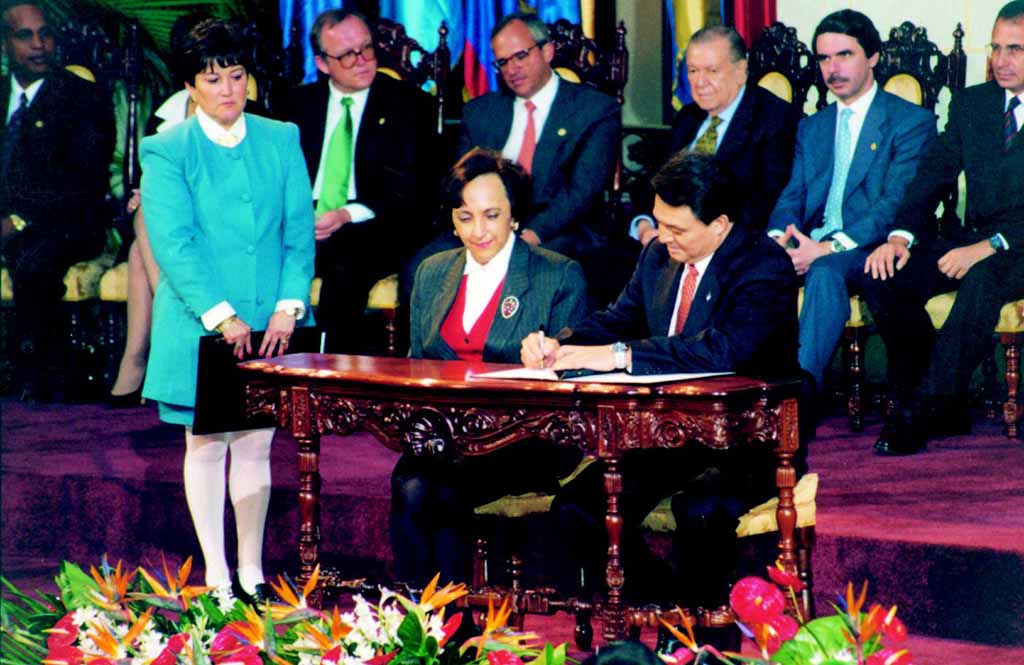
    A solemn ceremony took place at Guatemala’s National Palace of Culture, overlooking the Plaza de la Constitucion, marking the anniversary of the nation’s landmark peace agreement. The event gathered ten national leaders alongside two thousand distinguished guests and delegates representing diverse societal sectors.

    The historical significance was palpable as attendees recalled December 29, 1996, when four commanders of the Guatemalan National Revolutionary Unity (URNG) – Rolando Morán, Pablo Monsanto, Carlos González, and Jorge Rosal – formally signed the peace accord. The signing occurred in the Executive Branch headquarters with then-President Álvaro Arzú (1996-2000) serving as honorary witness to this transformative moment.

    The diplomatic achievement was further validated by signatures from four members of the Peace Commission and former United Nations Secretary-General Boutros Boutros-Ghali, whose involvement underscored the international community’s investment in Guatemala’s peaceful transition.

    Outside the palace walls, thousands of citizens had gathered twenty-eight years earlier, awaiting official proclamation of the conflict’s termination with aspirations for improved livelihoods. Their presence symbolized the collective yearning for reconciliation after thirty-six years of internal strife.

    Contemporary organizations, including the National Platform of Victims of the Internal Armed Conflict (1960-1996), used the anniversary to advocate for reactivating peace initiatives and restoring judicial integrity. Their calls emphasize the ongoing relevance of the peace agenda in addressing historical grievances.

    The devastating human cost of the civil war remains embedded in national consciousness, with official statistics documenting over 200,000 fatalities and 45,000 disappeared persons—figures that continue to shape Guatemala’s pursuit of transitional justice and social healing.

  • Mexico warns of a marked drop in temperatures

    Mexico warns of a marked drop in temperatures

    Meteorological authorities have issued a comprehensive weather alert for multiple regions across Mexico as a potent combination of weather systems converges over the nation. A cold front advancing across the Gulf of Mexico coastline is forecast to interact with a significant atmospheric river and an upper-level trough positioned over the Yucatan Peninsula, creating conditions for severe weather activity.

    The most intense precipitation, featuring isolated torrential downpours reaching 75 to 150 millimeters, is projected to impact extensive areas including Veracruz (specifically the Huasteca Baja, Totonaca, Nautla, Papaloapan, Los Tuxtlas, and Olmeca regions), Puebla (Sierra Norte and Sierra Nororiental), alongside the states of Tamaulipas, Oaxaca, Chiapas, and Tabasco.

    A secondary zone anticipating substantial rainfall between 50 to 75 millimeters encompasses Veracruz’s Huasteca Alta, Capital, Sotavento, and Las Montañas districts; Puebla’s Valle Serdan and Tehuacan-Sierra Negra areas; San Luis Potosi’s Huasteca region; multiple zones in Hidalgo including Huasteca, Sierra Alta, Sierra Baja, and Sierra de Tenango; and Queretaro’s Sierra Gorda.

    Concurrently, an Arctic air mass accompanying this frontal system will trigger a dramatic temperature decline across northern, northeastern, eastern, and central Mexican territories. The system will also generate powerful northerly winds with heightened intensity along coastal Tamaulipas and Veracruz, extending to the Isthmus and Gulf of Tehuantepec regions, potentially creating hazardous marine conditions and wind impacts.

  • Caricom secretaris-generaal bereidt regio voor op toekomstige uitdagingen

    Caricom secretaris-generaal bereidt regio voor op toekomstige uitdagingen

    In her year-end address, CARICOM Secretary-General Carla Barnett delivered a comprehensive assessment of the Caribbean region’s turbulent year, highlighting both significant challenges and notable achievements. While citizens throughout the region celebrate the holiday season, Barnett emphasized the vulnerabilities exposed by recent crises and the critical importance of regional unity.

    The Caribbean faced devastating natural disasters in 2024, with Hurricane Beryl and Hurricane Melissa causing severe damage across multiple member states. Jamaica and Haiti suffered particularly catastrophic impacts, experiencing substantial loss of life and widespread infrastructure destruction. Barnett noted that recovery efforts would demand considerable resources and extended timeframes. Compounding these natural disasters, unprecedented geopolitical tensions threatened export revenues, regional stability, and national sovereignty throughout the Caribbean basin.

    Despite these formidable challenges, the Caribbean community demonstrated its characteristic resilience. Member states collaborated swiftly to address urgent post-hurricane needs and implemented creative solutions to protect businesses and livelihoods. This coordinated response underscored the region’s capacity for effective crisis management.

    Significant progress was achieved in regional integration through the implementation of the CARICOM Single Market and Economy (CSME). Barbados, Belize, Dominica, and Saint Vincent and the Grenadines initiated full free movement of citizens between their territories, facilitating enhanced economic activity and people-to-people connections. Additionally, substantial advancements were made in developing a comprehensive industrial policy strategy, laying the groundwork for strengthened productive capacity, innovation, and economic diversification.

    The agricultural sector witnessed production growth through the continued “25 by 2025+” initiative, though hurricanes and climate-related events created substantial setbacks for farmers. Culturally, CARIFESTA XV in Barbados showcased the region’s rich artistic talents through a vibrant celebration of crafts and performances. Democratic traditions remained strong with peaceful general elections conducted in seven member states and five associate members.

    CARICOM maintained its commitment to human capital development and inclusivity, with special focus on enhancing participation of youth and women in economic activities, decision-making processes, and regional affairs. The organization is proactively preparing for future challenges by examining artificial intelligence’s business impacts and improving physical and digital connectivity to stimulate economic growth.

    Disaster resilience strengthening and food security enhancement remain top priorities for the regional body. Barnett expressed gratitude to Caribbean citizens, whose engagement and empowerment represent the region’s greatest strength. She also commended CARICOM Secretariat staff, international partners, civil society organizations, private sector entities, trade unions, and the Caribbean diaspora for their sustained contributions.

    With confident outlook, Barnett affirmed CARICOM’s determination to respond clearly and decisively to emerging challenges. Recent meetings of the Conference of Heads of Government in Barbados and Jamaica demonstrated strategic focus and commitment to actionable solutions. The Secretary-General called all regional and international stakeholders to advance together toward building an inclusive community characterized by resilience, prosperity, and unity. She concluded with wishes for peace and progress throughout the coming year.

    CARICOM, established on July 4, 1973 through the Treaty of Chaguaramas (revised in 2001 to enable common market establishment), comprises 15 member states including Trinidad and Tobago, plus six associate members.

  • Thailand, Cambodia agree on ceasefire to end weeks of deadly fighting

    Thailand, Cambodia agree on ceasefire to end weeks of deadly fighting

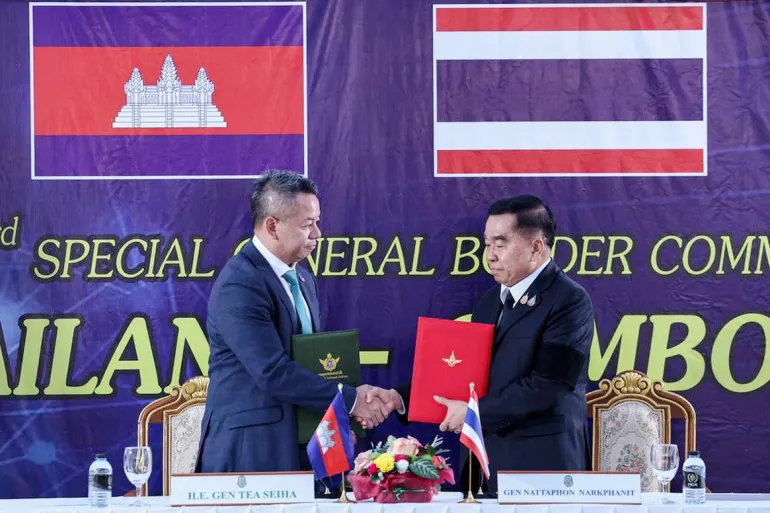
    After weeks of deadly border clashes that resulted in significant casualties and mass displacement, Thailand and Cambodia have formally agreed to an immediate cessation of hostilities. The neighboring Southeast Asian nations signed a joint ceasefire agreement on Saturday, effectively halting twenty days of intense fighting that marked the most severe bilateral conflict in recent years.

    The accord, endorsed by Thai Defense Minister Natthaphon Narkphanit and Cambodian Defense Minister Tea Seiha, stipulates that both military forces will maintain their current positions without further deployment movements. The comprehensive ceasefire took effect at noon local time (05:00 GMT) on Saturday, explicitly prohibiting all weapons use and attacks against civilian populations, infrastructure, and military installations across all contested areas.

    Despite the official truce, Al Jazeera correspondent Assed Baig reported from the Cambodian border city of Poipet that intense exchanges persisted until the final moments before the ceasefire implementation. This last-minute violence underscores the agreement’s perceived fragility and has left displaced civilians apprehensive about returning to their homes without concrete security assurances.

    The diplomatic agreement includes confidence-building measures such as refraining from provocative actions and preventing the dissemination of misinformation. An ASEAN observer team will monitor compliance with the ceasefire terms, while both nations have committed to maintaining open communication channels to address potential ground-level issues.

    The diplomatic process continues with Cambodian Foreign Minister Prak Sokhonn scheduled to meet with Thai and Chinese counterparts in Yunnan, China on Sunday. This trilateral meeting, characterized as a “mutual confidence” initiative, aims to restore lasting peace and stability along the contentious border region.

    The current conflict originates from historical territorial disputes along the 800-kilometer shared border, where both nations claim ancient temple sites and have contested colonial-era demarcations for over a century. This recent outbreak follows a previous July ceasefire brokered by the United States, China, and Malaysia that ultimately collapsed earlier this month, with both sides exchanging accusations of instigating renewed violence and targeting civilian populations.

  • Italy Arrests Nine Accused of Sending Gaza Aid Funds to Hamas

    Italy Arrests Nine Accused of Sending Gaza Aid Funds to Hamas

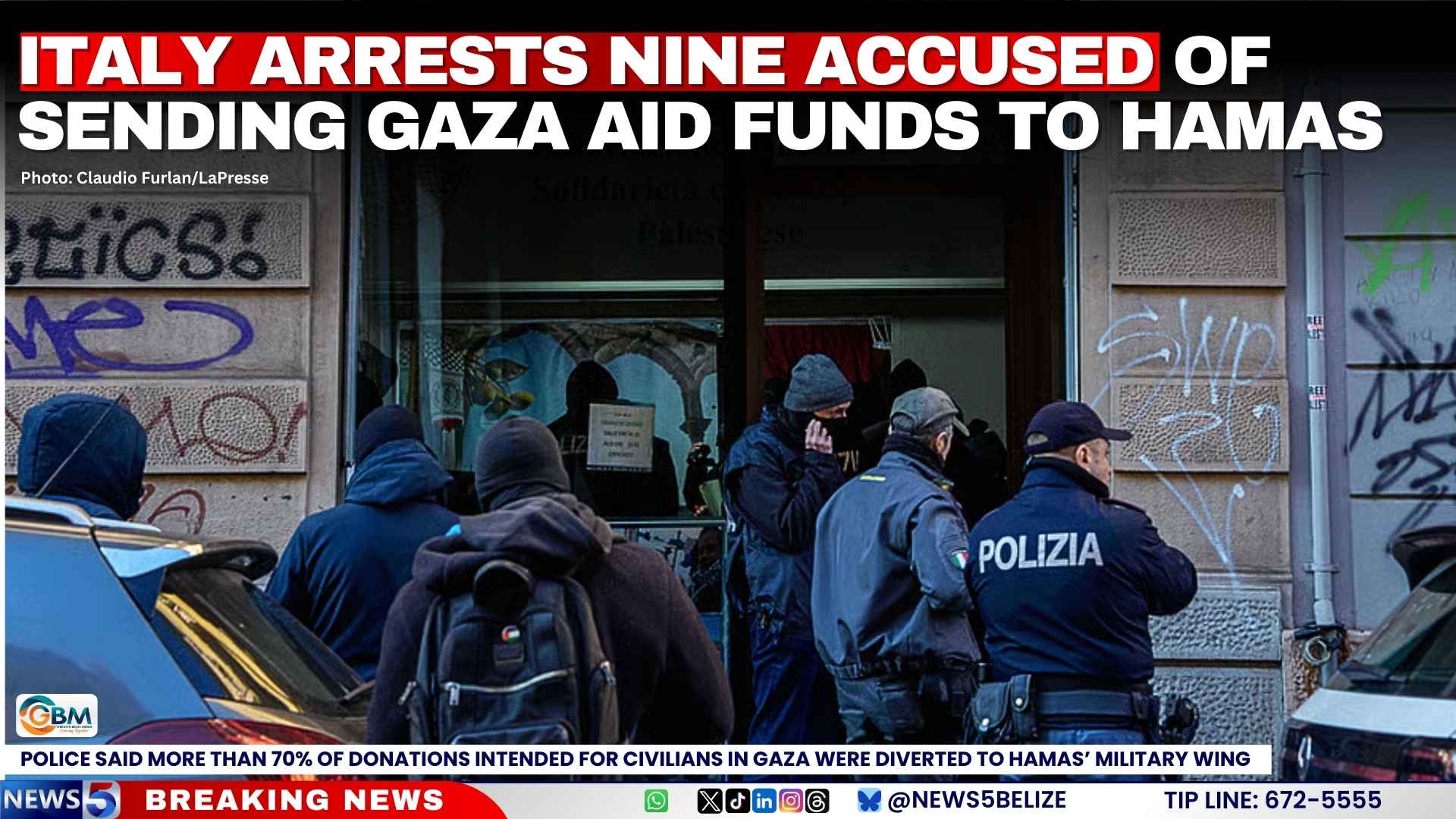
    Italian authorities have apprehended nine individuals allegedly involved in a sophisticated financial network that diverted approximately $8 million in humanitarian donations to Hamas’s military operations. The investigation, spanning multiple Italian regions, reveals a coordinated effort to mask military funding as civilian aid for Gaza.

    The arrests occur against the backdrop of sustained Israel-Hamas hostilities following the October 2023 attacks. While Gaza’s civilian population experiences critical shortages of essential supplies, this operation highlights how humanitarian crises can be exploited for militant financing.

    According to judicial documents, the scheme operated through a complex fundraising mechanism where donors were led to believe their contributions would support Palestinian civilians. Forensic financial analysis indicates over 70% of collected funds were systematically redirected to Hamas’s military wing and to families of suicide bombers and detainees.

    Among those detained is Mohammad Hannoun, president of Italy’s Palestinian Association, who publicly denies any affiliation with Hamas. In his defense, Hannoun stated his support extends only to what he characterizes as the ‘legitimate resistance’ of Palestinians, distancing himself from the terrorist organization’s military activities.

    The Italian police operation demonstrates enhanced international cooperation in combating terrorist financing networks, particularly those exploiting humanitarian channels during active conflicts. This case establishes significant precedent for European nations monitoring organizations that potentially cross from humanitarian work into militant support.

  • Army intercepts 30 undocumented foreigners and seizes motorcycles in Guayubín, Montecristi

    Army intercepts 30 undocumented foreigners and seizes motorcycles in Guayubín, Montecristi

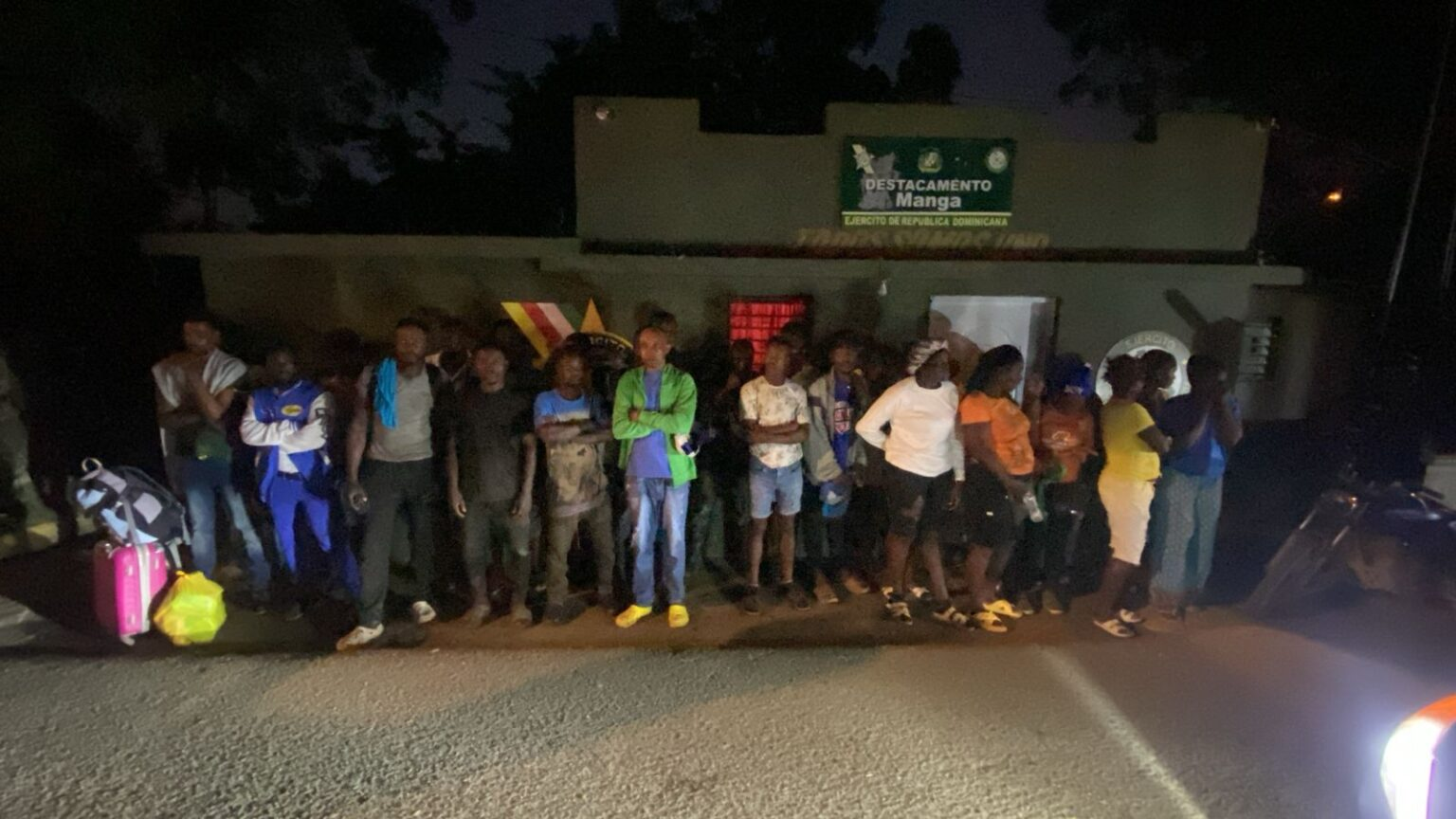
    In a targeted border enforcement operation, soldiers from the Dominican Republic Army (ERD) intercepted a group of thirty Haitian nationals attempting to cross irregularly into Dominican territory. The incident occurred near the Mangá Detachment military post in the Guayubín sector of Montecristi province, where troops detected the group attempting to circumvent official border controls.

    The detained migrants comprised seventeen adult males, eleven adult females, and two minors, all found to be without proper documentation or legal migratory status. Military authorities also confiscated three motorcycles—identified as Loncin, Haojue, and Senke models—which were being operated by undocumented individuals during the attempted border crossing.

    Following standard protocol for immigration enforcement operations, both the detained individuals and the impounded vehicles were transferred to the custody of the 4th Infantry Brigade headquarters. There, immigration authorities will process the cases according to Dominican Republic law and bilateral agreements governing migratory movement between the two neighboring nations.

    The Dominican Army reaffirmed its commitment to collaborative border security efforts, stating that the operation demonstrates continued coordination with state institutions to maintain border integrity, public order, and strict adherence to national immigration legislation. This interception occurs amid ongoing regional discussions regarding border security and irregular migration flows across the Hispaniola island.

  • Climate change: Storm Melissa and tremors: why the Dominican Republic faced strong phenomena in 2025

    Climate change: Storm Melissa and tremors: why the Dominican Republic faced strong phenomena in 2025

    The Dominican Republic weathered a remarkably intense year of natural phenomena throughout 2025, characterized by unusually powerful atmospheric events and significant seismic activity. According to meteorological experts, while the number of events did not exceed projections, their intensity and capacity for widespread impact marked a notable deviation from historical patterns.

    The 2025 Atlantic hurricane season produced two particularly influential systems: Hurricanes Melissa and Erin. Senior meteorologist Saddan Font-Frías Montero of the National Forecast Center explained that although neither hurricane made direct landfall on Dominican territory, both generated dangerous coastal conditions, extensive cloud coverage, and substantial rainfall across the nation.

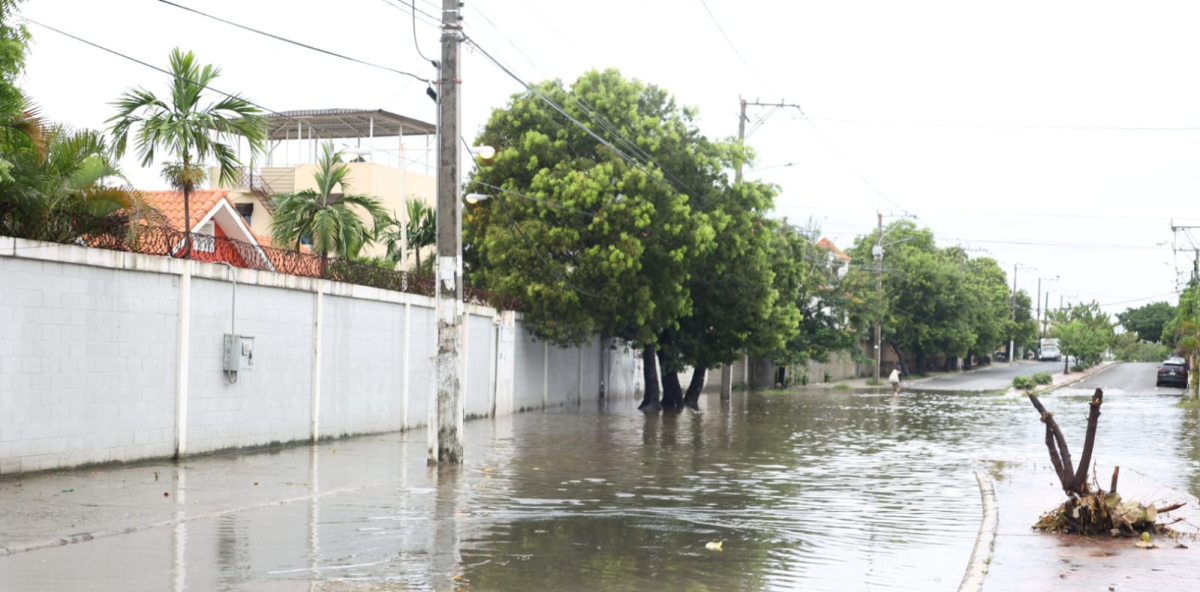
    Hurricane Melissa emerged as the most consequential system of the season, achieving Category 5 status through a process of rapid intensification. Despite passing at a distance from Dominican shores, its expansive outer bands delivered extraordinary precipitation totals: 737 mm in Polo, Barahona; 507 mm in Heroes Center; and 453 mm in Santo Domingo East. Montero attributed Melissa’s exceptional strength to significantly warmer ocean temperatures in the tropical Atlantic, which provided ideal conditions for cyclone intensification and moisture retention.

    The hurricane’s remote effects triggered severe flooding in southwestern regions, urban areas of Greater Santo Domingo, and San Cristóbal. Meteorological data confirmed a trend toward more energetic cyclones capable of producing extreme rainfall even without direct impact.

    Separately, seismic monitoring revealed increased tectonic activity throughout 2025. Ramón Delanoy, director of the National Seismology Office, reported 3,971 recorded earthquakes—a notable increase from 3,652 in 2024. The year’s most significant event registered magnitude 5.5 near Las Terrenas, Samaná, at a depth of 118 kilometers. Three primary fault systems—Ocoa, Septentrional, and Canal de la Mona—accounted for most seismic activity.

    As December commenced, meteorologist Christopher Florian indicated the beginning of the frontal season, with cold fronts expected to bring substantial cloud cover, frequent rainfall, and significantly cooler temperatures to northern and eastern provinces. Traditional cold spots including Valle Nuevo, Constanza, and Alto Bandera anticipate temperatures potentially dropping to 5°C, with occasional readings approaching freezing conditions.

  • Onderzoek gestart na crash privéjet met Libische legerofficieren nabij Ankara

    Onderzoek gestart na crash privéjet met Libische legerofficieren nabij Ankara

    Turkish and Libyan authorities have initiated a comprehensive multinational investigation into the catastrophic crash of a private jet carrying Libyan military commander Mohammed Ali Ahmed al-Haddad and seven other passengers near Ankara. The probe, coordinated by Turkey’s chief prosecutor’s office in Ankara, involves meticulous examination of technical data, flight records, crew activities, and aircraft maintenance history.

    The French-manufactured Dassault Falcon 50 departed Ankara Esenboğa Airport on Tuesday at 14:17 local time en route to Libya. Sixteen minutes after takeoff, the aircraft reported electrical system failure and requested emergency landing clearance. Radar contact was lost approximately at 14:41 during descent toward the runway, with officials noting a mere two-minute window between the distress signal and the actual crash near Kesikkavak village, about 70 kilometers south of Ankara.

    French Bureau of Enquiry and Analysis for Civil Aviation Safety (BEA) experts have joined the investigation team, which has secured all wreckage components including both cockpit voice and flight data recorders. The crash site remains secured by Turkish security forces as forensic analysis continues.

    The investigation encompasses multiple dimensions: radio communications between pilots and air traffic control, crew duty schedules, medical records, maintenance documentation, and fuel sample testing from both the wreckage and airport sources. Meteorological conditions at the time of the incident are also under scrutiny.

    Aviation analyst Guntay Simsek emphasized that preliminary findings show no evidence of external factors such as explosions, with the investigation proceeding under International Civil Aviation Organization (ICAO) protocols. A preliminary report is expected within 30 days, while the final comprehensive analysis may require up to 12 months.

    Turkish Transport Minister Abdulkadir Uraloglu indicated the black boxes might be analyzed abroad, raising questions about technical capabilities in Turkey and Libya. The incident highlights the complexities of international aviation investigations involving multiple jurisdictions, manufacturers, and regulatory bodies.

  • Bus Crash in Guatemala Leaves 15 Dead, 19 Injured

    Bus Crash in Guatemala Leaves 15 Dead, 19 Injured

    A catastrophic bus accident on Guatemala’s perilous Inter-American Highway has resulted in significant casualties, with authorities confirming 15 fatalities and 19 individuals injured. The tragedy unfolded in the early hours of Saturday when the passenger vehicle veered off the mountainous roadway and plummeted approximately 75 meters (246 feet) into a deep ravine.

    The incident occurred at the 174-kilometer marker, a section notoriously dangerous due to its steep terrain, frequent heavy fog, and persistently poor visibility conditions that challenge even experienced drivers. Local fire department officials reported that the victims comprised eleven adult men, three women, and one minor, highlighting the diverse demographic impact of the crash.

    Emergency response teams mobilized swiftly following the accident, conducting complex rescue operations in the difficult geographic location. The nineteen injured survivors were transported to multiple medical facilities in the region for urgent treatment, though the severity of their conditions remains undisclosed.

    This devastating event brings renewed attention to transportation safety concerns along Guatemala’s crucial highway network, particularly through its most hazardous mountainous regions where weather and topography combine to create dangerous driving conditions.

  • Israeli army raids town in Syrian province of Quneitra

    Israeli army raids town in Syrian province of Quneitra

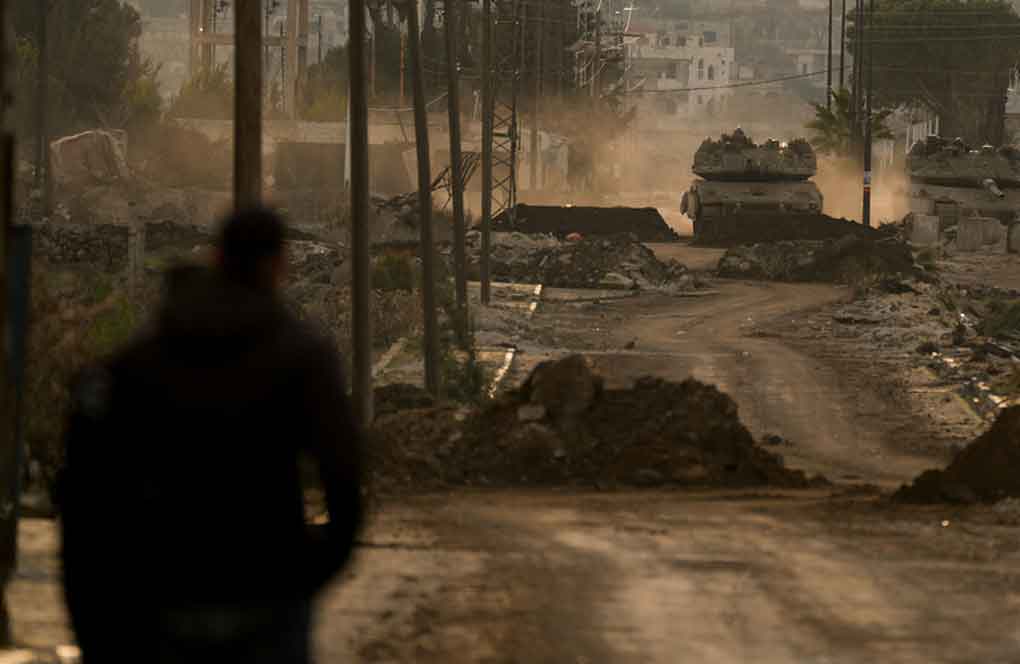
    A significant Israeli military incursion into Syrian territory was reported by Syrian state media on Thursday, marking a notable escalation in regional tensions. According to detailed accounts from Damascus, an armored Israeli contingent comprising six military vehicles initiated its operation by crossing into Syria from the Tell al-Hamer border site.

    The military movement progressed through the strategic corridor between the towns of Beit Jinn and Hadar, ultimately establishing presence in the village of Taranga. Following this initial penetration, the Israeli forces advanced further into Syrian territory, moving south of Jubatha al-Khashab where they positioned themselves on elevated terrain overlooking the surrounding area.

    Throughout the operation, the Israeli military conducted coordinated patrols while deploying unmanned aerial vehicles for reconnaissance missions. The combined ground and aerial operation concluded with the units proceeding toward the village of Ufania, located in the northern sector of the Quneitra region near the Israeli-occupied Golan Heights.

    Regional analysts indicate this operation represents one of the more substantial ground incursions in recent months, occurring amid heightened tensions between Israel and Syrian forces. The Quneitra province has frequently been a flashpoint for military activity due to its proximity to the disputed Golan Heights region, which Israel captured from Syria in the 1967 Six-Day War and later annexed in a move not recognized internationally.

    The Syrian government has characterized the military movement as ‘an act of aggression’ and part of a ‘dangerous escalation pattern’ by Israeli forces. Israeli defense officials have not immediately commented on the specific reports, maintaining their longstanding policy of neither confirming nor denying operations in Syrian territory.