分类: world

  • Strengthening emergency response capabilities: U.S.-Dominica police collaboration enhances tactical skills

    Strengthening emergency response capabilities: U.S.-Dominica police collaboration enhances tactical skills

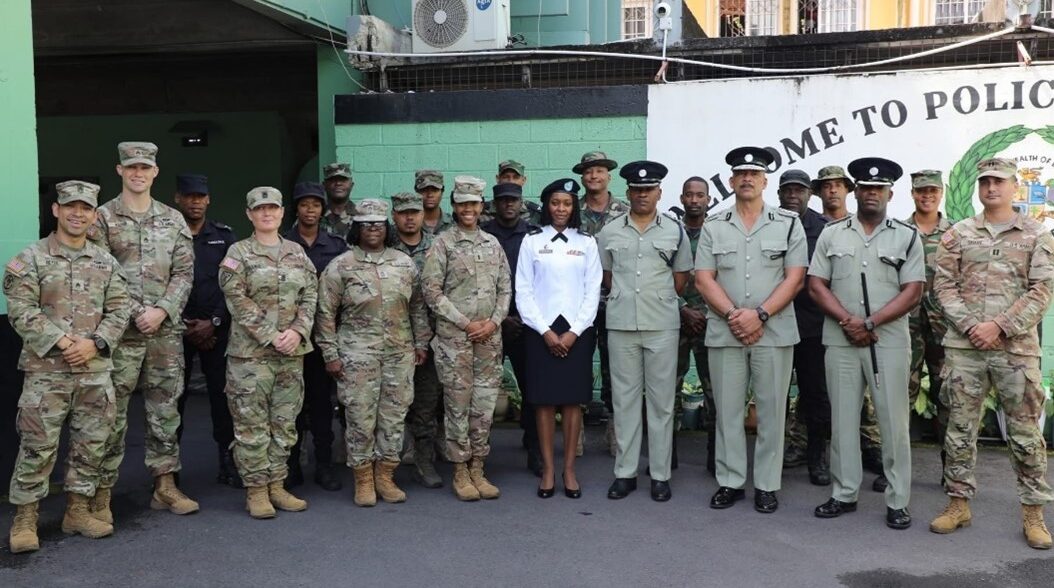
    In a significant demonstration of international security cooperation, U.S. and Dominican forces have concluded an intensive tactical medical exchange program that promises to enhance emergency response capabilities throughout the region. The five-day training initiative, conducted from February 23-27, brought together specialists from the U.S. Virgin Islands Army National Guard and the Commonwealth of Dominica Police Force for hands-on skill development.

    The comprehensive program focused on the MARCH protocol—an evidence-based approach to trauma care encompassing Massive hemorrhage control, Airway management, Respiration, Circulation, and Head trauma/hypothermia prevention. Participants engaged in both theoretical learning and practical application, culminating in realistic field simulations that tested their newly acquired life-saving techniques.

    Chief Lincoln Corbette of the Dominican Police Force expressed profound appreciation for the collaborative effort, noting: ‘We were blessed with practical knowledge that substantially strengthens our operational capabilities. Our partnership with the United States continues to deepen, and we anticipate further expanding this productive cooperation.’

    The training deployment was spearheaded by First Lieutenant Keyvil King of the U.S. Virgin Islands Army National Guard, with additional support from U.S. Army Civil Affairs personnel working in coordination with the U.S. Embassy in Bridgetown. These personnel simultaneously engaged in strategic relationship-building exercises to identify future collaborative opportunities.

    Captain Elbert Smart, Civil Affairs Team Leader, characterized the exchange as ‘both an honor and a pleasure,’ emphasizing that such initiatives ‘strengthen professional relationships and establish enduring partnerships.’

    According to official statements from the U.S. Embassy, this joint effort reflects the committed partnership between the United States and Dominica to enhance regional resilience, advance professional development standards, and significantly improve emergency preparedness protocols throughout the Caribbean region.

  • St. Vincent and the Grenadines announces US$50 million initiative to strengthen water security

    St. Vincent and the Grenadines announces US$50 million initiative to strengthen water security

    The Caribbean nation of St. Vincent and the Grenadines is poised for a transformative upgrade to its water infrastructure, following a major financial commitment announced by Prime Minister Dr. Godwin Friday. A proposed US$50 million initiative, developed in the wake of high-level discussions at the CARICOM Heads of Government Conference in Saint Kitts and Nevis, is designed to fortify the nation’s climate resilience and ensure long-term water security.

    Spearheaded by the Caribbean Community Climate Change Centre, the comprehensive program targets critical weaknesses in the multi-island state’s water supply chain. Central to the strategy is a significant modernization drive for existing desalination facilities, a crucial upgrade for a nation surrounded by saltwater yet facing freshwater scarcity. The project scope further includes a substantial expansion of water storage capacity and a complete overhaul of aging distribution networks to enhance service reliability and reduce wastage.

    A key infrastructural component involves the construction of six new large-scale water storage tanks in strategic locations, including Georgetown and Kingstown Park. These reservoirs are engineered to bolster the national capacity to harness and manage water resources, specifically targeting regions historically plagued by inconsistent supply and scarcity.

    Financing for this ambitious endeavor is anchored by a substantial grant, with approximately US$40 million expected to be allocated from the Green Climate Fund, a primary global financial mechanism for supporting climate adaptation and mitigation projects in developing nations. This investment is strategically aimed at building robust defenses against climate variability, which increasingly manifests as prolonged droughts and irregular rainfall patterns in the region.

    Prime Minister Friday emphasized the project’s profound socioeconomic implications, stating it will ‘fundamentally transform water security,’ particularly in the Grenadines archipelago. He identified a reliable water supply as not just a basic utility for residents but also an indispensable prerequisite for sustainable tourism development and economic diversification. The Premier highlighted the exorbitant current economic burden of water transportation, which he cited as a major impediment to growth within the nation’s critical hospitality sector.

  • Iran zet in op uithoudingsvermogen en energieverstoring in strijd tegen VS en Israël

    Iran zet in op uithoudingsvermogen en energieverstoring in strijd tegen VS en Israël

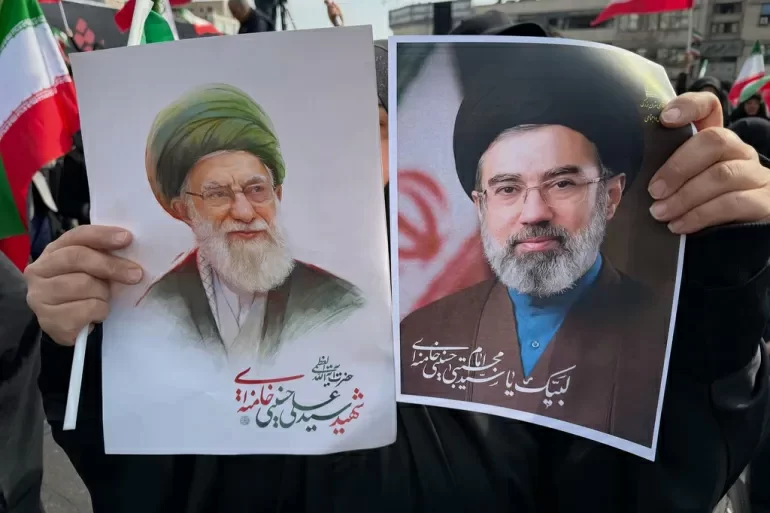
    Iran is executing a calculated strategy of attrition against the United States and Israel, emphasizing economic disruption and psychological pressure over conventional military superiority, according to regional security analysts. The Islamic Revolutionary Guard Corps (IRGC) maintains firm control over battlefield operations despite the loss of Supreme Leader Ayatollah Ali Khamenei in initial attacks, with experts noting the organization’s consolidation of power through the appointment of Mojtaba Khamenei as new Supreme Leader.

    The conflict has evolved into an existential struggle for Tehran, which analysts Fawaz Gerges of London School of Economics and Alex Vatanka of Middle East Institute describe as resembling a ‘wounded but increasingly dangerous animal.’ Iran’s military approach focuses on maximizing economic damage throughout the Gulf region, targeting energy infrastructure from Qatar to Saudi Arabia to increase costs for neighboring countries, European partners, and the United States while testing Washington’s political resolve.

    Despite President Donald Trump’s commitment to continue hostilities until Iran’s complete defeat, the confrontation appears to be transforming into a prolonged war of endurance. U.S. intelligence sources indicate significant depletion of Iran’s missile arsenal, though regional assessments suggest Tehran retains more than half of its pre-war stockpile, sufficient to sustain attacks for several weeks.

    Within Iran, daily life demonstrates remarkable resilience with shops and banks remaining operational during bombardements. The population shows no signs of mass protests or elite fragmentation, instead displaying strengthened national solidarity that potentially allows the regime to adapt to a war economy and consolidate control.

    Global markets are already feeling the conflict’s impact, with oil prices reaching record highs not seen since 2022. Brent crude surged due to disruptions in the Strait of Hormuz, a critical chokepoint for global oil exports, while aluminum prices also rose significantly indicating broader commodity market instability.

    Rising energy costs have triggered rationing measures and distribution restrictions worldwide, with multiple countries implementing temporary fuel sales regulations to prevent shortages. This creates increasing pressure on households and industries while heightening political tensions across multiple regions.

    Chinese Foreign Minister Wang Yi recently emphasized the global necessity for peace, stability, and dialogue, describing the Middle East situation as entering a delicate and dangerous phase where military escalation offers no solution. China advocates for immediate ceasefire and political dialogue with respect for national sovereignty and non-interference principles.

    The coming weeks will prove crucial as Iran bets on political exhaustion of its adversaries while the U.S. and Israel prepare to maintain military pressure. Regardless of outcome, the conflict has created an injured and unpredictable actor capable of further disrupting regional and global balance.

  • UN raises alarm over humanitarian impact as Middle East conflict intensifies

    UN raises alarm over humanitarian impact as Middle East conflict intensifies

    WASHINGTON, DC – United Nations agencies are issuing grave warnings about the rapidly deteriorating humanitarian situation across the Middle East as military conflicts intensify. With escalating violence creating widespread civilian casualties and infrastructure damage, populations in Iran, Iraq, and Lebanon face unprecedented risks according to UN assessments.

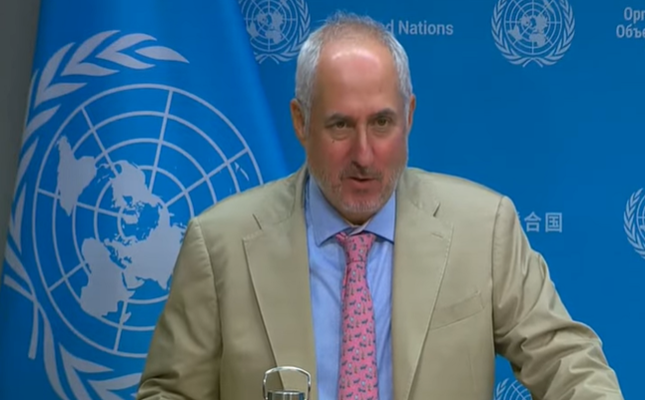
    During a March 9th press briefing at UN Headquarters in New York, Secretary-General spokesperson Stéphane Dujarric expressed particular concern about reported strikes targeting oil installations. “Attacks on such facilities could trigger severe environmental consequences with far-reaching impacts on air quality and water security,” Dujarric stated, emphasizing that environmental fallout could affect millions of civilians.

    The warnings come amid heightened tensions between the United States, Israel, and Iran. The Trump administration has initiated military operations targeting Iranian leadership with reported Israeli support, conducting multiple strikes against government-linked facilities. Iran has responded with retaliatory attacks against U.S. military installations in allied nations including Bahrain, United Arab Emirates, and Qatar, resulting in significant infrastructure damage and seven confirmed U.S. military fatalities.

    Lebanon faces particularly severe humanitarian deterioration, with UN agencies reporting extensive damage to civilian infrastructure. Evacuation orders remain enforced across southern Lebanon and Beirut’s southern suburbs, displacing large population segments. Health services have been critically compromised with five hospitals and dozens of primary healthcare centers forced to suspend operations due to ongoing violence.

    Humanitarian organizations continue providing assistance despite resource constraints, distributing hot meals, bedding, hygiene supplies, and over 80,000 liters of fuel to support tens of thousands of displaced persons. Children affected by the crisis are receiving psychosocial support and alternative education programs where possible.

    The UN emphasizes that international support is urgently needed to address rapidly growing humanitarian needs. Dujarric reiterated calls for full implementation of UN Security Council Resolution 1701, which aims to maintain stability along the Israel-Lebanon border, noting this will be central to ongoing diplomatic efforts.

  • Dominican Republic and Guatemala to sign port cooperation agreement

    Dominican Republic and Guatemala to sign port cooperation agreement

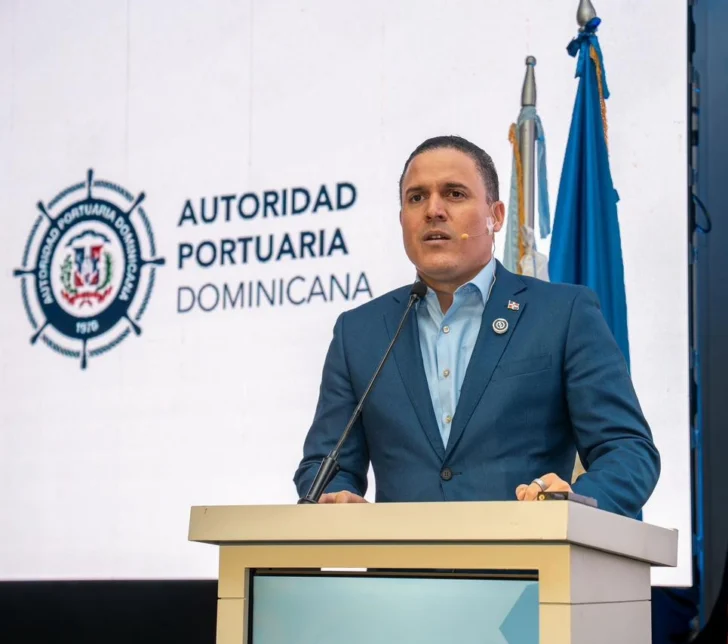
    In a significant move to enhance maritime infrastructure collaboration, the Dominican Port Authority (APORDOM) and Guatemala’s National Port Commission are formalizing a bilateral partnership through a Memorandum of Understanding. The agreement, scheduled for signing in late March, will establish a framework for technical and institutional cooperation between the two nations’ port sectors.

    The signing ceremony will occur during an official technical visit by Guatemalan port officials to the Dominican Republic, where APORDOM Executive Director Jean Luis Rodríguez and National Port Commission President Leonel Alberto Molina Cabrera will execute the document. The partnership is founded on principles of reciprocity and mutual benefit, creating channels for knowledge exchange and collaborative port development initiatives.

    The Guatemalan delegation will conduct extensive site visits to strategic Dominican maritime facilities, including the Port of Río Haina and Port of Caucedo, to observe operational best practices firsthand. The collaboration will specifically focus on port planning methodologies, modernization strategies, digital transformation processes, and management optimization techniques.

    This four-year agreement establishes mechanisms for joint project development, specialized training programs, research partnerships, and technology sharing. The cooperation will extend to critical areas such as port governance models, environmental sustainability practices, security protocols, and technological innovation implementation. The partnership represents a strategic alignment between Caribbean and Central American maritime interests, potentially creating new standards for regional port operations and economic cooperation.

  • Security : Kamikaze drones are not sparing the population

    Security : Kamikaze drones are not sparing the population

    A disturbing pattern of lethal drone operations in Haiti has been exposed by Human Rights Watch, revealing significant civilian casualties and raising serious questions about the involvement of private military contractors. According to a comprehensive investigation, these kamikaze drone strikes have killed and injured hundreds of non-combatants, including numerous children, over a ten-month period.

    Juanita Goebertus, Americas Director at Human Rights Watch, issued a stark condemnation: “Dozens of ordinary people, including many children, have been killed and injured in these lethal drone operations.” The organization’s data analysis documents at least 1,243 fatalities from 141 separate drone operations between March 2025 and January 2026. Among the dead were 43 adults with no apparent ties to criminal organizations and 17 children. Additionally, 738 people were injured in these attacks, including at least 49 civilians.

    The United Nations Integrated Office in Haiti (BINUH) has attributed the drone campaign to a specialized “Task Force” established by Prime Minister Alix Didier Fils-Aimé. This force operates with technical support from Vectus Global, a private military company owned by Erik Prince, the controversial former founder of Blackwater. The U.S. State Department’s involvement was confirmed by the American ambassador to Haiti, who acknowledged issuing an export license to Vectus Global for defense services in the country.

    The escalation of drone strikes has been particularly dramatic in recent months. Port-au-Prince witnessed 57 attacks between November 2025 and January 2026—nearly double the 29 operations recorded during the previous three-month period from August to October 2025.

    Human Rights Watch has called for immediate accountability measures, including compensation for affected families and full transparency regarding the command structure overseeing these operations. The organization has specifically demanded clarification about the role played by private military companies in the drone campaign. Formal letters detailing these findings and requests were sent to Haitian Prime Minister Alix Didier Fils-Aimé, the Haitian National Police, and Vectus Global. None had responded at the time of the report’s publication.

  • Cuba to withdraw doctors, nurses from Guyana amid salary dispute

    Cuba to withdraw doctors, nurses from Guyana amid salary dispute

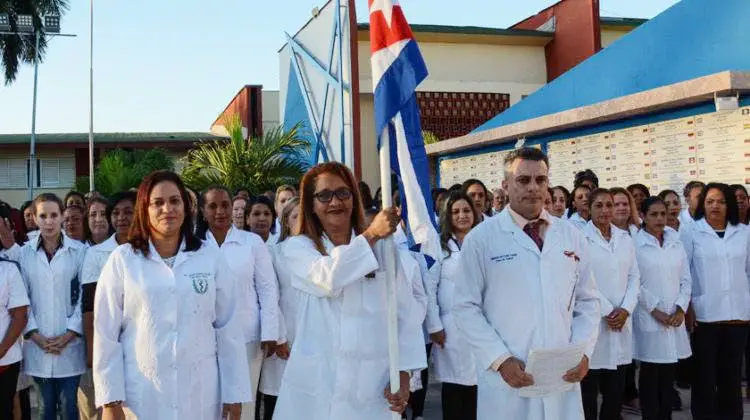
    GEORGETOWN, Guyana — A nearly five-decade medical cooperation agreement between Cuba and Guyana has reached an abrupt conclusion following a fundamental disagreement regarding compensation protocols for healthcare professionals. The dissolution emerged after Guyanese authorities proposed altering the payment structure to disburse salaries directly to medical personnel rather than channeling funds through the Cuban government.

    Health Minister Frank Anthony confirmed on Monday that Cuban officials have elected to withdraw their entire medical contingent from the South American nation. This decision affects over 200 physicians and nurses who have received instructions to prepare for departure. Minister Anthony noted that despite ongoing negotiations, Cuban authorities ultimately chose to terminate the long-standing program.

    The Guyanese government has expressed willingness to maintain healthcare services by offering individual employment contracts to any Cuban medical professionals who wish to remain in the country independently. This development places Guyana among several nations experiencing similar withdrawals of Cuban medical teams, including Jamaica which recently announced comparable changes to its healthcare agreements with Havana.

    The Cuban medical brigade program has faced international criticism, particularly from the United States which has characterized the initiative as exploitative labor practice. Washington contends that Havana profits significantly from these arrangements while medical personnel receive only fractional compensation. In 2025, the U.S. government threatened visa restrictions against officials from multiple countries who maintained affiliations with Cuba’s medical deployment programs.

    Despite the current impasse, Cuba and Guyana maintain historically strong diplomatic relations. During the COVID-19 pandemic peak in 2021, more than sixty Cuban doctors provided critical support to Guyana’s healthcare system. Cuba has also contributed substantially to medical education in Guyana, training numerous healthcare professionals throughout their partnership.

  • Commonwealth Day 2026 Message from His Majesty The King, Head of the Commonwealth

    Commonwealth Day 2026 Message from His Majesty The King, Head of the Commonwealth

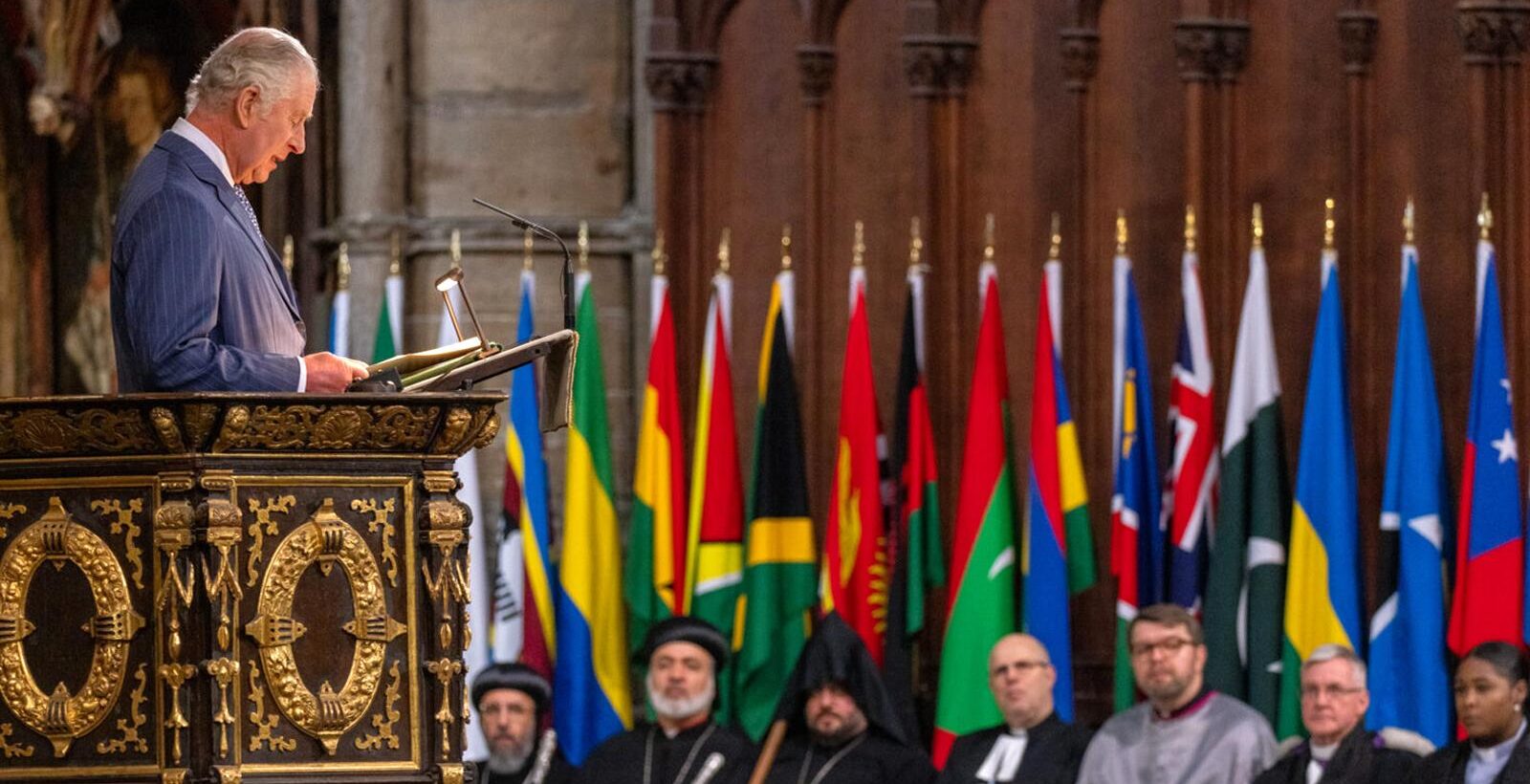
    In a powerful Commonwealth Day address, the enduring spirit of the international alliance was celebrated against a backdrop of global challenges and transformative potential. The message, delivered by His Majesty the King as Head of the Commonwealth, emphasized the organization’s unique role in navigating contemporary pressures including geopolitical conflicts, environmental crises, and rapid societal changes.

    The Commonwealth, spanning oceans and continents, represents an extraordinary convergence of cultural, linguistic, and religious diversity united through fundamental values of justice, democratic principles, opportunity, compassion, and mutual respect. This voluntary association of nations continues to serve as a rare forum for transparent dialogue aimed at improving living conditions for nearly three billion citizens across member states.

    Economic potential forms a crucial component of the Commonwealth’s contemporary relevance, with prosperous trade opportunities remaining substantially untapped among trusting partner nations. The organization’s demographic composition—featuring nearly two-thirds of its population under thirty years of age—positions it as a family defined by youthful energy and future possibility. This demographic reality underscores the collective responsibility to ensure younger generations inherit both hope and a viable environment for flourishing.

    Environmental stewardship emerged as a central theme, with climate change identified not as abstract concern but as immediate reality across many Commonwealth territories. The protection of oceans, preservation of forests, and pursuit of prosperity in harmony with nature were framed as intergenerational obligations extending to unborn descendants.

    The upcoming Commonwealth Heads of Government Meeting in Antigua and Barbuda represents the formal manifestation of an organization strengthened daily by grassroots endeavors. The distinctive character of the Commonwealth derives not merely from governmental resolutions but from countless individual acts of service, innovation, and creative enterprise among its citizens. When leaders convene, they do so representing millions whose quiet determination and resilience give practical meaning to shared ambitions.

    Looking forward, the Commonwealth stands positioned to evolve as a sustained force for global good—community-grounded, culturally enriched, and united in friendship while advancing restorative sustainability models that yield tangible returns on investment and planetary care.

  • Millions of people around the world to celebrate Commonwealth Day on March 9th

    Millions of people around the world to celebrate Commonwealth Day on March 9th

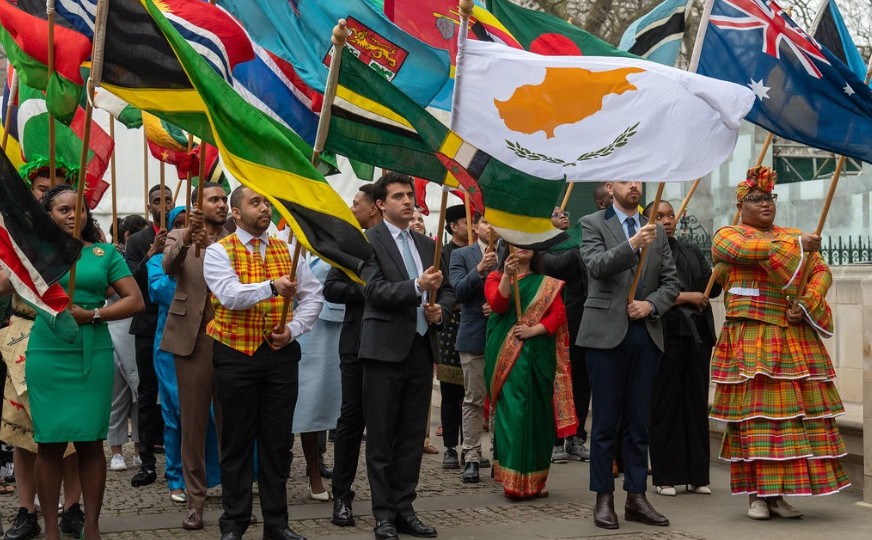
    On March 9, 2026, the Commonwealth of Nations celebrates its annual Commonwealth Day, bringing together 56 member countries representing nearly one-third of the world’s population. This year’s observance, themed “Unlocking opportunities together for a prosperous Commonwealth,” emphasizes collaborative efforts toward creating decent employment, ensuring quality education, and fostering inclusive economic growth across member states.

    Diverse celebrations span the globe, reflecting the rich cultural tapestry of the Commonwealth. Antigua and Barbuda feature vibrant cultural performances and children’s choirs, while United Kingdom councils conduct formal flag-raising ceremonies. Tonga organizes special educational readings for schoolchildren, Malawi hosts health-focused events, and the Maldives launches a social media campaign highlighting women’s developmental contributions. From Samoa to Saint Lucia, communities engage in memorial services, festivals, and street parades that honor local traditions.

    His Majesty King Charles III, Head of the Commonwealth, delivered a poignant message acknowledging contemporary global challenges including conflicts, climate change, and rapid societal transformations. The monarch emphasized the organization’s resilience, stating: “Working together, we can ensure that the Commonwealth continues to stand as a force for good – grounded in community, committed to restorative sustainability, enriched by culture, steadfast in its care for our planet, and united in friendship and in the service of its people.”

    The traditional multi-faith Commonwealth Day Service at Westminster Abbey in London gathered royalty, including King Charles III and Queen Camilla, alongside Commonwealth Secretary-General Hon Shirley Botchwey, government leaders, dignitaries, and youth representatives. Hosted by the Royal Commonwealth Society, the service incorporated musical performances, dance, and readings from artists across the Commonwealth nations.

    Secretary-General Botchwey, delivering her inaugural Commonwealth Day message, characterized the occasion as both celebration and commitment: “Despite the uncertainty of our times, we choose cooperation over division, dialogue over discord, and partnership over isolation. Together, we shape a future worthy of our shared values and all our people.” Following the service, Their Majesties and the Secretary-General hosted a reception for foreign ministers, high commissioners, youth leaders, and civil society representatives.

    The observance has expanded into a week-long series of events, including the Commonwealth Investment Network Summit in London from March 9-13, 2026. This summit provides innovators from Caribbean and Pacific nations platforms to present scalable projects to international investors and policymakers.

    The Commonwealth, a voluntary association of 56 sovereign states encompassing 2.7 billion people, maintains a uniquely youthful demographic with over 60% of its population under age 29. Thirty-three member nations are classified as small states, many being island nations. Through its Secretariat and network of over 80 organizations, the Commonwealth supports democratic institutions, strengthens governance, promotes justice and human rights, and addresses critical global challenges including climate change, debt management, and inequality.

    This year’s celebrations underscore the Commonwealth’s enduring relevance as a global community dedicated to fostering international cooperation, environmental sustainability, and equitable opportunities for all member nations and their citizens.

  • Spanish Navy training ship Juan Sebastián de Elcano to dock in Santo Domingo

    Spanish Navy training ship Juan Sebastián de Elcano to dock in Santo Domingo

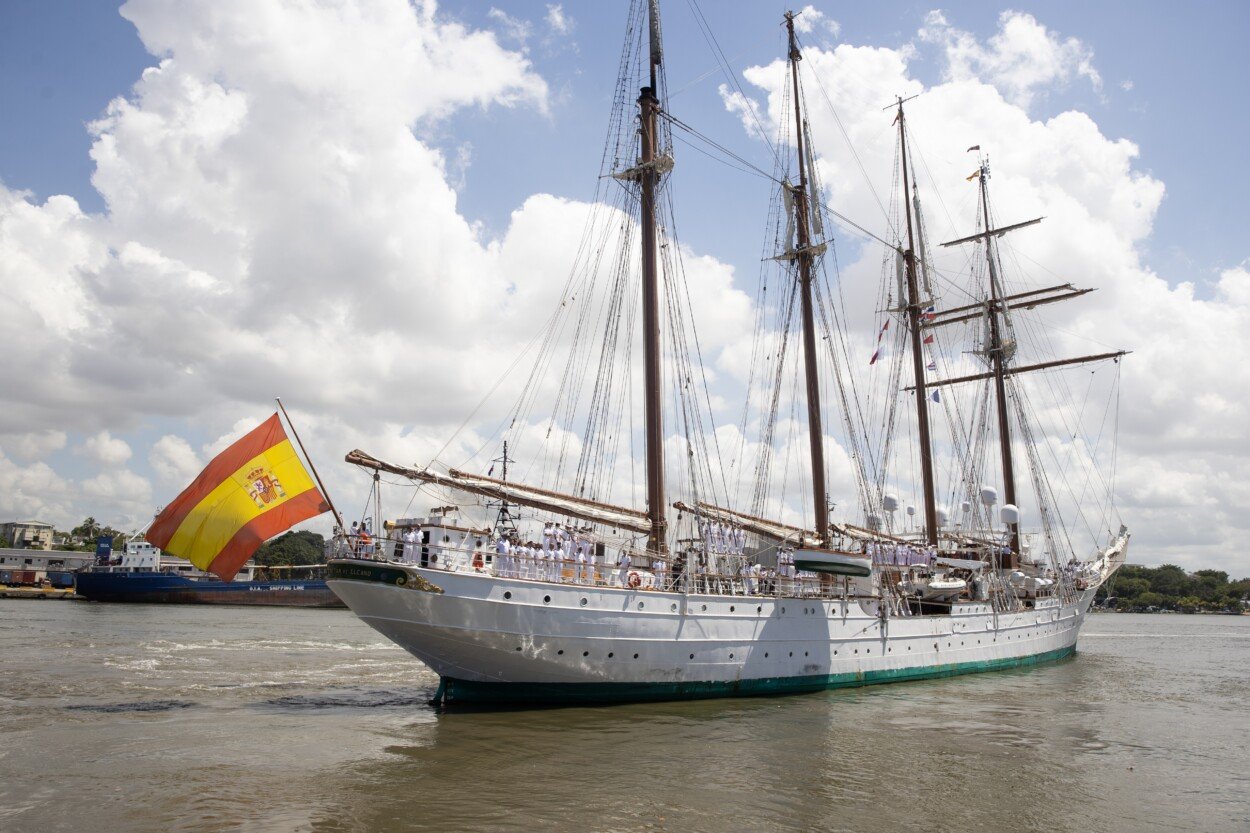
    The iconic Spanish Navy training vessel Juan Sebastián de Elcano is scheduled to arrive at Santo Domingo’s Punta Torrecilla Pier on March 10, marking a significant diplomatic and cultural visit to the Dominican capital. This stop forms part of the ship’s ongoing international training cruise, continuing its nearly century-long tradition of global navigation.

    Commissioned in 1928 and constructed in Cádiz, the majestic four-masted schooner bears the name of the renowned Spanish explorer Juan Sebastián Elcano, who famously completed humanity’s first circumnavigation of the globe in 1522 following Ferdinand Magellan’s death during their historic expedition.

    With an impressive maritime legacy spanning 97 years, the vessel has traversed approximately 1.9 million nautical miles across global waters while visiting over 70 nations worldwide. Beyond its remarkable endurance, the ship serves dual purposes as both a practical training platform for Spanish Navy midshipmen and a floating ambassador promoting Spain’s international relations and cultural heritage.

    Each annual training cruise provides future naval officers with hands-on experience in navigation and ship management operations. The vessel’s storied history includes eleven complete circumnavigations alongside numerous other educational voyages, solidifying its status as both a functional training facility and a symbolic representation of Spain’s maritime traditions.