分类: world

  • News 5 2025: The Stories That Shaped Belize

    News 5 2025: The Stories That Shaped Belize

    The year 2025 emerged as a definitive chapter in Belize’s national narrative, characterized by profound societal challenges and significant milestones. This comprehensive analysis examines the pivotal developments that shaped the Central American nation across twelve transformative months.

    January initiated the year with dual tragedies: the haunting double homicide of Adelita and Felix cast a pall over the nation, while political turbulence within the United Democratic Party revealed deepening internal fractures. Concurrently, the inauguration of a new National Health Insurance clinic in Belama signaled healthcare advancements, and the controversial redesign of national banknotes ignited vigorous public discourse concerning cultural representation.

    February witnessed civic engagement through Belize National Teachers’ Union demonstrations advocating for improved working conditions. Simultaneously, public safety concerns intensified following the Baptist murder case and the Orellano drowning incident. The People’s United Party convened its convention while disturbing patterns emerged, including fraudulent automotive schemes and security lapses at Royal Kahal properties.

    March proved particularly consequential with Prime Minister John Briceño’s inauguration for a second term, ensuring governmental continuity amidst declining consumer confidence and inflationary pressures. The nation mourned the passing of cultural icon Aurelio Martínez while processing former leader Shyne’s political resignation and significant Caribbean Court of Justice rulings.

    April introduced multifaceted controversies with the appointment of a new Police Commissioner generating substantial public debate. Health authorities confirmed Belize’s first measles case in thirty-four years, triggering nationwide epidemiological alerts. A gruesome animal cruelty case involving equine dismemberment provoked widespread outrage, accompanied by an unprecedented aircraft hijacking incident and the arrest of a sitting area representative.

    May’s judicial landscape shifted dramatically through a High Court verdict affecting opposition party dynamics. The government’s implementation of a State of Emergency aimed at curbing criminal activity sparked civil demonstrations, while environmental concerns emerged regarding Boots Beach Front development projects. Media evolution continued with the establishment of a new journalistic enterprise.

    June delivered inspirational narratives through a burn survivor’s remarkable achievement of a medical degree, contrasting with serious allegations against public figures for sexual assault. Agricultural sectors faced mounting concerns regarding Fusarium pathogen outbreaks, while coastal communities intensified efforts against sargassum seaweed invasions.

    July juxtaposed horrific criminal incidents including the murders of Evadnie and Luke against groundbreaking archaeological discoveries at Caracol. Belize celebrated the historic appointment of its first female military commander amid constitutional debates surrounding proposed amendments. Implementation of national identification systems and rodent infestations occupied administrative attention.

    August’s security landscape deteriorated with the Meighan homicide case, multiple drowning incidents, and a violent residential invasion. Environmental anomalies included unprecedented devil fish sightings and livestock management challenges, while technological discussions centered on artificial intelligence relationships. Public health authorities confirmed rare human screwworm cases alongside the shocking Budna kidnapping.

    September emphasized judicial processes with detailed investigations into infant mortality cases and the extradition of Ellis Meighan. Infrastructure development debates focused on the Tren Maya project alongside taxation reforms and traditional Carnival celebrations demonstrating cultural resilience.

    October unveiled disturbing criminal revelations including the assassination of Big Tom, drum-contained human remains, and the devastating San Lázaro inferno. Policy developments featured Caye Caulker’s cannabis regulation framework and governmental intentions to acquire Fortis energy assets. The Hangar area privatization dispute ignited fervent public access debates.

    November prompted national introspection through cabinet reorganizations and high-profile resignations questioning political stability. Belize City endured its most prolonged electrical outage in recent history, while targeted shootings near the Free Zone renewed firearms concerns. International territorial deliberations involving Belize, Guatemala, and Honduras reached judicial forums, contrasted by Phillip Wright’s historic installation as the first Belizean Archbishop of the West Indies.

    This annual retrospective demonstrates Belize’s enduring resilience through complex challenges, reflecting a society continuously negotiating its identity between tradition and transformation. The accumulated experiences of 2025 establish critical foundations for the nation’s ongoing development as it progresses toward 2026.

  • All Passengers Make Flights After Airport Clears Baggage Backlog

    All Passengers Make Flights After Airport Clears Baggage Backlog

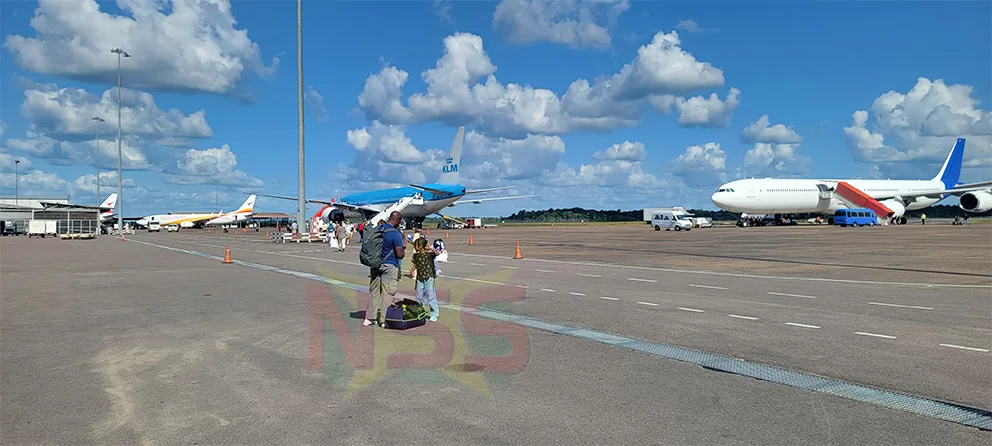
    V.C. Bird International Airport successfully averted major travel disruptions on Tuesday afternoon after swiftly addressing a significant baggage screening backlog. Airport authorities confirmed that all passengers successfully reached their departure gates and no scheduled flights were missed despite operational challenges.

    The congestion emerged following an unexpected surge in passenger traffic, which nearly matched the volume typically experienced on peak Saturdays. This influx placed considerable strain on the airport’s CTX explosive-detection screening systems, creating temporary bottlenecks in baggage processing operations.

    According to official statements, airport teams implemented immediate measures to alleviate pressure on screening facilities. Through coordinated efforts, the backlog was effectively eliminated, allowing normal operations to resume. An airport representative informed Antigua.news that the situation had been “virtually cleared” following the intervention.

    Despite brief delays in baggage screening, airport management maintained strict adherence to departure schedules, ensuring all travelers cleared security protocols in time for their flights. The incident highlighted the airport’s crisis response capabilities during periods of unusually high passenger volume.

  • Israel to ban 37 aid groups operating in Gaza

    Israel to ban 37 aid groups operating in Gaza

    JERUSALEM (AFP)—A significant humanitarian confrontation is escalating as Israel prepares to implement a ban on 37 international aid organizations operating in Gaza, effective Thursday. The controversial measure requires organizations to submit comprehensive details about their Palestinian staff members—a demand that has drawn sharp criticism from United Nations officials and European Union leadership.

    The policy, which sets a midnight Wednesday deadline for compliance, has been defended by Israeli authorities as necessary for security purposes. Gilad Zwick, spokesman for the Ministry of Diaspora Affairs and Combating Antisemitism, stated that the organizations had failed to meet new regulatory requirements over ten months. “They refuse to provide lists of their Palestinian employees because they know, just as we know, that some of them are involved in terrorism or linked to Hamas,” Zwick told AFP.

    Humanitarian groups including Doctors Without Borders (MSF), Norwegian Refugee Council, World Vision International, CARE, and Oxfam face operational suspension. These organizations warn that the ban will severely impact already insufficient food and medical shipments to Gaza’s 2.2 million residents, where 1.3 million people require urgent shelter support according to international assessments.

    The United Nations human rights chief Volker Turk condemned the move as “outrageous,” while EU humanitarian chief Hadja Lahbib declared the NGO registration law “cannot be implemented in its current form.” UNRWA commissioner Philippe Lazzarini warned the policy sets a “dangerous precedent” that undermines fundamental humanitarian principles.

    Israel’s ambassador to Belgium and Luxembourg, Idit Rosenzweig-Abu, reported that 104 organizations had filed under the new guidelines, with nine rejected and 37 failing to complete procedures. The Israeli government maintains the process is designed to prevent exploitation of aid by Hamas, which still controls parts of Gaza.

    The controversy unfolds against the backdrop of a fragile ceasefire following October’s deadly conflict, with aid groups reporting only 100-300 daily aid trucks reaching Gaza despite agreements stipulating 600 trucks per day.

  • Jamaica receives US$300,000 in recovery assistance from Republic of Korea

    Jamaica receives US$300,000 in recovery assistance from Republic of Korea

    KINGSTON, Jamaica—In a significant demonstration of international solidarity, the Republic of Korea has pledged substantial support to Jamaica’s rehabilitation initiatives after the devastation wrought by Category-Five Hurricane Melissa. A ceremonial handover of a $300,000 financial contribution recently took place at the Ministry of Foreign Affairs and Foreign Trade in Kingston, marking a pivotal moment in bilateral cooperation between the two nations.

    Foreign Minister Kamina Johnson Smith formally received the aid from Korean Chargé d’Affaires Jin-wook Kim, characterizing the donation as both generous and impactful. Minister Johnson Smith emphasized that this contribution would directly enhance rebuilding operations while positively affecting numerous families throughout the most severely damaged regions.

    Mr. Kim articulated that this humanitarian assistance reflects the profound and enduring friendship connecting South Korea and Jamaica. He characterized the monetary donation as a sincere effort to strengthen Jamaica’s disaster response capabilities following the catastrophic hurricane.

    Beyond immediate financial support, additional relief measures are being coordinated through JTS (Join Together Society), an international non-governmental organization specializing in disaster response. In an unprecedented Caribbean engagement, JTS will deliver 200 tonnes of rice to Jamaica within coming weeks—allocating 40 tonnes to each of the five most affected parishes. The organization will further supplement this with a container shipment dedicated to baby and women’s essential products.

    Mr. Kim expressed unwavering confidence in Jamaica’s resilience, stating: ‘Korea and Jamaica share a special bond that transcends these setbacks. I firmly believe Jamaica will emerge from this catastrophe stronger than ever before.’ This comprehensive assistance package represents a multifaceted approach to international disaster recovery, combining immediate financial aid with essential commodity support during Jamaica’s reconstruction phase.

  • Three dead in US strikes on alleged drug boats—US military

    Three dead in US strikes on alleged drug boats—US military

    WASHINGTON (AFP)—The United States military has confirmed the deaths of three individuals during maritime operations targeting suspected narcotics trafficking vessels. According to a statement released Wednesday by US Southern Command (SOUTHCOM), the incident occurred on Tuesday when forces engaged three vessels traveling as a convoy in international waters.

    The operation, which targeted what the military described as ‘narco-trafficking vessels’ operated by ‘Designated Terrorist Organizations,’ resulted in the fatalities occurring aboard a single boat. Accompanying footage released by SOUTHCOM on social media platform X showed three boats being struck by successive explosions while moving together at sea.

    Military officials stated that after the initial engagement eliminated the three individuals on the first vessel, remaining occupants abandoned the other two boats before subsequent actions sank both vessels. The exact location of the confrontation remains unspecified, though previous similar operations have typically occurred in Caribbean or eastern Pacific waters.

    SOUTHCOM indicated that the Coast Guard was notified to activate search and rescue protocols, though no further details were provided regarding the fate of those who abandoned the vessels.

    This incident brings the total death toll in Washington’s counter-narcotics campaign to at least 110 since September, with over 30 similar strikes conducted against alleged drug smuggling operations. The military has not presented concrete evidence publicly demonstrating the targeted vessels’ involvement in trafficking activities.

    International legal experts and human rights organizations have raised concerns that these operations may constitute extrajudicial killings, arguing they apparently target civilians who pose no immediate threat to US security.

    The maritime operations occur against the backdrop of heightened tensions between the US and Venezuela. President Donald Trump has intensified pressure on Venezuelan leader Nicolás Maduro, accusing him of operating a drug cartel—an allegation Maduro vehemently denies while accusing Washington of pursuing regime change to access Venezuela’s substantial oil reserves.

  • New registration eases Venezuelan migrants’ anxiety

    New registration eases Venezuelan migrants’ anxiety

    Trinidad and Tobago has initiated a significant expansion of its migrant regularization program, extending eligibility to all undocumented migrants within its borders. Angela Ramnarine of the La Romaine Migrant Support Programme confirmed the development, noting widespread approval among Venezuelan migrants despite some skepticism from a minority faction.

    The program revival comes six years after Trinidad’s initial 2019 registration drive that documented 16,000 Venezuelans. Ramnarine observed that registered numbers had progressively declined since then, resulting in a growing population of undocumented migrants who “felt like they were being hunted by the law.”

    Speaking with Newsday on December 30, Ramnarine reported receiving numerous calls from employers praising Venezuelan workers as “fantastic” contributors, particularly in construction sectors. The new initiative aims to address two critical objectives: comprehensive data collection and enhanced migration control.

    The political context remains inseparable from the migration crisis. Ramnarine noted that Prime Minister Keith Rowley has consistently positioned herself alongside the Venezuelan people amid international disputes regarding President Nicolás Maduro’s legitimacy. Migrants predominantly blame the Chavez and Maduro administrations for their displacement, with many viewing Maduro’s potential removal as their only hope for returning home safely.

    Regarding U.S. involvement, Ramnarine suggested American policies might be strategically designed to encourage migrant settlement in regional neighbors rather than attempting northward migration. She contrasted former President Trump’s threatened deportations of 600,000 Venezuelans with Trinidad’s current regularization approach.

    The nine-month registration window raised questions about duration adequacy, with Ramnarine advocating for employer inclusion in policy discussions. She emphasized the substantial impact migrant labor has created within Trinidad’s workforce, particularly in construction and service industries where employers expressed strong opposition to potential deportations.

    Ramnarine welcomed the program as a remedy to arbitrary enforcement practices, citing pre-Christmas Eve arrests conducted “in an ICE-like way” where detainees could allegedly secure release through under-the-table payments. The regularization should reduce such inconsistencies while alleviating the pervasive fear that prevented migrants from working or sending children to school following October deportation warnings from the Ministry of Homeland Security.

  • UN warns of complex situation in Gaza

    UN warns of complex situation in Gaza

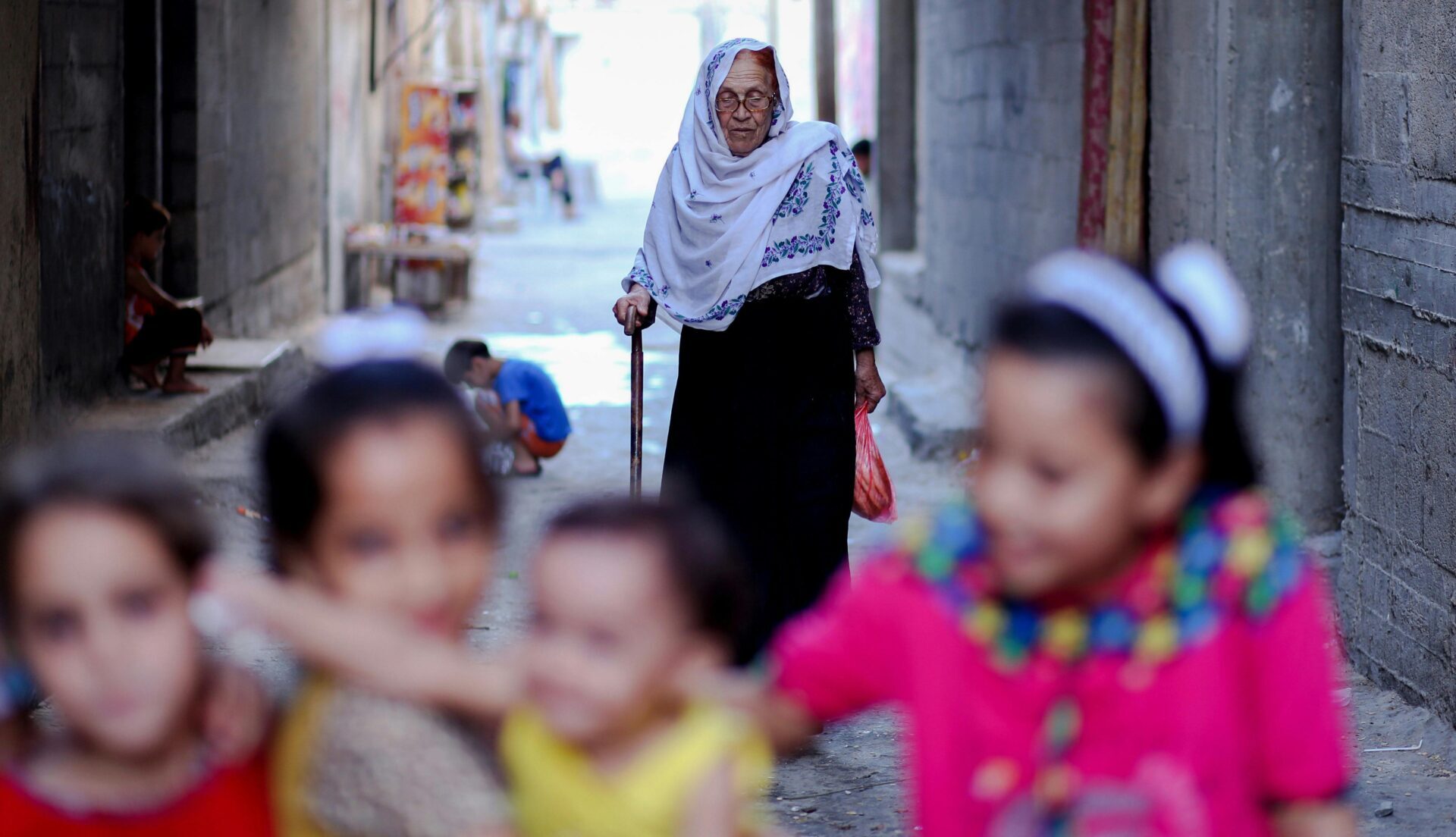
    A severe weather system has exacerbated the already dire humanitarian situation in Gaza since Saturday, with powerful winds and torrential rains causing widespread destruction across the territory. The storm has triggered the collapse of multiple buildings that had previously sustained structural damage from military operations, while simultaneously flooding the tent settlements that currently serve as home for the majority of Gaza’s displaced population.

    Philippe Lazzarini, Commissioner-General of the United Nations Relief and Works Agency for Palestine Refugees (UNRWA), issued a stark assessment of the deteriorating conditions. He emphasized that Gaza’s residents are being subjected to escalating levels of suffering, desperation, and mortality due to the compounding effects of natural disasters and human-made restrictions. Lazzarini specifically criticized Israeli authorities for maintaining stringent limitations on humanitarian aid operations, stating that essential supplies are not reaching the enclave at required volumes despite the emergency conditions.

    The UN humanitarian coordination office (OCHA) documented numerous weather-related casualties in recent hours, including multiple cases of pediatric hypothermia and numerous illnesses linked to sewage system failures and wastewater overflow contamination. This latest storm follows another severe weather event earlier this month that resulted in 13 fatalities, among them two infants.

    Structural damage assessments reveal at least 17 complete building collapses and significant damage to over 42,000 tents and temporary shelters, either partially or completely destroyed. This infrastructure damage has directly impacted no fewer than 235,000 individuals, further straining the territory’s limited resources and emergency response capabilities. The cumulative effect of these disasters has created what aid agencies describe as an unsustainable humanitarian emergency with growing health risks for the vulnerable population.

  • St Kitts and Nevis welcomes Nigerian volunteers to enhance the island’s education sector

    St Kitts and Nevis welcomes Nigerian volunteers to enhance the island’s education sector

    In a significant bilateral cooperation effort, five education specialists from Nigeria’s Technical Aid Corps (NTAC) have arrived in Saint Kitts and Nevis to strengthen the Caribbean nation’s educational capabilities in mathematics and fundamental sciences. The volunteers were formally welcomed during a ceremony at the Joseph N. France General Hospital on December 29, 2025, by Deputy Prime Minister and Education Minister Dr. Geoffrey Hanley.

    This educational contingent forms part of a larger deployment of seventeen Nigerian volunteers, with twelve additional professionals designated for healthcare sector assignments across the twin-island federation. All volunteers will serve two-year terms supporting critical development initiatives.

    Dr. Hanley emphasized the strategic importance of this partnership, noting that the initiative exemplifies the enduring diplomatic relationship and mutual commitment to advancing educational and health outcomes for citizens of both nations. The ceremony was attended by Prime Minister Dr. Terrance Drew and Senior Minister Dr. Denzil Douglas, who oversees foreign affairs, highlighting the high-level governmental support for this international cooperation.

    Beyond the current volunteer deployment, officials revealed that expanded educational collaboration is under discussion between the two governments. Potential areas for future partnership include specialized support for autism education, disability programs, and scholarship opportunities for Kittitian and Nevisian students seeking higher education in Nigeria.

    The volunteer program represents a concrete implementation of South-South cooperation principles, where developing nations exchange technical expertise and resources to address common challenges without relying solely on traditional donor countries.

  • China uit ernstige onvrede over sloop van Chinees monument in Panama

    China uit ernstige onvrede over sloop van Chinees monument in Panama

    China has formally expressed profound dissatisfaction regarding the demolition of a commemorative monument by local authorities in Panama’s Arraiján district, West Panama Province. The declaration came from Chinese Foreign Ministry spokesperson Lin Jian during a regular press briefing on Monday.

    The monument, originally erected to honor Chinese contributions to the construction and development of the Panama Canal—one of the world’s most vital maritime passages—was dismantled by local Panamanian officials citing safety concerns and the expiration of the land concession. The structure had stood for several years as a symbol of bilateral cooperation and friendship between China and Panama.

    The removal has sparked indignation among the local Chinese community and drawn criticism from Panama’s president. Spokesperson Lin Jian condemned the forced demolition as “highly undesirable,” emphasizing that the action severely hurt the sentiments of the Chinese diaspora in Panama and runs counter to the generally positive bilateral relations.

    The incident emerges amid ongoing efforts by both nations to strengthen collaboration across trade, infrastructure, and cultural exchanges. It remains unclear whether Panamanian authorities intend to relocate the monument or establish an alternative memorial site. The Chinese Embassy in Panama has reportedly initiated communication with local officials seeking a constructive resolution.

    This situation underscores the sensitivity surrounding symbols of international partnership and highlights the importance of preserving cultural and historical sites, particularly within the context of China’s expanding economic ties with Latin America.

    While no direct evidence links the monument’s removal to recent geopolitical statements—such as those from former U.S. President Donald Trump regarding China’s growing influence in the region—broader concerns over Chinese presence in Latin America may contribute to an atmosphere of political caution. Previous U.S. administrations have openly criticized China’s expanding role in countries like Panama, potentially heightening sensitivities around Chinese-sponsored symbols and investments.

  • Chinese hospital ship visit deemed success despite crowd chaos

    Chinese hospital ship visit deemed success despite crowd chaos

    The Chinese Navy’s hospital vessel Ark Silk Road concluded its seven-day medical mission in Barbados with officials celebrating its achievements while acknowledging significant public discontent over operational challenges. According to naval authorities, the floating medical facility delivered substantial healthcare services during its Caribbean stopover, performing 202 surgical procedures, conducting 2,127 diagnostic examinations, and providing outpatient consultations to 2,455 patients.