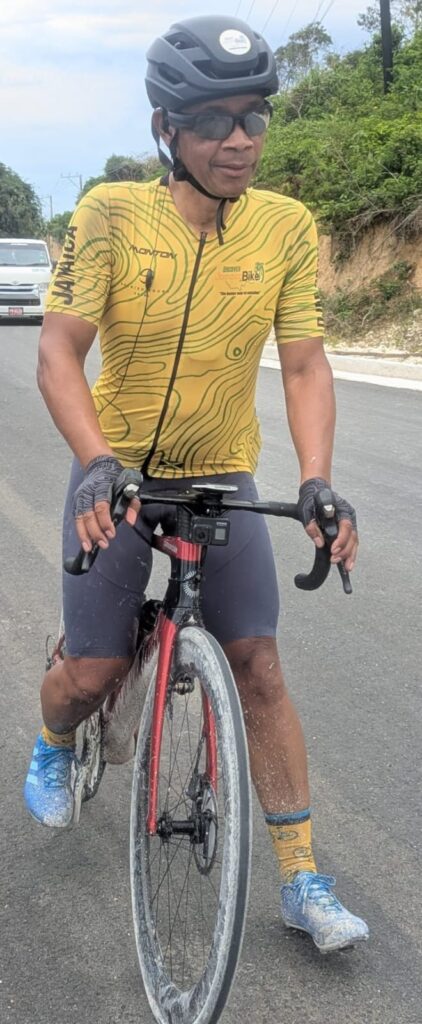
ST JAMES, Jamaica — A long-running cross-island cycling event is marking a milestone for Jamaica’s growing adventure and health tourism movement, according to the event’s lead organizer. Dennis Chung, who serves as former interim president of the Jamaica Cycling Federation, CEO of Discover Jamaica by Bike, and Chief Technical Director at the Financial Investigations Division, calls this year’s six-day ride the first major step the country has taken to tap into the high-value health tourism niche that tourism leaders have discussed for years.
The sixth iteration of the event will kick off officially on May 1, with a welcome reception held a day earlier for an expected 35 to 40 full-event participants coming from across the globe. Additional cyclists often join the route for individual legs along the way, pushing the total number of participants higher across the course of the trek. Unlike standard competitive cycling races, the event is designed to blend athletic challenge with immersive cultural tourism, showcasing Jamaica’s natural scenery, local communities, and signature cuisine to international visitors.
Chung emphasized that the initiative’s core goal extends beyond creating a fun, challenging experience for cycling enthusiasts. Backed by major support from the Jamaica Tourist Board, the event is intentionally structured to deliver tangible economic benefits to local residents and small businesses across the island. Local cyclists are hired as tour guides for visiting riders, both during the official event and for independent cyclists visiting Jamaica outside the event window, creating sustained new income opportunities for Jamaican cycling community members. Every stop along the route is planned to direct participants to local street vendors, family-owned restaurants and regional hospitality businesses, spreading tourism revenue far beyond the main resort hubs.
The cross-island route is strategically staged to start in Montego Bay, a choice driven by the city’s major international airport that offers more flight options for overseas visitors and close proximity to a wide range of accommodation. On the opening day, riders travel from Montego Bay to Negril, where they get the chance to relax on the famous Seven Mile Beach, sample local seafood dishes, and shop at neighborhood vendors. The second day carries riders from Negril to Mandeville, with planned food stops at iconic local spots in Border, which sits on the boundary of St James and St Elizabeth parishes, and Middle Quarters in St Elizabeth. This leg is one of the most physically demanding sections of the entire trip, culminating in the long, steep climb up Spur Tree Hill that serves as a signature challenge for returning participants.
The third day of the trek moves riders from Mandeville to Jamaica’s capital, Kingston, with more stops at local food and craft spots along the route. After exploring Kingston, participants will head to the parish of Portland, a fan favorite among returning riders that offers some of the most scenic stretches of the entire route. Chung noted that the route through Portland and neighboring St Thomas also highlights the major improvements that have been made to Jamaica’s rural road infrastructure in recent years, making the area far more accessible for cycling tourists. Following a day of relaxed exploration of Portland’s coastal and mountain scenery, the group will travel back to St James, with a planned lunch stop in Ocho Rios and refreshment stops at local coconut vendors along the route.
Chung added that most participants choose to extend their stays in Jamaica for several extra days after the official event wraps up, turning the cycling trek into a full vacation. For cycling enthusiasts around the world, blending a challenging multi-day ride with immersive cultural experiences and the natural beauty of Jamaica creates a one-of-a-kind tourism product that fills a key gap in the country’s expanding tourism offerings. For local communities, the growing popularity of the event is turning a beloved recreational activity into a sustainable driver of local economic growth.