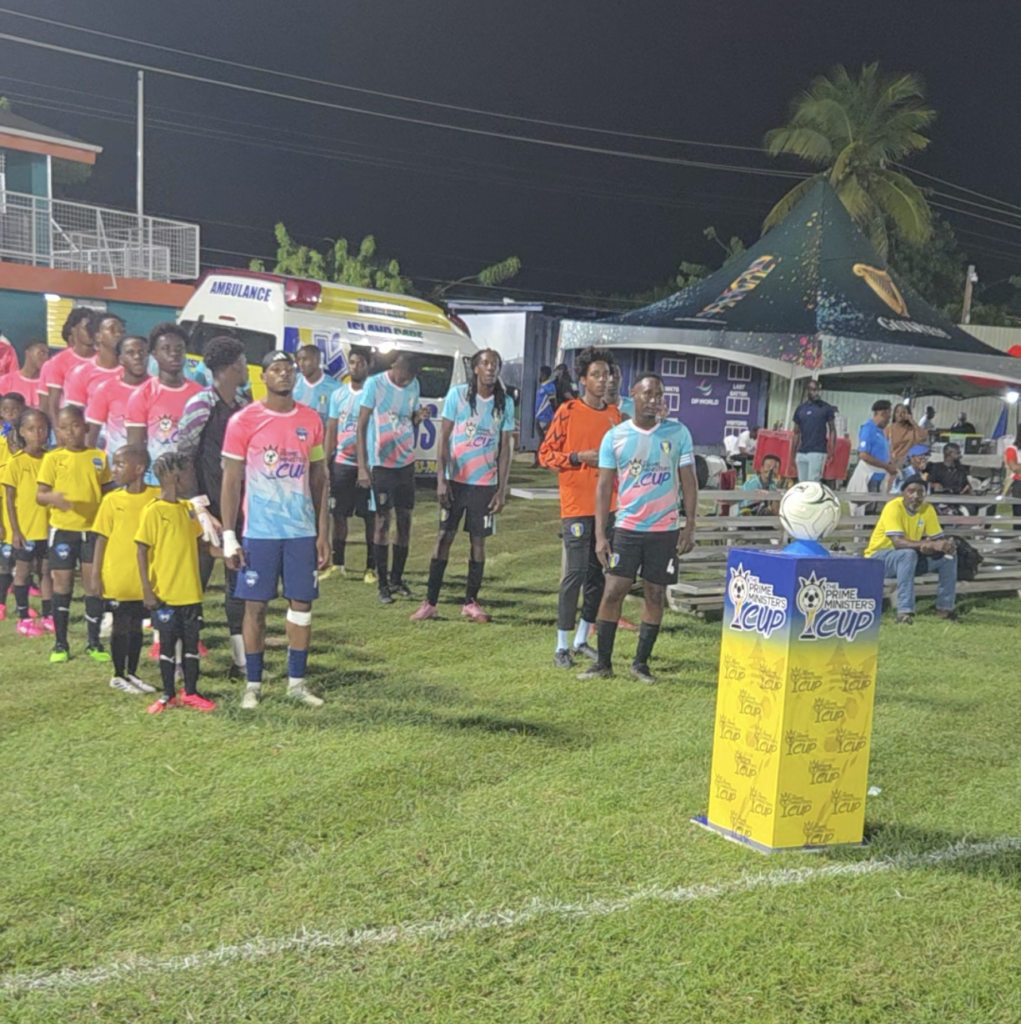
The third edition of the Caribbean’s lucrative Prime Minister’s Cup got underway on Monday night, with two squads, Technique and Paradise, securing hard-fought opening victories that put them on course to compete for the tournament’s $100,000 top prize at Friendship Playing Field. Among the two opening-match wins, Technique delivered the most dramatic late comeback of the day, erasing an early deficit to claim a 2-1 victory over L&R United, while 2025 tournament third-place finishers Paradise cruised to a 2-0 shutout win against Pro Shottas to open their campaign.
分类: sports
-
Former Olympian selected for regional coaching workshop
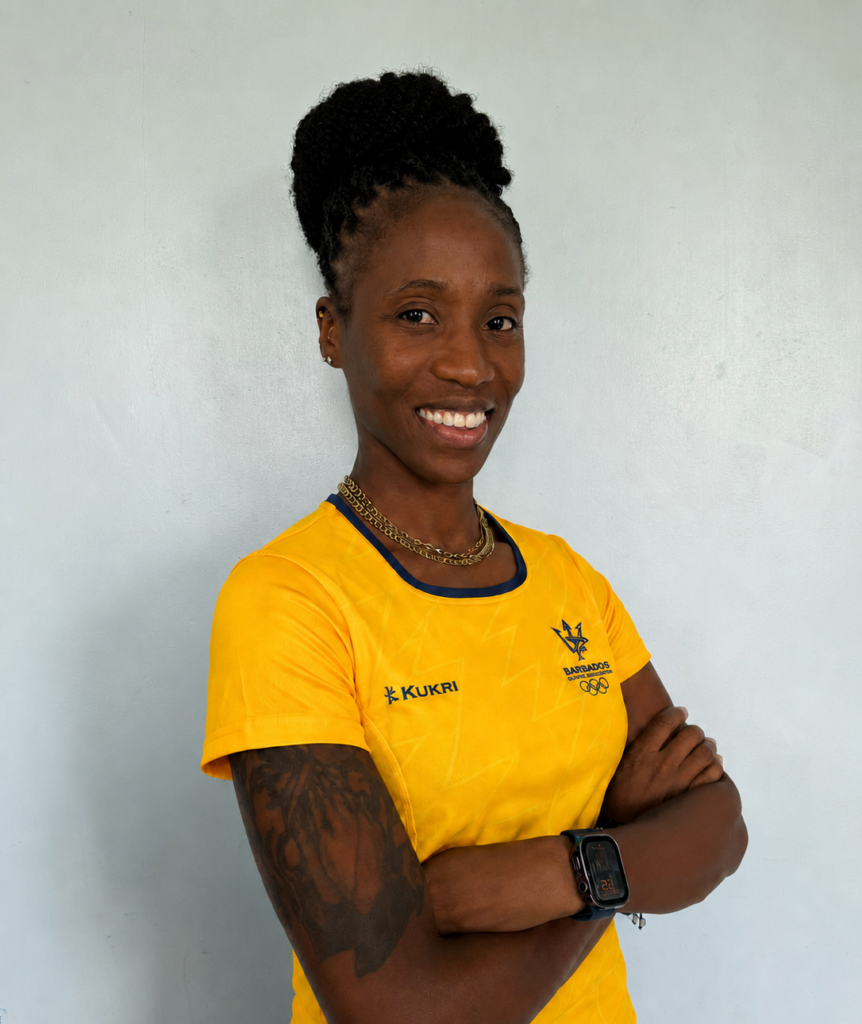
Barbados is set to send one of its most decorated athletic figures, former Olympic hurdler and elite coach Kierre Beckles, OLY, to a landmark regional workshop focused on expanding equitable, safe opportunities for girls in sport this September. From September 18 to 19, Beckles will join other Caribbean coaching leaders in St Vincent and the Grenadines for the NIKE TAFISA CANOC Girls Positive and Safe Coaching Pathway Workshop, an initiative built through a collaborative partnership between sportswear giant NIKE, the global sport for development body The Association for International Sport for All (TAFISA), and the Caribbean Association of National Olympic Committees (CANOC).
The core mission of the workshop is to tackle long-standing gender disparities that have limited female participation in sport across the Caribbean, and to build a regional network of coaches equipped to foster inclusive, supportive athletic environments for young women. By delivering targeted, hands-on training directly to coaching professionals, the program aims to help create safe, accessible spaces where young female athletes can thrive without barriers, a gap that many regional sport leaders have identified as a critical barrier to growing women’s participation.
Beckles brings a unique mix of elite athletic experience and on-the-ground educational coaching expertise to the workshop. A competitor at the 2016 Rio Olympic Games, Beckles retired from elite competition as a 15-time Barbadian national champion and former national record holder in the 100-meter hurdles, giving her first-hand insight into the challenges and transformative power of sport for young women. Since 2019, she has worked as a Physical Education Teacher at Princess Margaret Secondary School, while also leading the BOSEN Academy Track Club as Head Coach. She holds both International Level 1 and Level 2 National Coaching Certifications, and has already served as a Barbados national team coach at top regional and continental competitions including the CARIFTA Games, and the NACAC Under-18 and Under-23 Championships.
In comments on her selection, Beckles expressed that the opportunity aligns closely with her lifelong professional mission. “I am incredibly honoured and grateful to be selected for this workshop, which aligns perfectly with my mission as an educator and coach,” she said. “My goal has always been to use my experiences on and off the field to inspire and guide the next generation. Participating in this pathway will equip me with more critical tools needed to break down barriers, foster body confidence, and ensure that our female athletes feel safe, valued, and empowered to achieve their full potential in sport.”
Over the two-day intensive program, Beckles and other participating coaches from across the Caribbean will take part in a curriculum focused on practical, actionable coaching strategies tailored to supporting young women’s development in sport. Leaders from Barbados’ national sport community say Beckles’ participation marks a key step forward for the country’s push for gender equity in athletics. Janelle Denny, Director of the National Olympic Academy of Barbados, emphasized the organization’s pride in Beckles’ selection, noting that she embodies the type of leadership needed to drive meaningful change across the region’s sport ecosystem.
“As an Olympian who transitioned seamlessly into an elite coach and teacher, Kierre exemplifies the leadership and passion we need to drive systemic change,” Denny explained. “This workshop is a key milestone in our ongoing commitment to gender equity, and we are confident she will bring back invaluable insights to benefit our local athletic community.”
-
Saint Lucia links with English rugby club ahead of increased BA airlift
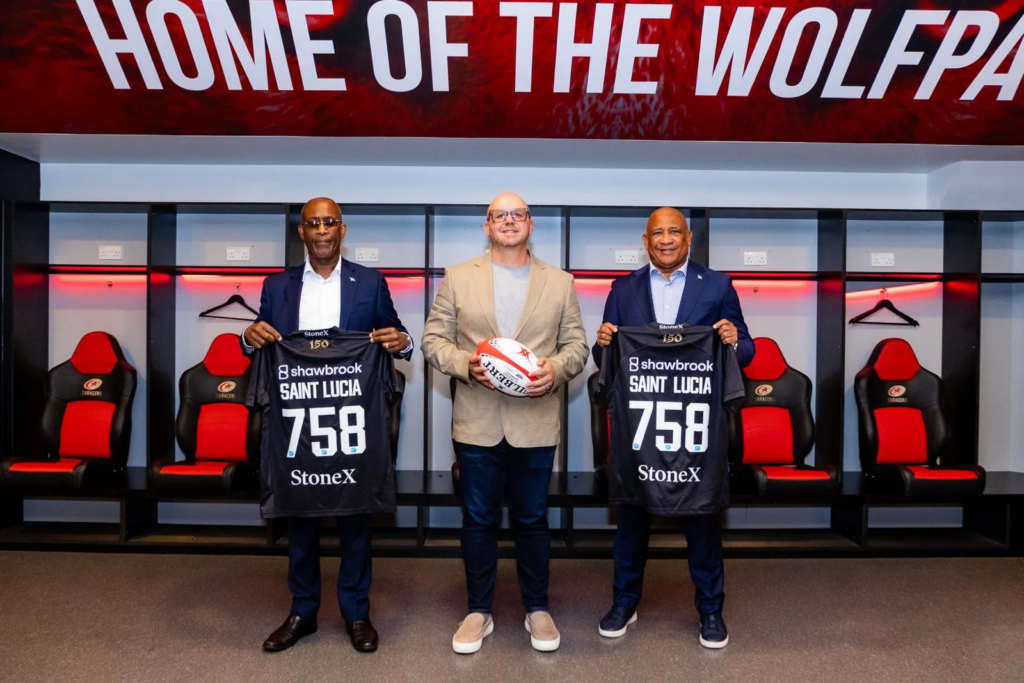
The Caribbean island nation of Saint Lucia is continuing its aggressive push into sports-driven tourism, adding a new high-profile partnership to its growing portfolio of international collaborations. Just weeks after locking in a sponsorship agreement with English Premier League titleholders Arsenal FC earlier this summer, the Saint Lucia Tourism Authority (SLTA) has finalized a new destination sponsorship deal with Saracens Rugby Club, one of the most decorated elite rugby organizations in the world.
Headquartered in North London and competing in the top-tier Gallagher Premiership, Saracens boasts a massive global fanbase, with particularly deep engagement across the United Kingdom and mainland Europe—regions where rugby commands a massive mainstream audience and generates billions in annual viewership. The new partnership comes at a timely moment, ahead of the 2026-27 Gallagher Premiership season kicking off on September 25. Under the terms of the deal, Brand Saint Lucia will receive prominent branding placement across Saracens’ home ground, StoneX Stadium, putting the Caribbean destination in front of tens of thousands of match attendees and millions of broadcast viewers throughout the season.
Complementing the new sponsorship, British Airways is expanding its service to the island with the launch of daily direct flights from London Gatwick to Saint Lucia starting October 25. The new route will add an extra 51,000 seats annually, making it far easier for UK and European travelers to visit the island and tapping directly into the audience reach generated by the Saracens partnership.
This collaboration marks the first time Saint Lucia has partnered with a professional rugby organization, representing a key milestone in the country’s long-term sports tourism diversification strategy. Beyond just branding and visitor promotion, the agreement is designed to deliver mutual benefits, including targeted support for grassroots rugby development in Saint Lucia. The partnership will launch joint programming with the Saint Lucia Rugby Academy, providing local players and coaches with access to world-class resources including professional mentorship, advanced training camps, specialist coaching workshops, academic and athletic scholarships, and ongoing development opportunities that would otherwise be out of reach for many emerging local talents.
Speaking on the new partnership, Saint Lucia’s Tourism Minister Dr. Ernest Hilaire emphasized the far-reaching value of the agreement beyond traditional tourism marketing. “Partnerships like this allow us to take Brand Saint Lucia beyond the traditional tourism experience and create greater awareness of our products, services, culture and creative talent,” Hilaire said. He added that the collaboration opens new pathways for Saint Lucian businesses to build cross-border commercial relationships and unlock new export opportunities, framing the deal as a critical step toward building a more resilient, diversified tourism economy that centers local communities and ensures Saint Lucians are the primary beneficiaries of growth.”
-
Falcons Face Guyana Amazon Warriors in CPL Clash Tonight
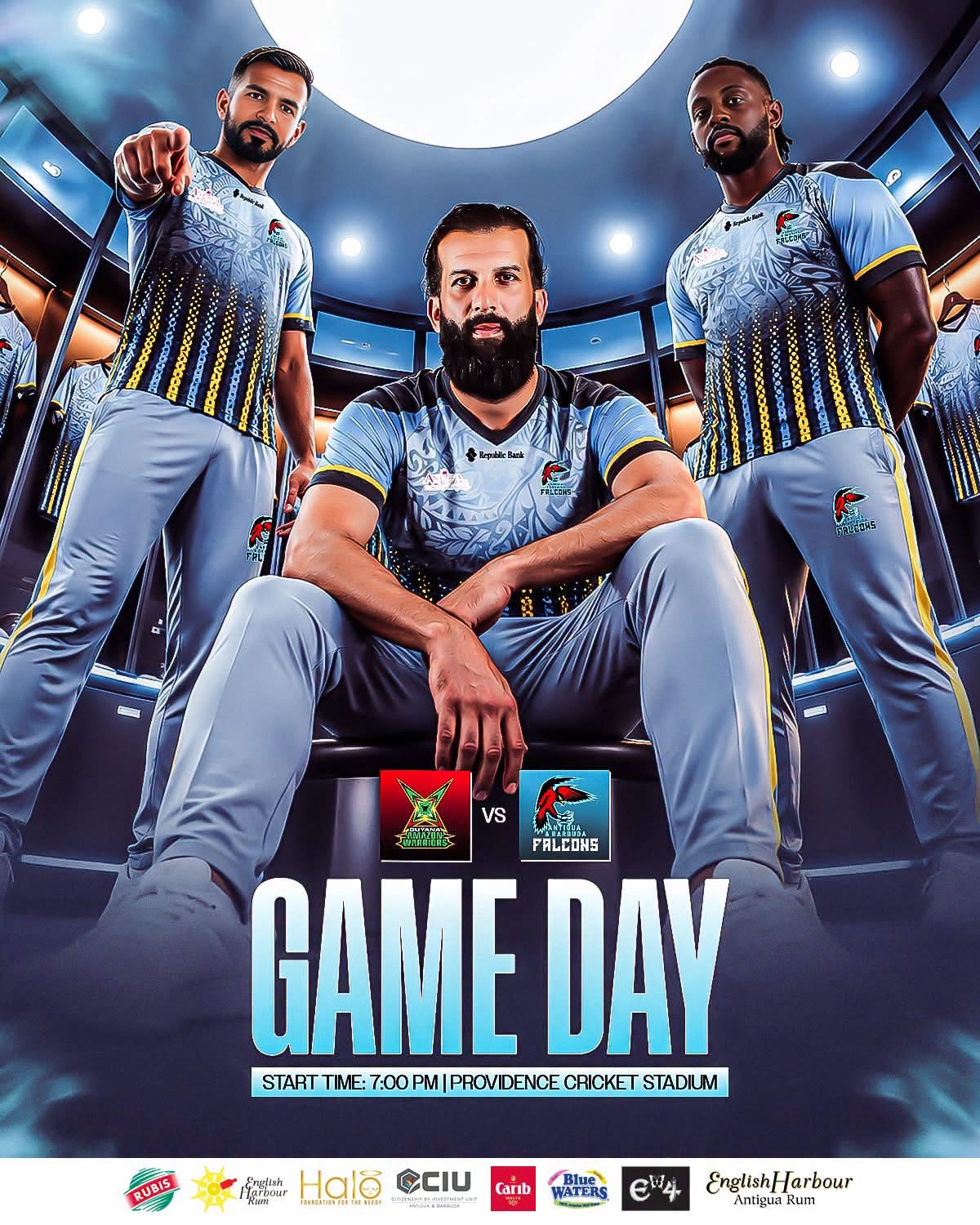
As the 2026 Republic Bank Caribbean Premier League (CPL) enters its playoff push, a highly anticipated rematch is set to unfold on Thursday night, with the Antigua and Barbuda Falcons heading to Providence to face the Guyana Amazon Warriors at the iconic Guyana National Stadium. Scheduled to get underway at 7 p.m. local time, the 30th fixture of this year’s tournament carries extra weight for the Falcons, who enter the contest hungry to reverse a lopsided loss to the Warriors from earlier in the season.
The two sides last met on August 23 at Antigua’s Sir Vivian Richards Stadium, where the Falcons crumbled under pressure from the Guyana bowling attack, being dismissed for a meager total of 116 runs. The Amazon Warriors wasted no time in chasing down the target, reaching the required 121 runs for the loss of just three wickets in under 10 overs – specifically 9.5 overs – securing a dominant seven-wicket win with a staggering 61 balls left to spare. That one-sided result has left the Falcons eager to turn the tables and prove that their performance on that day was not a true reflection of their form ahead of the upcoming playoff round.
On the opposite side, the Guyana Amazon Warriors carry significant momentum into tonight’s home fixture, which marks another stop on their current home leg of the tournament. The side has notched back-to-back convincing wins on their home turf in recent days, kickstarting their good run with an eight-wicket triumph over the Jamaica Kingsmen on September 4. They followed that up with another polished performance on Sunday, when they once again secured a seven-wicket victory, this time against the St Kitts and Nevis Patriots. With the crowd behind them and their winning streak intact, the Warriors will be looking to extend their positive run and solidify their position ahead of the playoffs.
-
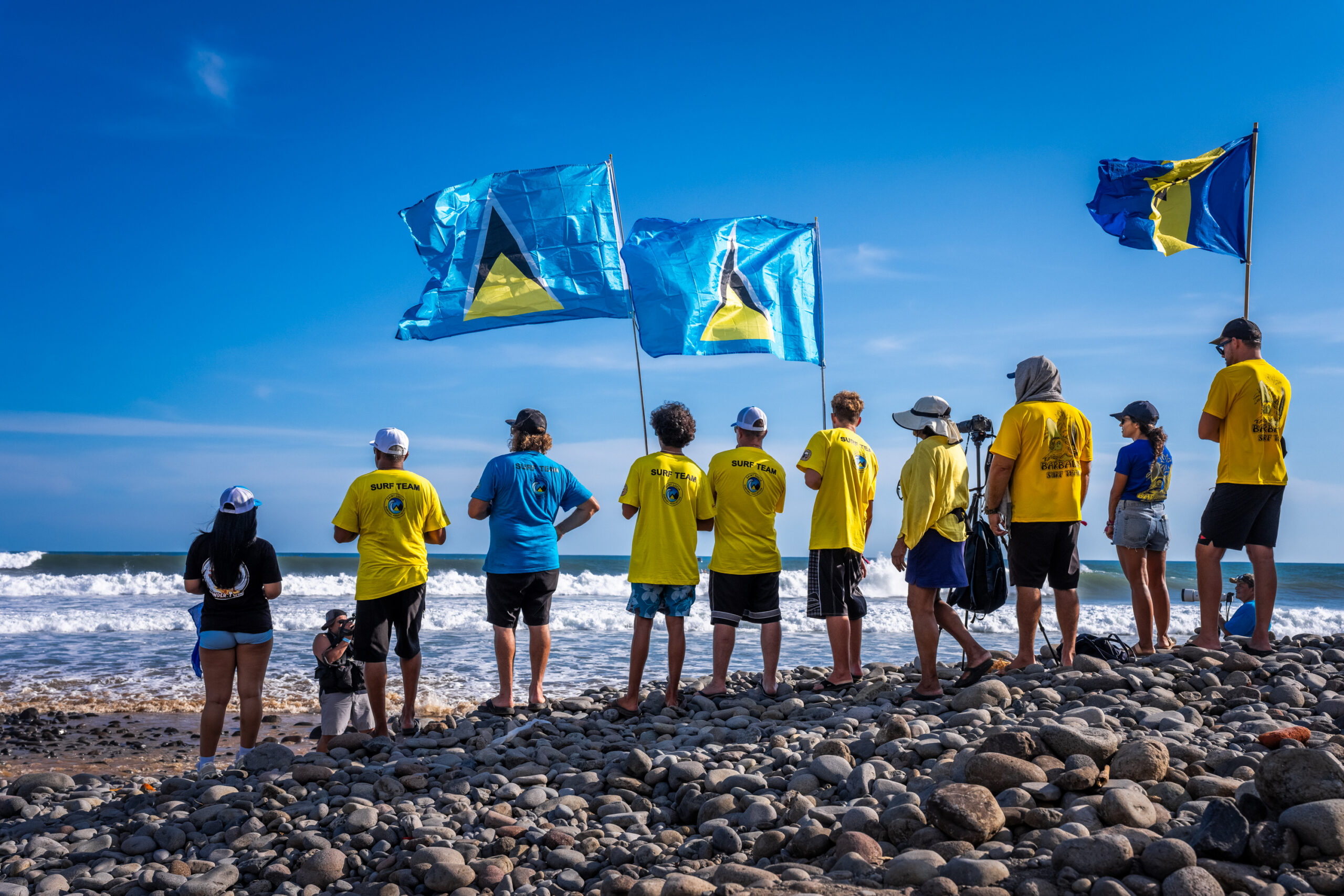
Saint Lucian surfers endure tough time at World Juniors
As the 2026 Surf City El Salvador ISA World Junior Surfing Championship enters its final competition day, Team Saint Lucia faces an uphill battle after a series of challenging heats that saw most of its athletes eliminated from main draw contention. Despite the early exits, the three young surfers from the Caribbean nation have walked away from the elite global event with irreplaceable competitive experience testing their skills against the world’s most promising young surfing talent across punishing wave conditions.
Held across two iconic Surf City venues, La Bocana and El Sunzal, the third day of competition on Monday brought consistent, powerful swells ranging from four to six feet across both breaks, creating a high-barrier course that tested even the most seasoned junior competitors. Team Saint Lucia’s roster features three rising talents: 17-year-olds William Verity and Sebastian Ambler, and 15-year-old Daniel Ambler, all competing in the sport’s most competitive global junior stage.
All three athletes were drawn into deeply competitive heats in the Boys Under-18 division, facing off against top-ranked surfers from surfing powerhouses across the globe. In Heat 2, Verity secured a fourth-place finish behind contenders from Japan, Puerto Rico and Finland, while Sebastian Ambler placed fourth in Heat 26 against competitors from Portugal, South Africa and Sweden. Daniel Ambler also claimed fourth place in Heat 36, trailing surfers from Japan, Puerto Rico and Sweden in his opening under-18 outing.
The competitive intensity did not ease in the repechage round, the last opportunity for eliminated athletes to advance in the under-18 main draw. All three Saint Lucian surfers once again finished fourth in their respective repechage heats: Verity in the opening repechage heat, Sebastian in Heat 13, and Daniel in Heat 17. These results ended Team Saint Lucia’s run in the Boys Under-18 division, ending any chance of advancing further in the age group’s main draw.
Daniel Ambler, who is competing across two age groups at the championship, remains the last active Saint Lucian surfer in the event after qualifying for the Boys Under-16 repechage round. In his opening Under-16 heat (Heat 31), Daniel also took fourth place against surfers from France, Canada and Uruguay. He is set to hit the waves again for the repechage round, where he will face new competitors from Sweden, Israel and Spain for a chance to advance deeper into the Under-16 draw.
-
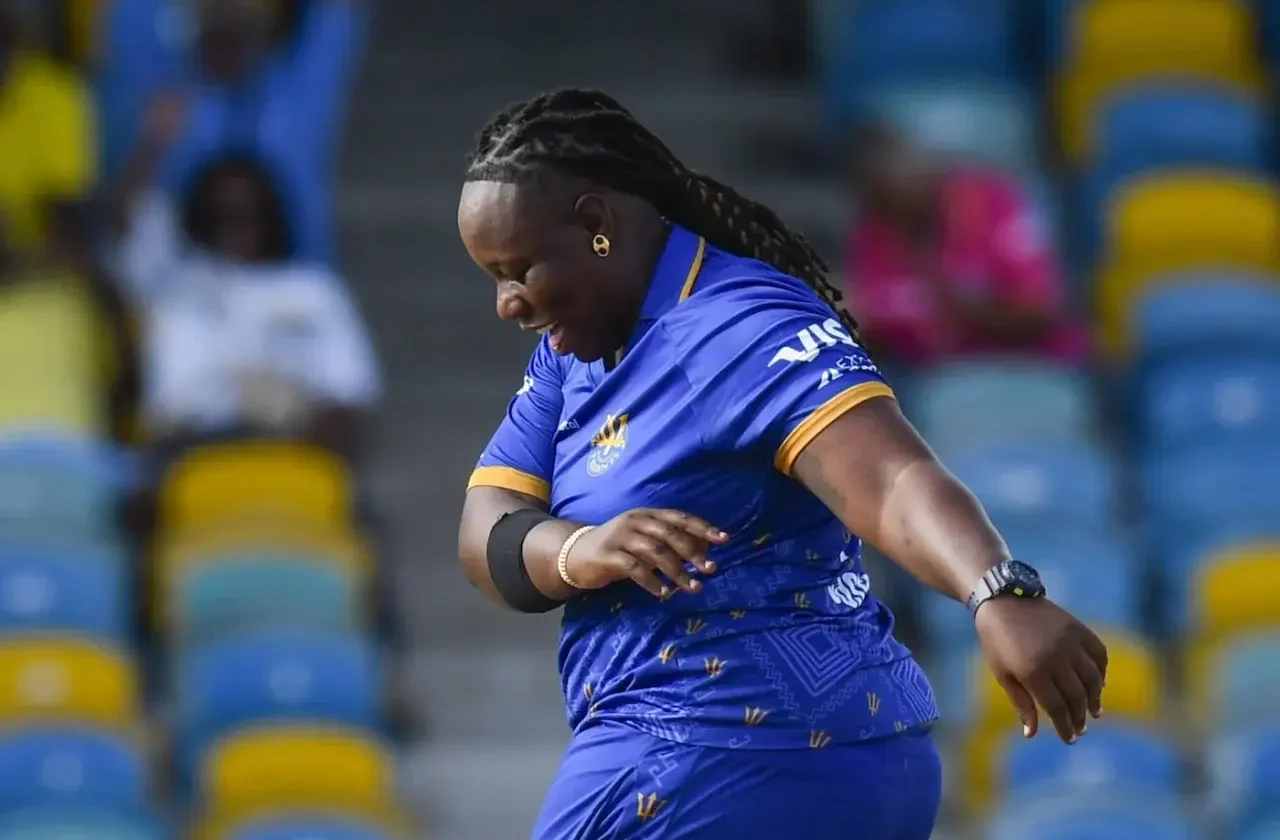
Joseph comes up big in WCPL opener, James wins with Jamaica
The opening weekend of the 2026 Limacol Women’s Caribbean Premier League (WCPL) delivered high drama and standout individual talent at Bridgetown’s iconic Kensington Oval in Barbados, as two of Saint Lucia’s leading young cricketers turned heads across the tournament’s opening round fixtures.
Twenty-five-year-old allrounder Qiana Joseph, a core contributor to the Barbados Tridents and a regular fixture in the West Indies national side, turned in a masterclass performance with the ball that almost dragged her side to an opening-round victory against pre-tournament favorites Trinbago Knight Riders. Tasked with leading the Tridents’ bowling attack, Joseph delivered a devastating four-over spell that finished with figures of 3 wickets for just 27 runs. She claimed three of the opposition’s most impactful batters – India’s Yastika Bhatia, Australia’s Madeline Penna and local talent Jahzara Claxton – to restrict Trinbago Knight Riders to a total of 155 all out from their full 20 overs.
Promoted to open the batting for the three-time defending champions, Joseph carried her momentum into her turn with the bat, setting a fast early tempo for the Tridents’ chase. The Corinth Secondary School graduate struck a quickfire 25 runs off 21 deliveries, including two boundaries and two towering sixes that gave the Tridents a strong platform for victory. However, a catastrophic middle-order collapse derailed the chase, with the Tridents bowled out for 134, handing Trinbago Knight Riders a 21-run opening win.
Elsewhere in the opening round, 21-year-old Saint Lucian standout Zaida James claimed a winning start alongside first-year WCPL franchise Jamaica Empress, who pulled off a thrilling one-wicket win against Guyana Amazon Warriors. James turned in an extraordinary performance in the field, even though she did not bowl in the fixture. She took three catches, headlined by a spectacular one-handed grab over her shoulder to dismiss Guyana batter Realanna Grimmond for 45, helping restrict the Amazon Warriors to 138 for 7 after 20 overs.
Rain interrupted the chase, forcing officials to adjust Jamaica Empress’s target, and the side reached 104 for 6 when James stepped out to bat at number eight, still requiring 28 runs from just 12 deliveries to win. Unfortunately for the young allrounder, she was caught and bowled for a duck without scoring. Despite James’ dismissal and only two additional runs from her last five batting partners, West Indies international allrounder Chinelle Henry produced a late-innings storm, smashing three consecutive match-winning sixes to seal the dramatic one-wicket victory for the expansion side.
Now entering its fifth year of competition, the WCPL has cemented its status as the premier franchise cricket tournament for top female cricketers across the Caribbean. Launched in 2022, the competition has rapidly grown in profile and competitiveness, providing a high-profile stage for emerging and established regional talent to showcase their skills on a global stage.
-
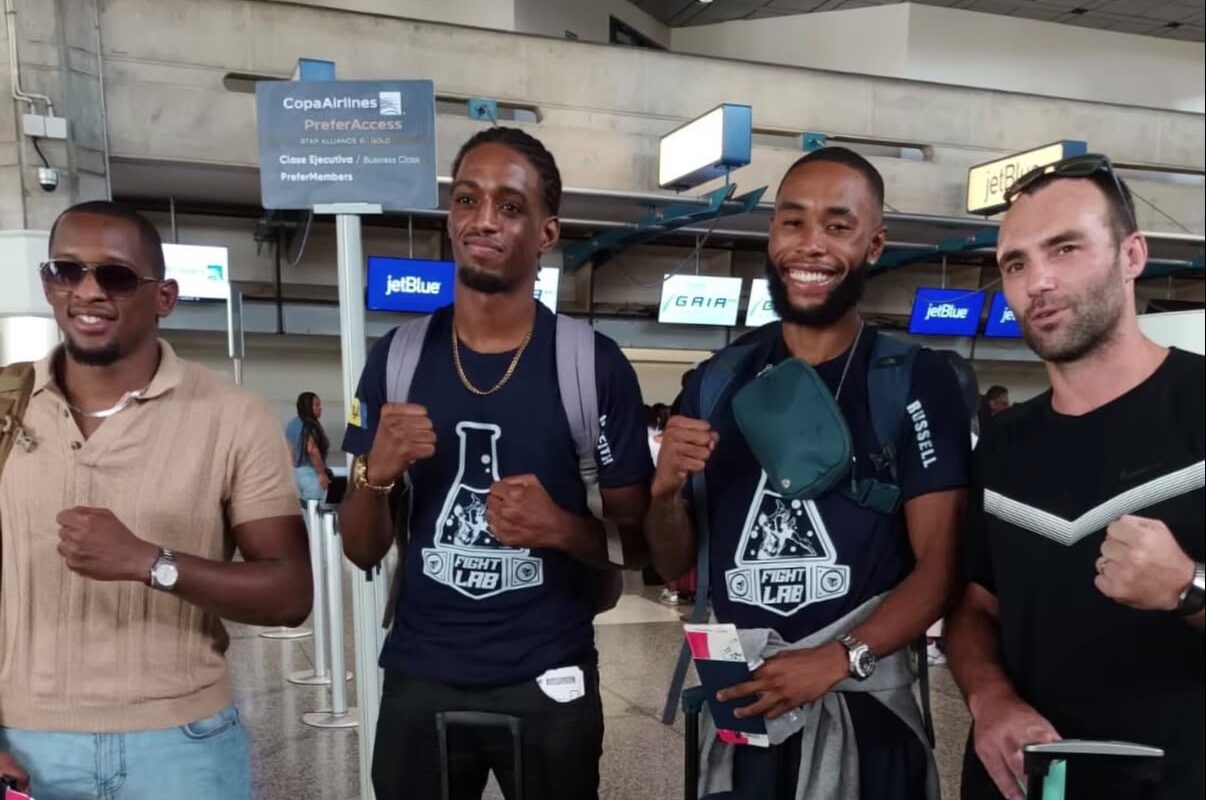
MMA team hopeful of strong performance in Colombia
Two young mixed martial arts athletes from Barbados, Kristian Griffith and Liam Russell, are preparing to step into one of the most challenging regional tournaments of their careers this week, as the pair makes their country’s debut at the Global Association of Mixed Martial Arts Pan American Championships in Bogotá, Colombia. Competing in the hotly contested Under-70kg division, Griffith and Russell will go toe-to-toe with elite martial artists from 19 other nations across the Americas, facing a single-elimination bracket that leaves no room for error from their very first match.
The five-member Barbadian delegation, which also includes head coach Leonid Tkach, assistant coach Odain Jackman and team manager Justin Maloney, touched down in the Colombian capital on Sunday, two days before the official opening of the tournament. The 11-day event will run from Tuesday through September 15, with competitive action kicking off for all divisions this Wednesday.
In an interview with local Barbadian outlet Barbados TODAY from his team’s base in Bogotá, Tkach emphasized that the single-elimination format of the tournament demands peak performance from the opening bell. “This is an elimination bracket: every fight is do-or-die. Win, and you move on to the next round. Lose, and your tournament is over,” he explained. “That means our athletes can’t afford to hold anything back, even in their very first bout. They have to be ready to hit the ground running at their absolute best.”
Despite the high stakes and steep competition the pair will face, Tkach expressed confidence in his athletes’ preparation, saying both men have never been in better physical and mental shape ahead of the tournament. “Honestly, they are in the best shape of their lives right now. Both are completely locked in, focused, and genuinely excited to get in there and test their skills against the best in the region,” Tkach said.
The two fighters have built their training base at the Fight Club located in Barbados’ W Plaza, where they have put in consistent, dedicated work over the past several years to reach this level. Russell, for his part, has maintained a grueling six-day weekly training schedule, while Griffith trains four to five days each week, with all sessions tailored to build the specific strength, technique and endurance needed for elite international competition.
In the months leading up to the Pan American Championships, Tkach adjusted the training program to focus specifically on the challenges of this event, adding targeted work to boost each athlete’s technical skill and physical strength ahead of their debut. Tkach also acknowledged that this tournament marks a historic milestone for Barbadian mixed martial arts: never before has a team from the Caribbean nation competed at a regional championship of this caliber.
While the team has set high expectations for the event, entering with the goal of bringing home medals, Tkach noted that the experience itself is a win for the emerging Barbadian MMA program, regardless of the final results. “Our hopes are high, and we are really hoping these two young men can stand on the podium this year. But even if we don’t get medals, they are still going to turn in strong performances and gain invaluable experience,” he said. “This is just the first step for Barbados at this level, it won’t be the last. No matter what the outcome is this time around, we will be bigger, stronger and more prepared when we return to compete next year.”
-

CPL ticket sales gain momentum
The 2024 Republic Bank Caribbean Premier League (CPL) is seeing extraordinary demand for match tickets at Bridgetown’s iconic Kensington Oval, where Barbados will play host to a critical stretch of the tournament including the highly anticipated playoffs and championship decider. Christine Charles, Chief Marketing Officer of the CPL, shared details of the overwhelming public interest in an interview with Barbados TODAY, noting that the event has generated unprecedented excitement among local and visiting cricket fans alike.
Charles explained that the intense enthusiasm stems from Barbados being selected to host the tournament’s final knockout stages, giving local supporters double the action to cheer on compared to typical tournament editions. “Barbadians have really thrown their support behind this year’s event, and the energy across the island is palpable,” she said. “Having the playoffs and final right here at Kensington Oval means more cricket, more excitement, and more reason for fans to get invested.”
In addition to the men’s tournament, Kensington Oval will also serve as the home venue for the Women’s Caribbean Premier League (WCPL), where the Barbados Tridents enter the competition as three-time defending champions. Charles highlighted that the women’s competition has already drawn strong crowds, and she urged even more spectators to turn out to support the athletes. “The women’s game has been incredible to watch this year, and they’ve already gotten great support from fans on the ground,” Charles noted. “But every cheer makes a difference. This is going to be a hard-fought battle for the title, and they deserve every bit of the crowd’s backing.”
Beyond the on-field action, Charles emphasized that the dual CPL and WCPL tournaments are set to deliver a substantial economic boost to Barbados, though she declined to share specific financial projections. She pointed to three key areas of economic benefit: increased local job opportunities tied to the tournament, full hotel occupancy from visiting fans, and a welcome uptick in tourism arrivals at a traditionally slow period on the island’s calendar.
“Right now we’re in the lull just after the annual Crop Over festival, so this event could not have come at a better time to keep visitor numbers up,” Charles explained. “We’re actively encouraging cricket and sports fans from across the Caribbean and around the globe to make the trip to Barbados for the tournament. It’s a beautiful island with so much to offer, and this is the perfect time to experience it.”
The men’s CPL final is scheduled to take place on September 20, and organizers have added a new high-profile attraction to the lead-up of the championship match: the “Live and Louder” mega concert, set for September 19 at Barbados’ Botanical Gardens. Charles explained that the concert was developed to expand the fan experience beyond cricket, leaning into the CPL’s long-standing reputation as “the greatest party in sport.”
“Every day, we have hundreds of fans coming through to buy match tickets, and we wanted to give them even more to look forward to,” Charles said. “The Live and Louder mega concert will bring that unbeatable big-party atmosphere that the CPL is known for, giving music lovers and sports fans alike a full weekend of energy and fun.”
The concert boasts a star-studded lineup of international and regional talent, headlined by dancehall icon Movado. Additional confirmed acts include British R&B singer Estelle, Jamaican dancehall star Mr Vegas, and Caribbean music favorite Chris Martin, with more surprise guests set to be announced ahead of the event. Tickets for both the concert and tournament matches are available for purchase now at the dedicated ticket booth located outside Kensington Oval.
Organizers have dubbed the back-to-back match and concert weekend the “CPL Mega Weekend,” built to deliver nonstop energy for attendees from opening pitch to closing encore. “We built this weekend for everyone who loves great sport, great music, and great vibes,” Charles added. “We want everyone to come out on September 19 and be part of what’s set to be an unforgettable experience.”
-

Sterke Surinaamse damdelegatie naar Tobago Open 2026
The highly anticipated 2026 Tobago Open international draughts tournament, set to kick off on September 9 and run through September 18 in Trinidad and Tobago, will feature one of its largest regional delegations in recent years from Suriname. The South American nation is sending a 14-player squad packed with title-holding talent, headlined by current Suriname national champion and Federation Master (MF) Gerson Bendt. Joining Bendt in the competitive lineup are national runner-up MF Arwien Bhagwandas and former national champion Grand Master International (GMI) Guno Burleson, alongside a roster of experienced and rising players that includes MF Niaaz Salarbaks, Phavan Basdewsing, MF Arief Salarbaks, MF Santosh Bhagwandas, candidate Federation Master (cMF) Debipersad Sharvan, MF Stanley Moetoer, MF Rinaldo Kemnaad, MF Marcel Oostburg, Cliff Karijdrono, and Ramanand Gangaram Panday. In total, Suriname’s delegation boasts eight Federation Masters, one International Grand Master, one candidate Federation Master, and four untitled emerging competitors.
With a total prize pool of $45,000 USD up for grabs, the 2026 Tobago Open has drawn a stacked global field of elite draughts talent from around the world. Leading the pack of international contenders is current world champion Jan Groenendijk of the Netherlands, who will be joined by his compatriots Jitse Slump and Grand Master Martijn van IJzendoorn — a top player who shares Surinamese heritage. The tournament also welcomes women’s world champion Viktoriia Motrichko, as well as decorated former world champions Alexander Shvartsman and Guntis Valneris, alongside a host of strong contenders from across the Pan-American region.
Tournament organizers project a final participant count of roughly 70 players hailing from 18 different countries, with approximately 40 of those competitors holding official international draughts titles. For Suriname’s squad, the Tobago Open represents far more than a shot at a top tournament finish. It offers a rare, valuable opportunity for the nation’s players — both seasoned champions and up-and-coming talent — to gain high-stakes international match experience competing against some of the strongest draughts athletes on the planet, helping to grow the sport’s profile and competitive standing in Suriname for years to come.
-
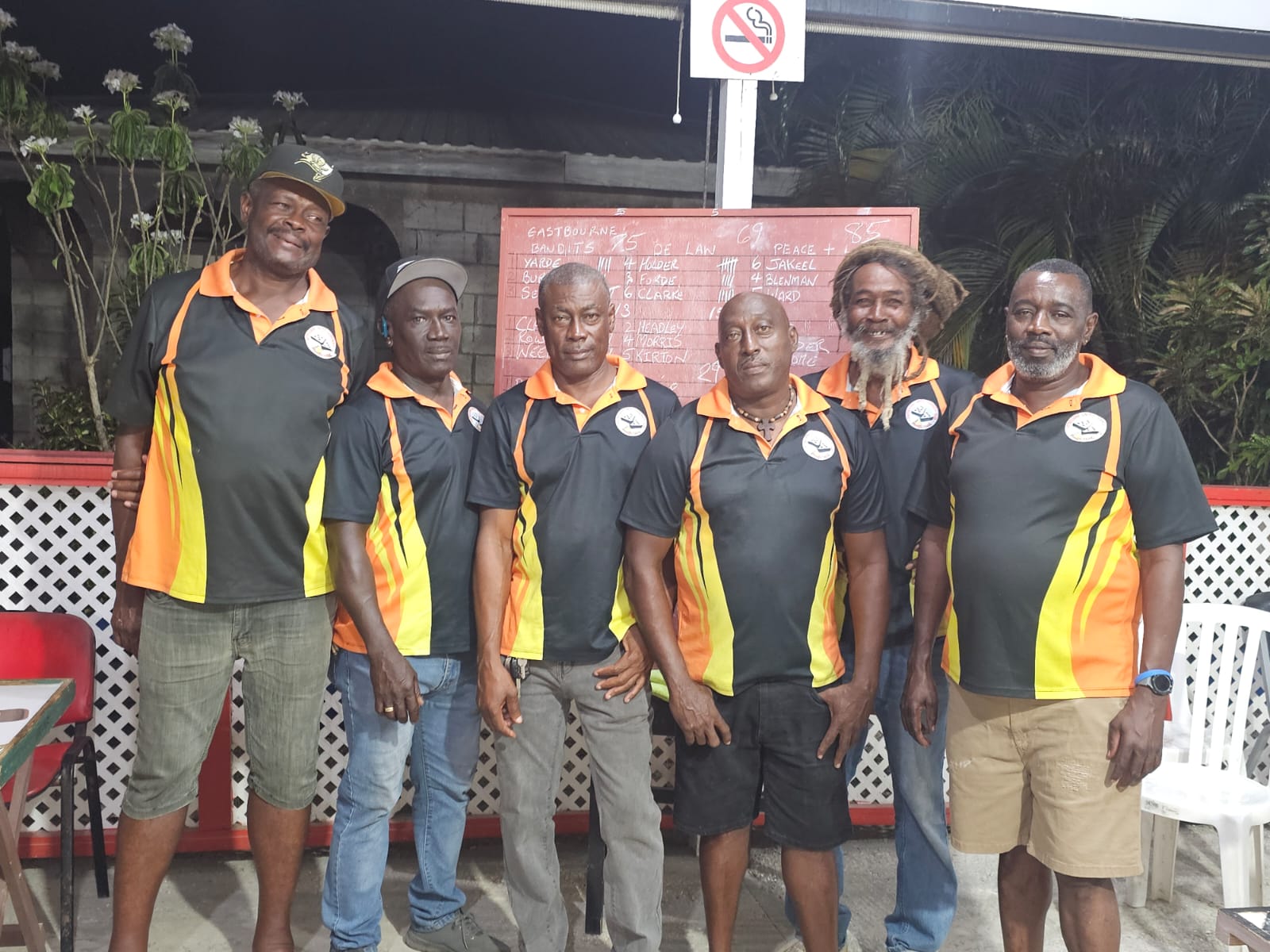
Bandits clinch national dominoes three-hand title
The 2026 edition of the Barbados National Dominoes Association Village Three Hand Championship has crowned a new titleholder, with Eastbourne Bandits emerging triumphant after a tense, hard-fought final round held on September 3 at JD’s Domino Club.
Unlike many lopsided competitions, this year’s final went down to the final play, with only a handful of points separating the top three contenders. When all scores were tallied, Eastbourne Bandits secured the top spot with a total of 77 points, edging out their closest competitor by just four points. Second place went to Newbury, who finished with 73 points, while De Blurr rounded out the top three with 70 points in a tight contest that kept spectators engaged from the first round to the last.
It was a standout performance from the Bandits’ key players that pushed the team over the finish line. Veteran player Clairemonte “Rastaman” Weekes delivered a star turn for the championship side, putting up an impressive 17 points to lead all team scorers. He received solid support from teammate Neil Rowe, who chipped in with 15 critical points to cement the team’s winning margin.
Though Newbury fell short of the top spot, the team also had reason to celebrate standout individual play: Michael “Hard Dog” Parris turned in the highest individual score of the entire final, notching 18 points for his side. For third-place De Blurr, Kevin “Kegan” Edwards led the team’s effort with a solid 14-point contribution, helping the club secure a spot on the tournament’s podium.