分类: society

  • Casa del Cordón screens “Galeones de Azogue,” exploring the origins of underwater archaeology in Dominican Republic

    Casa del Cordón screens “Galeones de Azogue,” exploring the origins of underwater archaeology in Dominican Republic

    Santo Domingo’s Taíno Cultural Center Casa del Cordón, an institution supported by Banco Popular Dominicano, recently presented a special screening of the documentary ‘Galeones de Azogue.’ The film chronicles the pioneering underwater archaeological investigations in the Dominican Republic that began with the discovery of the Azogue Fleet galleons, which met their fate off the coast of Miches during the 18th century.

    The event, organized in partnership with Spain’s Royal Shipyards Museum, featured a distinguished panel including the museum’s director Íñigo Apestegui and screenwriters Carlos León and Cruz Apestegui. They provided exclusive insights into the documentary’s extensive research methodology, historical documentation, and groundbreaking findings that shaped this significant archaeological investigation.

    Produced through a collaboration between Duho Cinema, Retama Studio, and Guasabara Cine, the documentary was spearheaded by general producers Fernando Santos and Gabriel Valencia. The technical team included editor Mikel D. Etxebarría and sound designer Laura Gantes. The film incorporates expert commentary from renowned specialists Pedro Borrel, Frank Moya Pons, Bernardo Vega, Federico Schad, Jaime Vega, and Tracy Bowden.

    The documentary traces the accidental discovery in 1976 by local Miches fishermen of two submerged galleons in Samaná Bay. This chance finding catalyzed the nation’s first official underwater archaeological expedition, unearthing artifacts connected to a maritime catastrophe that occurred over three centuries earlier.

    Historical records indicate that on August 24, 1724, the galleons Nuestra Señora de Guadalupe and Tolosa—part of the Mercury Fleet voyaging from the Iberian Peninsula to the Viceroyalty of New Spain (modern-day Mexico)—encountered a devastating storm. The vessels were transporting more than 360 tons of mercury from Spain’s Almadén mines, a crucial component in colonial silver processing. While the Guadalupe sustained severe damage, the Tolosa sank entirely off the Dominican coastline.

    The tragedy claimed more than 600 lives, with survivors enduring extreme hardships—some clinging to ship masts for weeks, others navigating treacherous jungles and beaches in search of rescue—leaving behind a profound narrative of human endurance.

    Archaeological work recommenced in 1994 through a cooperative Dominican-Spanish initiative, representing a watershed moment for the nation’s maritime heritage preservation. The Quicksilver Galleons Project successfully recovered over 45,000 artifacts, including cannons, navigational equipment, coins, personal belongings, and an exceptional assemblage of European glassware. These discoveries have significantly enriched understanding of colonial trade networks and 18th-century maritime practices while establishing the foundation for Dominican underwater archaeology, enabling the nation to reclaim and safeguard its submerged historical legacy as an integral component of its cultural identity.
  • Yemeri Grove Celebrates Reliable New Water Supply

    Yemeri Grove Celebrates Reliable New Water Supply

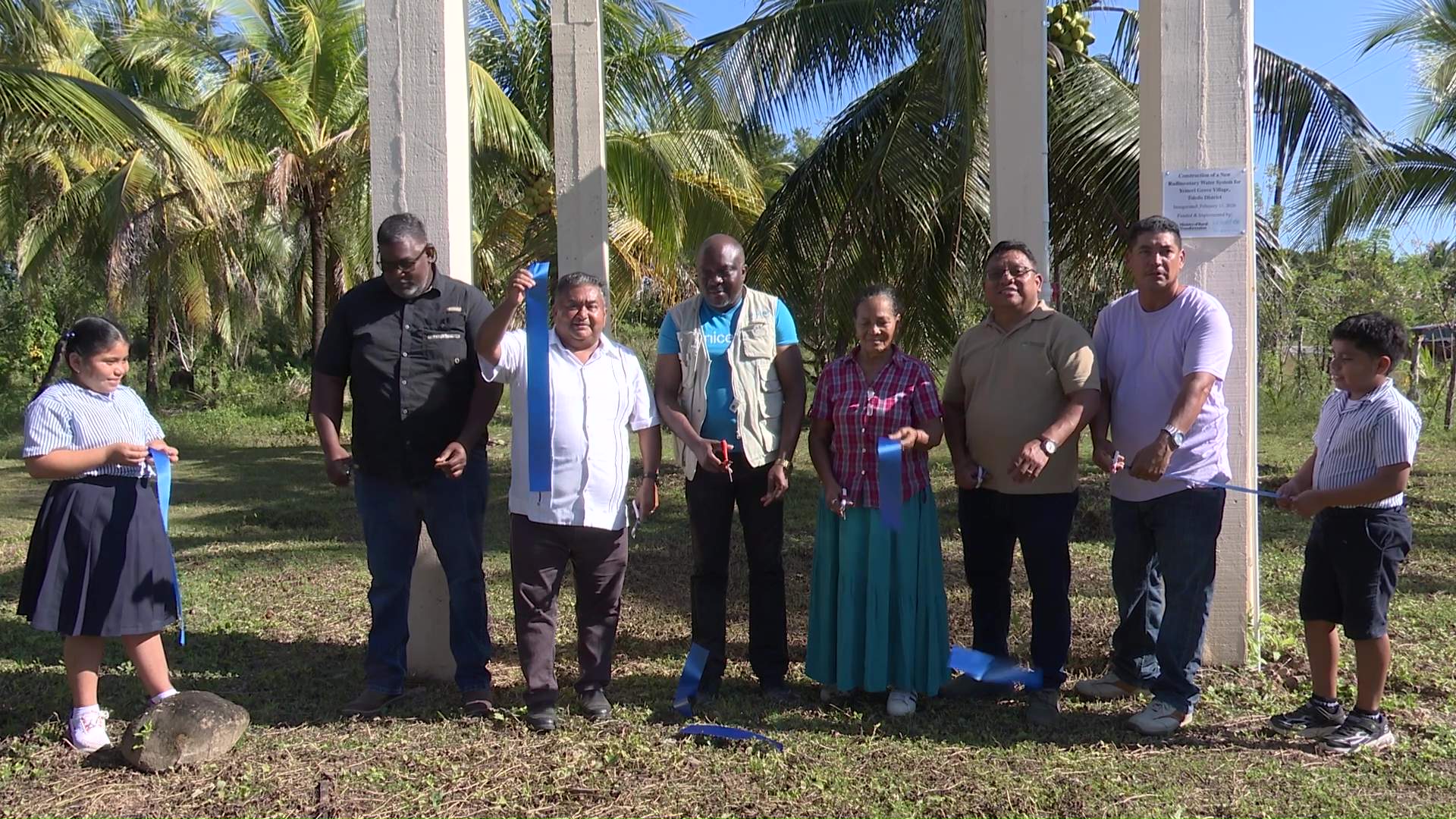
    The remote community of Yemeri Grove in Belize’s Toledo District has achieved a significant milestone in public infrastructure with the formal commissioning of a completely new water supply system. This transformative project, executed through a collaborative initiative between Belize’s Ministry of Rural Transformation and UNICEF, marks the end of the village’s long-standing dependency on shared water resources from neighboring Laguna.

    The newly implemented system represents a comprehensive upgrade featuring a dedicated production well, a modern elevated reservoir, and a high-capacity submersible pump. This engineered solution is designed to provide consistent, clean water access to over one hundred households, ensuring twenty-four-hour availability that was previously unreliable.

    During the inauguration ceremony, Oscar Requena, Minister of Rural Transformation and Community Development, highlighted the strategic importance of this development. “This achievement in Yemeri Grove represents the third such water tower system our ministry has constructed, following successful implementations in Tower Hill Orange Walk and Medina Bank. This infrastructure is crucial for serving our students, young children, and all Belizeans with reliable water access,” Minister Requena stated.

    The project addresses both immediate public health concerns and long-term community development goals. Herald Usher, Chairman of Yemeri Grove Village Council, expressed collective appreciation: “On behalf of our village council and water board, we profoundly appreciate this water system that significantly enhances our quality of life and community resilience.”

    This water independence initiative demonstrates Belize’s ongoing commitment to improving rural infrastructure and represents a model for sustainable community development through governmental and international partnership.

  • UNICEF Partnership Delivers Water Upgrade in San Jose

    UNICEF Partnership Delivers Water Upgrade in San Jose

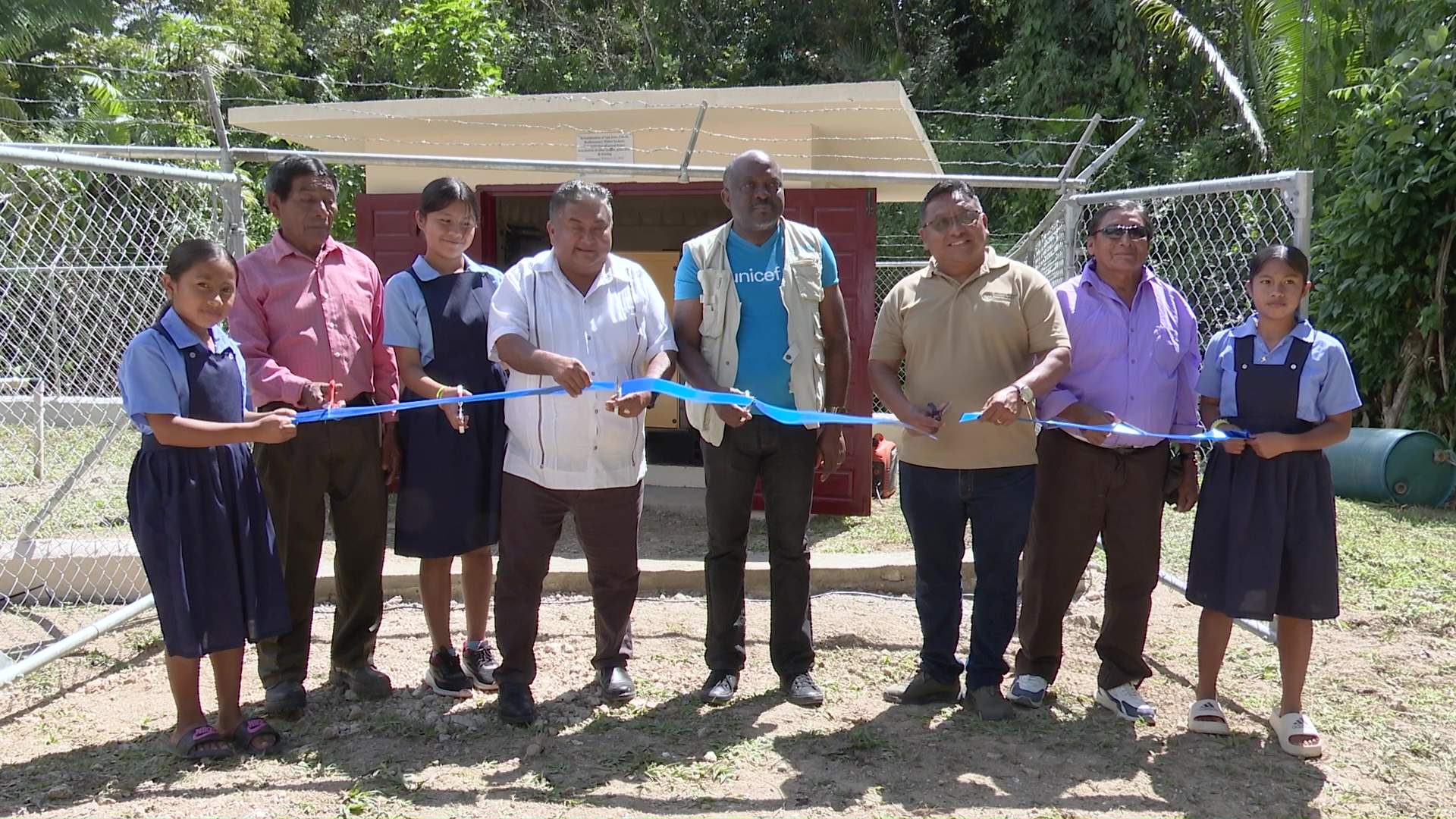
    Residents of San Jose in the Toledo District are now benefiting from a transformed water infrastructure system following the official inauguration of a major upgrade project. The initiative, a collaborative effort between Belize’s Ministry of Rural Transformation and UNICEF, represents a significant advancement in sustainable water management for rural communities.

    The newly implemented system transitions the village to an environmentally conscious, green-energy powered setup that substantially reduces operational expenses while ensuring consistent water distribution. A critical component of the upgrade includes the installation of a heavy-duty backup generator, providing essential resilience during power disruptions or extreme weather events that previously compromised water access.

    Dr. Olusa Oladeji, UNICEF Health and Nutrition Specialist, emphasized the project’s broader implications during the handover ceremony. “This initiative marks tangible progress in extending safe and reliable water services to children and families,” stated Dr. Oladeji. “Secure water access forms the foundation of health, educational continuity, and community resilience, particularly in rural settings where infrastructure challenges persist.”

    The official acknowledged the collaborative framework involving the Belizean government, local Village Water Board, Nanka community representatives, and the Village Council in bringing the project to fruition.

    Nikyra Cho, a local student, expressed community appreciation for the comprehensive improvements, which included new piping networks, water meters, solar electrification, protective fencing, and the emergency generator. “These enhancements have not merely restored but fundamentally strengthened our water infrastructure,” Cho noted. “Reliable clean water signifies life itself, and today our community stands empowered through this support—transcending mere construction to represent improved health outcomes, reduced hardships, and expanded opportunities for future generations.”

    The San Jose water system upgrade exemplifies ongoing efforts to address infrastructure disparities in rural Belize through innovative, sustainable solutions that prioritize long-term community welfare.

  • Businessman Raises Alarm Over Alleged Oil Dumping in Five Islands Mangroves

    Businessman Raises Alarm Over Alleged Oil Dumping in Five Islands Mangroves

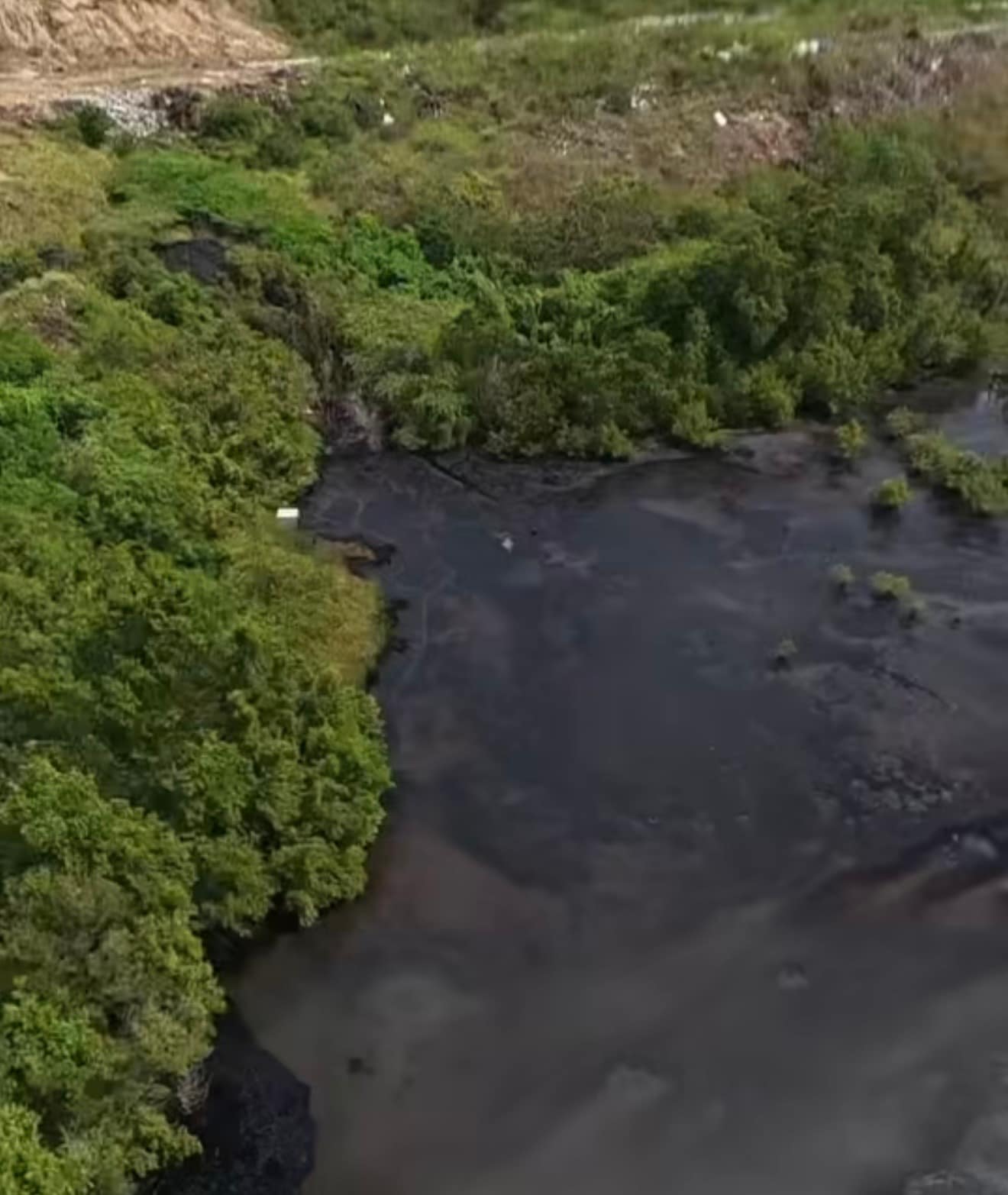
    A significant environmental emergency is unfolding in Antigua’s Five Islands region, where prominent businessman and environmental advocate Eli Fuller has reported the deliberate dumping of thousands of gallons of waste oil into ecologically sensitive mangrove ecosystems. The alleged contamination occurred following recent heavy rainfall events, with oil slicks reportedly spreading throughout Five Islands Harbor.

    Fuller, who documented the incident firsthand, described this as among the most severe ecological disasters he has witnessed in the region. The contamination poses substantial threats to marine biodiversity, coastal protection, and local economic activities that depend on healthy marine ecosystems.

    The mangrove forests in question serve as vital nursery grounds for numerous marine species and provide natural erosion control for Antigua’s coastline. Fuller particularly emphasized the impact on traditional cockle fishing communities, having consulted with local fishermen whose livelihoods face immediate jeopardy from the pollution.

    Notably, Fuller raised serious questions about how such large-scale dumping could occur given existing security protocols at the island’s landfill facility. According to standard procedures, security personnel are stationed at the site and trucks undergo inspection before being directed to approved disposal areas.

    The environmental advocate has characterized the incident as an ‘environmental crime’ demanding thorough investigation and legal accountability. He has called for judicial proceedings that would hold responsible parties financially liable for restoration efforts, while simultaneously offering to collaborate with government authorities to develop comprehensive solutions.

    As of current reporting, government agencies and environmental authorities have not issued any public statements regarding these allegations. The situation continues to develop as environmental assessments are likely underway to determine the full extent of the contamination and its ecological consequences.

  • President Abinader inaugurates La Gaviota Amphitheater in Ciudad Juan Bosch

    President Abinader inaugurates La Gaviota Amphitheater in Ciudad Juan Bosch

    Santo Domingo witnessed a significant advancement in urban development as President Luis Abinader officially opened the La Gaviota amphitheater in Ciudad Juan Bosch on Thursday. This cultural infrastructure represents a pivotal achievement within the nation’s premier model city initiative, showcasing a holistic approach to community building.

    The newly inaugurated venue forms part of an extensive portfolio of completed and ongoing developments spearheaded by the VBC-RD Trust in collaboration with Movexco Constructora. This comprehensive strategy integrates housing solutions with cultural amenities, sports facilities, public services, and communal spaces to create a fully integrated urban environment.

    José Ignacio Paliza, Minister of the Presidency, emphasized the project’s profound social impact, noting its transformation of the area into a thriving community. “We are now creating more developed citizens,” Paliza stated, underscoring the initiative’s broader societal benefits.

    Camel Curi Lora, executive director of the VBC-RD Trust, revealed the project’s remarkable turnaround from previous stagnation, characterized by limited appeal and a 105 million peso debt. The development has seen extraordinary growth, expanding from 4,777 households in 2020 to approximately 15,500 currently, with projections indicating 25,000 homes upon final completion.

    Beyond the amphitheater, Ciudad Juan Bosch boasts substantial infrastructure including two wastewater treatment plants, a comprehensive sports complex, funeral services facility, ecological park, vitrified regulating tank, and expanded parking infrastructure serving the cultural venue and adjacent areas.

    The amphitheater’s inauguration will be celebrated from February 12 to 15 through a diverse cultural program coordinated with the Ministry of Culture. The festivities will feature symphonic concerts by the Santo Domingo Philharmonic Orchestra, contemporary dance performances by the National Contemporary Dance Company, choral presentations by Koribe Chamber Choir, folkloric exhibitions by the Dominican National Folkloric Ballet, and innovative musical experiences from Escuela Libre de Herrera and DJ Clara Egelmann Tolentino.

  • Farming That Works With Nature, Not Against It

    Farming That Works With Nature, Not Against It

    In a groundbreaking environmental initiative, Belize has launched an ambitious sustainable agriculture program through a unique coalition of conservation and agricultural organizations. The Nature Conservancy has forged strategic partnerships with multiple local entities to implement an Extension Strategy designed to revolutionize farming practices across the Central American nation.

    The comprehensive program is currently training Mennonite farming communities in advanced ecological techniques covering multiple sustainability domains. Participants receive expert instruction in habitat preservation, innovative land management, soil vitality enhancement, biodiversity conservation, water resource optimization, energy efficiency, community engagement strategies, and economic viability.

    Demonstration farms established in Shipyard and Spanish Lookout serve as living laboratories, showcasing practical methodologies for maintaining high agricultural productivity while simultaneously protecting fragile ecosystems. These model operations provide tangible examples of how modern farming can coexist harmoniously with environmental stewardship.

    Project coordinators emphasize the dual-purpose nature of the initiative: supporting agricultural livelihoods while ensuring farming practices align with the preservation of Belize’s precious natural resources. The program represents a significant shift from conventional agricultural approaches toward more ecologically integrated methods.

    The collaborative effort brings together diverse stakeholders including the Belize Livestock Producers Association, the Ministry of Agriculture, the University of Belize’s Central Farm Campus, and the Belize Maya Forest Trust. This multi-organizational approach ensures the program incorporates scientific research, policy support, practical farming knowledge, and conservation expertise.

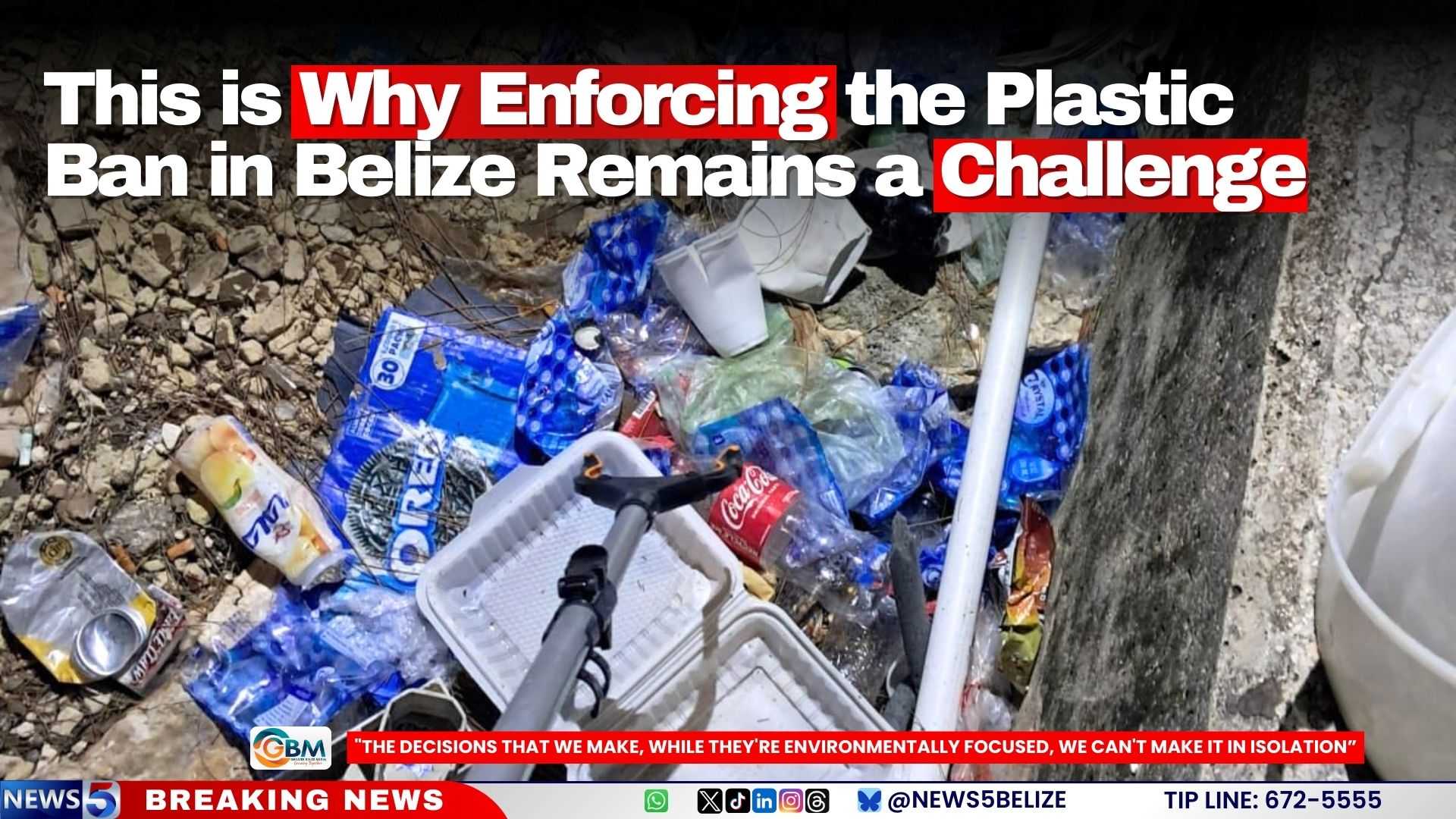
  • This is Why Enforcing the Plastic Ban in Belize Remains a Challenge

    This is Why Enforcing the Plastic Ban in Belize Remains a Challenge

    BELIZE CITY – While global plastic pollution remains a pressing environmental concern, Belize has demonstrated notable progress through its Environmental Protection Pollution from Plastics Regulation implemented in 2020 and amended in 2022. According to Chief Environmental Officer Anthony Mai, the initiative has produced “a significant change” in the country’s approach to plastic waste management, though the journey toward full compliance continues to encounter substantial obstacles.

    Mai emphasized the pervasive nature of plastic in modern society, noting its presence “in every single aspect of life,” including clothing materials. The implementation phase has revealed that enforcement presents far greater challenges than legislative approval, with three primary hurdles emerging: illegal imports crossing border points, expensive laboratory testing requirements, and significant pressure from small businesses affected by the ban.

    A 2023 conformity assessment uncovered major compliance gaps when 90 samples from approximately 35 companies, importers, and manufacturers underwent certified laboratory testing. The majority failed to meet the mandatory 50% or more bio-based content requirement, resulting in product deregistration despite importer objections.

    Border control operations have led to the confiscation, charging, and destruction of substantial plastic quantities identified through monitoring at northern border points. Meanwhile, small businesses have expressed concerns about existing inventory investments in non-compliant products, creating tension between environmental objectives and economic realities.

    The Department of Environment has adopted a balanced approach, recognizing that overly aggressive prohibition could “seriously impact the productive sector of Belize.” Mai stressed that environmental decisions cannot be made in isolation from national economic considerations, requiring stakeholder collaboration to balance ecological initiatives with livelihood protection and national development priorities.

  • Pay Our Severance: “We Worked, Sweat, Toil”

    Pay Our Severance: “We Worked, Sweat, Toil”

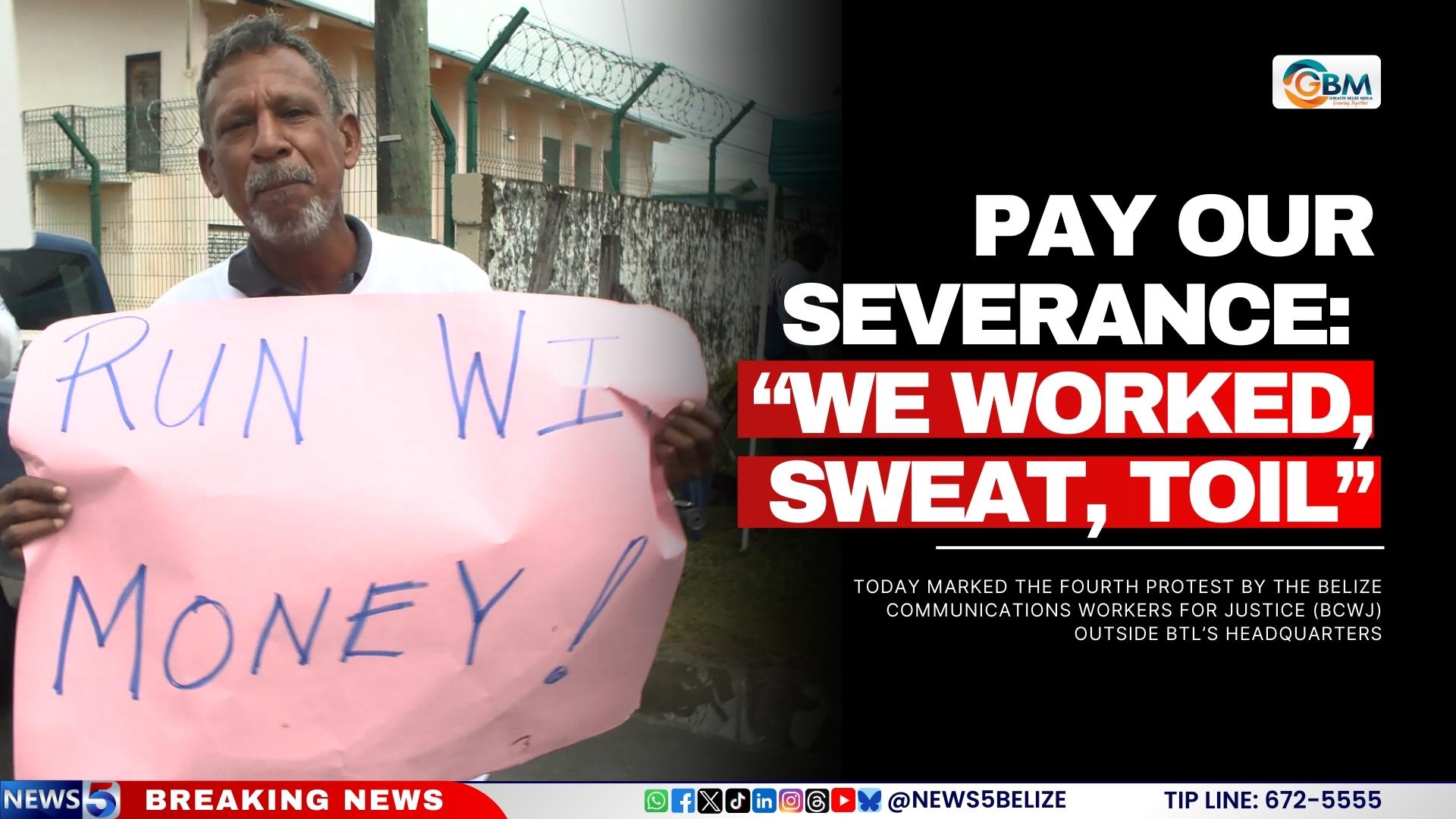
    Former long-serving employees of Belize Telemedia Limited (BTL) have intensified their demands for severance payments, citing deteriorating health conditions and years of dedicated service. The Belize Communications Workers for Justice (BCWJ) organized its fourth consecutive protest outside BTL’s corporate headquarters this week, highlighting what participants describe as urgent unmet financial obligations.

    Medical necessity has become a central theme in the growing dispute. Leticia Reyes, a 26-year veteran who transitioned from telephone operations to customer service, revealed her multiple health emergencies including gastric bypass surgery, two cardiac procedures, and two strokes that have impaired her speech and memory. ‘Many of us here face serious health challenges,’ Reyes stated. ‘We need the company to acknowledge our circumstances and release the severance we’ve earned.’

    Patricia Bradley, another former employee with 17.5 years of service across multiple departments, emphasized the personal sacrifices made by staff. ‘We invested years of sweat, toil, and tears building this company, often prioritizing work over family,’ Bradley recounted. While acknowledging BTL’s historical role as a valuable employer that provided growth opportunities, she maintained that severance payments represent a legal entitlement rather than a discretionary benefit.

    The telecommunications company issued an official response indicating that 98% of worker claims under the Caribbean Court of Justice ruling have been settled. However, BTL clarified that the CCJ mandate only covered claims within a six-year limitation period, excluding the BCWJ-represented workers whose claims extend beyond this temporal framework.

    Bradley, who now operates a caregiving business, noted that the severance funds would enable her to expand into food services, demonstrating how these payments represent both deserved compensation and future economic opportunity for former employees.

  • Two new ruptures stall northern water supply restoration

    Two new ruptures stall northern water supply restoration

    The Water and Sewerage Company (WASCO) has announced significant setbacks in restoring water supply to northern regions, revealing that aging infrastructure has catastrophically failed during reactivation attempts. The crisis emerged following weekend maintenance operations that required complete system shutdown.

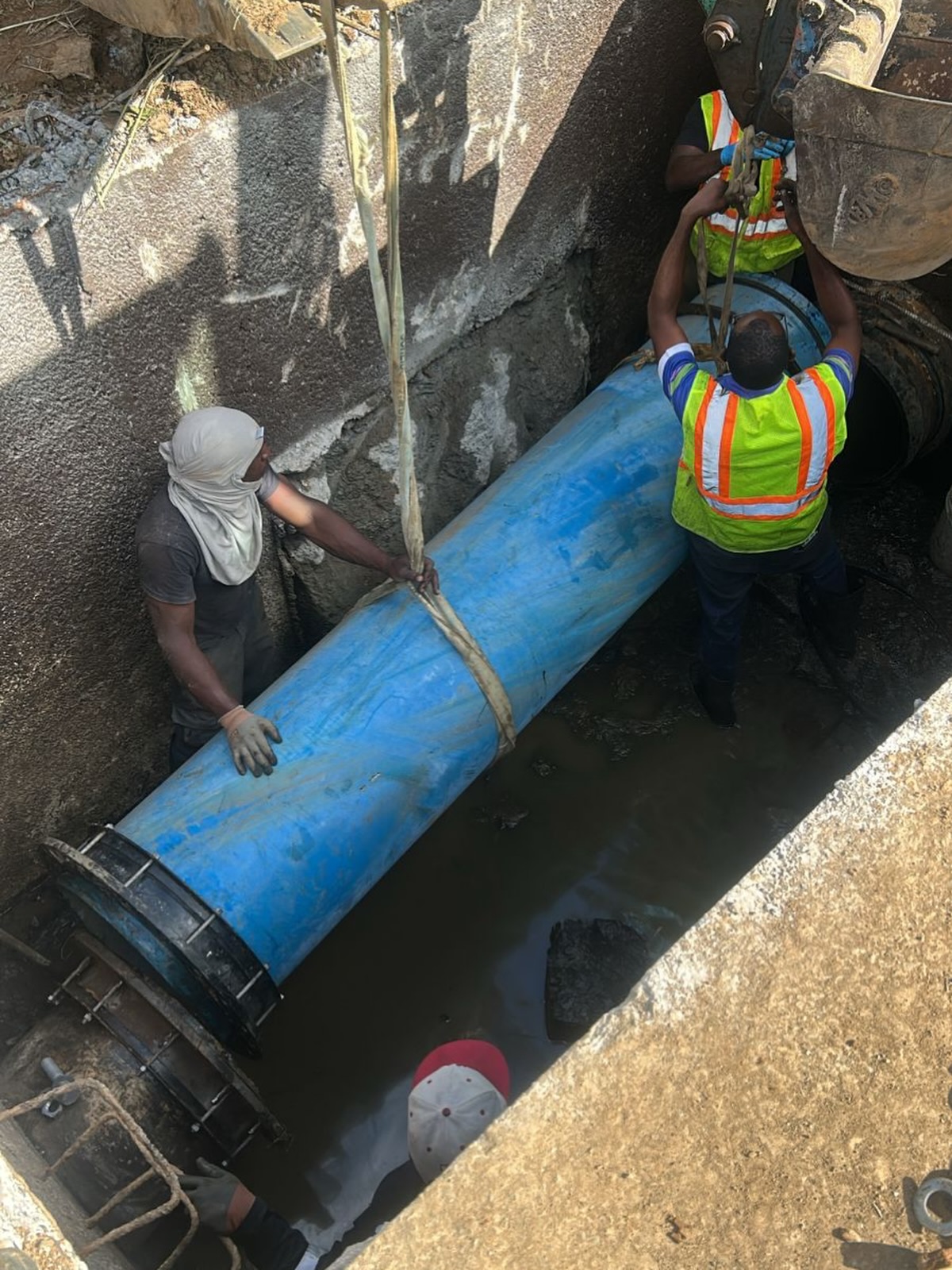
    Technical crews successfully addressed three major leakage points along the critical 24-inch raw water pipeline at Millet by Wednesday evening. However, during the carefully orchestrated reactivation process, two previously undetected sections of the pipeline ruptured under pressure. Engineering assessments confirm these failures directly result from the deteriorated condition of aging infrastructure that could not withstand standard operational pressures.

    The compounding infrastructure failures extend water shortages that have plagued northern communities for approximately two weeks. Repair teams are currently executing emergency interventions, with full system restoration projected for Thursday evening pending no further complications.

    WASCO outlines a revised reactivation strategy involving an exceptionally gradual repressurization protocol to transport water to the Theobalds Treatment Plant while minimizing additional stress on the fragile network. The company emphasizes that system stabilization will require considerable time, with elevation-based restoration priorities meaning higher-altitude customers and remote network endpoints will experience delayed service restoration.

    The utility company warns of potentially prolonged systemic vulnerabilities throughout the upcoming dry season, noting that seasonal water pressure reductions exacerbate existing infrastructure deficiencies. WASCO urgently advises all customers to maintain at least one week’s water reserve as insurance against future disruptions.

    Company representatives expressed profound regret for the extended service interruption while affirming that technical teams continue working tirelessly to complete repairs and restore normal service conditions.

  • Statement by the men of The Citizens Advisory Body, St Paul’s Policing District

    Statement by the men of The Citizens Advisory Body, St Paul’s Policing District

    The Citizens Advisory Body of St. Paul’s Policing District has issued a profound statement of condolence and condemnation following the tragic death of Aleandra Lett Hypolite, an event that has sent shockwaves throughout Grenada. The organization expressed its deepest sympathies to Hypolite’s family, parents, and loved ones during what they described as a period of “immense grief and anguish.”

    In their official statement, the advisory body emphasized that no family should endure such devastating loss and no community should remain passive when confronted with acts of violence. As representatives working collaboratively with law enforcement to promote community safety, accountability, and public trust, the organization delivered a strong condemnation of all sexual violence incidents.

    The statement characterized such conduct as not merely an assault on individuals but as a fundamental violation of human dignity that threatens the moral foundation of society. While acknowledging public demands for swift justice, the advisory body simultaneously called for calm and patience, urging citizens to allow investigative processes to proceed without interference while maintaining cooperation with the Royal Grenada Police Force.

    The organization issued a national call to action, advocating for renewed commitment to protecting women, girls, and all children while upholding the rule of law. They specifically encouraged zero tolerance policies toward derogatory speech, harassment, attacks, rape, and murder directed at women and girls, while emphasizing respect for all human life.

    The advisory body concluded with a message of spiritual support for the Hypolite family, expressing hope that “the God of peace and comfort” would provide strength during this difficult time. The statement represents both a mourning of specific tragedy and a broader societal critique regarding violence against women in Grenada.