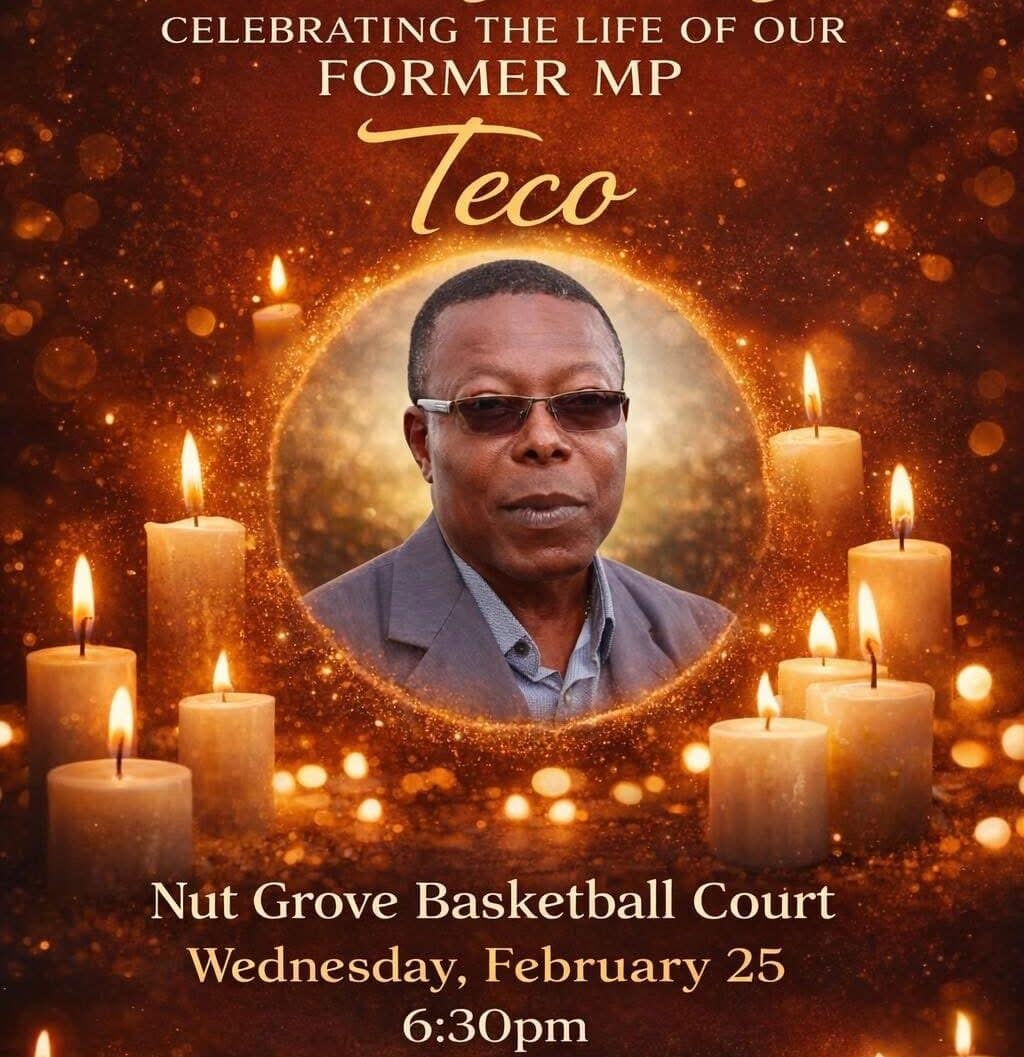
The community will gather in a solemn tribute to commemorate the life and public service of the late Eustace ‘Teco’ Lake, former Member of Parliament, during a candlelight vigil scheduled for Wednesday evening. The commemorative event is set to occur at the Nut Grove Basketball Court on February 25th, commencing at 6:30 PM, as formally announced through public channels. Event coordinators have indicated that the vigil will serve as a poignant celebration of Lake’s enduring contributions and dedicated service to his constituency and the broader society. Further particulars regarding the ceremony’s program and participating speakers are anticipated to be disclosed in the coming days, allowing community members to properly honor his political legacy and community impact.
分类: society
-

Nominees Announced For Nurses Association General Elections
The Antigua and Barbuda Nurses Association (ABNA) has officially unveiled its comprehensive list of nominees for the upcoming 2026 General Election, setting the stage for a significant leadership transition within the organization. The candidate roster reveals several prominent figures vying for key executive roles that will shape the future direction of nursing advocacy and healthcare policy in the nation.
Leading the presidential ticket is Laurellyn Williams, who has been nominated for the association’s highest office. The vice presidential positions feature Kesha Willock as First Vice President candidate and Emelda Atilla Peters-Smith contending for Second Vice President. The critical role of Public Relations Officer has Oona Cabral Knight as the nominated candidate.
Notably, Zena Knight Barnes appears multiple times in the nomination list, being put forward for three separate positions: Secretary, Treasurer, and Executive Member—a rare occurrence that highlights her extensive involvement and recognized capabilities within the nursing community. The Secretary position features additional candidates including Cavelle Morris Willis and Eletha George.
The Treasurer nomination includes Alden Robins alongside Knight Barnes, while the Assistant Treasurer position has Petals Adams Nedd as the sole nominee. For Assistant Secretary, the association has nominated Wanda Ferris and Althea Georges.
The Executive Members slate represents a broad cross-section of nursing leadership, featuring McBert Arthur, Jenita Cuffy, Sonia Farrell Willock, Mitchell Sealey, Tanasha Roberts, Nerissa Skepple Thomas, Eletha George, and Leonise Taylor alongside Knight Barnes. This diverse group of candidates brings together experienced nursing professionals from various specialties and backgrounds, ensuring comprehensive representation within the association’s governing body.
The 2026 election represents a crucial moment for ABNA as it addresses evolving healthcare challenges, nursing workforce development, and the ongoing professional advancement of nurses throughout Antigua and Barbuda. The election outcomes will determine the leadership that will advocate for nursing interests, negotiate working conditions, and influence national health policy formulation in the coming years.
-

Update: 30% of power restored after blackout
Santo Domingo – The Dominican Republic’s electrical grid is undergoing gradual restoration following a significant system-wide failure that triggered a partial blackout on Monday morning. Approximately 30% of the National Interconnected Electrical System (SENI) has been successfully reactivated as technicians work to stabilize the network.
The incident originated with the unexpected tripping of a critical 138-kilovolt transmission line connecting Hainamosa and Villa Duarte, causing cascading disruptions throughout the nation’s power infrastructure. Energy and Mines Minister Joel Santos emphasized the technical complexities involved in the restoration process, noting that system reintegration must proceed methodically to ensure operational safety and grid stability.
Emergency protocols were immediately activated to prioritize service restoration while maintaining infrastructure integrity. Despite the widespread outage, essential services including hospital operations, water supply systems, airport facilities, public transportation, and traffic control networks maintained functionality through backup power systems, substantially reducing the disruption’s impact on public safety and services.
Government authorities have confirmed that a comprehensive technical investigation will be launched once full service is restored. This probe will analyze the root cause of the system failure and develop preventive measures to enhance grid reliability and avoid future occurrences of similar incidents.
-

Major failure in National Electrical System affects service in parts of the country
Santo Domingo – The Dominican Republic faced a severe nationwide power crisis on Thursday morning following a major failure in its National Interconnected Electrical System (SENI). The collapse triggered widespread blackouts across multiple regions, disrupting normal life and economic activities throughout the Caribbean nation.
Emergency response protocols were immediately activated as technical crews from the national grid operator, electricity distributors, and generation companies launched coordinated efforts to address the system failure. Engineers are working around the clock to implement a phased restoration plan that prioritizes grid stability and safety measures.
Government authorities emphasized that their primary focus remains on ensuring an orderly recovery process that maintains the integrity of the national power infrastructure. The Coordinating Body for the electrical sector is overseeing the complex restoration operation, which requires careful load management to prevent secondary failures.
Official communications channels have been established to provide regular updates to the public as the situation evolves. Residents are advised to monitor authorized information sources for details on restoration timelines and affected areas. The incident represents one of the most significant power disruptions to hit the country’s electrical infrastructure in recent years, highlighting ongoing challenges in maintaining reliable energy services.
-

Column: Suriname blijft worstelen, maar hoop gloort aan de horizon
For decades, Suriname has been trapped in a recurring cycle of systemic challenges that continue to plague its transportation, agricultural, and environmental sectors. Public transport operators face persistently ambiguous and fluctuating fare regulations, while rice farmers—the backbone of the nation’s economy—repeatedly confront seasonal irrigation shortages and unfavorable pricing structures. Meanwhile, citizens regularly battle worsening urban flooding and inefficient waste management systems that remain unresolved despite years of political discussions.
The renewal processes for bus permits undergo constant procedural changes without achieving meaningful efficiency or transparency. Critical water canal maintenance appears neglected, resulting in increasingly severe flooding during routine rainfall. The rice sector, vital to Suriname’s economic stability, faces the same fundamental challenges season after season without sustainable solutions.
Despite periodic changes in government leadership, the approach remains consistently characterized by temporary fixes and partial measures that provide momentary relief rather than comprehensive solutions. The waste management crisis continues as a persistent eyesore, with paid garbage collection systems remaining in discussion phases while trash accumulation worsens.
Suriname nevertheless possesses unique advantages that many nations lack. The country experiences none of the catastrophic natural disasters—hurricanes, earthquakes, or tsunamis—that regularly devastate other regions. Its air quality remains pristine, and abundant high-quality drinking water is readily available—resources that millions globally still struggle to access. Additionally, Suriname maintains a peaceful society characterized by rich cultural diversity and remarkable social harmony.
These blessings often go underappreciated as citizens focus on daily frustrations, yet they provide a solid foundation for transformative development. Realizing this potential requires leadership willing to break from traditional patterns and implement long-term vision rather than short-term fixes. The nation needs administrators who view the country as a collective responsibility rather than a personal playground, prioritizing communal welfare over individual interests.
The path forward demands courageous leadership committed to substantive change, combined with active citizen engagement and renewed institutional trust. While Suriname’s challenges are significant, the capacity for meaningful transformation exists within its societal framework. Through determined collaboration and visionary governance, Suriname can transcend its cyclical problems and build a future worthy of its citizens’ pride and aspirations.
-
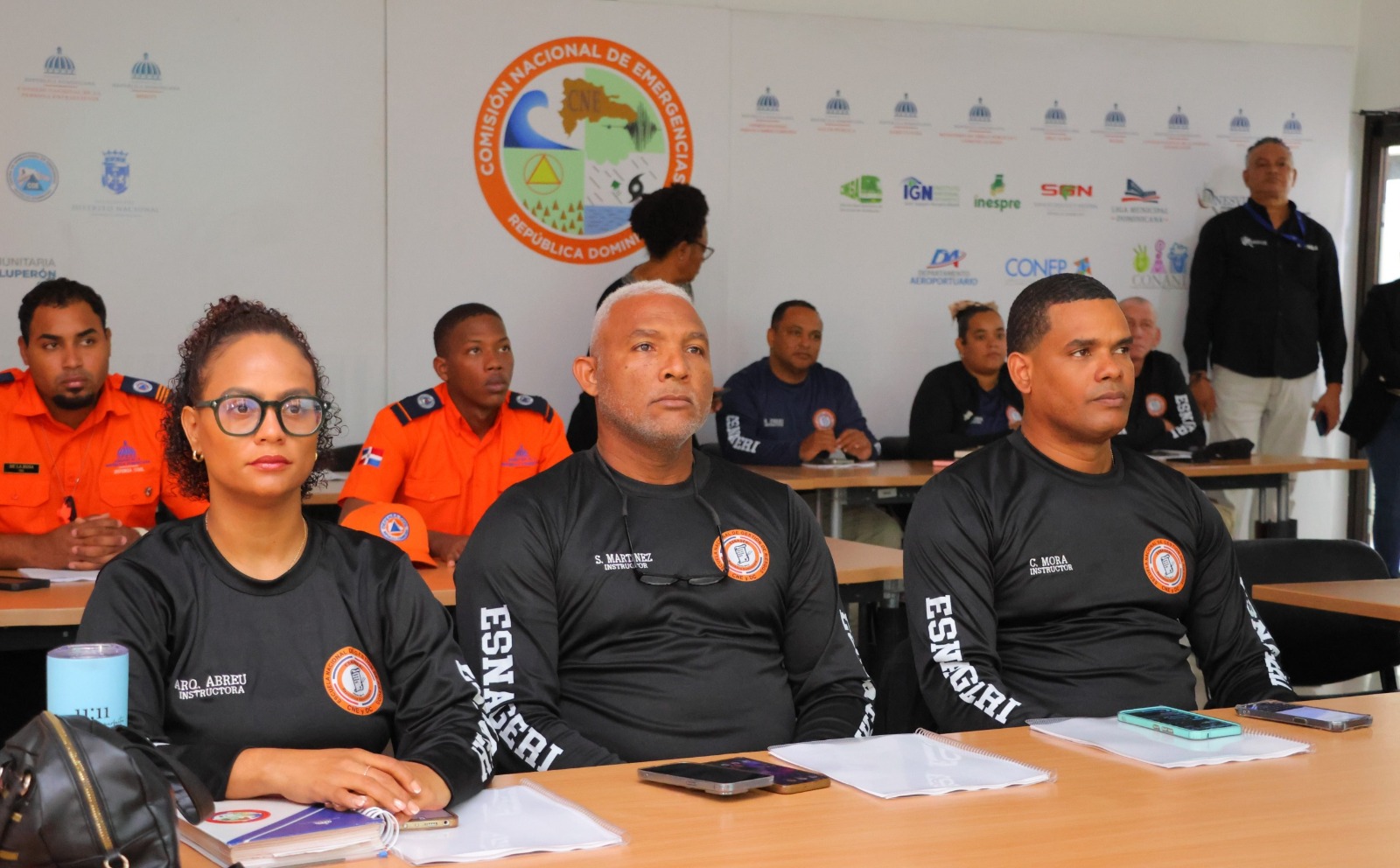
Authorities launch international training program for emergency rescue teams
SANTO DOMINGO – In a significant move to bolster national disaster preparedness, Dominican authorities have inaugurated a comprehensive international training and certification initiative designed to enhance specialized search and rescue (SAR) capabilities. The program specifically targets operations in collapsed structures and confined spaces, aiming to elevate the technical and operational proficiency of emergency response teams across the country.
This strategic endeavor represents a collaborative inter-institutional partnership, spearheaded by the National Office for Seismic Evaluation and Vulnerability of Infrastructure and Buildings (Onesvie). The initiative is being executed in coordination with major international and domestic partners, including the United Nations Development Programme (UNDP), the National School of Risk Management (Esnageri), and the National Emergency and Security System 9-1-1.
Official communications clarify that the program’s core objective is to systematically reduce seismic vulnerability and significantly improve emergency response outcomes for disasters triggered by earthquakes and catastrophic structural failures. This will be achieved through the rigorous implementation of internationally recognized training protocols and certification standards.
The curriculum is structured around four specialized courses. The foundational training commenced with the Incident Command System (ICS), which is being delivered by instructors from the American Safety & Rescue Institute. This module carries international accreditation certified by Texas A&M University. A subsequent series of advanced courses, slated for March, will complete the training cycle. These will encompass critical skill sets in hazardous materials (HAZMAT) management, confined space rescue techniques, and advanced strategies for rescue operations in collapsed buildings.
-

Baby girl found abandoned on Anacaona Street in San Juan de la Maguana
In a distressing incident that has unsettled the local community, a three-month-old female infant was discovered abandoned on Anacaona Street in San Juan de la Maguana this past Sunday. The child was found carefully wrapped in a small blanket and appropriately dressed, left unattended on a neighborhood curb. Alert residents promptly notified municipal authorities, who swiftly responded to secure the infant’s safety. Emergency services transported the baby to a nearby medical facility for comprehensive health evaluation, where physicians confirmed the child remains in stable condition despite the traumatic circumstances. The identity of those responsible for abandoning the infant remains unknown as investigations continue. The case has been formally referred to the National Council for Children and Adolescents (Conani), the Dominican Republic’s primary agency responsible for protecting vulnerable minors. Community members expressed profound shock regarding the incident, highlighting ongoing concerns about child welfare in the region.
-
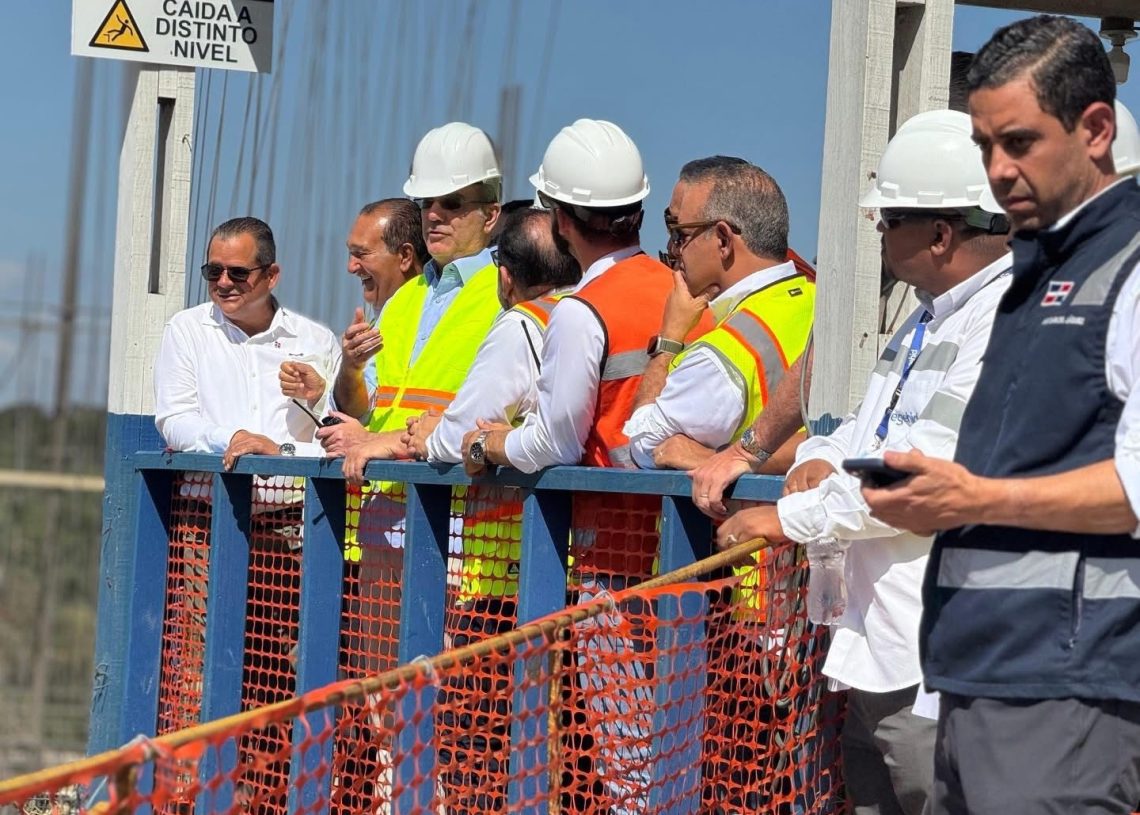
Abinader leads second diversion of Guayubín River at Boca de los Ríos Dam
SANTIAGO RODRÍGUEZ – In a significant development for national infrastructure, Dominican President Luis Abinader presided over a pivotal ceremony for the Boca de los Ríos Dam project. The event centered on the second strategic diversion of the Guayubín River, signaling the final construction phase of this major hydroelectric initiative managed by the Dominican Hydroelectric Generation Company (Egehid).
At the project site, President Abinader initiated the removal of a temporary cofferdam. This action authorized heavy machinery to carve a new channel, redirecting the river’s flow into specially constructed diversion galleries. This engineered pathway will guide water toward the emerging dam structure for the remainder of the construction period.
José Augusto Caputo, the Project Director, emphasized the operation’s critical nature, stating, ‘This second river diversion represents a fundamental milestone for the project’s advancement and denotes a crucial transition within the construction sequence.’
Egehid’s General Manager, Rafael Salazar, provided technical context, noting that an initial diversion in March 2023 enabled construction crews to build the dam’s primary structure on dry land. He clarified that this latest maneuver will temporarily restore the river to its natural course, channeled through the concrete diversion galleries. Upon project completion, these galleries will be permanently sealed, initiating the reservoir filling process.
Concurrently, this phase enables construction to commence on a lower segment of the closure dam adjoining the main wall. The project also progresses with the arrival of the first three massive radial spillway gates. Each gate, an engineering feat in itself, measures 12 meters in width, 14 meters in height, and weighs roughly 110 tons, with installation preparations now underway.
-

Plan International presents results of “Down To Zero” child protection project
After more than ten years of dedicated intervention, Plan International’s groundbreaking Down To Zero initiative has concluded its operations in the Dominican Republic, establishing a robust child-protection framework across 14 high-risk communities in the nation’s southern region. The comprehensive program specifically targeted areas severely impacted by tourism development and heightened social mobility, which have historically contributed to increased vulnerabilities.
The project achieved remarkable reach, directly impacting over 650 individuals across the provinces of Azua, Elías Piña, San Juan, Pedernales, and Barahona. Its prevention strategy centered on community empowerment, training 100 adolescents as prevention promoters and equipping 153 local leaders with skills to activate reporting and response mechanisms. Institutional capabilities were significantly enhanced through the engagement of 90 public and private sector representatives who collaborated on developing standardized case management protocols.
A cornerstone of the initiative involved confronting the cultural normalization of sexual exploitation through 24 distinct educational interventions. These included community film screenings and structured dialogues designed to break longstanding silences surrounding exploitation while building sustainable local capacity.
Project coordinator Luis Toledo emphasized the transformative outcomes, stating, ‘Today we witness more conscious communities, youth spearheading prevention initiatives, and local systems significantly better prepared to address cases effectively.’ He identified the establishment of self-sustaining protective ecosystems as the program’s most profound accomplishment.
Plan International, with over 35 years of operational presence in the Dominican Republic and outreach across 120 communities, has reaffirmed its institutional commitment to fostering secure and equitable environments for the nation’s children and adolescents. The concluding ceremonies, held February 17 in Barahona and February 19 in San Juan de la Maguana, marked the formal transition of protection responsibilities to strengthened local institutions.
-

National District Carnival 2026 fills the Malecón with color, music, and tradition
The iconic Malecón waterfront of Santo Domingo transformed into a spectacular canvas of cultural expression during the National District Carnival 2026, where an estimated crowd of thousands gathered for a celebration marked by vibrant displays and impeccable organization. Under the meticulous coordination of the Mayor’s Office of the National District, the event unfolded as a testament to both tradition and community spirit.
A procession of more than seventy elaborately costumed dance troupes captivated attendees as they paraded along the capital’s coastline. Their performances, rich in creativity and rhythmic precision, served as a dynamic exhibition of local identity. The afternoon festivities, commencing at approximately 3:30 p.m., were safeguarded by a comprehensive inter-agency security and logistics operation, ensuring a secure and orderly environment for all families and visitors.
Mayor Carolina Mejía articulated the profound significance of the carnival, framing it not merely as a festive occasion but as an essential manifestation of the city’s collective heritage and social fabric. This year’s edition carried a special dedication to José Guillermo ‘Pepe’ Mieses, a revered physician, athlete, and folklorist recognized for founding the legendary troupe Los Leones del Diablo and for his pivotal role in institutionalizing the carnival’s framework.
The ceremonial opening was led by the newly crowned King and Queen of Carnival, Francisco Taveras Benítez and Santa Valdez, both honored for their lifelong dedication to the tradition. The parade featured diverse participants, including the National District Fire Department Band and the renowned Los Guloyas de Propagas, with competitive categories spanning Grand Troupe, Best Floats, and various traditional character groups.
The event drew a distinguished audience of municipal authorities, council members, and prominent figures from the cultural and artistic sectors, who universally praised the event’s superior organization and artistic merit. As daylight faded, the celebration reached its crescendo at Eugenio María de Hostos Park with a powerful concert. Headlining artists Toño Rosario, Omega, Sexappeal, Jandy Ventura, and Steffany Constanza delivered an electrifying musical finale that energized the massive crowd.
Through this highly successful execution, the Mayor’s Office has powerfully reaffirmed its commitment to preserving cultural legacy, fostering safe public spaces for family entertainment, and cementing the National District Carnival’s status as a premier, anticipated event in Santo Domingo’s cultural calendar.