分类: society

  • TTFA boss laments gun violence: Footballers need clear path to going pro

    TTFA boss laments gun violence: Footballers need clear path to going pro

    The Trinidad and Tobago football community is confronting a devastating crisis as multiple young football talents have fallen victim to gun violence, prompting urgent calls for systemic reform. Within the past year alone, several promising players have been killed, including 27-year-old former national under-17 footballer Tekay Hoyce, 17-year-old Arima North Secondary player Zwade Alleyne, and 19-year-old Caledonia footballer Jayden Moore among others.

    TT Football Association president Kieron Edwards has identified inadequate career pathways and insufficient salaries as fundamental contributors to this tragedy. Edwards emphasizes that current compensation in the Trinidad and Tobago Premier Football League (TTPFL) fails to provide a viable livelihood, with many players earning wages that cannot support basic living expenses. “When you look at some of the salaries these young men are working for, they can’t look at it as a career,” Edwards stated in a January 11 interview.

    The association is now pursuing comprehensive restructuring to establish clear professional pathways, collaborating with international bodies for investment and engaging with government authorities. Edwards highlighted the timing is particularly appropriate as a Joint Select Committee prepares to examine the social impact of sports programs on youth delinquency and crime reduction on January 21.

    Former national women’s coach Jamaal Shabazz offered a contrasting perspective, asserting that professional football represents “a very narrow path” that requires individual assessment of financial viability. Shabazz noted that some TTPFL players earn between $5,500 and $9,000, comparable to many factory workers’ take-home pay of $4,000-$4,500 after taxes.

    Both leaders agree that addressing the crisis requires multifaceted solutions beyond football. Shabazz emphasized that criminal activity affects all societal sectors and called for politicians to ensure equitable distribution of state resources, stating that unequal allocation makes them “criminals too” in their own right. He advocated for strategic discussions with those involved in criminal activities to better understand root causes.

    The football community now seeks sustained investment in sports infrastructure, particularly in high-risk areas like La Horquetta where the establishment of La Horquetta Rangers and facility improvements have already demonstrated positive impact. Edwards stressed that investment must be continuous rather than limited to World Cup years, describing sports as “a vehicle to not only inspire the country but to save lives.”


  • Walk for peace…and in peace

    Walk for peace…and in peace

    A remarkable 2,300-mile peace pilgrimage from Texas to Washington DC is underway, led by 24 Buddhist monks accompanied by their rescued canine companion, Aloka. The journey, which commenced on October 26 with an anticipated February arrival, represents a powerful spiritual mission advocating for global compassion and non-violence.

    The monks’ adopted dog, Aloka—a Sanskrit name meaning ‘light’ or ‘radiance’—has become an unexpected symbol of their message. Originally a stray from India, this ordinary-looking dog now embodies the extraordinary capacity for compassion that defines their mission. His presence alongside the orange-robed monks has created touching moments that resonate deeply with those following their journey.

    The pilgrimage took a dramatic turn on November 19 when a pickup truck collided with the monks’ escort vehicle, resulting in life-altering injuries to Venerable Phra Ajarn Maha Dam Phommasan. The accident necessitated the amputation of one of his legs. Remarkably, Phommasan responded with immediate forgiveness and compassion toward the driver, inspiring medical staff and fellow pilgrims alike.

    Paradoxically, this tragedy brought unprecedented attention to their cause. Phommasan noted that before the accident, their peace movement received little recognition. Now,沿途 communities are gathering to offer gifts and emotional support, many moved to tears by the monks’ dedication in a world increasingly characterized by division and conflict.

    The article draws parallels to local infrastructure challenges in Trinidad and Tobago, noting the dangerous conditions for pedestrians on poorly lit roads without adequate sidewalks. The commentary argues that true compassion must extend to urban planning, creating safe spaces for vulnerable road users before organizing symbolic peace walks.

    While celebrating the monks’ inspirational journey, the piece concludes with a pragmatic call to action: communities must first ensure basic safety for pedestrians before embarking on symbolic peace marches, emphasizing that practical compassion begins with protecting citizens from becoming road fatality statistics.

  • The perfect storm

    The perfect storm

    After 32 years of operation and a remarkable journey from startup to market leader, Newsday newspaper has announced its permanent closure. The publication, which began in 1993 and achieved the status of Trinidad and Tobago’s highest-selling newspaper within two decades, succumbed to what management describes as ‘a perfect storm’ of industry challenges.

    The closure represents more than just the failure of a single publication—it symbolizes the severe pressures facing traditional print media globally. Unlike larger media conglomerates that can absorb losses across diversified portfolios, Newsday operated as a standalone entity with no corporate safety net to cushion year-on-year financial declines that have become endemic throughout the industry.

    Multiple converging factors contributed to the newspaper’s demise. The COVID-19 pandemic delivered a significant blow as nationwide shutdowns caused advertising revenue to plummet dramatically. However, management emphasizes that the pandemic was merely one element in a complex crisis that developed over more than a decade.

    Financial pressures mounted from multiple directions: raw material costs, particularly newsprint—the company’s largest expense—skyrocketed over the past ten years. Maintenance expenses for specialized printing equipment also increased substantially as manufacturers of crucial components went out of business due to industry contraction.

    The company also faced substantial legal challenges, emerging victorious from a prolonged court battle that reached the Privy Council level but left the organization over $3 million out of pocket. Despite winning costs at every judicial level, the slow pace of assessment procedures meant the company could not collect awarded funds while continuing to bear operational expenses.

    Consumer behavior shifts proved equally damaging. When Newsday increased its cover price from $2 to $3—still less than the cost of a local doubles snack—40% of readers abandoned the publication. This rejection came despite the hundreds of staff working around the clock to deliver news coverage.

    Most devastating has been the advertising collapse: print advertising revenue declined by 75% over the past decade, creating an unsustainable financial model when combined with rising production costs.

    In its farewell message, Newsday expressed pride in its legacy of ‘unwavering independence’ in serving the public and gratitude to loyal readers and dedicated staff who worked tirelessly for over two decades. The publication concluded with a warning about democracy itself being under threat when media organizations face existential crises, encouraging continued support for journalists and media colleagues throughout Trinidad and Tobago.

  • Fruits of farm work

    Fruits of farm work

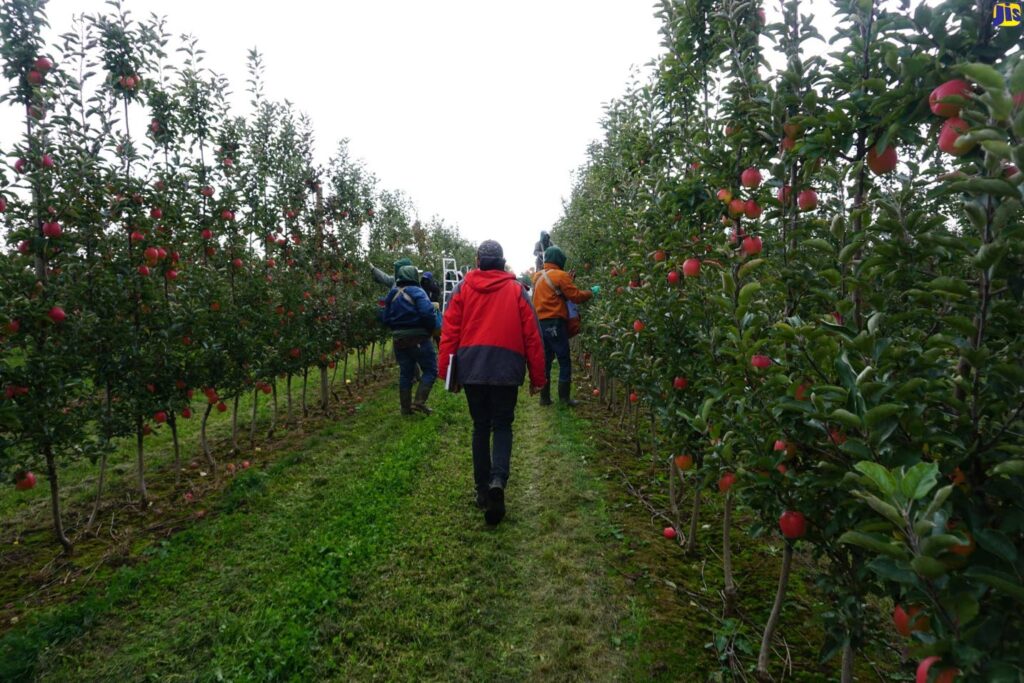
    Jamaica’s longstanding Seasonal Agricultural Workers’ Programme continues to serve as a transformative economic lifeline for countless families, creating pathways to financial stability, home ownership, and entrepreneurial success. For over six decades, this government-managed initiative has facilitated temporary agricultural employment opportunities in Canada and the United States, with recent departures marking the beginning of the 2026 season.

    Edward Gayle from St Elizabeth exemplifies the program’s life-changing impact. Initially skeptical when he first joined in 2018, Gayle now returns annually to the same Ontario farm where he has developed strong, respectful relationships with employers. His financial gains have enabled him to expand his home from a single room to a comfortable family residence, fund his children’s education, and invest in his local farming business. The program’s value became particularly evident during Hurricane Melissa, which destroyed some of his crops but spared his home and livestock—prompting plans to build more resilient hurricane-proof structures using earnings from his current work season.

    Veteran participant Oakley Rowe demonstrates even more dramatic success after 13 years in the program. The skilled construction worker and farmer has built a sturdy four-bedroom home that weathered Hurricane Melissa without damage. His achievements continue with plans to develop rental properties, leveraging the substantial weekly earnings that can reach $800 USD after taxes. Rowe emphasizes that consistent effort in the program yields tangible rewards for those with clear goals.

    Sheldon Miller of Clarendon represents the entrepreneurial spirit fostered by the program. Since 2015, Miller has utilized both earnings and acquired skills to establish a local grocery business and expand into coconut and orange farming. He stresses the importance of strategic planning, noting that overseas earnings must be invested wisely rather than spent frivolously upon return to Jamaica.

    The recent departure of 182 workers—97 on Tuesday and 85 on Wednesday—marks another season of opportunity, with 90% being returning workers. This retention rate underscores the mutual satisfaction between Jamaican workers and Canadian employers across provinces including Ontario, Nova Scotia, Prince Edward Island, and Newfoundland. Workers will engage in greenhouse agriculture and fruit/vegetable cultivation for the next eight months.

    As Jamaica approaches the program’s 60th anniversary, Minister of Labour and Social Security Pearnel Charles Jr has reaffirmed the government’s commitment to modernizing while preserving the initiative’s integrity. The minister urged participants to maintain the program’s proud legacy dating back to 1966, emphasizing health, safety, mutual support, and exemplary representation of Jamaica abroad.

  • Capital turmoil

    Capital turmoil

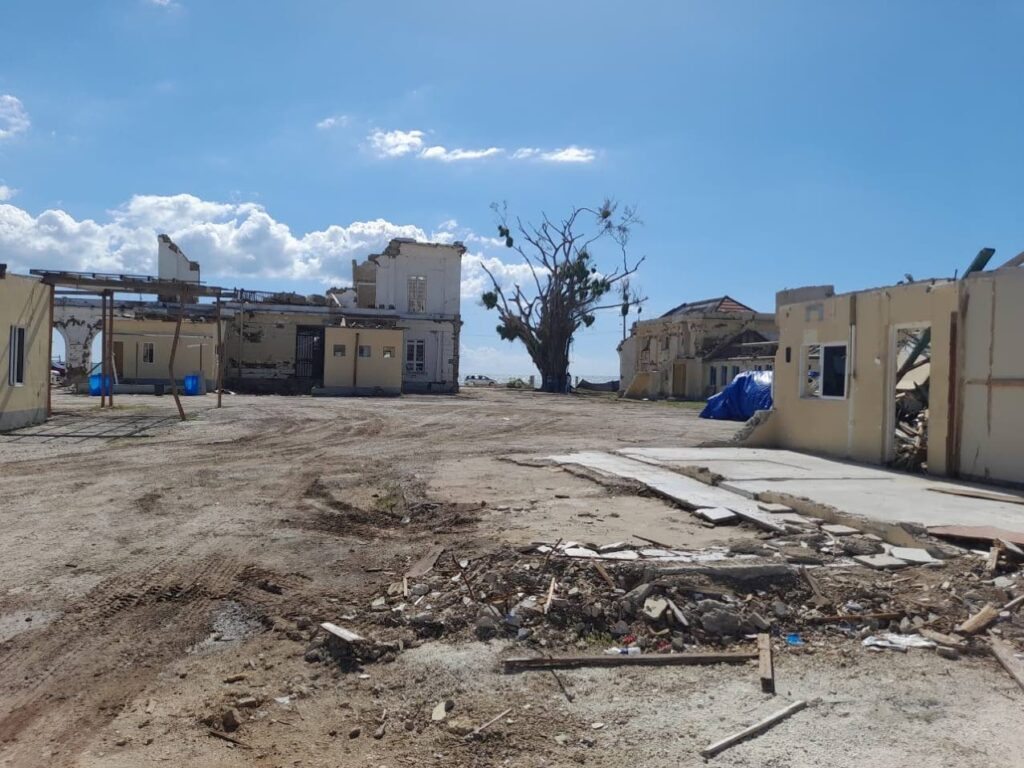
    SANTA CRUZ, St Elizabeth — Municipal operations in St Elizabeth remain severely disrupted more than two months after Hurricane Melissa devastated the parish capital of Black River. Councillors of the St Elizabeth Municipal Corporation convened their first monthly meeting of 2026 at Levon’s commercial plaza in Santa Cruz, forced from their regular meeting venue which now serves as emergency office space for displaced municipal staff.

    The hurricane’s late October onslaught, characterized by towering tidal waves and powerful winds, rendered the corporation’s aging office buildings and the adjacent historic Black River Courthouse unusable. The only structurally sound building—a concrete and steel meeting hall constructed over a decade ago—now accommodates scores of employees from multiple departments including the mayor’s office, CEO’s office, engineering, accounts, planning, and disaster coordination.

    A Jamaica Observer visit last Friday revealed severely cramped working conditions within the 25×40 foot meeting room. Staff reported extreme frustration, lack of privacy, and concentration difficulties exacerbated by the constant hum of a fuel-driven generator providing emergency power. Deputy Mayor Donald Simpson (JLP, Malvern Division) described the situation as “almost impossible to function properly” and “traumatizing” for personnel attempting to maintain services.

    During Thursday’s meeting, councillors emphasized the urgent need for central government intervention. Councillor Karl Whyte (JLP, Pedro Plains Division) highlighted both physical and psychological damage, calling for immediate resource allocation including reconditioned laptops and hurricane relief funding. He stressed that millions in donated relief funds should be directed to areas of greatest need.

    Mayor Richard Solomon (JLP, New Market Division) acknowledged ongoing representations to central government but cautioned against expecting “a magic wand” solution given the widespread destruction. The meeting also addressed concerns about inadequate consultation regarding Black River’s rebuilding process, with former Mayor Everton Fisher (PNP, Balaclava Division) criticizing Local Government Minister Desmond McKenzie for not meeting with all councillors since the disaster.

    The hurricane’s impact extended beyond municipal offices, severely damaging Black River Hospital, schools, markets, heritage sites, and commercial enterprises. Iconic Independence Park, the parish’s primary recreation and event venue, has been transformed into a temporary dump site for hurricane debris—a decision that sparked controversy during the meeting. While Councillor Dwight Salmon (PNP, Black River Division) criticized the use of the park for dumping, Mayor Solomon explained it was a necessary emergency measure given blocked roads and collapsed communication networks.

    Despite cleanup efforts continuing as an immediate priority, Mayor Solomon committed to restoring Independence Park and dismissed rumors of plans to repurpose the facility for infrastructure development. The corporation continues to navigate both short-term recovery challenges and long-term rebuilding planning while operating under severely compromised conditions.

  • Statement by BADMC on theft of yams

    Statement by BADMC on theft of yams

    Barbados is confronting a significant organized crime operation targeting its agricultural sector following the theft of approximately 10,000 pounds of yams from the Barbados Agricultural Development and Marketing Corporation (BADMC). The sophisticated theft occurred between the evening of January 2, 2026, and the early morning of January 5, 2026, marking one of several coordinated incidents across St. Philip and St. John parishes during that weekend.

    The Barbados Police Service has launched a comprehensive investigation into the large-scale agricultural thefts that are depriving local farmers of their livelihoods and causing substantial financial damage estimated in the hundreds of thousands of dollars. Authorities have alerted vendors and retailers to exercise extreme vigilance when approached with yam supplies, particularly given the commodity’s limited availability on the island.

    In response to the criminal operation, BADMC has issued stringent guidelines for large-scale purchasers. Those buying more than 100 pounds of yams are urged to demand formal invoices, verify sellers’ identities through valid Farmers’ Identification cards or Barbados National Identification Cards, and obtain confirmation of the farm origin for all produce. These measures are designed to create an audit trail that will assist law enforcement in identifying the perpetrators.

    The situation has drawn commentary from Minister of Agriculture, Food and Nutritional Security Indar Weir, who emphasized the critical role of public cooperation in combating praedial larceny (agricultural theft). Minister Weir stressed that existing laws require consistent enforcement and community participation to be effective, noting that tolerance of black market produce sales ultimately enables continued criminal activity.

    BADMC is actively encouraging citizens to assist authorities in dismantling these organized theft networks that threaten both food security and agricultural sustainability in Barbados.

  • Crop theft ‘forcing’ top grower to scale back production

    Crop theft ‘forcing’ top grower to scale back production

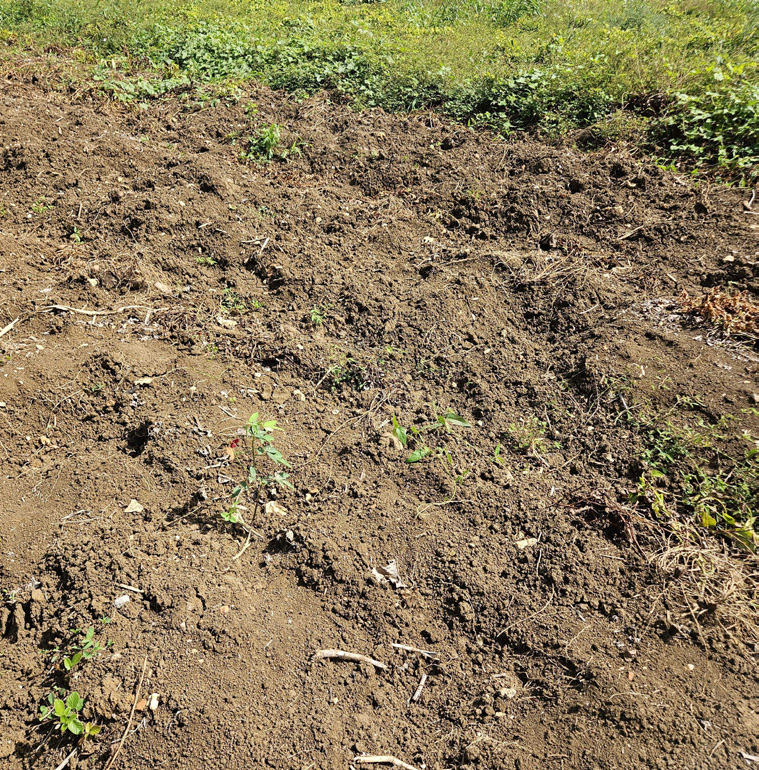
    Prominent Barbadian agricultural producer Richard Armstrong has reached a critical juncture in his decades-long farming career, announcing plans to significantly scale back crop cultivation following massive organized thefts targeting his operations. The owner of Armag Farms revealed that thieves systematically stole approximately 15,000 pounds of yams from his St. John fields in recent weeks, with at least 3,000 pounds disappearing in a single night.

    The Christmas period brought an alarming escalation in what Armstrong describes as ‘commercial crop theft’ rather than petty larceny. ‘These people are making a living off of it,’ he emphasized, noting the sophisticated nature of the operations that have pushed his farming enterprise to the brink of sustainability. The thefts have forced Armstrong into difficult security decisions, juggling limited protection between his yam fields in St. John and sweet potato crops in St. Philip.

    Financial analysis reveals the staggering cost of security measures, with annual expenses approaching $80,000 including private security firms—a burden that cannot be passed to consumers given stagnant pricing structures. ‘We are price takers, not price setters,’ Armstrong explained, noting that potatoes currently sell at roughly the same price as forty years ago despite significantly increased production costs.

    The psychological impact has been profound, with Armstrong describing decades of nightly anxiety about crop losses as ‘exhausting and demoralizing.’ He criticized the lack of enforcement regarding produce sales legislation, noting that receipt requirements exist on paper but remain unimplemented. The farmer also questioned why the Barbados Defence Force hasn’t been deployed as a deterrent, citing Jamaica’s successful use of military personnel to combat agricultural theft.

    Armstrong warned that continued inaction threatens national food security, as large-scale producers reconsider their operations. With lower yam yields expected due to severe drought conditions in August and September, the coming year presents particularly challenging circumstances for Barbadian agriculture.

  • Holidays 2026: These are the long weekends this year

    Holidays 2026: These are the long weekends this year

    The Dominican Republic’s Ministry of Labor has officially released the 2026 holiday calendar, implementing the nation’s unique holiday rescheduling system established by Law 139-97. This longstanding legislation allows for the strategic movement of midweek holidays to Mondays, creating extended weekends throughout the year.

    According to the published schedule, Dominican workers can anticipate seven extended holiday weekends during 2026. The system operates on the principle that when a holiday falls on Tuesday, Wednesday, Thursday, or Friday, it is automatically relocated to the preceding Monday, effectively creating three-day weekends. This approach applies regardless of whether the original holiday date falls on a Friday, with the weekend extending through Sunday.

    The 2026 holiday calendar begins with Three Kings’ Day, originally falling on Tuesday, January 6th but officially moved to Monday, January 5th. This creates the first extended weekend starting at noon on Saturday, January 3rd through Monday, January 5th.

    Subsequent extended weekends include:
    – January 24th-26th: Celebrating Juan Pablo Duarte’s birthday
    – February 27th-29th: National Independence Day observances
    – April 3rd-5th: Holy Week holidays (Good Friday observance)
    – May 2nd-4th: Labor Day celebrations (moved from first Friday of May)
    – November 7th-9th: Constitution Day observances
    – December 25th-27th: Christmas celebrations

    Additionally, 2026 features five fixed-date holidays that maintain their original scheduling: New Year’s Day (January 1), Our Lady of Altagracia Day (January 21), Corpus Christi Day (June 4), Restoration Day (August 16), and Our Lady of Mercy Day (September 24). This brings the total number of official holidays for 2026 to twelve, with seven offering extended weekend opportunities for Dominican workers and families.

  • Child under 12 years old reported missing in La Vega located

    Child under 12 years old reported missing in La Vega located

    Authorities in the Dominican Republic have successfully resolved a missing child case that garnered significant attention through digital channels. The National Police confirmed the safe recovery of a 12-year-old male minor in La Vega province after an intensive search operation triggered by social media alerts.

    The incident unfolded when educational staff at the boy’s school notified his mother of his unexplained absence from classes on Thursday, January 8. Despite having left his residence to attend the nearby learning institution, the child never arrived at the facility, prompting immediate concern.

    Law enforcement agencies sprang into action following digital dissemination of the missing person alert. Investigators from the Regional Investigation Subdirectorate (Dicrim) mobilized resources to trace the minor’s whereabouts through systematic investigative protocols.

    The case reached its positive conclusion when police verification confirmed the child had voluntarily traveled to Santiago province to stay with relatives, reportedly due to personal circumstances. The mother subsequently traveled to the location and safely retrieved her son without incident.

    Official statements from the National Police emphasized that the minor remained in good health throughout the episode and suffered no compromise to his physical wellbeing. With the child now under parental supervision, authorities have formally closed the investigation, noting no criminal elements were involved in the occurrence.

  • Without a trace or goodbyes: The heartbreaking disappearances of children in the country

    Without a trace or goodbyes: The heartbreaking disappearances of children in the country

    Santo Domingo — A silent crisis is gripping the Dominican Republic as families across the nation endure the unimaginable agony of missing children. The desperate plea—’Has anyone seen my child?’—echoes through communities where youngsters have vanished from everyday settings: school routes, family gatherings, and their own homes.

    This investigative report documents several heartbreaking cases that highlight systemic challenges in child protection and criminal investigations. The recent disappearance of three-year-old Brianna Genao Gonzalez during New Year’s Eve celebrations in Puerto Plata has triggered massive search operations involving specialized units from the Public Prosecutor’s Office, National Police, SWAT teams, and canine units. Despite confessions from two suspects regarding sexual assault and murder, Brianna’s whereabouts remain unknown.

    The pattern repeats across the country: Two-year-old Isaías Deversió was found deceased after vanishing from El Seibo province; Roldany Calderón, aged three, disappeared without trace from Jarabacoa 284 days ago; and nine-year-old Liz María Sánchez was allegedly murdered with her body never recovered despite a conviction.

    Particularly vulnerable cases include Abraham Baez Carrion, a non-verbal autistic child missing since 2017, and Yodalis Luciano, who vanished in 2015 while living with sickle cell disease. The tragedy extends to pregnant sixteen-year-old Emely Peguero, whose brutal murder revealed systemic violence against young women.

    These cases represent just a fraction of the unresolved disappearances that have left families in perpetual anguish and exposed critical gaps in child protection mechanisms, investigative protocols, and judicial follow-through. While authorities occasionally achieve breakthroughs, most families continue waiting for answers that may never come.