
In the midst of Haiti’s ongoing turmoil, marked by violence, natural disasters, and systemic poverty, Pope Leo XIV’s first apostolic exhortation, *Dilexi te* (Latin for ‘I have loved you’), has emerged as a beacon of hope. The document, which emphasizes Christ’s love for the poor and calls for the Church’s renewed commitment to the marginalized, has resonated deeply with Haiti’s suffering population. Bishop Pierre-André Dumas, Vice-President of the Episcopal Conference of Haiti, who is currently recovering in the United States after an attack by criminal gangs, has described the exhortation as a ‘prophetic text’ that speaks directly to the pain and aspirations of the Haitian people. The exhortation, signed on October 4, 2025, and published on October 9, 2025, underscores the moral imperative to address poverty, which Bishop Dumas argues is not an inevitability but a consequence of human choices. The document also finds relevance in the lives of Haiti’s most vulnerable, including victims of gang violence, migrants, and families displaced by natural disasters. Despite the overwhelming challenges, Bishop Dumas remains hopeful, citing the solidarity and faith of Haiti’s communities as evidence of divine benevolence. *Dilexi te* has been hailed as a transformative message that could inspire Haiti’s path to recovery and renewal.
分类: society
-
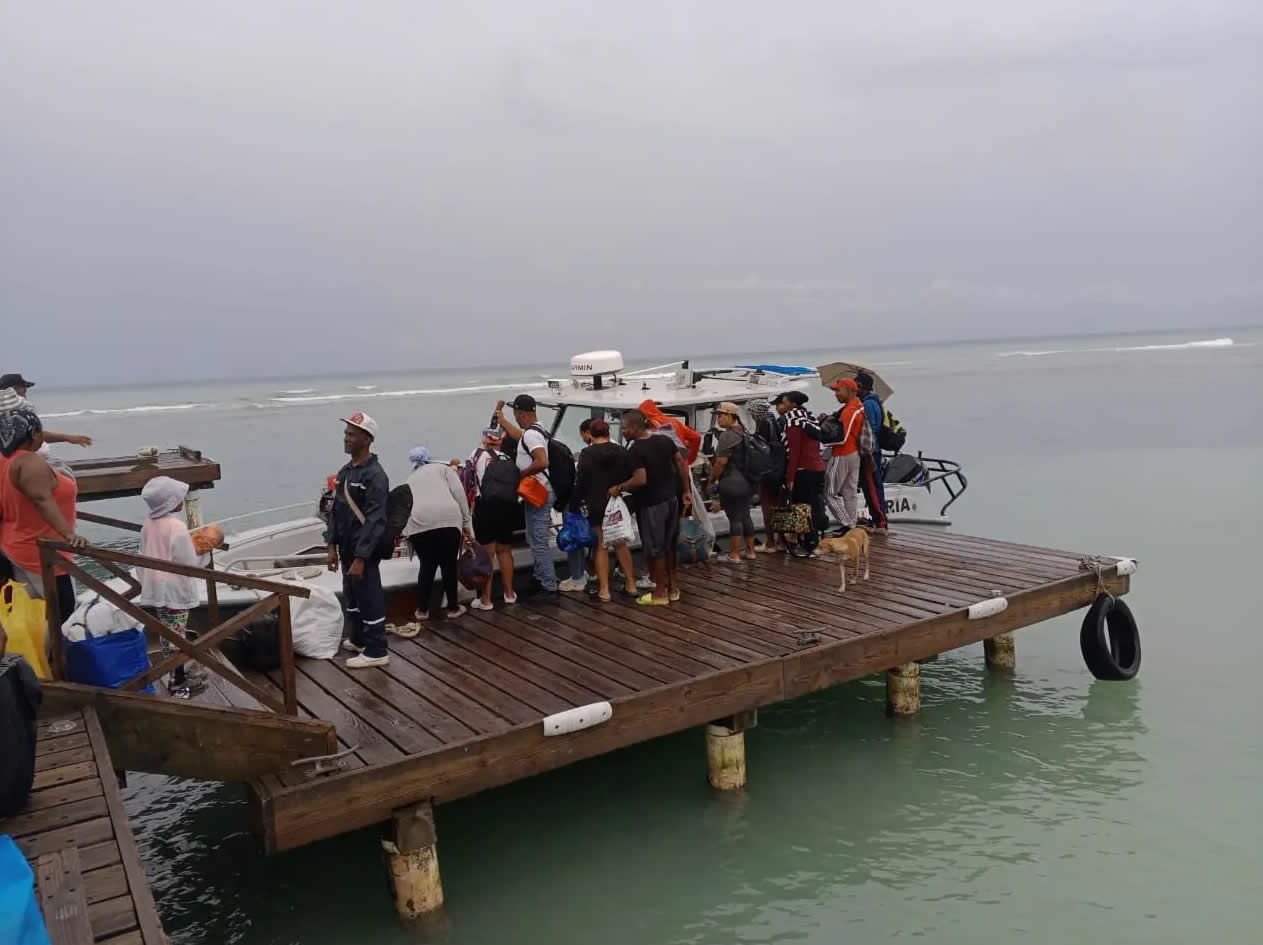
Melissa: Nearly 100 people evacuated from Saona Island
In a swift and coordinated response to the impending threat of Tropical Storm Melissa, the Dominican Republic Navy (ARD), under the Ministry of Defense (MIDE), successfully evacuated 98 individuals from Saona Island this Saturday. The operation was executed as a preventive measure against the storm’s adverse effects, which have already brought heavy rainfall and high waves to the eastern and southern coasts of the country. The evacuation was part of a broader emergency response strategy led by the Ministry of Emergency Management (MIDE), which mobilized all available resources of the Armed Forces to support the Emergency Operations Center (COE) and civil authorities in ensuring public safety. Lieutenant General Carlos Antonio Fernández Onofre, the Minister of Defense, directed the Navy to activate its emergency protocols, deploying surface naval units and specialized rescue teams. Vice Admiral Juan Bienvenido Crisóstomo Martínez, Commander General of the Navy, emphasized the critical role of interoperability among Naval Commands, the Eastern Naval Zone, the Captaincy of the Ports, and the Dominican Maritime Authority in the operation’s success. ‘This swift action reflects the preparation, discipline, and commitment of our men and women of the sea, who respond with determination whenever the nation needs them,’ stated Vice Admiral Crisóstomo Martínez. The evacuees were safely transported to the Port of Bayahibe, where they received immediate assistance from relief agencies. The Ministry of Defense reaffirmed its unwavering commitment to safeguarding the lives, safety, and well-being of its citizens, with air, naval, and land resources remaining on standby to address any further challenges posed by Storm Melissa.
-

Sosúa: The Dominican corner that defied Adolf Hitler’s hatred and saved lives from the Holocaust
The television program *Migrantes*, hosted by journalist Millizen Uribe and aired on Telesistema Channel 11, recently featured poignant testimonies from descendants of Jewish refugees who settled in Sosúa, Dominican Republic. These individuals shared deeply moving accounts of their grandparents’ experiences, who fled the Nazi genocide during the mid-20th century. The program shed light on the resilience and enduring legacy of these survivors. Julli Wellich Miller, one of the descendants, recounted the challenges her grandmother faced upon arrival in 1940, including the harsh tropical climate, which was a stark contrast to the European weather they were accustomed to. Despite adapting to the new environment, her grandmother carried the emotional scars of losing several relatives in the Holocaust. Miller emphasized her grandmother’s strength and the role of faith in their lives, stating, ‘The Jewish religion has a tradition that can be carried from home.’ Another descendant, Eric Czarlinski, shared his father’s harrowing experience of being forcibly taken from his home by the Nazis, describing it as ‘worse than what you see in the movies.’ Czarlinski also reflected on his mixed religious identity, acknowledging the difficulty of maintaining Jewish traditions while living in the capital. The Holocaust, known as the Shoah in Hebrew, was a systematic genocide aimed at exterminating the Jewish population of Europe during World War II. These testimonies serve as a powerful reminder of the atrocities of the past and the enduring strength of those who survived.
-
CICA International University & Seminary Issues Legal Response to False and Defamatory Statements
CICA International University & Seminary, along with its Technical Centre of Excellence, has issued a robust legal response to what it describes as false, defamatory, and procedurally improper statements made by the Antigua & Barbuda National Accreditation Board (ABNAB) and the Ministry of Education. The statements questioned the legitimacy of CICA’s programs and accreditation status, prompting the institution to clarify its position and defend its reputation. CICA emphasized that it is not pursuing local accreditation in Antigua & Barbuda, as it already holds international accreditation from globally recognized bodies. These include the City & Guilds of London Institute, regulated by Ofqual (UK), and registration with the Florida State Department of Education under Section 1005.06(1)(f). Additionally, the university is ISO certified and WES verified, ensuring international equivalency and quality assurance. Between 2021 and 2024, CICA submitted extensive documentation to ABNAB on 21 occasions, totaling 69 attachments, demonstrating proactive transparency. Despite these efforts, ABNAB and the Ministry of Education issued two public statements without prior consultation, verification, or adherence to procedural fairness, causing significant reputational harm. CICA asserts that it has operated lawfully and in full compliance with international education standards. The matter has now been referred to legal counsel for further action to safeguard the institution’s reputation and global standing. CICA remains committed to educational excellence, faith-based leadership, and global collaboration, operating under internationally recognized frameworks and quality standards.
-

US jury finds man, 61, guilty of killing Saint Lucian man
In a landmark verdict, Timothy Timmons has been found guilty of second-degree murder by a Clinton County, New York jury for the December 2024 killing of Jahfari Joseph, a Saint Lucian resident of Plattsburgh. The decision, reached on Thursday after a 10-day trial, marks the culmination of a high-profile case that gripped the local community. Joseph, a 40-year-old who had lived and worked in the Plattsburgh area, was reported missing on December 29, 2024. The investigation gained momentum when authorities charged Timmons, 61, following a search of property linked to the case. Jurors deliberated for less than an hour before delivering a unanimous guilty verdict, swayed by compelling evidence presented by prosecutors, including witness testimonies, digital records, and phone call logs. In an emotional interview with NBC5, Joseph’s mother, Theresa John, expressed profound relief, stating, ‘I’m just happy as a mom that justice is served.’ Clinton County District Attorney Andrew Wiley confirmed that sentencing is set for January 2026. Under New York law, second-degree murder carries a penalty ranging from 15 years to life, with a maximum of 25 years to life in prison.
-
STATEMENT: Update on the safety of Dominican students in Jamaica and Cuba
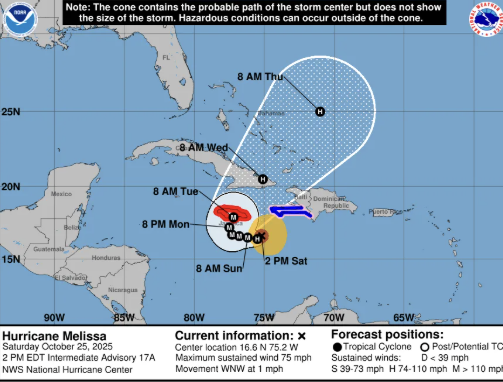
In response to the imminent threat posed by Hurricane Melissa, the Ministry of Education, Human Resource Planning, Vocational Training, and National Excellence of Dominica has been actively engaged in safeguarding its students abroad. Since Thursday, October 23rd, officials have maintained close contact with Dominican students in Jamaica, who have confirmed they are well-prepared, residing in secure accommodations, and equipped with sufficient supplies. The Ministry is also coordinating with the Students’ Association to address any needs highlighted in their assessment report. Additionally, the Dominican embassy in Cuba has been in communication with local authorities, who have implemented a special protection protocol for foreign students. Dominican students in Cuba have also initiated their own preparatory measures. The Government of Dominica remains vigilant, continuously monitoring the situation and maintaining open lines of communication with students and relevant authorities to ensure their safety and well-being.
-
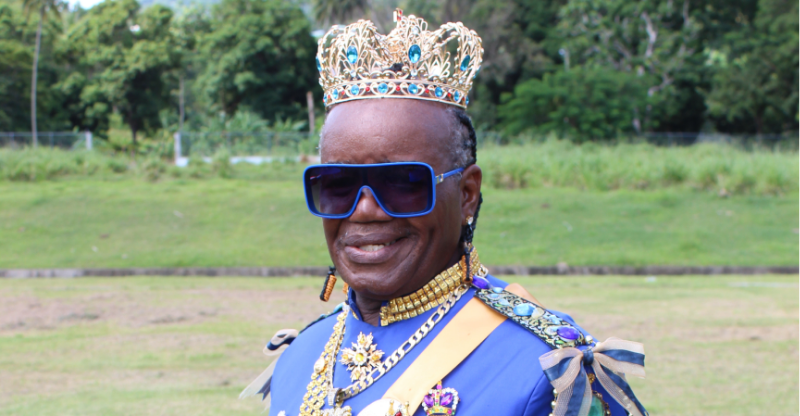
La Marguerite King calls for more recognition
Antoninus Thomas, a revered figure in Saint Lucia’s cultural landscape, has proudly worn the crown as La Marguerite King for four decades. His unwavering dedication to the Dennery Marguerite Society and his advocacy for the recognition of cultural royalties have made him a national icon. On October 17, during the Grande Fete La Marguerite in La Ressource, Dennery, Thomas marked his 40th anniversary as King, reflecting on his profound love for the festival and Saint Lucian culture.
-
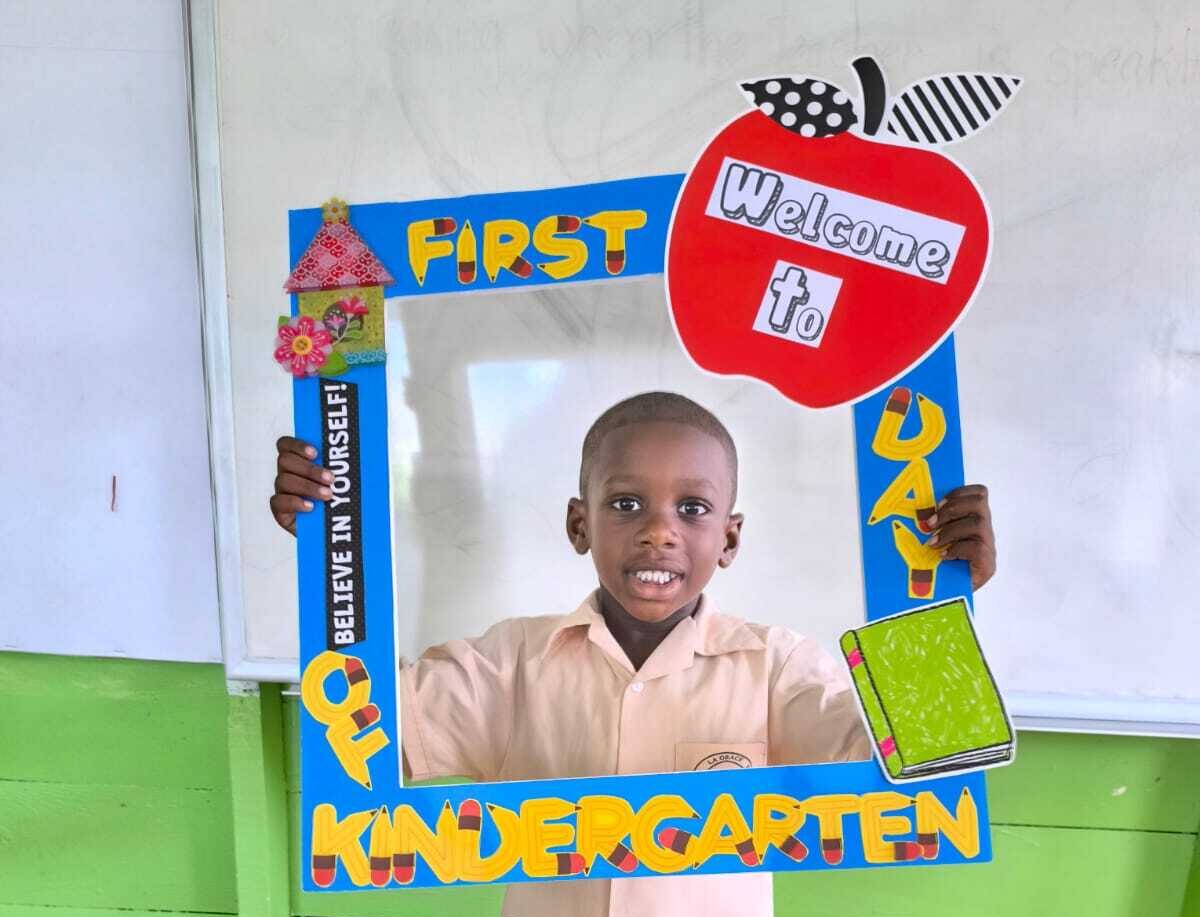
Kindergartener dead following Vieux Fort collision
The community of Vieux Fort is grappling with profound grief after a devastating three-vehicle collision on October 25, which claimed the life of a young kindergarten student, Rikki Samuel. The tragic incident occurred along the Vieux Fort-Laborie Highway, near the Hewanorra International Airport and the Marine Base (Il Pirata), shortly before 11:00 a.m. Rikki, born on Christmas Eve in 2020, was described by his mother, Alister Antoine, as a joyful and car-loving child. He had accompanied his father, Jonard Samuel, a taxi driver, to refuel their vehicle when the accident occurred. Disturbing footage from the scene showed the child lying on the ground, having been ejected from the vehicle. The collision involved three minibuses, including a public bus with a route band. While Rikki is the only confirmed fatality, 11 others sustained injuries. The Royal Saint Lucia Police Force and Saint Lucia Fire Service responded promptly, but no official statement has been released. The tragedy has sparked intense social media debates, with calls for stricter driving regulations and heightened road safety awareness.
-

One dead, multiple injured after three-vehicle Vieux Fort collision
A devastating incident occurred in Vieux Fort on October 25, as a three-vehicle collision resulted in multiple injuries and the tragic death of a young child. According to reports from St. Lucia Times, several individuals were rushed to the hospital for urgent medical care. Eyewitnesses recounted the harrowing scene, describing the child as motionless at the crash site. Tragically, it was later confirmed that the child succumbed to his injuries. The deceased was identified as a student of Banse La Grace Combined School, leaving the local community in profound grief. The aftermath of the collision, captured in images and videos circulating on social media, has ignited widespread sorrow and anger among residents. Many Saint Lucians have taken to social media to express their frustration, calling for immediate action to enhance road safety measures and stricter enforcement of traffic laws. One Facebook user emphatically stated, “High time they take the necessary actions to deal with these drivers.” The incident has reignited urgent discussions about the need for improved road safety protocols to prevent such tragedies in the future.
-
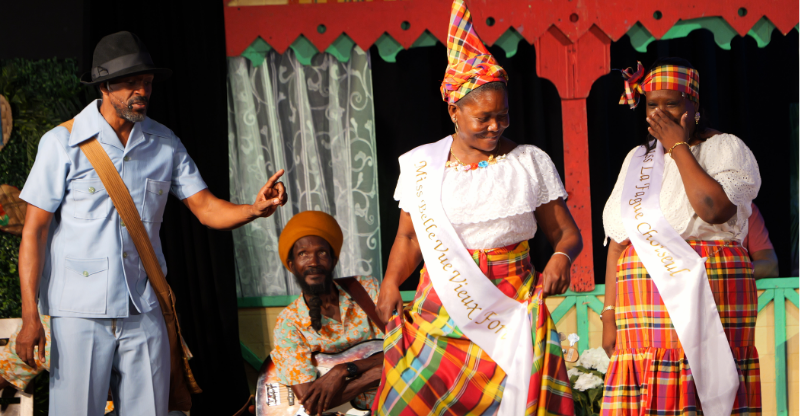
National dress debates run deeper than just fabric
The concept of geographical authenticity in cultural products has gained global recognition, with examples like tequila from Mexico, champagne from France, and now Kente cloth from Ghana. In October, Ghana’s Geographical Indications Act officially classified Kente cloth as a product of specific regions like Agotime and Adanwomase, safeguarding its authenticity and value. This development has sparked a broader conversation about cultural identity and authenticity in fashion, particularly in Saint Lucia, where national and Creole wear reflect a complex history of cultural blending. Across the Caribbean and the Americas, fabrics and garments often serve as cultural emblems, tracing their origins to centuries of interwoven identities. In Saint Lucia, Madras—a colorful, checkered fabric originating from Chennai, India—has become dominant, though floral cotton prints were once the fabric of choice. Designer and cultural advocate Sean Greaves notes that floral material was historically associated with the Wòb Dwiyèt, worn by the less affluent, while French brocade, imported from French Guiana, signified wealth. Madras, initially used for hair ties, gradually became central to Saint Lucian attire. The evolution of national costumes in the French Caribbean, including the douillette and chemise-jupe, reflects a blend of African, Asian, East Indian, European, and Indigenous American influences. Saint Lucia inherited these styles, with the chemise-jupe evolving into the Madras-based national dress. Greaves attributes the shift to Madras’s accessibility, as most fabrics are imported from Trinidad and Tobago. Unlike Ghana’s Kente, which remains rooted in its origin, Saint Lucia’s national wear embodies a layered history shaped by the transatlantic slave trade and indentured labor. Entrepreneur Anselm Mathurin’s Calabash Wear print, showcased at New York Fashion Week, highlights the ongoing quest for a distinctly Saint Lucian identity. The question remains: Is authenticity about origin, or the reinvention of historical legacies?