分类: society

  • Survey shows gains in cleanliness and business environment under DKRI

    Survey shows gains in cleanliness and business environment under DKRI

    KINGSTON, Jamaica — A comprehensive perception survey conducted by the Downtown Kingston Redevelopment Initiative (DKRI) reveals significant progress in urban revitalization efforts, with measurable improvements in cleanliness, safety, and business confidence across key downtown sectors. The six-month assessment, covering areas from Orange Street to East Street and Ocean Boulevard to Tower Street, demonstrates the tangible impact of targeted interventions in transforming the city’s commercial core.

    Michael McMorris, DKRI Committee Chair and former Jamaica Chamber of Commerce President, characterized the findings as a definitive turning point for downtown Kingston. “The empirical data validates our on-ground observations: enhanced urban cleanliness directly influences public perception, mobility patterns, and commercial vitality. Environmental improvements catalyze economic confidence, which remains fundamental to revitalizing Kingston’s historic business district,” McMorris stated.

    The dual-survey methodology captured perspectives from both business leaders and community stakeholders—including shoppers, residents, vendors, and workers—providing a holistic view of the initiative’s impact. Key metrics demonstrate remarkable progress: public cleanliness ratings surged from 39.6% to 58% within six months, while reports of environmental challenges plummeted from 48.6% to 23.3%.

    Infrastructure and safety indicators showed equally promising trends. Business approvals of street lighting improved dramatically from 28.6% to 53.3%, while public safety confidence jumped from 49.5% to 73%. Confidence in policing effectiveness reached 81%, up from 72.3%, and positive perceptions of the overall business environment climbed from 45.5% to 61%.

    Although the survey identified persistent sanitation issues, including localized sewage overflows, the report interprets these findings as evidence of heightened public expectations amid overall conditions improvement. McMorris emphasized that such feedback provides actionable intelligence for phase-two interventions.

    The DKRI—a collaborative partnership between the Jamaica Chamber of Commerce and Kingston Restoration Company, with funding from VM Building Society, Pan Jamaica, Scotiabank, and GraceKennedy—has launched the ‘Keep It Clean’ campaign to sustain momentum. This corporate citizenship initiative recognizes businesses demonstrating exceptional environmental stewardship through maintained shopfronts and sidewalks.

    Approximately 30 enterprises have joined the campaign, including Broadbent’s Duke Street branch. Manager Karine Chuck noted, “Our participation reflects our corporate responsibility to enhance Kingston’s aesthetic appeal. The new receptacles and murals already create a more inviting atmosphere that attracts visitors and customers.”

    Sherina Whyte, co-founder of Waah Gwaan Café, echoed this sentiment: “Community improvement directly benefits business vitality. We encourage broader participation—a superior environment advantages commerce, community, and national development alike.”
  • ‘Struggling’ St James student gets support from JDF, community worker

    ‘Struggling’ St James student gets support from JDF, community worker

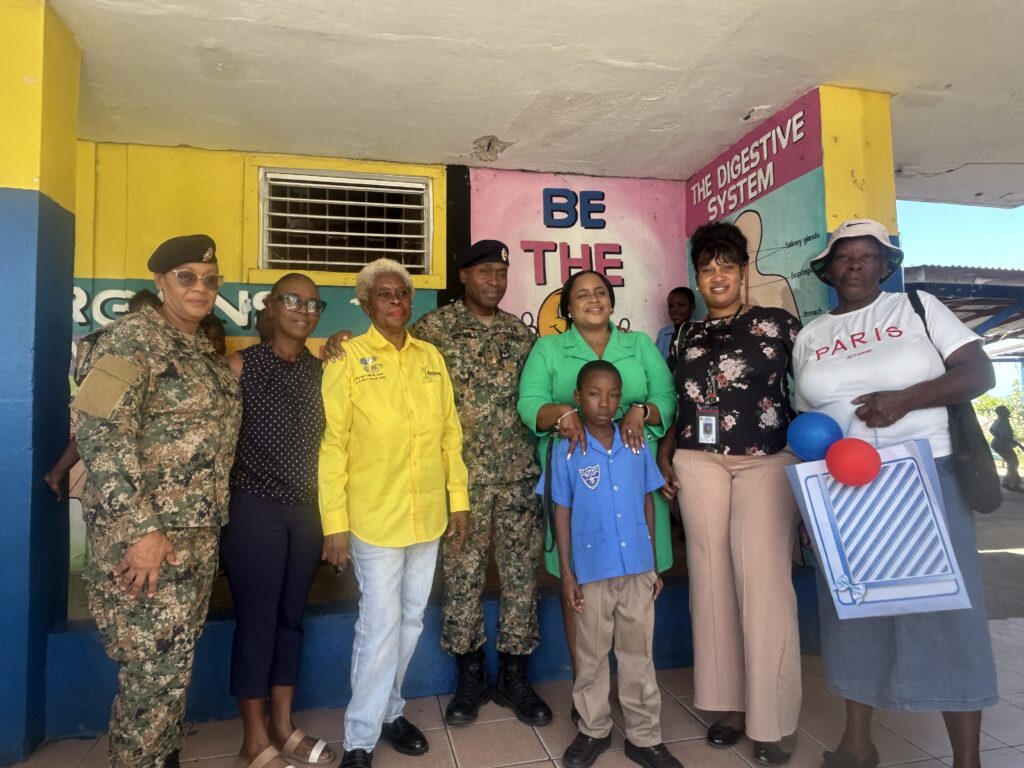
    ST JAMES, Jamaica — In a heartwarming display of community solidarity, a collaborative effort between local activism and military outreach has brought crucial support to a vulnerable student. Ten-year-old Tavoy Solomon, a Grade 3 student at Flanker Primary and Junior High, received a substantial cash grant and essential school supplies during a special devotion ceremony at his school last Wednesday.

    The initiative was spearheaded by community activist and honorary Jamaica Defence Force (JDF) member Sandra Miller Hall, who partnered with the JDF Health Services Corps’ community outreach department. Tavoy’s situation became particularly dire following Hurricane Melissa, which exacerbated existing financial hardships for the youngster who resides with his grandmother, Violet Campbell, in the Flanker community.

    Miller Hall, who had already been providing independent assistance to Tavoy, immediately recommended him when the JDF approached her to identify community members in need. “It was brought to my attention and it’s an ongoing thing that I am doing with him on my own,” Miller Hall explained to Online Observer. “When JDF asked me if I could find somebody [in need] as they had identified some cash, I identified Tavoy.”

    Major Ryan Jarrett, a medical doctor and JDF officer, clarified that such humanitarian efforts represent standard practice for his department. “Within my department, which is the Health Services Corps, we have a community outreach program and this is one of those many events that we would normally do,” Major Jarrett stated.

    The donation package included monetary assistance, educational materials, and recreational games designed to support Tavoy’s overall development. Violet Campbell, affectionately known as “Miss Vie,” expressed profound gratitude for the support, noting that although she hadn’t yet opened the envelope containing the cash grant, she knew it would “go a far way.”

    School Principal Colette Barnes welcomed the intervention with visible emotion, acknowledging Tavoy’s challenging circumstances. “I am elated,” Barnes declared. “I have known about Tavoy for about two years so I know of his struggles. We are in the business of education and transforming lives through education, so whatever help we can get is appreciated.”

    The military’s presence provided an unexpected educational dimension as students became fascinated by the soldiers’ visit and the accompanying helicopter. Barnes observed that the experience broadened students’ understanding of career possibilities within the military, with many expressing new interest in armed forces careers after learning that military personnel can pursue diverse professions including medicine, law, public health, and nursing.

  • National Bus Company says Routes Remain the Same

    National Bus Company says Routes Remain the Same

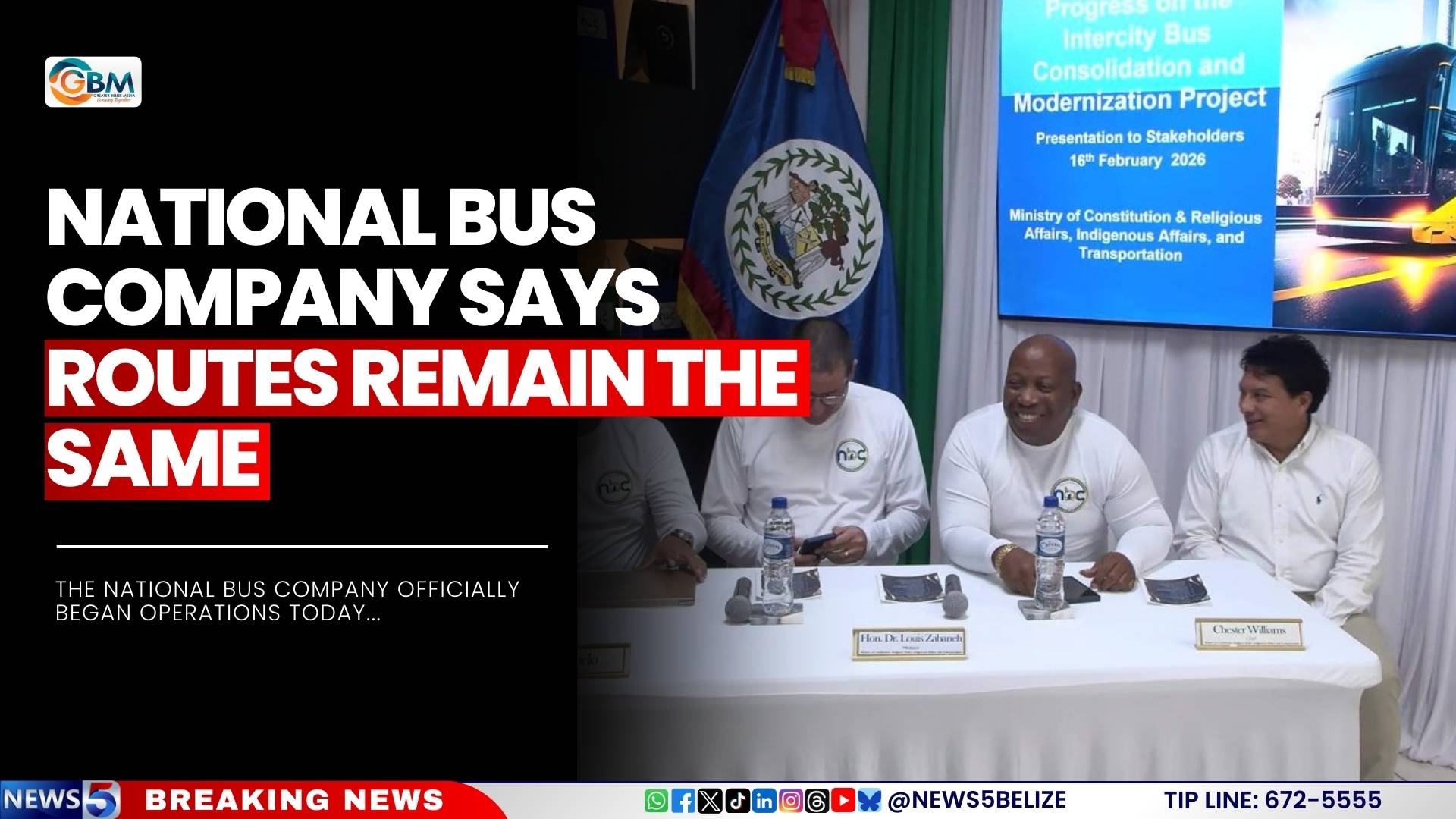
    The newly established National Bus Company commenced operations on March 1, 2026, marking a significant milestone in the government’s Transport Modernisation Initiative. Transportation authorities have confirmed that existing bus routes, schedules, and service frequencies will remain predominantly unchanged, with minor adjustments only applied to eliminate duplicate routes and closely timed departures.

    The Ministry of Transportation emphasized that the transition aims to enhance operational reliability and efficiency without disrupting current services. Officials pledged transparent communication regarding any future modifications to the bus network, ensuring passengers receive timely updates about service improvements.

    Despite governmental assurances, the launch has generated substantial skepticism among commuters. Social media platforms have become arenas for public criticism, with many questioning the tangible benefits of the rebranding initiative. One commentator noted, ‘Merely changing the names on buses hardly constitutes improved services,’ while another criticized the persistence of ‘old outdated buses’ within the new system.

    Commuters have specifically challenged whether the organizational restructuring will address fundamental concerns regarding vehicle standards, safety protocols, and punctuality—issues that remain under the management of existing operators. While transportation officials promote the initiative as progress, the traveling public maintains cautious expectations, awaiting evidence of substantive improvements rather than superficial changes.

  • Prosecutors mull options as student dies 16 months after being stabbed

    Prosecutors mull options as student dies 16 months after being stabbed

    The Caribbean nation of St. Vincent and the Grenadines is grappling with profound legal and social questions following the tragic death of 17-year-old student athlete Alia Mc Dowall on Sunday. Mc Dowall succumbed to complications from a severe throat stabbing that occurred outside her Central Leeward Secondary School on November 28, 2024, allegedly perpetrated by a student from Campden Park Secondary School.

    Her passing came precisely as her school community was conducting its annual athletic meet—an event where Mc Dowall would have showcased her running talents. The Central Leeward Secondary School memorialized her on social media, stating: “Today, we express our deepest condolences on the loss of our student-athlete. On a day such as this, you would have been prepared to showcase your talent through running. Rest in peace, young one.”

    The case has ignited serious scrutiny of the nation’s justice system. Prosecutors had instructed investigators just three days before Mc Dowall’s death to charge the alleged assailant with ‘wounding with intent.’ However, investigators have expressed frustration over procedural delays within the prosecution service.

    Complicating the legal proceedings is the unoperationalized Child Justice Act of 2019, which restricts investigators from charging minors without explicit instructions from the National Prosecution Service. Additionally, Section 169 of the Criminal Code presents a significant barrier, stating that a person cannot be deemed to have killed another if death occurs more than ‘a year and a day’ after the alleged act.

    Legal experts suggest prosecutors may now pursue charges of grievous bodily harm (GBH), which carries a maximum penalty of life imprisonment—the same as murder in a jurisdiction where capital punishment has been abolished. The case continues to develop as prosecutors weigh their options amid growing public concern about youth violence and judicial efficiency.

  • CARICOM backs plan to replace UWI Royal Charter with regional treaty

    CARICOM backs plan to replace UWI Royal Charter with regional treaty

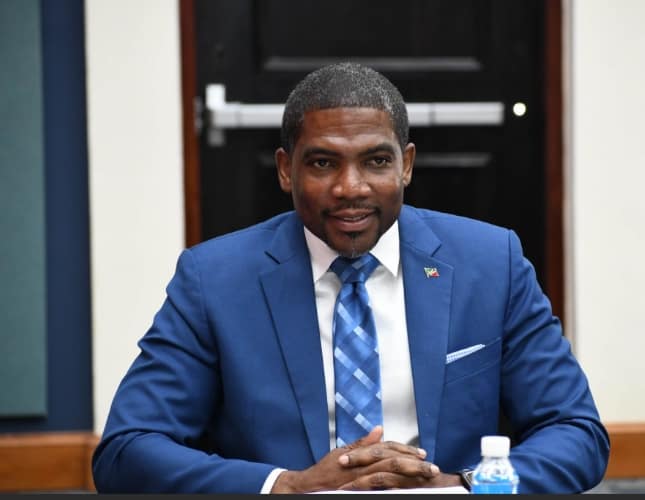
    In a landmark decision signaling a decisive break from colonial legacy, Caribbean Community (CARICOM) leaders have unanimously endorsed a proposal to supersede the University of the West Indies’ British Royal Charter with a regionally ratified treaty. The pivotal agreement was formalized during the 50th Regular Meeting of the Conference of Heads of Government, convened in Saint Kitts and Nevis.

    Chairing the conference, Prime Minister Terrance Drew of Saint Kitts and Nevis announced the move, characterizing it as a monumental stride toward indigenizing the premier academic institution. “This action propels us a step closer to fully indigenize that institution,” Dr. Drew stated, underscoring the achievement’s significance for regional sovereignty.

    Established under a Royal Charter granted by the British Crown, the University of the West Indies (UWI) has historically operated under this imperial framework, which defined its operational protocols and authority to confer degrees. The newly ratified proposal will supplant this colonial-era instrument with a binding treaty integrated into CARICOM’s legal architecture. This transition is meticulously designed to uphold the university’s established autonomy, existing governance model, and cherished academic freedoms.

    The strategic shift has garnered longstanding advocacy from UWI Vice-Chancellor Hilary Beckles, who views it as integral to comprehensive regional reform. Professor Beckles had previously cautioned that rescinding the Royal Charter without a robust alternative legal foundation could jeopardize the institution’s very continuity, highlighting the critical nature of this structured transition.

    This week’s endorsement effectively moves the proposition from theoretical policy deliberation to concrete, collective action, marking a new chapter of self-determination for Caribbean academia.

  • Best in police custody

    Best in police custody

    Barbados law enforcement authorities have successfully taken into custody Omar Ricardo Best, a 32-year-old resident of 2nd Avenue, Vauxhall, Christ Church, who had been the subject of an active police search. The detention occurred on Saturday following the issuance of an official “Wanted Man” bulletin on February 27th in connection with serious criminal allegations. The suspect is currently cooperating with investigators as the inquiry progresses. The Barbados Police Service has extended formal gratitude to both citizens and media outlets for their crucial assistance in the matter, highlighting the effectiveness of community-police collaboration in addressing security concerns. The arrest demonstrates the continued efforts of Barbadian authorities to maintain public safety and combat criminal activity through coordinated public engagement strategies.

  • ‘Gringo’ in police custody

    ‘Gringo’ in police custody

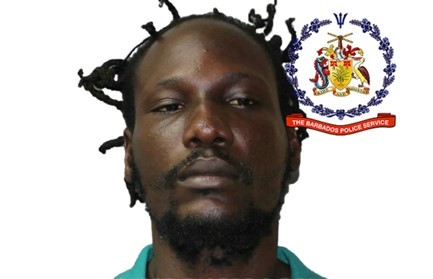
    Barbados law enforcement authorities have successfully apprehended Justin Omari Jones, a high-priority fugitive known by the aliases ‘Gringo’ and ‘Elgringo’. The suspect, residing at Fairfield Cross Roads in Tudor Bridge, St Michael, was taken into police custody on Saturday following an intensive public manhunt.

    The arrest comes precisely three weeks after the Barbados Police Service issued an official ‘Wanted Man’ bulletin on November 7, 2025, seeking public assistance in locating Jones regarding multiple serious criminal investigations. Authorities have confirmed that the suspect is currently cooperating with detectives and providing information relevant to their ongoing investigations.

    In an official statement released following the capture, the Barbados Police Service expressed gratitude to both media outlets and civilian residents for their crucial assistance in the successful resolution of this security operation. The collaborative effort between law enforcement and the community demonstrates the effectiveness of public-police partnerships in addressing criminal activities that impact societal safety.

    The apprehension of this wanted individual marks a significant development in the ongoing criminal investigations and reinforces the commitment of Barbadian authorities to maintaining public security and judicial accountability.

  • House on Fire Near Big Gutter in St John’s

    House on Fire Near Big Gutter in St John’s

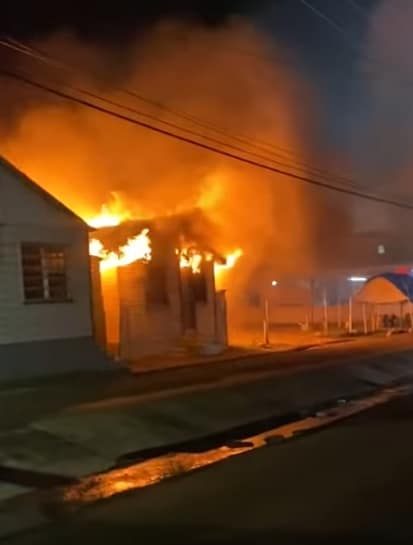
    Emergency services in St. John’s swiftly responded to reports of a fire outbreak in the vicinity of the area colloquially known as the Big Gutter. Initial dispatches indicate that firefighting units were deployed to the scene to contain and extinguish the blaze. The exact cause of the fire remains under investigation by local authorities, who are working to determine the origin and the extent of the damage. While the specific location details are often familiar to residents, the incident highlights ongoing concerns regarding fire safety in community areas. Officials have urged the public to avoid the area to allow emergency crews to operate unimpeded and efficiently. Further updates are anticipated as the situation develops and more information is formally released by the city’s emergency management team.

  • Friends of Cuba appeal for urgent donations to support hospitals in Cuba

    Friends of Cuba appeal for urgent donations to support hospitals in Cuba

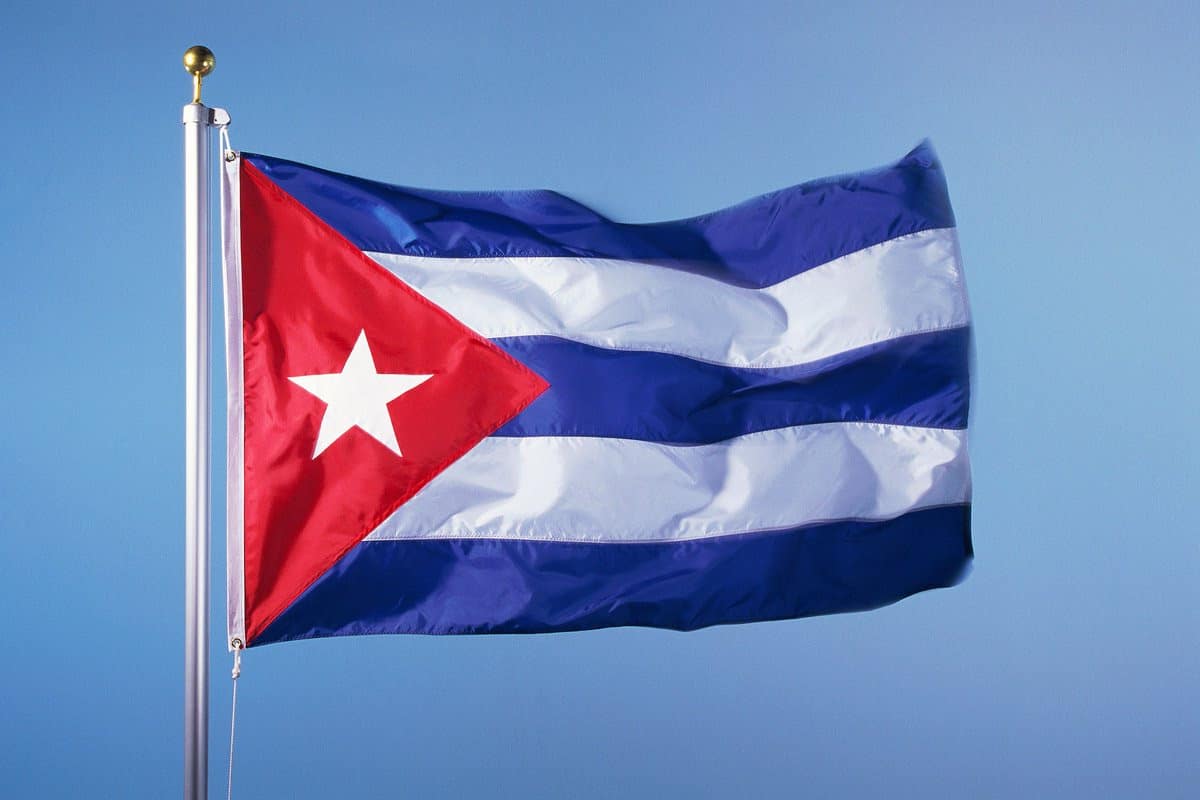
    In a powerful demonstration of international solidarity, Antigua and Barbuda has initiated a humanitarian fundraising campaign titled “Gratitude – Cuba: A friend indeed is now a friend in need” to address critical medical supply shortages in Cuban healthcare facilities. The initiative, orchestrated by the Friends of Cuba organization based in Antigua and Barbuda, specifically targets individuals who have previously benefited from Cuba’s extensive medical assistance programs while simultaneously welcoming contributions from the general public.

    The campaign operationalizes through multiple donation channels, accepting both monetary contributions and checks made payable to Williams and Associates Dental Ltd. The designated collection point operates at the Williams and Associates Dental Clinic in Deanery during standard weekday business hours with additional Saturday morning availability. All contributors will receive official receipts for their donations.

    According to campaign coordinators, the raised funds will be allocated exclusively toward procuring urgently needed medical equipment and supplies for Cuba’s struggling hospital system. Organizers have indicated potential supplementary fundraising events in the future should additional support become necessary. The initiative’s core message appeals directly to past recipients of Cuba’s medical outreach, encouraging them to “give as willingly as you’ve been given” in this reciprocal act of humanitarian support.

  • COMMENTARY: The Government of Antigua and Barbuda hates Antiguan and Barbudans

    COMMENTARY: The Government of Antigua and Barbuda hates Antiguan and Barbudans

    A chance encounter between two former classmates at a local Roti Hut has unveiled profound disillusionment with the state of Antigua and Barbuda. After two decades apart, the reunion quickly turned into a somber assessment of their homeland’s decline, revealing a pattern of national abandonment by its own citizens.

    The conversation exposed a troubling reality: numerous middle-class families from formerly prosperous areas like Villa have completely vanished from the country. These families, who once represented Antigua and Barbuda’s most promising citizens, have relinquished property ownership and severed ties entirely. The authors identify systemic government neglect as the root cause, arguing that Antiguans and Barbudans have been treated as secondary citizens in their own country.

    Cultural erosion compounds the problem. Traditional Antiguan dishes like ‘ducana and saltfish’ have become increasingly rare, while neighboring islands proudly maintain their culinary heritage. This cultural disappearance symbolizes a broader loss of national identity.

    The government stands accused of prioritizing foreign interests over domestic welfare. Land disputes consistently favor foreign parties or the government itself, while infrastructure needs like reliable electricity, water access, and well-maintained parks remain unaddressed. Recent tariff reductions appear as election-year manipulations rather than genuine concern for citizens’ economic hardship.

    The article highlights the paradoxical treatment of different communities: while government officials quickly address concerns of non-national groups following incidents of violence, born Antiguans and Barbudans await meaningful engagement on crime affecting their communities. This differential treatment reinforces the perception that political leaders value foreign votes more than native constituents.

    The conclusion presents a stark reality: after six decades of residency, the author feels increasingly marginalized by a government that appears to harbor animosity toward its own people. The fundamental desire to live, work, and thrive in one’s homeland without seeking refuge abroad remains an unfulfilled aspiration for many Antiguans and Barbudans.